الاورام الحميدة في الجهاز الهضمي العلاج في ليتوانيا - التكاليف 2026


تمت مراجعة المقالة طبيا من قبل
فهد مولود
ما هي تكلفة الاورام الحميدة في الجهاز الهضمي إجراءات التشخيص والعلاج في ليتوانيا؟ اعرف الآن
| تركيا | إسبانيا | |
|---|---|---|
| ازالة الاورام الحميدة في المعدة | من $450 | من $3,500 |
مزاياك وضماناتك مع Bookimed
أسعار مباشرة
Bookimed لا يضيف رسوماً إضافية على أسعار علاج الاورام الحميدة في الجهاز الهضمي. الأسعار مأخوذة من قوائم الأسعار الرسمية للعيادات. تدفع مباشرة في العيادة مقابل علاجك عند وصولك إلى البلد.
عيادات وأطباء معتمدون فقط
Bookimed ملتزم بسلامتك. نحن نعمل فقط مع المؤسسات الطبية التي تحافظ على معايير دولية عالية في علاج الاورام الحميدة في الجهاز الهضمي ولديها التراخيص اللازمة لخدمة المرضى الدوليين في جميع أنحاء العالم.
مساعدة مجانية على مدار الساعة
Bookimed يقدم مساعدة خبراء مجانية. منسق طبي شخصي يدعمك قبل وأثناء وبعد العلاج، ويحل أي مشاكل. لن تكون وحيداً أبداً في رحلة علاج الاورام الحميدة في الجهاز الهضمي.

منسقك الطبي الشخصي في Bookimed
- يدعمك في كل مرحلة
- المساعدة في اختيار العيادة الطبية المناسبة والطبيب المناسب
- يضمن الوصول السريع والمريح إلى المعلومات
اكتشف أفضل الاورام الحميدة في الجهاز الهضمي العيادات في ليتوانيا: 2 خيارات معتمدة والأسعار


مشاركة المحتوى
قصص فيديو من مرضى Bookimed
 Anna Leonova
أسئلة متكررة حول علاج الاورام الحميدة في الجهاز الهضمي في ليتوانيا
كيف يتم علاج أو إزالة الزوائد اللحمية في الجهاز الهضمي؟
يعالج الأخصائيون الزوائد اللحمية في الجهاز الهضمي عن طريق إزالتها أثناء إجراءات التنظير طفيفة التوغل. يقوم الأطباء عادةً بإزالة جميع الزوائد اللحمية التي يتم العثور عليها أثناء فحوصات الروتين مثل تنظير القولون. تشمل التقنيات استخدام حلقات سلكية أو ملقط لقص النمو. تتم معظم الإجراءات تحت التخدير لراحة المريض.
- استئصال الزوائد الروتيني: يستخدم الأطباء حلقات سلكية متخصصة أو ملقطًا صغيرًا أثناء التنظير.
- الاستئصال المتقدم: يقوم الأخصائيون بإجراء EMR أو ESD للزوائد اللحمية المسطحة الكبيرة أو المعقدة.
- الكي الكهربائي: يعمل التيار الكهربائي على قطع الأنسجة وإغلاق الأوعية الدموية لمنع النزيف.
- التدخل الجراحي: تُخصص جراحة المناظير للآفات الكبيرة جدًا أو السرطانية.
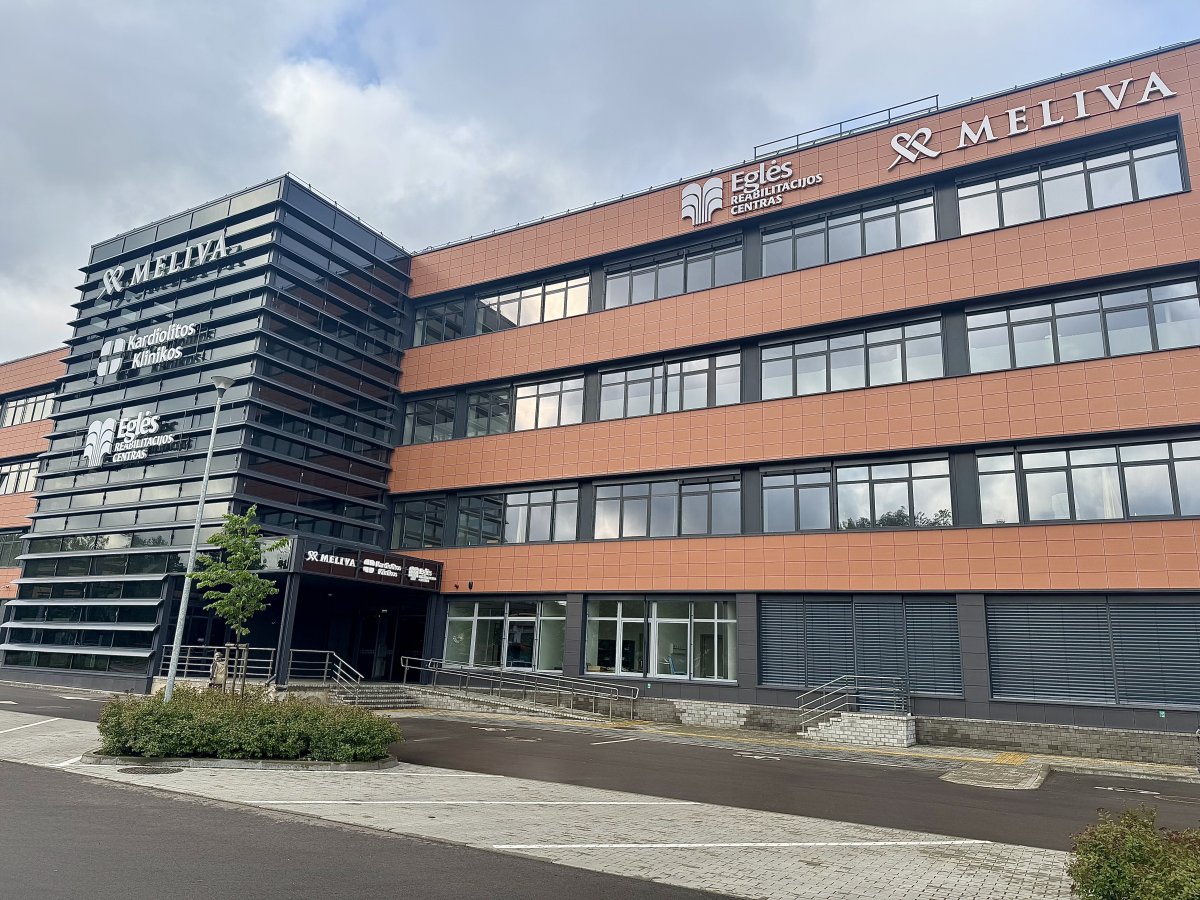
رؤية خبير Bookimed: يستفيد المرضى في ليتوانيا من الخبرة الطبية المركزة للغاية في فيلنيوس. يدير مستشفى Meliva Kardiolita وحده 298,000 مريض كل عام عبر 33 قسمًا. يشير هذا الحجم الهائل إلى أن الأخصائيين يتعاملون مع عمليات استئصال الزوائد اللحمية الشائعة يوميًا. يرتبط معدل دوران المرضى المرتفع عادةً بسلامة إجرائية محسنة ومعالجة فعالة للنتائج المرضية.
إجماع المرضى: يجد الكثيرون أن تحضير الأمعاء أكثر إرهاقًا من الإجراء نفسه. يذكر معظمهم أن التنظير يبدو وكأنه يمر بسرعة بسبب التخدير. غالبًا ما يتفاجأ الناس بأن الزوائد اللحمية تتم إزالتها فورًا أثناء مرحلة التشخيص.
هل كل سلائل الجهاز الهضمي سرطانية؟
معظم سلائل الجهاز الهضمي ليست سرطانية. فقط 5% إلى 10% تتحول في النهاية إلى سرطان. تستغرق هذه العملية البطيئة عادةً من 10 إلى 15 عاماً. يصنف الأطباء السلائل على أنها غير ورمية، أو ما قبل سرطانية، أو خبيثة. إزالة السلائل الحميدة أثناء الفحص تمنع تطور السرطان في المستقبل.
- خطر ما قبل السرطان: قد تتراكم الطفرات الجينية في السلائل الغدية بمرور الوقت.
- مؤشرات الخطر العالي: السلائل التي يبلغ حجمها 10 مم أو أكثر تحمل خطراً أعلى للإصابة بالخباثة.
- أنماط النمو: الهياكل الزغابية أكثر عدوانية من الأشكال المجهرية الأنبوبية.
- أهمية الكمية: العثور على 3 سلائل أو أكثر غالباً ما يزيد من وتيرة المراقبة.
رؤية خبير Bookimed: ترتبط مؤشرات الجودة في ليتوانيا بأحجام المرضى الكبيرة ومعايير JCI. يخدم مركز التشخيص والعلاج الطبي 60,000 مريض سنوياً عبر 53 قسماً. تدير العيادات واسعة النطاق مثل مستشفى Meliva Kardiolita 298,000 مريض سنوياً. توفر هذه المراكز ذات الحجم الكبير عادةً نتائج باثولوجية أسرع لأنها تمتلك بنية تحتية تشخيصية واسعة.
إجماع المرضى: يؤكد المرضى أن السليلة هي مجرد وصف، وليست تشخيصاً نهائياً. انتظر تقرير الباثولوجيا بعد الإزالة قبل التفاعل مع الانطباع البصري.
هل إزالة الزوائد اللحمية مؤلمة؟
إزالة الزوائد اللحمية غير مؤلمة بشكل عام. تفتقر بطانات الجهاز الهضمي إلى نهايات عصبية حساسة للألم. تستخدم العيادات الليتوانية التخدير أو التخدير العام لراحة المريض. لن تشعر بأي إحساس بالقطع أو الحرق. تسير معظم الإجراءات دون مضاعفات. عادة ما تكون الأحاسيس بعد الإجراء خفيفة ويمكن التحكم فيها.
- خيارات التخدير: تستخدم العيادات التخدير الواعي أو التخدير العام.
- الإحساس الداخلي: لا يمكن لبطانات القولون والمعدة الشعور بالألم.
- الانزعاج بعد الإجراء: قد يعاني المرضى من غازات خفيفة أو انتفاخ.
- فترة التعافي: يستأنف معظم الأفراد أنشطتهم الطبيعية في غضون 24 ساعة.
رؤية خبير Bookimed: ترتبط مؤشرات الجودة في ليتوانيا بالبنية التحتية للعيادات وحجم العمل. يدير مستشفى Meliva Kardiolita 298,000 مريض سنويًا. يشير هذا الحجم الكبير إلى عمليات مبسطة للتشخيصات الروتينية. يخدم مركز التشخيص والعلاج الطبي مريضًا واحدًا من بين كل 10 مرضى من الخارج. يشير تركيزهم المتخصص على إعادة التأهيل إلى بروتوكول متطور للتعافي بعد الإجراء.
إجماع المرضى: يجد العديد من المرضى أن تحضير الأمعاء أكثر إزعاجًا من الإزالة الفعلية. غالبًا ما يستيقظون من التخدير وهم يشعرون كما لو أن الإجراء لم يحدث أبدًا.
ما هي الرعاية المتابعة التي سأحتاجها بعد إزالة الزوائد اللحمية؟
تتضمن رعاية المتابعة بعد إزالة الزوائد اللحمية في الجهاز الهضمي تعديلات غذائية قصيرة المدى، ومراقبة نتائج علم الأمراض، وفحوصات مجدولة. يتلقى معظم المرضى تقارير الأنسجة في غضون أسبوعين. تحدد هذه النتائج ما إذا كان تنظير القولون المتابع ضروريًا في غضون سنة أو 5 أو 10 سنوات لضمان الصحة على المدى الطويل.
- التعديل الغذائي: الانتقال من الأطعمة اللينة إلى النظام الغذائي العادي في غضون 24 إلى 48 ساعة.
- سلامة الأدوية: تأكد مع فريقك الطبي من موعد استئناف تناول مميعات الدم أو مضادات الالتهاب غير الستيروئيدية.
- مستوى النشاط: تجنب رفع الأشياء الثقيلة أو ممارسة التمارين الشاقة لمدة 7 أيام تقريبًا بعد الجراحة.
- تتبع علم الأمراض: تحدد نتائج علم الأمراض من المختبر وتيرة جميع الفحوصات المستقبلية.
رؤية خبير Bookimed: تتعامل عيادات مثل مستشفى Meliva Kardiolita ومركز التشخيص والعلاج الطبي في فيلنيوس مع أكثر من 340,000 مريض سنويًا. يعني هذا الحجم الكبير أن مختبرات علم الأمراض لديهم تعالج الخزعات بسرعة. في ليتوانيا، غالبًا ما تقدم المراكز المعتمدة من JCI نتائج الأنسجة بشكل أسرع من العيادات الإقليمية الأصغر. تسمح هذه السرعة بتخطيط أسرع للعلاج إذا كانت رعاية المتابعة مطلوبة.
إجماع المرضى: يشير المرضى إلى أن خطة المتابعة الحقيقية تبدأ فقط بعد وصول تقرير الأنسجة. ويؤكدون على ضرورة مراقبة علامات الخطر مثل النزيف الأحمر الفاتح أو الحمى خلال الأسبوع الأول.
ما هو مستوى رعاية أمراض الجهاز الهضمي في ليتوانيا؟
تتبع أمراض الجهاز الهضمي في ليتوانيا معايير الاتحاد الأوروبي العالية. تقدم البلاد تشخيصات متقدمة وإزالة طفيفة التوغل للزوائد اللحمية داخل مرافق معتمدة من قبل اللجنة الدولية المشتركة (JCI). تستخدم المراكز المتخصصة مناظير فيديو عالية الدقة وتتبع المؤشرات الحيوية متعددة الملفات لإجراء تقييمات سريرية دقيقة.
- شهادات الجودة: تمتلك العيادات اعتمادات JCI و ISO 9001:2015 و Temos International Healthcare.
- طاقم جراحي خبير: يعمل أكثر من 500 طبيب في مراكز كبرى مثل مستشفى ميليفا كارديوليتا.
- التشخيص المتقدم: توفر المراكز مناظير الكبسولة، والخزعات المستهدفة، وموجات فوق صوتية مفصلة للأعضاء الداخلية.
- حجم المرضى الدوليين: تخدم مرافق مثل المركز التشخيصي والعلاجي الطبي 60,000 مريض سنويًا.
رؤية خبير Bookimed: تظهر بياناتنا أن العيادات الخاصة الليتوانية مصممة لسياحة طبية عالية الكفاءة. يفيد المركز التشخيصي والعلاجي الطبي أن مريضًا واحدًا من بين كل 10 مرضى يأتي من الخارج. غالبًا ما تجمع هذه المرافق بين الاختبارات التشخيصية واستشارات الأطباء في جداول زمنية ليوم واحد لاستيعاب الجداول الزمنية الدولية. هذه السرعة هي ميزة كبيرة مقارنة بالأنظمة العامة المحلية التي قد يكون لديها قوائم انتظار أطول.
إجماع المرضى: يشير المرضى إلى أن العيادات الخاصة توفر وصولًا أسرع إلى التنظير وتقارير علم الأمراض مفصلة للغاية. يؤكد الكثيرون على أهمية طلب إجراءات بمساعدة التخدير لضمان تجربة أكثر راحة أثناء إزالة الزوائد اللحمية.
هل يمكنني منع عودة الزوائد اللحمية في الجهاز الهضمي؟
لا يمكنك دائمًا منع عودة الزوائد اللحمية في الجهاز الهضمي. تظل المراقبة المنتظمة بالتنظير الداخلي هي الطريقة الأكثر فعالية لاكتشاف حالات التكرار. في حين أن إزالة الزائدة اللحمية تمنعها من النمو مرة أخرى، إلا أن زوائد جديدة تتشكل غالبًا في أماكن أخرى. كما أن الحفاظ على نظام غذائي غني بالألياف ووزن صحي يقلل من المخاطر.
- فترات المراقبة: يوصي الأطباء عادةً بإجراء فحوصات المتابعة في غضون 3 إلى 5 سنوات.
- معايير المخاطر العالية: يعاني المرضى الذين لديهم زوائد لحمية غدية من خطر تكرار بنسبة 30% إلى 40%.
- الإدارة الطبية: يمكن أن يؤدي علاج عدوى الملوية البوابية (H. pylori) إلى منع عودة بعض زوائد المعدة.
- عوامل نمط الحياة: تقليل استهلاك اللحوم الحمراء والكحول يقلل من فرصة ظهور نمو جديد.
رؤية خبراء Bookimed: تؤكد عيادات فيلنيوس مثل مستشفى ميليفا كارديوليتا ومركز التشخيص والعلاج الطبي على التشخيص المشترك. وهي تدير بشكل جماعي أكثر من 80 قسمًا. تظهر البيانات أن المراكز الخاصة الكبيرة في ليتوانيا تعطي الأولوية لعلاج أكثر من 40,000 مريض سنويًا. يؤدي هذا الحجم الكبير إلى تصنيف أكثر دقة للزوائد اللحمية أثناء الإزالة الأولية. تحدد تقارير علم الأمراض الدقيقة في هذه المرافق المعتمدة من قبل اللجنة الدولية المشتركة (JCI) بشكل مباشر وتيرة الفحص المستقبلية الخاصة بك.
إجماع المرضى: يشير المرضى إلى أن اتباع جدول فحص صارم يوفر راحة بال أكبر من تغييرات نمط الحياة وحدها. ويؤكدون أن الزوائد اللحمية تعود غالبًا دون أعراض، مما يجعل الفحوصات الروتينية