Centro Médico Teknon
إسبانيا, برشلونة
Joan Carles Galceran
39سنة خبره ١٦ سنة • تم تنفيذ 1200+ علاجات

العيادة معتمدة من قبل : 





تمت مراجعة المقالة طبيا من قبل
فهد مولود
تبدأ تكلفة علاج سرطان الكلى في إسبانيا عادةً بالتشخيصات مثل فحص PET-CT، والذي يتراوح سعره من $1,300 إلى $3,000. من $14,000. تعتمد النفقات الإجمالية على مرحلة المرض والتكنولوجيا المستخدمة. وغالباً ما يوفر المرضى ما بين 40-70% مقارنة بالولايات المتحدة. تشمل مراكز العلاج الرائدة برشلونة ومدريد وبامبلونا.
تكاليف علاج سرطان الكلى النموذجية في إسبانيا
رؤية خبراء Bookimed: يوفر الابتكار الجراحي أفضل قيمة للحالات المعقدة. يُعد الدكتور أنطونيو ألكاراز في مستشفى كيرون برشلونة رائداً عالمياً في مجال استئصال الكلية الروبوتي. بالنسبة لحالات الأطفال، يقدم مستشفى SJD برشلونة للأطفال رعاية متخصصة ذات معدلات شفاء عالية. قد يستفيد المرضى الذين يبحثون عن تجارب سريرية من برامج كيرون سالود مدريد. تضمن المراكز الحاصلة على اعتماد اللجنة الدولية المشترية (JCI) مثل مركز تيكنون الطبي أو عيادة جامعة نافارا معايير سلامة متميزة.
| تركيا | إسبانيا | ألمانيا | |
|---|---|---|---|
| نانو نايف NanoKnife | ≈ $9,500 | ≈ $9,500 | ≈ $9,500 |
| منظومة دا فينشي الجراحية | من $23,900 | ≈ $9,500 | ≈ $17,500 |
| سايبر نايف CyberKnife | من $4,900 | من $14,800 | من $9,000 |
| العلاج بالبروتون (انظر العلاج بحزم البروتون) | من $25,000 | من $43,300 | ≈ $24,000 |
| العلاج الإشعاعي لسرطان القولون والمستقيم | من $5,000 | من $7,500 | من $10,000 |

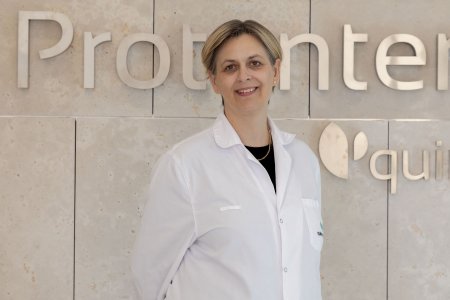
الطبيب هو أخصائي أورام طبي متميز يتمتع بأكثر من 30 عامًا من الخبرة، متخصص في العلاج غير الجراحي لأورام الجهاز البولي التناسلي، بما في ذلك سرطان البروستاتا والكلى والمثانة، وكذلك الساركوما والأورام ذات الأصل غير المعروف. حاليًا، يقود الطبيب وحدة أورام الجهاز البولي التناسلي والجهاز العصبي المركزي والساركوما والأورام ذات الأصل غير المعروف في مستشفى جامعة فال ديبرون في برشلونة ويرتبط بمركز تيكنون الطبي.<\/p>
مع دكتوراه في الطب والجراحة، قاد الطبيب العديد من التجارب السريرية الوطنية م
الدكتورة ستيفاني ليليان إي. بولي اختصاصية علاج الأورام بالإشعاع ورئيسة قسم علاج الأورام بالإشعاع في مركز كيرونسالود للعلاج بالبروتون في مدريد. تتولى قيادة القسم منذ يوليو/تموز 2024. يُعد المركز أول مرفق للعلاج بالبروتون في إسبانيا.
دكتوراه في الطب، جامعة لييج (1998). حاصلة على البورد في علاج الأورام بالإشعاع (2003). عضو نشط في الجمعية الأوروبية لطب أورام الأطفال وتعمل مع مجموعة أورام الدماغ ومجموعة عمل علاج الأورام بالإشعاع التابعة لها.
نشرت أكثر من 120 مقالة علمية حول أورام دما
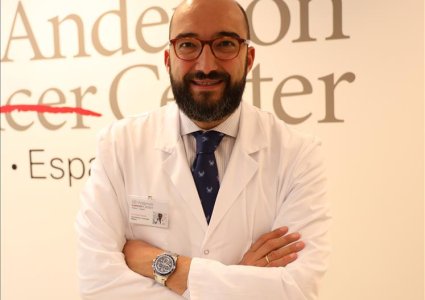
الدكتور إنريكي غراندي، MD, PhD، MSc، طبيب أورام طبية بخبرة تتجاوز 20 عامًا. وهو خبير دولي في أورام الجهاز البولي التناسلي والأورام العصبية الصماوية. يدير قسم الأورام الطبية وبرنامج One Oncology Madrid للسرطان في كيرونسالود، أكبر شبكة رعاية صحية خاصة في إسبانيا. ويقود نموذجًا متكاملًا متعدد التخصصات يتيح الوصول إلى العلاجات الموجهة والتجارب السريرية.
هو رائد في طب الأورام الدقيق؛ يستخدم التوصيف الجزيئي ورعاية قائمة على المؤشرات الحيوية. نشر أكثر من 300 مقالة مُحكّمة. يعمل باحثًا رئيسيًا

أجرى الدكتور أنطونيو ألكاراز أكثر من 500 عملية جراحية ناجحة في المسالك البولية، العديد منها باستخدام تقنيات طفيفة التوغل، في مركز تكنون الطبي.

كتب بواسطة Veronika Kazina

كتب بواسطة Veronika Kazina

كتب بواسطة Veronika Kazina

كتب بواسطة Veronika Kazina

كتب بواسطة Veronika Kazina
 Anna Leonova
يقوم أطباء أورام المسالك البولية المعتمدون بإجراء جراحات سرطان الكلى في إسبانيا. يكمل هؤلاء المتخصصون خمس سنوات من الإقامة تليها تدريب في جراحة الأورام. يحمل معظم الجراحين الرئيسيين شهادات من الجمعية الإسبانية للمسالك البولية والجمعية الأوروبية للمسالك البولية. وهم يعملون داخل مرافق معتمدة من قبل اللجنة الدولية المشتركة (JCI).
رؤية خبير Bookimed: يعتمد نجاح المسالك البولية الإسبانية على الابتكار عالي المستوى وليس فقط المؤهلات الأساسية. كان الدكتور أنطونيو ألكاراز في مستشفى كيرون برشلونة رائدًا في أول عملية استئصال كلية عبر المهبل (NOTES) في العالم. يضمن هذا الإرث من الابتكارات حصول المرضى على تقنيات تقلل بشكل كبير من الندبات المرئية. عند اختيار جراح، أعط الأولوية لأولئك الذين لديهم عضوية في الجمعية الأوروبية للمسالك البولية (EAU).
إجماع المرضى: يؤكد المرضى على ضرورة التأكد من خبرة الجراح المحددة في التقنيات الروبوتية وبالمنظار. كما يشيرون إلى أهمية مشاركة تقارير علم الأمراض في وقت مبكر للتحقق من مرحلة المرض
يحافظ استئصال الكلية الجزئي على حوالي 80% من وظائف الكلى عن طريق إزالة الورم فقط. يختار الجراحون هذا النهج للحفاظ على الكلية للأورام الموضعية التي يقل حجمها عن 7 سم. وهو يقلل بشكل كبير من خطر الإصابة بأمراض الكلى المزمنة والأحداث القلبية الوعائية مقارنة بإزالة العضو بالكامل.
رؤية خبير Bookimed: توفر مراكز الأورام الإسبانية مثل مستشفى كيرون برشلونة ميزة واضحة للحالات المعقدة. أجرى الدكتور أنطونيو ألكاراز أكثر من 500 عملية ناجحة. تسمح خبرته في الأساليب التنظيرية والروبوتية بالحفاظ على النيفرون حتى في أورام نقير الكلية الصعبة. توفر العيادات ذات الحجم الكبير في برشلونة وصولاً أسرع إلى الجراحة بمساعدة الروبوت مقارنة بالعديد من المرافق العامة.
إجماع المرضى: يشير المرضى إلى أهمية طلب رأي ثانٍ. تحول الكثيرون بنجاح إلى الجراحة الجزئية بعد أن قيل لهم في البداية أنهم بحاجة إلى استئصال جذري للكلية.
عادةً ما يبقى المرضى الذين يخضعون لجراحة سرطان الكلى بالروبوت أو بالمنظار في إسبانيا في المستشفى لمدة ليلة إلى ليلتين. تستغرق فترة النقاهة الكاملة للأنشطة الخفيفة من أسبوعين إلى 4 أسابيع. يحقق معظم المرضى تعافياً كاملاً ويعودون إلى ممارسة التمارين الشاقة في غضون 4 إلى 6 أسابيع.
رؤية خبير Bookimed: تستعين المراكز الإسبانية مثل مستشفى كيرون برشلونة برواد مثل الدكتور أنطونيو ألكاراز، الذي أجرى أكثر من 500 عملية ناجحة. تظهر البيانات أن الجراحين ذوي الخبرة العالية يقللون من احتمالية حدوث انسداد معوي بعد الجراحة. غالباً ما تؤدي هذه الخبرة المتخصصة إلى تقليل متوسط الإقامة من 3 أيام إلى ليلة واحدة فقط. يستفيد المرضى من شقوق أصغر وعودة أسرع إلى النظام الغذائي الطبيعي عند اختيار أطباء مسالك بولية متخصصين في الجراحة الروبوتية.
إجماع المرضى: يشير المرضى إلى أن الألم يشبه الإنفلونزا الشديدة أكثر من كونه جراحة كبرى. يؤكد الكثيرون أنه على الرغم من تلاشي الندبات بسرعة، فإن خطر الإصابة بالفتق يتطلب الالتزام الصارم بقيود رفع الأثقال خلال الشهر الأول.
تؤدي جراحة سرطان الكلى طفيفة التوغل في إسبانيا إلى ظهور علامات صغيرة بالكاد يمكن رؤيتها. يستخدم الجراحون 3-4 شقوق صغيرة. يبلغ قياس هذه الشقوق عادةً من 0.5 إلى 1 سنتيمتر لكل منها. تتسطح معظم الندبات وتتلاشى لتصبح خطًا فضيًا رفيعًا في غضون 12 شهرًا من الإجراء.
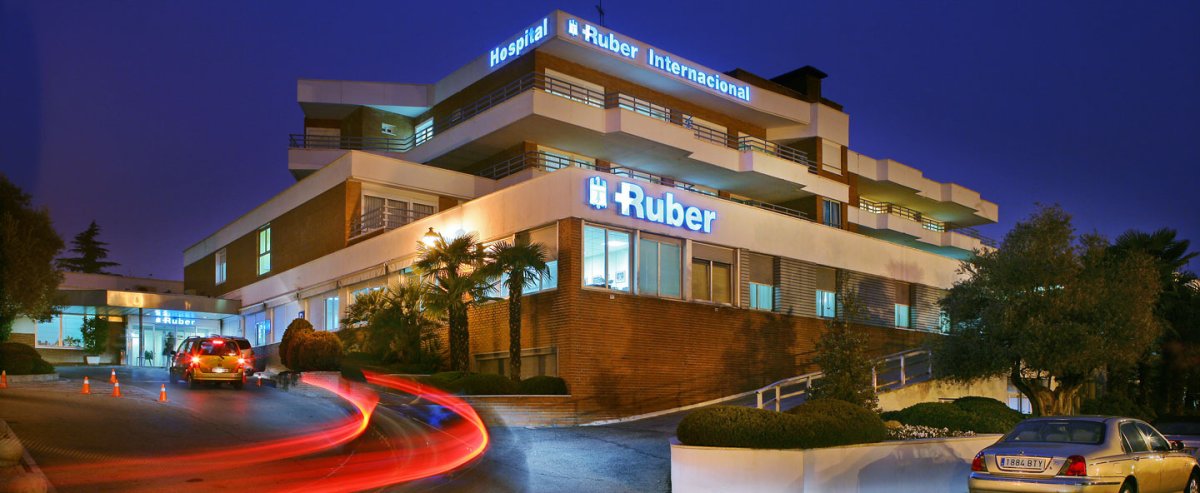
رؤية خبير Bookimed: تدمج المراكز الإسبانية مثل Centro Médico Teknon الجراحة الروبوتية والتشخيص المتقدم لتحسين التعافي. في حين أن تكلفة Gamma Knife في مستشفى Ruber Internacional تبلغ حوالي 35,000 دولار للحالات العصبية، يستفيد مرضى جراحة الكلى في إسبانيا من المراكز ذات الحجم الكبير التي تجري 23,500 عملية سنويًا. تضمن هذه الخبرة إغلاقًا دقيقًا للجرح ونتائج تجميلية أفضل.
إجماع المرضى: يلاحظ المرضى أن الشقوق الصغيرة تلتئم بسرعة وتصبح أقل وضوحًا بمرور الوقت. يؤكد الكثيرون أن الحماية المناسبة من أشعة الشمس ضرورية لمنع الندبات من أن تصبح داكنة أثناء التعافي.
يتم عادةً السماح للمرضى بالسفر جوًا بعد فترة تتراوح بين 7 إلى 14 يومًا من جراحة الكلى بالمنظار أو الجراحة الروبوتية في إسبانيا. تتطلب العمليات المفتوحة الكبرى عادةً الانتظار من 3 إلى 6 أسابيع لضمان الاستقرار. تعتبر شهادات اللياقة للطيران متطلبات قياسية للصعود إلى الطائرة بعد هذه الإجراءات البطنية الكبرى.
رؤية خبير Bookimed: بينما يغادر المرضى الجراحيون غالبًا في غضون أسبوعين، توصي المراكز الإسبانية مثل مركز Proton Therapy Centre Quironsalud بإقامة محلية أطول تصل إلى 45 يومًا لعلاجات الإشعاع غير الجراحية. تضمن هذه المراقبة طويلة المدى الاستقرار العلاجي قبل أن يتعامل المرضى مع الإجهاد البدني للرحلات الدولية.
إجماع المرضى: يشير المرضى إلى أنه من المهم حجز مساعدة الكرسي المتحرك في المطار لتجنب حمل الحقائب الثقيلة. يساعد إعداد ملف طبي يحتوي على خطوات تعافي محددة وملاحظات جراحية في تخفيف المخاوف أثناء فحوصات أمن المطار.
تسيطر برشلونة ومدريد على جراحة الكلى الروبوتية في إسبانيا. تضم هذه المدن مراكز معتمدة من اللجنة الدولية المشتركة (JCI) تستخدم نظام دافنشي الروبوتي. تشمل المؤسسات الرائدة مركز Centro Médico Teknon ومستشفى Hospital Quiron Barcelona. تستضيف مدريد متخصصين في مستشفى Ruber Internacional وHM Hospitales للمرضى الدوليين.
رؤية خبراء Bookimed: بينما تعد مدريد وبرشلونة مراكز رئيسية، تبرز عيادة جامعة نافارا في بامبلونا. كانت أول منشأة معتمدة من JCI في إسبانيا. تظهر البيانات أنها تدير 140,000 مريض سنوياً عبر حرم جامعي رئيسي واحد فقط. غالباً ما يؤدي هذا التركيز العالي للحالات الدولية إلى تنسيق أكثر انسيابية مقارنة بالمجموعات الكبيرة متعددة المواقع.
إجماع المرضى: يشير المرضى إلى أن مراكز برشلونة مثل Teknon توفر حجماً كبيراً من العمليات الروبوتية. إنهم يقدرون أوقات الانتظار القصيرة والباقات التي تشمل الانتقالات من وإلى المطار.