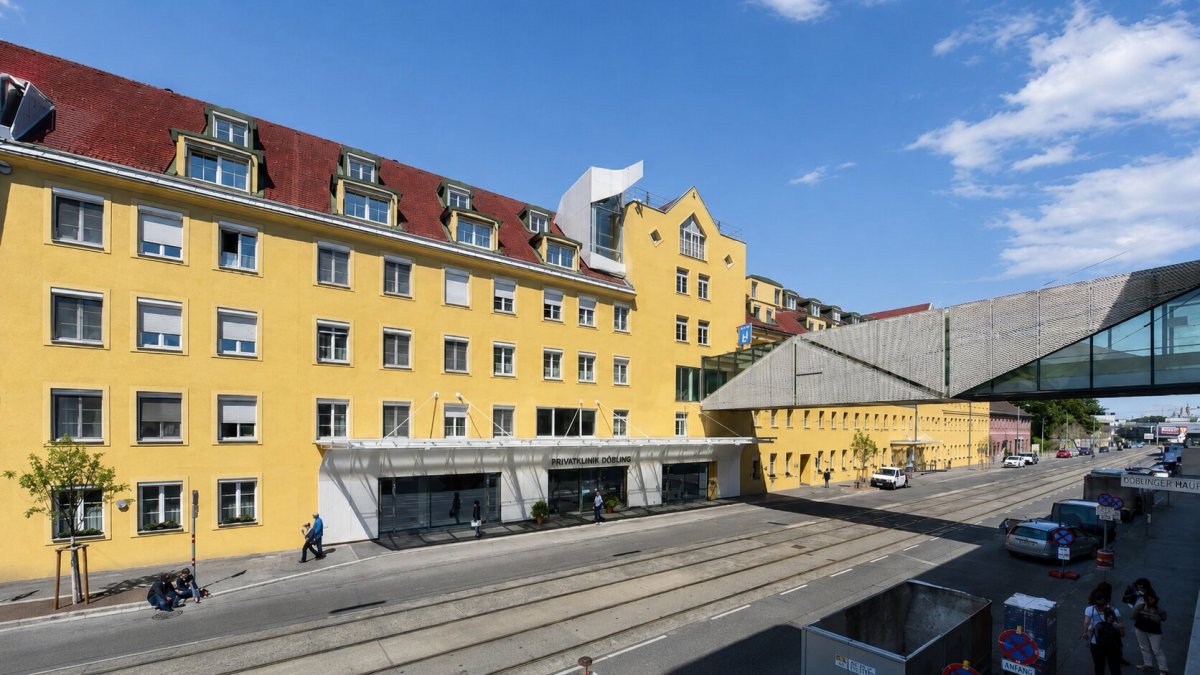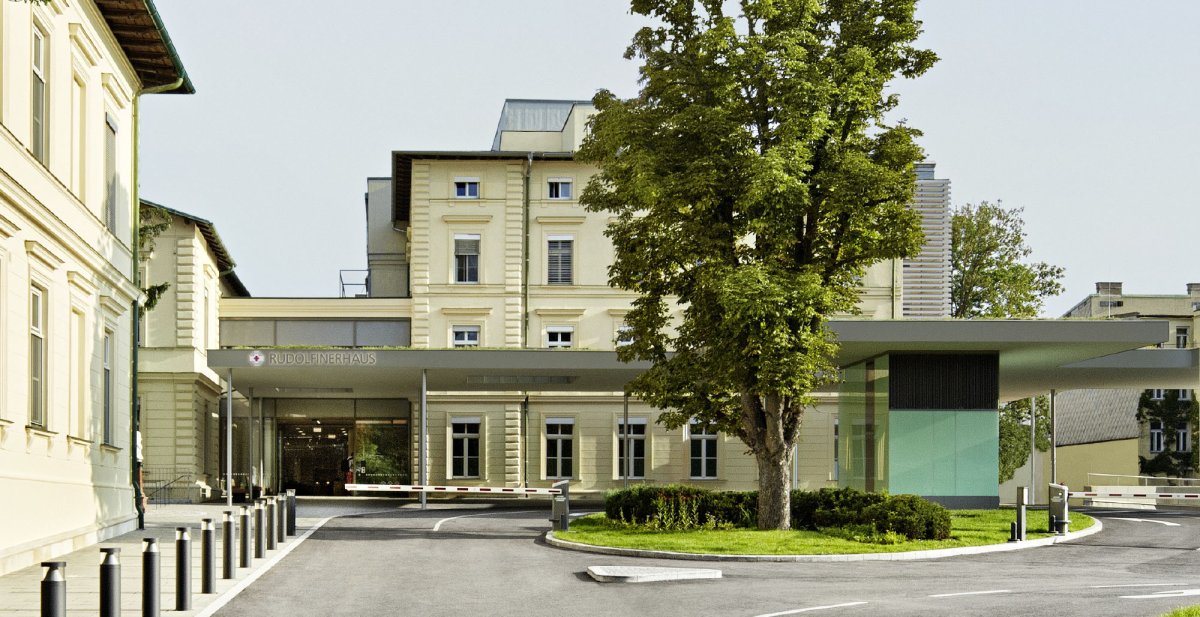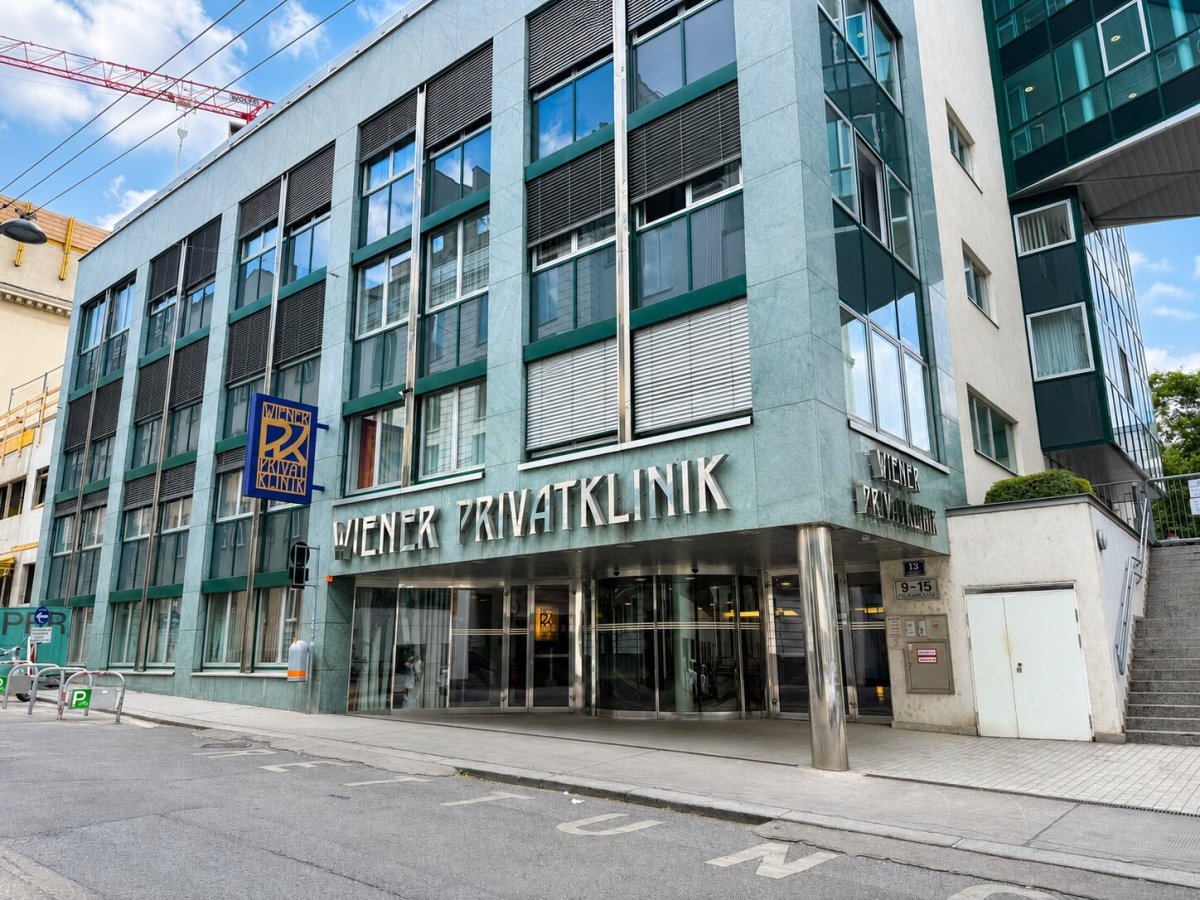
Wiener Privatklinik
النمسا, فيينا
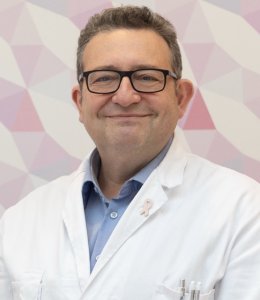
Christoph Zielinski
44سنة خبره ١٦ سنة

الاعتمادات : 

العيادة معتمدة من قبل : 





تمت مراجعة المقالة طبيا من قبل
فهد مولود
من $430. وتتراوح تكلفة التدخلات الجراحية مثل استئصال الكلية ما بين $14,500 إلى $21,000، بينما تتراوح تكلفة استئصال الكلية باستخدام روبوت دافنشي ما بين السعر عند الطلب إلى السعر عند الطلب. تعتمد النفقات الإجمالية على مرحلة السرطان، والنهج الجراحي، واختيار العيادة. وغالباً ما يوفر المرضى ما بين 20-30% مقارنة بأسعار الرعاية الصحية الخاصة في الولايات المتحدة. وتقع معظم المراكز المتخصصة في فيينا.
تكاليف علاج سرطان الكلى النموذجية في النمسا
رؤية خبراء Bookimed: يستفيد مرضى سرطان الكلى المتقدم من بروتوكولات العلاج المناعي المخصصة. وتعد عيادة فيينا الخاصة (Wiener Privatklinik) مثالية لهذا الغرض، تحت إشراف الدكتور كريستوف زيلينسكي، وهو خبير أورام مشهور عالمياً. وبالنسبة لأولئك الذين يحتاجون إلى جراحات معقدة، يستقبل مستشفى فيينا العام (AKH) أكثر من 595,000 مريض سنوياً بخبرة جامعية. أما مستشفى دوبلينج الخاص (Döbling Private Hospital) فهو الأفضل للمرضى الذين يبحثون عن سلامة معتمدة من ISO مع معدلات مضاعفات أقل من القيم الاسمية.
| النمسا | تركيا | إسبانيا | |
|---|---|---|---|
| نانو نايف NanoKnife | ≈ $25,000 | ≈ $9,500 | ≈ $9,500 |
| منظومة دا فينشي الجراحية | ≈ $14,500 | من $23,900 | ≈ $9,500 |
| سايبر نايف CyberKnife | ≈ $7,500 | من $4,900 | من $14,800 |
| العلاج بالبروتون (انظر العلاج بحزم البروتون) | ≈ $24,000 | من $25,000 | من $43,400 |
| العلاج الإشعاعي لسرطان القولون والمستقيم | من $6,700 | من $5,000 | من $7,500 |
يقود البروفيسور زيلينسكي أكبر قسم للأورام في النمسا، وقد أسس مركز السرطان الشامل بفيينا (Comprehensive Cancer Center Vienna) – وهو رائد عالمي في طب السرطان الشخصي.
الدكتور ديفيد كوتسر اختصاصي طب الأورام الإشعاعي ذو خبرة طويلة في تشخيص السرطان وعلاجه. يوفّر وصولاً سريعاً إلى علاج إشعاعي دقيق وفق المعايير العلمية الراهنة.
هو عضو في مركز السرطان بعيادة فيينا الخاصة. يعرض حالة كل مريض على لجنة الأورام الداخلية، ما يتيح مناقشة متعددة التخصصات يجريها فريق ذو سمعة دولية ويساعد على اختيار أفضل علاج.
تُقدَّم جميع العلاجات الإشعاعية بالتعاون الوثيق مع Amethyst Radiotherapy في عيادة فيينا الخاصة.

يتمتع البروفيسور كوستلر، وهو طبيب أورام معترف به دولياً، بخبرة متخصصة تزيد عن _doctor_1748_عاماً في عيادة فيينا الخاصة (Wiener Privatklinik).

كتب بواسطة Veronika Kazina

كتب بواسطة Veronika Kazina

كتب بواسطة Veronika Kazina

كتب بواسطة Veronika Kazina

كتب بواسطة Veronika Kazina
 Anna Leonova
في النمسا، يُعدّ استئصال جزء من الكلية المعيار الذهبي لعلاج أورام الكلى الصغيرة. وتُجري أقسام جراحة المسالك البولية المتخصصة عمليات جراحية للحفاظ على الكلى بشكل روتيني لأورام T1 التي يقل حجمها عن 7 سم. ويُعطي الجراحون الأولوية لهذا النهج للحفاظ على وظائف الكلى وتقليل خطر الإصابة بأمراض الكلى المزمنة على المدى الطويل.
رأي خبراء بوكيمد: يستفيد المرضى في النمسا من تركيز عالٍ للغاية للخبرات الأكاديمية. فالعديد من الأطباء في العيادات الخاصة، مثل عيادة فيينا الخاصة، هم أيضاً أساتذة في جامعة فيينا الطبية. ويضمن هذا التعاون الأكاديمي اتباع أشدّ الإرشادات السريرية صرامةً الصادرة عن الجمعية الأوروبية لجراحة المسالك البولية (EAU) حتى في العمليات الجراحية الخاصة.
رأي المرضى: يؤ
الجراحون النمساويون المتخصصون في علاج سرطان الكلى هم أطباء مسالك بولية معتمدون. يتطلب هذا التأهيل إكمال ست سنوات من التعليم الطبي، ثم ست سنوات من الإقامة في تخصصهم. معظمهم زملاء في المجلس الأوروبي لجراحة المسالك البولية (FEBU)، مما يضمن التزامهم بأعلى المعايير الجراحية الأوروبية.
رأي خبراء بوكيمد: يُعدّ المستوى الأكاديمي للجراح مؤشراً رئيسياً على جودته. ففي عيادات مثل عيادة فيينا الخاصة، يشغل العديد من الأطباء مناصب أساتذة في جامعة فيينا الطبية. وغالباً ما يقود هؤلاء المتخصصون أبحاثاً في مستشفى فيينا العام. ويضمن هذا الارتباط للمرضى الوصول إلى أحدث التقنيات الروبوتية، مثل نظام دافنشي.
رأي المرضى: ينصح المرضى بالبحث عن جراحين متخصصين في جراحة المسالك البولية. وغالبًا ما ينصحون بالتحقق مما إذا كان الطبيب قد أجرى أكثر من 50 عملية جراحية رو
بعد جراحة سرطان الكلى، يقيم المرضى عادةً في النمسا لمدة تتراوح بين 10 و14 يومًا. وتستمر فترة الإقامة في المستشفى من 3 إلى 5 أيام بعد الجراحات الروبوتية أو التنظيرية طفيفة التوغل. أما الجراحة المفتوحة فتتطلب من 5 إلى 7 أيام. ويضمن البقاء في النمسا لمدة أسبوع إضافي سلامة المريض قبل السفر الدولي.
رأي خبراء بوكيمد: يؤكد كبار المتخصصين النمساويين، مثل الدكتور كريستوف زيلينسكي من عيادة فيينا الخاصة، على أهمية اتباع نهج متعدد التخصصات. ورغم أن العيادات تُشير إلى فترات إقامة قصيرة في المستشفى، إلا أن المرضى غالباً ما يُمدّدون زياراتهم لإجراء استشار
تُعدّ فيينا وإنسبروك وغراتس المراكز الرئيسية في النمسا لعلاج سرطان الكلى المتقدم. وتضم هذه المدن مستشفيات جامعية وشبكة السرطان الشاملة (ACCN). كما تُقدّم مؤسسات مثل مستشفى فيينا العام (AKH) خدمات تشخيصية متطورة وتُجري تجارب سريرية، مما يجعله أكبر مركز للأورام الطبية في البلاد.
مراجعة خبراء بوكيمد: فيينا تتصدر النمسا في خدمات علاج الأورام. تجمع عيادة فيينا الخاصة ومستشفى AKH نخبة من المتخصصين ذوي الكفاءة العالية، مثل الدكتور كريستوف زيلينسكي. يتيح هذا التعاون للمرضى من القطاع الخاص الوصول إلى نفس الخبراء ذوي الكفاءة العالية الموجودين في مراكز الأبحاث الجامعية الكبرى. اختيار عيادة في فيينا يضمن الوصول إلى فريق متخصص في علاج الأورام يضم نخبة من المتخصصين ذوي الشهرة ا
في النمسا، تشمل فحوصات المتابعة بعد علاج سرطان الكلى عادةً إجراء تصوير مقطعي محوسب (CT) أساسي في غضون ثلاثة أشهر من الجراحة. ويوصي الجراحون بإجراء فحوصات منتظمة للصدر والبطن كل ستة إلى اثني عشر شهرًا لمدة خمس سنوات. وفي الحالات عالية الخطورة، قد يكون من الضروري إجراء مراقبة أكثر تواترًا للكشف المبكر عن أي تغيرات.
رأي خبراء بوكيميد: يُشدد كبار أطباء الأورام النمساويين، مثل البروفيسور كريستوف زيلينسكي من مستشفى فيينا الخاص، على الرعاية الشخصية. تُظهر بياناتنا أن عيادات فيينا تستخدم استشارات الأورام لتحسين هذه الخطط العلاجية. ينبغي على المرضى التحقق مما إذا كان ملخص خروجهم من المستشفى يتضمن مع
تُقدّم مراكز علاج السرطان النمساوية أحدث العلاجات المناعية والعلاجات الموجّهة لسرطان الكلى النقيلي. ويستخدم الأخصائيون توليفات علاجية مثل نيفولوماب مع إيبيليموماب أو بيمبروليزوماب مع أكسيتينيب. وتتوافق هذه البروتوكولات مع إرشادات الجمعية الأوروبية لجراحة المسالك البولية. ويتوفر العلاج في مراكز رئيسية في فيينا وغراتس.
رأي خبراء بوكيميد: غالبًا ما يجمع كبار المتخصصين النمساويين، مثل الدكتور كريستوف زيلينسكي والدكتور فولفغانغ كوستلر،
عادةً ما ينتج عن العلاج الجراحي لسرطان الكلى في النمسا ندوب طفيفة. ويُفضّل الجراحون استخدام تقنيات التنظير البطني أو الجراحة الروبوتية باستخدام نظام دافنشي. وتتضمن هذه الطرق إجراء شقوق صغيرة يتراوح طولها بين 0.5 و1 سم. وتولي المراكز المتخصصة، مثل مستشفى فيينا الخاص ومستشفى دوبلينغ الخاص، اهتماماً خاصاً بالدقة لضمان سرعة الشفاء.
رأي خبراء بوكيمد: يضمن اختيار مركز تابع لجامعة مثل مستشفى فيينا العام (AKH) الوصول إلى أحدث منصات الجراحة الروبوتية. تُمكّن هذه الأنظمة الجراحين من إجراء العمليات الجراحية من خلال منافذ دقيقة للغاية. تُشير البيانات إلى أن الجراحين النمساويين ذوي الخبرة يُعطون الأولوية لهذه التقنيات طفيفة التوغل لتقليل الصدمة الجسدية. غالبًا ما يُؤدي هذا النهج إلى تعافٍ وظيفي وندوب غير مرئية تقريبًا لدى معظم المرضى.