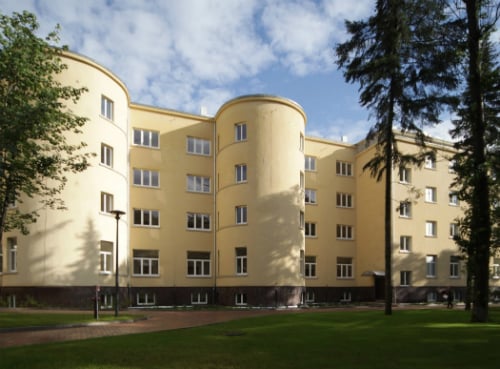
University Hospital in Krakow
بولندا, كراكوف


تمت مراجعة المقالة طبيا من قبل
فهد مولود
تتأثر تكلفة علاج سرطان الكلى في بولندا بالنهج الجراحي والمرحلة التشخيصية. من $1,300. وللحصول على دقة أكثر تقدمًا، تتراوح تكلفة استئصال الكلية باستخدام روبوت دافنشي (Da Vinci Robot) من السعر عند الطلب إلى السعر عند الطلب. يحقق المرضى عادةً وفورات تتراوح بين 50-80% مقارنة بالولايات المتحدة. تشمل مراكز العلاج الرئيسية وارسو، وكراكوف، وفيليشيف.
تكاليف علاج سرطان الكلى النموذجية في بولندا
رؤية خبراء Bookimed: يجب على المرضى الذين لديهم تاريخ قلبي معقد إعطاء الأولوية للمركز الصحي الأوروبي في أوتفوك (European Health Center Otwock). فهو يضم القسم الوحيد في بولندا المتخصص في طب القلب والأورام لضمان سلامة متخصصة. بالنسبة للعلاج الإشعاعي غير الجراحي، يقدم معهد الجراحة السيبرانية (Cyberknife) تقنية فريدة ممولة بمنح. يمكن الحصول على رعاية متعددة التخصصات واسعة النطاق بشكل أفضل في المستشفى الجامعي في كراكوف، حيث تدير هذه المنشأة أكثر من 455,000 مريض سنويًا من خلال 103 أقسام متخصصة.
| بولندا | تركيا | إسبانيا | |
|---|---|---|---|
| نانو نايف NanoKnife | ≈ $7,500 | ≈ $9,500 | ≈ $9,500 |
| منظومة دا فينشي الجراحية | ≈ $6,500 | من $23,900 | من $16,800 |
| سايبر نايف CyberKnife | ≈ $6,500 | من $4,900 | من $14,800 |
| العلاج بالبروتون (انظر العلاج بحزم البروتون) | ≈ $85,000 | من $25,000 | من $43,300 |
| العلاج الإشعاعي لسرطان القولون والمستقيم | ≈ $4,500 | من $5,000 | من $7,500 |
Bookimed لا يضيف رسوماً إضافية على أسعار علاج سرطان الكلى. الأسعار مأخوذة من قوائم الأسعار الرسمية للعيادات. تدفع مباشرة في العيادة مقابل علاجك عند وصولك إلى البلد.
Bookimed ملتزم بسلامتك. نحن نعمل فقط مع المؤسسات الطبية التي تحافظ على معايير دولية عالية في علاج سرطان الكلى ولديها التراخيص اللازمة لخدمة المرضى الدوليين في جميع أنحاء العالم.
Bookimed يقدم مساعدة خبراء مجانية. منسق طبي شخصي يدعمك قبل وأثناء وبعد العلاج، ويحل أي مشاكل. لن تكون وحيداً أبداً في رحلة علاج سرطان الكلى.


البروفيسور ياكوب دوبروخ، دكتور في الطب، دكتوراه، هو طبيب مسالك بولية وجراح روبوتي. يشغل منصب أستاذ المسالك البولية ورئيس قسم المسالك البولية في CMKP (منذ عام 2015). وهو نائب رئيس الجمعية البولندية للمسالك البولية (2022–2026). حصل على لقب أستاذ العلوم الطبية في عام 2021 وأستاذ CMKP في عام 2019. حصل على التأهيل الأكاديمي (habilitation) في عام 2014 ولقب أخصائي المسالك البولية في عام 2008.
التركيز السريري: الجراحة طفيفة التوغل والروبوتية لسرطان البروستاتا والمثانة والكلى. يعمل كجراح مناظير

كتب بواسطة Veronika Kazina

كتب بواسطة Veronika Kazina

كتب بواسطة Veronika Kazina

كتب بواسطة Veronika Kazina

كتب بواسطة Veronika Kazina
 Anna Leonova
يقوم جراحو أورام المسالك البولية المعتمدون بإجراء جراحة سرطان الكلى في بولندا. يتمتع هؤلاء المتخصصون بمؤهلات متقدمة. العديد منهم حاصلون على زمالة المجلس الأوروبي للمسالك البولية (FEBU). وهذا يضمن استيفاءهم للمعايير الدولية الصارمة. كما يتبعون المبادئ التوجيهية السريرية للجمعية الأوروبية للمسالك البولية (EAU).
رؤية خبير Bookimed: صعدت بولندا إلى المرتبة السابعة عالمياً في الطلبات الطبية التي يتم تلبيتها. يعكس هذا الحجم تركيزاً قوياً للمراكز الأكاديمية المتخصصة. يعالج المستشفى الجامعي في كراكوف وحده 455,000 مريض سنوياً. تسمح أحجام المرضى الكبيرة للجراحين البولنديين باكتساب خبرة واسعة في حالات الأورام المعقدة. غالباً ما يؤدي هذا العدد الكبير من الحالات إلى نتائج محسنة في جراحات الكلى بمساعدة الروبوت.
إجماع المرضى: يشير المرضى إلى أن العيادات الخاصة في وارسو وكراكوف توفر وصولاً أسرع إلى المتخصصين. ويؤكدون على اختيار الجراحين الذين هم أعضاء نشطون في الجمعية البولندية للمسالك البولية (PTU).
تشمل علاجات سرطان الكلى القياسية طفيفة التوغل في بولندا استئصال الكلية الجزئي بمساعدة الروبوت والجراحة بالمنظار. تستخدم المرافق البولندية نظام دافنشي الروبوتي للإجراءات التي تحافظ على الأعضاء. تتوفر الخيارات غير الجراحية مثل الاستئصال بالتبريد والاستئصال بالترددات الراديوية على نطاق واسع للأورام الصغيرة التي يقل حجمها عن 4 سنتيمترات.
رؤية خبير Bookimed: على الرغم من أن الجراحة الروبوتية يتم تعويض تكاليفها بشكل متزايد، إلا أن قوائم الانتظار العامة يمكن أن تصل إلى 6 أشهر. تتعامل المراكز متعددة التخصصات الكبيرة مثل المستشفى الجامعي في كراكوف مع أكثر من 450,000 مريض سنويًا. غالبًا ما يضمن اختيار المراكز الأكاديمية ذات الحجم الكبير الوصول إلى معدات متخصصة مثل NanoKnife أو CyberKnife التي تفتقر إليها العيادات الأصغر.
إجماع المرضى: يشير المرضى إلى أن استئصال الكلية الجزئي الروبوتي يسمح بالتعافي في يومين فقط. يقترح الكثيرون التفكير في العيادات الخاصة في وارسو أو كراكوف لتجنب قوائم الانتظار العامة الطويلة للحصول على
عادة ما يبقى المرضى في بولندا لمدة تتراوح بين 7 إلى 14 يوماً. تغطي هذه الفترة التشخيص قبل الجراحة، والإجراء نفسه، والمراقبة الأولية. تستغرق الإقامة في المستشفى لاستئصال الكلية بالروبوت أو بالمنظار عادةً من 2 إلى 5 أيام. يتم السماح لمعظم المرضى بالقيام برحلات جوية قصيرة في غضون 8 إلى 10 أيام.
رؤية خبير Bookimed: توفر بولندا كثافة عالية من المراكز المتخصصة مثل معهد الجراحة السيبرانية. بينما يركز العديد من المرضى على الجراحة، فإن التنسيق مع المراكز التي تقدم كلاً من CyberKnife وروبوتات Da Vinci يوفر مرونة أكبر. يعود معظم المرضى إلى ديارهم بنجاح في اليوم الثامن إذا اختاروا الأساليب الروبوتية طفيفة التوغل.
إجماع المرضى: يشير المرضى إلى أن الألم غالباً ما يكون أخف مما كان متوقعاً ويمكن السيطرة عليه بالأدوية القياسية. يوصي الكثيرون بالتخطيط لفترة انتظار مدتها 14 يوماً في بولندا لانتظار نتائج علم الأمراض النهائية قبل السفر.
تؤدي جراحة الكلى بمساعدة الروبوت في بولندا إلى الحد الأدنى من الندوب من خلال 3 إلى 6 شقوق صغيرة. معظم العلامات لا يتجاوز حجمها 0.5 إلى 2 سم. تتلاشى هذه المنافذ الصغيرة بشكل ملحوظ على مدار 12 إلى 18 شهرًا. وغالبًا ما تصبح خطوطًا فاتحة أو نقاطًا صغيرة غير مرئية تقريبًا.
رؤية خبير Bookimed: بينما تستضيف بولندا أكثر من 85 عيادة لرعاية الكلى، يتميز المستشفى الجامعي في كراكوف بحجمه الهائل الذي يبلغ 455,000 مريض سنويًا. في مثل هذه المراكز الأكاديمية ذات القدرة العالية، غالبًا ما يقوم الجراحون الروبوتيون بتحسين وضع المنافذ لتتبع ثنيات الجلد الطبيعية. تضمن هذه التقنية، جنبًا إلى جنب مع استخدام نظام دافنشي، وضع ندوب الاستخراج في الأماكن الأقل وضوحًا.
إجماع المرضى: يصف المرضى العلامات بأنها نقاط صغيرة تبدو في النهاية مثل النمش الصغير أو الخطوط الباهتة. يقترح الكثيرون استخدام شرائح السيليكون أو زيت فيتامين E بدءًا من الأسبوع الثاني لضمان أفضل تلاشٍ تجميلي.
توفر المستشفيات الخاصة ومراكز الأورام الرئيسية في بولندا مساعدة مخصصة باللغة الإنجليزية لمرضى سرطان الكلى الدوليين. يتحدث معظم كبار أطباء الأورام الإنجليزية بطلاقة. وتتولى الأقسام المتخصصة في المرافق الخاصة التنسيق الطبي، والخدمات اللوجستية للسفر، والوثائق باللغة الإنجليزية لضمان رعاية سلسة للأجانب.
رؤية خبير Bookimed: تظهر بيانات المستشفى الجامعي في كراكوف حجمًا هائلاً من المرضى بأكثر من 450,000 حالة سنويًا. في حين أن المراكز الأكاديمية الكبيرة تضم أكثر من 1000 طبيب، فإن إتقان اللغة الإنجليزية غالبًا ما يكون أعلى بين كبار الموظفين الجراحيين. عادة ما يضمن اختيار مرفق يتمتع بنسبة عالية من الأطباء إلى الأسرة وصولًا أفضل إلى المتخصصين الناطقين بالإنجليزية.
إجماع المرضى: يشير المرضى إلى أنه على الرغم من أن الجراحين غالبًا ما يكونون طلقاء في اللغة الإنجليزية، إلا أن طاقم التمريض قد يكون لديهم معرفة محدودة بها. يوصي الكثيرون باستخدام تطبيقات الترجمة أو إحضار مرافق ثنائي اللغة لتسهيل التواصل بعد الجراحة.
تعد وارسو وكراكوف وفيليشيف المدن البولندية الرائدة لعلاج سرطان الكلى. توفر هذه المراكز تقنيات متقدمة مثل نظام دافنشي الروبوتي وسايبر نايف (CyberKnife). تقدم المرافق رعاية متعددة التخصصات، تدمج بين الأورام والمسالك البولية. تحافظ المراكز البولندية على معايير عالية باستخدام أدوات تشخيصية حديثة مثل مسح PET/CT.
رؤية خبراء Bookimed: تشير بيانات حجم المرضى إلى وجود فجوة كبيرة في الجودة بين المراكز الإقليمية والمراكز الرئيسية. يدير المستشفى الجامعي في كراكوف أكثر من 450,000 مريض سنوياً مع أكثر من 1,000 طبيب. غالباً ما يترجم هذا النطاق الضخم إلى كفاءة جراحية أعلى في عمليات استئصال الكلية المعقدة مقارنة بالعيادات البلدية الأصغر.
إجماع المرضى: يوصي المرضى بإعطاء الأولوية للعيادات الخاصة في وارسو أو كراكوف لتجنب فترات الانتظار الطويلة في القطاع العام. يؤكد الكثيرون على أهمية اختيار مراكز بها جراحون يتحدثون الإنجليزية لتواصل أوضح فيما يتعلق بخيارات العلاج المناعي.
قم بإعداد نسخ رقمية ومادية من تقارير علم الأمراض، ومسح الأشعة المقطعية (CT) أو الرنين المغناطيسي (MRI) (بتنسيق DICOM)، وتحاليل الدم الحديثة. يطلب الجراحون البولنديون نتائج الخزعة واختبارات وظائف الكلى مثل معدل الترشيح الكبيبي (GFR) أو الكرياتينين. أحضر قائمة معتمدة بالأدوية وخطاب لياقة للسفر من الطبيب للحصول على التصريح الجراحي.
رؤية خبير Bookimed: غالبًا ما تنسق المستشفيات مثل المركز الصحي الأوروبي في أوتفوك (European Health Center Otwock) الرعاية متعددة التخصصات للحالات المعقدة. يساعد إرسال سجلاتك الرقمية قبل 4 أسابيع الجراحين البولنديين على تأكيد خطتك الجراحية. تضمن هذه الفترة الزمنية حجز موارد العيادة مثل روبوت دافنشي لتواريخك المحددة. كما أنها تتجنب التأخير في مطابقة التكنولوجيا مع مرحلة الورم لديك.
إجماع المرضى: يشير المرضى إلى أن إحضار ثلاث مجموعات مطبوعة من السجلات يمنع التأخير أثناء القبول. يوصي معظمهم باستخدام روابط نقل آمنة للصور حتى يتمكن الفريق الجراحي من مراجعة حالتك قبل سفرك.
تُقدم جراحة الأعصاب في بولندا رعاية عالية الجودة في مرافق معتمدة من قبل اللجنة الدولية المشتركة (JCI) والمنظمة الدولية للمعايير (ISO). يلتزم جراحو الأعصاب البولنديون بمعايير تدريب صارمة معتمدة من قبل الاتحاد الأوروبي. وقد أكمل العديد منهم زمالات في الولايات المتحدة أو ألمانيا. وتتوفر التقنيات المتقدمة، مثل جهاز سايبر نايف وجهاز جاما نايف والأنظمة الروبوتية، على نطاق واسع في المراكز الخاصة.
رأي خبراء بوكيمد: تُظهر البيانات وجود علاقة وثيقة بين تخصص العيادة وأصول مرضاها. تعالج عيادة KCM أكثر من 700 مريض دولي سنويًا، وهي متخصصة في جراحة العمود الفقري طفيفة التوغل. يُمكّنها هذا الحجم من العمل من تقديم باقات خدمات متخصصة، تشمل غالبًا حواجز تشخيصية وزرعات محددة،
يُعدّ جراحو الأعصاب البولنديون متخصصين ذوي كفاءة عالية، إذ أتموا ما لا يقل عن 13 عامًا من التدريب الطبي المكثف. يشمل ذلك ست سنوات من الدراسة في كلية الطب، و13 شهرًا من التدريب العملي، وست سنوات من الإقامة. ويجب عليهم اجتياز امتحان التخصص الحكومي (PES)، وغالبًا ما يحصلون على شهادة من الجمعية الأوروبية لجمعيات جراحة الأعصاب (EANS).
رأي خبراء بوكيميد: تشير البيانات إلى أن جراحي الأعصاب البولنديين غالبًا ما يتخصصون في تقنيات بالغة التخصص، مثل نظام ApiFix أو نظام SED-YESS لتنظير الفقرات القطنية. ويجمع أخصائيون مثل الدكتور ستانيسواف كويك من عيادة KCM بين أبحاث ما بعد الدكتوراه والممارسة الجراحية النشطة. هذا المزيج من المعرفة الأكاديمية المتعمقة والخبرة الجراحية الوا
من بين أفضل عيادات جراحة الأعصاب في بولندا مستشفى كارولينا، وعيادة KCM، ومراكز أكاديمية رائدة مثل مستشفى جامعة كراكوف. تقدم هذه المؤسسات علاجات متطورة لأمراض العمود الفقري والدماغ، مطابقة لمعايير الجودة ISO، وتضم أخصائيين أعضاء في منظمات دولية مثل AO Spine.
رأي خبراء بوكيمد: بينما يتجه الكثيرون إلى أكبر المستشفيات، تُظهر البيانات أن عيادات مثل مستشفى كارولينا تُقدم كفاءة أعلى في العمليات الجراحية الاختيارية. فمع وجود أكثر من 40 طبيباً متخصصاً في هذه المنشأة التي تضم 30 سريراً، تكون نسبة الأطباء إلى المرضى أعلى بكثير مما هي عليه في المراكز الجامعية الحكومية. وهذا يعني رعاية ما بعد الجراحة أكثر عناية، وجدولة أسرع بكثير لإجراءات مثل علاج الانزلاق الغضروفي