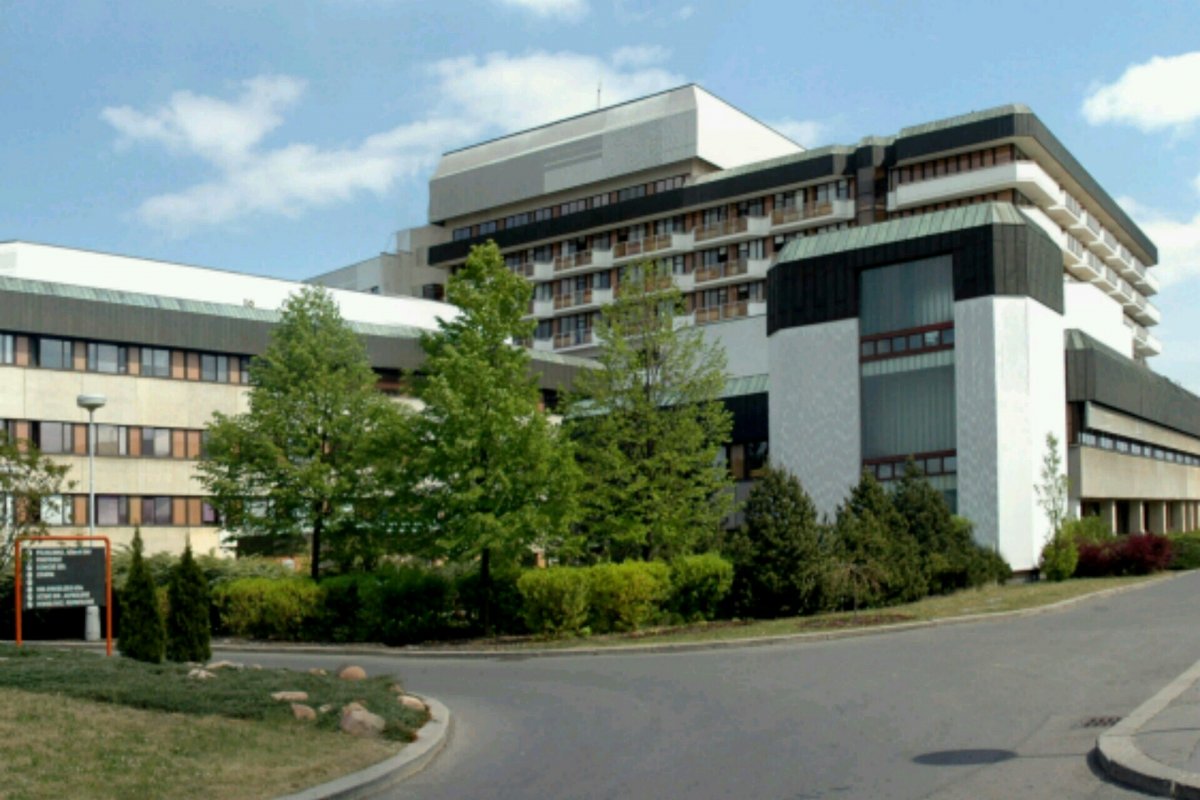
Robotic Surgery Center in St. Zdislava Hospital
جمهورية التشيك, فيلكي ميزيريسي
العيادة معتمدة من قبل : 




تمت مراجعة المقالة طبيا من قبل
فهد مولود
من $7,000. تعتمد التكاليف الإجمالية على النهج الجراحي، ومرحلة المرض، ومستوى العيادة. يحقق المرضى عادةً وفورات تتراوح بين 40-60% مقارنة بالولايات المتحدة. براغ وفيلكي ميزيريتشي هما المدينتان الرائدتان لهذا العلاج.
تكاليف علاج سرطان الكلى النموذجية في جمهورية التشيك
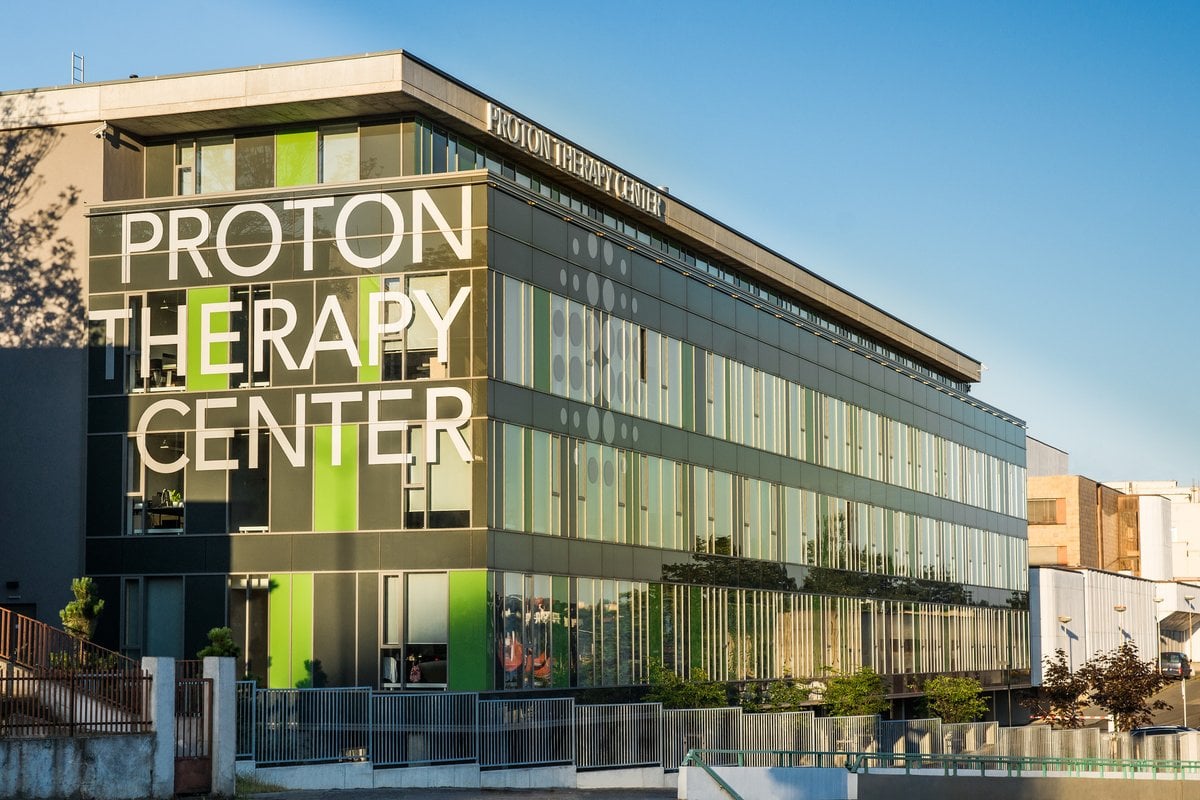
رؤية خبراء Bookimed: بالنسبة للمرضى الذين يحتاجون إلى دقة جراحية عالية، يعد استئصال الكلية بمساعدة الروبوت هو المعيار الذهبي. يُعد مركز الجراحة الروبوتية في مستشفى القديسة زديسلافا (St. Zdislava Hospital) خياراً أولاً. وقد أجرى الدكتور ياروسلاف تفاروزيك أكثر من 3,500 عملية روبوتية هناك. بالنسبة للحالات غير الجراحية، يقدم مركز علاج البروتون في براغ علاجاً إشعاعياً متطوراً. توفر المستشفيات الحكومية مثل مستشفى نا هومولسي (Nemocnice Na Homolce) رعاية متعددة التخصصات مقابل حوالي 6,900 دولار.
| جمهورية التشيك | تركيا | إسبانيا | |
|---|---|---|---|
| نانو نايف NanoKnife | ≈ $9,500 | ≈ $9,500 | ≈ $9,500 |
| منظومة دا فينشي الجراحية | ≈ $6,500 | من $23,900 | من $16,800 |
| سايبر نايف CyberKnife | ≈ $25,000 | من $4,900 | من $14,800 |
| العلاج بالبروتون (انظر العلاج بحزم البروتون) | ≈ $24,000 | من $25,000 | من $43,300 |
| العلاج الإشعاعي لسرطان القولون والمستقيم | ≈ $10,000 | من $5,000 | من $7,500 |

تم إجراء أكثر من 3500 جراحة روبوتية – يرأس الدكتور تفاروزيك مركز الجراحة الروبوتية في مستشفى سانت زديسلافا.

كتب بواسطة Veronika Kazina

كتب بواسطة Veronika Kazina

كتب بواسطة Veronika Kazina

كتب بواسطة Veronika Kazina

كتب بواسطة Veronika Kazina
 Anna Leonova
يُعد مستشفى سانت زدسلافا (St. Zdislava) ومستشفى نيموكنيتسي نا هومولسي (Nemocnice Na Homolce) من المراكز الطبية الرائدة في رعاية سرطان الكلى باستخدام الروبوت في جمهورية التشيك. تستخدم هذه المرافق نظام دافنشي (Da Vinci) الروبوتي لإزالة الأورام بدقة. يقوم جراحون متخصصون بإجراء عمليات استئصال الكلية طفيفة التوغل للحفاظ على وظائف الكلى وتسريع أوقات التعافي.
رؤية خبير بوكيميد (Bookimed): بينما يختار الكثيرون براغ للراحة، يقدم مستشفى سانت زدسلافا في فيلكي ميزيريتشي قيمة كبيرة. تبلغ تكلفة باقات استئصال الكلية الروبوتية المتخصصة لديهم حوالي 8700 دولار وتشمل 7 ليالٍ في المستشفى. هذه المدة أطول بكثير من المعيار المعتاد (ليلة أو ليلتان) في أماكن أخرى. تُعد هذه المراقبة السريرية الممتدة ميزة أمان كبيرة للمرضى الدوليين خلال فترة التعافي المبكر.
إجماع المرضى: يؤكد المرضى أن المستشفيات الجامعية العامة مثل موتول (Motol) وبرنو (Brno) غالباً ما تتعامل مع حالات الأورام الأكثر تعقيداً. يوصي الكثيرون بالتحقق من حجم الحالات الروبوتية الخاصة بالجراح
تقدم جمهورية التشيك تقنيات متقدمة للغاية لعلاج سرطان الكلى، بما في ذلك نظام Da Vinci Xi الروبوتي وجراحة CyberKnife الإشعاعية. يحصل المرضى على دقة عالمية المستوى من خلال العلاج بالبروتون والاستئصال بالتبريد طفيف التوغل. تعطي هذه الأساليب الأولوية لتقنيات الحفاظ على النيفرون. وهذا يحافظ على أقصى قدر من وظائف الكلى ويسرع أوقات التعافي.
رؤية خبير Bookimed: بينما تقدم العديد من الدول الجراحة الروبوتية، توفر جمهورية التشيك قيمة فريدة من خلال مراكز ذات حجم كبير. أجرى مستشفى سانت زدسلافا أكثر من 4000 عملية روبوتية. تظهر بياناتنا أن باقاتهم الشاملة تكلف حوالي 8700 دولار. يشمل ذلك سبعة أيام من الاستشفاء والتنقلات. تضمن هذه الإقامة الممتدة مراقبة أفضل بعد الجراحة مقارنة بالخروج القياسي بعد 48 ساعة في أماكن أخرى.
إجماع المرضى: يلاحظ المرضى أن الجراحة بمساعدة الروبوت تؤدي إلى تعافي أسرع بشكل ملحوظ وندبات ضئيلة. يؤكد الكثيرون أن الحصول على تصوير مبكر مثل التصوير بالرنين المغناطيسي أو الأشعة المقطعية ضروري للتأهل
لا تزال معدلات البقاء على قيد الحياة من سرطان الكلى في جمهورية التشيك مرتفعة بالنسبة للتشخيصات في المراحل المبكرة. يُظهر المرضى الذين يعانون من أورام موضعية في المرحلة 1 أو 2 معدل بقاء على قيد الحياة لمدة 5 سنوات بنسبة 93%. تنخفض الحالات الإقليمية إلى 76%. تبلغ معدلات البقاء على قيد الحياة في حالات المرحلة الرابعة المتقدمة المنتشرة حوالي 19%.
رؤية خبير Bookimed: تتخصص العيادات التشيكية في جراحة الحفاظ على الأعضاء، وهو ما يرتبط بمعدلات بقاء عالية. أجرى الدكتور ياروسلاف تفاروزيك أكثر من 3500 إجراء روبوتي. هذا الحجم الكبير يسمح للجراحين غالباً بإنقاذ الكلى. تبلغ تكلفة حزم استئصال الكلية الروبوتي في جمهورية التشيك حوالي 8700 دولار. يوفر هذا خياراً عالي التقنية أرخص بكثير من المراكز الأوروبية المماثلة.
إجماع المرضى: يشير المرضى إلى أن الكشف المبكر عن طريق الأشعة المقطعية أو التصوير بالرنين المغناطيسي هو المفتاح. أفاد الكثيرون أن السفر إلى مراكز الروبوتات المتخصصة يوفر نتائج طبية تطابق أعلى المعايير الغربي
غالبًا ما يوفر التأمين الدولي تعويضًا جزئيًا لعلاج سرطان الكلى في جمهورية التشيك. تغطي العديد من شركات التأمين الخاصة ما بين 50% إلى 80% من التكاليف في حال الحصول على موافقة مسبقة. يحصل المرضى الذين يدفعون تكاليفهم بأنفسهم على دعم واسع النطاق يشمل النقل من المطار، والترجمة، وباقات شاملة للإجراءات مثل استئصال الكلية الروبوتي.
رؤية خبراء Bookimed: اختيار مراكز متخصصة مثل مستشفى سانت زدسلافا يوفر قيمة عالية للمرضى الذين يدفعون بأنفسهم. تبلغ تكلفة باقة استئصال الكلية الروبوتي لديهم حوالي 8700 دولار وتشمل إقامة في المستشفى لمدة 7 أيام. هذه الإقامة الطويلة نادرة في أوروبا الغربية، وهي تضمن استقرار حالة المريض قبل السفر وتجنب تكاليف الفندق الإضافية.
إجماع المرضى: يشير المرضى إلى أن العيادات الخاصة توفر دعمًا وتنسيقًا باللغة الإنجليزية أفضل من المستشفيات العامة. ويؤكدون على أهمية الحصول على عروض أسعار شاملة كتابيًا لتجنب التكاليف الإضافية لرعاية المتابعة.