علاج سرطان الكلى في تايلاند — احصل على 3 عيادات مختارة خصيصاً لك


تمت مراجعة المقالة طبيا من قبل
فهد مولود
كيف نعمل؟
ما هي تكلفة سرطان الكلى إجراءات التشخيص والعلاج في تايلاند؟ اعرف الآن
من $1,300 / 44,200฿. تعتمد النفقات الإجمالية على مرحلة السرطان ومستوى المستشفى، حيث يحقق المرضى عادةً وفورات تتراوح بين 60 و80% مقارنة بالولايات المتحدة. تقع معظم المراكز الطبية الكبرى في بانكوك وباتايا.
تكاليف علاج سرطان الكلى النموذجية في تايلاند
- التصوير المقطعي بالإصدار البوزيتروني (PET-CT): من $1,300 / 44,200฿
- التصوير المقطعي المحوسب (CT): $150 / 5,100฿ – $300 / 10,200฿
- مراجعة الأنسجة المرضية: $250 / 8,500฿ – $400 / 13,600฿
- استشارة طبيب الأورام: $90 / 3,100฿ – $150 / 5,100฿
- استئصال الكلية باستخدام روبوت دافنشي: السعر عند الطلب
- استئصال الكلية بالمنظار: $12,000 / 408,000฿ – $20,000 / 680,000฿
- استئصال الكلية: $12,000 / 408,000฿ – $22,000 / 748,000฿
- سايبر نايف (CyberKnife): $9,500 / 323,000฿ – $14,000 / 476,000฿
- جاما نايف (Gamma Knife): $25,000 / 850,000฿ – $35,000 / 1,190,000฿
- العلاج بحزمة البروتون: $38,000 / 1,292,000฿ – $52,000 / 1,768,000฿
رؤية خبراء Bookimed: يجب على المرضى الذين يسعون للحصول على نتائج عالية الدقة إعطاء الأولوية للمراكز المعتمدة من اللجنة الدولية المشتركة (JCI) مثل مستشفى بامرونجراد الدولي. تستخدم هذه المنشأة الجراحة الروبوتية وتقنيات الذكاء الاصطناعي، تحت إشراف متخصصين مثل الدكتور كيتينوت كيجفيكاي. بالنسبة لأولئك المهتمين بالرعاية الداعمة غير السامة، يقدم مستشفى باناسي راما 2 (Panacee Hospital Rama 2) علاج الأورام التكاملي. يجمع هذا النهج بين العلاجات التقليدية والعلاج الحراري للأورام والقنب الطبي للحصول على دعم تلطيفي متخصص.
| تايلاند | تركيا | إسبانيا | |
|---|---|---|---|
| نانو نايف NanoKnife | ≈ $7,500 / 255,000฿ | ≈ $9,500 / 323,000฿ | ≈ $9,500 / 323,000฿ |
| منظومة دا فينشي الجراحية | ≈ $9,500 / 323,000฿ | من $23,900 / 812,600฿ | ≈ $9,500 / 323,000฿ |
| سايبر نايف CyberKnife | ≈ $9,500 / 323,000฿ | من $4,900 / 166,600฿ | من $14,800 / 503,200฿ |
| العلاج بالبروتون (انظر العلاج بحزم البروتون) | ≈ $38,000 / 1,292,000฿ | من $25,000 / 850,000฿ | من $43,300 / 1,472,200฿ |
| العلاج الإشعاعي لسرطان القولون والمستقيم | ≈ $7,500 / 255,000฿ | من $5,000 / 170,000฿ | من $7,500 / 255,000฿ |
اكتشف أفضل سرطان الكلى العيادات في تايلاند: 5 خيارات معتمدة والأسعار














احصلوا على تقييم طبي لـ سرطان الكلى في تايلاند: استشيروا أطباء ذوي خبرة الآن
عرض جميع الأطباء
asawadech Sanbua
يتخصص الدكتور أساواديتش سانبوا في تقنيات العلاج الإشعاعي المتقدمة لسرطان الكلى في مستشفى Panacee Hospital Rama2 – Regenerative Hub.
- 19 سنة من الخبرة في العلاج الإشعاعي
- خبير في علاج الأورام بالحرارة (فرط الحرارة) مع 19 سنة من الخبرة
- ماهر في تخطيط العلاج المتقدم (2D, 3D, IMRT, VMAT)
- يقدم علاجات شاملة للسرطان بما في ذلك العلاج الكيميائي والمناعي
- حاصل على شهادة في الرعاية التلطيفية من مركز Karunrak Center

Kittinut Kijvikai
الدكتور كيتينوت كيجفيكاي هو أخصائي في الجراحة الروبوتية وجراحة المسالك البولية المتقدمة، ويمارس عمله في مستشفى بامرونجراد الدولي.
- يجري عمليات استئصال الكلية - الإزالة الجراحية للكلية - لعلاج السرطان
- يستخدم نظام دا فينشي الروبوتي لاستئصال البروستاتا طفيف التوغل
- تساهم أبحاثه في تحسين النتائج الجراحية في طب المسالك البولية
- ألف العديد من الدراسات المنشورة في المجلات الطبية المحكمة

Chanawat Tesavibul
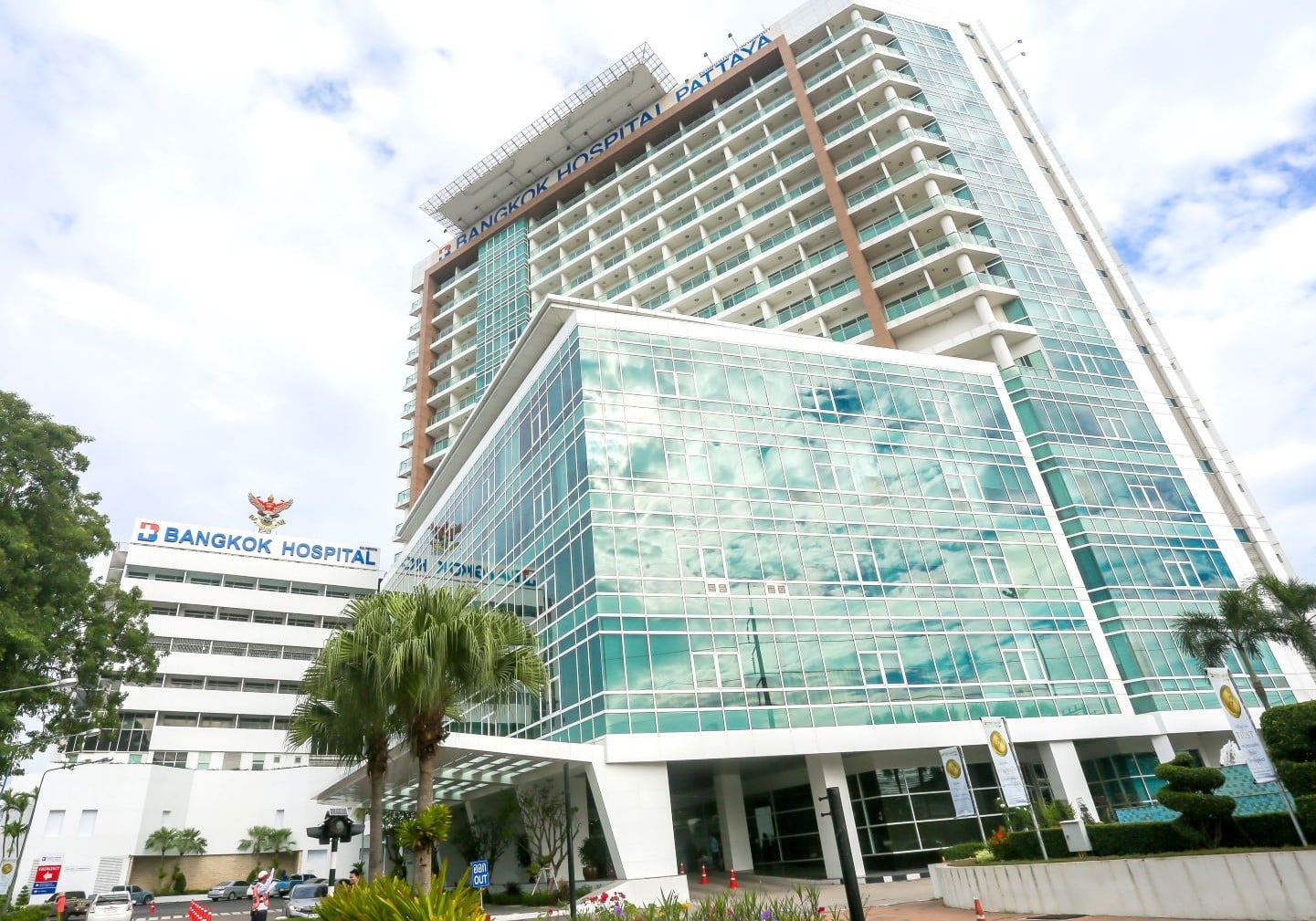
متخصص في العلاج الإشعاعي العلاجي – يجلب الدكتور تشاناوات تيسافيبول خبرة واسعة في علاج سرطان الكلى في مستشفى بانكوك باتايا.
- متخصص في علاج الأورام بالإشعاع في مستشفى سيريراج
- الأمين العام لجمعية علاج الأورام بالإشعاع في تايلاند
- يتقن اللغتين الإنجليزية والتايلاندية للمرضى الدوليين
مواد ذات صلة
عرض المزيد من التفاصيل
تصنيف سرطان الكلى
كتب بواسطة Veronika Kazina

تشخيص سرطان الكلى: الموجات فوق الصوتية ، التصوير المقطعي ، الخزعة
كتب بواسطة Veronika Kazina

طرق علاج سرطان الكلى
كتب بواسطة Veronika Kazina

سرطان الكلى: الأسباب والأعراض والتشخيص والعلاج
كتب بواسطة Veronika Kazina

سرطان الكلى النقيلي
كتب بواسطة Veronika Kazina
مشاركة المحتوى
قصص فيديو من مرضى Bookimed
 Anna Leonova
أسئلة متكررة حول علاج سرطان الكلى في تايلاند
هل يتم إجراء جراحة سرطان الكلى في تايلاند بواسطة أطباء أورام مسالك بولية مدربين دوليًا؟
غالبًا ما يتم تدريب كبار أطباء أورام المسالك البولية التايلانديين في مؤسسات مرموقة في الولايات المتحدة وتايوان وسنغافورة. غالبًا ما يحمل الجراحون شهادات من الكلية الدولية للجراحين. يستخدمون أنظمة متقدمة مثل روبوت دا فينشي لإجراءات سرطان الكلى المعقدة.
- مؤهلات الجراحين: غالبًا ما يكمل المتخصصون زمالات في جراحة المسالك البولية الروبوتية والتدخل الجراحي البسيط في الخارج.
- التكنولوجيا المتقدمة: تستخدم العيادات التصوير الرقمي ثلاثي الأبعاد 4K ونظام دا فينشي الروبوتي.
- المعايير الدولية: تحافظ مرافق مثل مستشفى بامرونجراد ومستشفى بانكوك باتايا على اعتماد اللجنة الدولية المشتركة (JCI).
- الخبرة المتخصصة: يركز الدكتور كيتينوت كيجفيكاي في مستشفى بامرونجراد على عمليات استئصال الكلية بمساعدة الروبوت.
رؤية خبير Bookimed: تُظهر مراكز المسالك البولية التايلاندية نطاقًا استثنائيًا، حيث يعالج مستشفى بامرونجراد الدولي 1,000,000 مريض سنويًا. في حين تقدم العديد من المراكز خدمات المسالك البولية العامة، تدمج المستشفيات الكبيرة بنجاح تقنيات متقدمة مثل جاما نايف وسايبر نايف في أقسام الأورام لديها. وهذا يسمح للأطباء بالانتقال بسلاسة بين علاجات الكلى الجراحية والقائمة على الإشعاع.
إجماع المرضى: يؤكد المرضى على ضرورة التحقق من تفاصيل الزمالة المحددة وأحجام الحالات الجراحية. يقترح الكثيرون اختيار المرافق المعتمدة من اللجنة الدولية المشتركة (JCI) لضمان الوصول إلى متخصصين حاصلين على تدريب دولي تم التحقق منه.
ما هي تقنيات سرطان الكلى المتطورة المتاحة في المستشفيات التايلاندية؟
تقدم المستشفيات التايلاندية الرائدة تقنيات عالية الدقة لعلاج سرطان الكلى، بما في ذلك نظام دافنشي Xi الروبوتي والعلاج بالبروتون. يحصل المرضى على تقنيات متخصصة مثل التثقيب الكهربائي غير القابل للانعكاس والجراحة الإشعاعية التجسيمية داخل مرافق معتمدة من اللجنة الدولية المشتركة (JCI). تعطي هذه الأنظمة المتقدمة الأولوية للجراحة المحافظة على النيفرون للحفاظ على وظائف الكلى والصحة على المدى الطويل.
- الجراحة الروبوتية: يوفر دافنشي Xi تصويرًا ثلاثي الأبعاد لاستئصال الكلية الجزئي والجذري بدقة.
- العلاج الإشعاعي المتقدم: تشمل الأنظمة الجراحة الإشعاعية الروبوتية CyberKnife والعلاج الإشعاعي التجسيمي للجسم (SBRT) بتقنية TrueBeam.
- التصوير من الجيل التالي: تضمن فحوصات PET-CT و CT ذات 128 شريحة تحديد مرحلة الورم ومراقبته بدقة عالية.
- علاج الجسيمات: يستهدف العلاج بالبروتون أورام الكلى مع تقليل التعرض للإشعاع للأنسجة المحيطة.
- تقنيات الاستئصال: يوفر NanoKnife والتجميد (cryoablation) خيارات غير جراحية لتدمير أورام الكلى الصغيرة الموضعية.
رؤية خبير Bookimed: تظهر البيانات تركيزًا عاليًا للخبرة في بانكوك، وخاصة في مستشفى بامرونجراد الدولي. تخدم هذه المنشأة 1,000,000 مريض سنويًا وتحتفظ بثمانية تصنيفات منفصلة من مجلة نيوزويك للتقدم الطبي. يقوم الدكتور كيتينوت كيجفيكاي في هذا المركز بدمج المنصات الروبوتية خصيصًا للحالات المعقدة التي كانت تعتبر في السابق محفوفة بالمخاطر بالنسبة للنهج طفيفة التوغل.
إجماع المرضى: يشير ال
ما مدى سرعة عودتي إلى المنزل بالطائرة بعد جراحة الكلى بالمنظار أو الجراحة الروبوتية في تايلاند؟
يحتاج المرضى عادةً إلى 10 إلى 14 يوماً في تايلاند قبل السفر جواً إلى المنزل بعد جراحة الكلى الروبوتية أو بالمنظار. على الرغم من أن الإجراءات طفيفة التوغل، إلا أن هذه الفترة تضمن الشفاء الأولي. كما أنها تقلل بشكل كبير من مخاطر مثل تجلط الأوردة العميقة أثناء الرحلات الطويلة عبر المرافق المعتمدة من قبل JCI.
- الإقامة في المستشفى: توقع قضاء 1 إلى 5 ليالٍ في مراكز مثل مستشفى بامرونجراد الدولي.
- انتظار نتائج علم الأمراض: تتطلب النتائج النهائية لتحليل الأنسجة عادةً 7 أيام من المراقبة.
- مخاطر الضغط: يمكن أن تتمدد غازات البطن أثناء الطيران، مما يسبب ألماً شديداً في حال السفر مبكراً.
- الوقاية من تجلط الأوردة العميقة (DVT): يساعد وجود فترة انتظار لمدة 14 يوماً في تخفيف مخاطر جلطات الدم أثناء السفر عبر المحيطات.
رؤية خبير Bookimed: على الرغم من أن الإرشادات العامة تشير إلى 14 يوماً، إلا أن كبار الجراحين مثل الدكتور كيتينوت كيجفيكاي في مستشفى بامرونجراد الدولي غالباً ما يطلبون تصريحاً طبياً محدداً للحالات الروبوتية. تُظهر البيانات المستمدة من 1,000,000 مريض سنوياً أن أولئك الذين يبقون لمدة 21 يوماً يبلغون عن راحة أفضل على المدى الطويل. وهذا ينطبق بشكل خاص على المرضى الذين يسافرون لأكثر من 8 ساعات إلى الولايات المتحدة أو أوروبا.
إجماع المرضى: يشير المرضى إلى أنه على الرغم من أن 10 أيام ممكنة تقنياً، إلا أن التعب الشديد والتورم غالباً ما يجعل الرحلات الطويلة المبكرة صعبة للغاية. يتمنى الكثيرون لو أنهم مددوا إقامتهم إلى 3 أسابيع وحجز
هل سأفقد كليتي أم يمكن إزالة الورم مع الحفاظ على الأنسجة الطبيعية؟
غالبًا ما يكون الحفاظ على الكلية ممكنًا من خلال استئصال الكلية الجزئي إذا كان الورم أقل من 7 سم. يركز الجراحون على إزالة الأنسجة المريضة فقط للحفاظ على وظائف الكلى. يعتمد النجاح على موقع الورم وتوافر منصات جراحية متقدمة بمساعدة الروبوت.
- حجم الورم: جراحة الحفاظ على الكلى هي المعيار لأورام T1 التي يقل حجمها عن 7 سم.
- الموقع الجراحي: الأورام المحيطية أسهل في الإزالة مع الحفاظ على الكلية السليمة.
- التكنولوجيا المتقدمة: يسمح نظام دافنشي الروبوتي بالإزالة الدقيقة للأورام المعقدة.
- وظائف الكلى: يساعد الحفاظ على الأنسجة في تجنب أمراض الكلى المزمنة وغسيل الكلى طويل الأمد.
رؤية خبير Bookimed: تدير المرافق الرائدة في تايلاند مثل مستشفى بامرونجراد الدولي أكثر من 1,000,000 مريض سنويًا. يسمح هذا الحجم الهائل للجراحين بالحفاظ على كفاءة عالية في عمليات استئصال الكلية بمساعدة الروبوت. عند مراجعة البيانات، نرى أن أطباء المسالك البولية المتخصصين مثل الدكتور كيتينوت كيجفيكاي يركزون على هذه التقنيات طفيفة التوغل. غالبًا ما يوفر اختيار مركز ذو حجم كبير في بانكوك الوصول إلى جراحين يمكنهم التعامل مع إجراءات الحفاظ المعقدة التي قد تعالجها العيادات الأصغر بالاستئصال الجذري.
إجماع المرضى: يؤكد المرضى على أهمية الإصرار على استئصال الكلية الجزئي كلما كانوا مؤهلين لذلك. يلاحظ الكثيرون أن حماية مستويات معدل الترشيح الكبيبي (GFR) لديهم من خلال جراحة الحفاظ على الأنسجة كانت بمثابة انتصار حاسم لصحتهم على المدى الطويل.
ما هي بروتوكولات السلامة الموجودة لمرضى سرطان الكلى الدوليين؟
تعطي بروتوكولات السلامة الدولية لسرطان الكلى الأولوية للحفاظ على وظائف الكلى من خلال إرشادات سريرية موحدة. تتبع المراكز العالمية معايير الجمعية الأوروبية لجراحة المسالك البولية (EAU) وNCCN. تضمن هذه المعايير إجراء فحوصات تشخيصية دقيقة وتقديم جراحي موحد. تركز الإجراءات على تعظيم النتائج الأورام مع حماية الأنسجة السليمة.
- السلامة الجراحية: يفضل الجراحون تقنيات الحفاظ على النيفرون مثل استئصال الكلية الجزئي لمنع الإصابة بأمراض الكلى المزمنة.
- الدقة الروبوتية: يزيد نظام دافنشي الروبوتي من الدقة أثناء استئصال الأورام المعقدة.
- صرامة التشخيص: تشمل البروتوكولات التصوير المقطعي بالإصدار البوزيتروني (PET/CT) ومراجعة الأنسجة لضمان تحديد مرحلة السرطان بدقة.
- سلامة الإشعاع: توفر تقنيات مثل CyberKnife والعلاج بالبروتون علاجاً موجهاً مع آثار جانبية ضئيلة.
رؤية خبير Bookimed: تتجاوز إشارات الجودة في تايلاند الاعتماد الطبي الأساسي. يحتفظ مستشفى بامرونجراد الدولي باعتماد الرعاية الصحية العالمي (GHA) لخدمات المرضى الدوليين. يقوم هذا الاعتماد بتدقيق الرحلة غير السريرية بشكل خاص. إنه يضمن السلامة أثناء النقل من المطار، والترجمة اللغوية، والتنسيق بعد الخروج. هذه العوامل حيوية للمرضى الذين يديرون دورات تعافي معقدة بعيداً عن المنزل.
إجماع المرضى: يشير المرضى إلى أنه من المهم التحقق من أن طبيب التخدير وطبيب القلب يشرفان على العملية الجراحية بأكملها. غالباً ما يذكر أولئك الذين يزورون عيادات بانكوك أن وجود أقسام دولية مخصصة يجعل اتباع جداول ال
كم من الوقت يجب أن يخطط السياح الطبيون للبقاء في تايلاند لعلاج سرطان الكلى؟
يجب على السياح الطبيين التخطيط لإقامة تتراوح من 2 إلى 4 أسابيع في تايلاند لإجراء جراحة سرطان الكلى. في حين أن الإقامة في المستشفى لإجراءات مثل استئصال الكلية تستمر من 2 إلى 5 أيام، يحتاج المرضى إلى 10 إلى 14 يومًا للتعافي قبل السفر جوًا. يضمن هذا الجدول الزمني السلامة أثناء السفر لمسافات طويلة.
- الجراحة بمساعدة الروبوت: تستمر الإقامة في المستشفى من يوم إلى يومين، ويمكن السفر بعد 10 أيام.
- استئصال الكلية بالمنظار: يتطلب يومًا إلى يومين في المستشفى وإجمالي 14 يومًا في البلاد.
- الجراحة المفتوحة: تتضمن 3 إلى 7 أيام في المستشفى و4 إلى 6 أسابيع للشفاء.
- علاج الاستئصال: يتطلب عادةً يومًا واحدًا في المستشفى متبوعًا بـ 3 أسابيع من المراقبة المحلية.
رؤية خبراء Bookimed: يوفر اختيار منشأة مثل مستشفى بامرونجراد الدولي إمكانية الوصول إلى خبرة عالية المستوى مع أكثر من 1,000,000 مريض يتم علاجهم سنويًا. غالبًا ما تستخدم المراكز الكبيرة المعتمدة من JCI نظام دافنشي الروبوتي لاستئصال الكلية. تقلل هذه التكنولوجيا عادةً من الإقامة في المستشفى إلى 48 ساعة. يركز متخصصون مثل الدكتور كيتينوت كيجفيكاي على جراحة المسالك البولية بمساعدة الروبوت لتسريع جاهزية السفر للمرضى الدوليين.
إجماع المرضى: يشير المرضى إلى أنه من المهم البقاء بالقرب من المستشفى في بانكوك لإجراء فحوصات المتابعة واختبارات الدم. يقترحون حجز شقة مخدومة للأسبوع التالي للخروج لضمان الراحة أثناء المراقبة.
ما هو مسار التعافي النموذجي وقيود النشاط بعد جراحة الكلى طفيفة التوغل؟
يتضمن التعافي من جراحة الكلى طفيفة التوغل عادةً إقامة في المستشفى لمدة يوم إلى يومين. يعود المرضى عمومًا إلى الأنشطة اليومية الخفيفة في غضون 3 أسابيع. يتطلب الشفاء الداخلي الكامل 6 أسابيع من قيود النشاط المحددة. يبدأ المشي في غضون 24 ساعة لضمان السلامة.
- حدود الرفع: لا ترفع أكثر من 4.5 كجم (10 أرطال) لمدة 4 أسابيع.
- المجهود البدني: تجنب التمارين الشاقة وتمارين الصالة الرياضية الثقيلة لمدة 6 أسابيع.
- قواعد القيادة: يجب على المرضى الانتظار من أسبوع إلى أسبوعين والتوقف عن تناول جميع الأدوية المخدرة.
- العناية بالجرح: تجنب الحمامات والسباحة لمدة 4 أسابيع لمنع العدوى.
رؤية خبير Bookimed: تستخدم المراكز التايلاندية مثل مستشفى بامرونجراد الدولي روبوت دافنشي لهذه الإجراءات. تظهر البيانات أن المراكز ذات الحجم الكبير التي تجري أكثر من 65,000 عملية غالبًا ما تستخدم أطباء مسالك بولية متخصصين مثل الدكتور كيتينوت كيجفيكاي. اختيار الجراحة بمساعدة الروبوت يضمن عادةً بقاء الإقامة في المستشفى لمدة يوم إلى يومين ثابتة بسبب صغر حجم الشقوق.
إجماع المرضى: يشير المرضى إلى أنه من المهم المشي مبكرًا للمساعدة في الهضم. يؤكد الكثيرون أنه على الرغم من انخفاض الطاقة في البداية، فإن المشي اليومي القصير يسرع التعافي بشكل كبير.