Giostar Stem Cell Therapy Clinic
المكسيك, كانكون


تمت مراجعة المقالة طبيا من قبل
فهد مولود
| المكسيك | تركيا | إسبانيا | |
|---|---|---|---|
| نانو نايف NanoKnife | ≈ $12,000 | ≈ $9,500 | ≈ $9,500 |
| منظومة دا فينشي الجراحية | ≈ $11,500 | من $23,900 | ≈ $9,500 |
| سايبر نايف CyberKnife | ≈ $9,500 | من $4,900 | من $14,800 |
| العلاج بالبروتون (انظر العلاج بحزم البروتون) | ≈ $38,000 | من $25,000 | من $43,300 |
| العلاج الإشعاعي لسرطان القولون والمستقيم | ≈ $6,000 | من $5,000 | من $7,500 |
Bookimed لا يضيف رسوماً إضافية على أسعار علاج سرطان الكلى. الأسعار مأخوذة من قوائم الأسعار الرسمية للعيادات. تدفع مباشرة في العيادة مقابل علاجك عند وصولك إلى البلد.
Bookimed ملتزم بسلامتك. نحن نعمل فقط مع المؤسسات الطبية التي تحافظ على معايير دولية عالية في علاج سرطان الكلى ولديها التراخيص اللازمة لخدمة المرضى الدوليين في جميع أنحاء العالم.
Bookimed يقدم مساعدة خبراء مجانية. منسق طبي شخصي يدعمك قبل وأثناء وبعد العلاج، ويحل أي مشاكل. لن تكون وحيداً أبداً في رحلة علاج سرطان الكلى.

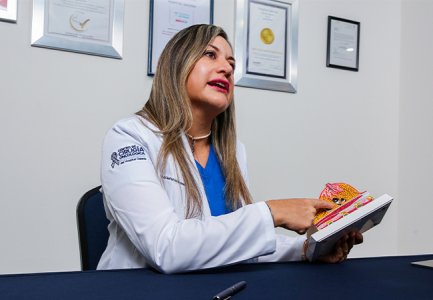
جراح أورام معتمد متخصص في جراحة سرطان الكلى في المركز الطبي الوطني 20 دي نوفيمبري.

تقود إيسلي بيريز المبادرات التعليمية في مستشفى بويرتو فالارتا الإقليمي، وتتمتع بخبرة طبية واسعة.

كتب بواسطة Veronika Kazina

كتب بواسطة Veronika Kazina

كتب بواسطة Veronika Kazina

كتب بواسطة Veronika Kazina

كتب بواسطة Veronika Kazina
 Anna Leonova
توفر المكسيك رعاية شاملة لسرطان الكلى تتراوح من استئصال الكلية الجذري إلى العلاج المناعي المتقدم. يمكن للمرضى الوصول إلى العمليات الجراحية بالمنظار والجراحة بمساعدة الروبوت في المرافق المعتمدة من قبل اللجنة الدولية المشتركة (JCI) في كانكون ومكسيكو سيتي. كما تقدم المراكز المتخصصة علاجات موجهة مثل CyberKnife وعلاجات خلوية مبتكرة للحالات المعقدة.
رؤية خبير Bookimed: يجب على المرضى الذين يبحثون عن خبرة عالية التوجه إلى كانكون أو مونتيري. يتعامل مستشفى جالينيا في كانكون مع 10,000 مريض سنوياً ويحمل اعتماد اللجنة الدولية المشتركة (JCI). غالباً ما يترجم هذا الحجم إلى لوجستيات أكثر سلاسة للوافدين الدوليين مقارنة بالعيادات الخاصة الأصغر. بينما تحظى العلاجات البديلة بشعبية في تيخوانا، تركز المستشفيات الكبرى في كانكون بشكل أكبر على الدقة الجراحية والتشخيصية.
إجماع المرضى: يؤكد المرضى على أهمية اختيار العيادات المعتمدة من JCI لضمان مطابقة معايير السلامة لتلك الموجودة في بلدانهم الأصلية. يشير الكثي
تتوافق رعاية سرطان الكلى الخاصة في المكسيك مع معايير أمريكا الشمالية عند استخدام مرافق معتمدة دوليًا. تحتفظ المراكز الرائدة باعتماد اللجنة الدولية المشتركة (JCI). وهي تستخدم تقنيات متقدمة مثل نظام دافنشي الروبوتي. غالبًا ما يحمل المتخصصون شهادات البورد ويتبعون الإرشادات السريرية لـ NCCN.
رؤية خبير Bookimed: توفر الرعاية الصحية المكسيكية ميزة استراتيجية للتدخل الجراحي الفوري. بينما يواجه المرضى الكنديون غالبًا فترات انتظار للتشخيص، تسمح العيادات الخاصة المكسيكية ببدء الجراحة في غضون أيام. تظهر البيانات أن المراكز ذات الحجم الكبير مثل مستشفى جالينيا تعالج 10,000 مريض سنويًا. يضمن هذا الحجم كفاءة عالية في الإجراءات المعقدة مثل استئصال الكلية بمساعدة الروبوت.
إجماع المرضى: يشير المرضى إلى أن التصوير وتحديد المرحلة على قدم المساواة مع الجودة الأمريكية. يؤكد الكثيرون على أهمية اختيار جراحين لديهم خبرة محددة في استئصال الكلية الجزئي الذي يحافظ على الكلى.
تحمل علاجات سرطان الكلى القياسية في المكسيك مخاطر الإصابة بعدوى جراحية ونزيف وجلطات دموية. تعتمد السلامة على اختيار العيادات الحاصلة على اعتماد اللجنة الدولية المشتركة (JCI) وأطباء الأورام المعتمدين. تشمل المخاطر الرئيسية الوصول غير المتسق إلى العلاج المناعي المتقدم ومضاعفات السفر المحتملة مثل تجلط الأوردة العميقة.
رؤية خبير Bookimed: تختلف الجودة بشكل كبير بين المستشفيات العامة والمراكز المتخصصة في كانكون أو مكسيكو سيتي. يخدم مستشفى جالينيا 10,000 مريض سنوياً ويحافظ على معايير JCI التي تركز على أورام البالغين. نرى نتائج أفضل عندما يختار المرضى جراحين مثل الدكتورة بريندا باسترانا. فهي تحمل شهادة المجلس المكسيكي للأورام وتدرس في جامعة أناواك. يساعد تأكيد هذه المؤهلات في تجنب المعايير المتغيرة التي غالباً ما توجد في العيادات الحدودية الصغيرة.
إجماع المرضى: يؤكد المرضى على أهمية ترجمة جميع السجلات الطبية قبل السفر إلى الوطن لضمان استمرارية الرعاية. ينصح العديد من المسافرين بعدم السفر جواً في وقت مبكر جداً
تعتبر كانكون، ومكسيكو سيتي، ومونتيري، وبويرتو فالارتا المراكز الرئيسية لعلاج سرطان الكلى في المكسيك. تستضيف هذه المدن مرافق حاصلة على اعتماد اللجنة الدولية المشتركة (JCI) وأقسام أورام متخصصة. وهي توفر تقنيات متقدمة مثل نظام دافنشي الروبوتي والجراحة الإشعاعية التجسيمية للحالات المعقدة.
رؤية خبير Bookimed: تشير بيانات حجم المرضى إلى انقسام واضح في التخصص عبر المدن المكسيكية. تتعامل كانكون ومونتيري مع أعداد كبيرة من المرضى، حيث يخدم جالينيا وAlivia الآلاف سنوياً. بالنسبة لاستئصال الكلية الروبوتي، غالباً ما تضم العيادات في هذه المراكز جراحين مثل الدكتورة بريندا باسترانا، الحاصلة على شهادة مجلس Conacem. يضمن اختيار مركز ذو حجم كبير في هذه المدن الوصول إلى متخصصين على دراية ببروتوكولات المرضى الدولية.
إجماع المرضى: يؤكد المرضى على ضرورة التحقق من حجم عمليات الجراح للإجراءات المعقدة مثل استئصال الكلية الجزئي لضمان السلامة. يشير الكثيرون إلى أن المراكز الكبرى توفر وفورات كبيرة، لكنهم ينصحون بشراء تأمين الإخلاء الطبي والتخطيط لرعاية المتابعة
عادةً ما يبقى المرضى في المكسيك لمدة 21 يوماً بعد جراحة سرطان الكلى. تضمن هذه المدة الحصول على التصريح الطبي للسفر الجوي الآمن. تتطلب معظم الإجراءات من يوم واحد إلى 7 أيام في المستشفى. تسمح الأساليب الجراحية الروبوتية أو بالمنظار ذات التدخل الجراحي البسيط عادةً بالخروج في غضون 3 أيام.
رؤية خبير Bookimed: اختيار مراكز الأورام المتخصصة مثل مستشفى جالينيا يضمن الوصول إلى معايير السلامة المعتمدة من JCI. في حين أن حالات المنظار غالباً ما تُحل بسرعة، تُظهر البيانات أن توقيت إزالة المصارف لا يمكن التنبؤ به. البقاء لمدة 14 يوماً على الأقل في المكسيك يمنع العودة الطارئة بسبب مشاكل المصارف. يجب على المرضى إعطاء الأولوية للعيادات التي تضم أقساماً متكاملة للأورام والمسالك البولية من أجل مراقبة متماسكة بعد الجراحة.
إجماع المرضى: يؤكد المرضى على أهمية البقاء لمدة 10 إلى 14 يوماً محلياً لأن المصارف غالباً ما تبقى لفترة أطول من المتوقع. يوصون بحجز فندق للتعافي في مكان قريب لتجنب المضاعفات ويقترحون ارتداء جوارب ضاغطة لرحلة العودة.
يعتمد الترشح لعلاج سرطان الكلى في المكسيك على حجم الورم وموقعه. يُفضل الاستئصال طفيف التوغل للأورام المحيطية الصغيرة التي يقل حجمها عن 4 سم. عادة ما تكون الجراحة المفتوحة أو الروبوتية مطلوبة للكتل المركزية الأكبر أو الحالات المعقدة التي تتطلب إجراءات متزامنة.
رؤية خبير Bookimed: بينما تؤكد العديد من المراكز المكسيكية على الأنظمة الروبوتية مثل Da Vinci للدقة، تستفيد المرافق المعتمدة من JCI مثل مستشفى Galenia من حجم كبير يبلغ 10,000 مريض سنويًا لتحسين هذه البروتوكولات. تُظهر بياناتنا أن اختيار جراح أورام مثل الدكتورة بريندا باسترانا، التي تحمل شهادات تخصصية حتى عام 2030، يضمن أدق تحديد للمرحلة قبل اختيار الاستئصال أو الاستئصال الجراحي.
إجماع المرضى: يشير المرضى إلى أن إجراء خزعة أولاً أمر حيوي لتأكيد عدوانية الورم قبل اختيار الاستئصال. كما يسلطون الضوء على أن الأورام الأصغر مؤهلة للاستئصال لتجنب الندبات وضمان جدولة أسرع بكثير مما هو عليه في دول الشمال.
تحقق من المرافق الطبية المكسيكية من خلال البحث عن اعتماد اللجنة الدولية المشتركة (JCI) وشهادة مجلس الصحة العام (CSG). تضمن هذه المعايير معايير السلامة والجودة. تأكد من أن المختبرات تتبع معايير ISO 15189. تحقق من أن COFEPRIS تنظم الصيدليات لضمان سلامة الأدوية والأجهزة.
رؤية خبير Bookimed: غالباً ما يشير حجم المرضى المرتفع إلى بنية تحتية تشخيصية موثوقة. يخدم مستشفى جالينيا 10,000 مريض سنوياً ويحتفظ باعتماد JCI. يشير هذا المزيج إلى أن أقسام المختبر والتصوير لديهم تتعامل مع الحالات المعقدة بشكل متكرر. إنها إشارة جودة أقوى من مجرد امتلاك المعدات نفسها.
إجماع المرضى: يقترح المرضى طلب أرقام دفعات الأدوية لمقارنتها بالمعايير الأمريكية. كما يوصون بأن يقوم أخصائي أشعة في بلدك بمراجعة صور الأشعة المقطعية المكسيكية لتأكيد جودة التصوير قبل بدء العلاج.