علاج ندوب الجرويد في إيطاليا — احصل على 3 عيادات مختارة خصيصاً لك


تمت مراجعة المقالة طبيا من قبل
فهد مولود
كيف نعمل؟
ما هي تكلفة ندوب الجرويد إجراءات التشخيص والعلاج في إيطاليا؟ اعرف الآن
تختلف التكلفة الإجمالية لعلاج ندبة الجدرة في إيطاليا اعتمادًا على الإجراء المختار. تتراوح تكلفة الاستشارة للحصول على خدمة الرأي الثاني من 200$ إلى 400$. يتم تخصيص كل إجراء وفقًا لاحتياجات الفرد المحددة وتاريخه الطبي.
اكتشف أفضل ندوب الجرويد العيادات في إيطاليا: 5 خيارات معتمدة والأسعار




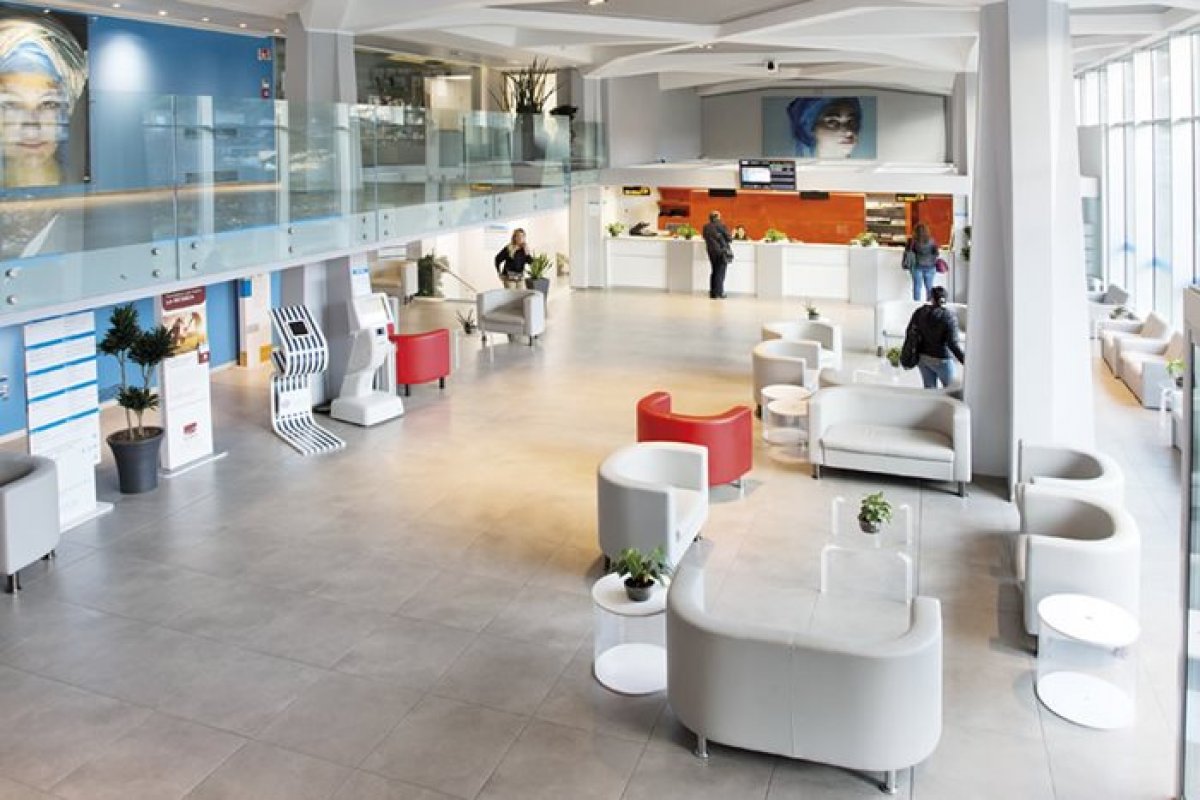
La Madonnina Clinic






مشاركة المحتوى
قصص فيديو من مرضى Bookimed
 Anna Leonova
أسئلة متكررة حول علاج ندوب الجرويد في إيطاليا
هل يمكن إزالة ندبة الجدرة (Keloid) تماماً؟
يمكن تسطيح ندبة الجدرة وتفتيحها بشكل كبير، لكن الإزالة الدائمة الكاملة نادرة. الاستئصال الجراحي وحده له معدل تكرار يتراوح بين 45% إلى 100%. يستخدم معظم المتخصصين في إيطاليا العلاج متعدد الوسائط. هذا الجمع بين الجراحة والإشعاع أو الستيرويدات يزيد من معدلات النجاح على المدى الطويل إلى أكثر من 90%.
- النهج متعدد الوسائط: يجمع المحترفون بين الجراحة والإشعاع الفوري أو حقن الستيرويد للحصول على نتائج أفضل.
- العلاج الإشعاعي: يستهدف الإشعاع السطحي بعد الجراحة الخلايا التي تسبب إعادة النمو في غضون 48 ساعة.
- حقن الستيرويد: تعمل الحقن الشهرية على تكسير الكولاجين لتقليص وتنعيم أنسجة الندبة الموجودة.
- العلاج بالضغط: ارتداء ملابس متخصصة أو أقراط لأكثر من 12 ساعة يومياً يمنع النمو الجديد.
رؤية خبير Bookimed: تدير مستشفيات الأبحاث الإيطالية مثل سان رافاييل في ميلانو أحجاماً هائلة من المرضى، حيث تجري أكثر من 52,000 عملية سنوياً. هذا التردد الجراحي العالي حيوي لحالات الجدرة. غالباً ما توفر العيادات المتخصصة في ميلانو إمكانية الوصول إلى فرق متعددة التخصصات. تقوم هذه الفرق بتنسيق الجراحة والإشعاع ضمن النافذة الحرجة البالغة 24 ساعة لتحقيق أقصى قدر من النجاح.
إجماع المرضى: يؤكد المرضى أن هذه الندبات تتطلب إدارة طويلة الأمد بدلاً من حل لمرة واحدة. يشير الكثيرون إلى أن تتبع التقدم بالصور أمر ضروري. فهو يساعد في تحديد ما إذا كانت خطة العلاج تحتاج إلى تعديل خلال الأشهر الستة الأولى.
ما هي أكثر العلاجات فعالية المتاحة لندبات الجدرة (Keloid) في إيطاليا؟
تشمل أكثر علاجات الجدرة فعالية في إيطاليا حقن الكورتيكوستيرويد داخل الآفة، والعلاج بالتبريد، والعلاج بالليزر المتقدم. غالبًا ما تجمع المراكز المتخصصة بين الاستئصال الجراحي والإشعاع بعد الجراحة مباشرة. هذا النهج متعدد الوسائط يقلل بشكل كبير من معدلات التكرار. توفر المرافق الرائدة مثل سان رافاييل في ميلانو هذه البروتوكولات السريرية المتكاملة.
- حقن الستيرويد: علاج الخط الأول الذي يظهر تحسنًا بنسبة 50% إلى 100% في حجم الندبة.
- العلاج بالليزر: تعمل الليزرات المجزأة الاستئصالية الباردة على تقليل الاحمرار وتسطيح الأنسجة بفعالية.
- المراجعة الجراحية: يقوم الجراحون بإجراء الاستئصال جنبًا إلى جنب مع الإشعاع المساعد لمنع خطر إعادة النمو المرتفع.
- الجراحة بالتبريد: يحقق العلاج بالنيتروجين السائل تقليلًا في الحجم بأكثر من 80% للعديد من المرضى.
رؤية خبير Bookimed: تظهر البيانات اتجاهًا واضحًا حيث تتعامل العيادات الموجودة في ميلانو مثل سان رافاييل ومستشفى سان دوناتو مع أعلى أحجام من المرضى تصل إلى 300,000 سنويًا. بالنسبة للحالات المعقدة، يجب على المرضى إعطاء الأولوية للمرافق المعتمدة من JCI مثل مستشفى ماريا سيسيليا في بولونيا. تقدم هذه المؤسسات أكثر من 14 قسمًا متخصصًا، مما يضمن نهجًا متعدد التخصصات حيويًا لإدارة معدل النجاح البالغ 90% الذي تم الإبلاغ عنه عند الجمع بين الجراحة والإشعاع.
إجماع المرضى: يشير المرضى إلى أنه بينما توفر حقن الستيرويد تسطيحًا مرئيًا بعد 6 أشهر، فإن استخدام هلام السيليكون يوميًا ضروري للصيانة طويلة المدى. ي
هل توجد عيادات متخصصة لعلاج الجدرة (Keloid) تلبي احتياجات المرضى الدوليين؟
تقدم العيادات المتخصصة في إيطاليا وعلى مستوى العالم علاجات متقدمة للجدرة للمرضى الدوليين. توفر مرافق مثل سان رافاييل في ميلانو خبرة جراحية عالية المستوى. تجمع المراكز الرائدة بين الاستئصال الجراحي والعلاج الإشعاعي السطحي أو العلاج بالتبريد لتقليل معدلات التكرار إلى أقل من 10% للحالات المعقدة.
- العلاج متعدد الوسائط: تجمع المراكز بين الجراحة والإشعاع في غضون 24 ساعة لمنع نمو الندبة مرة أخرى.
- الدقة التشخيصية: يستخدم المتخصصون الموجات فوق الصوتية عالية التردد لتحديد عمق الندبة قبل بدء العلاج.
- الدعم الدولي: توفر المستشفيات المعتمدة من اللجنة الدولية المشتركة (JCI) مثل مستشفى ماريا سيسيليا خدمات نقل مخصصة للمسافرين.
- التكنولوجيا المتقدمة: تستخدم العيادات الأوروبية ليزر الصبغة النبضي والعلاج الإشعاعي الموضعي (Brachytherapy) لأنسجة الجدرة المقاومة.
رؤية خبير Bookimed: المراكز الطبية الإيطالية مثل سان رافاييل ومستشفى ماريا سيسيليا هي مستشفيات بحثية ضخمة (IRCCS) تجري أكثر من 52,000 عملية جراحية سنوياً. على الرغم من أنها رائدة عالمياً في الجراحات المعقدة، إلا أنها غالباً ما تفتقر إلى باقات السياحة الشاملة الموجودة في تركيا. يجب على المرضى اختيار المرافق الإيطالية لعمق أبحاثها السريرية بدلاً من الراحة الشاملة.
إجماع المرضى: يشير المرضى إلى أنه على الرغم من أن الجراحين الإيطاليين يتمتعون بمهارة عالية، يجب عليك التأكد من توفر موظفين يتحدثون الإنجليزية مسبقاً. يوصي الكثيرون بإعطاء الأولوية للعيادات التي تقدم الجراحة بمساعدة الإشع