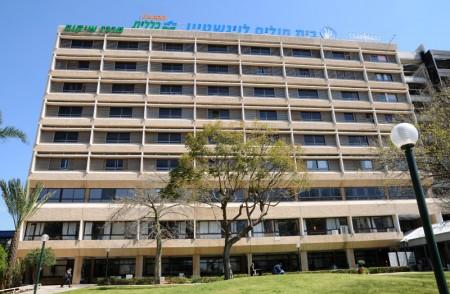
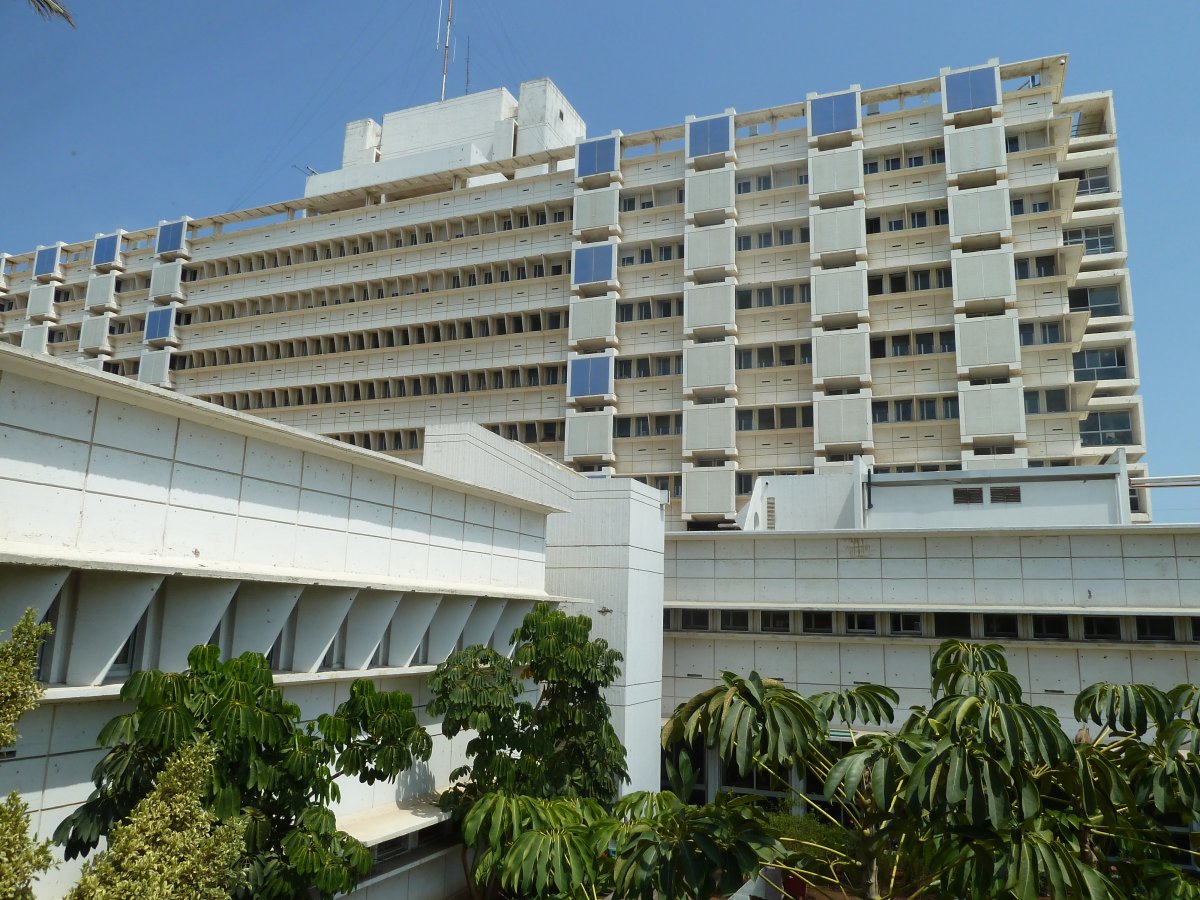
Sourasky Medical Center (Ichilov)
إسرائيل, Tel Aviv
Firas Fahum
31سنة خبره ١٦ سنة

العيادة معتمدة من قبل : 





تمت مراجعة المقالة طبيا من قبل
فهد مولود
تختلف تكلفة علاج الصرع في إسرائيل حسب الخطة الطبية. تبدأ اختبارات الدم بحوالي $600، وتكلفة تخطيط كهربية الدماغ حوالي $260، وفحص الموجات فوق الصوتية للرقبة مع استنتاج أخصائي الأشعة حوالي $1,100. تبلغ تكلفة الاستشارة مع رئيس قسم الأعصاب للأطفال $1,450، بينما تبلغ تكلفة الاستشارة مع رئيس قسم الأطفال $700. الخيارات الإضافية، مثل التصوير المقطعي بالإصدار البوزيتروني مع استنتاج رئيس القسم، تكلف $3,600، وخزعة العقدة الليمفاوية تحت الموجات فوق الصوتية تكلف $4,300. يتم تخصيص خطة العلاج بعد تقييم شامل من قبل الأخصائيين.
| إسرائيل | تركيا | إسبانيا | |
|---|---|---|---|
| قطع مستعرض لتَحْتَ الحَنُوْن المتعدد | ≈ $28,000 | ≈ $12,500 | من $67,300 |
| جراحة التحفيز العميق للدماغ | من $19,000 | من $21,800 | من $64,800 |
| تحفيز العصب المبهم | من $41,400 | من $20,000 | من $50,500 |
| العلاج بالخلايا الجذعية للصرع | ≈ $14,000 | ≈ $6,500 | ≈ $9,000 |
| العلاج الجراحي للصرع | ≈ $38,000 | من $12,000 | من $76,300 |
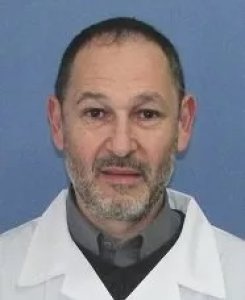
البروفيسور زفي كوهين مدير قسم جراحة الأعصاب ووحدة الأورام العصبية في مركز شيبا الطبي. وهو جرّاح أعصاب وخبير في الأورام العصبية. اختير ضمن قائمة فوربس إسرائيل لأفضل الأطباء لعام 2025. يقود أبحاثًا سريرية حول العلاجات الدوائية لأورام الدماغ الخبيثة. كما أسّس بنك أنسجة أورام الدماغ في شيبا.
حاصل على شهادة البورد في جراحة الأعصاب، وتدرّب في جامعة تل أبيب. أكمل زمالتين: في الأشعة العصبية في بيث إسرائيل، وفي جراحة أورام الأعصاب في مركز إم دي أندرسون. تشمل ممارسته أورام الدماغ المعقّدة والغدة
تم إجراء أكثر من 900 علاج للصرع – يقوم الدكتور فراس فاهوم بتقييم الحالات وإعداد خطط علاج مخصصة في مركز سوراسكي الطبي (إيخيلوف).

يدير وحدة طب أعصاب الأطفال في مركز سوراسكي الطبي - أحد أفضل المستشفيات في إسرائيل - مع أكثر من 47 سنة من الخبرة السريرية.


كتب بواسطة Ana Hurevska

كتب بواسطة Ana Hurevska
 Anna Leonova
تُعدّ إسرائيل مركزًا رائدًا في جراحة الأعصاب بفضل مزيجها من التطورات الطبية عالية التقنية والخبرات الجراحية المتميزة. وتستخدم مرافق متطورة مثل مركز شيبا الطبي أنظمة ملاحة تعتمد على الذكاء الاصطناعي والتصوير بالرنين المغناطيسي أثناء الجراحة في الوقت الفعلي. وتشير المراكز المتخصصة إلى نسبة نجاح تصل إلى 98% في العمليات الجراحية المعقدة، بما في ذلك جراحة الدماغ مع اليقظة وعلاج اضطرابات الحركة.
رأي خبراء بوكيمد: تُظهر البيانات فرقًا واضحًا بين خيارات العلاج في القطاعين العام والخاص في إسرائيل. تُجري المراكز الخاصة، مثل مركز أسوتا الطبي، أكثر من 92,000 عملية جراحية سنويًا، وتتيح للمرضى اختيار جراح را
يعالج جراحو الأعصاب الإسرائيليون طيفاً واسعاً من الحالات، بدءاً من أورام الدماغ والحبل الشوكي وصولاً إلى الاضطرابات الوظيفية المعقدة. وتستخدم المراكز المتخصصة أحدث التقنيات، مثل جهاز جاما نايف، والتحفيز العميق للدماغ، والتصوير بالرنين المغناطيسي أثناء الجراحة، لتشخيص دقيق للغاية لحالات الصرع، ومرض باركنسون، وأمراض الأوعية الدموية الدماغية.
رأي خبراء بوكيمد: غالبًا ما تجمع المستشفيات الإسرائيلية بين تخصصات طبية متعددة لمعالجة الحالات المعقدة. ففي مركز سوراسكي ا
تضم إسرائيل مراكز جراحة أعصاب عالمية المستوى، مثل مركز سوراسكي الطبي، ومركز شيبا الطبي، ومركز هداسا الطبي. وتُعدّ هذه المؤسسات رائدة عالميًا في علاج أورام الدماغ المعقدة، وأمراض العمود الفقري، واضطرابات الحركة. وتستخدم أحدث التقنيات، مثل جهاز جاما نايف، والأنظمة الروبوتية، والتصوير بالرنين المغناطيسي أثناء الجراحة.
رأي خبراء بوكيمد: تُظهر بياناتنا أنه بينما يلجأ معظم المرضى للعلاج في تل أبيب، يُقدّم مركز رامبام الطبي في حيفا رعايةً فريدةً لإصابات الدماغ. فهو يضم وحدةً متخصصةً للعناية المركزة العصبية تُعالج ما يقارب مليون مريض سنويًا. وهذا ما يجعله
من بين أبرز جراحي الأعصاب الإسرائيليين البروفيسور تسفي رام، والبروفيسور شلومي كونستانتيني، والبروفيسور إسحاق فريد من مركز سوراسكي الطبي. ويشغل هؤلاء المتخصصون مناصب قيادية في الجمعية الأوروبية لجمعيات جراحة الأعصاب (EANS) والجمعية العالمية لجراحة الأعصاب التجسيمية والوظيفية (WSSFN). ويستخدمون تقنيات رسم الخرائط المتقدمة أثناء الجراحة وأنظمة الروبوتات.
رأي خبراء بوكيمد: تشير بيانات مركز سوراسكي وشيبا إلى وجود علاقة وثيقة بين ارتفاع عدد العمليات الجراحية وسلامة المرضى. فعلى سبيل المثال، يُجري مركز سوراسكي أكثر من 34,000 عملية جراحية لعلاج الأورام سنويًا بنسبة نجاح تصل إلى 90%. لذا، ينبغي على المرضى الذين يحتاجون إلى استئصال أورام معقدة إعطاء الأولوية لمراكز كهذه، حيث يُجري الجراحون مئات العمليات الجراحية ا
يجب على المرضى الأجانب الذين يحتاجون إلى علاج جراحي للأعصاب في إسرائيل تقديم وثائق طبية كاملة، بما في ذلك نتائج التصوير بالرنين المغناطيسي أو التصوير المقطعي المحوسب الحديثة، مترجمة إلى اللغة الإنجليزية. يتطلب دخول المستشفى فحصًا سريريًا من قبل أخصائيين للتأكد من ملاءمة المريض للعلاج. غالبًا ما تطلب المستشفيات دفعًا مسبقًا كاملًا أو دفعة مقدمة كبيرة قبل تأكيد مواعيد الجراحة أو إصدار وثائق التأشيرة.
رأي خبراء بوكيمد: تُظهر البيانات أن المؤسسات الطبية الإسرائيلية الرائدة، مثل مركز شيبا الطبي ومركز هداسا الطبي، تستقبل عددًا هائلًا من المرضى، يتجاوز مليون مريض سنويًا. هذا الطلب المرتفع يعني أن العيادات تُعطي الأول
تتراوح مدة الإقامة المعتادة في قسم جراحة الأعصاب في إسرائيل بين 10 و14 يومًا للحالات غير المعقدة. أما المرضى الذين يخضعون لإجراءات معقدة، مثل استئصال ورم دماغي أو تحفيز الدماغ العميق، فغالبًا ما يحتاجون إلى الإقامة لمدة تتراوح بين 4 و6 أسابيع. تشمل هذه الفترة التشخيص قبل الجراحة، والجراحة نفسها، والمتابعة اللازمة بعد العملية.
رأي خبراء بوكيمد: تُظهر بيانات مركز سوراسكي الطبي أنه يعالج أكثر من 400,000 مريض سنويًا بنسب نجاح عالية. غالبًا ما تتميز العيادات التي تستقبل هذا العدد الكبير من المرضى، مثل هاداسا وأسوتا، بإجراءات خروج مبسطة. وهذا يُسهّل على المرضى الدوليين الانتقال بسرعة أكبر إلى إعادة التأهيل في ا
تستخدم جراحة الأعصاب الإسرائيلية أنظمة الملاحة الروبوتية، والتصوير ثلاثي الأبعاد الفوري، والتقنيات غير الجراحية لتقليل الصدمات الجسدية. توفر أنظمة مثل Mazor Robotics دقة تصل إلى أجزاء من المليمتر في زراعة الحبل الشوكي. كما يعالج العلاج بالموجات فوق الصوتية الموجهة بالرنين المغناطيسي (MRgFUS) الرعاش دون الحاجة إلى جراحة. تضمن هذه الأدوات المتقدمة دقة عالية وتقلل فترة النقاهة.
رأي خبراء بوكيمد: تُطبّق عيادات إسرائيلية مثل سوراسكي وهاداسا تقنيات إسرائيلية خاصة، مثل غرفة العمليات الجراحية، حتى قبل دخولها السوق العالمية. تُظهر بياناتنا أن هذه المراكز تستخدم نماذج الواقع الا
تُعدّ إسرائيل رائدةً عالمياً في جراحة الأعصاب بفضل دمجها للابتكارات الطبية المحلية ومشاركة أخصائيين من مختلف أنحاء العالم. وتُجري مراكز رئيسية مثل مركز سوراسكي الطبي (إيخيلوف) أكثر من 34 ألف عملية جراحية سنوياً. ويتمتع المرضى بإمكانية الوصول إلى أحدث التقنيات، مثل جراحة الدماغ مع اليقظة والتصوير بالموجات فوق الصوتية المركزة الموجهة بالرنين المغناطيسي.
رأي خبراء بوكيمد: تتميز جراحة الأعصاب في إسرائيل بتركيزها العالي على الأخصائيين الحاصلين على شهادات مزدوجة. فالعديد من الجراحين البارزين، مثل الدكتور تسفي ليدار، معتمدون لممارسة الجراحة في كل من إسرائيل والولايات المتحدة. وهذا يضمن حصول المرضى على رعاية جراحية بمعايير أمريكية، حتى لو كانوا في تل أبيب أو ال
يُعدّ مركز شيبا الطبي ومركز سوراسكي الطبي (إيخيلوف) من بين أفضل مستشفيات جراحة الأعصاب في إسرائيل. وتُجري هذه المؤسسات المعتمدة من قبل اللجنة الدولية المشتركة آلاف العمليات الجراحية سنويًا. وتُستخدم فيها تقنيات متطورة، مثل جهاز سايبر نايف والتصوير بالرنين المغناطيسي أثناء الجراحة، لعلاج أورام الدماغ المعقدة والآفات الوعائية الدماغية.
رأي خبراء بوكيمد: تُظهر بياناتنا أن المراكز الإسرائيلية الرائدة، مثل سوراسكي وهداسا، تُجري أكثر من 40,000 عملية جراحية سنويًا. يُمكّن هذا العدد الكبير من العمليات الجراحين من الحفاظ على نسبة نجاح تصل إلى 90% حتى في حالات الأورام
تُعدّ إسرائيل رائدةً عالمياً في جراحة الأعصاب، حيث تعالج أمراض الدماغ والحبل الشوكي المعقدة باستخدام تقنيات الروبوتات والجراحة طفيفة التوغل. وتتخصص أقسامٌ عالية التخصص في مراكز معتمدة من اللجنة الدولية المشتركة، مثل مركز سوراسكي الطبي (إيخيلوف) ومركز هداسا الطبي، في طب أورام الجهاز العصبي، وجراحة أعصاب الأطفال، والإجراءات الوظيفية.
رأي خبراء بوكيمد: غالبًا ما تعمل أقسام جراحة الأعصاب في إسرائيل كمراكز استجابة سريعة للمرضى الدوليين. تُظهر البيانات أن المراكز الكبيرة مثل مركز سوراسكي، الذي يخدم 1,800,000 مريض سنويًا، قادرة على ترتيب استشارات فيديو مع خبراء بسرعة فائقة. هذه السرعة بالغة الأهمية في حالات أورام الجهاز العصبي، حيث يُحدث بدء العلاج قبل بضعة أيام فرقًا كبيرًا في النتائج.