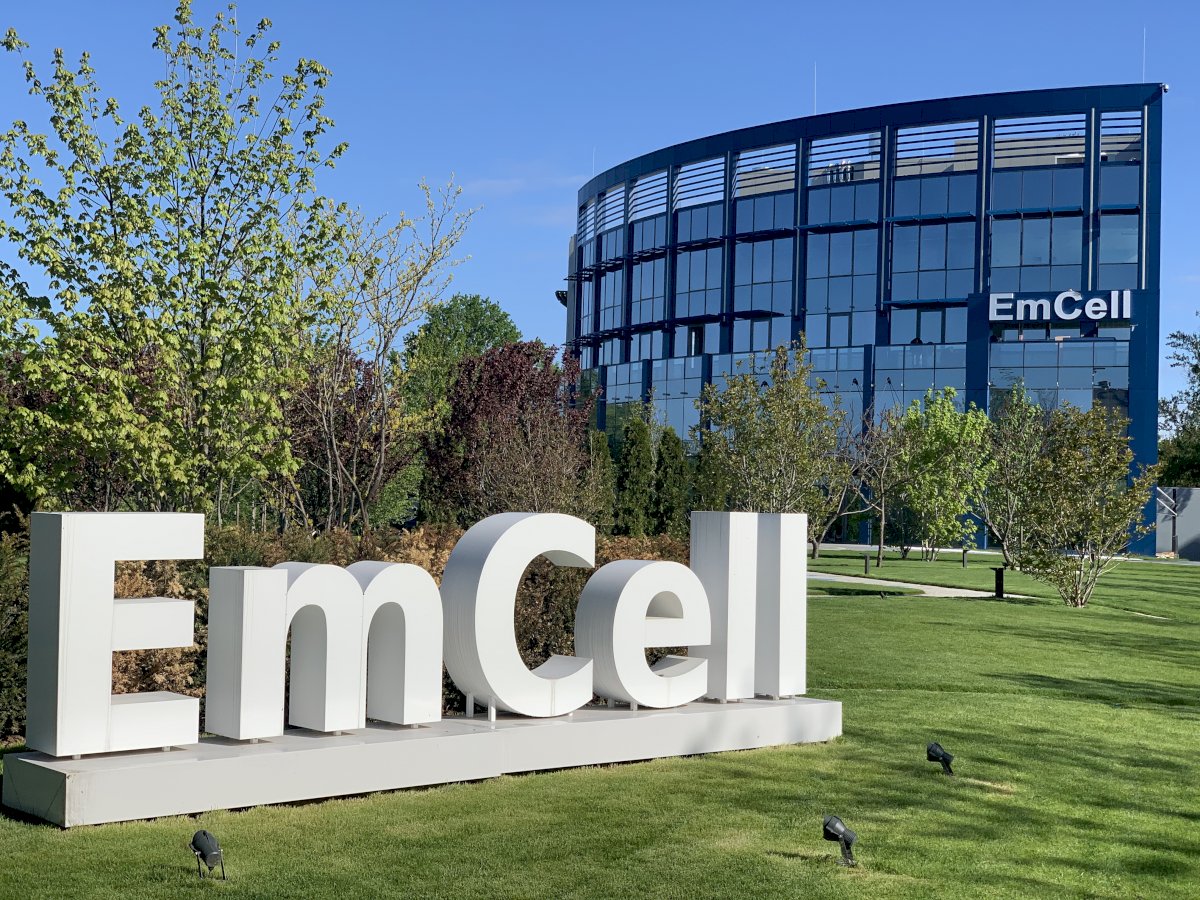
EmCell Cell Therapy Center
أوكرانيا, كييف


تمت مراجعة المقالة طبيا من قبل
فهد مولود
تعتمد تكلفة علاج الصرع في أوكرانيا عادةً على مدى تعقيد التشخيص والعلاج المختار. يتراوح سعر التقييم الأولي باستخدام التصوير بالرنين المغناطيسي للدماغ مع التباين بين $100 و $150، بينما يتراوح سعر العلاج الجراحي المتخصص للصرع بين $6,000 و $11,000. تتأثر النفقات الإجمالية بمستوى العيادة وما إذا كان المريض يحتاج إلى أدوية أو جراحة أعصاب. يمكن للمرضى توقع توفير ما بين 50-70% مقارنة بالولايات المتحدة. تشمل أفضل المدن للعلاج كييف ولفيف.
تكاليف علاج الصرع النموذجية في أوكرانيا
رؤية خبراء Bookimed: قد يستفيد المرضى الذين يبحثون عن بدائل مبتكرة للصرع المقاوم للعلاج من العلاج بالخلايا الجذعية الجنينية. كان مركز EmCell للعلاج بالخلايا في كييف رائدًا في هذا المجال بخبرة تزيد عن 30 عامًا. بالنسبة لحالات جراحة الأعصاب المعقدة، يقدم خبراء مثل الدكتور بيتروف تاراس رعاية جراحية عالية المستوى. توفر مراكز مثل Impuls تشخيصًا سريعًا عبر مختبر داخلي، مما يضمن التخطيط للعلاج في الوقت المناسب لكل من المرضى المحليين والدوليين.
| أوكرانيا | تركيا | إسبانيا | |
|---|---|---|---|
| قطع مستعرض لتَحْتَ الحَنُوْن المتعدد | ≈ $5,500 | ≈ $12,500 | من $67,400 |
| جراحة التحفيز العميق للدماغ | ≈ $14,000 | من $22,100 | من $64,700 |
| تحفيز العصب المبهم | ≈ $14,000 | من $20,000 | من $50,500 |
| العلاج بالخلايا الجذعية للصرع | من $11,200 | ≈ $6,500 | ≈ $9,000 |
| العلاج الجراحي للصرع | ≈ $6,000 | من $13,500 | من $55,000 |
Bookimed لا يضيف رسوماً إضافية على أسعار علاج الصرع. الأسعار مأخوذة من قوائم الأسعار الرسمية للعيادات. تدفع مباشرة في العيادة مقابل علاجك عند وصولك إلى البلد.
Bookimed ملتزم بسلامتك. نحن نعمل فقط مع المؤسسات الطبية التي تحافظ على معايير دولية عالية في علاج الصرع ولديها التراخيص اللازمة لخدمة المرضى الدوليين في جميع أنحاء العالم.
Bookimed يقدم مساعدة خبراء مجانية. منسق طبي شخصي يدعمك قبل وأثناء وبعد العلاج، ويحل أي مشاكل. لن تكون وحيداً أبداً في رحلة علاج الصرع.

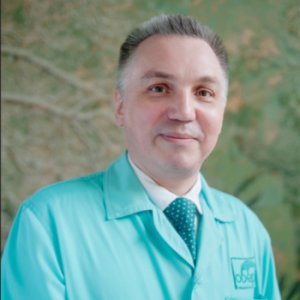


أكثر من _doctor_7971_عاماً_ من الخبرة في طب الأعصاب – يتخصص الدكتور لوزوفوي في الرعاية العصبية الشاملة في مركز إمبولس الطبي.

كتب بواسطة Ana Hurevska

كتب بواسطة Ana Hurevska
 Anna Leonova
تتبع تشخيصات الصرع القياسية في أوكرانيا البروتوكولات الدولية، مع إعطاء الأولوية لتخطيط كهربية الدماغ (EEG) والتصوير العصبي عالي الدقة. يقوم أطباء الأعصاب في مراكز مثل مركز إمبولس الطبي (Impuls Medical Center) بإجراء مراجعات شاملة للتاريخ السريري. غالبًا ما تتضمن الفحوصات الأولية تخطيط كهربية الدماغ الروتيني أو بعد الحرمان من النوم لتحديد النشاط الكهربائي غير الطبيعي للدماغ. يساعد التصوير بالرنين المغناطيسي ثلاثي الأبعاد مع التباين في اكتشاف الأسباب الهيكلية.
رؤية خبير Bookimed: بينما تقدم المرافق العامة تخطيط كهربية الدماغ الأساسي، توفر المراكز الخاصة في كييف تشخيصات معقدة بما في ذلك تخطيط كهربية الدماغ أثناء الانتقال من اليقظة إلى النوم. تخدم بعض العيادات أكثر من 6000 مريض سنويًا وتحتفظ بمولدات عالية الطاقة. وهذا يضمن بقاء معدات التشخيص مثل أجهزة
يعتبر الفالبروات والليفيتيراسيتام من أكثر أدوية الصرع شيوعاً في أوكرانيا. يعالج الفالبروات النوبات المعممة لدى 20% إلى 35% من المرضى. يعد الليفيتيراسيتام دواءً رائداً من الجيل الجديد. لا تزال الكاربامازيبين هي المعيار للنوبات البؤرية. يحصل العديد من المرضى على هذه الأدوية من خلال برامج السداد الحكومية.
رؤية خبير Bookimed: يوفر القطاع الخاص في أوكرانيا تحولاً واضحاً نحو البروتوكولات الحديثة. بينما تعتمد العيادات العامة غالباً على الأدوية الجنيسة القديمة، تخدم المراكز الخاصة مثل مركز إمبولس الطبي أكثر من 6000 مريض سنوياً. تعطي هذه المرافق الأولوية للتشخيصات المتقدمة مثل التصوير بالرنين المغناطيسي للدماغ مع التباين والدراسات الصيدلانية الجينية. يساعد هذا الأطباء على الاختيار بدقة أكبر بين الأدوية الأساسية القديمة والأدوية الأحدث مثل لاكوساميد.
إجماع المرضى: يلاحظ المرضى أن الأدوية الجنيسة القديمة مثل الكاربامازيبين تظل الخيارات الأكثر موثوقية بسبب ثبات مخزون الصيدليات. يستخدم الكثيرون مجموعات وسائل التواصل الاجتماعي المحلية لتتبع التوافر الفوري للأدوية الأحدث مثل الليفيتيراسيتام أثناء تغيرات الإمداد.
توفر العيادات المتخصصة في أوكرانيا رعاية متقدمة للصرع المقاوم للأدوية من خلال فرق متعددة التخصصات وتدخلات جراحية. تقدم مرافق في كييف مثل VIVERE ومركز Impuls الطبي تشخيصات متخصصة. وتشمل هذه مراقبة تخطيط كهربية الدماغ (EEG) طويلة الأمد، وتحفيز العصب المبهم (VNS)، والعلاج الأيضي للسيطرة على النوبات المستعصية.
رؤية خبير Bookimed: في حين تركز العديد من المراكز الخاصة على التشخيص، يتركز الحجم الجراحي للحالات المقاومة للأدوية في كييف. يدير مركز Impuls الطبي أكثر من 6000 مريض سنويًا ويعمل به أطباء أعصاب مثل الدكتور لوزوفوي يوري فلاديميروفيتش بخبرة تزيد عن 20 عامًا. بالنسبة للحالات الجراحية العصبية المعقدة، غالبًا ما يستفيد المرضى من العيادات التي يكون فيها الجراحون أعضاء في الجمعية الأوروبية لجراحة الأعصاب.
إجماع المرضى: يشير المرضى إلى أنه على الرغم من سهولة الوصول إلى المراقبة المحلية في كييف، فإن أولئك الذين يبحثون عن تعديل عصبي متقدم أو استئصال بالليزر غالبًا ما يستكشفون خيارات
تواجه رعاية مرضى الصرع في أوكرانيا اضطرابات شديدة، بما في ذلك نقص الأدوية وتضرر البنية التحتية. يعاني أكثر من 250,000 مريض من انهيار سلاسل توريد الأدوية المضادة للصرع. كما أن الإجهاد العالي والحرمان من النوم بسبب النزاع يؤديان إلى خفض عتبة النوبات. لا يزال الوصول إلى أطباء الأعصاب المتخصصين يتركز في المدن الكبرى.
رؤية خبير Bookimed: تظل كييف المركز الرئيسي للرعاية العصبية المتقدمة على الرغم من التحديات الوطنية. تستخدم مراكز مثل مركز Impuls الطبي مولدات ديزل عالية الطاقة للحفاظ على خدمات التشخيص المستمرة أثناء انقطاع التيار الكهربائي. هذا الاستقرار التشغيلي أمر بالغ الأهمية لمراقبة تخطيط كهربية الدماغ والمختبرات المعقدة. يجب على المرضى الذين يبحثون عن رعاية متخصصة إعطاء الأولوية للعيادات في العاصمة. غالبًا ما تتمتع هذه المرافق بقدرات أعلى، حيث تخدم ما يصل إلى 6,000 مريض سنويًا.
إجماع المرضى: يشير المرضى إلى أنه من الضروري الاحتفاظ بنسخ ورقية من التاريخ الدوائي. يعتمد الكثير من الناس الآن على شبكات عابرة للحدود للعثور على أدوية من الجيل الجديد. يساعد الانضمام