الصرع العلاج في الولايات المتحدة الامريكيه - التكاليف 2026


تمت مراجعة المقالة طبيا من قبل
فهد مولود
ما هي تكلفة الصرع إجراءات التشخيص والعلاج في الولايات المتحدة الامريكيه؟ اعرف الآن
تتضمن تكلفة علاج الصرع في الولايات المتحدة الأمريكية عادةً تشخيصات أساسية مثل التصوير بالرنين المغناطيسي للدماغ مع التباين، والذي يتراوح سعره من $900 إلى $2,600. أما التدخلات الجراحية الأولية مثل جراحة تحفيز الدماغ العميق (DBS) فتتراوح تكلفتها بين $65,000 و $110,000، في حين تبلغ تكلفة تحفيز العصب المبهم من $38,000 إلى $58,000. تعتمد النفقات الإجمالية على مستويات السيطرة على النوبات، وأنواع الأدوية، ومدة الإقامة في المستشفى. تقدم المراكز الطبية الكبرى في نيويورك وميريلاند وبرينستون رعاية متقدمة لهذه الحالات العصبية المعقدة.
تكاليف علاج الصرع النموذجية في الولايات المتحدة الأمريكية
- استشارة طبيب أعصاب: $450 – $750
- تصوير الدماغ بالرنين المغناطيسي مع التباين: $900 – $2,600
- تخطيط كهربية الدماغ أثناء النوم (Sleep EEG): $900 – $2,000
- التشخيص المعقد للصرع: السعر عند الطلب
- جراحة تحفيز الدماغ العميق (DBS): $65,000 – $110,000
- تحفيز العصب المبهم: $38,000 – $58,000
- العلاج الجراحي للصرع: $85,000 – $140,000
- الجراحات التجسيمية: $45,000 – $95,000
- العلاج بالخلايا الجذعية للصرع: $9,000 – $22,000
- استشارة عبر الإنترنت مع أخصائي صرع: السعر عند الطلب
رؤية خبراء Bookimed: تعتبر الرعاية متعددة التخصصات ضرورية لعلاج الصرع المقاوم للأدوية. يُعد مستشفى جونز هوبكنز رائداً عالمياً، حيث يستقطب مرضى من 49 ولاية بفضل مدرسته العصبية المنسقة. بالنسبة لحالات الأطفال، يوفر مركز ميموريال سلون كيترينج خبرة متخصصة في حالات الدماغ المعقدة. يجب على المرضى الذين يبحثون عن جودة معترف بها ملاحظة مستشفى برينستون في بلينسبورو، الذي يصنف ضمن أفضل 5% من المستشفيات الأمريكية وفقاً لـ HealthGrades.
| الولايات المتحدة الامريكيه | تركيا | إسبانيا | |
|---|---|---|---|
| قطع مستعرض لتَحْتَ الحَنُوْن المتعدد | ≈ $65,000 | ≈ $12,500 | من $67,500 |
| جراحة التحفيز العميق للدماغ | ≈ $65,000 | من $22,100 | من $64,800 |
| تحفيز العصب المبهم | ≈ $38,000 | من $20,000 | من $50,600 |
| العلاج بالخلايا الجذعية للصرع | ≈ $9,000 | ≈ $6,500 | ≈ $9,000 |
| العلاج الجراحي للصرع | ≈ $85,000 | من $12,000 | من $55,100 |
مزاياك وضماناتك مع Bookimed
أسعار مباشرة
Bookimed لا يضيف رسوماً إضافية على أسعار علاج الصرع. الأسعار مأخوذة من قوائم الأسعار الرسمية للعيادات. تدفع مباشرة في العيادة مقابل علاجك عند وصولك إلى البلد.
عيادات وأطباء معتمدون فقط
Bookimed ملتزم بسلامتك. نحن نعمل فقط مع المؤسسات الطبية التي تحافظ على معايير دولية عالية في علاج الصرع ولديها التراخيص اللازمة لخدمة المرضى الدوليين في جميع أنحاء العالم.
مساعدة مجانية على مدار الساعة
Bookimed يقدم مساعدة خبراء مجانية. منسق طبي شخصي يدعمك قبل وأثناء وبعد العلاج، ويحل أي مشاكل. لن تكون وحيداً أبداً في رحلة علاج الصرع.

منسقك الطبي الشخصي في Bookimed
- يدعمك في كل مرحلة
- المساعدة في اختيار العيادة الطبية المناسبة والطبيب المناسب
- يضمن الوصول السريع والمريح إلى المعلومات
اكتشف أفضل الصرع العيادات في الولايات المتحدة الامريكيه: 4 خيارات معتمدة والأسعار
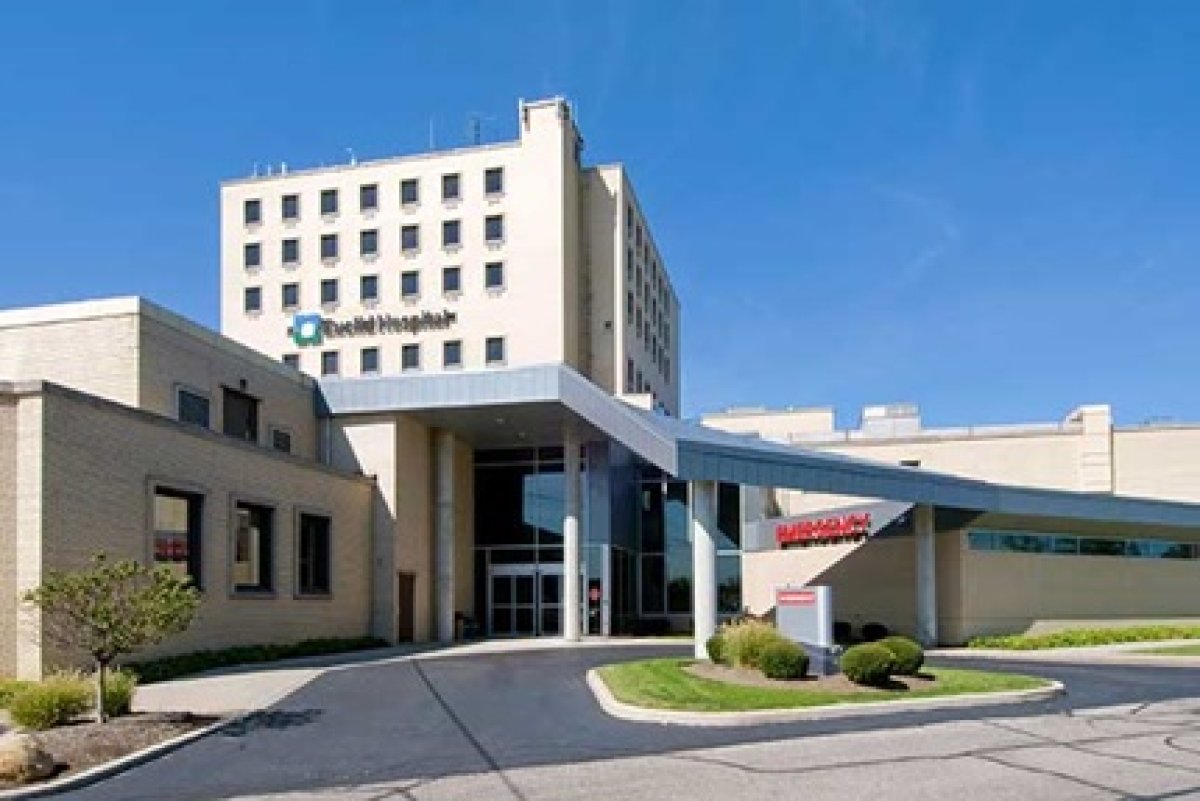





Princeton Hospital at Plainsboro

Johns Hopkins Hospital

Memorial Sloan Kettering Cancer Center
احصلوا على تقييم طبي لـ الصرع في الولايات المتحدة الامريكيه: استشيروا أطباء ذوي خبرة الآن
عرض جميع الأطباء
Rafael Cruz
مواد ذات صلة

أفضل 8 مراكز لعلاج الصرع في العالم: تصنيف Bookimed للمرضى
كتب بواسطة Ana Hurevska

كم تكلفة جراحة الصرع؟
كتب بواسطة Ana Hurevska
مشاركة المحتوى
قصص فيديو من مرضى Bookimed
 Anna Leonova
أسئلة متكررة حول علاج الصرع في الولايات المتحدة الامريكيه
ما هي مراكز الصرع الأمريكية المعترف بها دوليًا لعلاج المرضى الأجانب؟
تُعد مراكز الصرع الرائدة في الولايات المتحدة، مثل مستشفى جونز هوبكنز وكليفلاند كلينك، معترفًا بها دوليًا لعلاج اضطرابات النوبات المعقدة. غالبًا ما تحمل هذه المرافق تصنيف المستوى 4 من الرابطة الوطنية لمراكز الصرع. وهي توفر تشخيصات متقدمة بما في ذلك تصوير الدماغ المغناطيسي والاستئصال بالليزر الموجه بالرنين المغناطيسي للمرضى من جميع أنحاء العالم.
- برامج متخصصة: تدير جامعة نيويورك لانجون وجامعة ميامي مراكز دولية متخصصة للصرع.
- تشخيصات متقدمة: توفر مايو كلينك تقييمات شاملة في مكان واحد مع تصوير عالي الدقة في الموقع.
- ابتكار جراحي: يُعد مستشفى نيكلوس للأطفال رائدًا عالميًا في الاستئصال بالليزر للأطفال الموجه بالرنين المغناطيسي.
- خبرة في التعديل العصبي: يتخصص مركز الصرع في جامعة كاليفورنيا في سان فرانسيسكو (UCSF) في تحفيز العصب المبهم وزراعة التحفيز العصبي الاستجابي.
رؤية خبير Bookimed: بينما يبحث الكثيرون عن تقنيات محددة، فإن المُميز الحقيقي هو حجم المرضى. يجذب مستشفى جونز هوبكنز مرضى من 49 ولاية ومن الخارج بفضل نهجه متعدد التخصصات. يضمن هذا الحجم الكبير عبر ستة مراكز أعضاء أن الفرق قد واجهت حتى أندر أنواع النوبات.
إجماع المرضى: يؤكد المرضى على أهمية التواصل مع المكاتب الدولية مبكرًا لتنسيق المساعدة في الحصول على التأشيرات والتقييمات الأولية عبر الطب عن بُعد. يوصي الكثيرون بالإقامة في شقق محلية خلال الأسابيع الأربعة إلى الثمانية المطلوبة للمراقبة الجراحية.
ما هو الجدول الزمني للسفر الذي يجب أن يتوقعه المرضى الدوليون لتقييم وعلاج جراحة الصرع في الولايات المتحدة؟
يجب أن يتوقع المرضى الدوليون جدولاً زمنياً يتراوح من 4 إلى 8 أسابيع لجراحة الصرع في الولايات المتحدة. يشمل ذلك التقييم التشخيصي، والتدخل الجراحي، والتعافي الأولي. غالباً ما تؤدي الاستشارات عن بُعد إلى تقصير فترات الإقامة في الموقع. تتطلب معظم الخطط ما لا يقل عن 3 أسابيع من الوقت المخصص في المستشفى.
- الفحص عن بُعد: غالباً ما تستغرق مراجعات السجلات الطبية الأولية من 2 إلى 6 أسابيع.
- مراقبة المرحلة الأولى: يتطلب تخطيط كهربية الدماغ بالفيديو للمرضى الداخليين عادةً من 7 إلى 10 أيام في المستشفى.
- المراقبة الغازية: إذا لزم الأمر، فإن وضع الأقطاب الكهربائية الداخلية يضيف من 5 إلى 14 يوماً.
- التعافي الجراحي: يبقى المرضى من 1 إلى 5 أيام بعد الجراحة قبل متابعة محلية لمدة أسبوعين.
رؤية خبير Bookimed: تظهر البيانات نطاقاً سعرياً كبيراً لإجراءات الصرع، حيث يبدأ تحفيز العصب المبهم من 40,000 دولار بينما يمكن أن يصل تحفيز الدماغ العميق إلى 110,000 دولار. غالباً ما يوفر المرضى الوقت عن طريق اختيار مراكز أكاديمية مثل مستشفى برينستون في بلينسبورو. تعمل هذه المؤسسات غالباً على تبسيط الانتقال من التشخيص إلى الجراحة في غضون رحلة واحدة مدتها 4 أسابيع.
إجماع المرضى: يشير المرضى إلى أنه من المهم حجز سكن مرن لمدة شهرين على الأقل. يقترح الكثيرون البدء بالصحة عن بُعد لتأكيد موعد الجراحة قبل السفر لتجنب تأخيرات قوائم الانتظار الطويلة.
كيف تحدد المراكز الأمريكية الرائدة مدى الأهلية لجراحة الصرع طفيفة التوغل؟
تحدد المراكز الأمريكية الرائدة الأهلية من خلال تقييم متعدد المراحل لتحديد الصرع البؤري المقاوم للأدوية. يجب أن يكون المرضى قد فشلوا في الاستجابة لما لا يقل عن دواءين بجرعات مناسبة. تستخدم فرق المتخصصين تخطيط كهربية الدماغ بالفيديو (video-EEG) والتصوير بالرنين المغناطيسي بقوة 3 تسلا للتأكد من أن النوبات تنشأ من منطقة واحدة يمكن الوصول إليها في الدماغ. تضمن التقييمات أن الجراحة لن تضعف الوظائف اللغوية أو الحركية.
- اختبارات المرحلة 1: يعمل تخطيط كهربية الدماغ غير الجراحي لفروة الرأس والتصوير على استبعاد معظم المرشحين الأوليين.
- الدقة التشخيصية: يحدد التصوير بالرنين المغناطيسي عالي الدقة ومسح PET التشوهات الهيكلية أو الأيضية.
- المراقبة الجراحية: يستخدم تخطيط كهربية الدماغ المجسم (SEEG) أقطابًا كهربائية عميقة لرسم خريطة دقيقة لبؤرة النوبة.
- المراجعة متعددة التخصصات: يجب أن يتوصل أخصائيو الصرع وجراحو الأعصاب إلى إجماع بشأن السلامة.
رؤية خبير Bookimed: تشير البيانات الصادرة عن مؤسسات أمريكية كبرى مثل مستشفى جونز هوبكنز إلى أن حجم الحالات هو المؤشر الأساسي لاختيار المرشحين. غالبًا ما تستخدم المرافق التي تخدم مرضى من 49 ولاية تخطيط كهربية الدماغ المجسم المتقدم للحالات التي تكون فيها نتائج التصوير بالرنين المغناطيسي الأولية غير حاسمة. يمكن لهذه المراقبة المكثفة أن تغير الخطة الجراحية لـ 20% إلى 30% من المرضى الذين اعتبروا في البداية غير مؤهلين للإجراءات طفيفة التوغل.
إجماع المرضى: يشير المرضى إلى أن الحصول على رأي ثانٍ أمر حيو
ما هي ترتيبات الرعاية بعد الجراحة والمراقبة عن بُعد المتاحة للمرضى الدوليين لجراحة الصرع؟
تتضمن الرعاية بعد الجراحة لمرضى الصرع الدوليين في الولايات المتحدة فترة استقرار تتراوح من 3 إلى 7 أيام. توفر المراكز مراقبة عن بُعد للمرضى من خلال أجهزة قابلة للارتداء معتمدة من إدارة الغذاء والدواء (FDA) وتطبيقات تتبع النوبات. تضمن الاستشارات الافتراضية والتنسيق مع أطباء الأعصاب المحليين استمرارية الرعاية بعد عودة المرضى إلى بلدانهم الأصلية.
- المراقبة السريرية: يراقب الأطباء علامات العدوى أو الحالة الصرعية أثناء إقامة المريض في المستشفى لمدة 7 أيام.
- التتبع الرقمي: يستخدم المرضى تطبيقات مثل Epsy أو Seizure Tracker لتسجيل النشاط عن بُعد.
- التكنولوجيا القابلة للارتداء: تكتشف أجهزة مثل Empatica Embrace2 النوبات التشنجية وتنبيه مقدمي الرعاية في الوقت الفعلي.
- التشخيص عن بُعد: تسمح أنظمة تخطيط كهربية الدماغ (EEG) المتنقلة بنقل بيانات موجات الدماغ من بلد المريض الأصلي.
رؤية خبير Bookimed: يمكن للمرضى في المراكز المتميزة مثل مستشفى جونز هوبكنز تجنب السفر المتكرر باستخدام بوابات آمنة لمشاركة صور الرنين المغناطيسي. تشير بياناتنا إلى أنه على الرغم من أن المؤسسات الأكاديمية تقدم تشخيصات متقدمة، يجب على المرضى الدوليين تأكيد توافق البوابة مع مزودي الإنترنت المحليين لديهم. تمنع هذه الخطوة تأخيرات الاتصال خلال فترة التعافي الحرجة التي تبلغ 4 أسابيع، حيث يتم إجراء تعديل جرعات الأدوية.
إجماع المرضى: غالبًا ما يؤكد المرضى على أهمية البقاء في سكن محلي لمدة أسبوعين قبل السفر إلى الوطن. يقترحون اختبار جميع تطبيقات الرعاية الصحية عن بُع
ما هي الوثائق الطبية التي يجب على المرضى الأجانب إحضارها لاستشارة جراحة الصرع؟
يجب على المرضى الأجانب تقديم سجلات عصبية شاملة مترجمة إلى اللغة الإنجليزية لاستشارة جراحة الصرع. تشمل الوثائق الأساسية فحوصات الرنين المغناطيسي 3T عالية الدقة وتسجيلات فيديو-تخطيط كهربية الدماغ (video-EEG) طويلة المدى التي تظهر نوبات الصرع. كما يلزم وجود تاريخ دوائي مفصل ومذكرات نوبات الصرع لمدة 12 شهرًا لتقييم الأهلية للجراحة. أحضر شرائح علم الأمراض الأصلية إذا خضعت لجراحة دماغية سابقة.
- دراسات التصوير: فحوصات الرنين المغناطيسي 3T والأشعة المقطعية عالية الدقة على وسائط رقمية للمراجعة المستقلة.
- سجلات النوبات: مذكرات لمدة 6 إلى 12 شهرًا توثق التكرار والمدة والمحفزات المحددة.
- تاريخ العلاج: سجلات جميع الأدوية المضادة للصرع بما في ذلك الجرعات وأسباب التوقف عنها.
- تقارير التشخيص: نتائج الاختبارات النفسية العصبية، أو فحوصات PET، أو الفحوصات الجينية إذا تم إجراؤها.
- الوثائق القانونية: جواز سفر ساري المفعول، وتأشيرة طبية، وإثبات مالي للمرضى الذين يدفعون على نفقتهم الخاصة.
رؤية خبير Bookimed: تظهر البيانات من المراكز الأكاديمية الرائدة مثل جونز هوبكنز تفضيلًا لفحوصات الرنين المغناطيسي 3T التي تم إجراؤها خلال العام الماضي. غالبًا ما يواجه المرضى اختبارات متكررة في الولايات المتحدة إذا كانت الفحوصات من بلدهم الأصلي تفتقر إلى الدقة اللازمة لرسم الخرائط الجراحية. إرسال السجلات الرقمية قبل 4 إلى 6 أسابيع يسمح للفريق الطبي بتحديد الفجوات قبل سفرك. يمكن لهذا التحضير أن يمنع تأخيرات التشخيص المكلفة في المراكز متعددة التخصصات في ني
هل توفر المستشفيات الأمريكية خدمات الإقامة والترجمة الفورية لمرضى جراحة الصرع وعائلاتهم من الخارج؟
توفر معظم مراكز الصرع الرئيسية في الولايات المتحدة خدمات ترجمة طبية مجانية على مدار الساعة طوال أيام الأسبوع بموجب القانون. كما توفر هذه المرافق تنسيقًا مخصصًا للعائلات الدولية. في حين أن الترجمة الطبية هي معيار قياسي، فإن المستشفيات عادة لا تغطي تكاليف السكن. تساعد الأقسام المتخصصة في العثور على سكن قريب وتأشيرات طبية.
- المساعدة اللغوية: توفر المستشفيات مترجمين مؤهلين شخصيًا أو عبر الفيديو أو عبر الهاتف.
- المتطلبات القانونية: يجب على المرافق الأمريكية تقديم خدمات لغوية مجانية لضمان الدقة السريرية.
- دعم السكن: يساعد الموظفون العائلات في حجز الفنادق أو الإيجارات قصيرة الأجل أو منازل رونالد ماكدونالد.
- تنسيق الخدمات اللوجستية: تدير فرق مخصصة عمليات نقل المطار وجدولة المواعيد والتوجيه المحلي.
رؤية خبير Bookimed: تخدم المراكز الأكاديمية رفيعة المستوى مثل مستشفى جونز هوبكنز أو مستشفى برينستون في بلينسبورو آلاف المرضى من خارج الولاية ومن الخارج. تشير البيانات إلى أن هذه المؤسسات ذات الحجم الكبير لديها بنية تحتية أكثر قوة للعائلات. ومع ذلك، يجب على المرضى وضع ميزانية للتكاليف المحلية المرتفعة في مدن مثل نيويورك أو بالتيمور. حتى لو كانت العيادة من بين أفضل 5% في الولايات المتحدة، يظل سكن العائلة نفقة شخصية.
إجماع المرضى: يشير المرضى إلى أنه على الرغم من توفر مترجمي الفيديو دائمًا للجولات الطبية، إلا أن سكن العائلة يمثل تكلفة كبيرة من الجيب. يوصي الكثيرون بتخصيص ميزانية تتراوح بين 5000 دولار و15000 دولار لإقامة لعدة أسابيع با
ما هي المدن الأمريكية الكبرى التي توفر اتصالاً جوياً ممتازاً للسفر من أجل جراحة الصرع؟
توفر المدن الأمريكية الكبرى مثل نيويورك وكليفلاند وبوسطن اتصالاً جوياً فائقاً لجراحة الصرع من خلال مراكز دولية واسعة. تتميز هذه المواقع بمراكز صرع من المستوى 4 توفر رعاية جراحية معقدة. الرحلات المباشرة المتكررة إلى مطارات JFK وCLE وBOS تقلل من إجهاد السفر وتقلل من مخاطر النوبات المرتبطة بالتوقفات الطويلة.
- اتصال كليفلاند: يوفر مطار كليفلاند هوبكنز الدولي (CLE) رحلات مباشرة فعالة للمرضى الذين يزورون كليفلاند كلينك.
- مراكز نيويورك: تخدم ثلاثة مطارات رئيسية (JFK, EWR, LGA) مستشفيات NYU Langone وMount Sinai.
- الوصول إلى بوسطن: يخدم مطار لوجان الدولي (BOS) مستشفى ماساتشوستس العام برحلات مباشرة إلى 90% من المدن.
- خيارات شيكاغو: توفر مطارات أوهير (ORD) وميدواي (MDW) روابط محلية واسعة بمستشفى نورث وسترن ميموريال.
رؤية خبير Bookimed: بينما يركز المرضى غالباً على أكبر المراكز، يمكن أن تكون المطارات متوسطة الحجم مثل كليفلاند (CLE) متفوقة للسفر الطبي. تظهر البيانات أن هذه المحطات غالباً ما تعاني من تأخيرات أقل من المراكز الضخمة مثل LAX أو ORD. الجداول الزمنية الموثوقة حيوية للحفاظ على توقيت الأدوية وتقليل الإجهاد البدني الذي يحفز النوبات.
إجماع المرضى: يؤكد المرضى على اختيار مدن بها خيارات مطارات ثانوية مثل ميدواي أو أونتاريو لتجنب طوابير الأمن الطويلة. يوصي الكثيرون بحجز رحلات الصباح الباكر لضمان حشود أقل وبيئة أكثر هدوءاً قبل الجراحة.