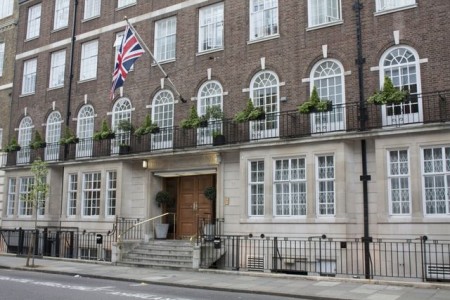
Harley Street Clinic
المملكة المتحدة, لندن


تمت مراجعة المقالة طبيا من قبل
فهد مولود
تتراوح تكلفة علاج الصرع في المملكة المتحدة عادةً ما بين $24,500 إلى $33,000 لتحفيز العصب المبهم، بينما تتراوح تكلفة جراحة تحفيز الدماغ العميق ما بين $42,000 إلى $56,000. تعتمد التكاليف الإجمالية على وتيرة النوبات، والاستجابة للأدوية، والنهج الجراحي المحدد المطلوب. تظل لندن المركز الرئيسي للرعاية العصبية الخاصة والتدخلات الجراحية المتقدمة.
تكاليف علاج الصرع النموذجية في المملكة المتحدة
رؤية خبراء Bookimed: يجب على المرضى الذين يحتاجون إلى إدارة جراحية متقدمة إعطاء الأولوية للمراكز متعددة التخصصات ضمن شبكة HCA Healthcare UK. يقدم مستشفى ويلينغتون، وهو أكبر عيادة خاصة في المملكة المتحدة، رعاية عاجلة متخصصة ودعماً عصبياً معقداً. وللحصول على تشخيص دقيق، توفر عيادة هارلي ستريت خدمات خارجية واسعة النطاق. ويُعد مستشفى لندن بريدج خياراً رائداً لأولئك الذين يبحثون عن تقنيات جراحية رائدة ومساعدة طبية على مدار الساعة طوال أيام الأسبوع.
| المملكة المتحدة | تركيا | إسبانيا | |
|---|---|---|---|
| قطع مستعرض لتَحْتَ الحَنُوْن المتعدد | ≈ $38,000 | ≈ $12,500 | من $67,200 |
| جراحة التحفيز العميق للدماغ | ≈ $42,000 | من $22,100 | من $64,600 |
| تحفيز العصب المبهم | ≈ $24,500 | من $20,000 | من $50,400 |
| العلاج بالخلايا الجذعية للصرع | ≈ $9,500 | ≈ $6,500 | ≈ $9,000 |
| العلاج الجراحي للصرع | ≈ $38,000 | من $12,000 | من $54,900 |
Bookimed لا يضيف رسوماً إضافية على أسعار علاج الصرع. الأسعار مأخوذة من قوائم الأسعار الرسمية للعيادات. تدفع مباشرة في العيادة مقابل علاجك عند وصولك إلى البلد.
Bookimed ملتزم بسلامتك. نحن نعمل فقط مع المؤسسات الطبية التي تحافظ على معايير دولية عالية في علاج الصرع ولديها التراخيص اللازمة لخدمة المرضى الدوليين في جميع أنحاء العالم.
Bookimed يقدم مساعدة خبراء مجانية. منسق طبي شخصي يدعمك قبل وأثناء وبعد العلاج، ويحل أي مشاكل. لن تكون وحيداً أبداً في رحلة علاج الصرع.


كتب بواسطة Ana Hurevska

كتب بواسطة Ana Hurevska
 Anna Leonova
يعتمد علاج الصرع في هيئة الخدمات الصحية الوطنية (NHS) بشكل أساسي على تناول أدوية يومية مضادة للنوبات لتغيير كيمياء الدماغ وتهدئة الإشارات الكهربائية. يقوم الأخصائيون بتخصيص الوصفات الطبية بناءً على نوع النوبة والعمر والجنس. تشمل الخيارات الشائعة اللاموتريجين والليفيتيراسيتام. قد تتطلب الحالات المقاومة للأدوية إجراء جراحة أو تحفيز العصب المبهم.
رؤية خبير Bookimed: تدير مراكز لندن مثل مستشفى ويلينغتون ومؤسسة رويال برومبتون وهارفيلد التابعة لـ NHS أعداداً هائلة من المرضى، حيث تخدم مئات الآلاف سنوياً. تؤدي هذه الكثافة العالية إلى خبرة تشخيصية عالية المستوى. يجب على المرضى إعطاء الأولوية للعيادات التي تضم وحدات إعادة تأهيل عصبي متكاملة لإدارة التعافي طويل الأمد بفعالية.
إجماع المرضى: يشير المرضى إلى أن العثور على الدواء المناسب يتطلب التجربة والخطأ. يقترح الكثيرون الاحتفاظ بمذكرات للنوبات لمساعدة الأخصائيين في تعديل الجرعات خلال الأشهر الأولى من العلاج.
عندما يفشل دواء الصرع الأول، يقوم أطباء الأعصاب عادةً بتعديل الجرعة أو الانتقال إلى دواء ثانٍ. يحقق حوالي 15% من المرضى خلوًا من النوبات باستخدام بديل ثانٍ. إذا فشل دواءان، يقوم الأطباء بتقييم خيارات متقدمة مثل تحفيز العصب المبهم أو جراحة الأعصاب.
رؤية خبير Bookimed: تتخصص المراكز البريطانية مثل مستشفى ويلينغتون في إعادة التأهيل العصبي المعقد للمرضى الذين يعانون من حالات مقاومة للعلاج. تشير بياناتنا إلى أن تأكيد أنواع النوبات عبر فيديو تخطيط كهربية الدماغ (EEG) أو الدراسات الصيدلانية الجينية أمر ضروري قبل إعلان فشل الدواء. هذا يضمن توافق العلاج مع ملفك الجيني الخاص.
إجماع المرضى: يؤكد المرضى أن فشل دواء واحد ليس نهاية الطريق. ويشيرون إلى أنه من الضروري التحقق من مستويات التمثيل الغذائي مثل فيتامين د أو الصوديوم عندما تتغير الاستجابة فجأة.
اتصل برقم 999 فوراً إذا استمرت النوبة لأكثر من 5 دقائق أو تكررت دون استعادة الوعي. هذه الحالة الطارئة، المعروفة باسم الحالة الصرعية، تتطلب تدخلاً عاجلاً. قم بإخلاء المنطقة من المخاطر وضع شيئاً ناعماً تحت الرأس. لا تقم أبداً بتقييد الشخص أو وضع أي أجسام في فمه.
رؤية خبراء Bookimed: تدير مراكز لندن مثل مستشفى ويلينغتون أكثر من 800,000 مريض عبر شبكتهم. غالباً ما تدمج هذه المرافق واسعة النطاق إعادة التأهيل العصبي المتخصص للتعافي بعد الطوارئ. توفر المراكز المتخصصة مثل مستشفى برينسيس غريس مساعدة على مدار الساعة طوال أيام الأسبوع، وهو أمر حيوي للمرضى الذين لديهم تاريخ صرع معقد.
إجماع المرضى: يؤكد المرضى على أهمية توقيت كل نوبة فوراً ومشاركة خطة عمل واضحة مع العائلة. يلاحظ الكثيرون أن التعرف المبكر على تغيرات التنفس قد يكون أكثر أهمية من الوصول إلى علامة الـ 5 دقائق.
توفر الخيارات الجراحية والتحفيز العصبي بدائل لمرضى الصرع المقاوم للأدوية عندما تفشل الأدوية اليومية. يستخدم المتخصصون في المملكة المتحدة التحفيز العميق للدماغ وتحفيز العصب المبهم لتقليل تكرار النوبات. كما تقوم الفرق السريرية بإجراء عمليات استئصال جراحية للمرضى الذين لديهم بؤرة صرع محددة بوضوح في الدماغ.
رؤية خبير Bookimed: تدير مراكز لندن مثل مستشفى ويلينغتون أكثر من 800,000 مريض سنوياً ضمن شبكتها. يؤدي هذا الحجم الكبير من المرضى غالباً إلى وصول أسرع إلى إعادة التأهيل العصبي المتخصص. اختيار المراكز ذات التقنيات الجراحية المتنوعة يضمن مسارات علاج أكثر تخصيصاً للحالات المعقدة.
إجماع المرضى: يشير المرضى إلى أن العلاجات البديلة عادة ما تكمل الدواء بدلاً من استبداله بالكامل. ويؤكدون أن روتين النوم الصارم ومنظمات الأدوية هي أدوات أساسية لإدارة عبء العلاج اليومي.
التوقف عن تناول أدوية الصرع دون إشراف طبي أمر خطير. إنهاء العلاج فجأة يؤدي إلى نوبات تهدد الحياة أو حالة صرعية. يحتاج المرضى عادةً إلى عامين من النتائج الخالية من النوبات قبل أن يفكر طبيب الأعصاب في التخفيض التدريجي. الانسحاب المفاجئ يخاطر بانتكاسة شديدة حتى بعد سنوات من الاستقرار.
رؤية خبير Bookimed: يعالج مستشفى ويلينغتون وغيره في شبكة HCA أكثر من 800,000 مريض سنويًا. تعطي المراكز البريطانية الكبرى الأولوية للتشخيصات متعددة المراحل مثل الدراسات الصيدلانية الجينية قبل تغيير الوصفات الطبية. يساعد هذا النهج القائم على البيانات في تحديد ما إذا كان جسمك يستقلب الدواء بفعالية كافية للسماح بتقليل آمن.
إجماع المرضى: يشير المرضى إلى أنه حتى مع وجود تخطيط كهربية دماغ طبيعي، يمكن أن تعود النوبات فجأة إذا تم تفويت الجرعات. يؤكد الكثيرون أن الاستمرار في تناول الدواء غالبًا ما يكون الخيار الأكثر أمانًا لحماية رخصة القيادة والوظيفة.


