Stem Solutions
المكسيك, مونتيري


تمت مراجعة المقالة طبيا من قبل
فهد مولود
تختلف تكلفة علاج الصرع في المكسيك بناءً على خطة العلاج المختارة. تتراوح الأسعار عادةً من 8,000$ إلى 30,000$، وذلك يعتمد على العلاجات المدرجة. قد تشمل العلاجات العلاجات الأقل تدخلاً باستخدام الخلايا الجذعية الوسيطة، والإكسوسومات، والنيوروببتيدات الوريدية، وتبدأ الأسعار من حوالي 12,000$. أما العلاجات الأكثر شمولاً التي تتضمن فصادة البلازما، والعلاج بالأوزون، والعلاج بالخلايا الجذعية، فيمكن أن تتراوح من 25,800$ إلى 30,000$. خيارات أخرى، مثل قطرات إزالة السموم الوريدية المدمجة مع الخلايا الجذعية وزرع المشيمة، قد تكلف بين 8,000$ و9,000$.
| المكسيك | تركيا | إسبانيا | |
|---|---|---|---|
| قطع مستعرض لتَحْتَ الحَنُوْن المتعدد | ≈ $14,000 | ≈ $12,500 | من $67,200 |
| جراحة التحفيز العميق للدماغ | ≈ $32,000 | من $22,100 | من $64,600 |
| تحفيز العصب المبهم | ≈ $24,000 | من $20,000 | من $50,400 |
| العلاج بالخلايا الجذعية للصرع | ≈ $28,000 | ≈ $6,500 | ≈ $9,000 |
| العلاج الجراحي للصرع | ≈ $18,000 | من $13,500 | من $54,900 |


الدكتورة آنا لارا هي أخصائية في الطب التجديدي في Stem Solutions في مونتيري، المكسيك. وهي حاصلة على درجة الماجستير في التغذية التطبيقية والأبحاث من جامعة إيبيرو أميريكانا. تتخصص الدكتورة لارا في تجديد الخلايا الجذعية وصحة طول العمر. وهي تضمن امتثال جميع العلاجات للقوانين التنظيمية المكسيكية COFEPRIS.
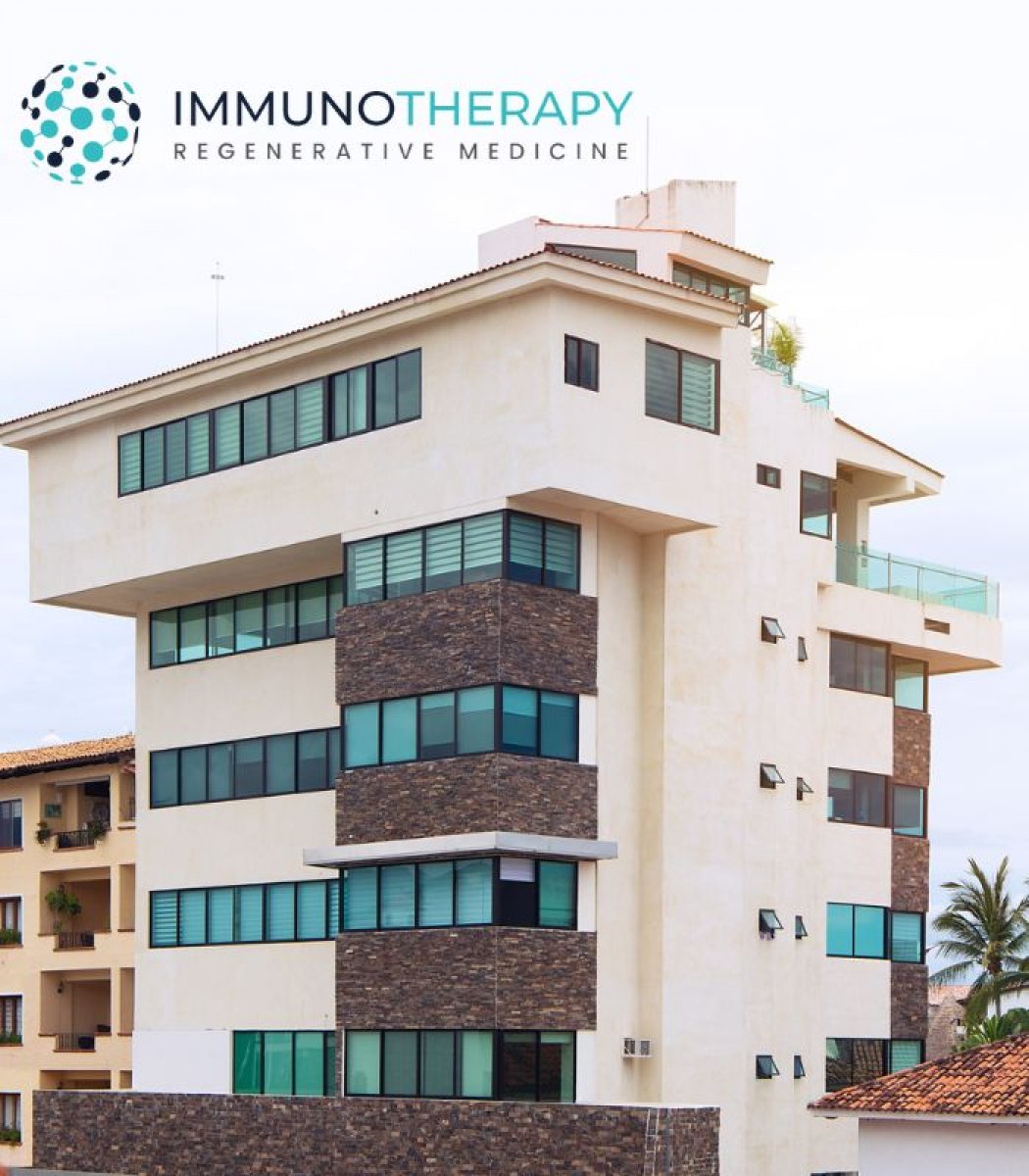
أكثر من 1100 علاج في الطب التجديدي تم إجراؤه - يتخصص الدكتور روميرو في العلاجات المبتكرة للحالات المزمنة في مركز Immunotherapy Regenerative Medicine.

رئيس قسم التدريس في مستشفى بويرتو فالارتا الإقليمي – يجمع الدكتور بيريز بين القيادة الأكاديمية ورعاية المرضى المباشرة.

كتب بواسطة Ana Hurevska

كتب بواسطة Ana Hurevska
 Anna Leonova
تشمل أفضل المستشفيات لجراحة الصرع في المكسيك مركز ABC الطبي وميديكا سور في مدينة مكسيكو. توفر هذه المرافق المعتمدة من قبل اللجنة الدولية المشتركة (JCI) إجراءات متقدمة مثل تخطيط كهربية الدماغ المجسم واستئصال الترددات الراديوية. تشمل المراكز الرائدة الأخرى المعهد الوطني لطب الأعصاب وجراحة الأعصاب ومستشفى سان خوسيه تكنولوجيكو دي مونتيري.
رؤية خبير Bookimed: بينما تتركز عمليات الاستئصال الجراحي في مدينة مكسيكو، ظهر ممر متنامٍ لطب الأعصاب التجديدي في مونتيري وبويرتو فالارتا. تخدم مراكز مثل مركز التجديد المتقدم - ARC STEM CELLS والطب التجديدي للعلاج المناعي أكثر من 1200 مريض سنويًا. غالبًا ما تجمع هذه المرافق بين التشخيص العصبي التقليدي وتطبيقات الخلايا الجذعية، مما يوفر بديلاً للمرضى الذين قد لا يكونون مرشحين لجراحة الدماغ الغازية.
إجماع المرضى: يؤكد المرضى على اختيار المستشفيات المعتمدة من JCI مثل مركز ABC الطبي لضمان معايير بمستوى الولايات المتحدة وتجنب المضاعفات.
تقدم المكسيك علاجات جراحية وتجديدية متقدمة للصرع المقاوم للأدوية. يمكن للمرضى الوصول إلى جراحات الاستئصال، والتحفيز العصبي مثل تحفيز العصب المبهم (VNS)، والتحفيز العميق للدماغ (DBS). تستخدم المراكز المتخصصة في مدينة مكسيكو ومونتيري تخطيط كهربية الدماغ المجسم (SEEG) لرسم خرائط دقيقة للنوبات واستئصال الأنسجة المستهدفة.
رؤية خبير Bookimed: غالبًا ما يختار المرضى الذين يبحثون عن بدائل مبتكرة المكسيك للعلاجات الخلوية المتخصصة. تخدم عيادات مثل Giostar و Immunotherapy Regenerative Medicine أكثر من 5000 مريض دولي سنويًا. الدكتور إدواردو فرنانديز هو واحد من 50 خبيرًا معتمدًا فقط في الخلايا الجذعية في البلاد. غالبًا ما تجمع هذه البرامج بين خدمات النقل لكبار الشخصيات والإقامة في الفنادق، مما يبسط الخدمات اللوجستية للعائلات التي تسافر للحصول على رعاية عصبية معقدة.
إجماع المرضى: يقدر المرضى جدولة المواعيد الأسرع بشكل ملحوظ لرسم خرائط SEEG في المكسيك مقارنة بالولايات المتحدة أو كندا. ويؤكدون على أهمية التحقق من اعتماد JCI وا
تتراوح فترات الانتظار لجراحة الصرع في القطاع الخاص في المكسيك عادةً من 2 إلى 8 أسابيع. وهذا يتناقض مع نظام الرعاية الصحية العام، حيث يمكن أن تتجاوز التأخيرات 10 سنوات. غالبًا ما يكمل المرضى الدوليون الذين يستخدمون خيارات الدفع المباشر التقييمات والجراحة في غضون 6 أسابيع.
رؤية خبير Bookimed: يعد تنسيق السجلات الطبية العامل الأساسي في تقليل وقت السفر. تخدم عيادات مثل Giostar أو Advanced Regenerative Center أكثر من 1000 مريض سنويًا. غالبًا ما يوفرون استشارات افتراضية لمراجعة بيانات تخطيط كهربية الدماغ (EEG) والرنين المغناطيسي قبل سفرك. يسمح هذا التحضير لبعض المرضى بإكمال إقامة العلاج بالكامل في غضون 10 أيام فقط.
إجماع المرضى: يشير المرضى إلى أن تجهيز سجلات التصوير وتخطيط كهربية الدماغ قبل السفر يسرع العملية بشكل كبير. يؤكد الكثيرون أن الرعاية الخاصة في مونتيري أو مكسيكو سيتي أسرع بكثير مما هي عليه في أمريكا الشمالية.
يختلف الوصول إلى الأدوية المضادة للصرع في المكسيك حسب جيل الدواء وقطاع الرعاية الصحية. العلاجات الشائعة مثل فالبروات وليفيتيراسيتام متاحة على نطاق واسع في الصيدليات الخاصة. ومع ذلك، تظل الأدوية الأحدث مثل سينوبامات أو كانابيديول غير متاحة. غالبًا ما يجد المرضى مخزونًا أفضل في المراكز الحضرية مثل مكسيكو سيتي أو كانكون.
رؤية خبير Bookimed: غالبًا ما يجمع المرضى الذين يبحثون عن رعاية متقدمة للصرع في المكسيك بين الأدوية التقليدية والعلاجات المتخصصة. على سبيل المثال، تخدم العيادات في كانكون وبلايا ديل كارمن أكثر من 5000 مريض سنويًا. غالبًا ما تدرج هذه المراكز تطبيقات الخلايا الجذعية الوسيطة في بروتوكولاتها العصبية. إذا كان دواء معين غير متوفر، فإن هذه العيادات ذات الحجم الكبير توفر بشكل متكرر استشارات مع أطباء أعصاب للعثور على بدائل صيدلانية مناسبة بسرعة.
إجماع المرضى: يشير المرضى إلى أنه على الرغم من سهولة العثور على الأدوية الجنيسة مثل كاربامازيبين في سلاسل الصيدليات الكبرى، فمن الحكمة إحضار إمدادات احتياطية من المنزل. يؤكد الكثيرون على أهمي
احمل الأدوية في عبوات الصيدلية الأصلية مع وصفة طبية صالحة أو خطاب من الطبيب. يجب أن تتضمن الوثائق اسمك والجرعة ومؤهلات الطبيب. تأكد من أن الكمية تتناسب مع مدة إقامتك. تعطي الجمارك المكسيكية الأولوية للعبوات ذات الملصقات والخطابات الطبية المهنية للموافقة على الدخول.
رؤية خبير Bookimed: يعد تنسيق الرعاية أمراً حيوياً لمرضى الصرع الذين يسافرون للحصول على علاجات متقدمة. تخدم عيادات مثل Giostar Stem Cell Therapy وImmunotherapy Regenerative Medicine أكثر من 1200 إلى 5000 مريض سنوياً. غالباً ما توفر خدمات نقل VIP بين المطار والعيادة. اختيار باقة تتضمن خدمات النقل يضمن وصولك إلى وجهتك الطبية بأمان دون الحاجة إلى التنقل عبر وسائل النقل المحلية أثناء حمل وصفات طبية متخصصة.
إجماع المرضى: يؤكد المرضى على أهمية الحفاظ على جميع الأوراق محدثة ونظيفة لتجنب الشكوك. ويشيرون إلى أن الأدوية غير الخاضعة للرقابة مثل ليفيتيراسيتام (levetiracetam) تكون عموماً أسهل في المرور عبر الجمارك من البنزوديازيبينات.
يجب على المرضى الذين يسعون للحصول على علاج للصرع في المكسيك تقديم ملف طبي شامل للتقييم الدقيق. تشمل الوثائق الأساسية صور الرنين المغناطيسي أو الأشعة المقطعية عالية الدقة الحديثة على وسائط رقمية والبيانات الخام الكاملة لتخطيط كهربية الدماغ. تحتاج أيضًا إلى مذكرات مفصلة عن النوبات وتاريخ كامل للأدوية.
رؤية خبير Bookimed: تظهر بياناتنا أن عيادات مثل Immunotherapy Regenerative Medicine وGiostar تخدم أكثر من 5000 مريض سنويًا. غالبًا ما تتطلب هذه المراكز ذات الحجم الكبير تشخيصات متخصصة مثل الدراسات الصيدلانية الجينية أو الرنين المغناطيسي للدماغ مع التباين. إن إحضار ملفاتك الرقمية الخاصة يمنع اختبارات التكرار المكلفة التي تزيد عن 1000 دولار والتي يبلغ عنها المرضى الدوليون بشكل متكرر.
إجماع المرضى: يؤكد المرضى على إحضار بيانات EEG الخام بدلاً من مجرد ملخصات لتجنب إعادة الاختبار لمدة 72 ساعة. يلاحظ الكثيرون أن وجود