العودة إلى الصفحة الرئيسية
820К+ مريضًا حصلوا على المساعدة منذ عام 2014
50 دول
1,500 عيادات
6K+ تقييمات
3K+ طبيب مؤهل

ما هي تكلفة الصرع إجراءات التشخيص والعلاج في كوريا الجنوبية؟ اعرف الآن

يتراوح متوسط تكلفة علاج الصرع في جمهورية كوريا بين 1800 دولار و 2200 دولار. تشمل العروض مراقبة فيديو- EEG ، وتصوير الدماغ بالرنين المغناطيسي ، والتشاور مع طبيب أعصاب.
كوريا الجنوبيةتركياإسبانيا
جراحة التحفيز العميق للدماغمن $26,500من $23,000من $45,000
تحفيز العصب المبهممن $22,500من $12,000من $15,000
العلاج الجراحي للصرعمن $19,500من $15,000من $25,000
قطع مستعرض لتَحْتَ الحَنُوْن المتعدد-من $20,610من $68,349
العلاج بالخلايا الجذعية للصرع-من $10,000من $25,000
تم التحقق من البيانات بواسطة Bookimed اعتبارًا من July 2026، استنادًا إلى طلبات المرضى والعروض الرسمية من 156 عيادة حول العالم. تستند التكاليف المتوسطة إلى الفواتير الحقيقية (2025–2026) ويتم تحديثها شهريًا. قد تختلف الأسعار الفعلية.

مزاياك وضماناتك مع Bookimed

أسعار مباشرة

Bookimed لا يضيف رسوماً إضافية على أسعار علاج الصرع. الأسعار مأخوذة من قوائم الأسعار الرسمية للعيادات. تدفع مباشرة في العيادة مقابل علاجك عند وصولك إلى البلد.

عيادات وأطباء معتمدون فقط

Bookimed ملتزم بسلامتك. نحن نعمل فقط مع المؤسسات الطبية التي تحافظ على معايير دولية عالية في علاج الصرع ولديها التراخيص اللازمة لخدمة المرضى الدوليين في جميع أنحاء العالم.

مساعدة مجانية على مدار الساعة

Bookimed يقدم مساعدة خبراء مجانية. منسق طبي شخصي يدعمك قبل وأثناء وبعد العلاج، ويحل أي مشاكل. لن تكون وحيداً أبداً في رحلة علاج الصرع.

لماذا نحن؟

منسقك الطبي الشخصي في Bookimed

  • يدعمك في كل مرحلة
  • المساعدة في اختيار العيادة الطبية المناسبة والطبيب المناسب
  • يضمن الوصول السريع والمريح إلى المعلومات

اكتشف أفضل الصرع العيادات في كوريا الجنوبية: 8 خيارات معتمدة والأسعار

تم تصنيف العيادات بواسطة نظام Bookimed الذكي، باستخدام تحليل علوم البيانات عبر 5 معايير رئيسية.
Samsung Medical Center
Ewha Womans University Medical Center
Seoul National University Bundang Hospital (SNUBH)
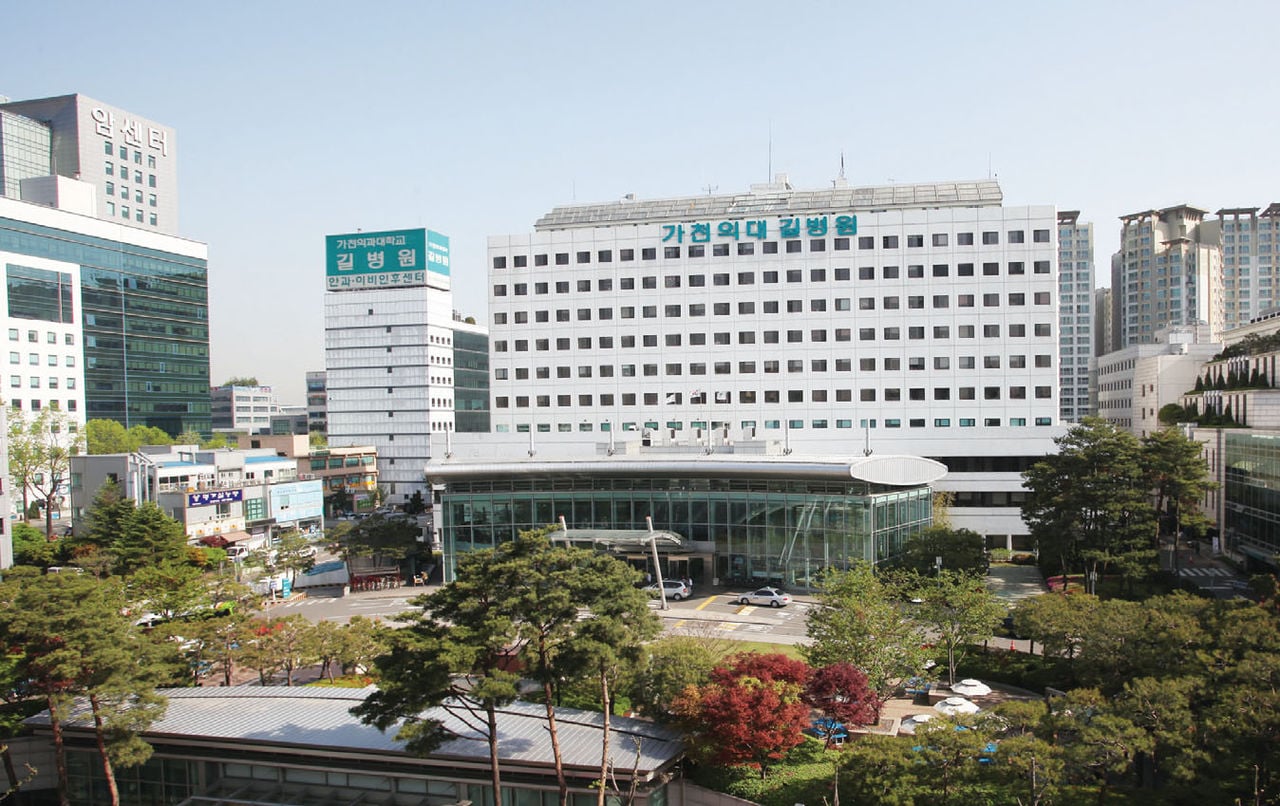
Gachon University Gil Medical Center
Severance Hospital

احصلوا على تقييم طبي لـ الصرع في كوريا الجنوبية: استشيروا أطباء ذوي خبرة الآن

عرض جميع الأطباء
يؤكد

Shon, Young Min

يتخصص الدكتور شون في علاج الصرع في مركز سامسونج الطبي، وهو مركز رائد في طب الأعصاب.

  • طبيب أعصاب يركز على رعاية مرضى الصرع
  • يمارس العمل في مركز سامسونج الطبي – المشهور في طب الأعصاب
  • مكرس لخطط العلاج الشخصية لمرضى الصرع
يؤكد

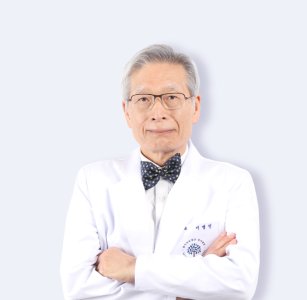
Byung-hee Lee

42سنة خبره ١٦ سنة

الدكتور لي هو عضو مؤسس في الجمعية الكورية للأعصاب التدخلية، وقد قدم 24 رسالة علمية (SCI) حول موضوعات الأوعية الدموية الدماغية.

  • عضو عامل في جمعية السكتة الدماغية الأمريكية والجمعية العالمية للسكتة الدماغية
  • إلقاء 50 محاضرة في مؤتمرات دولية ومحلية
  • التخصص في مناهج طب الأعصاب التدخلي
  • العمل في RE:YOUTH (عيادة YONSEI BH للخلايا الجذعية الشريانية)
يؤكد

Kyoung Heo

يقود البروفيسور هيو، وهو أخصائي أعصاب رائد في علاج الصرع، قسم الأعصاب في مستشفى يونسي سيفيرانس الشهير.

  • التخصص حصرياً في علاج الصرع واضطرابات النوبات
  • رئيس قسم الأعصاب في المستشفى، وتدريب المتخصصين الآخرين
  • عضو في الجمعية الكورية للصرع والجمعية الكورية لطب الأعصاب
  • حاصل على درجة علمية من كلية الطب بجامعة يونسي المرموقة

مواد ذات صلة

مشاركة المحتوى

Twitter XLinkedinFacebookWhatsAppEmail
أحصل على الرابط

قصص فيديو من مرضى Bookimed

Dayana
جمعت بين إجازتي في أنطاليا والفحص الطبي.
إجراء: فحص صحة الإناث (انظر فحص النساء)
Igor
كان رائعاً! التنقلات والإقامة والعلاج - كل شيء مشمول.
إجراء: زرع الأسنان
مستشفى: WestDent Clinic
Marina
قام Bookimed بكل شيء من أجلي. لم أضطر للقلق بشأن أي شيء.
إجراء: فحص صحة الإناث (انظر فحص النساء)
مستشفى: Severance Hospital
محدث: 05/27/2022
تأليف
Anna Leonova
Anna Leonova
رئيس فريق تسويق المحتوى
محررة طبية معتمدة لديها خبرة تزيد عن 10 سنوات، طوّرت محتوى Bookimed الموثوق، مدعومة بماجستير في علم اللغة ومقابلات مع خبراء طبيين من جميع أنحاء العالم.
تمت المراجعة من قبل المستشار الطبي في Bookimed
فهد مولود
محرر طبي وعالم بيانات
طبيب عام. حاصل على 4 جوائز علمية. خدم في غرب آسيا. رئيس الفريق الطبي الناطق بالعربية سابقا ومسؤول عن معالجة البيانات ودقة المحتوى الطبي حاليا.
فهد مولود Linkedin
قد تحتوي هذه الصفحة على معلومات تتعلق بمختلف الحالات الطبية والعلاجات وخدمات الرعاية الصحية المتوفرة في بلدان مختلفة. يرجى العلم أن المحتوى مقدم لأغراض إعلامية فقط ولا ينبغي تفسيره على أنه نصيحة أو إرشادات طبية. يرجى استشارة طبيبك أو أخصائي طبي مؤهل قبل البدء أو تغيير العلاج الطبي.

أسئلة متكررة حول علاج الصرع في كوريا الجنوبية

هذه الأسئلة الشائعة مأخوذة من مرضى حقيقيين يبحثون عن رعاية طبية عبر Bookimed. يتم تقديم الإجابات من قبل منسقين طبيين ذوي خبرة وممثلين موثوقين من العيادات.

What diagnostic tools are available for epilepsy treatment in the Republic of Korea?

South Korean centres use diagnostic tools to pinpoint seizure origins. Key options include 3 Tesla brain MRI, sleep-deprived EEG, and pharmacogenetic screening. Specialists at JCI-accredited facilities like Severance Hospital use these technologies to draft precise treatment plans for drug-resistant epilepsy.

  • Imaging techniques: Brain MRI with contrast, PET scans, and SPECT identify structural lesions or chemistry changes.
  • Electrical monitoring: EEG, sleep-deprived EEG, and magnetoencephalography (MEG) record abnormal brain wave activity.
  • Surgical mapping: Stereo-EEG (SEEG) uses intracranial electrodes to locate the exact seizure source before surgery.
  • Lab screening: Genetic and pharmacogenetic studies help doctors choose the most effective medications for patients.

Bookimed Expert Insight: Diagnostic precision in Seoul relies on high patient volumes and digital integration. Seoul National University Bundang Hospital uses the BESTcare digital system to eliminate data errors. Experts like Dr Kyoung Heo at Severance Hospital manage thousands of cases. This high volume helps them interpret complex results with clinical accuracy.

Patient Consensus: Patients note that initial EEG results are often normal. They suggest requesting repeated or sleep-deprived monitoring in South Korea to capture elusive seizure activity.

What surgical procedures are available for refractory epilepsy in the Republic of Korea?

South Korean hospitals offer surgical options for refractory epilepsy. These include resective surgery, vagus nerve stimulation (VNS), and deep brain stimulation (DBS). Specialists at JCI-accredited centres in Seoul use high-resolution MRI and PET-CT. They use these scans to localise seizure foci for precise surgical intervention. These procedures provide effective alternatives when medications fail.

  • Resective procedures: Surgeons remove the specific brain area causing seizures, such as temporal lobe resection.
  • Neuromodulation therapy: VNS or DBS devices are implanted to regulate brain activity and reduce seizures.
  • Disconnective surgery: Procedures like corpus callosotomy prevent seizure electrical signals from spreading between brain hemispheres.
  • Minimally invasive options: Specialists may use MRI-guided laser ablation to target deep tissue without open surgery.

Bookimed Expert Insight: South Korea specialises in neuro-diagnostics. Clinics like Seoul National University Bundang Hospital use fully digital systems. This infrastructure allows neurologists like Dr Kyoung Heo at Severance Hospital to map brain functions accurately. Patients should look for hospitals with high surgical volumes, like Severance. It serves 4,000,000 patients annually. This helps confirm the surgical team has handled diverse, complex cases.

Patient Consensus: Patients often confirm the availability of specific technologies like laser ablation or neuromodulation devices. They commonly focus on resective surgery as a potential curative option for drug-resistant focal epilepsy.

Are there specialised paediatric epilepsy centres in the Republic of Korea?

South Korea hosts specialised paediatric epilepsy care through dedicated clinics within major university hospitals. These centres provide diagnostics, vagus nerve stimulation (VNS), and deep brain stimulation. Facilities like Severance Hospital and Samsung Medical Centre hold JCI accreditation. They also maintain paediatric neurology departments.

  • Specialised clinics: Paediatric epilepsy units often sit within larger neurology departments in Seoul.
  • Diagnostics: Centres use brain MRI with contrast, EEG, and genetic screening for diagnosis.
  • Surgical options: Specialists perform VNS and deep brain stimulation for drug-resistant paediatric cases.
  • Expert teams: Doctors such as Dr Kyoung Heo at Severance Hospital specialise in epilepsy.

Bookimed Expert Insight: South Korea's best paediatric epilepsy care is embedded in large university centres. Severance Hospital alone manages 4,000,000 patients annually. This volume helps paediatric teams treat rare epilepsy variants. Smaller boutique clinics might never encounter these variants.

Patient Consensus: Patients find it better to seek paediatric neurology at major Korean university hospitals. They appreciate that multidisciplinary teams provide integrated care in one location. These teams include psychologists and surgeons.

Who are the top epilepsy specialists in the Republic of Korea?

Leading epilepsy specialists in South Korea include Dr Kyoung Heo at Severance Hospital and Dr Shon Young Min at Samsung Medical Center. These neurologists specialise in complex cases. They offer treatments like deep brain stimulation and vagus nerve stimulation in Seoul hospitals accredited by JCI and KOIHA.

  • Dr Kyoung Heo: Heads the Neurology Department at Severance Hospital and belongs to the Korean Epilepsy Society.
  • Dr Shon Young Min: Operates at Samsung Medical Center and holds board certification in neurology and epilepsy.
  • Dr Yeon Jung Kim: Trained at NewYork-Presbyterian and specialises in clinical neurophysiology and intensive neurology care.
  • Dr Byung-hee Lee: Founded the Korean Society of Interventional Neurology at RE:YOUTH clinic in Cheonan.

Bookimed Expert Insight: Samsung Medical Center and Severance Hospital handle massive volumes. Severance alone sees 4,000,000 patients annually. While individual doctors are highly skilled, South Korea's strength lies in these tertiary hospitals. They provide unified epilepsy units that combine neurology, neurosurgery, and imaging for presurgical evaluations.

Patient Consensus: Patients in the Republic of Korea recommend large university hospitals with dedicated epilepsy units. These centres provide video-EEG monitoring and MRI protocols. Patients often value the presurgical evaluation pathways at these major academic centres over individual private clinics.

Which hospitals are recognised for epilepsy treatment in the Republic of Korea?

Samsung Medical Center, Severance Hospital, and Seoul National University Hospital are leading centres for epilepsy treatment in South Korea. These institutions specialise in neurosurgery, deep brain stimulation (DBS), and vagus nerve stimulation (VNS). They maintain international JCI accreditation and Newsweek rankings for neurology excellence.

  • Samsung Medical Center: Offers high-level care with specialised neurologists like Dr Shon Young Min.
  • Severance Hospital: Features the Neurology Department led by Dr Kyoung Heo for complex cases.
  • Diagnostics: Clinics use brain MRI with contrast, genetic screening, and pharmacogenetic studies.
  • Digital safety: Seoul National University Bundang Hospital uses the BESTcare system to reduce errors.

Bookimed Expert Insight: Many centres focus on surgery. However, Seoul's multidisciplinary hospitals like Gangnam Severance use high patient volumes to refine diagnostic accuracy. Severance Hospital alone treats 4,000,000 patients annually. This scale helps specialists identify rare seizure triggers that smaller facilities might overlook during standard EEG monitoring.

Patient Consensus: Patients note that onsite MRI and EEG testing are vital for a smooth workup in South Korea. They often highlight the importance of confirming language support and medication continuity before travelling for treatment.

Is the ketogenic diet used as a treatment for epilepsy in the Republic of Korea?

The ketogenic diet (KD) is a standard medical therapy for intractable epilepsy in the Republic of Korea. Major South Korean hospitals have used this high-fat, low-carbohydrate protocol since the mid-1990s. It primarily treats children with drug-resistant seizures who do not respond to traditional anti-epileptic medications.

  • Proven efficacy: Research at Korean centres shows a 90% seizure reduction in approximately 62% of studied cases.
  • Clinical supervision: Specialists at facilities like Severance Hospital manage these strict dietary protocols.
  • Modified versions: Clinics may offer the Modified Atkins Diet as a more flexible alternative for older patients.
  • Specialised products: Korean clinicians often use liquid ketogenic milk to improve patient safety and dietary compliance.

Bookimed Expert Insight: South Korea is famous for surgical technology like the Da Vinci system. However, its epilepsy care is also deeply rooted in academic research. Severance Hospital serves over 4,000,000 outpatients annually and leads in paediatric neurology. Patients should seek hospitals with KOIHA accreditation. These institutions maintain the dietitian support staff needed for long-term ketogenic therapy.

Patient Consensus: Patients note the ketogenic diet in South Korea is a serious medical treatment. It is not a lifestyle choice. They emphasise the diet requires strict specialist supervision and regular laboratory tests to manage effectively.

Are there English-speaking support resources for epilepsy patients in the Republic of Korea?

South Korea provides English-speaking epilepsy support mainly through international healthcare centres at JCI-accredited hospitals in Seoul. Specialist neurologists and dedicated coordinators manage consultations for treatments like deep brain stimulation. Patients can also access remote follow-up care through English-language telehealth services for ongoing epilepsy management.

  • Clinical staff: Major Seoul hospitals employ English-speaking neurologists, including those at Severance Hospital.
  • Navigation support: International health centres provide dedicated coordinators to assist throughout the diagnostic process.
  • Digital care: Remote consultations with epileptologists allow patients to receive specialist guidance from home.
  • Accredited facilities: JCI-accredited clinics like Gangnam Severance Hospital maintain high standards for international patients.

Bookimed Expert Insight: While many university hospitals offer English services, patients should look for those with Global Healthcare Accreditation (GHA). Seoul National University Bundang Hospital holds this specific credential. It focuses on the international patient journey beyond just medical treatment. This makes logistics smoother for those travelling from Australia for complex neurosurgery or diagnostic monitoring.

Patient Consensus: Patients find clinical communication reliable at large university hospitals in Korea. However, many recommend joining global online epilepsy communities. This is because local English-speaking peer support groups are limited.

ما الذي تريد معرفته عن كوريا الجنوبية قبل السفر؟

عملة

وون كوري جنوبي (الدفع مقابل الخدمات ممكن أيضًا بالدولار)

أفضل فترة للسفر

أبريل ومايو ويونيو أو سبتمبر وأكتوبر ونوفمبر.

لغة

الكورية (معظم الطاقم الطبي يتحدث الإنجليزية بطلاقة)

تأشيرة

غير مطلوب للإقامة لمدة تصل إلى 90 يومًا أو أقل

فارق التوقيت مع أوروبا

الساعة 9

فارق التوقيت من الولايات المتحدة الأمريكية

الساعة 9

عاصمة

سيول

مركز السياحة العلاجية

سيول

منتجعات رائجة

Gangwon-do، Gyeongju، Boseong، Jeju

ما هو مستوى الطب في كوريا الجنوبية؟

الرعاية الصحية هي قطاع التنمية الرئيسي للحكومة الكورية. السلطات الكورية مقتنعة بأن رعاية صحة المواطنين يجب أن تكون أولوية غير مشروطة لسياسة الدولة ، وتنفق سنويًا حوالي مليار دولار لجذب السياح الطبيين.

وفقًا لمارك بريتنيل ، تهيمن المستشفيات على نظام الرعاية الصحية. 94٪ من المستشفيات مملوكة للقطاع الخاص.

ما هي الخدمات الفندقية المقدمة هنا؟

في كوريا الجنوبية ، توجد فنادق ذات نطاقات أسعار ومستويات خدمة مختلفة. يختار معظم السياح فنادق 4 و 5 نجوم مع وجبات شاملة كليًا. تحتوي هذه الفنادق على كل شيء لإقامة مريحة: طعام متنوع ، منطقة كبيرة جيدة الإعداد ، رسوم متحركة للأطفال والكبار. تحتوي بعض الفنادق على حديقة مائية خاصة بها ، والتي يمكن للضيوف استخدامها مجانًا. يمكن للمسافرين ذوي الميزانية المحدودة حجز فندق اقتصادي من فئة 3 نجوم مع إقامة مع وجبتي طعام أو بدون وجبات على الإطلاق.

هل أحتاج إلى تأشيرة لكوريا الجنوبية؟

حتى الآن ، كوريا الجنوبية لديها اتفاقيات بدون تأشيرة مع 112 دولة . التأشيرة غير مطلوبة للإقامة لمدة تقل عن 90 يومًا. للبقاء لفترة أطول في هذا البلد ، تحتاج إلى تأشيرة. ما هي الدول التي تحتاج إلى تأشيرة للعلاج في كوريا الجنوبية وأي الدول يمكنها عبور الحدود مجانًا وقراءتها بسهولة هنا .

ما هي المستندات المطلوبة لتقديم طلب تأشيرة لكوريا الجنوبية للعلاج؟

تتطلب تأشيرات السفر إلى كوريا الجنوبية عددًا من المستندات . يمكن تقديم الأوراق اللازمة قبل 90 يومًا من المغادرة المخطط لها. قائمة الوثائق تشمل:

  • بطاقة الهوية
  • تأكيد التسجيل عبر الإنترنت وملء الاستبيان
  • شهادة الدخل وتوافر الأموال
  • بوليصة تأمين للإقامة في كوريا الجنوبية (أصلية ونسخة)
  • صورتان (5x6)
  • الحصول على تأشيرة
  • حجز الطيران والفنادق
  • رأي الطبيب في الحاجة للعلاج.

ما هي أشهر جراحات التجميل؟

وفقًا لإحصاءات ASPS ، تم إجراء 17.7 مليون عملية تجميل و 5.8 مليون عملية ترميمية في عام 2018. تشمل الإجراءات التجميلية الأكثر شيوعًا ما يلي:

  • تكبير الثدي
  • شفط الدهون
  • عملية تجميل الأنف
  • جراحة الجفن
  • شد البطن.

تعد إزالة الورم ، والتئام الدموع ، وجراحة الوجه والفكين ، ومراجعة الندبات ، وجراحة اليد من أكثر العمليات شيوعًا في سياق الجراحة الترميمية.

احصل على استشارة مجانية

حدد أفضل طريقة للاتصال بك