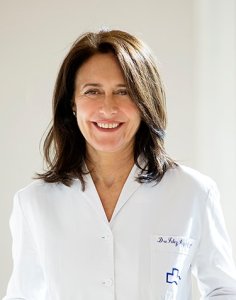
تشخيص باركنسون والتحفيز العميق للدماغ على يد جراح أعصاب أجرى أكثر من 1,000+ إجراء DBS
إسبانيا, برشلونة
Bartolome Oliver
50سنة خبره ١٦ سنة • تم تنفيذ 280+ علاجات

تتضمن هذه الباقة أنظمة تحفيز الدماغ العميق (DBS) من شركة Medtronic، والتي تُزرع بدقة جراحية مجهرية تجسيمية باستخدام الملاحة العصبية في الوقت الفعلي. يُجري الجراحة الدكتور بارتولومي أوليفر، الخبير في مرض باركنسون ومؤلف أكثر من 150 منشوراً علمياً. تشمل الجراحة تقييماً متعدد التخصصات مع أخصائيي الأعصاب والطب النفسي. يبلغ سعر الباقة حوالي 76,300 $ وتغطي الرنين المغناطيسي للدماغ، والتقييم النفسي العصبي، والأشعة المقطعية للجمجمة في مركز تكنون الطبي (Centro Médico Teknon) المعتمد من قبل اللجنة الدولية المشتركة (JCI). تضمن برمجة الجهاز بعد الجراحة والمتابعة لمدة أسبوعين مع الجراح وطبيب الأعصاب تقديم رعاية شاملة.