العودة إلى الصفحة الرئيسية
820К+ مريضًا حصلوا على المساعدة منذ عام 2014
50 دول
1,500 عيادات
6K+ تقييمات
3K+ طبيب مؤهل

ما هي تكلفة الصرع إجراءات التشخيص والعلاج في الصين؟ اعرف الآن

السعر يقدم بعد الطلب
الصينتركياإسبانيا
قطع مستعرض لتَحْتَ الحَنُوْن المتعددمن $21,500من $20,610من $69,973
جراحة التحفيز العميق للدماغمن $34,500من $23,000من $45,000
تحفيز العصب المبهممن $23,500من $12,000من $15,000
العلاج بالخلايا الجذعية للصرعمن $19,500من $10,000من $25,000
العلاج الجراحي للصرعمن $18,500من $15,000من $25,000
تم التحقق من البيانات بواسطة Bookimed اعتبارًا من May 2026، استنادًا إلى طلبات المرضى والعروض الرسمية من 157 عيادة حول العالم. تستند التكاليف المتوسطة إلى الفواتير الحقيقية (2025–2026) ويتم تحديثها شهريًا. قد تختلف الأسعار الفعلية.

مزاياك وضماناتك مع Bookimed

أسعار مباشرة

Bookimed لا يضيف رسوماً إضافية على أسعار علاج الصرع. الأسعار مأخوذة من قوائم الأسعار الرسمية للعيادات. تدفع مباشرة في العيادة مقابل علاجك عند وصولك إلى البلد.

عيادات وأطباء معتمدون فقط

Bookimed ملتزم بسلامتك. نحن نعمل فقط مع المؤسسات الطبية التي تحافظ على معايير دولية عالية في علاج الصرع ولديها التراخيص اللازمة لخدمة المرضى الدوليين في جميع أنحاء العالم.

مساعدة مجانية على مدار الساعة

Bookimed يقدم مساعدة خبراء مجانية. منسق طبي شخصي يدعمك قبل وأثناء وبعد العلاج، ويحل أي مشاكل. لن تكون وحيداً أبداً في رحلة علاج الصرع.

لماذا نحن؟

منسقك الطبي الشخصي في Bookimed

  • يدعمك في كل مرحلة
  • المساعدة في اختيار العيادة الطبية المناسبة والطبيب المناسب
  • يضمن الوصول السريع والمريح إلى المعلومات

اكتشف أفضل الصرع العيادات في الصين: 1 خيار معتمدة والأسعار

تم تصنيف العيادات بواسطة نظام Bookimed الذكي، باستخدام تحليل علوم البيانات عبر 5 معايير رئيسية.

احصلوا على تقييم طبي لـ الصرع في الصين: استشيروا أطباء ذوي خبرة الآن

عرض جميع الأطباء
يؤكد

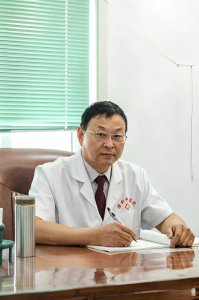
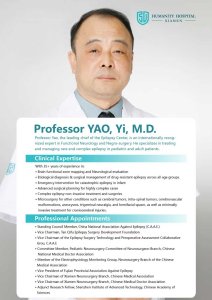
yao Yi

35سنة خبره ١٦ سنة

الأستاذ يي ياو، دكتور في الطب، رئيس مركز الصرع. وهو خبير معترفاً به دولياً في علم الأعصاب الوظيفي وجراحة الأعصاب. يتخصص في رعاية حالات الصرع المعقدة لدى الأطفال والبالغين. لديه خبرة تزيد على 35 عاماً.

الخبرات السريرية: رسم خرائط الدماغ؛ الصرع المقاوم للأدوية؛ الرعاية الطارئة لنوبات الصرع؛ التخطيط المتقدم لجراحة الأعصاب؛ الجراحة الميكروسكوبية للأورام وأمراض الأوعية الدموية.

القيادة المهنية: عضو المجلس الدائم، الجمعية الصينية لمكافحة الصرع؛ نائب الرئيس، مؤسسة جراحة الصرع؛ عضو لجنة جراحة الأعصاب للأطفال؛ نائب الرئيس، جمعية الصرع في فوجيان.

يؤكد

Zheng Wei Hong

45سنة خبره ١٦ سنة

البروفيسور تشنغ وي هونغ هو مدير قسم طب الأعصاب وقائد التخصص. شغل سابقًا منصب مدير قسم الأعصاب في مستشفى تشونغشان التابع لجامعة شيامن. وهو أستاذ بجامعة شيامن ومشرف على طلاب الماجستير.

يركّز عمله السريري على الاستقصاء السببي والوقاية وعلاج احتشاء الدماغ والنزف الدماغي. كما يشخّص ويعالج الأمراض العصبية المعقّدة، بما فيها الصرع، والاضطرابات العصبية‑المناعية والعصبية‑العضلية (الوهن العضلي الوبيل، التصلّب المتعدد)، ومرض باركنسون.

العضويات والمناصب: عضو في مجموعة علم المناعة العصبية (فرع طب الأعصاب بالجمعية الطبية الصينية)، وفرع علم المناعة (جمعية السكتة الدماغية الصينية)، ولجنة ترميم الجهاز العصبي (رابطة الأطباء الصينية)، ولجنة اضطرابات الإدراك (الجمعية الصينية لطب المسنين). عضو باللجنة الدائمة للجنة خبراء المستشفيات القاعدية لمشروع فحص السكتة الدماغية والوقاية منها (وزارة الصحة). عضو مجموعة خبراء طب الأعصاب بمركز فوجيان الإقليمي لمراقبة جودة الرعاية الطبية للسكتة والصرع. مدير دائم بجمعية مكافحة الصرع في فوجيان. نائب قائد مجموعة الصرع وتخطيط الدماغ الكهربائي (فرع طب الأعصاب بالجمعية الطبية في فوجيان). نائب رئيس الدورة الأولى للجنة فرع أطباء الأعصاب (رابطة الأطباء في فوجيان). عضو اللجنة الدائمة (الدورات الخامسة–السابعة) لفرع طب الأعصاب (الجمعية الطبية في فوجيان). نائب رئيس اللجنة المتخصصة لطب الأعصاب (الجمعية الطبية في شيامن).

يؤكد

Sun Chen Yang

38سنة خبره ١٦ سنة

37 عاماً من الخبرة في علاج الصرع مع أكثر من 900 إجراء جراحي - يقوم سون تشين يانغ بإجراء جراحة الأعصاب الوظيفية في مستشفى تيانجين إيبر بيرينيال للمخ.

  • رائد أول تحفيز للحبل الشوكي في آسيا لعلاج الشلل السفلي
  • نشر أكثر من 100 مقال في مجلات SCI ومجلات أخرى
  • مدير ومؤسس مجموعة إيبر الطبية
  • مشرف على دراسات الدكتوراه
يؤكد

Shao Ming

32سنة خبره ١٦ سنة

أحدث الدكتور شاو مينغ ثورة في جراحة الصرع في الصين بتقنيات رائدة مثل استخدام البروبوفول لاختبار وادا والتذبذبات عالية التردد لتحديد بؤر الصرع.

  • زميل ما بعد الدكتوراه في جامعتي هارفارد ودارتموث
  • تأليف أكثر من 50 ورقة علمية، نُشرت في مجلة علوم الأعصاب (The Journal of Neuroscience)
  • رئيس لعدة لجان وعلم وظائف الأعصاب في الصين
  • التخصص في التقييم قبل الجراحة والمراقبة الجراحية للصرع المقاوم للعلاج
  • الحصول على منح بحثية مرموقة متعددة في الولايات المتحدة والصين

مواد ذات صلة

مشاركة المحتوى

Twitter XLinkedinFacebookWhatsAppEmail
أحصل على الرابط

قصص فيديو من مرضى Bookimed

Dayana
جمعت بين إجازتي في أنطاليا والفحص الطبي.
إجراء: فحص صحة الإناث (انظر فحص النساء)
Igor
كان رائعاً! التنقلات والإقامة والعلاج - كل شيء مشمول.
إجراء: زرع الأسنان
مستشفى: WestDent Clinic
Marina
قام Bookimed بكل شيء من أجلي. لم أضطر للقلق بشأن أي شيء.
إجراء: فحص صحة الإناث (انظر فحص النساء)
مستشفى: Severance Hospital
محدث: 05/27/2022
تأليف
Anna Leonova
Anna Leonova
رئيس فريق تسويق المحتوى
محررة طبية معتمدة لديها خبرة تزيد عن 10 سنوات، طوّرت محتوى Bookimed الموثوق، مدعومة بماجستير في علم اللغة ومقابلات مع خبراء طبيين من جميع أنحاء العالم.
تمت المراجعة من قبل المستشار الطبي في Bookimed
فهد مولود
محرر طبي وعالم بيانات
طبيب عام. حاصل على 4 جوائز علمية. خدم في غرب آسيا. رئيس الفريق الطبي الناطق بالعربية سابقا ومسؤول عن معالجة البيانات ودقة المحتوى الطبي حاليا.
فهد مولود Linkedin
قد تحتوي هذه الصفحة على معلومات تتعلق بمختلف الحالات الطبية والعلاجات وخدمات الرعاية الصحية المتوفرة في بلدان مختلفة. يرجى العلم أن المحتوى مقدم لأغراض إعلامية فقط ولا ينبغي تفسيره على أنه نصيحة أو إرشادات طبية. يرجى استشارة طبيبك أو أخصائي طبي مؤهل قبل البدء أو تغيير العلاج الطبي.

أسئلة متكررة حول علاج الصرع في الصين

هذه الأسئلة الشائعة مأخوذة من مرضى حقيقيين يبحثون عن رعاية طبية عبر Bookimed. يتم تقديم الإجابات من قبل منسقين طبيين ذوي خبرة وممثلين موثوقين من العيادات.

What are the primary medical options for epilepsy in China?

Primary medical options for epilepsy in China combine Western antiseizure medications with Traditional Chinese Medicine and advanced surgical interventions. Specialists utilize 18 different medications alongside neurosurgical procedures like Deep Brain Stimulation. Leading facilities like Yanda International Hospital and Xiamen Humanity Hospital provide JCI-accredited care for complex cases.

  • Medication therapy: Antiseizure drugs are the first-line treatment for approximately 68% of newly diagnosed patients.
  • Integrative approach: Traditional Chinese Medicine used by 65% of patients manages drug-related side effects effectively.
  • Advanced neurosurgery: Specialists perform stereotactic electrode implantation and Vagus Nerve Stimulation for drug-resistant epilepsy cases.
  • Diagnostic precision: Centers employ SEEG monitoring and the Wada test to localize epileptic foci accurately.
  • Emerging treatments: Stem cell therapy and ketogenic diets are available at specialized Class A hospitals.

Bookimed Expert Insight: Many international patients overlook the role of specialized functional mapping in China. Prof. Dr. yao Yi at Xiamen Humanity Hospital specializes in brain functional mapping for drug-resistant cases. This level of precision is critical for selecting candidates for the approximately 1,000,000 pending epilepsy surgeries nationwide. Choosing a Class A Level III facility ensures access to both these advanced neurosurgical tools and integrated traditional therapies.

Patient Consensus: Patients note that combining traditional herbs with Western medications can help reduce side effects. They emphasize starting diagnostics at reputable urban hospitals and verifying all medications to ensure they are not generic substitutes.

Is Traditional Chinese Medicine (TCM) effective for treating seizures?

Traditional Chinese Medicine (TCM) shows promise as a complementary therapy but lacks high-quality evidence as a primary treatment. While specific herbs and acupuncture can reduce seizure frequency when combined with Western medications, they do not reliably control seizures alone. Patients should use TCM only under neurologic supervision.

  • Adjunctive benefit: Herbal formulas may reduce seizure frequency when used alongside standard anti-epileptic drugs.
  • Neurological mechanisms: Active herbal ingredients like Gastrodia elata may modulate neurotransmitters and reduce neuroinflammation.
  • Acupuncture role: Clinical reports suggest acupuncture helps reduce seizure severity for some individuals as adjunctive care.
  • Safety warning: Certain natural products can lower the effectiveness of Western medications or provoke seizures.

Bookimed Expert Insight: Top-tier Chinese medical centers like Yanda International Hospital effectively bridge this gap by combining JCI-accredited international protocols with traditional approaches. This integrative model is safer than solo TCM clinics because it ensures TCM stays a secondary support while leading specialists like Dr. Shao Ming focus on advanced neurophysiological monitoring to localize seizure foci accurately. This strategy prioritizes immediate seizure control while using traditional methods purely for holistic recovery.

Patient Consensus: Patients note that while herbs can provide a calming effect, they rarely stop seizures without Western drugs. Many warn that stopping standard medications for traditional alternatives can lead to dangerous health risks.

Where can I find specialized epilepsy centers in China?

Specialized epilepsy centers in China are found in neurology departments of Tertiary Level Class A hospitals. These institutions are accredited by the China Association Against Epilepsy (CAAE). Leading facilities in Beijing and Shanghai offer advanced microsurgery, SEEG monitoring, and deep brain stimulation.

  • Hospital ranking: Look for Tertiary Level Class A hospitals for multidisciplinary epilepsy care.
  • Specialized monitoring: Facilities like Xiamen Humanity Hospital provide stereotactic deep brain electrode implantation.
  • Advanced diagnostics: Centers utilize high-frequency oscillations and cortical electrical stimulation to localize foci.
  • Expert credentials: Surgeons like Dr. Yao Yi hold 35+ years of brain mapping experience.

Bookimed Expert Insight: While many seek western protocols, China unique value lies in combining international standards with traditional approaches. For example, Yanda International Hospital maintains JCI accreditation while integrating proprietary techniques. This dual approach is often specifically requested for long-term seizure control and neurological rehabilitation.

Patient Consensus: Patients emphasize that major hospitals in Beijing and Shanghai are essential for surgery. They also note that hiring a medical coordinator is vital to navigate the complex system and language barriers.

Are there specific lifestyle or dietary recommendations for epilepsy patients in China?

Epilepsy management in China integrates modern clinical protocols with Traditional Chinese Medicine and specific cultural dietary restrictions. Patients are frequently advised to avoid stimulating yang foods like lamb and spicy ingredients. Many centers combine evidence-based anti-epileptic drugs with herbal decoctions and acupuncture to stabilize the nervous system.

  • Dietary triggers: Mutton, `sow meat,` and fermented rice wine are common cultural avoidances.
  • Ketogenic diet: Hospitals adapt this high-fat protocol to fit typical carbohydrate-heavy Chinese diets.
  • TCM integration: Specialists use Bupleurum-based formulas and acupuncture points like Baihui for neuroprotection.
  • Environmental safety: Recommendations include avoiding direct air conditioning and maintaining rigid sleep schedules.

Bookimed Expert Insight: Our data shows a clear divide in how Beijing and Xiamen clinics approach epilepsy. Yanda International Hospital in Beijing focuses on combining JCI-accredited international protocols with TCM. Meanwhile, Xiamen Humanity Hospital emphasizes high-tech surgical solutions like SEEG monitoring. Patients seeking holistic balance often choose Beijing centers, while those needing structural intervention favor Xiamen’s surgical teams.

Patient Consensus: Patients emphasize that strictly avoiding sleep deprivation is the most effective lifestyle adjustment. They also recommend keeping a personal trigger diary, noting that individual food sensitivities often matter more than general cultural restrictions.

What cultural factors should international patients understand about epilepsy care in China?

International patients in China must navigate a legacy of social stigma and the deep integration of Traditional Chinese Medicine (TCM). High-tier Beijing facilities combine JCI-accredited protocols with ancient practices. Success often depends on choosing Level III hospitals that offer evidence-based neurological care alongside specialized integrative departments.

  • Stigma and face: Epilepsy is sometimes associated with madness or family curses in rural areas.
  • Integrative care: Clinics like Yanda International Hospital combine Western protocols with traditional Chinese approaches.
  • Family-centered decisions: Families often lead medical choices. International patients may need a bilingual medical liaison.
  • Clinical hierarchy: Seek care at Class A Level III clinics for advanced seizure monitoring.

Bookimed Expert Insight: Bookimed data shows a clear divide between standard clinics and elite centers like Xiamen Humanity Hospital. This center serves 1,000,000 international patients yearly. It provides specialized SEEG monitoring and deep brain electrode implants. While general hospitals may lead with TCM, these top-tier centers employ experts like Dr. Yao Yi. He holds 35+ years of experience in functional neurosurgery. This high volume and specialization ensure patients receive advanced surgical options rarely found in smaller regional facilities.

Patient Consensus: Patients note that doctors in major cities may suggest acupuncture or herbs before standard medications. It is often helpful to disclose your condition discreetly to avoid social judgment from locals.

احصل على استشارة مجانية

حدد أفضل طريقة للاتصال بك