Sourasky Medical Center (Ichilov)
إسرائيل, Tel Aviv
Orit Gutfeld
27سنة خبره ١٦ سنة

العيادة معتمدة من قبل : 




تمت مراجعة المقالة طبيا من قبل
فهد مولود
| إسرائيل | تركيا | إسبانيا | |
|---|---|---|---|
| Halcyon (هالسيون) | ≈ $14,000 | ≈ $9,500 | ≈ $6,500 |
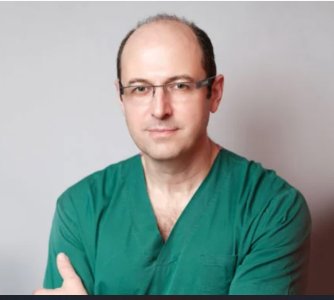
الدكتور يوري غولدس جرّاح عام يتمتع بأكثر من 20 عامًا من الخبرة السريرية. يختص بجراحات الجهاز الهضمي العلوي وجراحة الأورام. يشغل منصب نائب مدير قسم الجراحة العامة وزراعة الأعضاء في مركز شيبا الطبي بتل أبيب، ويرأس وحدة جراحة الجهاز الهضمي العلوي. أُدرِج ضمن قائمة أفضل أطباء فوربس إسرائيل لعام 2025، ومُصنّف ضمن أفضل جراحي الجهاز الهضمي في إسرائيل بحسب فوربس. في 2019، نال جائزة «طبيب العام» من وزارة الصحة الإسرائيلية.
خبير في الجراحة طفيفة التوغل والمتقدمة والروبوتية. يعالج فتق الحجاب الحا
الدكتورة أوريت غوتفيلد هي طبيبة أورام متخصصة في سرطانات الأنف والأذن والحنجرة، وتتمتع بخبرة سريرية تزيد عن _doctor_235_ عاماً.

البروفيسور دان فليس هو طبيب أورام ذو خبرة متخصص في سرطان البلعوم الأنفي في مركز سوراسكي الطبي (إيخيلوف).
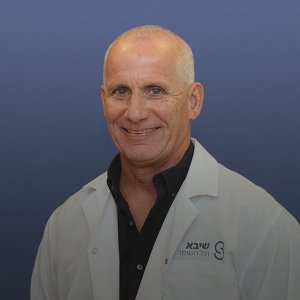
البروفيسور رعنان بيرغر، حاصل على درجتي MD وPhD، أخصائي أورام طبية ومعالِج إشعاعي. يشغل منصب مدير مركز السرطان في مركز شيبا الطبي ويرأس وحدة الأبحاث السريرية فيه. أُدرِج ضمن قائمة «أفضل الأطباء» لفوربس إسرائيل (2025). يقود برنامج أورام الجهاز البولي التناسلي مع تركيز على سرطان البروستاتا. تشمل رعايته العلاج الجهازي والعلاج الإشعاعي ضمن نموذج متعدد التخصصات محوره المريض.
يحمل شهادة البورد في طب الأورام. حصل على درجتي MD وPhD من جامعة تل أبيب وأكمل تدريبه السريري في شيبا. ثم أنهى زمالة ما
 Anna Leonova
تُبلغ مراكز الأورام الإسرائيلية الحديثة عن معدلات بقاء على قيد الحياة تتجاوز 80% لسرطان البلعوم الأنفي غير المنتشر. تُظهر حالات الأطفال مرونة عالية مع بقاء على قيد الحياة على المدى الطويل بنسبة 88% تقريبًا. يعتمد النجاح على بروتوكولات تشخيصية متقدمة. وتشمل هذه التصوير المقطعي بالإصدار البوزيتروني (PET-CT) ومراقبة الحمض النووي لفيروس إبشتاين-بار لتتبع تطور المرض.
رؤية خبراء Bookimed: تُظهر البيانات الواردة من المراكز الإسرائيلية الكبرى مثل شيبا وسوراسكي تحولًا نحو الرعاية المتخصصة ذات الحجم الكبير. يخدم مركز شيبا أكثر من مليوني مريض سنويًا. يسمح هذا الحجم الهائل للجراحين بالحفاظ على أعلى مستويات الكفاءة. نرى عيادات مثل سوراسكي توظف أكثر من 2200 طبيب. غالبًا ما يرتبط هذا العمق في الخبرة بمعدل نجاح الأورام البالغ 90% الذي أبلغوا عنه.
إجماع المرضى: يؤكد المرضى على الحاجة إلى فحوصات PET PSMA المنتظمة لاكتشاف المشكلات التي قد تغفل عنها الصور القياسية. يلاحظ الكثيرون أن الكشف
يستخدم العلاج القياسي لسرطان البلعوم الأنفي في إسرائيل العلاج الإشعاعي المعدل الشدة (IMRT) أو العلاج الإشعاعي المعدل الحجمي بالقوس (VMAT). عادةً ما يقدم الأطباء ما بين 45 إلى 70 غراي (Gy). يتضمن التقسيم القياسي جرعات يومية من 1.8 إلى 2 غراي على مدى خمسة إلى ثمانية أسابيع. تعمل هذه الطرق على تحسين تدمير الورم مع حماية الأنسجة السليمة.
رؤية خبير Bookimed: غالباً ما تستخدم مراكز الأبحاث في إسرائيل مثل مركز شيبا الطبي تقنية التعزيز المتكامل المتزامن (SIB). تقدم هذه التقنية مستويات جرعات مختلفة لمناطق ورمية متنوعة في جلسة واحدة. تظهر بياناتنا أن هذا قد يقصر وقت العلاج الإجمالي مقارنة بالبروتوكولات التاريخية. تستخدم المراكز ذات الحجم الكبير مثل سوراسكي، التي تخدم أكثر من 400,000 مريض، هذه التحسينات للحفاظ على معدل نجاح أورام بنسبة 90%.
إجماع المرضى: يؤكد المرضى على قيمة تقييمات البلع المبكرة ومحفزات اللعاب الاستباقية. يوصي الكثيرون بطلب خطة تكيفية في منتصف العلاج للتعامل مع التغ
يستخدم أطباء الأورام الإسرائيليون أنظمة قائمة على الأدلة تتبع إرشادات الشبكة الوطنية الشاملة للسرطان (NCCN). يصفون العلاج الكيميائي الإشعاعي المتزامن القائم على السيسبلاتين إلى جانب العلاج الإشعاعي المعدل الشدة. غالباً ما تتلقى الحالات عالية الخطورة الجيمسيتابين أو الدوسيتاكسيل أثناء التحريض. تبحث تجارب العلاج المناعي في مثبطات PD-1 للمراحل المتقدمة داخل هذه المراكز الطبية الرائدة.
رؤية خبير Bookimed: تُظهر مراكز الأورام الإسرائيلية مثل مركز سوراسكي الطبي ومستشفى هداسا نمطاً من التخصص عالي الحجم. تدير هذه العيادات أكثر من 15,000 إلى 20,000 مريض أورام سنوياً. يسمح هذا الحجم للفرق متعددة التخصصات بتحسين الجرعات لأنواع NPC غير المتقرنة الشائعة في المنطقة. غالباً ما يوفر نهجهم القائم على البحث وصولاً مبكراً إلى عوامل العلاج المناعي مقارنة بالعيادات الإقليمية القياسية.
إجماع المرضى: غالباً ما يسلط المرضى الضوء على أهمية نهج الفريق متعدد التخصصات في إسرائيل. ويشيرون إلى أن التنسيق الوثيق بين أطباء الأورام الإشعاعيين والطبي
تضمن إسرائيل دقة تصنيف TNM من خلال التصوير التشخيصي عالي الدقة والمراجعات المرضية متعددة التخصصات. تستخدم العيادات فحوصات PET/CT والأشعة المقطعية للجيوب الأنفية للكشف عن الانتشار المجهري. يتبع المتخصصون بروتوكولات AJCC الدولية لتصنيف حجم الورم، وتورط الغدد الليمفاوية، والانبثاث قبل تصميم خطط علاج مخصصة.
رؤية خبير Bookimed: ميزة رئيسية في إسرائيل هي كثافة الخبراء من الدرجة الأولى. يضم مركز شيبا الطبي أكثر من 200 طبيب مدرجين في قائمة فوربس. يسمح هذا التركيز من الخبرة بإجراء مراجعات مرضية ثانوية تعمل غالبًا على تحسين المرحلة الأولية. في مركز سوراسكي الطبي، يبلغ الأطباء عن معدل نجاح متوسط قدره 90% في علاج الأورام، ويرجع ذلك جزئيًا إلى معايير التشخيص الدقيقة هذه.
إجماع المرضى: يلاحظ المرضى أن سرعة التشخيص الإسرائيلي مثيرة للإعجاب. أفاد الكثيرون بإكمال عملية التصنيف بالكامل في غضون 4 أيام في المراكز الخاصة. كما أنهم يقدرون التفسيرات الشاملة التي يقدمها متخصصون مثل الدكتورة أوريت جوتفيلد خلال مرحلة التخطيط الأولية.
يعد العلاج بالبروتونات المعدل الشدة (IMPT) بديلاً متطوراً للعلاج الإشعاعي المعدل الشدة (IMRT) القائم على الفوتونات لعلاج سرطان البلعوم الأنفي في إسرائيل. يختار الأخصائيون تقنية IMPT لتجنيب الأعضاء الحيوية مثل جذع الدماغ والأعصاب البصرية جرعات الإشعاع الخارجة. تقلل هذه الدقة بشكل كبير من الآثار الجانبية مثل جفاف الفم وصعوبات البلع.
رؤية خبير Bookimed: بينما يتوفر العلاج الإشعاعي المعدل الشدة (IMRT) على نطاق واسع، تدمج المراكز الرائدة في إسرائيل مثل مركز شيبا الطبي الذكاء الاصطناعي والتصوير الرقمي لتحسين تخطيط العلاج. تظهر البيانات أنه بالنسبة لحالات البلعوم الأنفي، يعد اختيار منشأة ذات دعم متعدد التخصصات أمراً حيوياً. على سبيل المثال، يجمع الدكتور رعنان بيرغر في شيبا بين العلاج الإشعاعي والبحث الجزيئي لتخصيص الرعاية. يجب على المرضى إعطاء الأولوية للعيادات التي تضم أخصائيين مصنفين من قبل فوربس، حيث أن الخبرة في التشريح المعقد غالباً ما تفوق نوع التكنولوجيا المحددة من أجل البقاء على قيد الحياة على المدى الطويل.
إجماع المرضى: يؤكد المرضى على أهمية طلب خطط قياس الج
عادةً ما يقيم المرضى الدوليون في إسرائيل لمدة تتراوح بين 6 إلى 12 أسبوعاً أثناء تلقي العلاج الكيميائي والإشعاعي للبلعوم الأنفي. تغطي هذه الفترة العلاج الإشعاعي اليومي ودورات العلاج الكيميائي المتزامنة. يشرف متخصصون مثل الدكتورة أوريت جوتفيلد في مركز سوراسكي الطبي على هذه الأنظمة، والتي تتضمن عادةً فترة تعافي بعد العلاج تتراوح من أسبوع إلى 4 أسابيع.
رؤية خبير Bookimed: تسلط بيانات حجم المرضى الضوء على سبب كون إسرائيل وجهة مفضلة، حيث يخدم مركز شيبا الطبي وحده 2,000,000 مريض سنوياً. المراكز متعددة التخصصات الكبيرة مجهزة بشكل أفضل للتعامل مع التنسيق بين أقسام الأورام والأنف والأذن والحنجرة. على سبيل المثال، يحمل الدكتور دان فليس في سوراسكي مؤهلات في كلا المجالين. هذه الخبرة المزدوجة ضرورية لإدارة الآثار الجانبية المعقدة الخاصة بعلاج البلعوم الأنفي أثناء الإقامات الطويلة.
إجماع المرضى: يشير المرضى إلى أن تقرحات الفم الشديدة غالباً ما تتطلب البقاء لمدة أسبوعين إضافيين بعد الخطة الأولية. يوصي العديد من الخبراء بحجز سكن مرن بالقرب من العيادة
تشمل المستشفيات الإسرائيلية الرائدة لعلاج سرطان البلعوم الأنفي مركز شيبا الطبي، ومركز تل أبيب سوراسكي الطبي، ومركز هداسا الطبي. تستخدم هذه المراكز لجان أورام متعددة التخصصات لتنسيق الرعاية المعقدة. تجمع الفرق بين علاج الأورام بالإشعاع، وجراحة الأنف والأذن والحنجرة، وعلاج الأورام الطبي لإنشاء بروتوكولات مخصصة لكل مريض.
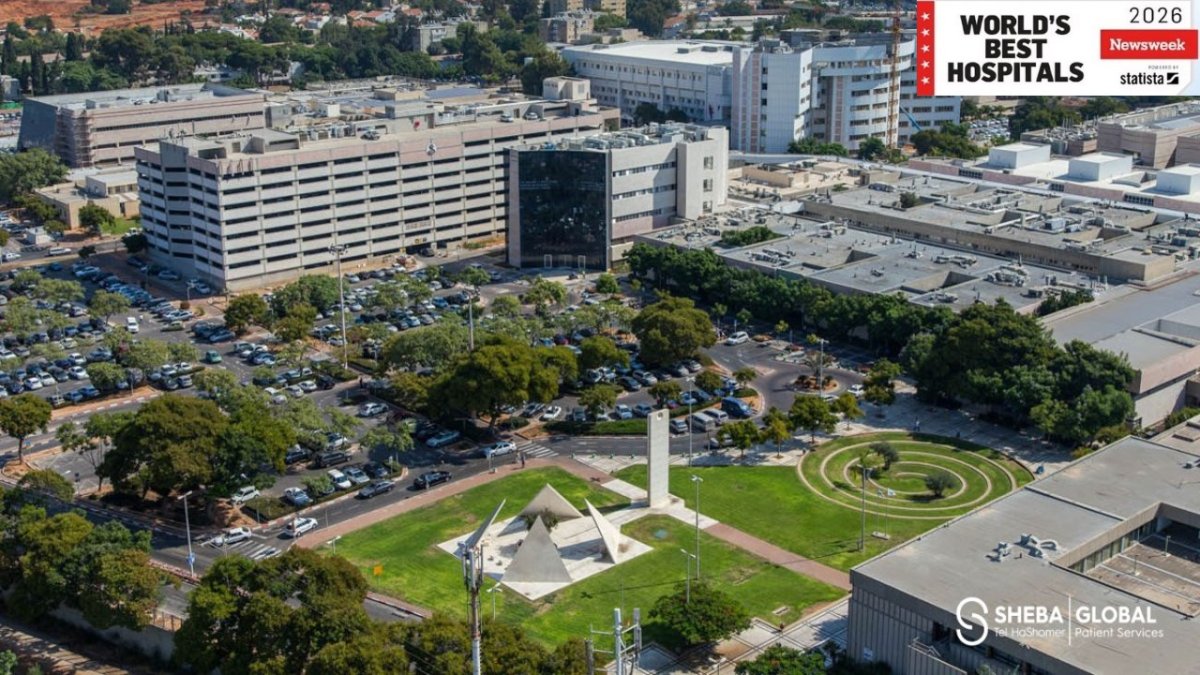
رؤية خبير Bookimed: في حين أن معظم المراكز الإسرائيلية الكبرى تقدم رعاية شاملة، فإن اختلافات الحجم تعد إشارة جودة رئيسية. يعالج مركز شيبا الطبي أكثر من 2 مليون مريض سنويًا ويحتل المرتبة السابعة عالميًا وفقًا لمجلة نيوزويك. يسمح هذا الحجم الهائل للجانهم متعددة التخصصات برؤية حالات البلعوم الأنفي النادرة بشكل متكرر أكثر من المرافق الخاصة الأصغر. إذا كانت حالتك تنطوي على مشاركة معقدة لقاعدة الجمجمة، فامنح الأولوية لمراكز مثل شيبا أو سوراسكي. تضم فرقهم جراحي أعصاب خصيصًا لهذه الحدود الجراح
تُعدّ إسرائيل مركزًا رائدًا في جراحة الأعصاب بفضل مزيجها من التطورات الطبية عالية التقنية والخبرات الجراحية المتميزة. وتستخدم مرافق متطورة مثل مركز شيبا الطبي أنظمة ملاحة تعتمد على الذكاء الاصطناعي والتصوير بالرنين المغناطيسي أثناء الجراحة في الوقت الفعلي. وتشير المراكز المتخصصة إلى نسبة نجاح تصل إلى 98% في العمليات الجراحية المعقدة، بما في ذلك جراحة الدماغ مع اليقظة وعلاج اضطرابات الحركة.
رأي خبراء بوكيمد: تُظهر البيانات فرقًا واضحًا بين خيارات العلاج في القطاعين العام والخاص في إسرائيل. تُجري المراكز الخاصة، مثل مركز أسوتا الطبي، أكثر من 92,000 عملية جراحية سنويًا، وتتيح للمرضى اختيار جراح را
يعالج جراحو الأعصاب الإسرائيليون طيفاً واسعاً من الحالات، بدءاً من أورام الدماغ والحبل الشوكي وصولاً إلى الاضطرابات الوظيفية المعقدة. وتستخدم المراكز المتخصصة أحدث التقنيات، مثل جهاز جاما نايف، والتحفيز العميق للدماغ، والتصوير بالرنين المغناطيسي أثناء الجراحة، لتشخيص دقيق للغاية لحالات الصرع، ومرض باركنسون، وأمراض الأوعية الدموية الدماغية.
رأي خبراء بوكيمد: غالبًا ما تجمع المستشفيات الإسرائيلية بين تخصصات طبية متعددة لمعالجة الحالات المعقدة. ففي مركز سوراسكي ا
تضم إسرائيل مراكز جراحة أعصاب عالمية المستوى، مثل مركز سوراسكي الطبي، ومركز شيبا الطبي، ومركز هداسا الطبي. وتُعدّ هذه المؤسسات رائدة عالميًا في علاج أورام الدماغ المعقدة، وأمراض العمود الفقري، واضطرابات الحركة. وتستخدم أحدث التقنيات، مثل جهاز جاما نايف، والأنظمة الروبوتية، والتصوير بالرنين المغناطيسي أثناء الجراحة.
رأي خبراء بوكيمد: تُظهر بياناتنا أنه بينما يلجأ معظم المرضى للعلاج في تل أبيب، يُقدّم مركز رامبام الطبي في حيفا رعايةً فريدةً لإصابات الدماغ. فهو يضم وحدةً متخصصةً للعناية المركزة العصبية تُعالج ما يقارب مليون مريض سنويًا. وهذا ما يجعله