علاج سرطان البلعوم الأنفي في إسبانيا: 11 مستشفيات


تمت مراجعة المقالة طبيا من قبل
فهد مولود
كيف نعمل؟
ما هي تكلفة سرطان البلعوم الأنفي إجراءات التشخيص والعلاج في إسبانيا؟ اعرف الآن
تختلف التكلفة الإجمالية لعلاج سرطان البلعوم الأنفي في إسبانيا بناءً على خطة العلاج والمتطلبات الفردية. يتم تسعير الاستشارة الأولية مع طبيب الأورام بمبلغ $650، بينما تتراوح خطة العلاج الإشعاعي لمدة 6 أسابيع بين $19,660 و $27,290، اعتمادًا على الجلسات واحتياجات التصوير. تُقدر تكلفة العلاج بالبروتون، وهو طريقة متطورة، بـ $79,750 لدورة كاملة. يتم تخصيص خطة العلاج بعد تقييم مفصل لحالة المريض.
| تركيا | إسبانيا | ألمانيا | |
|---|---|---|---|
| Halcyon (هالسيون) | ≈ $9,500 | ≈ $6,500 | ≈ $9,500 |
اكتشف أفضل سرطان البلعوم الأنفي العيادات في إسبانيا: 11 خيارات معتمدة والأسعار









SJD Barcelona Children’s Hospital





GenesisCare Clinics
احصلوا على تقييم طبي لـ سرطان البلعوم الأنفي في إسبانيا: استشيروا أطباء ذوي خبرة الآن
عرض جميع الأطباء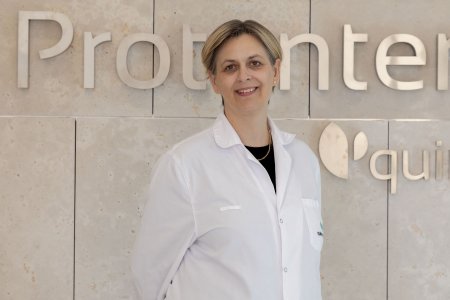
Stephanie Lilianne E Bolle
الدكتورة ستيفاني ليليان إي. بولي اختصاصية علاج الأورام بالإشعاع ورئيسة قسم علاج الأورام بالإشعاع في مركز كيرونسالود للعلاج بالبروتون في مدريد. تتولى قيادة القسم منذ يوليو/تموز 2024. يُعد المركز أول مرفق للعلاج بالبروتون في إسبانيا.
دكتوراه في الطب، جامعة لييج (1998). حاصلة على البورد في علاج الأورام بالإشعاع (2003). عضو نشط في الجمعية الأوروبية لطب أورام الأطفال وتعمل مع مجموعة أورام الدماغ ومجموعة عمل علاج الأورام بالإشعاع التابعة لها.
نشرت أكثر من 120 مقالة علمية حول أورام دما
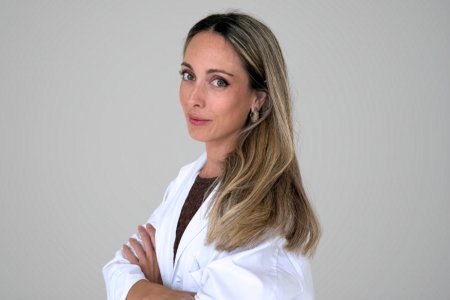
María José Morán Soto
الدكتورة ماريا خوسيه موران سوتو هي جراحة في الفم والرأس والرقبة في مستشفى بوبليو كوردون التذكاري في مدريد. تجري الدكتورة جراحات الأورام لسرطانات اللسان واللوزتين والحنجرة والغدة الدرقية. كما تقوم الدكتورة موران سوتو بإجراء عمليات ترميمية معقدة لاستعادة الوظائف بعد استئصال الأورام. يُعد المستشفى منشأة حاصلة على اعتماد اللجنة الدولية المشتركة (JCI) في إسبانيا ويضم طاقماً يتألف من أكثر من 110 أخصائيين.
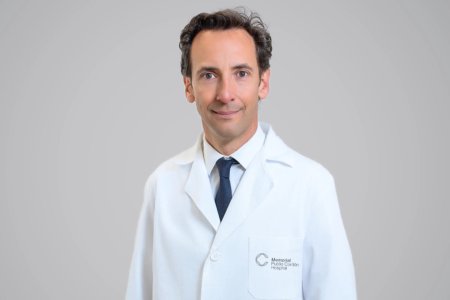
Antonio Fernández García
الدكتور أنطونيو فرنانديز غارسيا هو جراح فم ووجه وفكين وجراح رأس ورقبة في مستشفى بوبليو كوردون التذكاري في مدريد. وهو متخصص في الأورام الجراحية والجراحة الترميمية.
يعالج الدكتور فرنانديز سرطانات الرأس والرقبة، بما في ذلك سرطان الحنجرة واللسان واللوزتين. يحمل المستشفى اعتماد اللجنة الدولية المشتركة (JCI) لمعايير السلامة والجودة.
مشاركة المحتوى
قصص فيديو من مرضى Bookimed
 Anna Leonova
أسئلة متكررة حول علاج سرطان البلعوم الأنفي في إسبانيا
ما هي خيارات العلاج الأولية المتاحة لسرطان البلعوم الأنفي في إسبانيا؟
يركز العلاج الأولي لسرطان البلعوم الأنفي في إسبانيا على الرعاية متعددة التخصصات في المرافق المعتمدة من قبل اللجنة الدولية المشتركة (JCI). تستخدم المراكز المتخصصة العلاج الإشعاعي المعدل الشدة (IMRT) كمعيار ذهبي. غالبًا ما تتطلب الحالات المتقدمة علاجًا كيميائيًا وإشعاعيًا متزامنًا أو علاجًا كيميائيًا تحريضيًا. يوفر العلاج بالبروتونات والتجارب السريرية الموجهة خيارات إضافية في مدريد وبرشلونة.
- العلاج الإشعاعي: الركيزة الأساسية لجميع المراحل باستخدام تقنيات العلاج الإشعاعي المعدل الشدة (IMRT) الحديثة.
- العلاج الكيميائي والإشعاعي: النهج القياسي للمراحل المتقدمة موضعيًا الذي يجمع بين الإشعاع والعلاج الكيميائي المتزامن.
- العلاج بالبروتونات: إشعاع موجه متاح في مركز العلاج بالبروتونات Quironsalud في مدريد.
- العلاج الكيميائي التحريضي: يُعطى قبل الإشعاع لتقليص الأورام وإدارة الإصابة الليمفاوية عالية الخطورة.
رؤية خبير Bookimed: توفر إسبانيا ميزة فريدة للحالات المتعلقة بالأطفال والحالات التي تتطلب دقة عالية. يخدم مستشفى SJD للأطفال في برشلونة 450,000 مريض سنويًا كمركز رائد لطب الأطفال في أوروبا. بالنسبة للبالغين، كان مركز العلاج بالبروتونات Quironsalud هو الأول في إسبانيا. وهو يوفر إشعاعًا عالي الدقة يحافظ على الأنسجة السليمة بالقرب من قاعدة الجمجمة. هذا أمر بالغ الأهمية لأورام البلعوم الأنفي نظرًا لقربها من الأعصاب الحيوية.
إجماع المرضى: يشير المرضى إلى أن العلاج يتم بشكل تعاوني للغاية بين أطباء الأورام وأخصائيي الأنف والأذن وا
هل يتوفر العلاج بالبروتونات في إسبانيا لأورام البلعوم الأنفي؟
يتوفر العلاج بالبروتونات في إسبانيا لأورام البلعوم الأنفي. تستخدم المراكز المتخصصة في مدريد وبامبلونا تقنية المسح بالحزمة القلمية (pencil-beam scanning) لعلاج الأورام القريبة من جذع الدماغ. توفر هذه المرافق المعتمدة من قبل اللجنة الدولية المشتركة (JCI) إشعاعاً دقيقاً. تحافظ هذه التقنية على الأنسجة السليمة وتقلل من الآثار الجانبية طويلة المدى.
- التكنولوجيا المتاحة: تستخدم المرافق أنظمة متطورة من نوع Proteus ONE وHitachi synchrotron.
- دقة الاستهداف: يحمي الإشعاع الأعصاب البصرية والغدد اللعابية القريبة من قاعدة الجمجمة.
- جدول العلاج: يتلقى المرضى جلسات يومية في العيادات الخارجية على مدى عدة أسابيع متتالية.
- شهادات العيادات: تحمل المراكز الرائدة اعتمادات اللجنة الدولية المشتركة (JCI) والجمعية الأوروبية لطب الأورام (ESMO).
رؤية خبراء Bookimed: أصبحت إسبانيا مركزاً أوروبياً رئيسياً للعلاج الإشعاعي، ومع ذلك يتركز العلاج بالبروتونات في مدريد وبامبلونا. تظهر بياناتنا أن المراكز ذات الحجم الكبير مثل Clinica Universidad de Navarra تعالج 140,000 مريض سنوياً. غالباً ما يسمح هذا النطاق الواسع بمراجعات أسرع من قبل مجالس الأورام متعددة التخصصات مقارنة بالعيادات الإقليمية الأصغر.
إجماع المرضى: يشير المرضى إلى أن السفر داخل إسبانيا لحضور الجلسات اليومية أمر شائع. ويؤكدون أن هذا العلاج يساعد في تجنب جفاف الفم الدائم وصعوبات البلع.
ما هي المستشفيات الإسبانية المتخصصة في علاج سرطان البلعوم الأنفي؟
تعتبر المستشفيات الإسبانية في مدريد وبرشلونة وبامبلونا رائدة في رعاية سرطان البلعوم الأنفي من خلال مجالس الأورام متعددة التخصصات. تتخصص مراكز مثل Centro Médico Teknon و Proton Therapy Centre Quirónsalud في العلاج الإشعاعي المعدل الشدة (IMRT) والعلاج بالبروتون. تركز هذه المرافق المعتمدة من قبل اللجنة الدولية المشتركة (JCI) على الحفاظ على وظائف النطق والبلع للحالات المعقدة.
- مركز العلاج بالبروتون: يستخدم مرفق مدريد جهاز Proteus One لدقة مليمترية بالقرب من الأعصاب البصرية.
- الجراحة طفيفة التوغل: يجري Centro Médico Teknon جراحة روبوتية عبر الفم باستخدام Da Vinci Xi.
- الخبرة في طب الأطفال: يدير مستشفى SJD Barcelona Children Hospital حالات المراهقين النادرة ببروتوكولات متخصصة.
- الأورام الأكاديمية: تدمج Clinica Universidad de Navarra العلاج المناعي والعلاج الإشعاعي الموجه للمراحل النقيلية.
رؤية خبير Bookimed: يعد حجم المرضى مؤشرًا رئيسيًا على الخبرة في إسبانيا. يدير Centro Médico Teknon و Hospital Quiron Barcelona أكثر من 40,000 مريض سنويًا لأنهم يركزون على التنسيق متعدد التخصصات. إن اختيار مركز ذو حجم إجرائي مرتفع مثل هذه المراكز يضمن أن الفريق السريري لديه خبرة عميقة في إدارة تحديات التغذية والبلع الشائعة في علاج البلعوم الأنفي.
إجماع المرضى: يؤكد المرضى على أهمية العثور على مستشفى يجمع بين جراحة الأنف والأذن والحنجرة، والأورام الطبية، والإشعاع تحت سقف واحد. ويشيرون إلى أن المراكز التي توفر علاجًا مخصصًا للنطق والبلع جنبً
ما هي النتائج السريرية المتوقعة ومعدلات النجاح لعلاج سرطان البلعوم الأنفي في إسبانيا؟
تحقق البروتوكولات الحديثة في إسبانيا معدل بقاء إجمالي لمدة 5 سنوات بنسبة 78.7% لسرطان البلعوم الأنفي. تستخدم المراكز العلاج الإشعاعي المعدل الشدة (IMRT) إلى جانب العلاج الكيميائي المتزامن للوصول إلى هذه النتائج. يُظهر النوع الفرعي غير المتقرن معدل بقاء محدد بنسبة 84.4%. يعتمد النجاح بشكل كبير على المرحلة عند التشخيص.
- البقاء على قيد الحياة في المرحلة المبكرة: تؤدي العلاجات المبكرة إلى معدل بقاء خالٍ من النقائل البعيدة بنسبة 92% إلى 94%.
- نتائج المراحل المتقدمة موضعياً: تؤدي مجموعات العلاج متعدد الوسائط إلى معدل بقاء لمدة 5 سنوات بنسبة 70% إلى 80%.
- البقاء على قيد الحياة بدون مرض: تشير الدراسات الحديثة إلى معدل بقاء خالٍ من المرض لمدة 5 سنوات بنسبة 68.4% للمراحل المتقدمة.
- المضاعفات الوظيفية: يؤثر جفاف الفم المزمن أو جفاف الفم طويل الأمد على حوالي 53.5% من المرضى المعالجين.
رؤية خبير Bookimed: غالبًا ما تعطي مراكز الأورام الإسبانية مثل Quirónsalud Madrid و Centro Médico Teknon الأولوية للتجارب السريرية للحالات المتقدمة. يوفر مركز العلاج بالبروتون Quirónsalud، وهو الأول من نوعه في إسبانيا، ميزة كبيرة لأورام البلعوم الأنفي. تسمح هذه التقنية بإشعاع دقيق بالقرب من قاعدة الجمجمة، مما يساعد في الحفاظ على وظائف الكلام والبلع.
إجماع المرضى: يشير المرضى إلى أن التشخيص المبكر هو العامل الأكثر أهمية للشفاء التام. وغالبًا ما يؤكدون أن إدارة الآثار الجانبية مثل مشاكل البلع والتعب ضرورية لرحلة تعافي ناجحة.
كيف يتم علاج سرطان البلعوم الأنفي المتكرر أو المتقدم في إسبانيا؟
تدير مراكز الأورام الإسبانية سرطان البلعوم الأنفي المتكرر أو المتقدم من خلال بروتوكولات متعددة التخصصات فردية. يجمع العلاج بين جراحة الإنقاذ للحالات الموضعية أو إعادة التشعيع المتقدم باستخدام العلاج بالبروتون. يدمج المرض في المرحلة المتأخرة العلاج الكيميائي القائم على البلاتين مع العلاج المناعي وفقًا لإرشادات الجمعية الإسبانية للأورام الطبية لتحسين نتائج البقاء على قيد الحياة.
- جراحة الإنقاذ: يُفضل استئصال البلعوم الأنفي بالمنظار لحالات التكرار الموضعية rT1-rT2 لتقليل المضاعفات.
- الإشعاع الموجه: تعطي مراكز مدريد وبرشلونة الأولوية للعلاج بالبروتون و IMRT لإعادة التشعيع الآمن.
- العلاج الجهازي: يتضمن علاج الخط الأول جيمسيتابين وسيسبلاتين جنبًا إلى جنب مع مثبطات المناعة المضادة لـ PD-1.
- مراقبة المؤشرات الحيوية: يتتبع التحديد الكمي المنتظم للحمض النووي لفيروس إبشتاين-بار في البلازما التكرار الجزيئي بدقة عالية.
رؤية خبير Bookimed: بينما يسعى الكثيرون للحصول على الرعاية في المراكز الرئيسية، غالبًا ما يعتمد الاختيار بين مدريد وبرشلونة على توفر تقنيات محددة. تستضيف مدريد أول مركز مخصص للعلاج بالبروتون Quironsalud، وهو أمر حيوي لإعادة تشعيع المناطق الحساسة بالقرب من جذع الدماغ. على العكس من ذلك، توفر مراكز برشلونة مثل Centro Médico Teknon أو Hospital Quiron Barcelona تكاملاً عميقًا مع معاهد أبحاث الأورام الأمريكية. وهذا يجعل برشلونة خيارًا قويًا للمرضى الذين يبحثون عن تجارب تجريبية أو جراحات إنقاذ روبوتية معقدة.
إجماع المرضى:
ما هي المدة التي يجب أن يخطط لها المرضى الدوليون للبقاء في إسبانيا للحصول على دورة علاج كاملة لسرطان البلعوم الأنفي؟
يجب على المرضى الدوليين التخطيط لإقامة تتراوح من 8 إلى 12 أسبوعاً في إسبانيا لرعاية سرطان البلعوم الأنفي. تشمل هذه الفترة التأكيد التشخيصي، ودورة إشعاعية مدتها 6 إلى 7 أسابيع، وفترة تعافٍ حادة تتراوح من 1 إلى 4 أسابيع قبل السفر إلى الوطن.
- مرحلة ما قبل العلاج: تستغرق أسبوعاً واحداً لإجراء فحوصات PET-CT، والتحقق من الخزعة، وتصنيع قناع الإشعاع.
- دورة الإشعاع: تتطلب جرعات يومية لمدة 5 أيام في الأسبوع لمدة 6 إلى 7 أسابيع.
- دمج العلاج الكيميائي: يضيف زيارات مخبرية إضافية وجلسات مراقبة إلى جدول العلاج الأسبوعي.
- فترة التعافي: يبقى المرضى من 1 إلى 4 أسابيع بعد العلاج للسيطرة على الالتهاب والتعب.
رؤية خبير Bookimed: تستضيف إسبانيا مراكز متخصصة للغاية مثل مركز بروتون للعلاج (Proton Therapy Centre Quironsalud)، وهو أول منشأة من نوعها في البلاد. يمكن أن يكون اختيار العلاج بالبروتون بدلاً من الإشعاع القياسي عاملاً حاسماً لحالات البلعوم الأنفي. تستهدف هذه التقنية الأورام بدقة متناهية، مما قد يقلل من شدة الآثار الجانبية خلال مرحلة التعافي الحرجة التي تستغرق 4 أسابيع.
إجماع المرضى: يؤكد المرضى أن الإشعاع اليومي خلال أيام الأسبوع يجعل الإقامات القصيرة مستحيلة، ويقترحون ترتيب سكن محلي بالقرب من العيادة. يلاحظ الكثيرون أن وجود مقدم رعاية مخصص أمر ضروري لإدارة التغذية والخدمات اللوجستية خلال الأسابيع الأخيرة من العلاج.
هل يتوفر دعم لغوي للمرضى الأجانب الذين يبحثون عن علاج لسرطان البلعوم الأنفي في إسبانيا؟
توفر إسبانيا دعمًا لغويًا قويًا للمرضى الأجانب المصابين بسرطان البلعوم الأنفي من خلال أقسام دولية مخصصة في مراكز الأورام الخاصة. تقدم المستشفيات الكبرى في برشلونة ومدريد منسقين متعددي اللغات ومترجمين طبيين. تضمن هذه الخدمات تواصلًا واضحًا أثناء بروتوكولات العلاج الإشعاعي والكيميائي المعقدة.
- الأقسام الدولية: تدير فرق مخصصة المواعيد والسجلات الطبية للمرضى الذين لا يتحدثون الإسبانية.
- المنسقون الطبيون: يساعد الموظفون ثنائيو اللغة في الاستشارات وجلسات التصوير في Teknon.
- خدمات الترجمة: توفر العيادات ترجمات مكتوبة لتقارير علم الأمراض وملخصات PET/CT.
- اللغات العالمية: يتم دعم اللغتين الإنجليزية والروسية على نطاق واسع في أفضل المرافق المعتمدة من قبل JCI.
رؤية خبير Bookimed: بينما توفر المراكز الخاصة مثل Centro Médico Teknon أو Clinica Universidad de Navarra دعمًا سلسًا باللغة الإنجليزية، غالبًا ما تتطلب المناقشات الفنية حول تخطيط الإشعاع مصطلحات طبية متخصصة. نلاحظ أن المراكز ذات الحجم الكبير التي تعالج أكثر من 10,000 مريض سنويًا لديها فرق لغوية أكثر خبرة واعتيادًا على حالات الأورام المعقدة. يعد اختيار عيادة بها مكتب دولي مخصص أمرًا ضروريًا لإدارة رعاية المتابعة طويلة الأمد عن بُعد.
إجماع المرضى: يشير المرضى إلى أنه من المهم وجود مترجمين محترفين لنماذج الموافقة وتعليمات الأدوية. يقترحون عدم افتراض أن جميع طاقم التمريض يتحدث الإنجليزية ويوصون بتجهيز التاريخ الطبي المترجم قبل الوصول.