علاج سرطان المستقيم في إيطاليا — احصل على 3 عيادات مختارة خصيصاً لك


تمت مراجعة المقالة طبيا من قبل
فهد مولود
كيف نعمل؟
ما هي تكلفة سرطان المستقيم إجراءات التشخيص والعلاج في إيطاليا؟ اعرف الآن
تتضمن تكلفة علاج سرطان المستقيم في إيطاليا عادةً إجراءات أساسية مثل التصوير بالموجات فوق الصوتية عبر المستقيم، والتي تتراوح تكلفتها من السعر عند الطلب إلى السعر عند الطلب. من $18,000. تعتمد النفقات الإجمالية على مرحلة السرطان ومدى تعقيد الجراحة. وغالباً ما يجد المرضى توفيراً في التكاليف بنسبة 30-50% مقارنة بالولايات المتحدة، مع تركز أفضل مستويات الرعاية في ميلانو وروما وباري.
تكاليف علاج سرطان المستقيم النموذجية في إيطاليا
- التصوير بالموجات فوق الصوتية عبر المستقيم (TRUS): السعر عند الطلب
- تنظير القولون مع إزالة الزوائد اللحمية: السعر عند الطلب
- استشارة طبيب الأورام: $190 – $300
- استئصال المستقيم: من $18,000
- نظام دافنشي الروبوتي: $9,500 – $13,500
- العلاج الكيميائي مفرط الحرارة داخل الصفاق (HIPEC): $21,000 – $32,000
- استئصال المستقيم بالمنظار: السعر عند الطلب
- سايبر نايف (CyberKnife): $7,500 – $11,500
- العلاج المناعي باستخدام كيترودا (Keytruda): $22,000 – $32,000
- مراجعة الأنسجة المرضية: السعر عند الطلب
رؤية خبراء Bookimed: الحالات المتقدمة التي تتطلب دقة جراحية عالية يتم التعامل معها بشكل أفضل في مراكز مثل سان رافاييل (San Raffaele) في ميلانو. حيث يجرون أكثر من 52,000 عملية سنوياً ويحملون اعتماد الأبحاث IRCCS. بالنسبة للمرضى الذين يبحثون عن التكنولوجيا المساعدة بالروبوت، يُعد مستشفى سان كارلو دي نانسي (Ospedale San Carlo di Nancy) رائداً معترفاً به في جراحة دافنشي. يقدم البروفيسور ميشيل ريني خبرة تمتد لـ 30 عاماً في الحالات المعقدة لأورام الجهاز الهضمي والمريء.
| إيطاليا | تركيا | إسبانيا | |
|---|---|---|---|
| نانو نايف NanoKnife | ≈ $9,500 | ≈ $9,500 | ≈ $9,500 |
| منظومة دا فينشي الجراحية | ≈ $9,500 | من $23,900 | ≈ $9,500 |
| سايبر نايف CyberKnife | ≈ $7,500 | من $4,900 | من $14,800 |
| المعالجة المقطعية | ≈ $9,500 | من $6,700 | ≈ $7,500 |
| العلاج المناعي مع Keytruda (Pembolizumab) | ≈ $22,000 | من $4,200 | من $10,300 |
اكتشف أفضل سرطان المستقيم العيادات في إيطاليا: 5 خيارات معتمدة والأسعار








Mater Oblia Hospital
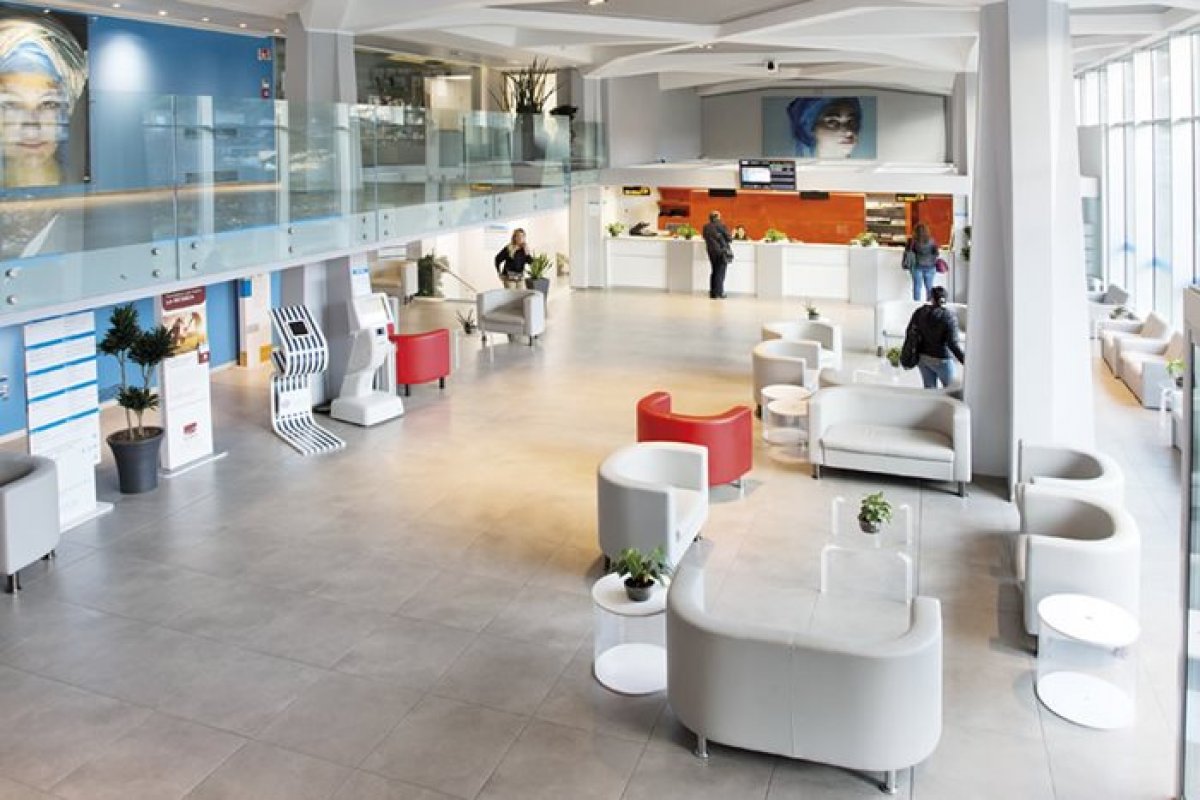

احصلوا على تقييم طبي لـ سرطان المستقيم في إيطاليا: استشيروا أطباء ذوي خبرة الآن
عرض جميع الأطباء
Michele Reni
ينسق البروفيسور ميشيل ريني إرشادات علاج سرطان البنكرياس في إيطاليا وقد نشر أكثر من 180 ورقة بحثية حول السرطان.
- 38 سنة من التخصص في سرطانات الجهاز الهضمي
- يرأس مركز البنكرياس في مستشفى سان رافاييل
- يرأس التجارب السريرية لسرطان البنكرياس النقيلي
- حاصل على شهادة البورد في كل من علاج الأورام بالإشعاع وعلاج الأورام السريري

Antonio Braun
أكثر من 500 عملية جراحية طفيفة التوغل ناجحة – الدكتور براون متخصص في إجراءات الجهاز الهضمي في مستشفى ماريا سيسيليا.
- جراح عام معتمد مع _doctor_7234_سنوات_ من الخبرة
- تدرب في جامعة جونز هوبكنز في جراحة الكبد والقنوات الصفراوية والبنكرياس
- عضو في SICOB و ACOI، وهما من الجمعيات الجراحية الرائدة في إيطاليا
مشاركة المحتوى
قصص فيديو من مرضى Bookimed
 Anna Leonova
أسئلة متكررة حول علاج سرطان المستقيم في إيطاليا
ما هي التقنيات الجراحية الرئيسية المستخدمة لسرطان المستقيم في إيطاليا، وكيف يختار الجراحون بين الأساليب بالمنظار، والروبوتية، والمفتوحة؟
يستخدم الجراحون الإيطاليون تقنيات المنظار، والروبوتية، والجراحة المفتوحة لسرطان المستقيم بناءً على مرحلة الورم وتشريح الحوض. تُفضل الأساليب طفيفة التوغل مثل استئصال المساريق المستقيمية الروبوتي للأورام منخفضة الموقع. تستخدم المراكز المتخصصة في ميلانو وروما نظام دافنشي لتحسين الدقة والحفاظ على الأعصاب.
- جراحة المنظار: الخيار القياسي للأورام في المرحلة المتوسطة. توفر تعافياً أسرع وإقامة أقصر في المستشفى.
- الأسلوب الروبوتي: يُفضل للمساحات الحوضية الضيقة. تساعد الرؤية ثلاثية الأبعاد في تجنب تلف الأعصاب أثناء الجراحة.
- الجراحة المفتوحة: مخصصة للأورام الكبيرة. يستخدمها الجراحون في حالات الطوارئ أو عندما يكون التشريح معقداً.
- الاستئصال طفيف التوغل: يُستخدم لأورام T1 في المرحلة المبكرة. تسمح هذه التقنية بالإزالة الموضعية عبر القناة الشرجية.
رؤية خبير Bookimed: تظهر البيانات من العيادات الإيطالية تركيزاً كبيراً على الخبرة الجراحية ذات الحجم الكبير. على سبيل المثال، يجري مستشفى سان رافاييل في ميلانو 52,000 عملية سنوياً. أجرى جراحون مثل الدكتور أنطونيو براون أكثر من 12,000 تدخل في الجهاز الهضمي. غالباً ما يؤدي هذا الحجم الكبير إلى إتقان أفضل للمنصات الروبوتية. يجب على المرضى البحث عن مراكز تجري أكثر من 50 حالة مستقيم سنوياً لضمان نتائج أفضل.
إجماع المرضى: يلاحظ المرضى أن الجراحة الروبوتية في شمال إيطاليا تؤدي غالباً إلى تعافٍ أسرع. يؤكد الكثيرون على أهمية التحقق من شهادة الجراح المحددة لنظام دافنشي قبل بدء العلاج.
ما هي المدة المعتادة للإقامة في المستشفى وفترة التعافي بعد جراحة سرطان المستقيم في إيطاليا للسياح الطبيين؟
تستغرق الإقامة في المستشفى لجراحة سرطان المستقيم في إيطاليا عادةً من 3 إلى 10 أيام. تسمح الإجراءات طفيفة التوغل بالخروج في غضون 3 إلى 5 أيام. تتطلب الجراحات المفتوحة من 7 إلى 14 يومًا. يستغرق التعافي الكامل واستئناف السفر الدولي عادةً من شهرين إلى 3 أشهر.
- الإقامة بالمنظار: يبقى المرضى عمومًا في المستشفى لمدة 3 إلى 5 أيام بعد الجراحة.
- بروتوكول ERAS: يمكن لبرامج التعافي المعزز تقليل فترات الإقامة في المستشفى إلى يومين أو 3 أيام فقط.
- فترة السفر: يجب على المسافرين البقاء في إيطاليا لمدة 14 يومًا لإجراء فحوصات المتابعة الحيوية.
- النشاط البدني: تجنب رفع الأثقال والحركات المجهدة لمدة لا تقل عن 6 أسابيع.
رؤية خبير Bookimed: تتعامل مراكز ميلانو مثل سان رافاييل مع أكثر من 8400 عملية سنويًا، وغالبًا ما تستخدم أنظمة روبوتية. تُظهر بياناتنا أن مستشفيات الأبحاث IRCCS ذات الحجم الكبير تعطي الأولوية لبروتوكولات ERAS لتسريع الخروج. في حين أن العيادات الخاصة قد تقدم فترات مراقبة أطول تتراوح من 7 إلى 10 أيام، تركز المراكز الأكاديمية في ميلانو على التحرك المبكر لتقليل وقت التعافي.
إجماع المرضى: يشير المرضى إلى أن المشي بحلول اليوم الثالث أمر شائع مع التقنيات الحديثة. وينصحون بترتيب منسق يتحدث الإنجليزية للأسبوع الأول للتنقل في الرعاية بعد الجراحة وإدارة فغر القولون بسلاسة.
ما هي الاعتمادات والتخصصات التي يجب أن أبحث عنها عند اختيار مركز إيطالي لعلاج سرطان المستقيم؟
أعط الأولوية للمراكز الإيطالية الحاصلة على اعتماد IRCCS (معاهد الاستشفاء والرعاية ذات الطابع العلمي) من وزارة الصحة. ابحث عن جراحي الأورام المتخصصين في أنظمة دافنشي الروبوتية والموجات فوق الصوتية عبر المستقيم. تخضع المراكز الرائدة مثل سان رافاييل أيضًا لتقييم مجلة نيوزويك للتميز السريري.
- اعتماد IRCCS: شهادة من وزارة الصحة للبحوث عالية الجودة والمساعدة السريرية.
- جراحون متخصصون: خبراء مثل الدكتور أنطونيو براون يجرون أكثر من 12,000 تدخل في الجهاز الهضمي.
- التشخيص المتقدم: تشمل الأدوات الأساسية الموجات فوق الصوتية عبر المستقيم (TRUS) وتحليل طفرة جين BRAF.
- التكنولوجيا الحديثة: الوصول إلى CyberKnife وNanoKnife والعلاج المقطعي (Tomotherapy) للعلاج الموجه للقولون والمستقيم.
رؤية خبير Bookimed: تتعامل المراكز الإيطالية مثل سان رافاييل مع أكثر من 52,000 عملية سنويًا. هذا الحجم الكبير هو أفضل مؤشر على دقة الجراح. بينما تقدم العديد من المراكز جراحة عامة، اختر تلك التي تتمتع بوضع IRCCS المخصص. وهذا يضمن أن رعايتك تدمج أحدث الأبحاث مباشرة من التجارب السريرية الأوروبية.
إجماع المرضى: يؤكد المرضى على أهمية العثور على جراحين يتعاملون مع أكثر من 100 حالة سنويًا لتحسين الحفاظ على العضلة العاصرة. غالبًا ما يوصون بالأجنحة الخاصة في المستشفيات العامة الكبرى للوصول بشكل أسرع إلى التقنيات الروبوتية المتقدمة.
هل يتم إعطاء العلاج الإشعاعي الكيميائي قبل الجراحة تلقائيًا في إيطاليا، أم أنه انتقائي، وما هي البروتوكولات المستخدمة عادةً؟
العلاج الإشعاعي الكيميائي قبل الجراحة في إيطاليا انتقائي وليس تلقائيًا لسرطان المستقيم. يحدد أطباء الأورام الإيطاليون العلاج بناءً على تصنيف TNM وعوامل الخطر المحددة بالرنين المغناطيسي. الحالات عالية الخطورة التي تعاني من إصابة العقد الليمفاوية أو تهديد الهوامش تتلقى عادةً علاجًا إشعاعيًا كيميائيًا طويل الأمد. الحالات منخفضة الخطورة في المراحل المبكرة قد تخضع للجراحة مباشرة.
- اختيار البروتوكول: يعتمد العلاج على مرحلة الورم، وحالة العقد الليمفاوية، وعلامات الخطر في الرنين المغناطيسي.
- العلاج الإشعاعي قصير الأمد: يتضمن المعيار 25 غراي في 5 كسور على مدار أسبوع واحد.
- العلاج الإشعاعي الكيميائي طويل الأمد: يستخدم 25-28 كسرًا مدمجًا مع كابيسيتابين عن طريق الفم أو 5-فلورويوراسيل.
- المراقبة والانتظار (Wait-and-watch): متاح للمرضى الذين يظهرون استجابة سريرية كاملة بعد العلاج المساعد الجديد.
رؤية خبير Bookimed: تجري مستشفيات الأبحاث الإيطالية مثل سان رافاييل أكثر من 50,000 عملية جراحية سنويًا. تظهر البيانات أن هذه المراكز ذات الحجم الكبير تتبع بدقة بروتوكولات مساعدة جديدة انتقائية. يشير الدكتور ميشيل ريني، وهو متخصص يتمتع بخبرة تزيد عن 30 عامًا، إلى أن اللجان متعددة التخصصات تقوم الآن بتخصيص جرعات العلاج الإشعاعي بناءً على المسافة المليمترية المحددة بين الورم وجدار الحوض.
إجماع المرضى: يؤكد المرضى على أهمية طلب مبرر مكتوب للعلاج المختار. يلاحظ الكثيرون أن المراكز ذات الحجم الكبير في مدن مثل ميلانو تقدم خيارات "المراقبة والانتظ
ما هي المضاعفات بعد الجراحة والآثار الجانبية طويلة المدى التي يجب أن يكون المرضى الدوليون على دراية بها بعد جراحة سرطان المستقيم في إيطاليا؟
تشير مراكز الأورام الإيطالية إلى أن 90% من مرضى جراحة المستقيم يعانون من متلازمة الاستئصال الأمامي المنخفض. تحدث مضاعفات خطيرة مثل تسرب المفاغرة في ما يصل إلى 8.7% من الحالات. تحافظ المستشفيات ذات الحجم الكبير في ميلانو وروما على معدل وفيات أقل من خلال بروتوكولات متخصصة للتعامل مع حالات الفشل الجراحي.
- تسرب المفاغرة: يتراوح الخطر من 7.4% إلى 24% لسرطانات المستقيم البعيدة.
- خلل وظيفي في الأمعاء: تسبب متلازمة الاستئصال الأمامي المنخفض إلحاحاً وحركات متكررة في 90% من الحالات.
- الآثار الجانبية الجنسية: يؤثر ضعف الانتصاب على ما يصل إلى 79.8% من الرجال بعد جراحة الحوض التي تتضمن الكثير من الأعصاب.
- مشاكل المسالك البولية: تؤثر صعوبات إفراغ المثانة أو سلس البول الإجهادي على حوالي 70% من المرضى الجراحيين.
رؤية خبير Bookimed: على الرغم من أن حجم الجراحة الإجمالي مرتفع، فإن اختيار عيادة بها فريق متعدد التخصصات مثل سان رافاييل أمر حيوي. أجرى الدكتور أنطونيو براون أكثر من 12,000 تدخل في الجهاز الهضمي باستخدام هذه الأساليب القائمة على الفريق. يقلل هذا التعاون المحدد بين الجراحين وأطباء الأورام من احتمالية الآثار الجانبية طويلة المدى من خلال تقنيات دقيقة للحفاظ على الأعصاب.
إجماع المرضى: يلاحظ العديد من المرضى أن إلحاح الأمعاء غير المتوقع وتهيج الجلد الناتج عن أكياس فغر اللفائفي المؤقتة هي أصعب التحديات اليومية. يقترحون تعلم مصطلحات الصيدلية الإيطالية، حيث قد يكون العثور على مستلزمات الفغر المناسبة أمراً صعباً بعد فشل الكيس أثناء ا
ما هي المدن الإيطالية التي تضم أكبر تركيز لبرامج سرطان المستقيم عالية الحجم التي تقدم خدمات باللغة الإنجليزية للسياح الطبيين؟
توفر ميلانو وروما أكبر تركيز لبرامج سرطان المستقيم عالية الحجم للمرضى الدوليين. تتميز هذه المراكز بمستشفيات بحثية معتمدة من قبل اللجنة الدولية المشتركة (JCI) ومعترف بها من قبل IRCCS. تقوم مرافق مثل سان رافاييل في ميلانو بإجراء أكثر من 52,000 عملية جراحية سنويًا. وهي تستخدم أنظمة دافنشي الروبوتية المتقدمة وتوفر تنسيقًا باللغة الإنجليزية بطلاقة.
- المراكز المتخصصة: تضم ميلانو المعهد الأوروبي للأورام ومستشفى سان رافاييل للأبحاث.
- الحجم السريري: يعالج مستشفى بوليكلينيكو جيميلي في روما أكثر من 57,000 مريض بالسرطان كل عام.
- التكنولوجيا المتقدمة: تقدم البرامج جراحة دافنشي الروبوتية، وسايبر نايف، وعلاجات الإشعاع بالتوموتيرابي.
- طاقم جراحي خبير: غالبًا ما يحتفظ الجراحون الرئيسيون بسجلات لأكثر من 12,000 تدخل في الجهاز الهضمي طوال حياتهم المهنية.
رؤية خبير Bookimed: تمثل مراكز ميلانو خيارًا متفوقًا للحالات المستقيمية المعقدة بسبب كثافتها الإجرائية العالية للغاية. يدير سان رافاييل وحده 300,000 مريض سنويًا ويحمل حالة IRCCS للتميز البحثي. يرتبط هذا الحجم الكبير ارتباطًا مباشرًا بمعدلات نجاح أعلى في عمليات استئصال المستقيم بالمنظار المعقدة. غالبًا ما يجد المسافرون أن عيادات ميلانو تقدم دعمًا إداريًا أكثر تنظيمًا للخدمات اللوجستية الدولية مقارنة بالمناطق الأخرى.
إجماع المرضى: يشير المرضى إلى أنه على الرغم من أن روما تقدم خبرة جراحية استثنائية في جيميلي، إلا أن عيادات ميلانو غالبًا ما توفر تجربة أكثر سلاسة فيما يتعلق بالبيروقراطية. يو
هل العلاج الإشعاعي قصير المدى متبوعاً بجراحة فورية خيار متاح في إيطاليا للمسافرين ذوي الوقت المحدود؟
يعد العلاج الإشعاعي قصير المدى متبوعاً بجراحة فورية بروتوكولاً قياسياً لسرطان المستقيم في إيطاليا. يقدم هذا النظام المتخصص خمس جرعات إشعاعية في أسبوع واحد. وعادة ما تليها الجراحة في غضون 5 إلى 10 أيام. يقلل هذا النهج بشكل كبير من وقت العلاج مقارنة بالبرامج التقليدية التي تستغرق خمسة أسابيع.
- الإطار الزمني: يتم الانتهاء من العلاج الإشعاعي في 5 أيام مع إجراء الجراحة بعد ذلك بوقت قصير.
- التكنولوجيا: تستخدم المراكز أنظمة عالية الدقة مثل Tomotherapy و Halcyon للتوصيل المستهدف.
- الطرق الجراحية: يقوم الجراحون بشكل متكرر بإجراء استئصال كامل للميزوركتوم باستخدام أنظمة Da Vinci الروبوتية.
- أولوية التصنيف: يطلب أطباء الأورام الإيطاليون تقارير تصنيف مفصلة بالرنين المغناطيسي قبل الموافقة على الجراحة الفورية.
رؤية خبراء Bookimed: يجري مستشفى سان رافاييل في ميلانو أكثر من 52,000 عملية جراحية سنوياً ويحتفظ باعتماد أبحاث IRCCS. تشير البيانات إلى أن مستشفيات الأبحاث ذات الحجم الكبير هذه مجهزة بشكل أفضل لبروتوكولات المسار السريع قصيرة المدى. غالباً ما تجمع هذه المرافق بين العلاج الإشعاعي المتقدم وجراحي الجهاز الهضمي المتخصصين تحت سقف واحد. وهذا يقلل من التأخيرات اللوجستية للمرضى الدوليين الذين يواجهون جداول زمنية صارمة للتأشيرة أو السفر.
إجماع المرضى: يشير المرضى إلى أن مستشفيات شمال إيطاليا تقدم خيار المسار السريع هذا بشكل أكثر موثوقية من مرافق الجنوب. ويؤكد الكثيرون أن البدء بتقارير علم الأمراض المنظمة يتجنب التأخير في نافذة الإشعاع