علاج سرطان البلعوم الأنفي في تركيا: 27 مستشفيات


تمت مراجعة المقالة طبيا من قبل
فهد مولود
كيف نعمل؟
ما هي تكلفة سرطان البلعوم الأنفي إجراءات التشخيص والعلاج في تركيا؟ اعرف الآن
تختلف تكلفة علاج سرطان البلعوم الأنفي في تركيا بناءً على خطة العلاج. تكلف التشخيصات الأولية مثل فحص PET-CT $700، وفحص MRI للرقبة مع التباين $750. جلسات العلاج الكيميائي تُسعر بـ $1,300 لكل جلسة، بينما العلاج الإشعاعي، الذي يمكن أن يستمر من 25 إلى 30 جلسة، يكلف حوالي $6,000. يتراوح سعر العلاج المناعي من $4,000 إلى $6,000 لكل جلسة. يتم تخصيص برنامج العلاج بعد تقييم شامل من قبل الفريق الطبي، مع مراعاة الاحتياجات الخاصة لكل مريض.
| تركيا | إسبانيا | ألمانيا | |
|---|---|---|---|
| Halcyon (هالسيون) | ≈ $9,500 | ≈ $6,500 | ≈ $9,500 |
اكتشف أفضل سرطان البلعوم الأنفي العيادات في تركيا: 27 خيارات معتمدة والأسعار




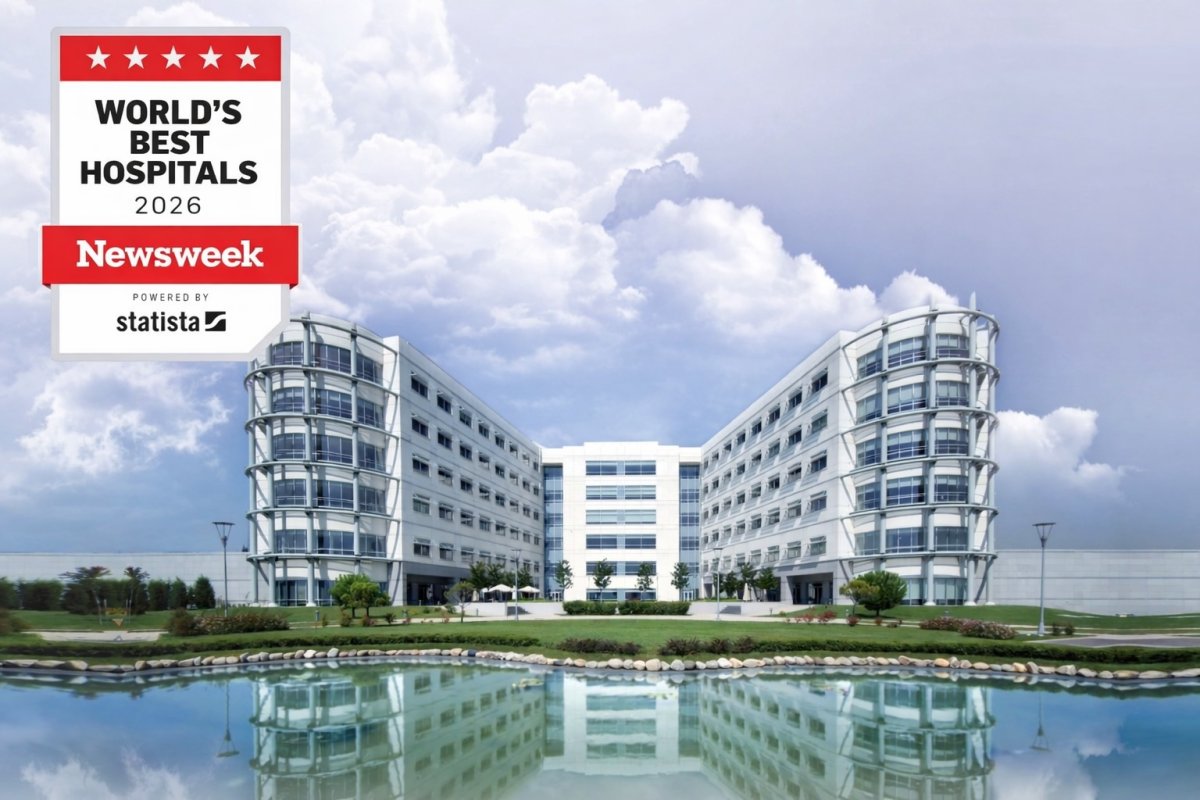


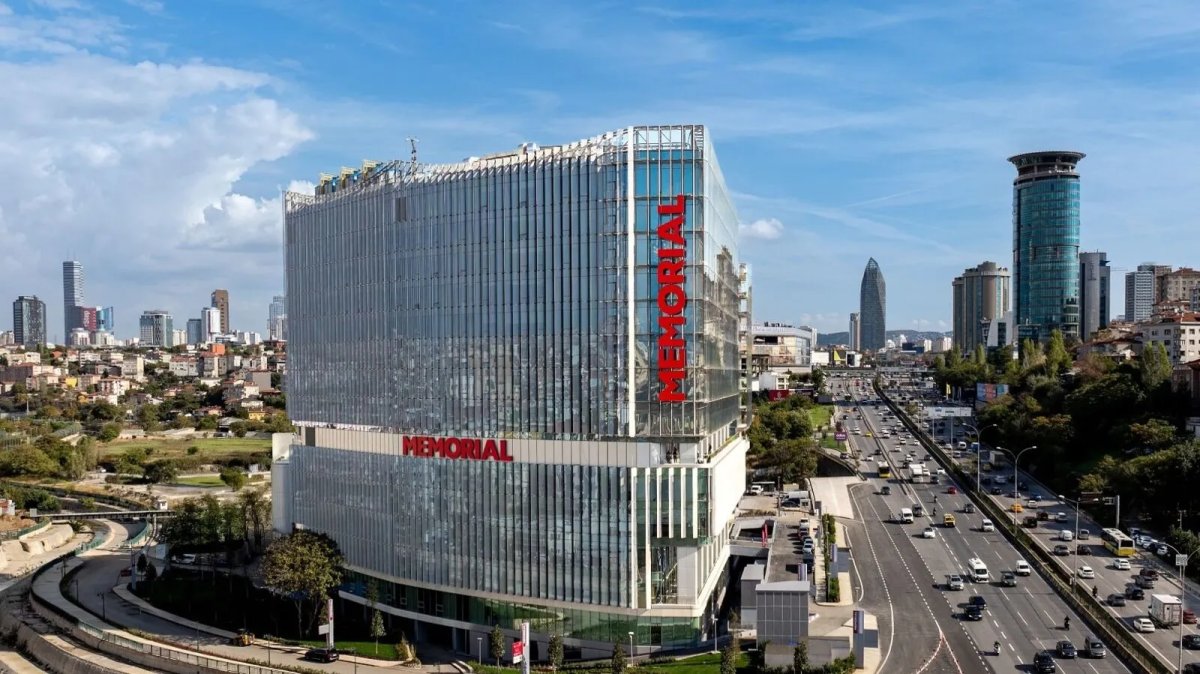
Memorial Göztepe Hospital


Memorial Ankara Hospital


احصل على تقييم طبي لـ في تركيا. استشر الآن 40 أطباء ذوي الخبرة.
عرض جميع الأطباء
Bulent Karagoz
الطبيب هو أخصائي أورام طبية تركي ذو خبرة عالية متخصص في الساركوما، الليمفوما، سرطان البنكرياس، سرطان الرئة، وسرطان الثدي. مع أكثر من 20 عامًا من الخبرة، يركز الطبيب على بيولوجيا الأورام، علم المناعة للأورام، العلاج المناعي للسرطان، والعلاجات المستهدفة. منذ عام 2019، يعمل الطبيب كأخصائي أورام طبية في مركز الأناضول الطبي وكان قد شغل سابقًا مناصب قيادية في كلية الطب بجامعة إسطنبول أوكان ومستشفى التدريب غاتا حيدر باشا. قام الطبيب بتأليف أكثر من 40 منشورًا في أبحاث السرطان وهو عضو في جمعية الأورام
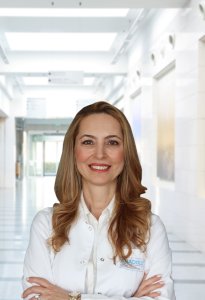
Banu Atalar
الدكتورة بانو أتالار طبيبة أورام إشعاعية حاصلة على شهادة البورد (تركيا، 2004). تشغل منصب أستاذة في جامعة أجيبادم MAA (2018–الآن) وطبيبة سريرية في مركز الأناضول الطبي (2026–الآن). تلقت تدريبها في جامعة إسطنبول وكلية جراح باشا. في عام 2011 أتمّت زمالة أبحاث سريرية بجامعة ستانفورد في الجراحة الإشعاعية التجسيمية. يتركز عملها على أورام الجهاز العصبي المركزي والأورام الصدرية وأورام الجهاز الهضمي. نحو 75% من رعايتها تشمل الجراحة الإشعاعية التجسيمية SRS وSRS التكيفية الموجّهة بالرنين المغناطيسي.
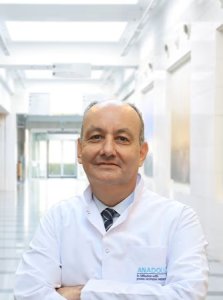
Mehmet Emre Ustundag
الأستاذ الدكتور M. Emre Üstündağ هو أستاذ طب الأنف والأذن والحنجرة وجراحة الرأس والعنق في مركز الأناضول الطبي بغبزة. وهو أستاذ في جامعة كوجالي منذ عام 2006. أتم دراسته الطبية وإقامة اختصاص الأنف والأذن والحنجرة بجامعة إسطنبول بين عامي 1983 و1995. عمل في جامعتي إسطنبول وكوجالي وفي مستشفيات أجيبادم، كما يدير عيادة خاصة منذ عام 2006.
التركيز السريري: أورام الرأس والعنق وجراحتهما؛ طب الأنف وجراحة تجميل الأنف؛ طب الحنجرة؛ رأب الحاجز الأنفي؛ جراحة انقطاع النفس أثناء النوم.
أكمل تدريبا
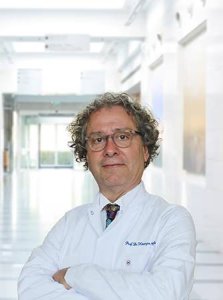
Huseyin Baloglu
البروفيسور حسين بال أوغلو اختصاصي علم الأمراض في مركز الأناضول الطبي بغبزه، كوجالي، تركيا. يركز على علم الأمراض الجزيئي، وعلم الأمراض الجراحي، وخزعات الأورام والتشخيص.
التعليم والاعتمادات: دكتوراه في الطب، كلية طب غاتا (1986). تدريب تخصصي في علم الأمراض، غاتا (1992). أستاذ مشارك (Doçent)، غاتا (2004). باحث زائر في كلية طب ألبرت آينشتاين (نيويورك) وجامعة هايدلبرغ.
الإنجازات: مؤلف لأكثر من 600 منشور مُحكَّم. يحمل براءة اختراع في التشخيص الجزيئي لسرطان الغدة الدرقية. يقود خدمات الخ
المراجعات
جميع المراجعاتمشاركة المحتوى
قصص فيديو من مرضى Bookimed
 Anna Leonova
أسئلة متكررة حول علاج سرطان البلعوم الأنفي في تركيا
لماذا يجب أن أختار تركيا لعلاج سرطان البلعوم الأنفي؟
تعد تركيا وجهة رائدة لعلاج سرطان البلعوم الأنفي بفضل مرافقها الحاصلة على اعتماد JCI وتقنيات الإشعاع المتقدمة. تتعاون مراكز مثل مركز الأناضول الطبي مع جونز هوبكنز. وهي توفر بروتوكولات متخصصة مثل Halcyon وCyberKnife لاستهداف الأورام القريبة من قاعدة الجمجمة بدقة دون مليمترية.
- الخبرة المتخصصة: ساعد البروفيسور الدكتور نجدت أوسكينت في ريادة طب الأورام وزراعة نخاع العظم في تركيا.
- التكنولوجيا المتقدمة: تستخدم العيادات أنظمة Halcyon وCyberKnife لإجراء إشعاع عالي الدقة للأورام العميقة.
- التصنيفات العالمية: يصنف مركز الأناضول الطبي ضمن أفضل 10 مستشفيات في العالم وفقاً لـ MTQUA.
- الحجم الدولي: يخدم مستشفى جامعة ميديبول ميجا أكثر من 1,200,000 مريض دولي كل عام.
رؤية خبير Bookimed: غالباً ما تستخدم مراكز الأورام التركية نهج مجلس الأورام لحالات البلعوم الأنفي. هذا يجمع بين جراحي الأعصاب وأخصائيي الأنف والأذن والحنجرة وأخصائيي علاج الأورام بالإشعاع. في مركز الأناضول الطبي، يضم هذا الفريق متعدد التخصصات أطباء لديهم خبرة تزيد عن 20 عاماً. يعد هذا التعاون أمراً حيوياً لأن هذه الأورام تقع بالقرب الشديد من الأعصاب الحساسة والدماغ.
إجماع المرضى: يقدر المرضى سرعة بدء العلاج ووجود مترجمين متخصصين. يسلط العديد من المراجعين الضوء على أن الدعم العاطفي المقدم من منسقي المستشفى يقلل بشكل كبير من التوتر أثناء دورات الإشعاع المعقدة.
ما هي المستشفيات التركية الموصى بها لرعاية سرطان البلعوم الأنفي؟
تشمل المستشفيات التركية الموصى بها لعلاج سرطان البلعوم الأنفي مركز أناضولو الطبي، ومستشفى ميموريال شيشلي، ومستشفى جامعة ميديبول ميغا. توفر هذه المرافق المعتمدة من قبل اللجنة الدولية المشتركة (JCI) رعاية متعددة التخصصات. وهي تستخدم تشخيصات PET/CT المتقدمة جنبًا إلى جنب مع العلاج الإشعاعي بتقنية Halcyon وبروتوكولات جراحية متخصصة للرأس والرقبة لتحقيق نتائج مثالية للمرضى.
- مركز أناضولو الطبي: تابع لمستشفى جونز هوبكنز ومصنف عالميًا في مجال طب الأورام التداخلي المتخصص.
- مستشفى ميموريال شيشلي: أول مركز معتمد من JCI في تركيا يضم 13 غرفة عمليات جراحية متقدمة.
- جامعة ميديبول ميغا: مجمع واسع النطاق يعالج أكثر من 1,000,000 مريض سنويًا باستخدام CyberKnife وGamma Knife.
- مستشفى ميموريال جوزتيبي: مرفق ذكي مجهز بجهاز MR Linac وتصوير بالرنين المغناطيسي 3 تسلا مدعوم بالذكاء الاصطناعي.
رؤية خبير Bookimed: بينما يختار الكثيرون العيادات بناءً على الأسماء التجارية، يتميز مركز أناضولو الطبي بعمق طب الأورام لديه. يجلب البروفيسور الدكتور شرف كومورجو والبروفيسور الدكتور بولنت كاراغوز خبرة تزيد عن 20 عامًا لكل منهما. يضمن هذا الحجم من الأخصائيين الكبار خطط علاج دقيقة للغاية لحالات البلعوم الأنفي المعقدة.
- إجماع المرضى: يشير المرضى إلى أنه من الضروري التأكد من وجود لجنة أورام مخصصة للرأس والرقبة. ويؤكدون أن الدعم الغذائي الداخلي وعلاج البلع ضروريان أثناء دورات الإشعاع المكثفة.
ما هي بروتوكولات العلاج المستخدمة لسرطان البلعوم الأنفي في تركيا؟
تعطي البروتوكولات التركية الأولوية للرعاية متعددة التخصصات باستخدام العلاج الإشعاعي المعدل الشدة (IMRT) والعلاج الكيميائي القائم على السيسبلاتين. يستخدم الأخصائيون معجلات خطية من نوع Halcyon للاستهداف الدقيق. غالبًا ما تجمع خطط العلاج بين العلاج الكيميائي والإشعاعي المتزامن مع العلاج الكيميائي التحريضي أو المساعد للمراحل المتقدمة. تحقق هذه البروتوكولات معدلات بقاء على قيد الحياة لمدة 3 سنوات تصل إلى 89.5٪.
- تقنيات العلاج الإشعاعي: تستخدم المراكز التركية تقنيات VMAT وIMRT لحماية الأنسجة السليمة.
- بروتوكولات العلاج الكيميائي: يتلقى حوالي 85٪ من المرضى جرعات تعتمد على السيسبلاتين جنبًا إلى جنب مع الإشعاع.
- التصنيف التشخيصي: يتضمن التخطيط الدقيق إجراء PET-CT والأشعة المقطعية للجيوب الأنفية.
- التقنيات المتقدمة: يستخدم مستشفى Memorial Göztepe تقنية PET-CT الرقمية والتصوير بالرنين المغناطيسي المدعوم بالذكاء الاصطناعي.
رؤية خبير Bookimed: غالبًا ما تجمع مراكز الأورام التركية بين البروتوكولات الأمريكية والخبرة الأكاديمية المحلية. على سبيل المثال، يحتفظ مركز أناضولو الطبي بانتماء رسمي مع Johns Hopkins Medicine. يطبق البروفيسور الدكتور بولنت كاراغوز والبروفيسورة الدكتورة يشيم يلدريم هذا التركيز على المعايير الدولية على حالات الرأس والرقبة. يمنح هذا التكامل المرضى إمكانية الوصول إلى الأبحاث العالمية وخيارات العلاج المناعي مع الحفاظ على مزايا التكلفة الإقليمية.
إجماع المرضى: يشير المرضى إلى أن أصعب جزء هو إدارة الآثار الجانبية مث
ما هي معدلات النجاح المسجلة لعلاج سرطان البلعوم الأنفي في تركيا؟
تسجل مراكز الأورام التركية معدل بقاء إجمالي لمدة 5 سنوات بنسبة 80.5% لسرطان البلعوم الأنفي. يؤدي الكشف في مرحلة مبكرة إلى معدلات بقاء تصل إلى 100%. تستخدم مراكز العلاج المتقدمة العلاج الإشعاعي المعدل الشدة (IMRT) الحديث وأنظمة Halcyon. تحقق هذه التقنيات معدلات تحكم موضعية إقليمية تتجاوز 90% في معظم الحالات.
- البقاء على قيد الحياة حسب المرحلة: البقاء على قيد الحياة في المرحلة الأولى هو 100%، بينما تصل المرحلة الثانية إلى 95%.
- نتائج المراحل المتقدمة: يظهر مرضى المرحلة الرابعة (IVa-b) معدل بقاء لمدة 5 سنوات بنسبة 67.2%.
- معدلات خلو المرض من التكرار: يظل معدل البقاء الإقليمي الخالي من التكرار مرتفعاً عند 94.8% بعد العلاج.
- أدوات التشخيص المتاحة: تستخدم العيادات التصوير المقطعي بالإصدار البوزيتروني (PET/CT) والأشعة المقطعية للجيوب الأنفية لتحديد المرحلة بدقة.
رؤية خبير Bookimed: غالباً ما تعتمد مؤشرات الجودة لهذا السرطان على البنية التحتية للمستشفى. على سبيل المثال، يرتبط مركز الأناضول الطبي بمستشفى جونز هوبكنز، ويبلغون عن خدمة 65,000 مريض سنوياً. توفر المراكز الكبيرة مثل Medipol Mega أيضاً تقنيات CyberKnife وGamma Knife. تسمح هذه الأدوات بإشعاع أكثر دقة وأعراض جانبية أقل.
إجماع المرضى: يشير المرضى إلى أهمية بدء العلاج فوراً. ويؤكدون أنه على الرغم من شدة الأعراض الجانبية، يظل العلاج فعالاً في تقليص حجم الورم. توفر العيادات عالية الجودة مترجمين يساعدون المرضى في التنقل داخل أقسام الأورام المعقدة.
كم من الوقت يجب أن أبقى في تركيا للحصول على دورة العلاج الكاملة؟
يتطلب علاج سرطان البلعوم الأنفي في تركيا عادةً من 7 إلى 9 أسابيع لدورة كاملة. يستغرق التشخيص وتحديد المرحلة من 3 إلى 5 أيام. يمتد العلاج الإشعاعي، الذي غالباً ما يستخدم تقنيات مثل Halcyon أو TrueBeam، عادةً على مدى 6 إلى 7 أسابيع من الجلسات اليومية.
- مرحلة التشخيص: تستغرق فحوصات PET-CT الأولية والخزعات عادةً من 3 إلى 5 أيام عمل.
- دورة الإشعاع: تستغرق جلسات الإشعاع اليومية خلال أيام الأسبوع عادةً ما بين 6 و7 أسابيع إجمالاً.
- دورات العلاج الكيميائي: قد تؤدي بروتوكولات العلاج الكيميائي والإشعاعي المدمجة إلى إطالة فترة إقامتك بناءً على توصيات الطبيب المحددة.
- فترة التعافي: ينصح الأطباء غالباً بالبقاء لمدة 7 إلى 10 أيام بعد العلاج للتعامل مع الآثار الجانبية.
رؤية خبير Bookimed: غالباً ما تعمل المراكز ذات الحجم الكبير مثل مركز الأناضول الطبي، الذي يخدم 65,000 مريض سنوياً، على تبسيط سير عمل التشخيص. تساعد تبعيتهم لمستشفى جونز هوبكنز في تقليل أوقات الانتظار بين الفحوصات الأولية وتخطيط العلاج. يمكن أن توفر هذه الكفاءة للمرضى الدوليين ما يقرب من أسبوع كامل من تكاليف الإقامة غير الضرورية.
إجماع المرضى: يشير المرضى إلى أنه من الضروري البقاء بالقرب من العيادة لأن الإرهاق المرتبط بالعلاج يجعل السفر صعباً. يقترح الكثيرون جدولة زيارة متابعة بعد عدة أشهر بدلاً من البقاء طوال فترة التعافي.
ما هي الوثائق الطبية التي يجب أن أحضرها لضمان استمرارية الرعاية في تركيا؟
يجب على المرضى تقديم ملفات DICOM الرقمية لصور الرنين المغناطيسي والأشعة المقطعية ومسح PET-CT، بالإضافة إلى تقارير الأشعة المكتوبة. تعد نتائج الخزعات الحديثة وشرائح الأنسجة الأصلية ضرورية للمراجعة. تضمن خطط الإشعاع التفصيلية وأنظمة العلاج الكيميائي الدقة في العلاجات المتقدمة مثل العلاج الإشعاعي Halcyon في المراكز التركية.
- دراسات التصوير: قدم صور الرنين المغناطيسي ومسح PET-CT بتنسيق DICOM الرقمي على قرص فلاش أو قرص مضغوط.
- مواد علم الأمراض: أحضر شرائح الخزعة الأصلية وقوالب البارافين للمراجعة من قبل أخصائي علم أمراض تركي.
- سجلات العلاج: أدرج جرعات الإشعاع السابقة، وجداول العلاج الكيميائي، والتقارير الجراحية التفصيلية.
- نتائج المختبر: قدم تحاليل الدم الحديثة وعلامات فيروس إبشتاين-بار (EBV) لتحديد المرحلة.
رؤية خبراء Bookimed: يتعامل مركز الأناضول الطبي مع أكثر من 65,000 مريض سنوياً ويحافظ على شراكة مع مستشفى جونز هوبكنز. تُظهر بياناتنا أن أخصائييهم، مثل الدكتورة يسيم يلديريم، غالباً ما يتطلبون قوالب الأنسجة الأصلية لتأكيد العلامات الجزيئية قبل بدء العلاج المناعي. توفر هذه القوالب جاهزة يمنع تأخيراً لمدة 14 يوماً بسبب الشحن الدولي.
إجماع المرضى: يؤكد المرضى على أهمية ترجمة السجلات إلى اللغة الإنجليزية لتسريع الاستشارة الأولى. ويشيرون إلى أن إحضار شرائح الخزعة الفيزيائية هو الخطوة الأكثر أهمية للحصول على خطة علاج فورية.
هل ستكون اللغة عائقاً أثناء إقامتي؟
اللغة ليست عائقاً أمام علاج سرطان البلعوم الأنفي في المستشفيات التركية الكبرى. توفر المراكز الرائدة الحاصلة على اعتماد اللجنة الدولية المشتركة (JCI) في إسطنبول وأنطاليا أقساماً مخصصة للمرضى الدوليين. تقدم هذه المرافق مترجمين طبيين محترفين ومنسقين شخصيين لإدارة التواصل بين المرضى وأطباء الأورام وطاقم التمريض.
- الخدمات الدولية: يوفر مركز الأناضول الطبي (Anadolu Medical Center) منسقين شخصيين ومترجمين محترفين.
- دعم اللغة: يوظف مستشفى ميموريال أنطاليا (Memorial Antalya Hospital) موظفين يتحدثون لغات متعددة بطلاقة لمساعدة المرضى.
- التواصل مع المتخصصين: الأستاذة الدكتورة يشيم يلديريم في مركز الأناضول الطبي تتحدث الإنجليزية بطلاقة.
- معايير الاعتماد: تضمن المستشفيات المعتمدة من JCI مثل مستشفى ميديبول ميجا (Medipol Mega) تواصلاً واضحاً مع المرضى وسلامتهم.
رؤية خبراء Bookimed: بينما يتحدث الأطباء في المراكز الكبرى الإنجليزية غالباً، قد لا يكون طاقم التمريض والإدارة كذلك. الوصول إلى مكتب دولي أمر حيوي لإدارة جداول علاج الأورام المعقدة. تخدم مراكز مثل مركز الأناضول الطبي أو مستشفى هيسار (Hisar Hospital) ما بين 65,000 إلى 500,000 مريض سنوياً. يضمن هذا الحجم الهائل أن فرق الدعم لديهم تتمتع بخبرة عالية في التنسيق الطبي متعدد اللغات.
رأي المرضى: يشير المرضى إلى أن وجود مترجم متخصص يساعد في التنقل خلال المناقشات الطبية التفصيلية. وغالباً ما يقترحون طلب تعليمات مكتوبة لجدول العلاج الإشعاعي والأدوية ليكونوا على يقين تام.