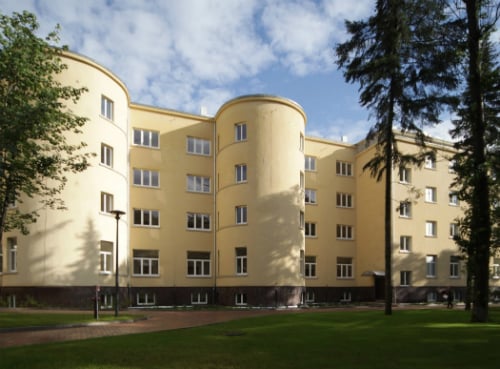
European Health Center Otwock
بولندا, أوتووك


تمت مراجعة المقالة طبيا من قبل
فهد مولود
من $1,300
تكاليف علاج سرطان البلعوم الأنفي النموذجية في بولندا
رؤية خبير Bookimed: يجب على المرضى الذين يعانون من أمراض قلبية متزامنة إعطاء الأولوية للمراكز المتخصصة. يدير المركز الصحي الأوروبي في أوتفوك (European Health Center Otwock) القسم الوحيد المتعدد التخصصات لأمراض القلب والأورام في بولندا. هذا المرفق هو أول مستشفى خاص في بولندا يركز على رعاية الأورام المتكاملة. وهو يوفر رعاية متخصصة لمرضى السرطان الذين يحتاجون إلى مراقبة قلبية أثناء العلاج. يضمن اختيار مثل هذه المراكز السلامة للحالات المعقدة بالقرب من وارسو.
| بولندا | تركيا | إسبانيا | |
|---|---|---|---|
| Halcyon (هالسيون) | ≈ $6,500 | ≈ $9,500 | ≈ $6,500 |
Bookimed لا يضيف رسوماً إضافية على أسعار علاج سرطان البلعوم الأنفي. الأسعار مأخوذة من قوائم الأسعار الرسمية للعيادات. تدفع مباشرة في العيادة مقابل علاجك عند وصولك إلى البلد.
Bookimed ملتزم بسلامتك. نحن نعمل فقط مع المؤسسات الطبية التي تحافظ على معايير دولية عالية في علاج سرطان البلعوم الأنفي ولديها التراخيص اللازمة لخدمة المرضى الدوليين في جميع أنحاء العالم.
Bookimed يقدم مساعدة خبراء مجانية. منسق طبي شخصي يدعمك قبل وأثناء وبعد العلاج، ويحل أي مشاكل. لن تكون وحيداً أبداً في رحلة علاج سرطان البلعوم الأنفي.


 Anna Leonova
يركز علاج سرطان البلعوم الأنفي في بولندا على الطرق غير الجراحية مثل العلاج الإشعاعي المعدل الشدة (IMRT) والعلاج الكيميائي القائم على البلاتين. تتبع مراكز الأورام البولندية بروتوكولات ESMO-EURACAN الدولية. تساعد الاستشارات متعددة التخصصات في تنسيق مسارات الرعاية الشخصية مع الحفاظ على الهياكل والوظائف الحيوية المحيطة.
رؤية خبير Bookimed: يجد المرضى الذين يعانون من أمراض القلب رعاية متخصصة في المركز الأوروبي للصحة في أوتفوك بالقرب من وارسو. تدير هذه المنشأة قسم أمراض القلب والأورام متعدد التخصصات الوحيد في بولندا. هذا الإعداد حيوي لأن العلاج الكيميائي القوي يمكن أن يؤثر على صحة القلب. يضمن اختيار مركز يتمتع بخدمات قلب متكاملة أن يقوم الأطباء بمراقبة قلبك طوال عملية علاج السرطان.
إجماع المرضى: يشير المرضى إلى أن العلاج القياسي يتجنب عادة الجراحة لصالح العلاج الكيميائي والإشعاعي المتزامن. يؤكد الكثيرون على بدء تمارين البلع وحماية الأسنان مبكرًا للتعامل مع جفاف الفم أو تصلب الفك على المدى الطويل.
يمكن لمرضى سرطان البلعوم الأنفي في بولندا الوصول إلى العلاج المناعي والعلاج الموجه من خلال المسارات العامة والخاصة. يستخدم المتخصصون مثبطات نقاط التفتيش المناعية مثل نيفولوماب وبيمبروليزوماب للحالات المتكررة. غالبًا ما يتطلب الوصول العلاج في مراكز الأورام المتخصصة أو المشاركة في التجارب السريرية.
رؤية خبير Bookimed: يجب على المرضى الذين يبحثون عن أكثر العلاجات الجهازية تقدمًا إعطاء الأولوية لمراكز الأورام الخاصة بالقرب من وارسو. على سبيل المثال، يعد المركز الأوروبي للصحة في أوتفوك أول مستشفى خاص في بولندا متخصص في الأورام. غالبًا ما تتجاوز هذه المرافق فترات الانتظار البيروقراطية الموجودة في النظام العام لبروتوكولات الأدوية الأحدث.
إجماع المرضى: يشير المرضى إلى أن الوصول إلى العلاجات الحديثة يعتمد بشكل كبير على تلقي العلاج في مركز أكاديمي كبير. ويوصون بأن يكونوا استباقيين من خلال طلب اختبار فيروس إبشتاين-بار (EBV) والسؤال عن مجالس الأورام متعددة التخصصات في وقت مبكر من العملية.
توفر بولندا رعاية متقدمة لأورام الرأس والرقبة من خلال معاهد وطنية متخصصة ومستشفيات جامعية. تستخدم هذه المرافق تشخيصات دقيقة مثل التصوير المقطعي بالإصدار البوزيتروني (PET/CT) والأشعة المقطعية للجيوب الأنفية. تتخصص المراكز في وارسو وبوزنان وجليفيتسه في بروتوكولات معقدة لسرطان البلعوم الأنفي، بما في ذلك العلاج بالبروتونات والجراحة الإشعاعية الروبوتية.
رؤية خبير Bookimed: بينما يبحث الكثيرون عن المعاهد العامة الكبيرة، يتميز المركز الأوروبي للصحة في أوتفوك بتركيزه على طب القلب والأورام. هذا أمر حيوي لمرضى البلعوم الأنفي، حيث يتطلب العلاج الكيميائي الإشعاعي المكثف مراقبة دقيقة للقلب. اختيار مرفق بهذا التركيز يتجنب التنقل بين مستشفيات مختلفة أثناء دورات العلاج المكثفة.
إجماع المرضى: يؤكد المرضى أن تنسيق العلاج هو علامة جودة رئيسية للحالات المعقدة. ويشيرون إلى أن وجود تخصصات الأنف والأذن والحنجرة والأورام وعلم الأمراض في مسار واحد يبسط عملية التعافي الصعبة.
بطاقة DiLO هي وثيقة تشخيص سريعة المسار تُستخدم في نظام الرعاية الصحية العامة في بولندا. وهي تعمل بمثابة تصريح أخضر لرعاية مرضى السرطان. يتجاوز هذا النظام قوائم الانتظار القياسية للمرضى المؤمن عليهم. ويهدف إلى بدء العلاج في غضون سبعة إلى تسعة أسابيع من الاشتباه.
رؤية خبير Bookimed: في حين أن DiLO حيوي للرعاية العامة، يجد المرضى الدوليون الذين يسعون للحصول على العلاج في مراكز خاصة مثل المركز الصحي الأوروبي في أوتفوك مسارات أسرع بدونه. لا تملك العيادات الخاصة سقفًا للميزانية. وهذا يسمح بالوصول الفوري إلى رعاية القلب والأورام التخصصية متعددة التخصصات للمرضى الذين يعانون من مضاعفات القلب. غالبًا ما تكون هذه السرعة أكثر قابلية للتنبؤ من التنقل في المتطلبات الإدارية لنظام البطاقة الخضراء العامة.
إجماع المرضى: يشير المرضى إلى أن DiLO هي أداة إدارية وليست علاجًا في حد ذاتها. ويؤكدون أنه على الرغم من أنها تساعد في تحديد أولويات الحالات، إلا أن التأخير قد لا يزال يحدث إذا كانت تقارير علم الأمراض أو وثائق التصوير مفقودة أو غير مترجمة.
تُقدم جراحة الأعصاب في بولندا رعاية عالية الجودة في مرافق معتمدة من قبل اللجنة الدولية المشتركة (JCI) والمنظمة الدولية للمعايير (ISO). يلتزم جراحو الأعصاب البولنديون بمعايير تدريب صارمة معتمدة من قبل الاتحاد الأوروبي. وقد أكمل العديد منهم زمالات في الولايات المتحدة أو ألمانيا. وتتوفر التقنيات المتقدمة، مثل جهاز سايبر نايف وجهاز جاما نايف والأنظمة الروبوتية، على نطاق واسع في المراكز الخاصة.
رأي خبراء بوكيمد: تُظهر البيانات وجود علاقة وثيقة بين تخصص العيادة وأصول مرضاها. تعالج عيادة KCM أكثر من 700 مريض دولي سنويًا، وهي متخصصة في جراحة العمود الفقري طفيفة التوغل. يُمكّنها هذا الحجم من العمل من تقديم باقات خدمات متخصصة، تشمل غالبًا حواجز تشخيصية وزرعات محددة،
يُعدّ جراحو الأعصاب البولنديون متخصصين ذوي كفاءة عالية، إذ أتموا ما لا يقل عن 13 عامًا من التدريب الطبي المكثف. يشمل ذلك ست سنوات من الدراسة في كلية الطب، و13 شهرًا من التدريب العملي، وست سنوات من الإقامة. ويجب عليهم اجتياز امتحان التخصص الحكومي (PES)، وغالبًا ما يحصلون على شهادة من الجمعية الأوروبية لجمعيات جراحة الأعصاب (EANS).
رأي خبراء بوكيميد: تشير البيانات إلى أن جراحي الأعصاب البولنديين غالبًا ما يتخصصون في تقنيات بالغة التخصص، مثل نظام ApiFix أو نظام SED-YESS لتنظير الفقرات القطنية. ويجمع أخصائيون مثل الدكتور ستانيسواف كويك من عيادة KCM بين أبحاث ما بعد الدكتوراه والممارسة الجراحية النشطة. هذا المزيج من المعرفة الأكاديمية المتعمقة والخبرة الجراحية الوا
من بين أفضل عيادات جراحة الأعصاب في بولندا مستشفى كارولينا، وعيادة KCM، ومراكز أكاديمية رائدة مثل مستشفى جامعة كراكوف. تقدم هذه المؤسسات علاجات متطورة لأمراض العمود الفقري والدماغ، مطابقة لمعايير الجودة ISO، وتضم أخصائيين أعضاء في منظمات دولية مثل AO Spine.
رأي خبراء بوكيمد: بينما يتجه الكثيرون إلى أكبر المستشفيات، تُظهر البيانات أن عيادات مثل مستشفى كارولينا تُقدم كفاءة أعلى في العمليات الجراحية الاختيارية. فمع وجود أكثر من 40 طبيباً متخصصاً في هذه المنشأة التي تضم 30 سريراً، تكون نسبة الأطباء إلى المرضى أعلى بكثير مما هي عليه في المراكز الجامعية الحكومية. وهذا يعني رعاية ما بعد الجراحة أكثر عناية، وجدولة أسرع بكثير لإجراءات مثل علاج الانزلاق الغضروفي
في بولندا، يركز طب جراحة الأعصاب بشكل أساسي على جراحات العمود الفقري واستئصال أورام الدماغ. وتُجري المستشفيات بشكل متكرر عمليات استئصال القرص المجهرية، ودمج الفقرات، وتحفيز الدماغ العميق. وتستخدم مراكز مثل مستشفى كارولينا وعيادة كي سي إم تقنيات طفيفة التوغل لعلاج الانزلاق الغضروفي، وإصابات العمود الفقري، والاضطرابات العصبية المعقدة.
رأي خبراء بوكيميد: أصبحت بولندا مركزًا متخصصًا في تثبيت العمود الفقري. تتعاون عيادات مثل مستشفى كارولينا مع الفرق الرياضية الوطنية، مما يعكس خبرتها العالية في علاج إصابات العمود الفقري المعقدة. تُظهر بياناتنا أن هذه المؤسسات غالبًا ما تُدمج إعادة التأهيل مباشرةً في العلاج الجراحي. هذا الدمج يقلل من خطر الم
تتوفر خدمات إعادة التأهيل العصبي على نطاق واسع في بولندا من خلال مراكز متخصصة ومستشفيات متعددة التخصصات. وتشمل هذه البرامج التعافي بعد السكتة الدماغية، وإصابات الحبل الشوكي، والأمراض التنكسية. وتقدم مؤسسات مثل مستشفى كارولينا في وارسو وعيادة KCM علاجًا تحت إشراف طبي. وتتضمن معظم برامج جراحة الأعصاب تقييمًا أوليًا لإعادة التأهيل بعد العملية.
رأي خبراء بوكيمد: تشير البيانات إلى أن العيادات التي تستقبل أعدادًا كبيرة من المرضى الدوليين، مثل عيادة KCM، غالبًا ما تُدرج إعادة التأهيل الأساسية ضمن برامجها الجراحية. تُعد هذه ميزة هامة، إذ قد يكون تنسيق إعادة التأهيل العصبي بشكل مستقل في بولندا أمرًا صعبًا. يضمن اختيار عيادة تضم أخصائي إعادة تأهيل متواجدًا فيها بدء التعافي في غضون 24 ساعة بعد الجراحة، وهو
من أبرز جراحي الأعصاب البولنديين الدكتور يوري كسينيوك والدكتور ماتشي بويكو من مستشفى كارولينسكا في وارسو. يتخصص هذان الطبيبان في جراحة العمود الفقري طفيفة التوغل وتقنيات التنظير الداخلي. وهما حاصلان على شهادات دولية وعضوان في الجمعية البولندية لجراحة العمود الفقري ومنظمة يوروسباين.
رأي خبراء بوكيمد: تُظهر البيانات وجود تركيز عالٍ من الأخصائيين ذوي الكفاءة العالية في وارسو. فمستشفى كارولينا وحده يوظف أكثر من 40 أخصائيًا حاصلين على شهادات مزدوجة في جراحة الأعصاب وجراحة العظام. هذا النهج متعدد التخصصات نادر، ويتيح علاجًا أكثر دقة للحالات المعقدة التي تشمل الأعصاب والعظام معًا.