علاج ورم وعائي الكبد في إسرائيل — احصل على 3 عيادات مختارة خصيصاً لك


تمت مراجعة المقالة طبيا من قبل
فهد مولود
كيف نعمل؟
ما هي تكلفة ورم وعائي الكبد إجراءات التشخيص والعلاج في إسرائيل؟ اعرف الآن
اكتشف أفضل ورم وعائي الكبد العيادات في إسرائيل: 2 خيارات معتمدة والأسعار







احصلوا على تقييم طبي لـ ورم وعائي الكبد في إسرائيل: استشيروا أطباء ذوي خبرة الآن
عرض جميع الأطباء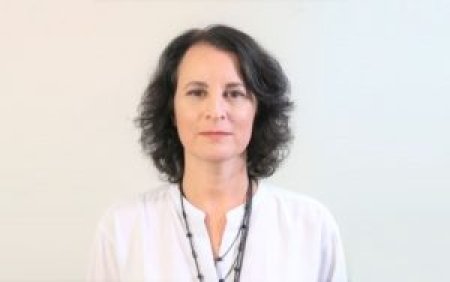
Einat Shacham Shmueli
الدكتورة عينات شاحام‑شموئيلي استشارية أورام طبية في عيادة الجهاز الهضمي، مركز السرطان، مركز شيبا الطبي. تعالج سرطانات القولون والمعدة والبنكرياس، وتدير حالات المرض النقيلي. تستخدم التشخيص الدقيق والواسمات الحيوية، والعلاجات الجهازية، والعلاج الإشعاعي. تُقدَّم الرعاية ضمن فريق متعدد التخصصات.
نشرت أكثر من 25 مقالة مُحكَّمة حول أورام الجهاز الهضمي وبيولوجيا الأورام والعلاجات الجديدة، ويشمل عملها دراسات عن وضع الدعامات لعلاج الانسداد الخبيث في القولون. تعمل باحثة في برامج دولية، منها المع

Aviva Fatal-valevsky
مدير وحدة أعصاب الأطفال في مركز سوراسكي الطبي - أحد أفضل المستشفيات في إسرائيل.
- متخصص في الاضطرابات العصبية الوراثية في الدماغ لدى الأطفال
- عضو الجمعية الأوروبية لأعصاب الأطفال
- خريج كلية ساكلر للطب بجامعة تل أبيب

Ron Greenberg
جراح بطن يتمتع بخبرة تزيد عن 35 سنة، يرأس الدكتور غرينبيرغ قسم جراحة القولون والمستقيم في مركز سوراسكي الطبي.
- أخصائي بارز في الأساليب الجراحية المفتوحة والطفيفة التوغل
- خبير في الإجراءات المتقدمة مثل جراحة ويبل
- يرأس قسماً متخصصاً في مركز سوراسكي الطبي
- يركز على التدخلات الجراحية الدقيقة في البطن

Gideon Goldman
نائب رئيس قسم الجراحة في مركز سوراسكي الطبي – يجلب الدكتور غولدمان 42 سنة من الخبرة الجراحية في حالات أورام الكبد الوعائية.
- رئيس قسم أمراض الشرج والمستقيم في مستشفى إيخيلوف
- عضو الجمعية الأوروبية لجراحي البطن
- تشمل عضويات الجمعيات الجمعية الأوروبية لجراحة القولون والمستقيم
مشاركة المحتوى
قصص فيديو من مرضى Bookimed
 Anna Leonova
أسئلة متكررة حول علاج ورم وعائي الكبد في إسرائيل
هل العلاج مطلوب دائمًا للورم الوعائي الكبدي؟
العلاج ليس مطلوبًا دائمًا للورم الوعائي الكبدي. غالبًا ما تظل هذه الأورام غير السرطانية مستقرة وبدون أعراض. يحتاج معظم المرضى فقط إلى مراقبة دورية عبر الموجات فوق الصوتية أو الأشعة المقطعية. يتم حجز التدخل الطبي للكتل العملاقة أو الحالات التي تسبب ألمًا مستمرًا في البطن وغثيانًا.
- المراقبة بدون أعراض: يوصي الأطباء بالانتظار اليقظ للأورام الوعائية الصغيرة والمستقرة التي يقل حجمها عن 4 سم.
- معايير الأعراض: يتم النظر في التدخل إذا تسبب النمو في ألم مستمر أو ضغط على الأعضاء.
- معايير الحجم: تحمل الكتل التي يزيد حجمها عن 10 سم خطرًا أكبر لحدوث مضاعفات أو تمزق.
- الخيارات الجراحية: تشمل الإجراءات المتخصصة الانصمام الشرياني، أو الاستئصال، أو استئصال الكبد الجزئي.
رؤية خبراء Bookimed: تعطي المراكز الطبية الإسرائيلية مثل هداسا وسوراسكي الأولوية للتشخيصات طفيفة التوغل لتجنب الجراحات غير الضرورية. تظهر البيانات أن هذه المرافق تجري أكثر من 35,000 جراحة سنويًا، ومع ذلك فهي تحافظ على عتبة عالية للتدخل في الأورام الوعائية. حتى بالنسبة للآفات التي يصل حجمها إلى 10 سم، غالبًا ما يفضل المتخصصون التصوير التسلسلي على الاستئصال الفوري. يتوافق هذا النهج المحافظ مع المعايير العالمية، مما يضمن استخدام الجراحة فقط عندما تؤثر الأعراض بشكل كبير على جودة الحياة.
إجماع المرضى: يشير المرضى إلى أن معظم الأورام الوعائية يتم اكتشافها بالصدفة ونادرًا ما تتغير على مدار عقد من الزمن. ويؤكدون على أهمية الحصول على رأي ثانٍ إذا تم اقتراح خزعة، حيث يمكن أن ي
ما هي خيارات العلاج الأولية للورم الوعائي الكبدي في إسرائيل؟
يعطي علاج الورم الوعائي الكبدي في إسرائيل الأولوية للمراقبة في الحالات التي لا تظهر عليها أعراض والتقنيات طفيفة التوغل للمرضى الذين يعانون من أعراض. تستخدم المراكز المتخصصة الاستئصال للحفاظ على الأنسجة أو الاستئصال بالمنظار لإزالة الورم. تشمل خيارات الأشعة التداخلية الانصمام الشرياني عبر القسطرة والاستئصال بالترددات الراديوية لتقليص الآفات بأمان.
- المراقبة السريرية: تضمن المراقبة المنتظمة باستخدام الموجات فوق الصوتية أو التصوير بالرنين المغناطيسي استقرار حجم الورم.
- الاستئصال: يقوم الجراحون بإزالة الأورام لزيادة الحفاظ على أنسجة الكبد السليمة إلى أقصى حد.
- الانصمام الشرياني: يقوم أطباء الأشعة التداخلية بسد إمدادات الدم لتقليص الأورام الوعائية الكبيرة التي تسبب أعراضاً.
- الاستئصال بالمنظار: يقوم المتخصصون بإزالة الآفات التي تسبب أعراضاً من خلال شقوق صغيرة لتعافي أسرع.
- علاج الرضع: تعد العلاجات الجهازية المتخصصة مثل بروبرانولول خط العلاج الأول لحالات الأطفال.
رؤية خبير Bookimed: تدير المراكز الإسرائيلية مثل مركز سوراسكي الطبي ومركز هداسا الطبي أعداداً هائلة من المرضى، تصل إلى 1,800,000 سنوياً. يسمح هذا التردد العالي لجراحي البطن مثل الدكتور رون جرينبيرج بالحفاظ على خبرة متخصصة في إجراءات الكبد المعقدة. يستفيد المرضى من نظام تدمج فيه الفرق متعددة التخصصات الذكاء الاصطناعي والتصوير الرقمي لاتخاذ القرار بين الجراحة والمراقبة.
إجماع المرضى: يشير المرضى إلى أن التصوير المنتظم كل 6 إلى 12 شهراً ضروري
ما هي المستشفيات والأخصائيون في إسرائيل ذوو الخبرة في علاج أورام الكبد الوعائية (hemangiomas)؟
تتخصص المستشفيات الإسرائيلية مثل مركز سوراسكي الطبي ومركز هداسا الطبي في إدارة أورام الكبد الوعائية. يركز الخبراء على المراقبة التحفظية للحالات التي لا تظهر عليها أعراض. يقوم جراحون متخصصون بإجراء استئصال بالمنظار أو الانصمام للآفات المصحوبة بأعراض. تتمتع المراكز باعتماد JCI وتستخدم تصويراً عالي الدقة لتشخيص دقيق.
- مرافق متخصصة: يعالج سوراسكي أكثر من 400,000 مريض سنوياً باستخدام تصوير متقدم للكبد والقنوات الصفراوية.
- خبرة جراحية: يتخصص جراحون مثل الدكتور رون غرينبيرغ في إجراءات البطن طفيفة التوغل.
- فرق متعددة التخصصات: توظف هداسا نهجاً تعاونياً يشمل أطباء الكبد وأطباء الأشعة التداخلية.
- دقة التشخيص: تستخدم المرافق التصوير الرقمي للتمييز بين الأورام الوعائية وكيسات الكبد المعقدة.
رؤية خبير Bookimed: تظهر البيانات أن هداسا وسوراسكي هما الخياران الأفضل بسبب حجم المرضى الهائل لديهما. يخدم هداسا 1,000,000 مريض سنوياً، بينما يجري سوراسكي 34,000 عملية جراحية. هذا الحجم الكبير يعني أن الجراحين يواجهون أوراماً وعائية عملاقة ومعقدة بشكل متكرر أكثر من أي مكان آخر. غالباً ما يتم تصنيف هذه المراكز ضمن الأفضل في العالم من قبل مجلة نيوزويك. وهذا يشير إلى مستوى أعلى من الكفاءة التقنية لإجراءات الكبد الدقيقة.
إجماع المرضى: غالباً ما يؤكد المرضى أن الأورام الوعائية الكبيرة لا تتطلب دائماً جراحة فورية. يعطي الكثيرون الأولوية للعثور على أخصائيين يتابعون الآفات من خلال التصوير غير الجراحي قبل التوصية بعلاج جراحي.
هل يمكن للأدوية علاج أو تقليص الورم الوعائي الكبدي لدى البالغين؟
لا يمكن للأدوية الفموية القياسية علاج أو تقليص الأورام الوعائية الكبدية لدى البالغين بشكل دائم. معظم الحالات حميدة وتتطلب فقط مراقبة روتينية. يستخدم المتخصصون الإسرائيليون عادةً تدخلات إجرائية مثل الانصمام الشرياني أو المعالجة بالتصليب إذا ظهرت أعراض. تستهدف هذه العلاجات إمدادات الدم مباشرة لتقليل حجم الآفة.
- بروتوكول التصوير: يتابع الأطباء الاستقرار عبر الموجات فوق الصوتية أو التصوير بالرنين المغناطيسي كل 6-12 شهرًا.
- الانصمام: يقوم الأطباء بحقن مواد في الشريان الكبدي لسد تدفق الدم.
- المعالجة بالتصليب: يستخدم المتخصصون مواد مصلبة سائلة لإتلاف بطانة الأوعية وتقليص الأورام.
- مخاطر الأدوية: الأدوية القائمة على الهرمونات مثل حبوب منع الحمل قد تزيد من حجم الورم الوعائي.
رؤية خبير Bookimed: في حين أن الأورام الوعائية الصغيرة شائعة، تدير المراكز الإسرائيلية مثل مركز سوراسكي الطبي أحجامًا كبيرة للغاية من الحالات المستقرة. مع أكثر من 1,800,000 مريض سنويًا و 34,000 عملية جراحية، تتخصص فرقهم الجراحية مثل فريق الدكتور رون غرينبيرغ في حالات البطن حيث تنتقل المراقبة إلى التدخل فقط عند الضرورة.
إجماع المرضى: يؤكد المرضى أن هذه الآفات التي «لا تتطلب إجراءً» غالبًا ما تظل مستقرة لسنوات دون أي دواء. يلاحظ الكثيرون أنه من المهم تتبع اتجاهات الحجم من خلال التصوير المتسلسل بدلاً من البحث عن علاجات دوائية.
ما هي المخاطر الرئيسية للإزالة الجراحية في المراكز الإسرائيلية؟
تعتبر الإزالة الجراحية لأورام الكبد الوعائية (hemangiomas) في إسرائيل آمنة بشكل عام. تشمل المخاطر الأولية النزيف أثناء العملية وإصابة القناة الصفراوية بالقرب من سرة الكبد. تحافظ المراكز الإسرائيلية مثل مركز سوراسكي الطبي على معدلات نجاح عالية. يركز الجراحون على التقنيات طفيفة التوغل لتقليل العدوى وأوقات التعافي.
- المضاعفات الوعائية: الأورام الوعائية غنية بالأوعية الدموية. يعتبر النزيف أثناء العملية مصدر قلق رئيسي أثناء الاستئصال.
- سلامة القناة الصفراوية: تنطوي الجراحة بالقرب من سرة الكبد على مخاطر إصابة القناة الصفراوية.
- مكافحة العدوى: تتراوح معدلات عدوى الجراحة العامة في إسرائيل من 6.3% إلى 12.4%.
- وظائف الكبد: قد تؤدي إزالة الأورام الوعائية الكبيرة إلى قصور مؤقت في وظائف الكبد بعد الاستئصال.
رؤية خبير Bookimed: تظهر بياناتنا أن المراكز الإسرائيلية الرائدة مثل سوراسكي وهداسا تدير أحجاماً هائلة من المرضى. يعالج سوراسكي وحده 1,800,000 مريض سنوياً. هذا التردد العالي يبني مهارة جراحية استثنائية. لقد لاحظنا أن المضاعفات أقل في هذه المؤسسات الأكاديمية. إنهم يستخدمون فرقاً متعددة التخصصات تضم أكثر من 2,200 طبيب لإدارة حالات الكبد المعقدة.
إجماع المرضى: غالباً ما يقلق المرضى بشأن ما إذا كانت الجراحة ضرورية حقاً للأورام الوعائية التي لا تظهر عليها أعراض. ويؤكدون على أهمية العثور على جراح بطن لديه خبرة محددة في استئصال الكبد لضمان السلامة.
لماذا تُعد إسرائيل واحدة من الوجهات الرائدة في جراحة الأعصاب؟
تُعدّ إسرائيل مركزًا رائدًا في جراحة الأعصاب بفضل مزيجها من التطورات الطبية عالية التقنية والخبرات الجراحية المتميزة. وتستخدم مرافق متطورة مثل مركز شيبا الطبي أنظمة ملاحة تعتمد على الذكاء الاصطناعي والتصوير بالرنين المغناطيسي أثناء الجراحة في الوقت الفعلي. وتشير المراكز المتخصصة إلى نسبة نجاح تصل إلى 98% في العمليات الجراحية المعقدة، بما في ذلك جراحة الدماغ مع اليقظة وعلاج اضطرابات الحركة.
- التكنولوجيا المتقدمة: تستخدم العيادات الموجات فوق الصوتية المركزة الموجهة بالرنين المغناطيسي (MRgFUS) والأنظمة الروبوتية لإجراء الشقوق.
- الخبرة الجراحية: يقود جراحون مثل الدكتور تسفي رام جمعيات دولية بخبرة تزيد عن 25 عامًا.
- الوصول السريع: يمكن للمرضى الدوليين عادةً تحديد مواعيد لإجراء عمليات جراحية معقدة في الدماغ أو العمود الفقري في غضون 2-4 أسابيع.
- الرعاية الطبية المعتمدة: المراكز الكبيرة مثل سوراسكي (إيشيلوف) وأسوتا معتمدة من قبل اللجنة الدولية المشتركة، مما يؤكد سلامتها.
رأي خبراء بوكيمد: تُظهر البيانات فرقًا واضحًا بين خيارات العلاج في القطاعين العام والخاص في إسرائيل. تُجري المراكز الخاصة، مثل مركز أسوتا الطبي، أكثر من 92,000 عملية جراحية سنويًا، وتتيح للمرضى اختيار جراح را
ما هي أنواع الأمراض العصبية التي يتم علاجها في إسرائيل؟
يعالج جراحو الأعصاب الإسرائيليون طيفاً واسعاً من الحالات، بدءاً من أورام الدماغ والحبل الشوكي وصولاً إلى الاضطرابات الوظيفية المعقدة. وتستخدم المراكز المتخصصة أحدث التقنيات، مثل جهاز جاما نايف، والتحفيز العميق للدماغ، والتصوير بالرنين المغناطيسي أثناء الجراحة، لتشخيص دقيق للغاية لحالات الصرع، ومرض باركنسون، وأمراض الأوعية الدموية الدماغية.
- الأمراض السرطانية: علاج الأورام الدبقية والأورام السحائية وأورام الغدة النخامية باستخدام استئصال قاعدة الجمجمة.
- الاضطرابات الوظيفية: علاج مرض باركنسون والرعاش الأساسي باستخدام التحفيز العميق للدماغ.
- أمراض العمود الفقري: تصحيح الجنف، وانزلاق الغضروف، وأورام العمود الفقري باستخدام الأنظمة الروبوتية.
- علاج أمراض الأوعية الدموية الدماغية: العلاج الجراحي لتمدد الأوعية الدموية الدماغية والتشوهات الشريانية الوريدية باستخدام التدخلات داخل الأوعية الدموية.
- جراحة الأعصاب للأطفال: رعاية متخصصة لاستسقاء الرأس والتشوهات الخلقية في مراكز طب الأطفال المتخصصة.
رأي خبراء بوكيمد: غالبًا ما تجمع المستشفيات الإسرائيلية بين تخصصات طبية متعددة لمعالجة الحالات المعقدة. ففي مركز سوراسكي ا
ما هي المستشفيات في إسرائيل التي تشتهر بأقسام جراحة الأعصاب فيها؟
تضم إسرائيل مراكز جراحة أعصاب عالمية المستوى، مثل مركز سوراسكي الطبي، ومركز شيبا الطبي، ومركز هداسا الطبي. وتُعدّ هذه المؤسسات رائدة عالميًا في علاج أورام الدماغ المعقدة، وأمراض العمود الفقري، واضطرابات الحركة. وتستخدم أحدث التقنيات، مثل جهاز جاما نايف، والأنظمة الروبوتية، والتصوير بالرنين المغناطيسي أثناء الجراحة.
- سوراسكي (إيخيلوف): يجري أكثر من 2500 عملية جراحية عصبية سنوياً في تل أبيب بنسبة نجاح تبلغ 98%.
- مركز شيبا الطبي: مصنف ضمن أفضل عشرة مستشفيات في العالم، حيث يعالج 1.9 مليون مريض سنوياً.
- مركز هداسا الطبي: مرشح لجائزة نوبل للسلام. رائد في جراحة الأعصاب للأطفال والعلاج الجيني.
- مركز أسوتا الطبي: أكبر منشأة طبية خاصة في إسرائيل. متخصص في جراحات العمود الفقري والدماغ طفيفة التوغل.
- مستشفى شنايدر للأطفال: مركز رائد في جراحة الأعصاب للأطفال، يعالج 275000 طفل سنوياً.
رأي خبراء بوكيمد: تُظهر بياناتنا أنه بينما يلجأ معظم المرضى للعلاج في تل أبيب، يُقدّم مركز رامبام الطبي في حيفا رعايةً فريدةً لإصابات الدماغ. فهو يضم وحدةً متخصصةً للعناية المركزة العصبية تُعالج ما يقارب مليون مريض سنويًا. وهذا ما يجعله
من هم أبرز جراحي الأعصاب في إسرائيل؟
من بين أبرز جراحي الأعصاب الإسرائيليين البروفيسور تسفي رام، والبروفيسور شلومي كونستانتيني، والبروفيسور إسحاق فريد من مركز سوراسكي الطبي. ويشغل هؤلاء المتخصصون مناصب قيادية في الجمعية الأوروبية لجمعيات جراحة الأعصاب (EANS) والجمعية العالمية لجراحة الأعصاب التجسيمية والوظيفية (WSSFN). ويستخدمون تقنيات رسم الخرائط المتقدمة أثناء الجراحة وأنظمة الروبوتات.
- البروفيسور تسفي رام: خبير في جراحة أورام الدماغ طفيفة التوغل والعلاج الجيني للسرطان.
- الأستاذ شلومي كونستانتيني: متخصص في إجراءات التنظير العصبي المعقدة للأطفال والجراحة المجهرية لأورام الدماغ.
- الأستاذ إسحاق فريد: خبير في جراحة الصرع، ورسم خرائط الدماغ الوظيفية، وتحفيز الدماغ العميق.
- الدكتور إيلي أشكينازي: جراح عظام رائد في مستشفى أسوتا، متخصص في نظام TOPS المبتكر.
رأي خبراء بوكيمد: تشير بيانات مركز سوراسكي وشيبا إلى وجود علاقة وثيقة بين ارتفاع عدد العمليات الجراحية وسلامة المرضى. فعلى سبيل المثال، يُجري مركز سوراسكي أكثر من 34,000 عملية جراحية لعلاج الأورام سنويًا بنسبة نجاح تصل إلى 90%. لذا، ينبغي على المرضى الذين يحتاجون إلى استئصال أورام معقدة إعطاء الأولوية لمراكز كهذه، حيث يُجري الجراحون مئات العمليات الجراحية ا
ما هي متطلبات المرضى الدوليين القادمين الذين يسعون للحصول على رعاية جراحية عصبية؟
يجب على المرضى الأجانب الذين يحتاجون إلى علاج جراحي للأعصاب في إسرائيل تقديم وثائق طبية كاملة، بما في ذلك نتائج التصوير بالرنين المغناطيسي أو التصوير المقطعي المحوسب الحديثة، مترجمة إلى اللغة الإنجليزية. يتطلب دخول المستشفى فحصًا سريريًا من قبل أخصائيين للتأكد من ملاءمة المريض للعلاج. غالبًا ما تطلب المستشفيات دفعًا مسبقًا كاملًا أو دفعة مقدمة كبيرة قبل تأكيد مواعيد الجراحة أو إصدار وثائق التأشيرة.
- السجلات الطبية: تقديم تقارير مفصلة ونتائج التصوير مترجمة إلى اللغة الإنجليزية في غضون 48 ساعة للمراجعة السريرية.
- إثبات القدرة المالية: يرجى تقديم إثبات توفر الأموال بمبلغ تقريبي يتراوح بين _price_from_ و _price_to_ لتغطية تكاليف العلاج.
- دعم التأشيرة: تقوم عيادات مثل مركز سوراسكي الطبي (إيخيلوف) بإصدار خطابات رسمية للحصول على تأشيرة طبية من نوع B-2.
- مرحلة الاستشارة: غالبًا ما يتم إجراء التقييم الأولي عبر استشارة عبر الإنترنت مع جراحين مثل الدكتور شتراوس إيدو.
رأي خبراء بوكيمد: تُظهر البيانات أن المؤسسات الطبية الإسرائيلية الرائدة، مثل مركز شيبا الطبي ومركز هداسا الطبي، تستقبل عددًا هائلًا من المرضى، يتجاوز مليون مريض سنويًا. هذا الطلب المرتفع يعني أن العيادات تُعطي الأول