طب الأورام وأمراض الدم في إسرائيل — التكاليف 2026


تمت مراجعة المقالة طبيا من قبل
فهد مولود
ما هي تكلفة طب الأورام وأمراض الدم في إسرائيل؟ اكتشف الآن
تتراوح تكلفة علاج أمراض الدم والأورام في إسرائيل عادةً ما بين $38,700 و $164,800. تختلف الأسعار بناءً على التشخيص المحدد، ومدى تعقيد بروتوكول العلاج، وما إذا كانت المنشأة عامة أم خاصة. وغالباً ما يجد المرضى الدوليون وفورات تتراوح بين 30-80% مقارنة بالولايات المتحدة في الإجراءات المتقدمة.
تكاليف علاج أمراض الدم والأورام النموذجية في إسرائيل
- استشارة عبر الإنترنت مع طبيب أورام: السعر عند الطلب
- الأشعة المقطعية (CT): السعر عند الطلب
- تصوير بالرنين المغناطيسي لمنطقة واحدة: $1,000 – $1,800
- زراعة نخاع العظم: من $204,500
- العلاج الكيميائي: من $1,200
- علاج الخلايا التائية CAR T-cell: من $70,000
- زراعة نخاع العظم الخيفي من متبرع غير قريب: من $155,000
تقود المراكز الطبية الكبرى الموجودة في تل أبيب، ورامات غان، والقدس هذا المجال في رعاية الأورام المتخصصة. وفي حين أن تكاليف العلاج متسقة بشكل عام عبر هذه المراكز، إلا أن المراكز الخاصة في تل أبيب قد تختلف في هيكل التسعير. استشر أخصائياً للحصول على تسعير دقيق لاحتياجاتك الطبية المحددة.
جميع أمراض طب الأورام وأمراض الدم
مزاياك وضماناتك مع Bookimed
أسعار مباشرة
Bookimed لا يضيف رسوماً إضافية على أسعار علاج طب الأورام وأمراض الدم. الأسعار مأخوذة من قوائم الأسعار الرسمية للعيادات. تدفع مباشرة في العيادة مقابل علاجك عند وصولك إلى البلد.
عيادات وأطباء معتمدون فقط
Bookimed ملتزم بسلامتك. نحن نعمل فقط مع المؤسسات الطبية التي تحافظ على معايير دولية عالية في علاج طب الأورام وأمراض الدم ولديها التراخيص اللازمة لخدمة المرضى الدوليين في جميع أنحاء العالم.
مساعدة مجانية على مدار الساعة
Bookimed يقدم مساعدة خبراء مجانية. منسق طبي شخصي يدعمك قبل وأثناء وبعد العلاج، ويحل أي مشاكل. لن تكون وحيداً أبداً في رحلة علاج طب الأورام وأمراض الدم.

منسقك الطبي الشخصي في Bookimed
- يدعمك في كل مرحلة
- المساعدة في اختيار العيادة الطبية المناسبة والطبيب المناسب
- يضمن الوصول السريع والمريح إلى المعلومات
اكتشف أفضل عيادات طب الأورام وأمراض الدم: 12 خيارات معتمدة والأسعار










Soroka Medical Center


Herzliya Medical Center

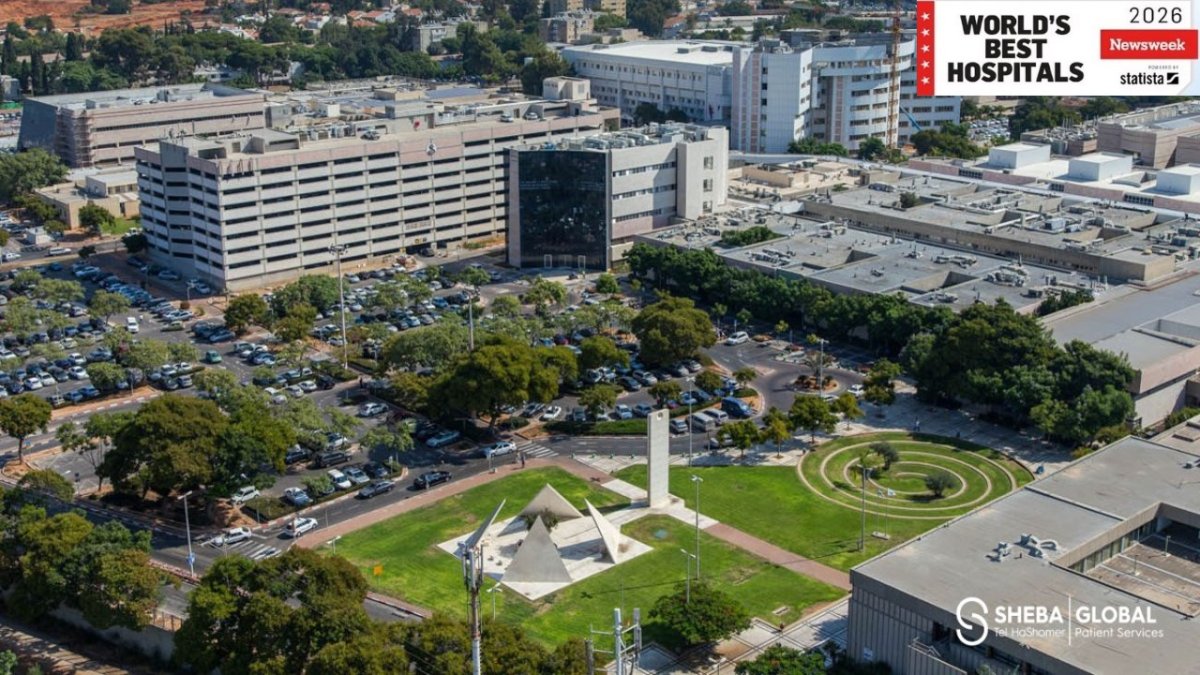
Sheba Tel HaShomer
أفضل مراكز طب الأورام وأمراض الدم في إسرائيل
- Sourasky Medical Center (Ichilov), إسرائيل
- مركز شيبا الطبي, إسرائيل
- Assuta Medical Center, إسرائيل
- Hadassah Medical Center, إسرائيل
- Rambam Medical Center, إسرائيل
- Schneider Center for Children Medicine, إسرائيل
- Soroka Medical Center, إسرائيل
- Rabin Medical Center, إسرائيل
- Herzliya Medical Center , إسرائيل
- Sheba Tel HaShomer, إسرائيل
احصل على تقييم طبي لـ طب الأورام وأمراض الدم في إسرائيل. استشر الآن 29 أطباء ذوي الخبرة.
عرض جميع الأطباء
Ram Ron
رئيس قسم أمراض الدم في مركز سوراسكي الطبي - المستشفى الرائد في إسرائيل لعلاج سرطان الدم.
- أكثر من 25 عاماً من التخصص في أمراض الدم والأورام
- حاصل على زمالة من مركز رونالد أو بيرلمان وكلوديا كوهين
- خبير في زراعة نخاع العظم والعلاجات الخلوية المتقدمة
- نشر أكثر من 90 مقالاً بحثياً في مجلات طبية رائدة

Ron Ram
إجراء عدة مئات من عمليات زراعة الخلايا الجذعية - يتخصص الدكتور رام في الحالات الدموية المعقدة في مركز سوراسكي الطبي.
- حاصل على ثلاث شهادات بورد في أمراض الدم، والأورام الطبية، والطب الباطني
- أكمل زمالة تدريبية في كلية الطب بنيويورك
- نشر أكثر من 30 مقالاً علمياً وفصلاً في كتاب مدرسي
- يركز على تقنيات الزراعة الخيفية والتطابق النصفي

Ronit El Hasid
أكثر من 300 عملية لزراعة نخاع العظم ودم الحبل السري للأطفال - يقود الدكتور الحصيد قسم أمراض الدم والأورام للأطفال في مستشفى دانا دويك للأطفال.
- متخصص حصرياً في إجراءات زراعة الأعضاء للأطفال
- نشر أكثر من 50 ورقة بحثية في موضوعات أمراض الدم
- تلقى تدريبه في مستشفى سيتي أوف هوب في لوس أنجلوس
- عضو في الجمعية الأمريكية لأمراض الدم

Amos Toren
البروفيسور آموس تورين، MD، PhD، MHA، اختصاصي أمراض دم وأورام الأطفال وخبير زرع نخاع العظم. شغل منصب مدير أمراض دم وأورام الأطفال وزرع نخاع العظم في مركز شيبا الطبي.
حاصل على البورد في طب الأطفال، وأمراض دم وأورام الأطفال، وزرع نخاع العظم. يحمل دكتوراه في علم الوراثة البشرية. ترأس شعبة أمراض الدم في جامعة تل أبيب لولايتين. وهو عضو في ASH وCOG وESPHI وEBMT وCIBMTR، ويعمل أيضاً في لجنة دم الحبل السري بوزارة الصحة.
قاد أحد أكثر برامج أورام الأطفال وزرع نخاع العظم تقدماً في إسرائيل.
المراجعات
جميع المراجعاتمواد ذات صلة

كم تكلفة علاج اللوكيميا؟
كتب بواسطة Veronika Kazina

كم تكلفة زراعة نخاع العظام؟
كتب بواسطة Veronika Kazina

الرسالة لمن أنقذ حياتي
كتب بواسطة Veronika Kazina

تكلفة زراعة نخاع العظم عند الأطفال
كتب بواسطة Veronika Kazina

كم تكلفة علاج سرطان الغدد الليمفاوية؟
كتب بواسطة Halina Shubala
مشاركة المحتوى
قصص فيديو من مرضى Bookimed
 Anna Leonova
أسئلة متكررة حول طب الأورام وأمراض الدم في إسرائيل
لماذا يجب أن أختار إسرائيل لتلقي رعاية أمراض الدم والأورام؟
تعد إسرائيل رائدة عالمياً في مجال أمراض الدم والأورام لعلاج سرطانات الدم. وتُبلغ المراكز الرائدة مثل مركز سوراسكي الطبي عن معدل نجاح يصل إلى 90% في علاج الأورام. يحصل المرضى على علاجات متقدمة مثل العلاج بالخلايا التائية (CAR T-cell) وزراعة نخاع العظم بشكل أسرع من العديد من البلدان الأخرى. كما تحمل المرافق اعتماد اللجنة الدولية المشتركة (JCI) المرموق.
- ابتكار العلاج: توفر العيادات وصولاً مبكراً للعلاج بالخلايا التائية وبروتوكولات الطب الدقيق.
- معدلات النجاح: يُبلغ مركز سوراسكي الطبي عن معدل نجاح متوسط قدره 90% لحالات الأورام.
- أخصائيون خبراء: أجرى أطباء مثل الدكتورة بولينا ستيبينسكي أكثر من 3500 عملية زراعة نخاع عظم.
- التشخيص السريع: غالباً ما تكمل المراكز بروتوكولات التشخيص المعقدة وتحديد المراحل في غضون أسبوع إلى أسبوعين.
رؤية خبير Bookimed: تُظهر بياناتنا أن كبرى المستشفيات الإسرائيلية مثل «شيبا» و«سوراسكي» تعمل على نطاق واسع جداً. يستقبل مستشفى «شيبا» أكثر من 1,500,000 مريض سنوياً عبر 1,990 تخصصاً. هذا الحجم الكبير يسمح للأطباء باكتساب خبرة عميقة في سرطانات الدم النادرة. نلاحظ أن المرضى غالباً ما يختارون هذه المراكز خصيصاً للحالات المعقدة التي قد ترفضها أنظمة أخرى.
إجماع المرضى: يشير المرضى إلى أن الاستشارات الأولية تتم بشكل أسرع بكثير في إسرائيل مقارنة بأوروبا أو أمريكا الشمالية. ويؤكدون على أهمية طلب فواتير مفصلة والتخطيط لرحلات متعددة لتقييمات العلاج.
ما هي علاجات سرطان الدم المتقدمة التي يتم تقديمها بشكل روتيني؟
تشمل علاجات سرطان الدم المتقدمة في إسرائيل علاج الخلايا التائية (CAR T-cell)، والعلاجات الجزيئية الموجهة، وزراعة الخلايا الجذعية المكونة للدم. تعالج هذه الخيارات الأورام اللمفاوية العدوانية، والورم النخاعي المتعدد، وسرطانات الدم. تقدم المراكز الرائدة الطب الدقيق وزراعة الخلايا المتطابقة فردياً (haploidentical). تتوفر رعاية متخصصة للمرضى البالغين والأطفال على حد سواء.
- علاج الخلايا التائية (CAR T-cell): تعديل جيني للخلايا التائية لاستهداف السرطان. تتراوح تكلفته من $70,000.
- زراعة الخلايا الجذعية: تشمل الأنواع الخيفية والذاتية. تتراوح تكلفة هذه الإجراءات من $204,500.
- العلاجات الموجهة: تستخدم مثبطات BTK و FLT3. تركز هذه على طفرات جينية محددة في الخلايا السرطانية.
- التشخيص المتقدم: يستخدم التصوير بالرنين المغناطيسي، والأشعة المقطعية، والخزعات. تتراوح تكلفة استشارات المتخصصين من السعر عند الطلب إلى السعر عند الطلب.
رؤية خبير Bookimed: تظهر مراكز أمراض الدم الإسرائيلية نمطاً فريداً من التخصص عالي الكثافة. أجرت الدكتورة بولينا ستيبينسكي في مركز هداسا الطبي أكثر من 3500 عملية زراعة نخاع عظمي. يتمتع مركز شيبا الطبي بأكثر من 35 عاماً من الخبرة في هذا المجال. تسمح هذه الخبرة العميقة لهذه العيادات بإدارة أمراض الدم النادرة التي قد لا تتعامل معها المرافق الأخرى بشكل روتيني.
إجماع المرضى: يشير المرضى إلى أن الأطباء الإسرائيليين يعطون الأولوية للعلاج العد
كيف يقرر أطباء الأورام الإسرائيليون نظام العلاج المناسب؟
يحدد أطباء الأورام الإسرائيليون أنظمة العلاج من خلال مجالس الأورام متعددة التخصصات والتحليل الجيني المتقدم. يقوم المتخصصون في المراكز المعتمدة من قبل JCI مثل مركز سوراسكي الطبي (إيخيلوف) ومركز هداسا الطبي بمواءمة البروتوكولات مع المعايير الدولية. تدمج القرارات التشخيص الجزيئي، وعمر المريض، والأهلية للتجارب السريرية لتخصيص خطط الرعاية.
- المراجعة متعددة التخصصات: تقوم فرق من أطباء الدم والجراحين وأطباء الأشعة بالتصويت أسبوعياً على الحالات المعقدة.
- التحليل الجيني: غالباً ما يقدم تسلسل الجيل التالي النتائج في غضون أسبوعين لتوجيه العلاج الموجه.
- الدقة السريرية: رواد مثل الدكتور أرنون ناجلر يبتكرون بروتوكولات مثل زراعة الخلايا الجذعية الخيفية ذات الكثافة المنخفضة.
- مواءمة البروتوكول: يتبع العلاج المبادئ التوجيهية القائمة على الأدلة من ASCO ووزارة الصحة الإسرائيلية.
رؤية خبير Bookimed: تتميز الأورام في إسرائيل بأن كبار المتخصصين غالباً ما يشغلون أدواراً مزدوجة كباحثين وأطباء سريريين. في مركز هداسا الطبي، أجرت الدكتورة بولينا ستيبينسكي أكثر من 3500 عملية زراعة، مطبقة ابتكارات المختبر مباشرة على رعاية المرضى. يسمح هذا التقاطع للمرضى بالوصول إلى العلاجات التجريبية، مثل CAR-T، بشكل أسرع بكثير مما هو عليه في العديد من الأنظمة الأوروبية.
إجماع المرضى: يؤكد المرضى أن الاختبار الجيني يتم تسريعه وهو ضروري لاختيار الأدوية المناسبة. يشير الكثيرون إلى أن إحضار العائلة إلى الاستشارات أمر متوقع ثقافياً ويساعد في اتخاذ قرارات علاجية مشتر
هل أنا مؤهل للمشاركة في التجارب السريرية الجارية في إسرائيل؟
تعتمد الأهلية للمشاركة في التجارب السريرية في إسرائيل على معايير إدراج محددة مثل العمر، ومرحلة المرض، والعلامات الجينية. غالبًا ما يكون المرضى مؤهلين لتجارب أمراض الدم والأورام في المراكز المعتمدة من قبل JCI. تستخدم هذه المرافق بروتوكولات متقدمة لعلاج سرطان الدم (اللوكيميا)، والليمفوما، والورم النخاعي المتعدد، بما في ذلك العلاج بالخلايا التائية CAR T.
- الحالة الطبية: غالبًا ما تتطلب البروتوكولات حالة أداء ECOG تبلغ 0 أو 1.
- متطلبات العمر: تحدد العديد من تجارب الأورام حدًا أقصى للعمر يبلغ 70 عامًا.
- التنميط الجيني: غالبًا ما يفتح إعادة الاختبار الجيني في الموقع الباب للأهلية لتجارب الطفرات النادرة.
- الموافقة التنظيمية: تتطلب جميع التجارب موافقة لجنة هلسنكي المؤسسية ووزارة الصحة.
- الوصول الرحيم: قد يحصل المرضى الذين لا يستوفون معايير التجربة على أدوية تجريبية من خلال الوصول الموسع.
رؤية خبير Bookimed: تظهر البيانات من مستشفيي هداسا وسوراسكي (إيخيلوف) أن المرضى الذين يعانون من طفرات نادرة غالبًا ما يحصلون على فرص للاستخدام الرحيم حتى لو كانت التجارب القياسية ممتلئة. قاد متخصصون مثل الدكتور إيليا كيرشنر تجارب المرحلة الثالثة، وغالبًا ما يوفر اختيار عيادة ذات أحجام جراحية عالية، مثل سوراسكي التي تستقبل أكثر من 1,800,000 زيارة مريض سنويًا، وصولًا أفضل إلى البروتوكولات الناشئة.
إجماع المرضى: يشير المرضى إلى أن الاتصال بالباحثين الرئيسيين مباشرة مع تقارير علم الأمراض الكاملة يسرع العملية. يقترح الكثي
ما مدى سرعة بدء العلاج بعد وصولي؟
يبدأ علاج أمراض الدم والأورام في إسرائيل في غضون يوم واحد إلى 7 أيام للحالات العاجلة. وعادة ما تبدأ الإجراءات الروتينية في غضون 7 إلى 10 أيام من الوصول. تستخدم المراكز المعتمدة من قبل اللجنة الدولية المشتركة (JCI) مثل مركز سوراسكي الطبي (إيخيلوف) برامج المسار السريع لتسريع التشخيص للمرضى الدوليين.
- الحالات العاجلة: غالبًا ما يبدأ علاج الحالات الحادة في غضون يوم واحد إلى 3 أيام.
- الاستشارة الأولية: عادة ما يلتقي المرضى بأطباء الأورام في غضون 24 إلى 48 ساعة بعد الوصول.
- فترة التشخيص: عادة ما يتم الانتهاء من الخزعات ومسح PET-CT في غضون 3 إلى 5 أيام.
- زراعة نخاع العظم: يمكن الموافقة على الإجراءات في غضون 72 ساعة إذا تم تحديد المتبرعين مسبقًا.
رؤية خبير Bookimed: تتعامل المراكز ذات الحجم الكبير مثل مركز شيبا الطبي مع أكثر من 1.5 مليون مريض سنويًا. تسمح بنيتها التحتية الضخمة لها بتشغيل بنوك دم الحبل السري الداخلية والمختبرات المتخصصة. غالبًا ما يؤدي هذا الاستقلال عن الموردين الخارجيين إلى تقليل وقت الانتظار للعلاجات الخلوية المعقدة بعدة أيام مقارنة بالمرافق الأصغر.
إجماع المرضى: يشير المرضى إلى أن الوصول بسجلات طبية مترجمة مسبقًا يسرع العملية بشكل كبير. ويؤكدون أنه على الرغم من أن النظام الطبي يتحرك بسرعة، فإن الجدولة حول يوم السبت أو العطلات المحلية ضرورية لتجنب تأخيرات طفيفة لمدة يوم واحد.
ما هي الآثار الجانبية التي يجب أن أتوقعها، وكيف يتم التعامل معها؟
يعاني المرضى في إسرائيل عادةً من التعب والغثيان وانخفاض تعداد الدم أثناء علاجات أمراض الدم والأورام. تدير المراكز المتخصصة هذه الحالات من خلال بروتوكولات دوائية استباقية ودعم تمريضي متخصص. معظم الآثار الجانبية مؤقتة وتستجيب جيداً للتدخلات السريرية مثل حقن عوامل النمو أو مضادات القيء الموجهة.
- إدارة التعب: تساعد الحقن اليومية وجداول الراحة الصارمة في إدارة الإرهاق بعد العلاج الكيميائي.
- السيطرة على الغثيان: تمنع مجموعات الأدوية الوقائية مثل Zofran أو Kytril الأعراض الشديدة بفعالية.
- الوقاية من العدوى: تعالج المضادات الحيوية الوقائية وبروتوكولات الطوارئ السريعة الحمى الناتجة عن انخفاض خلايا الدم البيضاء.
- تخفيف الاعتلال العصبي: التدخل المبكر بالأدوية المتخصصة أو الوخز بالإبر يخفف من وخز الأعصاب الناتج عن العلاجات الموجهة.
رؤية خبير Bookimed: توفر مراكز أمراض الدم الإسرائيلية مثل مركز سوراسكي الطبي (إيخيلوف) وهداسا كفاءة فريدة من خلال الرعاية الداعمة في المنزل. تظهر البيانات أن العيادات تنسق غالباً زيارات الممرضات للحقن في المنزل وتوصيل الأدوية. يقلل هذا النهج من فترات الإقامة في المستشفى ويقلل من خطر الإصابة بالعدوى الثانوية للمرضى الذين يعانون من ضعف المناعة.
إجماع المرضى: يشير المرضى إلى أنه على الرغم من أن التعب شديد، إلا أن الخطوط الساخنة للعيادات التي تعمل على مدار الساعة طوال أيام الأسبوع والوصول المباشر لعمليات نقل الدم توفر راحة بال كبيرة. استخدام تطبيقات الترجمة العبرية للمناقشات في الصيدلية والحفاظ على رطوبة
كيف تتم إدارة عمليات زرع الخلايا الجذعية المكونة للدم وعلاجات CAR-T للمرضى الدوليين في إسرائيل؟
تدير إسرائيل عمليات زرع الخلايا الجذعية المكونة للدم وعلاجات CAR-T الدولية من خلال أقسام متخصصة في مراكز معتمدة من قبل اللجنة الدولية المشتركة (JCI). تقوم هذه المرافق بتنسيق التشخيص، وجمع الخلايا، والمراقبة المكثفة. توفر مراكز مثل مركز شيبا الطبي ومركز سوراسكي الطبي لوجستيات متكاملة بما في ذلك رعاية تأشيرات العلاج الطبي وموظفين يتحدثون الإنجليزية.
- الجدول الزمني للعلاج: تستغرق المراحل النشطة عادةً من 4 إلى 6 أسابيع للمرضى الدوليين.
- التنسيق السريري: توفر مستشفيات مثل مركز هداسا الطبي أقسامًا مخصصة للعلاجات الخلوية المعقدة.
- الخبرة المتخصصة: أجرى الدكتور رون رام في سوراسكي عدة مئات من عمليات زرع الخلايا الجذعية.
- رعاية الأطفال: أكملت الدكتورة بولينا ستيبينسكي في هداسا أكثر من 3500 عملية زرع نخاع عظمي.
رؤية خبراء Bookimed: بينما يعتقد الكثيرون أن اختيار المستشفى يعتمد فقط على الجراح، تظهر بياناتنا أنه بالنسبة للعلاجات الخلوية، فإن المختبر حيوي بنفس القدر. تستخدم عيادات مثل مركز شيبا الطبي ومركز سوراسكي الطبي مختبرات تصنيع في الموقع. يمكن لهذه القدرة تقليل وقت إنتاج CAR-T إلى 10-11 يومًا فقط. بالنسبة للمرضى الدوليين، تقلل هذه النافذة الزمنية الأقصر بشكل كبير من التكلفة الإجمالية لإقامتهم في إسرائيل.
إجماع المرضى: يشير المرضى إلى أنه من المهم بدء عملية التنسيق قبل شهرين إلى ثلاثة أشهر لتأمين رعاية التأشيرة. غالبًا ما يقترحون تخصيص ميزانية لإقامة تتراوح من شهر إلى ثلاثة أشهر بسبب قواعد العزل ومتطلبات المتابعة.
ما هي المستشفيات الأكثر خبرة في طب الأورام الدموية؟
تشمل المستشفيات الرائدة في إسرائيل في مجال طب الأورام الدموية مركز شيبا الطبي، ومركز هداسا الطبي، ومركز سوراسكي الطبي. تحمل هذه المؤسسات اعتماد JCI وتصنيفات مجلة نيوزويك. وهي متخصصة في عمليات زرع نخاع العظم ذات الحجم الكبير، وعلاج الخلايا التائية CAR-T، وعلاجات سرطان الدم المعقدة للمرضى الدوليين.
- مركز شيبا الطبي: صُنف ضمن أفضل 10 مستشفيات في العالم من قبل مجلة نيوزويك.
- مركز هداسا الطبي: يضم قسماً لزراعة نخاع العظم على مستوى عالمي في القدس.
- مركز سوراسكي الطبي: يبلغ عن معدل نجاح متوسط قدره 90% لعلاجات الأورام.
- خبرة متقدمة: أجرت الدكتورة بولينا ستيبينسكي في هداسا أكثر من 3500 عملية زرع نخاع عظم.
رؤية خبير Bookimed: تظهر البيانات وجود ارتباط قوي بين أعداد المرضى الكبيرة والنجاح المتخصص في مركز شيبا الطبي. حيث يعالج أكثر من 1,500,000 مريض سنوياً. يسمح هذا النطاق الهائل لأخصائييهم، مثل الدكتور أرنون ناجلر، بتحسين الإجراءات النادرة مثل عمليات زرع دم الحبل السري. غالباً ما يضمن اختيار منشأة تضم أكثر من 100 قسم متخصص انتقالات أكثر سلاسة بين التشخيص والعلاج المكثف.
إجماع المرضى: يشير المرضى إلى أن المراكز الرئيسية في القدس وتل أبيب هي المفضلة لاضطرابات الدم المعقدة. ويؤكدون أن بدء عملية الرأي الثاني في وقت مبكر أمر حيوي لتنسيق الرعاية المتخصصة في هذه المؤسسات الكبرى.
ما هي معايير السلامة والاعتمادات التي تنطبق على مراكز أمراض الدم والأورام الإسرائيلية؟
تتبع مراكز أمراض الدم والأورام الإسرائيلية تراخيص وزارة الصحة الإلزامية ومعايير السلامة الدولية. تحمل المرافق الرائدة مثل مركز شيبا الطبي ومركز سوراسكي الطبي (إيخيلوف) اعتماد اللجنة الدولية المشتركة (JCI). تضمن هذه المعايير بروتوكولات سريرية صارمة ومستويات عالية من سلامة المرضى.
- اعتماد JCI: يعني الامتثال لأكثر من 300 معيار عالمي للسلامة والجودة للرعاية السريرية.
- شهادة JACIE: اعتماد متخصص للأنشطة السريرية والمخبرية لزراعة نخاع العظم في مستشفى هداسا.
- إشراف وزارة الصحة: يتطلب الترخيص الوطني اختبارات حكومية متقدمة لممرضي الأورام والطاقم الطبي.
- معايير ISO: غالبًا ما تحمل المختبرات شهادة ISO 15189 للكفاءة التقنية وخصوصية البيانات.
رؤية خبير Bookimed: تُظهر المراكز الإسرائيلية نمطًا فريدًا من الخبرة التخصصية ذات الحجم الكبير. يخدم مركز شيبا الطبي 1,900,000 مريض سنويًا ويجري أكثر من 45,000 عملية جراحية. يسمح هذا الحجم الهائل للأقسام بتحسين البروتوكولات المعقدة مثل علاج الخلايا التائية CAR-T. عادةً ما تحافظ العيادات التي لديها مثل هذا العدد الكبير من المرضى على أكثر معايير مكافحة العدوى صرامة.
إجماع المرضى: يشير المرضى إلى أن بروتوكولات الأورام الإسرائيلية تتوافق بدقة مع المبادئ التوجيهية الدولية مثل NCCN. ويؤكد البعض أن أفضل المرافق تحافظ على معايير رعاية عالمية المستوى حتى أثناء النزاعات الإقليمية باستخدام الملاجئ الموجودة في الموقع.
من يعتبر مرشحاً مناسباً لزراعة ذاتية أو خيفية في إسرائيل؟
يشمل المرشحون المناسبون لزراعة نخاع العظم في إسرائيل المرضى الذين يعانون من سرطان الدم عالي الخطورة، أو الورم النخاعي المتعدد، أو سرطان الغدد الليمفاوية المتكرر. يقوم الأطباء بتقييم الأهلية بناءً على نوع المرض، ووظائف الأعضاء، وتوفر المتبرعين. تتبع المراكز الإسرائيلية مثل مركز سوراسكي الطبي (إيخيلوف) ومركز شيبا الطبي معايير سريرية دولية صارمة للاختيار.
- معايير الزراعة الذاتية: تُستخدم للورم النخاعي المتعدد وسرطان الغدد الليمفاوية هودجكين أو غير هودجكين المتكرر.
- معايير الزراعة الخيفية: أساسية لسرطان الدم النخاعي الحاد (AML) وسرطان الدم الليمفاوي الحاد (ALL).
- اللياقة البدنية: يتطلب المرشحون عادةً درجة أداء ECOG من 0 إلى 2.
- صحة الأعضاء: يجب أن يظهر المرضى وظائف قلب وكبد وكلى كافية قبل الإجراء.
- مرونة العمر: تسمح بروتوكولات الكثافة المنخفضة الآن للمرضى المؤهلين الذين تزيد أعمارهم عن 65 عاماً بتلقي عمليات الزراعة.
رؤية خبير Bookimed: توفر مراكز الأورام الإسرائيلية مثل مركز هداسا الطبي ومركز شيبا الطبي ميزة فريدة من خلال دمج سجلات المتبرعين المحلية مع البرنامج الوطني العالمي لنخاع العظم. تزيد هذه الاتصالية بشكل كبير من فرصة العثور على متبرع مطابق للمرضى الدوليين. علاوة على ذلك، غالباً ما تحتفظ العيادات ذات حجم المرضى المرتفع، مثل هداسا بمليون زيارة سنوية، بوحدات طب أطفال متخصصة لاضطرابات الدم النادرة.
إجماع المرضى: يؤكد المرضى على أهمية إكمال فحص طبي كامل، بما في ذلك اختبارات القلب والرئة، قبل ا