طب الأورام وأمراض الدم في الهند — التكاليف 2026


تمت مراجعة المقالة طبيا من قبل
فهد مولود
ما هي تكلفة طب الأورام وأمراض الدم في الهند؟ اكتشف الآن
Hematology oncology in India typically costs from $17,800 to $49,300. Total expenses depend on the specific blood disorder, drug protocols, and whether a transplant is necessary. Patients from Western countries can expect 70-85% savings compared to prices in the United States for similar advanced treatments.
Typical Hematology Oncology Costs in India
- Consultation with a hematologist: السعر عند الطلب
- Bone marrow biopsy: من $150
- Bone marrow transplantation: من $30,000
- Chemotherapy: من $800
- CAR T-cell therapy: $38,000 – $70,000
- Lymphoma chemotherapy: من $2,000
- Leukemia chemotherapy: السعر عند الطلب
- Biological therapy: $6,500 – $12,500
- Allogenic bone marrow transplantation from an unrelated donor: $35,000 – $40,000
- Allogenic bone marrow transplantation from a related donor: $26,000 – $28,000
Specialized oncology centers are mainly located in Delhi, Mumbai, and Bengaluru. While metropolitan hubs offer comprehensive care, metropolitan prices are often higher than those in tier-2 cities. Consult with a specialist to get accurate pricing for your specific diagnosis and treatment plan.
| الهند | تركيا | إسبانيا | |
|---|---|---|---|
| زرع نخاع العظم | من $30,000 | من $30,000 | من $100,800 |
| زراعة النخاع العظمي من متبرع قريب | من $26,000 | من $55,000 | من $130,000 |
| زراعة النخاع العظمي من متبرع غير قريب | من $35,000 | من $65,000 | من $170,000 |
| العلاج بالخلايا التائية ذات مستقبل المستضد الخيمري | ≈ $38,000 | من $200,000 | من $385,900 |
| العلاج الكيميائي لسرطان الغدد الليمفاوية | من $2,000 | من $4,000 | من $3,200 |
جميع أمراض طب الأورام وأمراض الدم
مزاياك وضماناتك مع Bookimed
أسعار مباشرة
Bookimed لا يضيف رسوماً إضافية على أسعار علاج طب الأورام وأمراض الدم. الأسعار مأخوذة من قوائم الأسعار الرسمية للعيادات. تدفع مباشرة في العيادة مقابل علاجك عند وصولك إلى البلد.
عيادات وأطباء معتمدون فقط
Bookimed ملتزم بسلامتك. نحن نعمل فقط مع المؤسسات الطبية التي تحافظ على معايير دولية عالية في علاج طب الأورام وأمراض الدم ولديها التراخيص اللازمة لخدمة المرضى الدوليين في جميع أنحاء العالم.
مساعدة مجانية على مدار الساعة
Bookimed يقدم مساعدة خبراء مجانية. منسق طبي شخصي يدعمك قبل وأثناء وبعد العلاج، ويحل أي مشاكل. لن تكون وحيداً أبداً في رحلة علاج طب الأورام وأمراض الدم.

منسقك الطبي الشخصي في Bookimed
- يدعمك في كل مرحلة
- المساعدة في اختيار العيادة الطبية المناسبة والطبيب المناسب
- يضمن الوصول السريع والمريح إلى المعلومات
اكتشف أفضل عيادات طب الأورام وأمراض الدم: 56 خيارات معتمدة والأسعار




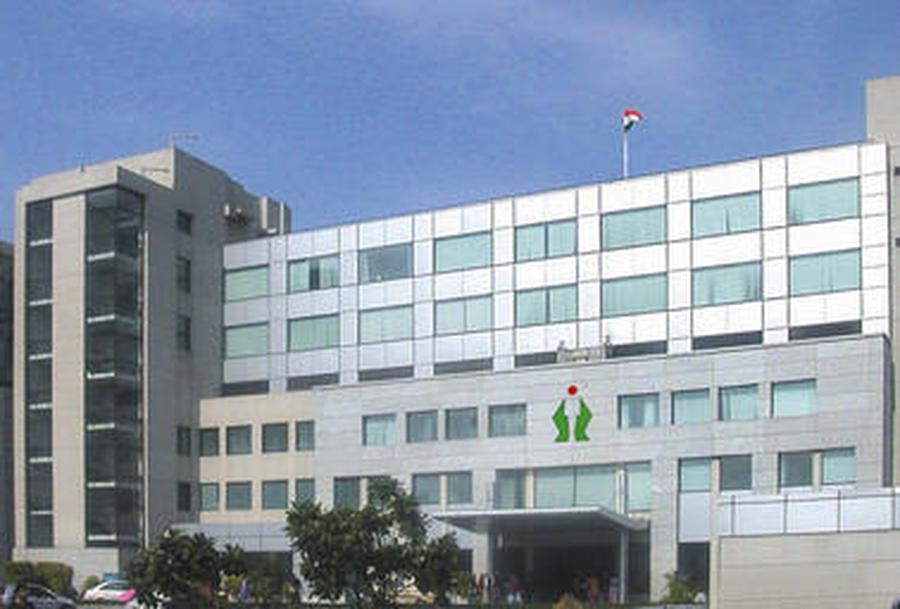




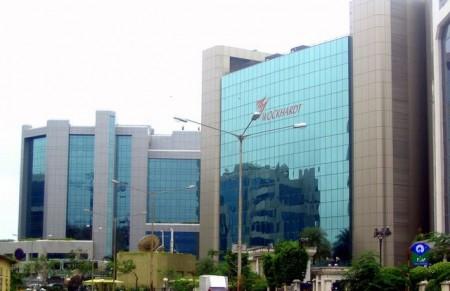
Wockhardt Hospital




أفضل مراكز طب الأورام وأمراض الدم في الهند
- Artemis Hospitals, الهند
- Fortis Escorts Heart Institute, الهند
- Apollo Hospital Indraprastha, الهند
- Fortis Gurgaon, الهند
- Medanta Hospital, الهند
- Wockhardt Hospital, الهند
- Manipal Hospitals, الهند
- Global Hospital Chennai, الهند
- BLK Super Speciality Hospital, الهند
- Aster CMI Hospital, الهند
احصل على تقييم طبي لـ طب الأورام وأمراض الدم في الهند. استشر الآن 14 أطباء ذوي الخبرة.
عرض جميع الأطباء
Shilpa Gupta

Rahul Bhargava

Mukesh Patekar
الدكتور موكيش باتيكار هو استشاري أمراض الدم والأورام في مستشفيات أرتميس في جورجاون. يعالج حالات سرطانات الدم واضطرابات الدم. يمارس الدكتور باتيكار عمله في منشأة معتمدة من اللجنة الدولية المشتركة (JCI). وقد أدرجت مجلة "نيوزويك" المستشفى في قائمة أفضل المستشفيات في العالم.
حاصل المستشفى على اعتماد الهيئة الوطنية لاعتماد المستشفيات ومقدمي الرعاية الصحية (NABH). وبسعة 400 سرير وجناح مخصص للأورام، يعد المركز بيئة متخصصة لرعاية مرضى السرطان. يقدم الدكتور باتيكار العلاج للمرضى في هذا الإطار ال
مواد ذات صلة

كم تكلفة علاج اللوكيميا؟
كتب بواسطة Veronika Kazina

كم تكلفة زراعة نخاع العظام؟
كتب بواسطة Veronika Kazina

الرسالة لمن أنقذ حياتي
كتب بواسطة Veronika Kazina

تكلفة زراعة نخاع العظم عند الأطفال
كتب بواسطة Veronika Kazina

كم تكلفة علاج سرطان الغدد الليمفاوية؟
كتب بواسطة Halina Shubala
مشاركة المحتوى
قصص فيديو من مرضى Bookimed
 Anna Leonova
أسئلة متكررة حول طب الأورام وأمراض الدم في الهند
ما هو النوع المحدد من سرطان الدم الذي أعاني منه، وما هي مرحلته؟
يتطلب التشخيص وتحديد المرحلة تقييماً سريرياً لنتائج الخزعة، وتحاليل الدم، وفحوصات التصوير. يستخدم أطباء أمراض الدم في الهند خزعات نخاع العظم وقياس التدفق الخلوي لتحديد الأنواع الفرعية. يقومون بتصنيف سرطان الدم (اللوكيميا) حسب نوع الخلية، وسرطان الغدد الليمفاوية حسب مدى إصابة العقد الليمفاوية باستخدام مراحل رقمية من I إلى IV.
- أدوات التشخيص: يستخدم الأطباء قياس التدفق الخلوي وعلم الوراثة الخلوية لتحديد أنواع فرعية محددة من السرطان.
- تصنيف سرطان الدم: تصنف الفرق الطبية الحالات على أنها حادة أو مزمنة بناءً على نضج الخلايا.
- تحديد مرحلة سرطان الغدد الليمفاوية: يستخدم المتخصصون فحوصات PET-CT لتحديد مرحلة آن أربور من I إلى IV.
- تحديد مرحلة المايلوما: تطبق الفرق النظام الدولي المنقح لتحديد المراحل (R-ISS) باستخدام العلامات الجينية.
- خيارات العيادات: توفر المراكز المعتمدة مثل مستشفى أبولو إندرابراستا ومستشفيات مانيبال تشخيصات شاملة.
رؤية خبير Bookimed: تدير المراكز الهندية مثل مستشفى جلوبال تشيناي ومستشفى BLK التخصصي الفائق برامج زراعة ذات حجم كبير. غالباً ما توفر هذه المرافق وصولاً أسرع إلى الاختبارات المتخصصة مثل قياس التدفق الخلوي مقارنة بالمؤسسات العامة. هذه السرعة حاسمة للحالات الحادة التي يجب أن يبدأ علاجها في غضون أيام من ظهور العرض الأول.
إجماع المرضى: يجد العديد من المرضى أن التسمية الأولية `سرطان الدم` غامضة ومسببة للتوتر. يقترحون الحصول على رأي ثانٍ في مراكز خاصة لتأكيد العلامات الجينية ال
هل سأحتاج إلى خزعة نخاع العظم أو اختبارات جينية قبل بدء العلاج؟
تعد خزعة نخاع العظم والاختبارات الجينية متطلبات قياسية في الهند قبل بدء علاج سرطانات الدم. تؤكد هذه الاختبارات تشخيصك المحدد وتحدد التشوهات الكروموسومية. تسمح هذه البيانات للمتخصصين باختيار العلاجات الموجهة أو بروتوكولات العلاج الكيميائي المكثف الأكثر فعالية لحالتك.
- الغرض من الخزعة: تؤكد عينات نخاع العظم ما إذا كان السرطان قد انتشر وتحدد مرحلة المرض.
- التنميط الجيني: تحدد اختبارات مثل BCR-ABL PCR الطفرات التي تستجيب بشكل أفضل لأدوية معينة.
- تصنيف المخاطر: تساعد النتائج الأطباء في تصنيف حالتك وتحديد كثافة العلاج اللازمة.
- مراقبة العلاج: قد يتم تكرار الخزعات لتتبع مدى استجابة جسمك للعلاج.
رؤية خبير Bookimed: غالبًا ما توفر المراكز الهندية مثل مستشفى جلوبال تشيناي ومستشفى BLK Super Speciality نتائج تشخيصية أسرع من المرافق العامة. بينما قد تستغرق المستشفيات العامة 4 أسابيع لتقارير الخزعة، عادة ما تقدم المختبرات الخاصة في هذه المراكز المعتمدة من JCI النتائج بشكل أسرع بكثير. هذه السرعة حيوية لبدء علاج التحريض دون تأخير يهدد الحياة.
إجماع المرضى: يشير المرضى إلى أنه على الرغم من أن هذه الإجراءات غير مريحة، إلا أنها ضرورية للحصول على الدواء الصحيح. يقترح الكثيرون استخدام المختبرات الخاصة لتجنب فترات الانتظار الطويلة للتقارير الجينية الحرجة.
ما هي خيارات العلاج الأساسية المتاحة لحالتي في الهند؟
تشمل علاجات أمراض الدم والأورام الأساسية في الهند زراعة نخاع العظم (BMT)، والعلاجات الموجهة، وبروتوكولات العلاج الكيميائي المكثف. تقدم المراكز الكبرى في دلهي وبنغالورو وجورجاون عمليات زراعة الخلايا الجذعية الخيفية والذاتية. تعالج هذه المرافق حالات اللوكيميا المعقدة، والأورام اللمفاوية، والورم النخاعي المتعدد باستخدام معايير معتمدة من اللجنة الدولية المشتركة (JCI).
- أنواع الزراعة: تتوفر عمليات زراعة الخلايا الجذعية الخيفية والذاتية في مراكز متخصصة.
- المرافق الرائدة: توفر مستشفيات Artemis ومستشفى BLK Super Speciality المعتمدة من JCI وحدات متقدمة لزراعة نخاع العظم.
- رعاية الخبراء: أكمل الدكتور دارما شودري في مستشفى BLK أكثر من 850 عملية زراعة خيفية.
- العلاجات المتقدمة: توفر العيادات علاجات السرطان الموجهة والعلاج المناعي لسرطانات الدم الخاصة بالأعضاء.
رؤية خبير Bookimed: يُظهر مشهد أمراض الدم في الهند اتجاهاً فريداً حيث تخدم مراكز ذات حجم كبير مثل مستشفيات مانيبال 2,000,000 مريض سنوياً. يسمح هذا النطاق الهائل لجراحين مثل الدكتور راهول بهارجافا بإكمال أكثر من 1,000 عملية زراعة. غالباً ما يؤدي معدل دوران المرضى المرتفع إلى تكاليف أقل وإدارة أكثر دقة للبروتوكولات بعد الجراحة مقارنة بالعيادات الإقليمية الأصغر.
إجماع المرضى: يؤكد المرضى على أهمية الحصول على رأي ثانٍ في مستشفى حضري كبير قبل بدء العلاج. ويشيرون إلى أنه على الرغم من سهولة الوصول إلى العلاج الكيميائي المحلي، إلا أن السفر إلى مدن مثل دلهي أو بنغالورو ضروري لنجاح
ما هي الآثار الجانبية الأكثر شيوعاً التي يجب أن أتوقعها؟
يعاني مرضى أمراض الدم والأورام في الهند في أغلب الأحيان من التعب والغثيان وانخفاض تعداد الدم أثناء العلاج. الحمى والعدوى الناتجة عن قلة العدلات متكررة. غالباً ما يحدث تساقط الشعر ومشاكل الجهاز الهضمي مثل الإسهال. قد يتطور أيضاً خدر الأعصاب أو تقرحات الفم أثناء العلاج الكيميائي أو عمليات زرع نخاع العظم.
- التعب الجسدي: غالباً ما يستمر الإرهاق الشديد لعدة أشهر أثناء وبعد العلاج.
- اضطراب الجهاز الهضمي: عادة ما تصل الغثيان والقيء إلى ذروتهما بين اليومين 3 و 5 بعد العلاج الكيميائي.
- خطر العدوى: انخفاض عدد خلايا الدم البيضاء يزيد بشكل كبير من خطر الإصابة بالحمى.
- التأثيرات العصبية: يمكن أن يؤثر ألم الأعصاب أو الخدر في اليدين والقدمين على الحركة اليومية.
- تغيرات الجلد: تهيج فروة الرأس وتساقط شعر الجسم بالكامل أمر قياسي بحلول الدورة الثانية.
رؤية خبير Bookimed: تظهر البيانات من المراكز الهندية الرئيسية مثل دلهي وجورجاون حجماً كبيراً من عمليات الزرع المعقدة. قاد الدكتور دارما تشودري في مستشفى BLK Super Speciality أكثر من 850 عملية زرع خيفي. هذا الحجم الكبير يعني أن فرق التمريض ماهرة بشكل استثنائي في اكتشاف العلامات المبكرة لمرض الطعم ضد المضيف. يجب على المرضى إعطاء الأولوية للعيادات التي تحتوي على طوابق مخصصة لزراعة نخاع العظم (BMT) لتقليل مخاطر العدوى المتبادلة أثناء التعافي.
إجماع المرضى: يجد العديد من المرضى أن الاحتفاظ بمخزون من مشروبات الإلكتروليت يساعد في إدارة الجفاف الشديد الناتج عن الغثيان. تج
هل يتوفر علاج الخلايا التائية CAR-T في الهند؟
توفر الهند علاج الخلايا التائية CAR-T لسرطانات الدم منذ أواخر عام 2023. تشمل العلاجات المعتمدة NexCAR19 و Qartemi لسرطانات الغدد الليمفاوية للخلايا البائية وسرطان الدم. توفر هذه العلاجات المحلية فعالية عالية للحالات المستعصية. تقدم مراكز أمراض الدم المتخصصة في دلهي ومومباي هذه العلاجات الخلوية المتقدمة.
- العلاجات المعتمدة: يعالج NexCAR19 و Qartemi الأورام الخبيثة للخلايا البائية بعد فشل العلاجات القياسية.
- المراكز المعتمدة: يوفر مستشفى BLK Super Speciality ومعهد Fortis Memorial Research هذه العلاجات.
- إشراف الخبراء: يقود الدكتور دارما شودري في BLK عمليات زراعة نخاع العظم والخلايا المعقدة.
- معدلات النجاح: تتماشى النتائج السريرية للحالات المستعصية مع المعايير العالمية التي تتراوح بين 40% إلى 50%.
رؤية خبير Bookimed: يؤثر حجم المرضى بشكل كبير على جودة الرعاية في الهند. تخدم عيادات مثل مستشفى أبولو إندرابراستا ومستشفيات مانيبال أكثر من 1,000,000 مريض سنويًا. يسمح هذا النطاق الهائل لهذه المؤسسات بالحفاظ على خلايا متخصصة لإدارة الآثار الجانبية الشديدة مثل متلازمة إطلاق السيتوكين. غالبًا ما يعني اختيار منشأة ذات سعة عالية وصولاً أفضل إلى دعم العناية المركزة على مدار الساعة طوال أيام الأسبوع.
إجماع المرضى: يشير المرضى إلى أنه على الرغم من توفر العلاج، فمن الضروري الاستعداد لإقامة في المستشفى لمدة تتراوح بين 2 إلى 4 أسابيع. يؤكد الكثيرون على استخدام منصات التمويل الجماعي أو الإعانات الحكومية للمساعدة في إدارة إجمالي النفقات ا
كم من الوقت سأحتاج للبقاء في الهند لتلقي العلاج؟
يبقى المرضى عادةً في الهند لمدة تتراوح بين أسبوعين إلى 4 أسابيع خلال المراحل الأولية لعلاج أمراض الدم والأورام. تتطلب الإجراءات المعقدة مثل زراعة نخاع العظم ما لا يقل عن 4 إلى 8 أسابيع. يغطي هذا الإطار الزمني مرحلة ما قبل التكييف، والزراعة نفسها، والمراقبة الأولية الأساسية للتعافي لضمان الاستقرار الطبي.
- مرحلة التشخيص: تستغرق الاستشارات الأولية وتحاليل الدم عادةً من 3 إلى 7 أيام.
- دورات العلاج: غالبًا ما تكمل بروتوكولات العلاج الكيميائي للمرضى الخارجيين دوراتها خلال أسبوعين إلى 3 أسابيع.
- التعافي بعد الزراعة: يحتاج مرضى الخلايا الجذعية إلى 4 إلى 8 أسابيع للتعافي الآمن.
- فترة التخزين المؤقت: يجب على المرضى تخصيص أسبوع إلى أسبوعين لاحتمالية تأخر نتائج تعداد الدم.
رؤية خبير Bookimed: تُظهر البيانات الواردة من مراكز ذات حجم كبير مثل مستشفى أبولو إندرابراستا ومستشفى جلوبال تشيناي تحولًا نحو نماذج التعافي الهجينة. غالبًا ما ينتقل المرضى إلى فنادق تعافي متخصصة بعد 3 إلى 7 أيام من الاستشفاء. تقلل هذه الاستراتيجية بشكل كبير من التكاليف الإجمالية مع الحفاظ على القرب من الفرق الطبية للمراقبة الحيوية.
إجماع المرضى: يشير المرضى إلى أن الإقامة في شقق مخدومة بعد الأسبوع الأول تجعل التعافي الطويل أكثر راحة بكثير. كما يقترحون الحصول على تأشيرة طبية في وقت مبكر لأن جداول العلاج يمكن أن تمتد إذا استغرقت المؤشرات السريرية وقتًا أطول للاستقرار.
هل يمكنني الاستمرار في أنشطتي اليومية العادية أثناء العلاج؟
غالبًا ما يتمكن المرضى في الهند من الحفاظ على الأنشطة اليومية الخفيفة أثناء علاج أمراض الدم والأورام. يعتمد النجاح على تتبع أنماط الطاقة، حيث تنخفض القدرة عادةً بنسبة 30-50%. تشجع معظم البروتوكولات السريرية في المراكز المعتمدة من اللجنة الدولية المشتركة (JCI) مثل مستشفيات أرتميس أو مستشفى BLK Super Speciality على الحركة لإدارة التعب والمزاج.
- تعديلات العمل: ينتقل الكثيرون إلى العمل عن بُعد أو الأدوار بدوام جزئي لإدارة نوبات انخفاض الطاقة غير المتوقعة.
- النشاط البدني: المشي الخفيف أو اليوغا مفيد عندما تكون فحوصات الدم مستقرة.
- مكافحة العدوى: يجب على المرضى تجنب الحشود والأشخاص المرضى بسبب ضعف جهاز المناعة.
- سلامة القيادة: غالبًا ما تجعل الضبابية الذهنية والتعب القيادة غير آمنة في أيام العلاج.
رؤية خبير Bookimed: تُظهر البيانات الواردة من المراكز الهندية الكبرى مثل جورجاون ودلهي أن العيادات التي لديها حجم كبير من عمليات الزرع، مثل فورتيس جورجاون أو ميدانتا، تؤكد على فترة راحة لمدة 48 ساعة بعد العلاج. غالبًا ما يؤدي جدولة الأنشطة الحيوية للأسبوع الثاني من الدورة إلى أفضل النتائج. وهذا يسمح للمرضى بالتعافي خلال فترة الآثار الجانبية الأكثر كثافة مباشرة بعد العلاج.
إجماع المرضى: مستويات الطاقة لا يمكن التنبؤ بها، لذا من الأفضل الاستماع إلى جسدك بدلاً من التقويم. يقترح العديد من المرضى تفويض الأعمال المنزلية في وقت مبكر لتجنب الإجهاد البدني والعاطفي الناتج عن محاولة التغلب على الإرهاق.