London Bridge Hospital
المملكة المتحدة, لندن


تمت مراجعة المقالة طبيا من قبل
فهد مولود
تتراوح تكلفة أمراض الدم والأورام في المملكة المتحدة عادةً ما بين $108,700 و $333,300 للمرضى الخصوصيين. تعتمد النفقات الإجمالية على نوع سرطان الدم (اللوكيميا) أو اللمفوما، ومدى تعقيد دورات العلاج الكيميائي الموصوفة، وضرورة إجراء علاجات متقدمة مثل زراعة نخاع العظم. تم استبعاد مقارنات الأسعار مع الولايات المتحدة نظراً لأن البلد المستهدف هو المملكة المتحدة.
تكاليف أمراض الدم والأورام النموذجية في المملكة المتحدة
تتواجد مراكز الأورام المتخصصة بشكل رئيسي في لندن ومانشستر وبرمنغهام. غالباً ما تكون تكاليف المرافق في لندن أعلى مقارنة بالمناطق الأخرى. للحصول على فهم واضح لخطة علاجك والنفقات ذات الصلة، يرجى استشارة طبيب أمراض الدم للحصول على تسعير دقيق لتشخيصك الخاص.
| المملكة المتحدة | تركيا | إسبانيا | |
|---|---|---|---|
| زرع نخاع العظم | ≈ $140,000 | من $30,000 | من $100,900 |
| زراعة النخاع العظمي من متبرع قريب | ≈ $150,000 | من $55,000 | من $130,000 |
| زراعة النخاع العظمي من متبرع غير قريب | ≈ $165,000 | من $65,000 | من $170,000 |
| العلاج بالخلايا التائية ذات مستقبل المستضد الخيمري | ≈ $330,000 | من $200,000 | من $386,200 |
| العلاج الكيميائي لسرطان الغدد الليمفاوية | ≈ $14,000 | من $4,000 | من $3,200 |
Bookimed لا يضيف رسوماً إضافية على أسعار علاج طب الأورام وأمراض الدم. الأسعار مأخوذة من قوائم الأسعار الرسمية للعيادات. تدفع مباشرة في العيادة مقابل علاجك عند وصولك إلى البلد.
Bookimed ملتزم بسلامتك. نحن نعمل فقط مع المؤسسات الطبية التي تحافظ على معايير دولية عالية في علاج طب الأورام وأمراض الدم ولديها التراخيص اللازمة لخدمة المرضى الدوليين في جميع أنحاء العالم.
Bookimed يقدم مساعدة خبراء مجانية. منسق طبي شخصي يدعمك قبل وأثناء وبعد العلاج، ويحل أي مشاكل. لن تكون وحيداً أبداً في رحلة علاج طب الأورام وأمراض الدم.


كتب بواسطة Veronika Kazina

كتب بواسطة Veronika Kazina

كتب بواسطة Veronika Kazina

كتب بواسطة Veronika Kazina

كتب بواسطة Halina Shubala
 Anna Leonova
للحصول على إحالة إلى أخصائي أمراض الدم والأورام في المملكة المتحدة، يجب عليك أولاً استشارة طبيب الأسرة (GP). يعمل هؤلاء الأطباء كبوابة للرعاية الثانوية في هيئة الخدمات الصحية الوطنية (NHS). سيقوم طبيبك بطلب تحاليل دم وإرسال إحالة إلكترونية عبر خدمة NHS e-Referral بناءً على نتائجك السريرية.
رؤية خبير Bookimed: غالباً ما تتشارك أقسام أمراض الدم والأورام في المملكة المتحدة في المرافق والموظفين. الإحالة إلى مركز الأورام لا تؤكد دائماً تشخيص السرطان. توفر مستشفيات لندن مثل London Bridge أو Wellington Hospital رعاية خاصة عالية الجودة لأولئك الذين يرغبون في تجاوز فترات الانتظار القياسية في NHS.
إجماع المرضى: يلاحظ المرضى أن مواعيد أمراض الدم والأورام غالباً ما تكون مجمعة معاً. إذا رفض طبيب الأسرة الإحالة، يقترح الكثيرون طلب هذا القرار كتابياً لضمان توثيق واضح.
يركز موعدك الأول مع اختصاصي أمراض الدم والأورام في المملكة المتحدة على التشخيص والتقييم السريري. توقع إجراء فحص بدني شامل وتعداد دم كامل. يستخدم الأطباء هذه النتائج لتخطيط فحوصات التصوير المتخصصة أو الخزعات في المرافق المعتمدة من قبل اللجنة المشتركة للاعتماد ISCT-EBMT (JACIE).
رؤية خبير Bookimed: غالباً ما تقدم مراكز لندن مثل مستشفى London Bridge نتائج في نفس اليوم لتحاليل الدم الأساسية. هذه الكفاءة تسرع من وضع خطة علاجك. اختيار المرافق الحاصلة على اعتماد المجموعة الاستشارية المشتركة (JAG) يضمن معايير عالية في دقة التشخيص وسلامة المرضى.
إجماع المرضى: يشير المرضى إلى أنه من الشائع تكرار اختبارات الدم حتى لو تم تقديم النتائج مؤخراً. ويقترحون إحضار قائمة كاملة بالأعراض والأدوية لمساعدة الطبيب أثناء المراجعة.
يعتمد البدء الفوري لعلاج سرطان الدم على نوع المرض الفرعي وسرعة تطوره. تتطلب الحالات الحادة مثل سرطان الدم النخاعي تدخلاً عاجلاً. أما السرطانات بطيئة النمو (الخاملة) فغالباً ما تتبع بروتوكول «المراقبة والانتظار». تستخدم الفرق الطبية هذا الوقت لاستكمال الاختبارات الجينومية ووضع خطط علاج دقيقة.
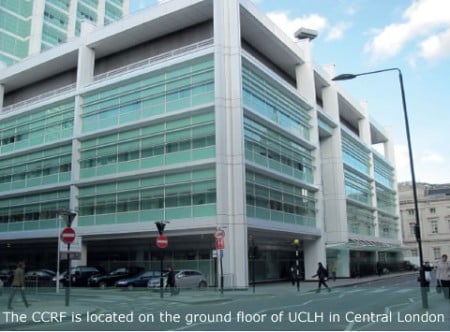
رؤية خبراء Bookimed: توفر العيادات في المملكة المتحدة الحاصلة على اعتماد JACIE، مثل Harley Street في مستشفى جامعة كوليدج، ميزة حاسمة للحالات المعقدة. تشير هذه الشهادة إلى أعلى المعايير العالمية لزراعة الخلايا الجذعية. يستفيد المرضى في هذه المراكز من برامج التجارب السريرية المتخصصة التي توفر الوصول إلى علاجات غير متاحة على نطاق واسع بعد.
إجماع المرضى: غالباً ما يكون انتظار نتائج الاختبارات هو الفترة الأكثر توتراً. يشير المرضى إلى أن التأخير يكون عادةً مقصوداً لضمان اختيار الفريق الطبي لمزيج الأدوية الأكثر فعالية لنوعهم الفرعي المحدد.
توفر هيئة الخدمات الصحية الوطنية (NHS) علاجات شاملة لأمراض الدم والأورام، بما في ذلك العلاجات الجهازية المضادة للسرطان، والعلاج المناعي، وزراعة الخلايا الجذعية. تدير الوحدات المتخصصة حالات سرطان الدم (اللوكيميا)، والليمفوما، والورم النخاعي. تتوفر خيارات متقدمة مثل علاج الخلايا التائية (CAR T-cell) لحالات انتكاس محددة. تدمج مسارات الرعاية التشخيصات مثل الخزعات والاختبارات الجزيئية.
رؤية خبير Bookimed: توفر المراكز السريرية الحاصلة على اعتماد اللجنة المشتركة للاعتماد ISCT-Europe & EBMT (JACIE)، مثل Harley Street في مستشفى University College، معايير تقنية أعلى لعمليات الزراعة. توفر هذه المرافق غالبًا إمكانية الوصول إلى تقنيات متقدمة مثل زراعة الخلايا الخيفية ذات الكثافة المخفضة. يستفيد المرضى في المراكز الأكاديمية عادةً من مجموعة أوسع من خيارات التجارب السريرية للحالات المعقدة.
إجماع المرضى: يؤكد المرضى على ضرورة إجراء الاختبارات الجزيئية واختبارات العلامات في وقت مبكر لفتح خيارات العلاج الحديثة.
يتبع علاج أورام الدم في المملكة المتحدة مسارات داخل المستشفى وخارجه. عادة ما تكون العلاجات الكيميائية والبيولوجية الروتينية إجراءات خارجية. تتطلب العلاجات المعقدة مثل زراعة نخاع العظم أو علاج الخلايا التائية CAR T عادةً إقامة داخل المستشفى في مرافق مثل Harley Street at University College Hospital.
رؤية خبير Bookimed: غالبًا ما تستخدم مراكز لندن مثل مستشفى London Bridge نماذج الرعاية المشتركة مع المستشفيات التعليمية. يسمح هذا الحجم الذي يبلغ أكثر من 800,000 مريض سنويًا بمراقبة متخصصة لمرضى زراعة الأعضاء في العيادات الخارجية. غالبًا ما يمكن للمرضى الانتقال إلى رعاية العيادات الخارجية في وقت أقرب إذا بقوا ضمن نطاق معين من المنشأة.
إجماع المرضى: غالبًا ما يفضل المرضى رعاية العيادات الخارجية للحفاظ على شعور بالحياة الطبيعية أثناء العلاج. يوصون بتأكيد بروتوكولات الطوارئ ومسافات السفر قبل اختيار خطة الرعاية المتنقلة.
جهة الاتصال الأساسية الخاصة بك أثناء علاج أمراض الدم والأورام في المملكة المتحدة هي ممرضة سريرية متخصصة (CNS) أو موظف رئيسي (Key Worker). يقوم هؤلاء بتنسيق الرعاية عبر الأقسام وشرح خيارات العلاج. بالنسبة لاضطرابات الدم المعقدة، يتم اتخاذ القرارات السريرية من قبل استشاري أمراض الدم في مرافق متخصصة مثل Harley Street at University College Hospital.
رؤية خبراء Bookimed: توفر مراكز أمراض الدم في المملكة المتحدة الحاصلة على شهادة اللجنة المشتركة للاعتماد ISCT-EBMT (JACIE)، مثل Harley Street at University College Hospital، معايير تنسيق أعلى. عادةً ما تدمج هذه المرافق المعتمدة التجارب البحثية مباشرة في الرعاية. يستفيد المرضى هنا من فرق منظمة حيث يشارك الممرض السريري المتخصص والاستشاري بيانات التشخيص في الوقت الفعلي. يضمن هذا الإعداد إدارة العلاجات البيولوجية المعقدة مع تأخيرات أقل في التواصل بين الطاقم الطبي والإداري.
إجماع المرضى: يشير المرضى إلى أنه من المهم استخدام الممرضة السريرية المتخصصة (CNS) كحلقة وصل أساسية لج
يمكن للمرضى في المملكة المتحدة طلب رأي ثانٍ لتشخيصات أمراض الدم والأورام في أي وقت. تؤكد هذه العملية خطط العلاج المعقدة لحالات مثل سرطان الدم أو الليمفوما. توفر المراكز المتخصصة مثل Harley Street في مستشفى University College Hospital مراجعات متخصصة لنتائج علم الأمراض والتصوير.
رؤية خبير Bookimed: تظهر بياناتنا أن المراكز الكبيرة مثل مستشفى Wellington، الذي يخدم أكثر من 800,000 مريض سنويًا، توفر بنية تحتية أكثر قوة للتحقق من حالات أمراض الدم المعقدة. اختيار منشأة ذات اعتمادات محددة، مثل JACIE لزراعة الخلايا الجذعية، يضمن أن رأيك الثاني يلبي معايير السلامة والجودة الدولية.
إجماع المرضى: يشير المرضى إلى أن طلب رأي ثانٍ هو جزء روتيني من رعاية مرضى السرطان. لا تعتبر معظم الفرق الطبية ذلك عدم ولاء، كما أن تجهيز جميع نتائج الفحوصات يجعل الانتقال أكثر سلاسة.