تتراوح معدلات نجاح علاج الخلايا التائية CAR-T في تركيا بين 58% إلى 83% لمعظم سرطانات الدم. تبلغ المستشفيات الجامعية المتخصصة عن فعالية تصل إلى 80% إلى 90% لسرطان الدم الليمفاوي الحاد لدى الأطفال. تُظهر التجارب الأكاديمية مثل ISIKOK-19 لأورام CD19+ معدل استجابة إجمالي قدره 72%.
- نتائج سرطان الدم: يُظهر مرضى الأطفال فعالية تصل إلى 80% في المراكز الجامعية التركية الرائدة.
- استجابة الليمفوما: يحقق المرضى معدل استجابة إجمالي قدره 55% مع وصول 25% إلى حالة الهجوع الكامل.
- نتائج التجارب السريرية: أفادت تجربة ISIKOK-19 بحدوث استجابات كاملة لدى 66% من المشاركين المصابين بسرطان الدم.
- المراقبة الداخلية: يتطلب النجاح 28 يوماً من الاستشفاء المتخصص لإدارة الآثار الجانبية المحتملة.
رؤية خبير Bookimed: على الرغم من ارتفاع معدلات النجاح، فإن فرق السعر البالغ 100,000 دولار بين الباقات في مستشفى إسطنبول فلورنس نايتنجيل وميديكال بارك بهجيلي إيفلر غالباً ما يعكس التشخيصات المشمولة. تغطي المستويات ذات الأسعار المنخفضة عادةً التسريب والمراقبة، بينما تشمل الباقات المميزة فحوصات PET/CT الشاملة قبل العلاج والاستشارات متعددة التخصصات.
إجماع المرضى: يقدر الأفراد الوصول المباشر إلى الأساتذة المدربين في مؤسسات مثل هارفارد أو سينسيناتي. ومع ذلك، يجد البعض أن فترة العزل القياسية البالغة 28 يوماً أثناء تعافي الخلايا مرهقة عاطفياً على الرغم من النجاح السريري العالي.



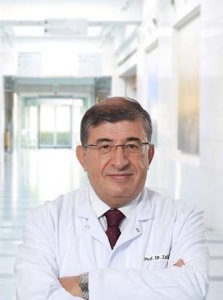
 علاج خلايا CAR T على يد طبيب أمراض دم متخصص تلقى تدريبه في مايو كلينك بمركز معتمد من JCI