علاج سرطان الدم الليمفاوي الحاد في إسرائيل — احصل على 3 عيادات مختارة خصيصاً لك


تمت مراجعة المقالة طبيا من قبل
فهد مولود
كيف نعمل؟
ما هي تكلفة سرطان الدم الليمفاوي الحاد إجراءات التشخيص والعلاج في إسرائيل؟ اعرف الآن
تختلف التكلفة الإجمالية لعلاج سرطان الدم الليمفاوي الحاد في إسرائيل بناءً على خطة العلاج. يتم تحديد سعر الاستشارة الأولية عن بُعد بـ $800، بينما تبلغ تكلفة العلاج الكيميائي وفقًا لبروتوكول BFM حوالي $50,000. بالنسبة للحالات المتقدمة، يُقدر العلاج الذي يتضمن فلودارابين، وسيتوسين، ونيلارابين، بالإضافة إلى احتمال زراعة من متبرع من العائلة أو متبرع غير ذي صلة أو متبرع متوافق، بـ $100,000. يتم تحديد برنامج العلاج بعد تقييم شخصي من قبل الطبيب المعالج.
| إسرائيل | تركيا | إسبانيا | |
|---|---|---|---|
| زرع نخاع العظم | من $204,500 | من $30,000 | من $100,900 |
| زراعة نخاع العظم الذاتي | من $74,500 | من $25,000 | ≈ $48,000 |
| زراعة النخاع العظمي من متبرع قريب | ≈ $95,000 | من $55,000 | من $130,000 |
| زراعة النخاع العظمي من متبرع غير قريب | من $155,000 | من $65,000 | من $170,000 |
| العلاج الكيميائي لسرطان الثدي | ≈ $22,500 | من $3,000 | من $1,700 |
اكتشف أفضل سرطان الدم الليمفاوي الحاد العيادات في إسرائيل: 7 خيارات معتمدة والأسعار








Herzliya Medical Center

Shaare Zedek Medical Center
احصل على تقييم طبي لـ في إسرائيل. استشر الآن 21 أطباء ذوي الخبرة.
عرض جميع الأطباء
Arnon Nagler Md
الدكتور أرنون ناجلر هو طبيب أمراض دم في مركز شيبا الطبي في إسرائيل. وهو أستاذ في جامعة تل أبيب وخبير مشهور في زراعة الأعضاء. أسس الدكتور ناجلر أول بنك عام لدم الحبل السري في إسرائيل. كما أجرى أول عمليات زراعة لدم الحبل السري في البلاد. أكمل تدريبه بعد الدكتوراه في جامعة ستانفورد وهو حاصل على شهادة البورد في أمراض الدم.
- رائد في بروتوكولات زراعة الخلايا الجذعية الخيفية ذات الكثافة المنخفضة لسرطانات الدم.
- شغل منصب رئيس مجموعة عمل سرطان الدم الحاد في الجمعية الأوروبية لزراعة ال

Ram Ron
يعمل الدكتور رام رون في واحدة من أكبر المستشفيات التعليمية العامة الرائدة في إسرائيل، وهو مركز سوراسكي الطبي (إيخيلوف)، المعروف بمستوى الرعاية العالي للمرضى والابتكار الطبي.
- الوصول إلى العلاجات والتقنيات المتقدمة في مستشفى جامعي متميز
- جزء من فريق شامل ومتعدد التخصصات في أمراض الدم والأورام
- الاستفادة من مركز مخصص لرعاية المرضى والأبحاث على حد سواء
- يعمل في مستشفى معتمد من قبل اللجنة الدولية المشتركة (JCI)

Ron Ram
أجرى الدكتور رون رام عدة مئات من عمليات زراعة الخلايا الجذعية، وهي إجراء رئيسي لعلاج سرطان الدم الليمفاوي الحاد، بصفته أخصائي أمراض الدم والأورام المعتمد.
- شهادة البورد في كل من أمراض الدم والأورام الطبية
- التدريب خلال زمالة أمراض الدم والأورام في كلية نيويورك الطبية
- نشر أكثر من 30 مقالاً علمياً حول أمراض الدم
- تأليف فصل في كتاب طبي تعليمي

Ronit El Hasid
أجرت الدكتورة رونيت إل حاسيد أكثر من 300 عملية زراعة نخاع عظمي ودم حبل سري للأطفال في مستشفى دانا دويك للأطفال.
- رئيسة قسم أورام وأمراض الدم لدى الأطفال
- أكثر من 50 منشوراً وأكثر من 40 تقريراً في المؤتمرات
- عضو الجمعية الأمريكية لأمراض الدم
- تدربت في مستشفى سيتي أوف هوب في لوس أنجلوس
مشاركة المحتوى
قصص فيديو من مرضى Bookimed
 Anna Leonova
أسئلة متكررة حول علاج سرطان الدم الليمفاوي الحاد في إسرائيل
ما هو بروتوكول العلاج القياسي لسرطان الدم الليمفاوي الحاد لدى البالغين أو الأطفال في المراكز الإسرائيلية؟
تتبع مراكز الأورام الإسرائيلية بروتوكولات قائمة على الأدلة باستخدام أنظمة برلين-فرانكفورت-مونستر (BFM). يركز العلاج على العلاج الكيميائي المصنف حسب المخاطر عبر مراحل التحريض والتدعيم. تعطي بروتوكولات الأطفال والشباب الأولوية للعوامل غير المثبطة لنخاع العظم. تشمل الرعاية المتقدمة علاج الخلايا التائية CAR-T وزراعة الخلايا الجذعية الخيفية للحالات عالية الخطورة.
- مراحل العلاج: يستخدم الأطباء العلاج الكيميائي متعدد العوامل، والوقاية من الجهاز العصبي المركزي، والصيانة طويلة الأمد.
- العلاج الموجه: يستخدم الأطباء مثبطات تيروزين كيناز للأنواع الجينية الفرعية الإيجابية لكروموسوم فيلادلفيا.
- العلاج المناعي: تستخدم الفرق الطبية بليناتوموماب أو علاج الخلايا التائية CAR-T للحالات المقاومة.
- تصنيف المخاطر: تعتمد مستويات الشدة على الحد الأدنى من المرض المتبقي (MRD) والعلامات الجزيئية.
- زراعة الخلايا الجذعية: يخصص المتخصصون عمليات الزرع الخيفي للمرضى الذين يحتاجون إلى استجابة جزيئية عميقة.
رؤية خبير Bookimed: تستخدم المراكز الإسرائيلية نظامًا مستوحى من طب الأطفال للبالغين حتى سن 45 عامًا. يحسن هذا النهج معدلات البقاء على قيد الحياة بشكل كبير مقارنة بالعلاج الكيميائي التقليدي للبالغين. غالبًا ما تقود مرافق مثل مركز شيبا الطبي هذه التحولات السريرية. يستفيد المرضى من البروتوكولات التي تستخدم جرعات أعلى من أسباراجيناز. يعكس هذا التحول النجاح الذي لوحظ في مجموعات دراسة BFM للأطفال. يضمن اختيار مركز به أقسام متكاملة لأمراض الدم للأطفال وا
ما مدى أمان العلاج الكيميائي لسرطان الدم الليمفاوي الحاد (ALL) في إسرائيل وما هي المضاعفات التي يتم مراقبتها؟
يعد العلاج الكيميائي لسرطان الدم الليمفاوي الحاد (ALL) في إسرائيل آمناً للغاية. تتبع المستشفيات بروتوكولات الأورام الأمريكية والأوروبية. تستخدم المراكز المعتمدة من قبل اللجنة الدولية المشتركة (JCI) التحقق الإلكتروني لجرعات الأدوية. تراقب فرق متعددة التخصصات المرضى على مدار الساعة طوال أيام الأسبوع. وهذا يضمن استجابة فورية لأي آثار جانبية للعلاج. تضمن مضخات التسريب المتقدمة توصيلاً دقيقاً للأنظمة العلاجية المعقدة.
- معايير السلامة: تتبع الفرق البروتوكولات السريرية الدولية لـ ASCO و ESMO.
- المراقبة الدموية: يراقب الأطباء فقر الدم وانخفاض عدد خلايا الدم البيضاء.
- حماية الأعضاء: يراقب المتخصصون وظائف الكلى أثناء إعطاء جرعات عالية من الميثوتريكسيت.
- إدارة المتلازمات: تحدد الفرق متلازمة تحلل الورم في وقت مبكر لمنع حدوث مضاعفات.
- التوصيل المتقدم: تستخدم العيادات تقنية Infusomat Space لجرعات دقيقة من الأدوية.
رؤية خبير Bookimed: تعطي مراكز الأورام الإسرائيلية مثل رمبام وشيبا الأولوية للبدائل البيولوجية للمرضى الحساسين. غالباً ما تتحول الفرق الطبية إلى بليناتوموماب (blinatumomab) في حالة حدوث سمية عالية. هذا النهج المصمم خصيصاً يقلل من الآثار الجانبية مع الحفاظ على معدلات نجاح عالية. تدير هذه المراكز أكثر من 65,000 عملية سنوياً، مما يبني خبرة سريرية هائلة. يسمح هذا الحجم للأطباء باكتشاف علامات التحذير البسيطة قبل أن تتفاقم.
إجماع المرضى: يقدر المرضى الوجود المستمر لطاقم التمريض المعتمد طوال فترة كل تسر
من يعتبر مؤهلاً لخيارات CAR-T أو الزرع أو العلاج الموجه في إسرائيل؟
تعتمد الأهلية لعلاجات CAR-T وعلاجات سرطان الدم المتقدمة في إسرائيل على التنميط الجزيئي واللياقة البدنية. يُخصص علاج CAR-T للحالات الانتكاسية أو المقاومة للعلاج بعد علاجين سابقين. المرضى الذين يتمتعون بلياقة بدنية جيدة حتى سن 75 عاماً مؤهلون لعمليات الزرع. تتطلب الأدوية الموجهة علامات جينية محددة مثل كروموسوم فيلادلفيا.
- حالة المرض: يتطلب علاج CAR-T وجود علامات سرطان الخلايا البائية الانتكاسي أو المقاوم للعلاج (R/R) (CD19/BCMA).
- اللياقة البدنية: يحتاج المرضى إلى حالة ECOG قوية (0–2) ووظيفة قلب لا تقل عن 45%.
- الحدود العمرية: عمليات الزرع الخيفي ممكنة للمرضى الذين يتمتعون بلياقة بدنية جيدة حتى سن 75 عاماً.
- العلامات الجزيئية: تعتمد الأهلية للعلاج الموجه على اختبارات NGS لطفرات BCR-ABL1 أو FLT3.
رؤية خبير Bookimed: غالباً ما توفر مراكز الأورام الإسرائيلية وصولاً أسرع إلى علاجات CAR-T من خلال التصنيع المحلي. تقوم مستشفيات مثل مركز شيبا الطبي بمعالجة الخلايا داخلياً بدلاً من شحنها إلى الخارج. يقلل هذا البروتوكول من وقت الانتظار للمرضى الذين يعانون من سرطان الدم العدواني في مراحل متأخرة.
إجماع المرضى: يؤكد المرضى أن وجود مقدم رعاية مخصص أمر إلزامي خلال مرحلة التعافي الطويلة في العيادات الخارجية. يجد الكثيرون أن الاختبارات الجينية المبكرة ساعدتهم على تجنب العلاج الكيميائي غير الفعال لصالح الخيارات الموجهة.
هل سأتمكن من تلقي دورة العلاج الكيميائي الكاملة أو زراعة الأعضاء كعيادة خارجية، وكم من الوقت يجب أن أبقى في إسرائيل؟
توفر مراكز الأورام الإسرائيلية العلاج الكيميائي القياسي كخدمة عيادات خارجية. تتطلب عمليات زراعة نخاع العظم إقامة أولية في المستشفى لمدة تتراوح بين 21 إلى 30 يوماً للعزل. يبقى معظم المرضى في إسرائيل لمدة تتراوح بين شهرين إلى 6 أشهر اعتماداً على بروتوكولات العلاج الخاصة بهم وسرعة التعافي.
- العلاج الكيميائي في العيادات الخارجية: تستغرق الجلسات من 30 دقيقة إلى عدة ساعات في عيادات اليوم الواحد.
- عزل الزراعة: تتطلب الإقامة في المستشفى من 3 إلى 4 أسابيع للتعامل مع انخفاض تعداد الدم.
- فترة المراقبة: تتطلب متابعة العيادات الخارجية بعد الزراعة زيارات يومية للعيادة لعدة أسابيع.
- المدة الإجمالية: تستغرق بروتوكولات العلاج الكيميائي الكاملة متعددة الدورات عادةً من 3 إلى 6 أشهر.
رؤية خبير Bookimed: توفر المستشفيات الإسرائيلية مثل مركز سوراسكي الطبي وهداسا فنادق متخصصة للعيادات الخارجية في الجوار. تعمل هذه المرافق كجسر بين أجنحة المستشفى والإيجارات الخاصة. يساعد هذا المرضى على البقاء بالقرب من الأطباء مع تقليل التكاليف الإجمالية لإقامة مدتها 3 أشهر.
إجماع المرضى: يشير المرضى إلى أن البقاء بالقرب من العيادة أمر حيوي لإجراء فحوصات الدم اليومية. يقترح الكثيرون اختيار سكن يحتوي على مطبخ لإدارة الاحتياجات الغذائية الصارمة بعد الزراعة بسهولة.
هل تتمتع المستشفيات الإسرائيلية بالخبرة في التعامل مع مرضى سرطان الدم الليمفاوي الحاد (ALL) الدوليين من الأطفال أو البالغين، وهل يقوم الموظفون الناطقون بالإنجليزية بتنسيق الرعاية؟
تدير مراكز أمراض الدم الإسرائيلية أعداداً كبيرة من الحالات الدولية للأطفال والبالغين سنوياً. توفر الأقسام المتخصصة منسقين يتحدثون الإنجليزية لضمان تواصل سلس. تتولى هذه الفرق إدارة السجلات الطبية والخدمات اللوجستية. تحافظ عيادات مثل شيبا وهداسا على معدلات بقاء على قيد الحياة تتراوح بين 85% إلى 90% لسرطانات الدم لدى الأطفال.
- الأقسام المتخصصة: تدير الأقسام الدولية المخصصة كل خطوة من خطوات الرحلة العلاجية.
- إتقان اللغة: يتمتع معظم أطباء أمراض الدم والممرضين الإسرائيليين بمستوى عالٍ من الطلاقة في اللغة الإنجليزية.
- الخبرة في طب الأطفال: تستخدم المراكز بروتوكولات دولية متقدمة لعلاج سرطان الدم لدى الأطفال.
- العلاجات المتقدمة: توفر المرافق علاجاً بخلايا CAR-T داخل المستشفى وعمليات زراعة نخاع عظمي معقدة.
رؤية خبير Bookimed: تتفوق المستشفيات الإسرائيلية في إدارة حالات الانتكاس المعقدة لدى البالغين. يتضح هذا من خلال مراكز معالجة الخلايا الداخلية لديهم. لا تقوم هداسا وشيبا بالاستعانة بمصادر خارجية لتصنيع خلايا CAR-T. وهذا يوفر وقتاً حاسماً للمرضى الذين يعانون من سرطان الدم العدواني. تدير هذه المراكز بشكل روتيني المرضى الذين فشلوا في العلاج القياسي في أماكن أخرى.
إجماع المرضى: يشير المرضى إلى أن مديري الحالات يعملون كجسور أساسية أثناء الإقامة في المستشفى. يشعر معظمهم بالارتياح لاكتشاف أن التعليمات الطبية مشروحة بوضوح باللغة الإنجليزية.
إذا لم يتوفر متبرع مطابق، هل يتم عرض زراعة النخاع العظمي الفردي المتطابق (haplo-identical)، وما هي معدلات النجاح لسرطان الدم الليمفاوي الحاد (ALL)؟
تقدم مراكز أمراض الدم الإسرائيلية عمليات زراعة النخاع العظمي الفردي المتطابق عندما لا يتوفر متبرعون مطابقون تماماً. تستخدم إجراءات التطابق النصفي هذه أحد الوالدين أو الأبناء أو الأشقاء كمتبرع. أصبحت معدلات النجاح لسرطان الدم الليمفاوي الحاد (ALL) الآن قابلة للمقارنة بعمليات زراعة المتبرعين غير الأقارب المطابقين. تضمن البروتوكولات الحديثة إمكانية وصول عالية لجميع المرضى.
- البقاء على قيد الحياة بشكل عام: تصل معدلات البقاء على قيد الحياة لمدة عام واحد إلى حوالي 74% لمرضى سرطان الدم الليمفاوي الحاد.
- البقاء على قيد الحياة بدون سرطان الدم: تشير البيانات الحديثة إلى معدل بقاء على قيد الحياة لمدة عام واحد بدون سرطان الدم بنسبة 67%.
- حالة الهجوع: يحقق المرضى في حالة الهجوع الكامل الأول أفضل النتائج على المدى الطويل.
- الوقاية من مرض الطعم ضد المضيف: يقلل السيكلوفوسفاميد بعد الزرع بشكل فعال من المضاعفات الشديدة المرتبطة بالمناعة.
رؤية خبير Bookimed: تُظهر مراكز الأورام الإسرائيلية خبرة عالية في إدارة حالات التطابق النصفي المعقدة. على سبيل المثال، يقوم مركز سوراسكي الطبي بإجراء أكثر من 60 عملية زراعة نخاع عظمي سنوياً. غالباً ما يؤكد كبار المتخصصين هناك على عمر المتبرع. يؤدي المتبرعون الأصغر سناً عموماً إلى نتائج بقاء أفضل في حالات سرطان الدم الليمفاوي الحاد. هذا التركيز على اختيار المتبرع يحسن التعافي خارج نطاق التطابق القياسي.
إجماع المرضى: يشير المرضى إلى أن خيار التطابق النصفي يوفر راحة هائلة. إنهم يقدرون أن كل شخص تقريباً ي
كيف يتم التعامل مع الوقاية من سرطان الدم في الجهاز العصبي المركزي وعلاجه في إسرائيل؟
تتعامل البروتوكولات الإسرائيلية مع سرطان الدم في الجهاز العصبي المركزي من خلال الوقاية القوية والعلاج المتكيف مع المخاطر. يستخدم المتخصصون العلاج الكيميائي داخل القراب والأدوية الجهازية بجرعات عالية لاختراق الحاجز الدموي الدماغي. تشمل الخيارات المتقدمة علاج الخلايا التائية CAR-T وعمليات زرع نخاع العظم الشاملة في مراكز معتمدة من JCI مثل سوراسكي وشيبا.
- الوقاية من الجهاز العصبي المركزي: يقوم الأطباء بحقن الميثوتريكسيت أو السيتارابين مباشرة في القناة الشوكية.
- العلاج الجهازي: تصل الأنظمة الوريدية بجرعات عالية إلى الخلايا السرطانية المختبئة في أنسجة الجهاز العصبي المركزي.
- العلاج المناعي الخلوي: يستهدف علاج الخلايا التائية CAR-T سرطان الدم المقاوم الذي يقاوم بروتوكولات العلاج الكيميائي القياسية.
- بروتوكولات الأطفال: تعطي أنظمة برلين-فرانكفورت-مونستر (BFM) المكثفة الأولوية للبقاء على قيد الحياة على المدى الطويل وحماية الدماغ.
رؤية خبير Bookimed: تعطي مراكز الأورام الإسرائيلية مثل مركز شيبا الطبي الأولوية للبروتوكولات المستوحاة من طب الأطفال للشباب. يؤدي هذا النهج إلى معدلات بقاء أعلى من خلال استخدام وقاية أكثر قوة للجهاز العصبي المركزي. تدير هذه المراكز حجمًا كبيرًا من الحالات وتقدم حزم تشخيص لمدة 14 يومًا لتأكيد المرحلة بسرعة. هذه السرعة حيوية لمنع إصابة الجهاز العصبي المركزي قبل ظهورها.
إجماع المرضى: يقدر المرضى الفرق متعددة التخصصات التي تدير الآثار الجانبية العصبية والسرطان. وغالبًا ما يلاحظون أن وجود كل شيء من التشخي
لماذا تُعد إسرائيل واحدة من الوجهات الرائدة في جراحة الأعصاب؟
تُعدّ إسرائيل مركزًا رائدًا في جراحة الأعصاب بفضل مزيجها من التطورات الطبية عالية التقنية والخبرات الجراحية المتميزة. وتستخدم مرافق متطورة مثل مركز شيبا الطبي أنظمة ملاحة تعتمد على الذكاء الاصطناعي والتصوير بالرنين المغناطيسي أثناء الجراحة في الوقت الفعلي. وتشير المراكز المتخصصة إلى نسبة نجاح تصل إلى 98% في العمليات الجراحية المعقدة، بما في ذلك جراحة الدماغ مع اليقظة وعلاج اضطرابات الحركة.
- التكنولوجيا المتقدمة: تستخدم العيادات الموجات فوق الصوتية المركزة الموجهة بالرنين المغناطيسي (MRgFUS) والأنظمة الروبوتية لإجراء الشقوق.
- الخبرة الجراحية: يقود جراحون مثل الدكتور تسفي رام جمعيات دولية بخبرة تزيد عن 25 عامًا.
- الوصول السريع: يمكن للمرضى الدوليين عادةً تحديد مواعيد لإجراء عمليات جراحية معقدة في الدماغ أو العمود الفقري في غضون 2-4 أسابيع.
- الرعاية الطبية المعتمدة: المراكز الكبيرة مثل سوراسكي (إيشيلوف) وأسوتا معتمدة من قبل اللجنة الدولية المشتركة، مما يؤكد سلامتها.
رأي خبراء بوكيمد: تُظهر البيانات فرقًا واضحًا بين خيارات العلاج في القطاعين العام والخاص في إسرائيل. تُجري المراكز الخاصة، مثل مركز أسوتا الطبي، أكثر من 92,000 عملية جراحية سنويًا، وتتيح للمرضى اختيار جراح را
ما هي أنواع الأمراض العصبية التي يتم علاجها في إسرائيل؟
يعالج جراحو الأعصاب الإسرائيليون طيفاً واسعاً من الحالات، بدءاً من أورام الدماغ والحبل الشوكي وصولاً إلى الاضطرابات الوظيفية المعقدة. وتستخدم المراكز المتخصصة أحدث التقنيات، مثل جهاز جاما نايف، والتحفيز العميق للدماغ، والتصوير بالرنين المغناطيسي أثناء الجراحة، لتشخيص دقيق للغاية لحالات الصرع، ومرض باركنسون، وأمراض الأوعية الدموية الدماغية.
- الأمراض السرطانية: علاج الأورام الدبقية والأورام السحائية وأورام الغدة النخامية باستخدام استئصال قاعدة الجمجمة.
- الاضطرابات الوظيفية: علاج مرض باركنسون والرعاش الأساسي باستخدام التحفيز العميق للدماغ.
- أمراض العمود الفقري: تصحيح الجنف، وانزلاق الغضروف، وأورام العمود الفقري باستخدام الأنظمة الروبوتية.
- علاج أمراض الأوعية الدموية الدماغية: العلاج الجراحي لتمدد الأوعية الدموية الدماغية والتشوهات الشريانية الوريدية باستخدام التدخلات داخل الأوعية الدموية.
- جراحة الأعصاب للأطفال: رعاية متخصصة لاستسقاء الرأس والتشوهات الخلقية في مراكز طب الأطفال المتخصصة.
رأي خبراء بوكيمد: غالبًا ما تجمع المستشفيات الإسرائيلية بين تخصصات طبية متعددة لمعالجة الحالات المعقدة. ففي مركز سوراسكي ا
ما هي المستشفيات في إسرائيل التي تشتهر بأقسام جراحة الأعصاب فيها؟
تضم إسرائيل مراكز جراحة أعصاب عالمية المستوى، مثل مركز سوراسكي الطبي، ومركز شيبا الطبي، ومركز هداسا الطبي. وتُعدّ هذه المؤسسات رائدة عالميًا في علاج أورام الدماغ المعقدة، وأمراض العمود الفقري، واضطرابات الحركة. وتستخدم أحدث التقنيات، مثل جهاز جاما نايف، والأنظمة الروبوتية، والتصوير بالرنين المغناطيسي أثناء الجراحة.
- سوراسكي (إيخيلوف): يجري أكثر من 2500 عملية جراحية عصبية سنوياً في تل أبيب بنسبة نجاح تبلغ 98%.
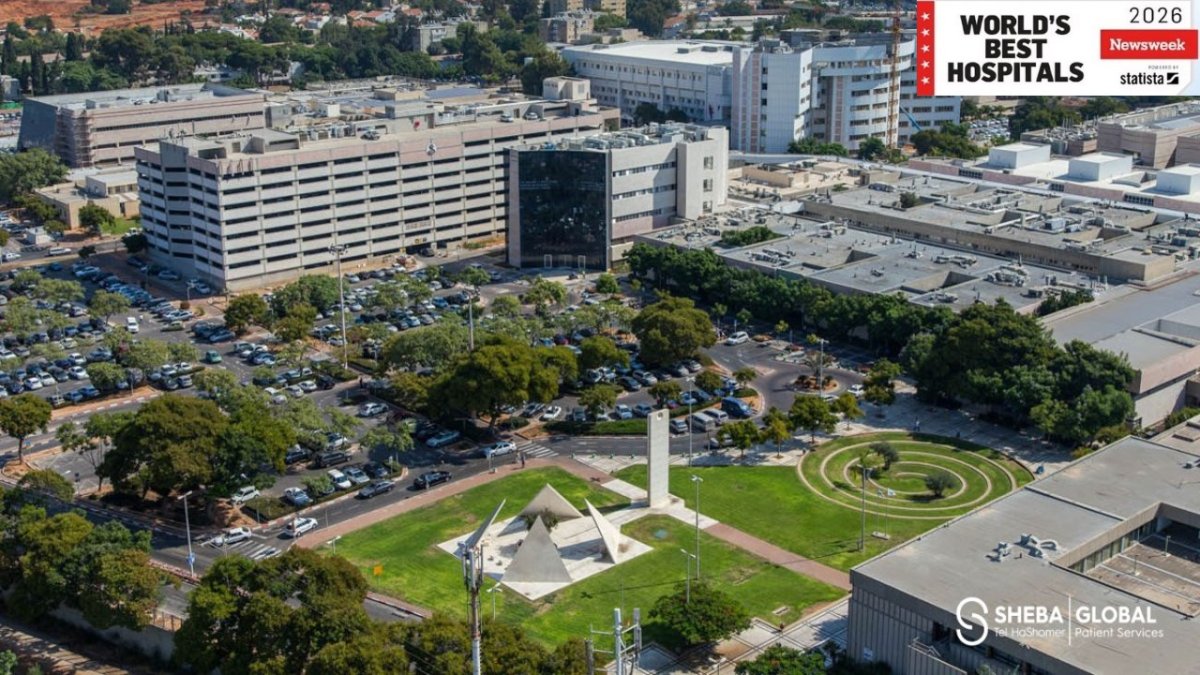
- مركز شيبا الطبي: مصنف ضمن أفضل عشرة مستشفيات في العالم، حيث يعالج 1.9 مليون مريض سنوياً.
- مركز هداسا الطبي: مرشح لجائزة نوبل للسلام. رائد في جراحة الأعصاب للأطفال والعلاج الجيني.
- مركز أسوتا الطبي: أكبر منشأة طبية خاصة في إسرائيل. متخصص في جراحات العمود الفقري والدماغ طفيفة التوغل.
- مستشفى شنايدر للأطفال: مركز رائد في جراحة الأعصاب للأطفال، يعالج 275000 طفل سنوياً.
رأي خبراء بوكيمد: تُظهر بياناتنا أنه بينما يلجأ معظم المرضى للعلاج في تل أبيب، يُقدّم مركز رامبام الطبي في حيفا رعايةً فريدةً لإصابات الدماغ. فهو يضم وحدةً متخصصةً للعناية المركزة العصبية تُعالج ما يقارب مليون مريض سنويًا. وهذا ما يجعله