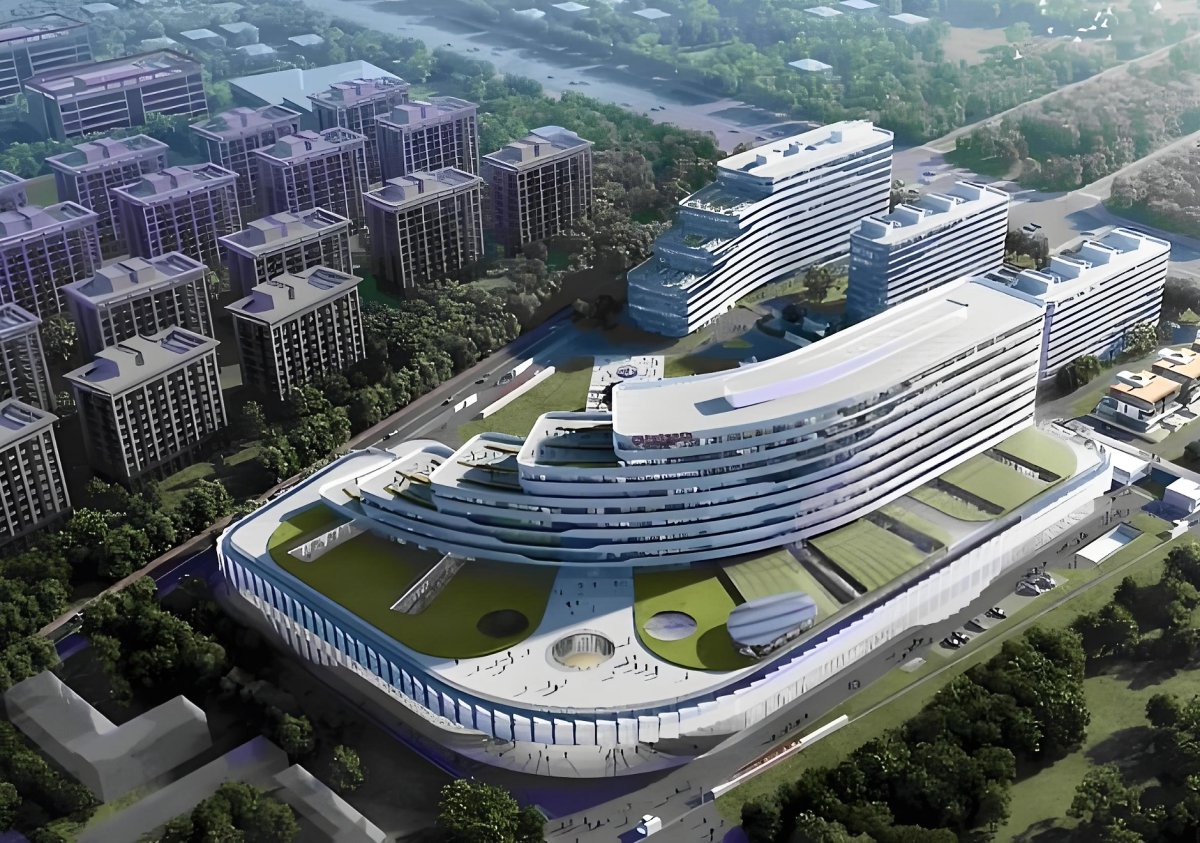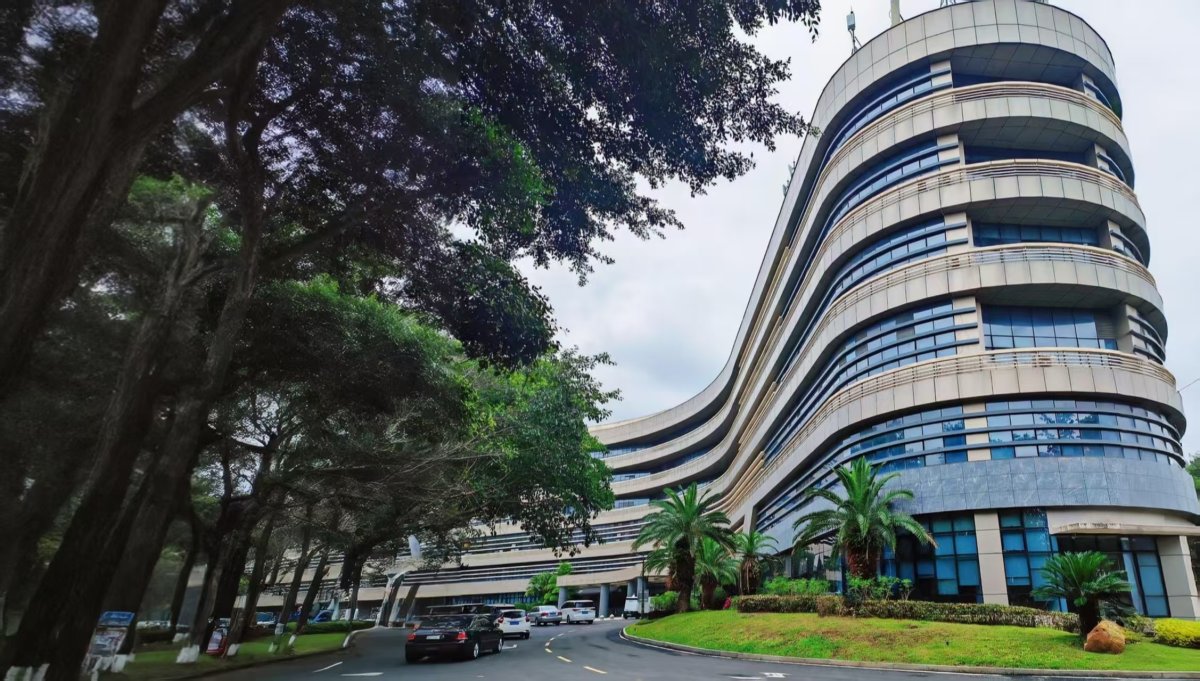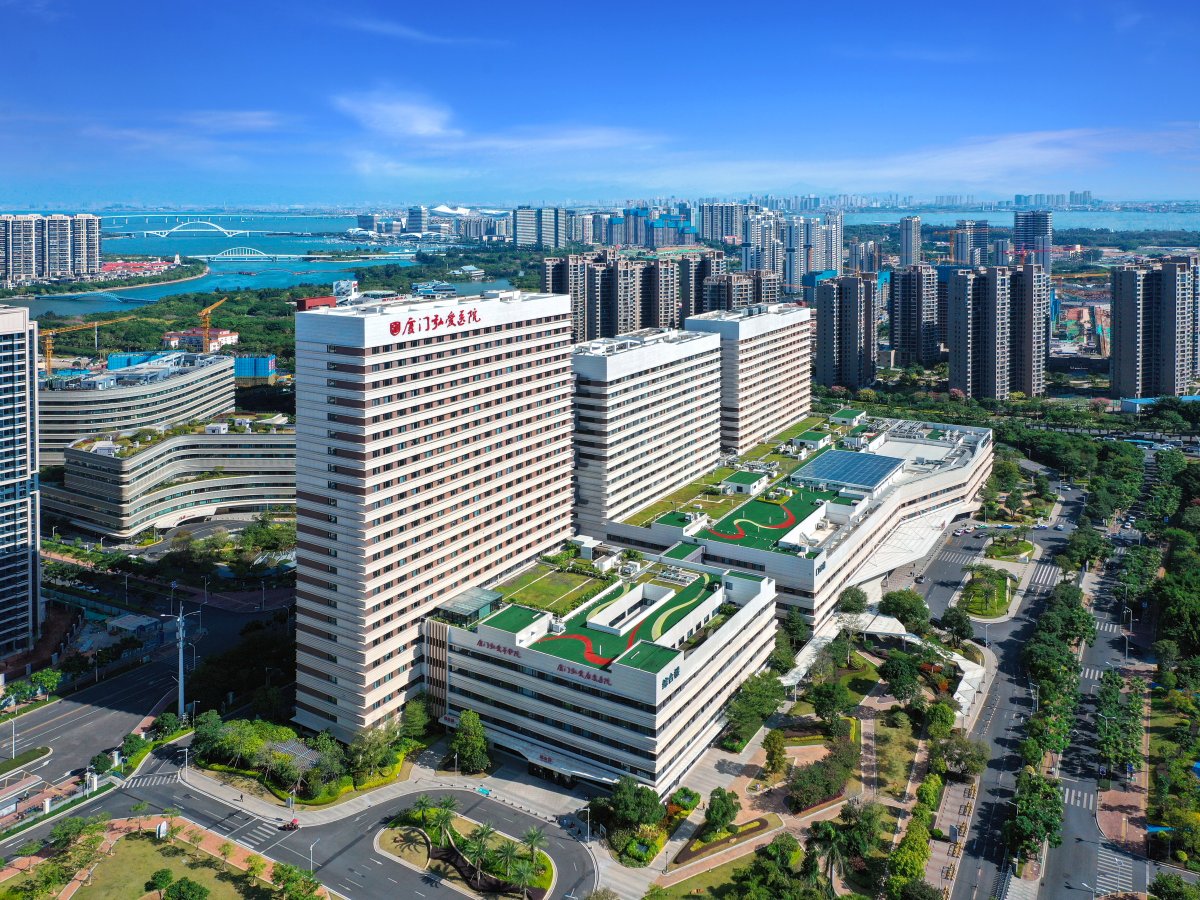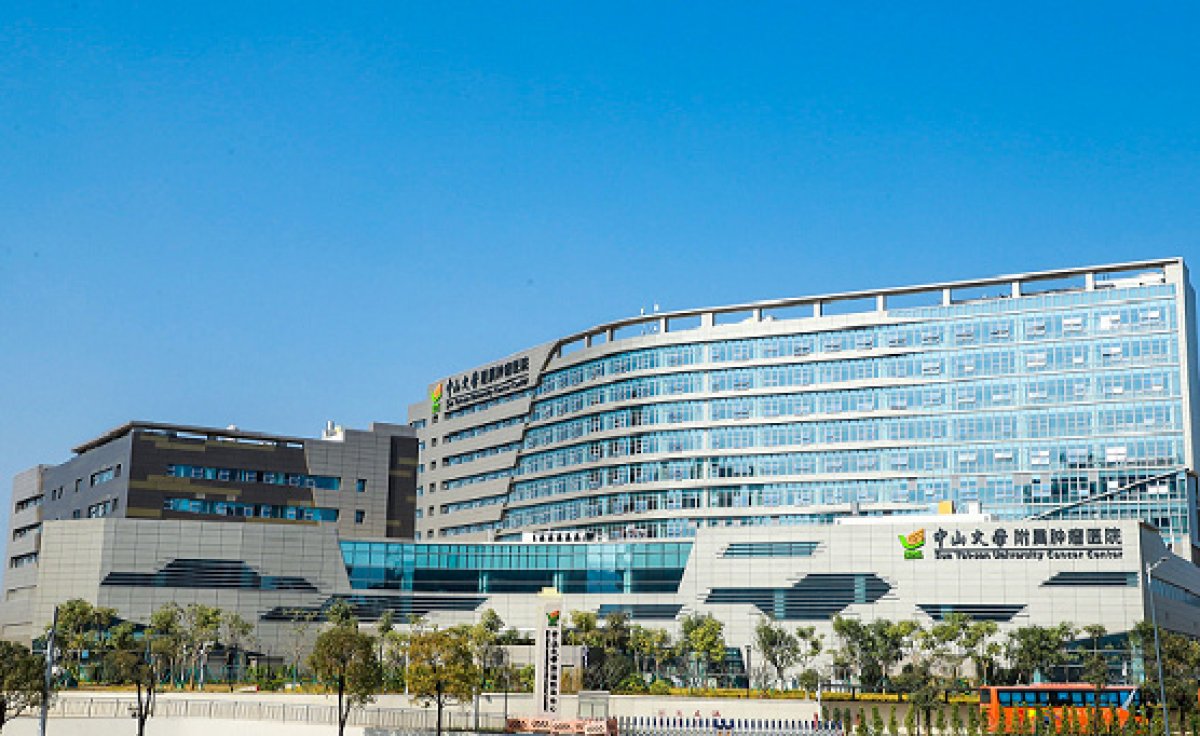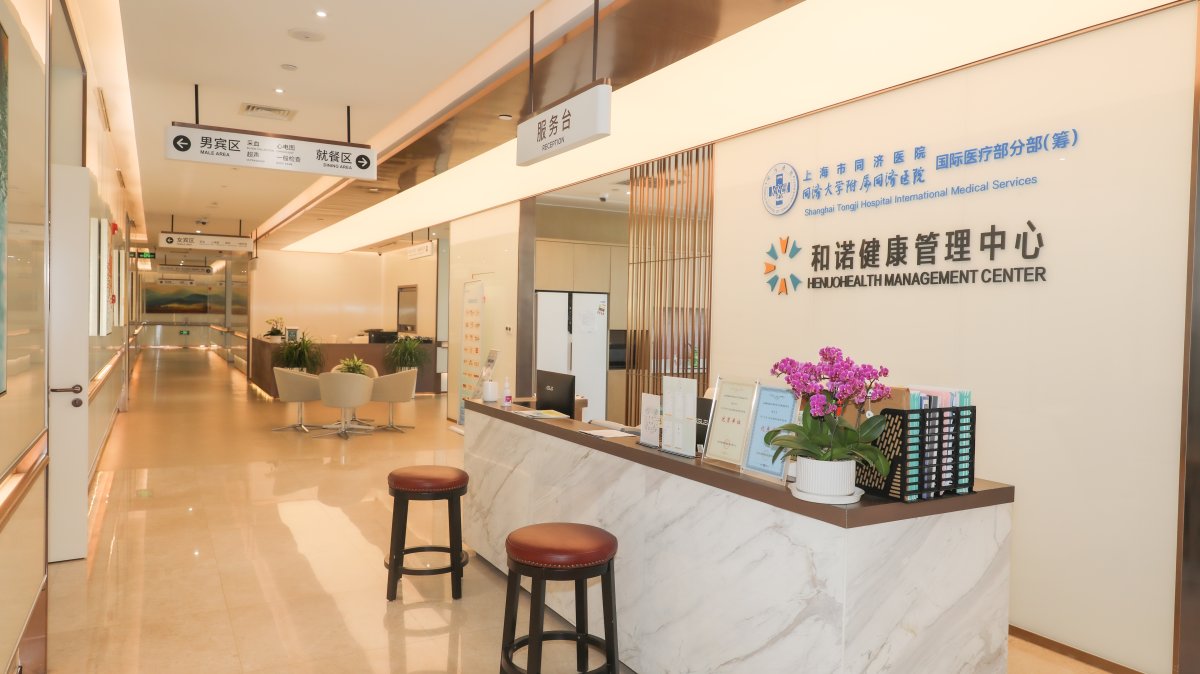
مركز أمراض الدم والعلاج الخلوي Shanghai Tongji Hospital
الصين, Shanghai


تمت مراجعة المقالة طبيا من قبل
فهد مولود
تتراوح تكلفة علاج أمراض الدم والأورام في الصين عادةً ما بين $27,000 و $163,500. تعتمد النفقات النهائية على مرحلة السرطان، واستخدام الأدوية المحلية مقابل المستوردة، وبروتوكولات العلاج الخلوي المحددة المطلوبة. غالبًا ما يجد المرضى توفيرًا بنسبة 50-85% مقارنة بالولايات المتحدة لعلاجات سرطان الدم المتقدمة.
تكاليف علاج أمراض الدم والأورام النموذجية في الصين
تتركز مراكز أمراض الدم الرئيسية في بكين وشنغهاي وقوانغتشو. تكون التكاليف في هذه المدن من الدرجة الأولى أعلى عمومًا منها في المرافق الإقليمية بسبب التكنولوجيا المتقدمة. يجب عليك استشارة أخصائي للحصول على تسعير دقيق لحالتك الطبية المحددة.
| الصين | تركيا | إسبانيا | |
|---|---|---|---|
| زرع نخاع العظم | من $233,000 | من $30,000 | من $100,900 |
| زراعة النخاع العظمي من متبرع قريب | ≈ $38,000 | من $55,000 | من $130,000 |
| زراعة النخاع العظمي من متبرع غير قريب | ≈ $38,000 | من $65,000 | من $170,000 |
| العلاج بالخلايا التائية ذات مستقبل المستضد الخيمري | من $187,500 | من $200,000 | من $386,200 |
| العلاج الكيميائي لسرطان الغدد الليمفاوية | ≈ $6,500 | من $4,000 | من $3,200 |
Bookimed لا يضيف رسوماً إضافية على أسعار علاج طب الأورام وأمراض الدم. الأسعار مأخوذة من قوائم الأسعار الرسمية للعيادات. تدفع مباشرة في العيادة مقابل علاجك عند وصولك إلى البلد.
Bookimed ملتزم بسلامتك. نحن نعمل فقط مع المؤسسات الطبية التي تحافظ على معايير دولية عالية في علاج طب الأورام وأمراض الدم ولديها التراخيص اللازمة لخدمة المرضى الدوليين في جميع أنحاء العالم.
Bookimed يقدم مساعدة خبراء مجانية. منسق طبي شخصي يدعمك قبل وأثناء وبعد العلاج، ويحل أي مشاكل. لن تكون وحيداً أبداً في رحلة علاج طب الأورام وأمراض الدم.

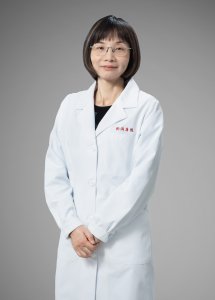
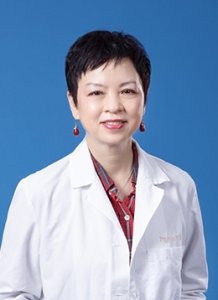
الدكتورة لي بينغ، دكتوراه في الطب ودكتوراه فلسفة، طبيبة رئيسية وأستاذة في قسم أمراض الدم بمستشفى تونغجي في شنغهاي، التابع لكلية الطب بجامعة تونغجي. تشرف على طلاب الدكتوراه والماجستير، وهي خبيرة في الأورام الدموية الخبيثة.
حصلت على دكتوراه في العلوم الطبية من جامعة ناغويا وأتمّت أبحاث ما بعد الدكتوراه. تتخصص في تشخيص وعلاج سرطانات الدم، وتركّز على أورام الجهاز اللمفاوي، بما في ذلك اللوكيميا والأورام اللمفاوية والورم النقوي المتعدد. تعالج المرضى بالعلاج الكيميائي، وزرع الخلايا الجذعية ال
الدكتورة دينغ يي نائبة كبير الأطباء في قسم أمراض الدم بمستشفى تونغجي بشانغهاي، وتشغل أيضاً منصب نائبة مديرة قسم نقل الدم بالإنابة. تحمل درجة الماجستير في الطب من جامعة تونغجي، وهي عضوة في لجنة الشباب بجمعية شانغهاي لأمراض الدم.
متمرسة في تشخيص وعلاج ابيضاض الدم واللمفوما والمايلوما المتعددة. تُقدّم علاجات بالخلايا الجذعية المكوِّنة للدم وبالخلايا الجذعية من دم الحبل السري. متخصّصة في ابيضاض الدم الحاد، وقد طوّرت بروتوكولات علاجية تسلسلية. شاركت في أبحاث نالت الجائزة الثانية لتقدّم العل
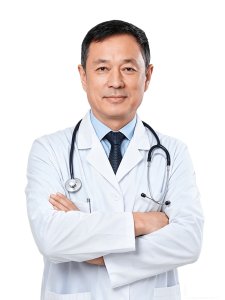
الأستاذ شياو يويونغ هو كبير الأطباء في قسم التشخيص الإشعاعي بالمستشفى العام لجيش التحرير الشعبي الصيني، وخبير بارز في طب الأورام التداخلي طفيف التوغل. يشغل منصب الرئيس المؤسس لـWATA (2025–). ويرأس الجمعية الدولية (2020–) والجمعية الآسيوية (2012–) للعلاج بالتجميد. كما أنه نائب رئيس مجموعة الخبراء بهيئة الصحة الوطنية (NHC) للوائح استئصال الأورام (2009–).
أجرى أكثر من 100,000 إجراء طفيف التوغل موجهًا بالتصوير المقطعي/الرنين المغناطيسي. يشمل عمله الاستئصال الكيميائي، والاستئصال بالترددات ا

كتب بواسطة Veronika Kazina

كتب بواسطة Veronika Kazina

كتب بواسطة Veronika Kazina

كتب بواسطة Veronika Kazina

كتب بواسطة Halina Shubala
 Anna Leonova
في الصين، يُدمج الطب الصيني التقليدي في علاج الأورام من خلال نظام ثنائي المراحل يجمع بين الجراحة الغربية أو العلاج الكيميائي والطب العشبي. يهدف هذا النموذج متعدد التخصصات إلى القضاء على الأورام مع استعادة جهاز المناعة في الوقت نفسه. ويستخدم ما بين 64% و80% من مرضى السرطان الصينيين الطب الصيني التقليدي في علاجهم.
رأي خبراء بوكيمد: على الرغم من أن الكثيرين يتوقعون أن يكون الطب الصيني التقليدي بديلاً، إلا أن مستشفيات النخبة الصينية من الفئة أ/المستوى الثالث، مثل مستشفى ياندا الدولي، تعتبره معيارًا سريريًا إلزاميًا. تُظهر البيانات أن هذه المراكز الرائدة تستخدم الطب الصيني التقليدي لتحقيق استقرار أسرع في تعداد الدم بعد العمليات
في الصين، يُقيّم الأطباء فعالية علاج أمراض الدم والأورام باستخدام فحوصات الدم والتصوير الطبي وخزعات نخاع العظم. وتُستخدم هذه الفحوصات لمتابعة انكماش الورم وعودة خلايا الدم إلى وضعها الطبيعي. وتستخدم مراكز متخصصة، مثل مستشفى لو داوبي لأمراض الدم، كميات هائلة من البيانات لمراقبة استجابة العلاج، مع إيلاء اهتمام خاص لتجديد الخلايا والمؤشرات الجينية.
رأي خبراء بوكيمد: في الصين، غالبًا ما ترتبط مؤشرات الجودة بحجم المستشفى وتخصصه. يعالج مستشفى لو داوبي لأمراض الدم 200 ألف مريض سنويًا في 30 قسمًا. يُمكّن هذا العبء الهائل من العمل أطباءً مثل الدكتور لو بيهوا من التعرف بسرعة أكب
يحتاج المرضى الأجانب الذين يسعون لتلقي علاج السرطان في الصين عادةً إلى تأشيرة S1 أو S2 (تأشيرة الشؤون الخاصة). تغطي تأشيرة S2 الإقامة لمدة تصل إلى 180 يومًا لإجراء العمليات الجراحية، بينما تُمنح تأشيرة S1 للعلاجات التي تتجاوز مدتها 180 يومًا. ويشترط الحصول على كلتا التأشيرتين دعوة رسمية من مستشفى معتمد حكوميًا.
رأي خبراء بوكيمد: تعالج المراكز الطبية الكبيرة، مثل مستشفى ياندا الدولي ومستشفى شيامن الإنساني، أكثر من مليون مريض سنويًا. وتضم هذه المؤسسات المصنفة ضمن الفئة A3 أقسامًا متخصصة لتسهيل إجراءات طلبات التأشيرة. ويُعد هذا الدعم المؤسسي بالغ الأهمية، إذ يُساعد في تحويل تأشيرات الدخول الأولية إلى تصاريح إقامة طبية بمجرد بدء العلاج.
رأي المرضى: يشير المرضى إلى أن ا
يتباين مستوى الدعم باللغة الإنجليزية في مراكز أمراض الدم والأورام الصينية بشكل كبير تبعًا لنوع المؤسسة. وتُعدّ المؤسسات الرائدة، مثل مستشفى فودا للسرطان ومستشفى ياندا الدولي، معتمدة من قبل اللجنة الدولية المشتركة (JCI). غالبًا ما تضم هذه المراكز أقسامًا دولية متخصصة، ويتحدث العاملون فيها اللغة الإنجليزية لتقديم الرعاية لأكثر من 30,000 مريض دولي يتلقون العلاج سنويًا.
رأي خبراء بوكيمد: تعالج المراكز الكبيرة، مثل مستشفى جاندا الدولي، أكثر من 2,500,000 مريض سنويًا. تُظهر بياناتنا أن هذه العيادات المصنفة ضمن الفئة "أ 3" غالبًا ما تمتلك بنية تحتية متطورة للترجمة. إذا اخترتم مركزًا متخصصًا مثل لو داوبي، فننصحكم بتأكيد هذا الدعم ك
ينبغي على المرضى التخطيط للبقاء في الصين لمدة تتراوح بين 3 و10 أسابيع لتلقي الرعاية الطبية المتعلقة بأمراض الدم والأورام. تستغرق الفحوصات الأولية عادةً من 3 إلى 7 أيام. أما العلاجات المعقدة، مثل العلاج بالخلايا التائية المعدلة وراثيًا (CAR-T)، فتتطلب من 4 إلى 10 أسابيع لتعديل الخلايا والمتابعة بعد الحقن.
رأي خبراء بوكيمد: تخدم مراكز طبية كبيرة مثل مستشفى ياندا الدولي ومستشفى شيامن الإنساني أكثر من مليون مريض سنويًا. يُمكّن هذا الحجم المؤسسات المعتمدة من قبل اللجنة الدولية
يُسمح عمومًا لأفراد العائلة بالإقامة مع المريض في مراكز أمراض الدم والأورام الصينية. وتختلف السياسات باختلاف نوع المستشفى وفئة الغرفة. وتوفر المراكز المعترف بها دوليًا، مثل مستشفى فودا للسرطان، مرونة أكبر. أما الأقسام المتخصصة فتطبق قواعد أكثر صرامة لحماية المرضى ذوي المناعة الضعيفة. وتكون ساعات الزيارة العامة عادةً من الساعة 8:00 صباحًا إلى 8:00 مساءً.
رأي خبراء بوكيمد: تُظهر البيانات من المراكز الطبية الكبيرة، مثل مستشفى جاندا الدولي الذي يخدم 2,500,000 مريض سنويًا، تفضيلًا للنهج المتكامل في العلاج. توفر المرافق الطبية المعتمدة من اللجنة الدولية المشتركة (JCI) عمومًا أفضل بنية تحتية للعائلات. إذا كانت إقامة العائلة أولوية، فابحث عن عيادات تضم أكثر من 1000 سرير. غالبًا ما تحتوي هذه المجمعات الكبيرة على شقق فندقية أو ص
يمكن للمرضى الحصول على استشارة طبية ثانية عن بُعد بشأن حالات أمراض الدم والأورام قبل السفر إلى الصين. وتُقدم هذه الخدمات مؤسسات طبية رائدة مثل مستشفى فودا للسرطان ومستشفى لو داوبي لأمراض الدم. وتُجرى الاستشارات عادةً عبر منصات فيديو آمنة أو تقارير مكتوبة لتأكيد التشخيصات واستراتيجيات العلاج قبل السفر الدولي.
رأي خبراء بوكيمد: غالبًا ما تمتلك العيادات التي تستقبل أعدادًا كبيرة من المرضى، مثل مستشفى جاندا الدولي الذي يعالج 2,500,000 مريض سنويًا، فرقًا خاصة بها من المترجمين. وتساهم هذه الخدمات بفعالية في التغلب على حواجز اللغة أمام المرضى الدوليين. كما أن اختيار مركز معتمد من اللجنة الدولية المشتركة (JCI)، مثل مستشفى فودا للسرطان، يضمن أن استشارتك عن بُعد تفي بمعايير السلامة والجودة العالمية المعترف بها.