طب الأورام وأمراض الدم في كوريا الجنوبية — التكاليف 2026


تمت مراجعة المقالة طبيا من قبل
فهد مولود
ما هي تكلفة طب الأورام وأمراض الدم في كوريا الجنوبية؟ اكتشف الآن
تتراوح تكلفة أمراض الدم والأورام في كوريا الجنوبية عادةً ما بين $42,200 و $287,500. تعتمد النفقات النهائية على نوع السرطان المحدد، والاختيار بين المراكز الطبية العامة أو الخاصة، وما إذا كان العلاج يتم في العيادات الخارجية أو يتطلب الإقامة في المستشفى. يمكن للمرضى توقع توفير ما بين 60 إلى 80% مقارنة بأسعار العلاجات المماثلة في الولايات المتحدة.
تكاليف أمراض الدم والأورام النموذجية في كوريا الجنوبية
- استشارة طبيب أمراض الدم: السعر عند الطلب
- تصوير بالرنين المغناطيسي لمنطقة واحدة: $480 – $530
- خزعة: من $370
- زراعة نخاع العظم: من $45,800
- العلاج الكيميائي: من $1,900
- تحليل صورة الدم الكاملة: من $30
- الأشعة المقطعية (CT): السعر عند الطلب
- اختبار دلالات الأورام في الدم: من $100
تقع معظم مراكز الأورام المتقدمة في سيول وجيونجي-دو. وتوفر المؤسسات الرائدة مثل مركز سامسونج الطبي ومستشفى جامعة سيول الوطنية رعاية شاملة في هذه المناطق. استشر أخصائياً للحصول على تسعير دقيق لحالتك الطبية وبروتوكول العلاج الخاص بك.
| كوريا الجنوبية | تركيا | إسبانيا | |
|---|---|---|---|
| زرع نخاع العظم | من $45,800 | من $30,000 | من $100,900 |
| زراعة النخاع العظمي من متبرع قريب | ≈ $85,000 | من $55,000 | من $130,000 |
| زراعة النخاع العظمي من متبرع غير قريب | ≈ $85,000 | من $65,000 | من $170,000 |
| العلاج بالخلايا التائية ذات مستقبل المستضد الخيمري | ≈ $385,000 | من $200,000 | من $386,200 |
| العلاج الكيميائي لسرطان الغدد الليمفاوية | ≈ $9,000 | من $4,000 | من $3,200 |
جميع أمراض طب الأورام وأمراض الدم
مزاياك وضماناتك مع Bookimed
أسعار مباشرة
Bookimed لا يضيف رسوماً إضافية على أسعار علاج طب الأورام وأمراض الدم. الأسعار مأخوذة من قوائم الأسعار الرسمية للعيادات. تدفع مباشرة في العيادة مقابل علاجك عند وصولك إلى البلد.
عيادات وأطباء معتمدون فقط
Bookimed ملتزم بسلامتك. نحن نعمل فقط مع المؤسسات الطبية التي تحافظ على معايير دولية عالية في علاج طب الأورام وأمراض الدم ولديها التراخيص اللازمة لخدمة المرضى الدوليين في جميع أنحاء العالم.
مساعدة مجانية على مدار الساعة
Bookimed يقدم مساعدة خبراء مجانية. منسق طبي شخصي يدعمك قبل وأثناء وبعد العلاج، ويحل أي مشاكل. لن تكون وحيداً أبداً في رحلة علاج طب الأورام وأمراض الدم.

منسقك الطبي الشخصي في Bookimed
- يدعمك في كل مرحلة
- المساعدة في اختيار العيادة الطبية المناسبة والطبيب المناسب
- يضمن الوصول السريع والمريح إلى المعلومات
اكتشف أفضل عيادات طب الأورام وأمراض الدم: 15 خيارات معتمدة والأسعار












أفضل مراكز طب الأورام وأمراض الدم في كوريا الجنوبية
- VG Plastic Surgery, كوريا الجنوبية
- Samsung Medical Center, كوريا الجنوبية
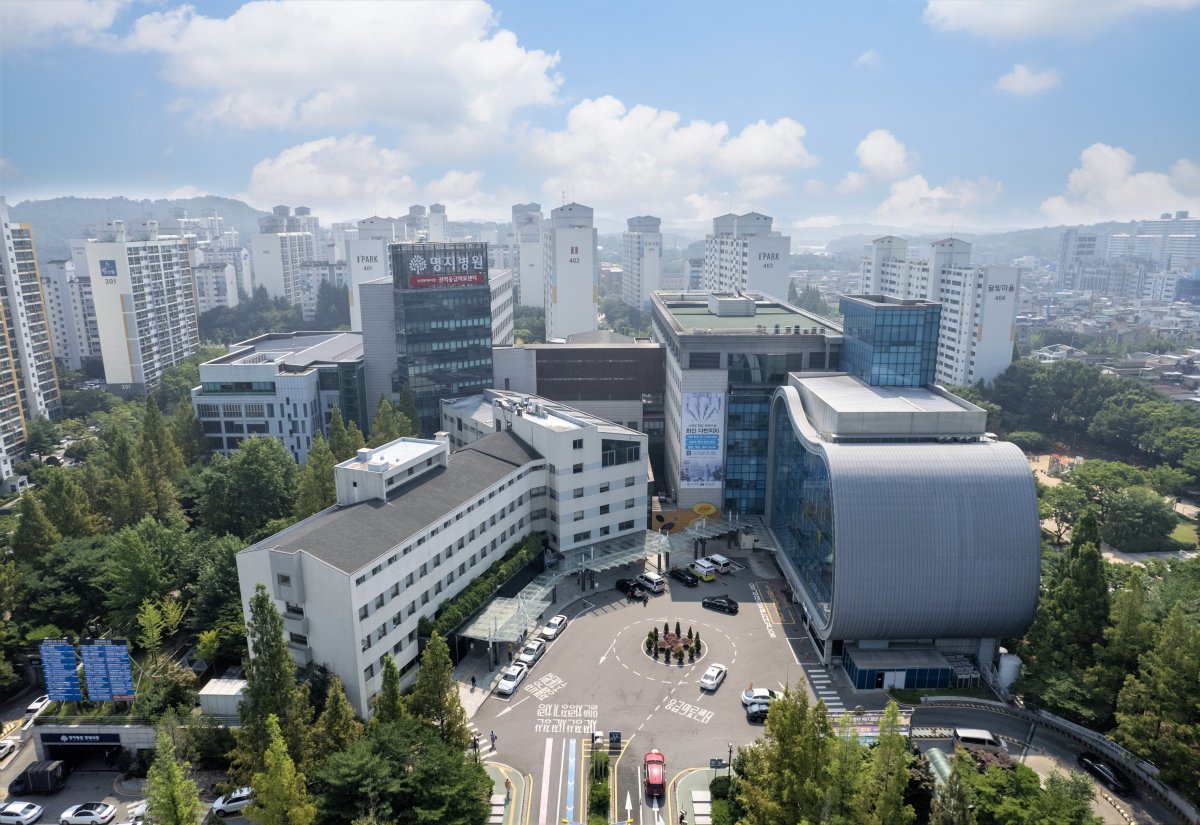
- Myongji Hospital, كوريا الجنوبية
- Ewha Womans University Medical Center, كوريا الجنوبية
- Asan Medical Center, كوريا الجنوبية
- Seoul National University Bundang Hospital (SNUBH), كوريا الجنوبية
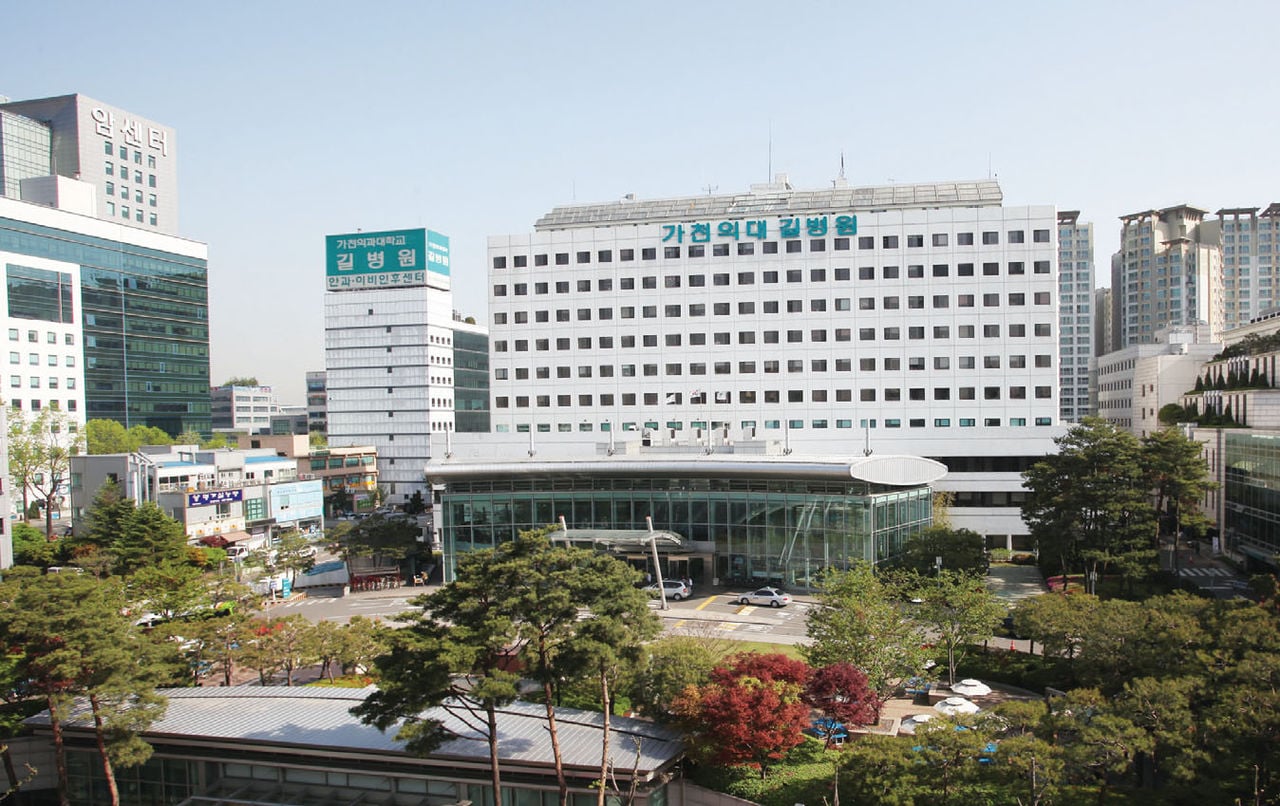
- Gachon University Gil Medical Center, كوريا الجنوبية
- Severance Hospital, كوريا الجنوبية
- Gangnam Severance Hospital, كوريا الجنوبية
- Soon Chun Hyang University Hospital , كوريا الجنوبية
احصل على تقييم طبي لـ في كوريا الجنوبية: اختر أخصائيك من بين الأفضل في هذا المجال
عرض جميع الأطباء
Keun Chil Park
يرأس البروفيسور كيون تشيل بارك قسم أمراض الدم والأورام في مركز سامسونج الطبي، وهو متخصص في سرطانات الرئة والرأس والرقبة والمريء.
- خريج كلية الطب بجامعة سيول الوطنية
- عضو في جمعيات الأورام المرموقة بما في ذلك ASCO وESMO
- يركز على أمراض الدم والأورام مع خبرة واسعة في هذا المجال
- نشط في مجتمعات أبحاث السرطان الدولية


Khong De Shchik
طبيب أورام متخصص في علم الأورام السريري وأمراض الدم السرطانية
28 سنة من الخبرة
- من عام 1992 إلى عام 1994 أكمل فترة تدريب في معهد فريد هاتشينسون للسرطان، الولايات المتحدة الأمريكية.
- منذ يناير 2001، أصبح مديرًا لمستشفى جامعة Soonchunhyang في بوتشون.
- احصل على استشارة مجانية

Keun-Wook Lee
الدكتور كيون-ووك لي هو طبيب أورام في مستشفى جامعة سيول الوطنية بوندانغ (SNUBH). يعالج الدكتور لي سرطانات الجهاز الهضمي، بما في ذلك سرطان المريء، وسرطان الأمعاء الدقيقة، وسرطان القولون في المرحلة الرابعة. يعمل الدكتور لي في مرفق مصنف ضمن أفضل المستشفيات الذكية في العالم وفقاً لمجلة نيوزويك.
- يعالج حالات أمراض الدم والأورام والأورام الصلبة.
- يعمل في مستشفى جامعة سيول الوطنية بوندانغ (SNUBH)، وهو مركز طبي يعالج 1.5 مليون مريض سنوياً.
- يمارس مهنته في مستشفى معتمد من قبل بر
مواد ذات صلة

كم تكلفة علاج اللوكيميا؟
كتب بواسطة Veronika Kazina

كم تكلفة زراعة نخاع العظام؟
كتب بواسطة Veronika Kazina

الرسالة لمن أنقذ حياتي
كتب بواسطة Veronika Kazina

تكلفة زراعة نخاع العظم عند الأطفال
كتب بواسطة Veronika Kazina

كم تكلفة علاج سرطان الغدد الليمفاوية؟
كتب بواسطة Halina Shubala
مشاركة المحتوى
قصص فيديو من مرضى Bookimed
 Anna Leonova
أسئلة متكررة حول طب الأورام وأمراض الدم في كوريا الجنوبية
هل كوريا الجنوبية وجهة جيدة لعلاج السرطان واضطرابات الدم؟
تُعتبر كوريا الجنوبية وجهة عالمية رائدة في طب أمراض الدم والأورام، حيث تقدم نتائج ممتازة لعلاج الاضطرابات الدمويّة المعقدة والسرطانات. تسجل البلاد نسبة بقاء لمدة خمس سنوات تبلغ 72.9٪ للسرطان. هذه النسبة تتجاوز مثيلاتها في الولايات المتحدة والمملكة المتحدة. تستخدم المراكز المتخصصة العلاج بأيونات ثقيلة وأنظمة روبوتية متقدمة.
- معدلات البقاء: تصل نسبة النجاح إلى 87.7٪ لسرطان المعدة و95.3٪ لسرطان الثدي.
- التصنيفات العالمية: يحتل مركز سامسونج الطبي ومركز آسان الطبي مكانة بين أفضل 10 مراكز على مستوى العالم.
- العلاجات المتخصصة: تقوم المراكز بأكثر من 145,000 عملية زرع نخاع عظم، مع نسب نجاح تتجاوز 90٪.
- التقنية المتقدمة: تتيح المرافق العلاج بخلايا CAR-T والعلاج بالبروتون، وأنظمة تشخيص تعتمد على الذكاء الاصطناعي.
تحليل خبراء Bookimed: يظهر تحليل تدفقات المرضى أن المستشفيات الرائدة في سيول، مثل مركز سامسونج الطبي، تدير أكثر من 2 مليون مريض سنويًا. يتيح هذا الحجم الكبير من المهام للفرق تحسين بروتوكولات علاج اضطرابات الدم النادرة بسرعة أكبر مقارنة بالمراكز الغربية ذات الحجم الأقل. تُجري عيادات مثل مركز آسان الطبي أكثر من 65,000 عملية جراحية سنويًا. هذه الخبرة ترتبط مباشرة بنسبة نجاح 90٪ في زراعة الأعضاء والخلايا الجذعية المعقدة.
اتفاق المرضى: يلاحظ المرضى أن المستشفيات الكورية تفضل استخدام مجموعات علاجية مكثفة للوصول إلى الشفاء بسرعة. رغم أن الآثار الجانبية يمكن أن تكون قوية، يقدر الكثيرون مرافق المستشفيات التي تشبه الفنادق وخيار
ما هي العلاجات المتقدمة لأمراض الدم والأورام المتوفرة في كوريا؟
تتميز خدمات أمراض الدم والأورام المتقدمة في كوريا بالعلاجات الخلوية والطب الدقيق والعلاج بالإشعاع الجسيمي. توفر المراكز المتخصصة علاج CAR T-cell وزراعة نخاع العظم التبرعي والعلاج بالأيونات الثقيلة. تستهدف هذه العلاجات سرطان الدم، الأورام اللمفاوية، والأورام الصلبة المقاومة. تحمل العديد من المرافق اعتماد اللجنة الدولية المشتركة (JCI) لضمان السلامة.
- العلاج الخلوي: يعالج علاج CAR T-cell سرطان الدم والورم اللمفاوي الذي عاد بعد العلاج باستخدام الإنتاج الداخلي.
- خبرة في الزراعة: يحتل مستشفى سانت ماري في سيول المرتبة الخامسة عالميًا لنجاح زراعة نخاع العظم.
- العلاج الجسيمي: تستهدف علاجات الأيونات الثقيلة وحزم البروتون الأورام القريبة من الأعضاء الحيوية بدقة.
- الطب الدقيق: يوفر التصنيف الجينومي والتسلسل من الجيل التالي خطط علاج شخصية للطفرات النادرة.
رؤية خبير Bookimed: تتعامل مستشفيات "الخمس الكبار" في كوريا، مثل مركز سامسونج الطبي ومركز أسان الطبي، مع حجم كبير من المرضى، حيث يدير أسان أكثر من 11,000 مريض خارجي يوميًا. يؤدي هذا التردد العالي إلى براعة استثنائية في الإجراءات المعقدة. على سبيل المثال، يدمج مركز سامسونج الطبي أنظمة نوفاليس ودا فينشي لدمج العلاج الإشعاعي مع الجراحة الروبوتية لرعاية شاملة للسرطان.
إجماع المرضى: يلاحظ المرضى أن المستشفيات الكورية غالبًا ما تكمل إنتاج وعلاج CAR T-cell في غضون أسبوعين فقط. كما يؤكدون على أن تكاليف العلاج أقل بشكل كبير من الولايات المتحدة، إلا أنه من الضروري تنسيق الإقامة طويلة الأم
كيف ينطبق نظام التأمين الصحي الوطني على علاج السرطان للأجانب؟
الأجانب الحاملون لتأشيرات صالحة والمسجلون في التأمين الصحي الوطني (NHI) في كوريا الجنوبية يحصلون على نفس تغطية السرطان الممنوحة للمواطنين. يحد برنامج تخفيض المدفوعات المخصصة من مسؤولية المريض. عادةً ما يدفع المرضى المؤمن عليهم بأمراض خطيرة مثل السرطان 5% فقط من إجمالي تكاليف العلاج والأدوية.
- متطلبات الأهلية: يجب أن يحمل الأجانب تأشيرات طويلة الأجل صالحة مثل F-5 أو F-6 للتسجيل.
- تخفيض المدفوعات: تغطي الحكومة 95% من تكاليف علاج السرطان والأدوية الأساسية.
- تغطية الفحوصات: عادةً ما يغطي التأمين الصحي الوطني من 90% إلى 100% من تكاليف فحوصات السرطان.
- نطاق العلاج: يشمل التغطية العلاج الكيميائي والعلاج الإشعاعي والجراحة في المرافق المعتمدة من JCI مثل مستشفى سيفرانس.
رأي خبير من Bookimed: تظهر البيانات وجود ميزة واضحة للمرضى الذين يختارون المراكز الكبيرة مثل مستشفى جامعة سيول الوطنية أو مركز أسان الطبي. تدير هذه المؤسسات أكثر من 10,000 مريض يوميًا ولها أقسام دولية مخصصة. ينتج الحجم العالي في كثير من الأحيان عن معالجة أكثر سلاسة من NHI للإجراءات المعقدة مثل علاج CAR T-cell.
إجماع المرضى: يؤكد المرضى على التحقق من حالة التأشيرة في وقت مبكر. تتحقق المستشفيات من بطاقات تسجيل الأجانب على الفور. يعتمد الزوار قصيرو الأجل غالبًا على حزم طبية مدفوعة مسبقًا لتجنب تأخيرات التأمين في العناية العاجلة بأمراض الدم.
ما هي الوثائق وخطوات الفيزا المطلوبة قبل بدء العلاج في كوريا الجنوبية؟
المرضى الذين يسعون لتلقي علاج أمراض الدم والأورام في كوريا الجنوبية يجب عليهم الحصول على دعوة رسمية من المستشفى وتأشيرة طبية. الإقامة القصيرة التي تقل عن 90 يومًا تتطلب تأشيرة C-3-3. أما العلاجات الأطول، مثل زراعة نخاع العظم، فتتطلب تأشيرة G-1-10. المواطنون من الدول المعفاة من التأشيرة لا يزالون بحاجة إلى الحصول على موافقة K-ETA للاستشارات الأولية.
- الدعوة الطبية: تقدم مستشفيات مثل مركز سامسونغ الطبي خطابات رسمية بعد مراجعة السجلات الأولية.
- الإثبات المالي: على المتقدمين تقديم كشوفات بنكية، غالبًا تظهر ما يصل إلى 10,000 دولار أمريكي لتغطية التكاليف.
- ترجمة الوثائق: يجب ترجمة السجلات الطبية المفصلة وتقارير التشخيص إلى الإنجليزية أو الكورية.
- سجلات المرافقين: يتعين على أفراد الأسرة المرافقين تقديم شهادات الميلاد أو الزواج لإثبات العلاقات.
رؤية خبير Bookimed: العيادات ذات الكفاءة الدولية العالية، مثل مركز أسان الطبي الذي يستقبل 11,800 مريض خارجي يوميًا، تمتلك فرقًا مخصصة لتسريع خطابات دعوات التأشيرة. تُظهر بياناتنا أن المستشفيات الرقمية الرائدة، بما في ذلك مستشفى جامعة سول الوطنية بوندانغ، غالبًا ما تتطلب استشارات عن بعد قبل إصدار هذه الوثائق. هذا يضمن التحقق من خطة علاجك قبل التقدم للحصول على التأشيرة في السفارة.
إجماع المرضى: يلاحظ المرضى أنه من الضروري إظهار علاقات قوية بوطنك، مثل خطاب وظيفة، لتجنب رفض التأشيرة. يجد العديد أن ترجمة جداول العلاج الكيميائي إلى اللغة الكورية تسرع بشكل كبير من عملية القبول في المستشفى عن