علاج فقر الدم اللاتنسجي في إسرائيل — احصل على 3 عيادات مختارة خصيصاً لك


تمت مراجعة المقالة طبيا من قبل
فهد مولود
كيف نعمل؟
ما هي تكلفة فقر الدم اللاتنسجي إجراءات التشخيص والعلاج في إسرائيل؟ اعرف الآن
| إسرائيل | تركيا | إسبانيا | |
|---|---|---|---|
| زرع نخاع العظم | من $204,500 | من $30,000 | من $100,800 |
| زراعة النخاع العظمي من متبرع قريب | ≈ $95,000 | من $55,000 | من $130,000 |
| زراعة النخاع العظمي من متبرع غير قريب | من $155,000 | من $65,000 | من $170,000 |
اكتشف أفضل فقر الدم اللاتنسجي العيادات في إسرائيل: 6 خيارات معتمدة والأسعار









Elisha Hospital

Kaplan Medical Center
احصل على تقييم طبي لـ في إسرائيل. استشر الآن 18 أطباء ذوي الخبرة.
عرض جميع الأطباء
Ram Ron
يتم حالياً تحديث معلومات الطبيب. يمارس الدكتور رون عمله في مركز سوراسكي الطبي (إيخيلوف).

Ron Ram
أجرى الدكتور رام عدة مئات من عمليات زرع الخلايا الجذعية - وهو علاج رئيسي لفقر الدم اللاتنسجي - في مركز سوراسكي الطبي.
- حاصل على شهادة البورد في كل من أمراض الدم والأورام الطبية
- تلقى تدريباً تخصصياً (زمالة) في مركز ويستشستر الطبي في نيويورك
- مؤلف لأكثر من 30 مقالاً علمياً وفصلاً في كتاب دراسي
- خبرة واسعة في اضطرابات نخاع العظم المعقدة

Ronit El Hasid
أكثر من 300 عملية زراعة نخاع عظمي ودم حبل سري – يقود الدكتور الحصيد قسم أمراض الدم والأورام لدى الأطفال في مستشفى دانا دويك للأطفال.
- رئيس قسم أمراض الدم والأورام لدى الأطفال
- عضو الجمعية الأمريكية لأمراض الدم
- نشر 50 ورقة بحثية في هذا المجال
- تدرب في مستشفى سيتي أوف هوب في لوس أنجلوس

Amos Toren
البروفيسور آموس تورين، MD، PhD، MHA، اختصاصي أمراض دم وأورام الأطفال وخبير زرع نخاع العظم. شغل منصب مدير أمراض دم وأورام الأطفال وزرع نخاع العظم في مركز شيبا الطبي.
حاصل على البورد في طب الأطفال، وأمراض دم وأورام الأطفال، وزرع نخاع العظم. يحمل دكتوراه في علم الوراثة البشرية. ترأس شعبة أمراض الدم في جامعة تل أبيب لولايتين. وهو عضو في ASH وCOG وESPHI وEBMT وCIBMTR، ويعمل أيضاً في لجنة دم الحبل السري بوزارة الصحة.
قاد أحد أكثر برامج أورام الأطفال وزرع نخاع العظم تقدماً في إسرائيل.
مشاركة المحتوى
قصص فيديو من مرضى Bookimed
 Anna Leonova
أسئلة متكررة حول علاج فقر الدم اللاتنسجي في إسرائيل
ما هي خيارات العلاج الرئيسية لفقر الدم اللاتنسجي المتاحة في إسرائيل؟
يركز العلاج الرئيسي لفقر الدم اللاتنسجي في إسرائيل على زراعة نخاع العظم والعلاج المثبط للمناعة المتقدم. توفر المرافق المعتمدة من قبل JCI عمليات زراعة خيفية من متبرعين أقارب وغير أقارب. تشمل البروتوكولات المتخصصة ATG، والسيكلوسبورين، وإلتومبوباج للحالات المستعصية. يتم دعم معدلات النجاح العالية من خلال مطابقة HLA الدقيقة والتشخيص الجزيئي.
- زراعة نخاع العظم: الحل طويل الأمد المفضل للمرضى الأصغر سناً الذين لديهم متبرعون مطابقون.
- العلاج المثبط للمناعة: يجمع بين ATG والسيكلوسبورين للمرضى الذين ليس لديهم متبرعون متاحون.
- التشخيص المتقدم: يشمل خزعة نخاع العظم، والدراسات الوراثية الخلوية، وبروتوكولات الفحص الجيني.
- الرعاية الداعمة: الإدارة من خلال عمليات نقل الدم، وعوامل النمو، وخدمات التمريض على مدار 24 ساعة.
رؤية خبير Bookimed: توفر المراكز الإسرائيلية ميزة كبيرة في مطابقة المتبرعين من خلال الوصول إلى السجلات الدولية والخبرة المتخصصة في طب الأطفال. على سبيل المثال، أجرت الدكتورة رونيت إل حاسيد في مركز سوراسكي الطبي أكثر من 300 عملية زراعة للأطفال. في مركز شيبا الطبي، تشمل الباقات التي تبلغ حوالي 160,000 دولار إقامة موسعة في المستشفى لمدة 30 يوماً. هذا المستوى من الرعاية المتكاملة أمر بالغ الأهمية لأن التعافي يتطلب مراقبة مكثفة قد لا توفرها الإقامات الأقصر.
إجماع المرضى: يشير المرضى إلى أنه من المهم البدء في كتابة HLA على الفور لتسريع عملية الزرع. يؤكد الكثيرون أنه على الرغم من أن التعب أثناء التعافي يمثل تحدياً، فإن وجود ش
ما هي المستشفيات الإسرائيلية الأكثر شهرة في علاج فقر الدم اللاتنسجي؟
تعتبر المستشفيات الإسرائيلية مثل مركز سوراسكي الطبي، ومركز شيبا الطبي، ومركز هداسا الطبي من الرواد العالميين في علاج فقر الدم اللاتنسجي. تتخصص هذه المرافق المعتمدة من قبل اللجنة الدولية المشتركة (JCI) في عمليات زرع نخاع العظم الخيفي والعلاجات المثبطة للمناعة المتقدمة. وهي تحقق معدلات نجاح تصل إلى 90% في الحالات الدموية المعقدة.
- مركز سوراسكي الطبي: مصنف ضمن أفضل 10 عيادات في العالم للسياحة العلاجية.
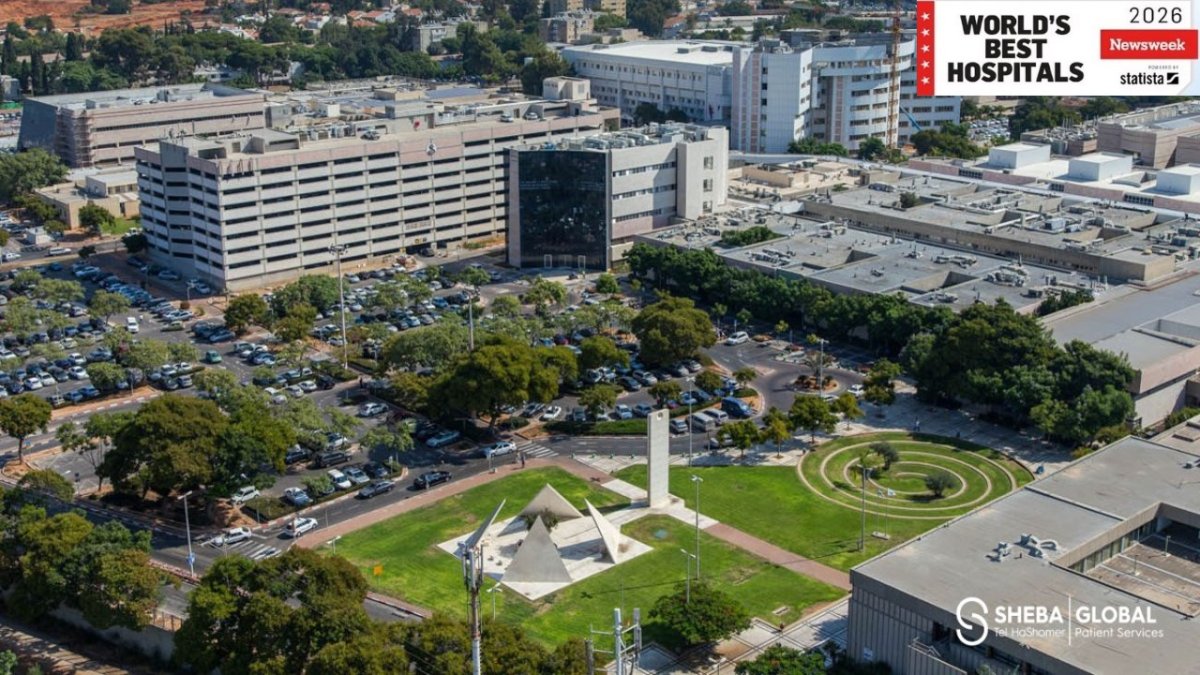
- مركز شيبا الطبي: معترف به باستمرار من قبل مجلة نيوزويك كواحد من أفضل 10 مستشفيات عالمية.
- مركز هداسا الطبي: متخصص في الأمراض النادرة وكان رائدًا في إجراء أول عمليات زرع نخاع عظم في إسرائيل.
- مركز شنايدر للأطفال: يوفر بنية تحتية مخصصة للمرضى الأطفال دون سن 18 عامًا.
رؤية خبير Bookimed: غالبًا ما يعتمد الاختيار بين المراكز الرائدة على الخبرة التخصصية للأطفال مقابل حجم المرضى البالغين. بينما يخدم مركز شيبا الطبي أكثر من 1,500,000 مريض عالمي سنويًا، يقدم سوراسكي رعاية أطفال متخصصة للغاية في دانا-دويك. أجرت الدكتورة رونيت إل حاسيد في سوراسكي أكثر من 300 عملية زرع ناجحة للأطفال تحديدًا. يجب على المرضى مقارنة معدلات النجاح هذه القائمة على الحجم عند اختيار مرفق لاضطرابات الدم النادرة.
إجماع المرضى: يشير المرضى إلى أن المستشفيات الإسرائيلية تتفوق في العثور على متبرعين مطابقين من خلال السجلات الدولية. كما يؤكدون على أهمية وجود مترجم للمساعدة في التنقل في عملية القبول والبيروقراطية في المستشفى.
ما هو معدل نجاح زراعة نخاع العظم لفقر الدم اللاتنسجي في إسرائيل؟
تُبلغ المراكز الطبية الإسرائيلية عن معدلات بقاء على قيد الحياة تتجاوز 90% لزراعة نخاع العظم لدى المرضى الصغار المصابين بفقر الدم اللاتنسجي. يظل النجاح قريبًا من 90.8% لمن هم دون سن الأربعين. تحافظ البروتوكولات المتخصصة لأنواع المتبرعين البديلة على نتائج تصل إلى 94% في المرافق الرائدة.
- عامل العمر: تصل نسبة البقاء على قيد الحياة إلى 90.7% للمرضى الذين تقل أعمارهم عن 40 عامًا.
- نوع المتبرع: يقدم المتبرعون الأشقاء المتطابقون تقليديًا النتائج الإيجابية الأكثر قابلية للتنبؤ.
- النجاح السريري: يُبلغ مركز سوراسكي الطبي عن معدل نجاح بنسبة 90% لعلاجات الأورام.
- حجم خبرة الخبراء: أجرت الدكتورة بولينا ستيبينسكي في هداسا أكثر من 3500 عملية زراعة.
رؤية خبير Bookimed: توفر أقسام أمراض الدم الإسرائيلية ميزة كبيرة من خلال التخصص عالي الحجم. على سبيل المثال، أجرت الدكتورة إيفيتا دانيليسكو في مركز شيبا الطبي 3000 إجراء. غالبًا ما يرتبط هذا المستوى من الخبرة الفردية بمعدلات البقاء على قيد الحياة المرتفعة المُبلغ عنها في المؤسسات الرئيسية في البلاد المعتمدة من قبل اللجنة الدولية المشتركة (JCI).
إجماع المرضى: يؤكد المرضى أن زراعة نخاع العظم غالبًا ما تكون العلاج الأول المفضل على كبت المناعة للأشخاص الأصغر سنًا. يلاحظ الكثيرون أن تعداد الدم يبدأ عادةً في العودة إلى طبيعته بحلول اليوم المائة مع المراقبة المناسبة.
ما هي مدة فترة التعافي والاستشفاء بعد عملية الزرع؟
تستغرق الإقامة في المستشفى لزراعة نخاع العظم في إسرائيل عادةً 30 يومًا. يبقى المرضى في غرف متخصصة مزودة بمرشحات HEPA لمنع العدوى بينما يتطور الجهاز المناعي الجديد. يتطلب التعافي الجسدي الكامل وإعادة بناء المناعة عمومًا من 3 إلى 12 شهرًا من الرعاية اللاحقة.
- الإقامة في المستشفى: يقضي المرضى عادةً 30 يومًا في المستشفى للمراقبة.
- مرحلة التطعيم: تبدأ خلايا الدم الجديدة عادةً في النمو بين اليوم 14 و28.
- التعافي الأولي: يستمر العزل المنزلي وبروتوكولات العدوى الصارمة لمدة 100 يوم تقريبًا.
- العودة للنشاط: يعود معظم المرضى إلى العمل أو المدرسة في غضون 3 إلى 6 أشهر.
رؤية خبير Bookimed: بينما يركز الكثيرون على الجراحة، فإن الإقامة في المستشفى لمدة 30 يومًا المضمنة في باقات مركز شيبا الطبي هي معيار أمان حاسم. تستخدم المراكز ذات الحجم الكبير مثل سوراسكي، التي تخدم أكثر من 400,000 مريض سنويًا، هذه الفترة الممتدة لإدارة الانتقال الدقيق قبل الخروج إلى المنزل. يضمن اختيار باقة تتضمن 4 أسابيع من الرعاية الداخلية مراقبة احترافية خلال نافذة الخطر الأعلى للرفض.
إجماع المرضى: يشير المرضى إلى أنه من المهم الاستعداد لما لا يقل عن 6 أسابيع من الإقامة في المستشفى للبقاء مرتاحين. يؤكد الكثيرون أن التعافي ليس دائمًا خطًا مستقيمًا، حيث تتطلب الأيام المائة الأولى فحوصات دم مستمرة ومساعدة منزلية.
ما الذي يحدد الأهلية لزراعة النخاع مقابل العلاج المثبط للمناعة في إسرائيل؟
تعتمد الأهلية لعلاج فقر الدم اللاتنسجي في إسرائيل على توفر المتبرع، وعمر المريض، وشدة المرض. يتلقى المرضى الذين تقل أعمارهم عن 40 عاماً ولديهم متبرع مطابق من الأشقاء عادةً عمليات زراعة نخاع العظم كعلاج علاجي من الخط الأول. يعمل العلاج المثبط للمناعة كبديل أساسي في حال عدم العثور على متبرع قريب.
- توفر المتبرع: المتبرعون المطابقون من الأشقاء يسرعون من مسار المرضى نحو زراعة نخاع العظم الخيفي.
- عمر المريض: يبدأ المرضى الذين تزيد أعمارهم عن 40 عاماً عادةً بالعلاج المثبط للمناعة بسبب مخاطر الزراعة.
- الشدة السريرية: الحالات شديدة الخطورة التي تعاني من انخفاض حاد في عدد العدلات قد تعطي الأولوية للزراعة العاجلة.
- اللياقة البيولوجية: تقيم المراكز الإسرائيلية الصحة البدنية بدلاً من الالتزام بحدود عمرية زمنية صارمة.
- الاستجابة للعلاج: إذا فشل العلاج المثبط للمناعة بعد 3-6 أشهر، ينتقل الأطباء إلى زراعة من متبرعين غير أقارب.
رؤية خبير Bookimed: بينما يعتقد الكثيرون أن السجلات الدولية هي الخيار الوحيد، تحتفظ المراكز الإسرائيلية الرائدة مثل شيبا ورمبام بمرافق متطورة لجمع وتخزين خلايا نخاع العظم. تسمح هذه البنية التحتية بانتقال أكثر مرونة من العلاج الدوائي إلى الزراعة إذا لم تحقق العلاجات الأولية معدل نجاح بنسبة 90%. تقدم عيادات مثل مركز سوراسكي الطبي أيضاً بروتوكولات متخصصة للأطفال، حيث أجرت الدكتورة رونيت إل حاسيد أكثر من 300 عملية زراعة ناجحة، وغالباً ما تجمع بين الرعاية القياسية والأدوية الأحدث لتحسين النتائج.
إجم
هل تتوفر خدمة مطابقة المتبرعين والبحث عن متبرعين غير أقارب للمرضى الدوليين؟
يتمتع المرضى الدوليون بإمكانية الوصول الكامل إلى مطابقة المتبرعين والبحث عن متبرعين غير أقارب في إسرائيل من خلال الجمعية العالمية للمتبرعين بنخاع العظم (WMDA). تنسق المراكز الإسرائيلية بشكل روتيني مع السجلات العالمية مثل البرنامج الوطني للمتبرعين بنخاع العظم لتحديد متبرعين متوافقين في جميع أنحاء العالم. تضمن هذه العملية مطابقة عالية الجودة للحالات المعقدة.
- الاتصال العالمي: الوصول إلى 42 مليون متبرع محتمل عبر 75 سجلاً دولياً من خلال WMDA.
- كفاءة البحث: غالباً ما توفر عمليات البحث الأولية في قواعد البيانات العالمية نتائج للمطابقات المحتملة في غضون 24 ساعة.
- خبرة متخصصة: الدكتور رون رام في مركز سوراسكي متخصص في عمليات زراعة الخلايا الجذعية من متبرعين غير أقارب ذات الحجم الكبير.
- خيارات الأطفال: أجرت الدكتورة رونيت إل حاسيد أكثر من 300 عملية زراعة نخاع عظم ودم الحبل السري.
رؤية خبير Bookimed: بينما تستغرق العديد من عمليات البحث شهوراً، تخدم المستشفيات الإسرائيلية مثل شيبا وسوراسكي أكثر من 1.5 مليون مريض سنوياً، مما يمنحها قوة لوجستية هائلة. تظهر بياناتنا أن الباقات عالية المستوى، التي تتراوح تكلفتها بين 150,000 و 160,000 دولار، غالباً ما تشمل تشخيصات شاملة وإقامات في المستشفى لمدة 30 يوماً. كانت المراكز ذات الحجم الكبير مثل شيبا رائدة في عمليات زراعة دم الحبل السري، مما يوفر بديلاً حيوياً عندما لا تتوفر مطابقة 10/10 من متبرع غير قريب من خلال السجلات القياسية.
إجماع المرضى: يشير المرضى إلى أنه من الضروري بدء البحث عن متب
ما هي متابعة ما بعد العلاج التي تتم خارج إسرائيل؟
تشمل متابعة ما بعد العلاج لفقر الدم اللاتنسجي رعاية منسقة بين أطباء أمراض الدم الإسرائيليين ومقدمي الرعاية المحليين. يخضع المرضى لفحوصات دم متكررة وخزعات نخاع العظم لمراقبة الانتكاس. تستخدم مؤسسات مثل مركز شيبا الطبي ومركز هداسا الطبي الطب عن بعد لمراجعة التقدم وتعديل الأدوية عن بُعد.
- فحوصات الدم الروتينية: يحتاج المرضى إلى فحوصات دم كاملة شهرية في البداية بعد العودة إلى المنزل.
- مراقبة نخاع العظم: يتم تكرار الخزعات عادةً في 3 و 6 و 12 شهرًا بعد العلاج.
- مراجعات الطب عن بعد: تسمح الاستشارات الرقمية عبر Zoom للأخصائيين الإسرائيليين بتعديل خطط العلاج.
- التحقق من الأدوية: يجب على الصيادلة المحليين تأكيد توفر مثبطات مناعية معينة أو بدائل مناسبة.
- التوثيق السريري: يجب على المرضى مشاركة ملخصات الخروج وتقارير العمليات مع أطباء أمراض الدم المحليين.
رؤية خبير Bookimed: بينما توفر المراكز الكبرى مثل سوراسكي أو هداسا ملخصات خروج شاملة، فإن التنسيق الفعلي يعتمد غالبًا على الأخصائي المعني. يشتهر الدكتور رون رام في سوراسكي والدكتورة بولينا ستيبينسكي في هداسا بإدارة بروتوكولات زراعة معقدة. يجب على مرضاهم التأكد من شمول زيارات المتابعة في باقاتهم التي تتراوح بين 150,000 إلى 160,000 دولار، حيث تغطي هذه غالبًا المراجعات الحرجة الأولى بعد الجراحة داخل إسرائيل قبل المغادرة.
إجماع المرضى: يشير المرضى إلى أنه من المهم تتبع نتائج المختبر الخاصة بك والاحتفاظ بنسخ من جميع فحوصات الدم. ويؤكدون على أهمية إيجاد طبيب أم
لماذا تُعد إسرائيل واحدة من الوجهات الرائدة في جراحة الأعصاب؟
تُعدّ إسرائيل مركزًا رائدًا في جراحة الأعصاب بفضل مزيجها من التطورات الطبية عالية التقنية والخبرات الجراحية المتميزة. وتستخدم مرافق متطورة مثل مركز شيبا الطبي أنظمة ملاحة تعتمد على الذكاء الاصطناعي والتصوير بالرنين المغناطيسي أثناء الجراحة في الوقت الفعلي. وتشير المراكز المتخصصة إلى نسبة نجاح تصل إلى 98% في العمليات الجراحية المعقدة، بما في ذلك جراحة الدماغ مع اليقظة وعلاج اضطرابات الحركة.
- التكنولوجيا المتقدمة: تستخدم العيادات الموجات فوق الصوتية المركزة الموجهة بالرنين المغناطيسي (MRgFUS) والأنظمة الروبوتية لإجراء الشقوق.
- الخبرة الجراحية: يقود جراحون مثل الدكتور تسفي رام جمعيات دولية بخبرة تزيد عن 25 عامًا.
- الوصول السريع: يمكن للمرضى الدوليين عادةً تحديد مواعيد لإجراء عمليات جراحية معقدة في الدماغ أو العمود الفقري في غضون 2-4 أسابيع.
- الرعاية الطبية المعتمدة: المراكز الكبيرة مثل سوراسكي (إيشيلوف) وأسوتا معتمدة من قبل اللجنة الدولية المشتركة، مما يؤكد سلامتها.
رأي خبراء بوكيمد: تُظهر البيانات فرقًا واضحًا بين خيارات العلاج في القطاعين العام والخاص في إسرائيل. تُجري المراكز الخاصة، مثل مركز أسوتا الطبي، أكثر من 92,000 عملية جراحية سنويًا، وتتيح للمرضى اختيار جراح را
ما هي أنواع الأمراض العصبية التي يتم علاجها في إسرائيل؟
يعالج جراحو الأعصاب الإسرائيليون طيفاً واسعاً من الحالات، بدءاً من أورام الدماغ والحبل الشوكي وصولاً إلى الاضطرابات الوظيفية المعقدة. وتستخدم المراكز المتخصصة أحدث التقنيات، مثل جهاز جاما نايف، والتحفيز العميق للدماغ، والتصوير بالرنين المغناطيسي أثناء الجراحة، لتشخيص دقيق للغاية لحالات الصرع، ومرض باركنسون، وأمراض الأوعية الدموية الدماغية.
- الأمراض السرطانية: علاج الأورام الدبقية والأورام السحائية وأورام الغدة النخامية باستخدام استئصال قاعدة الجمجمة.
- الاضطرابات الوظيفية: علاج مرض باركنسون والرعاش الأساسي باستخدام التحفيز العميق للدماغ.
- أمراض العمود الفقري: تصحيح الجنف، وانزلاق الغضروف، وأورام العمود الفقري باستخدام الأنظمة الروبوتية.
- علاج أمراض الأوعية الدموية الدماغية: العلاج الجراحي لتمدد الأوعية الدموية الدماغية والتشوهات الشريانية الوريدية باستخدام التدخلات داخل الأوعية الدموية.
- جراحة الأعصاب للأطفال: رعاية متخصصة لاستسقاء الرأس والتشوهات الخلقية في مراكز طب الأطفال المتخصصة.
رأي خبراء بوكيمد: غالبًا ما تجمع المستشفيات الإسرائيلية بين تخصصات طبية متعددة لمعالجة الحالات المعقدة. ففي مركز سوراسكي ا
ما هي المستشفيات في إسرائيل التي تشتهر بأقسام جراحة الأعصاب فيها؟
تضم إسرائيل مراكز جراحة أعصاب عالمية المستوى، مثل مركز سوراسكي الطبي، ومركز شيبا الطبي، ومركز هداسا الطبي. وتُعدّ هذه المؤسسات رائدة عالميًا في علاج أورام الدماغ المعقدة، وأمراض العمود الفقري، واضطرابات الحركة. وتستخدم أحدث التقنيات، مثل جهاز جاما نايف، والأنظمة الروبوتية، والتصوير بالرنين المغناطيسي أثناء الجراحة.
- سوراسكي (إيخيلوف): يجري أكثر من 2500 عملية جراحية عصبية سنوياً في تل أبيب بنسبة نجاح تبلغ 98%.
- مركز شيبا الطبي: مصنف ضمن أفضل عشرة مستشفيات في العالم، حيث يعالج 1.9 مليون مريض سنوياً.
- مركز هداسا الطبي: مرشح لجائزة نوبل للسلام. رائد في جراحة الأعصاب للأطفال والعلاج الجيني.
- مركز أسوتا الطبي: أكبر منشأة طبية خاصة في إسرائيل. متخصص في جراحات العمود الفقري والدماغ طفيفة التوغل.
- مستشفى شنايدر للأطفال: مركز رائد في جراحة الأعصاب للأطفال، يعالج 275000 طفل سنوياً.
رأي خبراء بوكيمد: تُظهر بياناتنا أنه بينما يلجأ معظم المرضى للعلاج في تل أبيب، يُقدّم مركز رامبام الطبي في حيفا رعايةً فريدةً لإصابات الدماغ. فهو يضم وحدةً متخصصةً للعناية المركزة العصبية تُعالج ما يقارب مليون مريض سنويًا. وهذا ما يجعله