علاج الفتق الإربي في الهند: 14 مستشفيات


تمت مراجعة المقالة طبيا من قبل
فهد مولود
ما هي تكلفة الفتق الإربي إجراءات التشخيص والعلاج في الهند؟ اعرف الآن
| الهند | تركيا | إسبانيا | |
|---|---|---|---|
| جراحة الفتق الإربي | من $1,800 | من $4,300 | من $7,300 |
| إصلاح الفتق الإربي بالمنظار | ≈ $1,800 | من $3,500 | من $9,300 |
مزاياك وضماناتك مع Bookimed
أسعار مباشرة
Bookimed لا يضيف رسوماً إضافية على أسعار علاج الفتق الإربي. الأسعار مأخوذة من قوائم الأسعار الرسمية للعيادات. تدفع مباشرة في العيادة مقابل علاجك عند وصولك إلى البلد.
عيادات وأطباء معتمدون فقط
Bookimed ملتزم بسلامتك. نحن نعمل فقط مع المؤسسات الطبية التي تحافظ على معايير دولية عالية في علاج الفتق الإربي ولديها التراخيص اللازمة لخدمة المرضى الدوليين في جميع أنحاء العالم.
مساعدة مجانية على مدار الساعة
Bookimed يقدم مساعدة خبراء مجانية. منسق طبي شخصي يدعمك قبل وأثناء وبعد العلاج، ويحل أي مشاكل. لن تكون وحيداً أبداً في رحلة علاج الفتق الإربي.

منسقك الطبي الشخصي في Bookimed
- يدعمك في كل مرحلة
- المساعدة في اختيار العيادة الطبية المناسبة والطبيب المناسب
- يضمن الوصول السريع والمريح إلى المعلومات
اكتشف أفضل الفتق الإربي العيادات في الهند: 14 خيارات معتمدة والأسعار












Dr. Rela Institute & Medical Centre

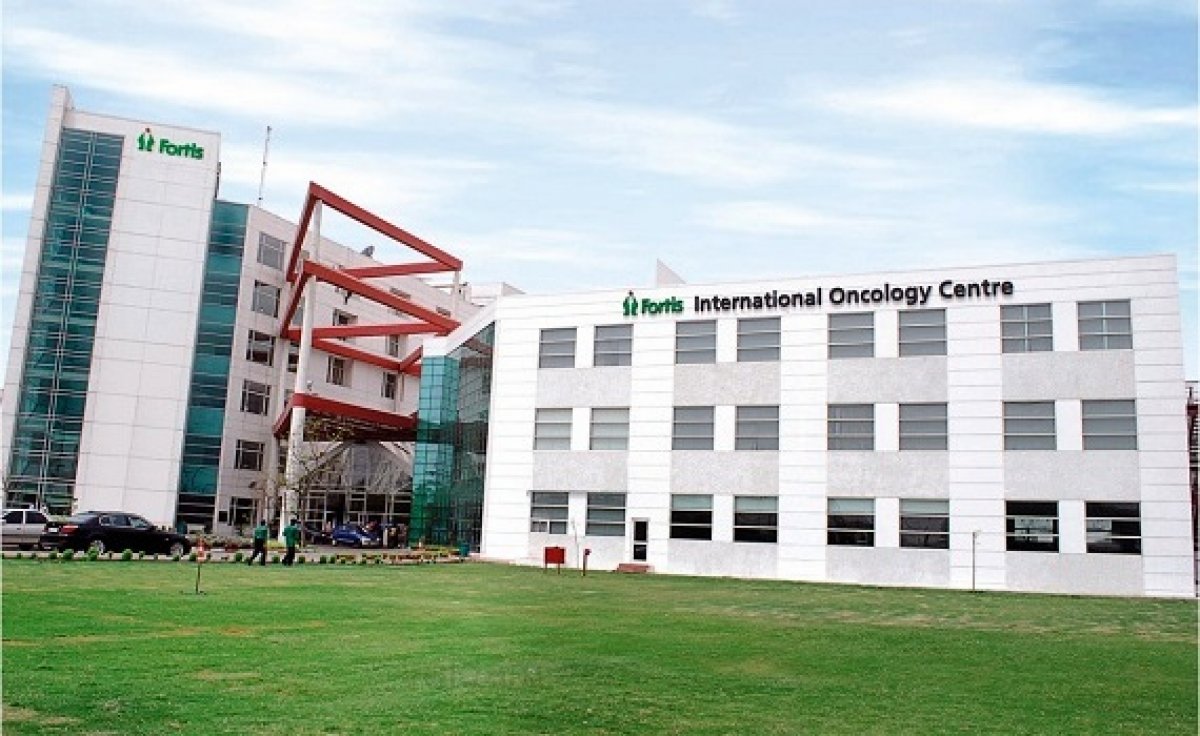
Fortis Hospital
احصلوا على تقييم طبي لـ الفتق الإربي في الهند: استشيروا أطباء ذوي خبرة الآن
عرض جميع الأطباء
Mohammad Atif Khan

Mahendra Dandge
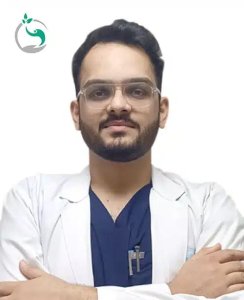
Utkarsh Gupta
الدكتور أوتكارش غوبتا استشاري في جراحة التدخل المحدود وجراحة الجهاز الهضمي في مستشفى سيلفرستريك متعدد التخصصات. يُجري عمليات استئصال المرارة والزائدة الدودية بالمنظار وبمساعدة الروبوت. أكمل الدكتور غوبتا تدريبه الجراحي في مستشفى إندرابراستا أبولو في نيودلهي. ويعمل في منشأة معتمدة من اللجنة الدولية المشتركة (JCI) وتلتزم بمعايير السلامة الدولية.
- يستخدم تقنيات الليزر لعلاج أمراض الشرج والمستقيم، مثل الناسور والبواسير.
- يُجري إصلاح الفتق باستخدام الشبكات واستئصال الأمعاء.
مشاركة المحتوى
قصص فيديو من مرضى Bookimed
 Anna Leonova
أسئلة متكررة حول علاج الفتق الإربي في الهند
هل الجراحة ضرورية دائمًا للفتق الإربي؟
الجراحة ليست ضرورية دائمًا بشكل فوري للفتق الإربي. قد تسمح النتوءات الصغيرة وغير المؤلمة بالانتظار اليقظ تحت إشراف طبي. ومع ذلك، غالبًا ما يوصي الأطباء بالإصلاح للأطفال والنساء والمرضى الذين يعانون من أعراض. الإجراءات ضرورية إذا أصبح الفتق محبوسًا أو مختنقًا لمنع تلف الأنسجة.
- الانتظار اليقظ: آمن للبالغين الذين يعانون من فتق صغير أو بدون أعراض أو قابل للرد.
- معايير المخاطر العالية: يتم إعطاء الأولوية للجراحة للفتق الذي يسبب ألمًا مستمرًا أو يحد من الأنشطة.
- عوامل الجنس: غالبًا ما تحتاج النساء إلى الجراحة بسبب ارتفاع مخاطر الإصابة بالفتق الفخذي الخفي.
- الضرورة لدى الأطفال: يحتاج الأطفال دائمًا تقريبًا إلى الإصلاح لتجنب مضاعفات إمداد الدم.
- طرق العلاج: تستخدم المراكز الهندية مثل مستشفى جلوبال مومباي تقنيات تنظير البطن والروبوت.
رؤية خبير Bookimed: تمثل الهند مركزًا عالي الحجم لرعاية الفتق. تعالج مرافق مثل مستشفيات مانيبال ومستشفى جلوبال تشيناي أكثر من 2,000,000 مريض سنويًا. غالبًا ما تقدم المراكز الكبيرة أنظمة روبوتية متقدمة للحالات المعقدة. اختيار منشأة معتمدة من قبل المجلس الوطني لاعتماد المستشفيات ومقدمي الرعاية الصحية (NABH) يضمن معايير سلامة عالية. تبلغ هذه المستشفيات المعتمدة عن معدلات نجاح تزيد عن 80% لإصلاحات تنظير البطن.
إجماع المرضى: غالبًا ما يراقب المرضى الذين يعانون من فتق غير مؤلم حالتهم لسنوات. يلاحظ الكثيرون أن الجراحة توفر الراحة وتمنع تفاقم الأعراض مثل انحباس الأمعاء. غالبًا م
ما هي أنواع جراحات إصلاح الفتق المتاحة في الهند؟
تقدم الهند إصلاحاً شاملاً للفتق بما في ذلك الشبكة المفتوحة، وتقنيات تنظير البطن TAPP أو TEP، والتقنيات المساعدة بالروبوت. توفر المستشفيات المعتمدة من JCI و NABH في بنغالورو ودلهي وجورجاون هذه الإجراءات. تتوفر أيضاً خيارات متقدمة مثل تقنية Desarda الخالية من الشبكة وإصلاح da Vinci الروبوتي للحالات المعقدة.
- تقنيات تنظير البطن: يستخدم الجراحون TAPP أو TEP لتقليل الألم وتسريع التعافي.
- الجراحة المساعدة بالروبوت: يوفر نظام da Vinci رؤية ثلاثية الأبعاد لإعادة البناء الموجه بدقة.
- إصلاح الشبكة المفتوحة: تقنية Lichtenstein هي معيار شائع وفعال من حيث التكلفة لإصلاح الفتق الإربي الدائم.
- خيار بدون شبكة: يتجنب إصلاح Desarda المواد الغريبة باستخدام أنسجة المريض نفسه.
رؤية خبير Bookimed: حجم المرضى هو مؤشر جودة رئيسي في الهند. تخدم مستشفيات مانيبال حوالي 2,000,000 مريض سنوياً عبر مجموعتها. غالباً ما يرتبط هذا الحجم الكبير بالكفاءة الجراحية. تقوم المراكز الكبيرة مثل مستشفى جلوبال تشيناي بإجراء 18,000 عملية سنوياً. تقدم هذه المؤسسات عادةً كلاً من أنظمة تنظير البطن القياسية والأنظمة الروبوتية المتقدمة مثل da Vinci.
إجماع المرضى: يشير المرضى إلى أن اختيار الجراحين ذوي الحجم الكبير من الحالات أمر حيوي لتقليل آلام الفخذ طويلة الأمد. يلاحظ الكثيرون أنه بينما توفر الخيارات الروبوتية الدقة، فإن إصلاح تنظير البطن يوفر عودة سريعة للعمل.
كم تستغرق فترة التعافي بعد جراحة الفتق الإربي؟
يحقق معظم المرضى تعافياً أساسياً في غضون أسبوع واحد بعد جراحة الفتق الإربي. عادة ما يتم استئناف العمل المكتبي في غضون 3 إلى 7 أيام بعد الإصلاح بالمنظار. يتطلب التعافي الكامل لرفع الأثقال وممارسة الرياضة من 4 إلى 6 أسابيع. يتم تشجيع المشي والنشاط الخفيف فوراً بعد الإجراء.
- الوظائف اليومية: يقوم المرضى بمهام خفيفة والمشي في غضون 1 إلى 3 أيام بعد الجراحة.
- العمل المكتبي: غالباً ما يعود مرضى المنظار إلى أنشطة المكتب المستقرة في غضون 3 إلى 7 أيام.
- الجدول الزمني للقيادة: يُسمح بالقيادة بمجرد التوقف عن تناول مسكنات الألم المخدرة، وعادة ما يكون ذلك في غضون 5 أيام.
- التمارين البدنية: يجب تجنب الرياضات الشاقة ورفع الأثقال لمدة 6 أسابيع تقريباً.
رؤية خبير Bookimed: تستخدم المراكز الهندية مثل مستشفى جلوبال مومباي ومعهد الدكتور ريلا أنظمة روبوتية لإصلاح الفتق. غالباً ما تقلل الجراحة بمساعدة الروبوت من صدمة الأنسجة مقارنة بالمنظار التقليدي. قد يساعد هذا المرضى على العودة إلى العمل المكتبي بشكل أسرع من النافذة القياسية البالغة 7 أيام. اختيار منشأة معتمدة من JCI أو NABH في مدن مثل جورجاون أو تشيناي يضمن بروتوكولات رعاية ما بعد الجراحة الموحدة.
إجماع المرضى: يجد المرضى أن استخدام كمادات الثلج وملينات البراز في وقت مبكر يقلل بشكل كبير من الانزعاج. يلاحظ الكثيرون أن التسرع في العودة إلى العمل أو ممارسة الجنس قبل 4 أسابيع غالباً ما يؤدي إلى تورم مؤلم أو انتكاسات.
أي جراحة أفضل لي، المفتوحة أم بالمنظار؟
غالبًا ما تكون جراحة إصلاح الفتق الإربي بالمنظار في الهند هي الخيار المفضل للحالات الثنائية أو الفتق المتكرر. تستخدم هذه التقنية طفيفة التوغل شقوقًا صغيرة تتراوح من 0.5 إلى 1.5 سم. وهي تسمح بالعودة السريعة إلى العمل في غضون أسبوع إلى أسبوعين. تظل الجراحة المفتوحة معيارًا موثوقًا للفتق المعقد أو الكبير جدًا.
- وقت التعافي: يتعافى مرضى المنظار في غضون أسبوع إلى أسبوعين مقارنة بـ 4 إلى 8 أسابيع.
- حجم الشق: يقل حجم الشقوق طفيفة التوغل عن 1.5 سم مقارنة بالشقوق المفتوحة التي تصل لعدة بوصات.
- مستويات الألم: تؤدي الشقوق الأصغر إلى ألم أقل بكثير بعد الجراحة وتقليل مخاطر العدوى.
- الخبرة السريرية: تقدم المراكز الهندية مثل مستشفيات مانيبال أكثر من 50 عامًا من الخبرة الجراحية.
رؤية خبير Bookimed: تجري المستشفيات في الهند مثل مستشفى جلوبال تشيناي ومستشفيات أرتميس آلاف الإجراءات سنويًا وتحمل اعتمادات JCI أو NABH. على الرغم من أن جراحة المنظار تستخدم معدات متخصصة، إلا أن بياناتنا تظهر أن المرضى غالبًا ما يختارونها لأن الإقامة القصيرة في المستشفى لمدة يوم أو يومين توازن التكلفة الإجمالية مقارنة بالإقامة الطويلة لمدة 5 أيام في الجراحة المفتوحة.
إجماع المرضى: يشير المرضى إلى أن اختيار جراحين ذوي خبرة في مراكز كبيرة متعددة التخصصات يوفر راحة البال طوال فترة التعافي. يؤكد الكثيرون أن تقليل الندبات بفضل طرق المنظار يجعل الاستثمار الأولي جديرًا بالاهتمام من أجل عودة أكثر سلاسة للأنشطة اليومية.
هل سأتمكن من استخدام المرحاض الهندي (القرفصاء) بعد الجراحة؟
يمكن للمرضى الذين يخضعون لجراحة الفتق الإربي بالمنظار في الهند عادةً العودة لاستخدام المراحيض الهندية (القرفصاء) في غضون أسبوعين إلى 3 أسابيع. تتطلب الجراحة المفتوحة فترة تعافٍ أطول تتراوح من 6 إلى 8 أسابيع لتجنب إزاحة الشبكة. يؤدي وضع القرفصاء إلى زيادة الضغط داخل البطن مما قد يؤدي إلى إجهاد الغرز الجراحية.
- التعافي من المنظار: يسمح الحد الأدنى من صدمات الأنسجة بالقرفصاء التدريجي في غضون 14 إلى 21 يومًا بعد الجراحة.
- انتظار الجراحة المفتوحة: يجب على المرضى الانتظار حوالي 6 أسابيع قبل القيام بوضعية القرفصاء العميق.
- ضغط البطن: الإجهاد المفرط أثناء التبرز يزيد من خطر تكرار الفتق.
- هياكل الدعم: يساعد استخدام الدرابزين أو كراسي المرحاض في توزيع الوزن خلال الأسابيع الأولى من التعافي.
رؤية خبير Bookimed: مؤشرات الجودة في الهند عالية بشكل استثنائي. يحافظ مستشفى Global Hospital Chennai ومستشفى Medanta على معايير المجلس الوطني لاعتماد المستشفيات ومقدمي الرعاية الصحية (NABH). تخدم الشبكات الكبيرة مثل مستشفيات مانيبال أكثر من 2,000,000 مريض سنويًا. هذا الحجم الكبير يعني أن الجراحين خبراء في إدارة احتياجات التعافي المحددة بعد الجراحة ضمن السياق الثقافي الهندي.
إجماع المرضى: غالبًا ما يوصي المرضى باستخدام مقعد صغير تحت القدمين لرفع الركبتين بأمان. يقترح الكثيرون تخزين مكملات الألياف مبكرًا لمنع أي إجهاد قد يحدث عند العودة إلى وضع القرفصاء لأول مرة.