علاج كيس الكلى في ألمانيا: 12 مستشفيات


تمت مراجعة المقالة طبيا من قبل
فهد مولود
كيف نعمل؟
ما هي تكلفة كيس الكلى إجراءات التشخيص والعلاج في ألمانيا؟ اعرف الآن
تختلف التكلفة الإجمالية لعلاج كيس الكلى في ألمانيا اعتمادًا على الإجراء والمرفق المختار. تصل تكلفة استئصال جزئي للكلى باستخدام الروبوت دا فينشي إلى $18,000، مما يوفر خيارًا جراحيًا طفيف التوغل للحفاظ على نسيج الكلى السليم. تبلغ تكلفة الاستشارة الأولية عبر الفيديو والتقييم مع أخصائي المسالك البولية حوالي $1,250. بالإضافة إلى ذلك، يتوفر العلاج بحوالي $2,200، والذي يشمل الرعاية الشاملة والتشخيصات. يتم تخصيص خطة العلاج بعد تقييم مفصل من قبل الفريق الطبي.
اكتشف أفضل كيس الكلى العيادات في ألمانيا: 12 خيارات معتمدة والأسعار
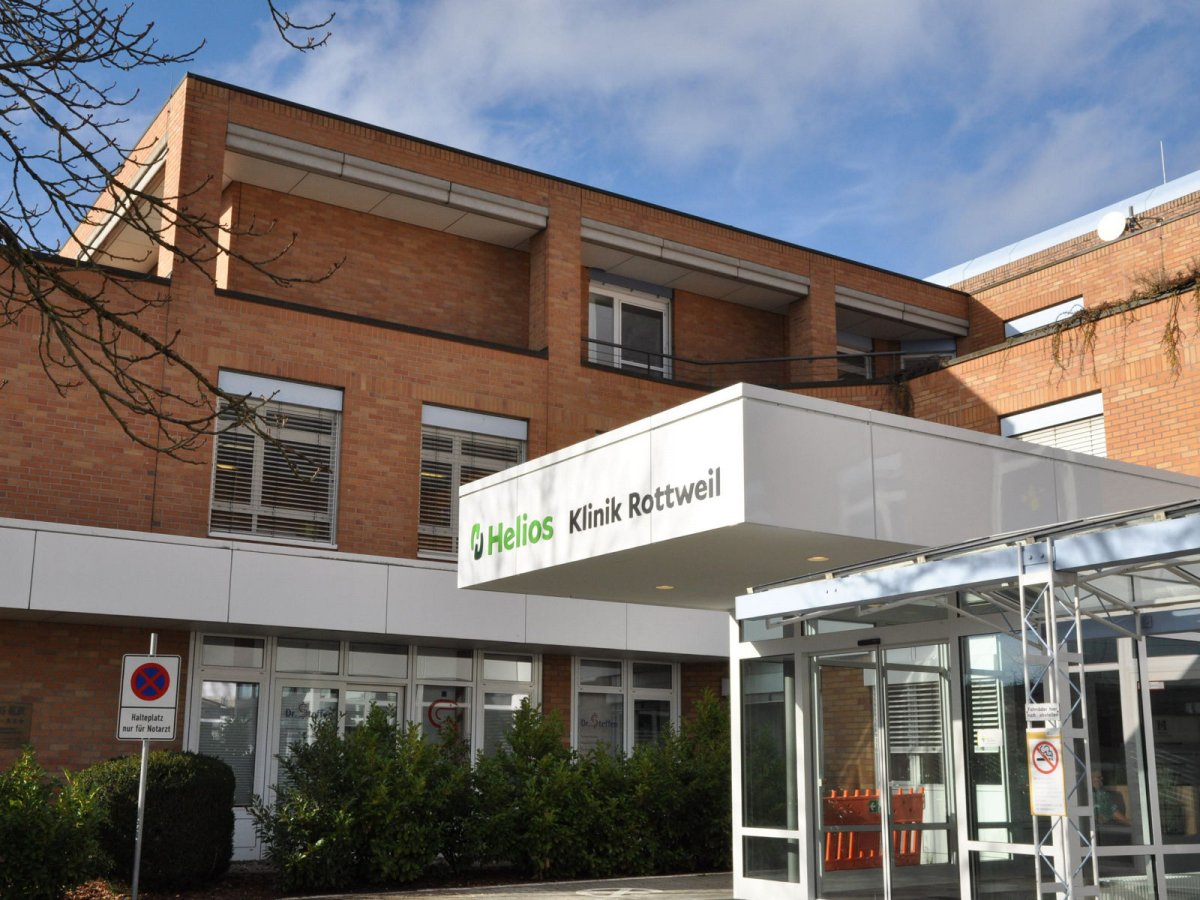









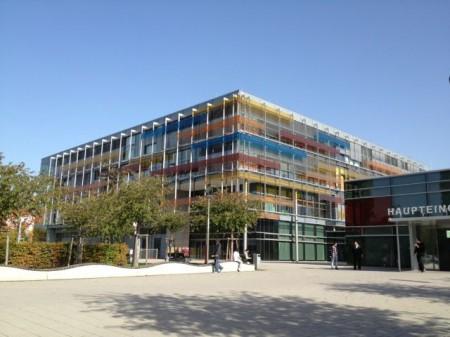
University Hospital in Haydelberge

Hospital in the Pfeiffer`s foundations




احصلوا على تقييم طبي لـ كيس الكلى في ألمانيا: استشيروا أطباء ذوي خبرة الآن
عرض جميع الأطباء
Sebastian Melchior
يتخصص البروفيسور سيباستيان ميلكيور في الجراحة الروبوتية لأكياس الكلى، وقد تم اختياره كواحد من أفضل أطباء المسالك البولية في ألمانيا من قبل مجلة Focus.
- أكثر من _doctor_668_ سنوات من الخبرة في جراحة الأورام
- رئيس قسم المسالك البولية وأمراض الكلى في عيادة بريمن-ميته
- تدرب في جامعة هارفارد وجامعة واشنطن
- مؤلف 10 منشورات علمية حول أورام الجهاز البولي التناسلي
مشاركة المحتوى
قصص فيديو من مرضى Bookimed
 Anna Leonova
أسئلة متكررة حول علاج كيس الكلى في ألمانيا
كيف يحدد أطباء المسالك البولية الألمان ما إذا كانت كيسة الكلى تتطلب علاجاً نشطاً؟
يحدد أطباء المسالك البولية الألمان ضرورة العلاج من خلال تقييم خطر الإصابة بالخباثة عبر تصنيف بوسنياك (Bosniak) وتقييم الأعراض السريرية. باتباع إرشادات الجمعية الألمانية للمسالك البولية، يستخدم المتخصصون التصوير بالتباين لتصنيف الكيسات. عادة ما يتم حجز التدخل النشط للحالات المصحوبة بأعراض أو تلك التي تظهر عليها ميزات إشعاعية عالية الخطورة.
- خطر الإصابة بالخباثة: يستخدم الأطباء تصنيف بوسنياك v2019 لتحديد ميزات مثل الحواجز أو العقيدات.
- تقييم الأعراض: يشار إلى العلاج للكيسات التي تسبب الألم أو الانسداد أو العدوى المزمنة.
- المراقبة الاستراتيجية: تتطلب كيسات بوسنياك IIF مراقبة منظمة كل 6 إلى 12 شهراً.
- دواعي الجراحة: تتطلب الكيسات المصنفة كـ بوسنياك III أو IV عموماً إزالة جراحية.
رؤية خبير Bookimed: غالباً ما توفر مراكز المسالك البولية الألمانية درجة أعلى من الدقة التشخيصية من خلال الجمع بين البحث الأكاديمي والممارسة السريرية. على سبيل المثال، يقبل البروفيسور الدكتور سيباستيان ميلكيور في عيادة بريمن-ميتي التصوير الحالي إذا كان يلبي معايير الجودة، مما يتجنب الإشعاع الزائد. يركز هذا النهج المحافظ القائم على التصوير على إنقاذ أنسجة الكلى السليمة من خلال الجراحة الروبوتية بدلاً من الإزالة الجذرية الفورية.
إجماع المرضى: يلاحظ المرضى أن الأطباء الألمان محافظون جداً وغالباً ما يفضلون المراقبة الدقيقة على الجراحة للكيسات الكبيرة والبسيطة. يجد الكثيرون أنه من المفيد عندما يستخدم المتخصصون نظام بوسنياك لشرح سبب كون فحص المتابعة أكث
ما الفرق بين المعالجة بالتصليب والجراحة بالمنظار في العيادات الألمانية؟
المعالجة بالتصليب هي إجراء طفيف التوغل يعتمد على الحقن ويستخدم لأكياس الكلى الصغيرة. الجراحة بالمنظار هي تقنية جراحية أكثر دقة مخصصة للأكياس الكبيرة أو المعقدة. في حين توفر المعالجة بالتصليب تعافياً أسرع، توفر الجراحة بالمنظار عادةً معدلات نجاح أعلى على المدى الطويل من خلال استئصال أو فتح الكيس.
- تقنية الإجراء: تستخدم المعالجة بالتصليب إبراً لتصريف الأكياس وإغلاقها بمواد كيميائية.
- النهج الجراحي: تتضمن الجراحة بالمنظار شقوقاً صغيرة وكاميرا لإزالة الأنسجة بدقة.
- نوع التخدير: تتطلب المعالجة بالتصليب تخديراً موضعياً، بينما تستخدم الجراحة بالمنظار دائماً تخديراً عاماً.
- الإقامة في المستشفى: عادة ما تكون المعالجة بالتصليب إجراءً خارجياً. تتطلب الجراحة بالمنظار إقامة في المستشفى لمدة 1-4 أيام.
رؤية خبير Bookimed: غالباً ما تتخصص المستشفيات الجامعية الألمانية مثل إيسن أو هايدلبرغ في الحالات المعقدة التي فشلت فيها المعالجة بالتصليب سابقاً. غالباً ما يرتبط ارتفاع عدد المرضى، كما هو الحال في عيادة شمال الراين-وستفاليا التي تستقبل 145,000 مريض سنوياً، بالوصول إلى خيارات الجراحة بالمنظار المتقدمة بمساعدة الروبوت. يؤكد متخصصون مثل البروفيسور الدكتور سيباستيان ميلكيور في بريمن-ميته على النتائج الجراحية الحاسمة للمرضى الذين يعانون من مخاطر تكرار أعلى.
إجماع المرضى: غالباً ما يختار المرضى المعالجة بالتصليب لسهولة التعافي، لكنهم يشعرون بالقلق من عودة الأكياس. أشار الكثيرون إلى أن الجراحة بالمنظار بدت كحل أكثر ديمومة على الرغم من فترة
هل الجراحة بمساعدة الروبوت (da Vinci) متاحة على نطاق واسع لأكياس الكلى في ألمانيا؟
تتوفر أنظمة da Vinci الروبوتية على نطاق واسع في المستشفيات الجامعية الألمانية وأقسام المسالك البولية المتخصصة. عادةً ما يحتفظ الجراحون بهذه التكنولوجيا للأكياس المعقدة من نوع Bosniak III أو IV والاشتباه في وجود أورام خبيثة. يتم علاج الأكياس البسيطة المملوءة بالسوائل بشكل روتيني باستخدام تنظير البطن القياسي أو المعالجة بالتصلب الموجهة بالموجات فوق الصوتية.
- التكنولوجيا المتاحة: تستخدم المراكز الألمانية نظام الجراحة الروبوتية المتقدم da Vinci Xi.
- الأولوية السريرية: يعطي الأطباء الأولوية للروبوتات للأكياس العميقة بالقرب من الأوعية الدموية الكلوية الرئيسية.
- المراكز المتخصصة: تدرج مرافق مثل مجمع عيادات شمال الراين-وستفاليا الجراحة الروبوتية بشكل خاص كتخصص أساسي.
- الخبرة الرائدة: يتخصص الدكتور سيباستيان ميلكيور في عيادة بريمن-ميتي في جراحة الأورام الروبوتية وجراحة المسالك البولية.
رؤية خبراء Bookimed: غالبًا ما تشير أحجام المرضى المرتفعة في المراكز الألمانية إلى خبرة روبوتية أعمق. على سبيل المثال، يخدم مجمع عيادات شمال الراين-وستفاليا 145,000 مريض سنويًا ويحافظ على شهادة الجودة KTQ. يضمن اختيار مرفق ذو حجم كبير أن الفريق الجراحي لديه خبرة واسعة في المفصلية الدقيقة للمنصة الروبوتية.
إجماع المرضى: يؤكد المرضى على أهمية العثور على جراح لديه حجم حالات كبير بدلاً من مجرد البحث عن الآلة. ويشيرون إلى أنه على الرغم من أن الجراحة الروبوتية قد توفر شقوقًا أصغر، إلا أن تنظير البطن القياسي يظل خيارًا موثوقًا وشائعًا للأكياس الأساسية
كم من الوقت أحتاج للبقاء في ألمانيا لتلقي العلاج؟
يبقى المرضى عادةً في ألمانيا لمدة تتراوح بين 3 إلى 14 يوماً لعلاج كيسات الكلى. تعتمد مدة الإقامة الإجمالية على ما إذا كنت ستخضع لعملية شفط بالإبرة أو جراحة بالمنظار. تتطلب معظم المراكز الدولية أن تتناسب جميع البروتوكولات الطبية والتعافي مع نافذة تأشيرة مدتها 90 يوماً.
- المرحلة التشخيصية: غالباً ما تتطلب التصوير المتقدم باستخدام الأشعة المقطعية (CT) أو الرنين المغناطيسي (MRI) من 3 إلى 7 أيام.
- التعافي الجراحي: تستغرق المراقبة الداخلية بعد إجراءات المنظار عادةً من 10 إلى 14 يوماً.
- جراحة طفيفة التوغل: قد تتطلب الشفط البسيط أو العلاج بالتصليب إقامة لمدة يومين إلى 4 أيام فقط.
- رعاية المتابعة: يقوم الجراحون عادةً بجدولة فحوصات الموجات فوق الصوتية أو الأشعة المقطعية قبل السماح للمرضى بالسفر.
رؤية خبير Bookimed: تتعامل المستشفيات الجامعية الألمانية مثل إيسن أو هايدلبرغ مع أحجام هائلة من المرضى، حيث تصل إلى أكثر من 300,000 حالة سنوياً. يضمن هذا التدفق العالي بروتوكولات خروج موحدة. بالنسبة لكيسات الكلى، غالباً ما يفضل الجراحون مراقبة محلية لمدة 48 ساعة على الأقل بعد التصريف لمراقبة احتمالية تراكم السوائل مرة أخرى.
إجماع المرضى: يشير المرضى إلى أنه من الضروري البقاء بالقرب من العيادة لعدة أيام بعد الخروج. ويؤكدون على تجنب جداول السفر الضيقة للسماح بإدارة الألم ومراجعات التصوير النهائية.
ما هي أفضل المستشفيات الألمانية المتخصصة في رعاية الكلى؟
تشمل أفضل المستشفيات الألمانية لرعاية الكلى مستشفى شاريتيه برلين، ومستشفى جامعة إيسن، ومستشفى جامعة لودفيغ ماكسيميليان في مانهايم. تتخصص هذه المراكز المعتمدة من قبل JCI والمصنفة من قبل مجلة نيوزويك في أمراض الكلى والمسالك البولية المعقدة. وهي تستخدم أنظمة دافنشي الروبوتية وعلاجات استبدال الكلى المتقدمة لضمان دقة العلاج وتحقيق نتائج عالية في سلامة المرضى.
- مستشفى جامعة إيسن: مركز رائد لزراعة الأعضاء يعالج 370,000 مريض باستخدام تقنيات غسيل الكلى المتقدمة.
- شاريتيه برلين: تستخدم التشخيص المدعوم بالذكاء الاصطناعي والبروتوكولات المعتمدة من DKG لحالات الفشل الكلوي المعقدة.
- عيادة بريمن-ميته: بقيادة البروفيسور الدكتور سيباستيان ميلكيور، وهي متخصصة في جراحة أورام المسالك البولية بمساعدة الروبوت.
- مجمع شمال الراين-وستفاليا: يتميز بقسم مسالك بولية عالي القدرة يقوم بإجراءات روبوتية معقدة للحفاظ على الأعضاء.
رؤية خبراء Bookimed: غالباً ما تقدم المستشفيات الجامعية الألمانية الرعاية الأكثر شمولاً من خلال الجمع بين أمراض الكلى والأشعة التداخلية. على سبيل المثال، يدير مستشفى جامعة إيسن أكثر من 370,000 مريض سنوياً عبر 56 قسماً. يضمن هذا الحجم الهائل أن يتم التعامل مع حتى مضاعفات الكلى النادرة من قبل متخصصين يتمتعون بخبرة إجرائية كبيرة.
إجماع المرضى: يؤكد المرضى على أهمية العثور على مراكز تجمع بين الأشعة والمختبرات والمسالك البولية تحت سقف واحد. ويشيرون إلى أن هذا النهج متعدد التخصصات يمنع التوتر الناتج عن التنقل بين مرافق مختلفة لإجر
ما هي المستشفيات في ألمانيا التي تحظى بأعلى التقييمات في جراحة الأعصاب؟
تضم ألمانيا بعضًا من أرقى أقسام جراحة الأعصاب في العالم، بقيادة مستشفى شاريتيه الجامعي في برلين ومستشفى جامعة هايدلبرغ. وتتميز هذه المراكز بخبرتها الواسعة في علاج أورام الدماغ المعقدة وأمراض الأوعية الدموية الدماغية. ولتحقيق أقصى قدر من الفعالية في عملياتها، تستخدم هذه المراكز أحدث التقنيات، مثل التصوير بالرنين المغناطيسي أثناء الجراحة والتوجيه العصبي بمساعدة الحاسوب.
- مستشفى شاريتيه برلين: يُجري أكثر من 5000 عملية جراحية سنوياً. ويرأس العيادة جراح الأعصاب الشهير الدكتور بيتر فايكوتشي.
- المركز الطبي في سولينجن: أجرى الدكتور رالف بوهل أكثر من 4000 عملية جراحية، بما في ذلك جراحات العمود الفقري طفيفة التوغل.
- عيادة أسكليبيوس نورد: مجهزة بنظام التصوير بالرنين المغناطيسي الثنائي الوحيد في ألمانيا أثناء الجراحة لضمان الدقة الجراحية في الوقت الحقيقي أثناء إزالة الورم.
- عيادة نوردويست: تم الاعتراف بها من قبل مجلة نيوزويك كمستشفى رائد في مجال الابتكار في تكنولوجيا الموجات فوق الصوتية ثلاثية الأبعاد.
رأي خبراء بوكيمد: تشير البيانات إلى أن اختيار المراكز ذات الحجم الجراحي الكبير غالبًا ما يؤدي إلى توصيات علاجية أكثر تحفظًا. ففي مركز سولينجن الطبي، الذي يعالج أكثر من 60,000 مريض
ما هي نسب نجاح العمليات الجراحية العصبية المعقدة في ألمانيا؟
في ألمانيا، تتميز العمليات الجراحية العصبية بالغة التعقيد بمستوى أمان استثنائي. تصل نسبة نجاح عمليات دمج الفقرات إلى 99%، بينما تبلغ نسبة النجاة بعد استئصال أورام الدماغ الأولية 97%. كما يتمتع المرضى بقدرة عالية على الاعتماد على أنفسهم في أداء وظائفهم اليومية، حيث يغادر أكثر من 82% منهم المستشفى مباشرةً بعد العلاج. وتولي المراكز الألمانية اهتماماً بالغاً بالحفاظ على الوظائف العصبية باستخدام أحدث تقنيات التخطيط العصبي.
- استئصال الورم: يحقق الجراحون استئصالًا كاملاً للورم في 87.2% من حالات النقائل الدماغية.
- النجاح في علاج أمراض الأوعية الدموية: أفادت المستشفيات الألمانية بنسبة نجاة بلغت 98.7% لحالات تمدد الأوعية الدموية غير الممزقة.
- تحسن الحالة العصبية: يشهد ما يقرب من 43% من المرضى تحسناً في المعايير الوظيفية بعد عمليات الاستئصال المعقدة.
- سلامة التدخلات الجراحية: في المراكز الجراحية الكبيرة، تتراوح معدلات بقاء المرضى على قيد الحياة بعد جراحة العمود الفقري بين 98-99%.
رأي خبراء بوكيمد: يُجري جراحون ذوو خبرة، مثل الدكتور أوفه كولر من عيادة أسكليبيوس ألتونا، أكثر من 2000 عملية جراحية سنويًا. تُشير البيانات إلى أن هؤلاء المتخصصين يحافظون على معدلات نجاح تصل إلى 90%، حتى
ما هي التقنيات المتقدمة المتوفرة عادةً في عيادات جراحة الأعصاب الألمانية؟
تُدخل عيادات جراحة الأعصاب الألمانية بانتظام أدوات رقمية عالية الدقة وتقنيات تصوير فوري في الممارسة الجراحية. تشمل التقنيات الرئيسية الملاحة العصبية الحاسوبية لجراحات الدماغ والحبل الشوكي. تستخدم مؤسسات مثل عيادة أسكليبيوس نورد التصوير بالرنين المغناطيسي أثناء الجراحة للتحقق من استئصال الورم في الوقت الفعلي. توفر هذه الأنظمة للجراحين نظام ملاحة ثلاثي الأبعاد.
- الملاحة العصبية: توفر تصورًا ثلاثي الأبعاد وتتبعًا فوريًا للأدوات لتحقيق دقة جراحية تصل إلى مستوى أقل من المليمتر.
- التصوير أثناء العملية: تسمح أنظمة مثل التصوير بالرنين المغناطيسي أثناء العملية (iMRI) والتصوير المقطعي المحوسب ذي الذراع O (O-arm CT) بالتأكيد الفوري على نجاح عملية الاستئصال.
- المراقبة العصبية: تراقب الوظائف الحركية والحسية أثناء الجراحة لحماية الجهاز العصبي.
- التشخيص الفلوري: يتم استخدام صبغة 5-ALA لتسليط الضوء على حدود الورم من أجل إزالته بشكل أكثر اكتمالاً.
- المساعدة الروبوتية: تعمل أنظمة مثل نظام دافنشي على تحسين الدقة في الإجراءات المعقدة ذات التدخل الجراحي البسيط.
رأي خبراء بوكيمد: تُجري مراكز طبية كبيرة، مثل مستشفى شاريتيه الج
ما هي التدريبات المتخصصة التي يتلقاها جراحو الأعصاب الممارسون في ألمانيا؟
في ألمانيا، يتعين على جراحي الأعصاب إكمال برنامج إقامة تخصصي لمدة ست سنوات بعد التخرج من كلية الطب. يشمل هذا البرنامج المنظم العناية المركزة، والتدريب السريري، وكتابة مقالات في مجلة جراحية إلزامية. بعد ذلك، يجتاز المرشحون امتحانًا حكوميًا للحصول على لقب طبيب مقيم (Facharzt für Neurochirurgie).
- الإقامة السريرية: تتطلب من 48 إلى 72 شهرًا من الممارسة المتخصصة في جراحة الأعصاب.
- العناية المركزة: تتضمن فترة تدريب إلزامية لمدة 6 أشهر في وحدة العناية المركزة لجراحة الأعصاب.
- المجلة الجراحية: يوثق الجراحون مئات العمليات الجراحية، بما في ذلك عمليات فتح الجمجمة وجراحات العمود الفقري.
- امتحان الترخيص: يجب على المتقدمين اجتياز امتحان طبي شفوي وعملي تديره الدولة.
رأي خبراء بوكيميد: يركز التدريب الألماني في جراحة الأعصاب على الخبرة الجراحية الواسعة. فعلى سبيل المثال، أجرى الدكتور رالف بول من المركز الطبي في سولينجن أكثر من 4000 عملية جراحية. ويتمتع الدكتور يورغن كيويت من مستشفى ميوكلينيك بخبرة تزيد عن 25 عامًا. يضمن هذا النظام الدقيق أن يتعامل المتخصصون في المراكز الكبرى مع الحالات المعقدة بدقة مثبتة.
آراء المرضى: يشع
ما هي متطلبات اللغة والترخيص المطلوبة للجراحين الأجانب الراغبين في التدرب أو مراقبة العمليات الجراحية العصبية في ألمانيا؟
يجب على جراحي الأعصاب الأجانب استيفاء متطلبات لغوية وترخيصية صارمة للالتحاق بالتدريب أو فترة التدريب العملي في ألمانيا. يتطلب التدريب رخصة طبية سارية أو تصريحًا مؤقتًا. أما المتدربون، فيجب عليهم الحصول على إذن من مستشفى محدد. ويتطلب كلا الخيارين إتقانًا عاليًا للغة الألمانية للمشاركة في المناقشات السريرية وإجراء العمليات الجراحية المعقدة بأمان.
- المهارات اللغوية: مطلوب مستوى عام في اللغة الألمانية B2 ومستوى في اللغة الطبية C1 (Fachsprachprüfung) للتدريب السريري.
- الترخيص السريري: يحتاج الجراحون إلى تصريح لممارسة دائمة (Approbation) أو تصريح مهني (Berufserlaubnis) للتدريب الداخلي المؤقت الخاضع للإشراف.
- حالة المراقبة: يسمح دخول المستشفى بمراقبة العمليات الجراحية دون تحمل المسؤولية الطبية أو الحصول على ترخيص رسمي.
- تقييم المؤهلات: غالباً ما يتعين على خريجي الطب من خارج الاتحاد الأوروبي الخضوع لعملية التحقق من صحة الشهادة في غضون 3-6 أشهر.
رأي خبراء بوكيمد: غالبًا ما تُعطي العيادات الألمانية ذات الأعداد الكبيرة من المرضى، مثل عيادة نوردويست أو أسكليبيوس نورد، الأولوية للمرشحين الذين خضعوا بالفعل لتقييم أولي للوثائق. تُظهر بياناتنا أن أساتذة مثل الدكتور أوفه كولر والدكتور