علاج فقد النطاف في ألمانيا: 5 مستشفيات


تمت مراجعة المقالة طبيا من قبل
فهد مولود
ما هي تكلفة فقد النطاف إجراءات التشخيص والعلاج في ألمانيا؟ اعرف الآن
من $200. وتتراوح تكلفة التدخلات الأولية مثل العلاج بالخلايا الجذعية لفقدان النطاف بين $6,500 و $13,000. تعتمد التكاليف الإجمالية على مدى تعقيد الجراحة والتقنيات المخبرية المستخدمة. يمكن للمرضى العثور على نخبة من أخصائيي الخصوبة في فرانكفورت وهامبورغ ودريسدن.
تكاليف علاج فقدان النطاف النموذجية في ألمانيا
- فحص الدم للملف الهرموني: من $200
- تحليل السائل المنوي: $60 – $130
- استشارة طبيب مسالك بولية: من $180
- تحليل دم موسع: من $150
- تصوير بالموجات فوق الصوتية عبر المستقيم (TRUS): من $140
- تصوير دوبلر الملون لكيس الصفن: _diag_585_price_of_from_ – $170
- العلاج بالخلايا الجذعية لفقدان النطاف: $6,500 – $13,000
رؤية خبراء Bookimed: يجب على المرضى الذين يبحثون عن رعاية مبتكرة إعطاء الأولوية للمستشفيات الجامعية للحصول على بروتوكولات قائمة على الأبحاث. يستقبل مستشفى كارل غوستاف كاروس الجامعي في دريسدن أكثر من 330,000 مريض سنوياً مع مستوى عالٍ من التخصص. وبالنسبة لأولئك الذين يحتاجون إلى تشخيص متكامل، تقدم عيادة نوردويست في فرانكفورت خبرة مركزة عبر 11 مركزاً متخصصاً. وتوفر الشبكات الأكبر مثل عيادة أسكليبيوس نورد في هامبورغ دعماً قوياً متعدد التخصصات لحالات العقم المعقدة لدى الرجال.
| تركيا | إسبانيا | ألمانيا | |
|---|---|---|---|
| علاج انعدام النطاف بالخلايا الجذعية | ≈ $3,500 | ≈ $4,500 | ≈ $6,500 |
| إعادة وصل القناة الدافقة | من $4,800 | ≈ $3,800 | ≈ $4,300 |
مزاياك وضماناتك مع Bookimed
أسعار مباشرة
Bookimed لا يضيف رسوماً إضافية على أسعار علاج فقد النطاف. الأسعار مأخوذة من قوائم الأسعار الرسمية للعيادات. تدفع مباشرة في العيادة مقابل علاجك عند وصولك إلى البلد.
عيادات وأطباء معتمدون فقط
Bookimed ملتزم بسلامتك. نحن نعمل فقط مع المؤسسات الطبية التي تحافظ على معايير دولية عالية في علاج فقد النطاف ولديها التراخيص اللازمة لخدمة المرضى الدوليين في جميع أنحاء العالم.
مساعدة مجانية على مدار الساعة
Bookimed يقدم مساعدة خبراء مجانية. منسق طبي شخصي يدعمك قبل وأثناء وبعد العلاج، ويحل أي مشاكل. لن تكون وحيداً أبداً في رحلة علاج فقد النطاف.

منسقك الطبي الشخصي في Bookimed
- يدعمك في كل مرحلة
- المساعدة في اختيار العيادة الطبية المناسبة والطبيب المناسب
- يضمن الوصول السريع والمريح إلى المعلومات
اكتشف أفضل فقد النطاف العيادات في ألمانيا: 5 خيارات معتمدة والأسعار





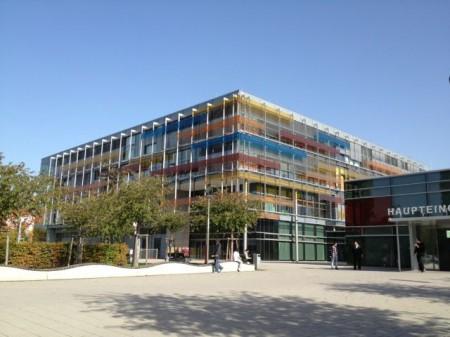
University Hospital in Haydelberge

Hospital in the Pfeiffer`s foundations

Lippe Detmold Clinic
مشاركة المحتوى
قصص فيديو من مرضى Bookimed
 Anna Leonova
أسئلة متكررة حول علاج فقد النطاف في ألمانيا
هل علاج فقد النطاف (azoospermia) في ألمانيا آمن ويتم إجراؤه بواسطة متخصصين مؤهلين؟
علاج فقد النطاف في ألمانيا آمن للغاية ويتم إجراؤه بواسطة أطباء ذكورة معتمدين. يلتزم المتخصصون بقانون حماية الأجنة الصارم والمعايير الوطنية للجودة. تستخدم المراكز المعتمدة في مدن مثل فرانكفورت وهامبورغ تقنيات مجهرية متقدمة، مما يحقق معدلات نجاح في استرجاع الحيوانات المنوية تصل إلى 70%.
- اعتمادات صارمة: تحافظ مرافق مثل عيادة نوردويست (Nordwest Clinic) على شهادات السلامة TÜV و ISO 9001.
- مؤهلات الخبراء: غالباً ما يحمل الجراحون شهادة المجلس الأوروبي لجراحة المسالك البولية مع خبرة واسعة في الجراحة المجهرية.
- تكنولوجيا متقدمة: تستخدم المستشفيات الجامعية تكبيراً بمقدار 20 ضعفاً لعملية Micro-TESE لتقليل تلف الأنسجة.
- نتائج شفافة: يتتبع سجل التلقيح الصناعي الألماني بيانات الأداء لضمان معايير سريرية عالية.
رؤية خبير Bookimed: تظهر البيانات فجوة أداء واضحة بين أقسام المسالك البولية العامة والمراكز الجامعية الكبيرة. تخدم مؤسسات مثل مستشفى جامعة كارل غوستاف كاروس في دريسدن أكثر من 330,000 مريض سنوياً. توفر هذه المراكز ذات الحجم الكبير استشارات وراثية متكاملة وتشخيصات بالموجات فوق الصوتية ثلاثية الأبعاد التي نادراً ما توجد في العيادات الخاصة الصغيرة. غالباً ما يضمن اختيار عيادة تابعة لجامعة الوصول إلى أحدث البروتوكولات القائمة على الأبحاث لحالات العقم المعقدة لدى الرجال.
إجماع المرضى: يلاحظ المرضى أن المراكز الجراحية الألمانية تحافظ على معدلات مضاعفات منخفضة جداً وتوفر أوقات تعافي أسرع. يؤكد الكثيرون أن طلب رأي ثانٍ عبر الاستشارة
ما هي معدلات النجاح لاسترجاع الحيوانات المنوية القابلة للاستخدام باستخدام تقنية micro-TESE في ألمانيا؟
في ألمانيا، يتراوح معدل النجاح لاسترجاع الحيوانات المنوية القابلة للاستخدام باستخدام تقنية micro-TESE لمرضى فقد النطاف غير الانسدادي عادةً بين 40% و60%. تبلغ المراكز المتخصصة ذات الحجم الكبير عن معدلات نجاح تصل إلى 70%. يعتمد النجاح على المسببات الكامنة وأداء الجراح الذي أجرى أكثر من 500 عملية.
- النجاح حسب السبب: تصل المعدلات إلى 90% لالتهاب الخصية بعد النكاف و50-70% لحالات الحذف الدقيق في AZFc.
- متلازمة كلاينفيلتر: يتراوح نجاح الاسترجاع من 30% إلى 50%، مع نجاح أعلى لدى المرضى الأصغر سناً.
- متلازمة خلايا سيرتولي فقط: النجاح لمتلازمة خلايا سيرتولي فقط أقل، وعادة ما يتراوح بين 20% و25%.
- تاريخ الإجراء: تظهر المحاولات الأولى معدل نجاح قدره 64%، وينخفض إلى 28% للإجراءات المتكررة.
رؤية خبير Bookimed: تؤكد العيادات الألمانية مثل Nordwest وAsklepios على التشخيص عالي الدقة، بما في ذلك الموجات فوق الصوتية عبر المستقيم (TRUS) ودوبلر الألوان، قبل الجراحة. تظهر البيانات أن أطباء المسالك البولية الألمان غالباً ما ينسقون توقيت micro-TESE مع استرجاع بويضات الشريكة لاستخدام حيوانات منوية طازجة. هذا النهج حيوي لأن العينات الطازجة تحافظ على معدلات إخصاب تتراوح بين 60-70% مقارنة بـ 30-50% للعينات المجمدة.
إجماع المرضى: يؤكد المرضى على أهمية العثور على جراح أجرى أكثر من 500 عملية بدلاً من مجرد اختيار عيادة مشهورة. يلاحظ الكثيرون أنه على الرغم من أن المحاولة الأولى قد تفشل، إلا أن النجاح التراكمي غالباً ما يزداد بعد محاولتين أو ثلاث محاو
ما هي المخاطر الصحية الرئيسية أو الآثار الجانبية لجراحة استخراج الحيوانات المنوية؟
تعتبر إجراءات استخراج الحيوانات المنوية مثل TESE أو PESA آمنة وذات معدلات نجاح عالية. تشمل الآثار الجانبية الشائعة ألم كيس الصفن، وتورم طفيف، وكدمات. عادة ما تختفي هذه الأعراض في غضون 14 يوماً. تشمل المخاطر النادرة العدوى، أو الورم الدموي، أو تغيرات مؤقتة في مستويات هرمون التستوستيرون بعد الجراحة.
- أعراض التعافي الطفيفة: عادة ما يتلاشى الانزعاج في كيس الصفن وتغير لون الجلد في غضون 10-14 يوماً.
- الوقاية من العدوى: تقلل المضادات الحيوية الوقائية بشكل كبير من مخاطر الإصابة بالعدوى في موقع الجراحة أو في الخصية.
- الاستقرار الهرموني: قد تؤدي الانخفاضات المؤقتة العرضية في هرمون التستوستيرون إلى التعب أو انخفاض الرغبة الجنسية.
- المراقبة طويلة المدى: ضمور الخصية أو الالتهاب الداخلي الذي يؤثر على الإنتاج المستقبلي نادر للغاية.
رؤية خبير Bookimed: تعطي المستشفيات الجامعية الألمانية مثل Asklepios Altona أو Carl Gustav Carus الأولوية للدقة التشخيصية قبل الجراحة. تظهر بياناتنا أن المراكز في ألمانيا تخدم أكثر من 2000 مريض لهذه الإجراءات سنوياً. غالباً ما تقترح العيادات ذات الحجم الكبير التخدير الموضعي مع التهدئة. وهذا يسمح للعديد من المرضى بالعودة إلى العمل في غضون 3 أيام. يساعد اختيار طبيب مسالك بولية ذي خبرة في منشأة حاصلة على معايير ISO في ضمان التعافي الأمثل ونجاح أعلى في استخراج الحيوانات المنوية في الحالات المعقدة.
إجماع المرضى: يؤكد المرضى أن الألم غالباً ما يكون أكثر حدة مما كان متوقعاً لمدة أسبوع إلى أسبوعين. يوصي الكثيرون
ما هي التقنية الجراحية المستخدمة، وكيف يتم اتخاذ القرار؟
يستخدم الجراحون الألمان بشكل أساسي استخراج الحيوانات المنوية من الخصية (TESE) وتقنية المجهر (micro-TESE) لعلاج فقد النطاف (azoospermia). تُفضل تقنية micro-TESE للحالات غير الانسدادية بسبب ارتفاع معدلات الاسترجاع. يعتمد الاختيار على مستويات الهرمونات، وحجم الخصية، وما إذا كان سبب العقم انسدادياً أم غير انسدادي.
- النهج الجراحي: يقوم الجراحون بإجراء micro-TESE باستخدام مجاهر عالية الطاقة للعثور على حيوانات منوية قابلة للحياة.
- معايير النجاح: تشير مستويات الهرمون المنشط للحوصلة (FSH) المنخفضة عادةً إلى فقد النطاف الانسدادي.
- جراحة طفيفة التوغل: غالباً ما تكون الإجراءات خارجية مع شقوق صغيرة لضمان تعافٍ أسرع.
- أدوات التشخيص: يستخدم المتخصصون الموجات فوق الصوتية دوبلر الملونة والملفات الهرمونية لتوجيه الاختيار.
رؤية خبير Bookimed: تدير المراكز الطبية الألمانية مثل عيادة Nordwest و Asklepios Nord أعداداً كبيرة من المرضى. تظهر بياناتنا أن العيادات في هامبورغ وفرانكفورت تخدم أكثر من 60,000 مريض سنوياً. يضمن هذا الحجم الهائل من الحالات عبر الشبكات متعددة التخصصات أن يحافظ الجراحون على عدد الإجراءات المرتفع اللازم لنجاح استخراج الحيوانات المنوية بالجراحة المجهرية.
إجماع المرضى: يلاحظ المرضى أن المتخصصين الألمان يفضلون الأساليب المحافظة التي تؤدي إلى ندبات أصغر. وغالباً ما يوصون بطلب جراح يقوم بأكثر من 50 إجراء micro-TESE سنوياً للحصول على نتائج أفضل.
كم من الوقت يجب أن نبقى في ألمانيا للعلاج وكيف يبدو الجدول الزمني النموذجي؟
يبقى المرضى عادةً في ألمانيا لمدة تتراوح بين أسبوع إلى 3 أسابيع لعلاج فقدان النطاف (azoospermia). تتطلب البروتوكولات القياسية مثل microTESE أو العلاج بالخلايا الجذعية من 3 إلى 5 أيام للتشخيص. تستغرق فترة التعافي من الإجراء والمتابعة الأولية عادةً من 7 إلى 14 يوماً إضافية.
- مرحلة التشخيص: تشمل الأيام 1-3 الأولى ملفات تعريف الهرمونات، والموجات فوق الصوتية، وتحليل السائل المنوي.
- النافذة الجراحية: عادةً ما تكون إجراءات مثل TESE أو microTESE خارجية أو تتطلب المبيت لليلة واحدة.
- فترة التعافي: يبقى المرضى في البلاد لمدة 7-10 أيام للمراقبة بعد العملية الجراحية.
- تخطيط السفر: تسمح التأشيرات الطبية في ألمانيا عموماً بالإقامة لمدة تصل إلى 90 يوماً.
رؤية خبير Bookimed: بينما يبحث الكثيرون عن عيادات محددة، تكمن القيمة الحقيقية في ألمانيا في المراكز الجامعية ذات الحجم الكبير مثل كارل غوستاف كاروس في دريسدن أو هايدلبرغ. تتعامل هذه المؤسسات مع أكثر من 300,000 مريض سنوياً وتجمع بين البحث والممارسة السريرية. غالباً ما يضمن اختيار مركز يضم معاهد أبحاث مسالك بولية متخصصة الوصول إلى تقنيات microTESE أكثر دقة لا توجد في المرافق الخاصة الأصغر.
إجماع المرضى: يشير المرضى إلى أن الوصول قبل بضعة أيام يساعد في إدارة التوتر الناتج عن الفحوصات قبل العملية. وغالباً ما يوصون بالبقاء بالقرب من العيادة خلال الأسبوع الأول لحضور مواعيد المتابعة السريعة بسهولة.
ما هي الفحوصات قبل الجراحية الإلزامية للمرضى الدوليين؟
يجب على المرضى الدوليين الذين يخضعون لعلاج فقد النطاف (azoospermia) في ألمانيا الخضوع لبروتوكول تشخيصي موحد. يشمل ذلك ملف الهرمونات، وفحص الأمراض المعدية، واختبارات المسالك البولية المتخصصة مثل تصوير كيس الصفن بالموجات فوق الصوتية. يتطلب التصريح الرسمي إجراء تعداد دم كامل وملف تخثر لضمان سلامة المريض أثناء التخدير.
- ملف الهرمونات: تشمل الاختبارات FSH وLH والتستوستيرون والبرولاكتين لتحديد الأسباب الغدد الصماء.
- تحليل السائل المنوي: يجب على المرضى عادةً الالتزام بالامتناع عن القذف لمدة 72 ساعة قبل تقديم عينة متكررة.
- الأمراض المعدية: الفحص الإلزامي لفيروس نقص المناعة البشرية، والتهاب الكبد B/C، والزهري يسهل توفير بيئات معقمة.
- الاختبارات الجينية: غالبًا ما تكون اختبارات النمط النووي وحذف الكروموسوم Y الدقيق مطلوبة للحالات غير الانسدادية.
رؤية خبير Bookimed: تؤكد المستشفيات الجامعية الألمانية مثل Asklepios Altona أو Carl Gustav Carus Dresden على التشخيص الشامل. بينما يتوقع العديد من المرضى تحاليل دم أساسية فقط، غالبًا ما تتطلب هذه المراكز رفيعة المستوى اختبارات محددة مثل Inhibin B أو رسم خرائط جين CFTR. يوضح هذا الفحص عالي المستوى سبب فقد النطاف قبل جدولة إجراءات باهظة الثمن مثل TESE.
إجماع المرضى: يشير المرضى إلى أنه من الضروري طلب قائمة مرجعية مترجمة قبل الجراحة قبل أشهر. يقترح الكثيرون إكمال الاختبارات الأولية محليًا لتجنب الرسوم غير المتوقعة أو التأخير عند الوصول إلى ألمانيا.
هل ستبقى أي ندوب مرئية بعد إجراء micro-TESE أو PESA؟
تؤدي إجراءات micro-TESE و PESA في ألمانيا إلى ندوب ضئيلة أو معدومة. تستخدم PESA إبرة دقيقة لا تترك سوى علامات ثقب مؤقتة. تتطلب micro-TESE شقاً صغيراً في كيس الصفن. تتلاشى هذه الشقوق عادةً في ثنايا الجلد الطبيعية في غضون 6 إلى 12 شهراً.
- ندوب PESA: لا يترك الوصول عبر الإبرة عادةً أي علامات مرئية دائمة بعد الشفاء.
- شق micro-TESE: تتضمن الجراحة المجهرية الدقيقة شقاً صغيراً أفقياً في كيس الصفن بطول 2-3 سم.
- الجدول الزمني للشفاء: يلتئم جلد كيس الصفن بسرعة. غالباً ما تصبح الندوب خطوطاً دقيقة غير ملحوظة.
- تقنية الخياطة: يستخدم أطباء المسالك البولية الألمان عادةً غرزاً قابلة للذوبان لتقليل العلامات الخارجية.
رؤية خبراء Bookimed: تتعامل المراكز الجامعية ذات الحجم الكبير في ألمانيا، مثل Asklepios Altona أو Dresden، مع أكثر من 85,000 مريض سنوياً. يعني هذا الحجم الهائل من الإجراءات أن الجراحين قد صقلوا تقنياتهم لجماليات كيس الصفن. تشير البيانات إلى أنه على الرغم من أن PESA تتفوق من الناحية التجميلية، إلا أن المتخصصين في هذه المراكز غالباً ما يفضلون micro-TESE لمعدلات استرجاع الحيوانات المنوية الأعلى على الرغم من الندبة الصغيرة.
إجماع المرضى: يلاحظ المرضى أن أي احمرار أولي أو نسيج مرتفع قليلاً يتسطح عادةً تماماً بحلول الشهر السادس. ويذكر معظمهم أن العلامة النهائية صغيرة جداً لدرجة أنها تصبح غير مرئية مقابل النسيج الطبيعي للجلد.
ما هي المستشفيات في ألمانيا التي تحظى بأعلى التقييمات في جراحة الأعصاب؟
تضم ألمانيا بعضًا من أرقى أقسام جراحة الأعصاب في العالم، بقيادة مستشفى شاريتيه الجامعي في برلين ومستشفى جامعة هايدلبرغ. وتتميز هذه المراكز بخبرتها الواسعة في علاج أورام الدماغ المعقدة وأمراض الأوعية الدموية الدماغية. ولتحقيق أقصى قدر من الفعالية في عملياتها، تستخدم هذه المراكز أحدث التقنيات، مثل التصوير بالرنين المغناطيسي أثناء الجراحة والتوجيه العصبي بمساعدة الحاسوب.
- مستشفى شاريتيه برلين: يُجري أكثر من 5000 عملية جراحية سنوياً. ويرأس العيادة جراح الأعصاب الشهير الدكتور بيتر فايكوتشي.
- المركز الطبي في سولينجن: أجرى الدكتور رالف بوهل أكثر من 4000 عملية جراحية، بما في ذلك جراحات العمود الفقري طفيفة التوغل.
- عيادة أسكليبيوس نورد: مجهزة بنظام التصوير بالرنين المغناطيسي الثنائي الوحيد في ألمانيا أثناء الجراحة لضمان الدقة الجراحية في الوقت الحقيقي أثناء إزالة الورم.
- عيادة نوردويست: تم الاعتراف بها من قبل مجلة نيوزويك كمستشفى رائد في مجال الابتكار في تكنولوجيا الموجات فوق الصوتية ثلاثية الأبعاد.
رأي خبراء بوكيمد: تشير البيانات إلى أن اختيار المراكز ذات الحجم الجراحي الكبير غالبًا ما يؤدي إلى توصيات علاجية أكثر تحفظًا. ففي مركز سولينجن الطبي، الذي يعالج أكثر من 60,000 مريض
ما هي نسب نجاح العمليات الجراحية العصبية المعقدة في ألمانيا؟
في ألمانيا، تتميز العمليات الجراحية العصبية بالغة التعقيد بمستوى أمان استثنائي. تصل نسبة نجاح عمليات دمج الفقرات إلى 99%، بينما تبلغ نسبة النجاة بعد استئصال أورام الدماغ الأولية 97%. كما يتمتع المرضى بقدرة عالية على الاعتماد على أنفسهم في أداء وظائفهم اليومية، حيث يغادر أكثر من 82% منهم المستشفى مباشرةً بعد العلاج. وتولي المراكز الألمانية اهتماماً بالغاً بالحفاظ على الوظائف العصبية باستخدام أحدث تقنيات التخطيط العصبي.
- استئصال الورم: يحقق الجراحون استئصالًا كاملاً للورم في 87.2% من حالات النقائل الدماغية.
- النجاح في علاج أمراض الأوعية الدموية: أفادت المستشفيات الألمانية بنسبة نجاة بلغت 98.7% لحالات تمدد الأوعية الدموية غير الممزقة.
- تحسن الحالة العصبية: يشهد ما يقرب من 43% من المرضى تحسناً في المعايير الوظيفية بعد عمليات الاستئصال المعقدة.
- سلامة التدخلات الجراحية: في المراكز الجراحية الكبيرة، تتراوح معدلات بقاء المرضى على قيد الحياة بعد جراحة العمود الفقري بين 98-99%.
رأي خبراء بوكيمد: يُجري جراحون ذوو خبرة، مثل الدكتور أوفه كولر من عيادة أسكليبيوس ألتونا، أكثر من 2000 عملية جراحية سنويًا. تُشير البيانات إلى أن هؤلاء المتخصصين يحافظون على معدلات نجاح تصل إلى 90%، حتى
ما هي التقنيات المتقدمة المتوفرة عادةً في عيادات جراحة الأعصاب الألمانية؟
تُدخل عيادات جراحة الأعصاب الألمانية بانتظام أدوات رقمية عالية الدقة وتقنيات تصوير فوري في الممارسة الجراحية. تشمل التقنيات الرئيسية الملاحة العصبية الحاسوبية لجراحات الدماغ والحبل الشوكي. تستخدم مؤسسات مثل عيادة أسكليبيوس نورد التصوير بالرنين المغناطيسي أثناء الجراحة للتحقق من استئصال الورم في الوقت الفعلي. توفر هذه الأنظمة للجراحين نظام ملاحة ثلاثي الأبعاد.
- الملاحة العصبية: توفر تصورًا ثلاثي الأبعاد وتتبعًا فوريًا للأدوات لتحقيق دقة جراحية تصل إلى مستوى أقل من المليمتر.
- التصوير أثناء العملية: تسمح أنظمة مثل التصوير بالرنين المغناطيسي أثناء العملية (iMRI) والتصوير المقطعي المحوسب ذي الذراع O (O-arm CT) بالتأكيد الفوري على نجاح عملية الاستئصال.
- المراقبة العصبية: تراقب الوظائف الحركية والحسية أثناء الجراحة لحماية الجهاز العصبي.
- التشخيص الفلوري: يتم استخدام صبغة 5-ALA لتسليط الضوء على حدود الورم من أجل إزالته بشكل أكثر اكتمالاً.
- المساعدة الروبوتية: تعمل أنظمة مثل نظام دافنشي على تحسين الدقة في الإجراءات المعقدة ذات التدخل الجراحي البسيط.
رأي خبراء بوكيمد: تُجري مراكز طبية كبيرة، مثل مستشفى شاريتيه الج