علاج مرض تكيس الكلى في ألمانيا — احصل على 3 عيادات مختارة خصيصاً لك


تمت مراجعة المقالة طبيا من قبل
فهد مولود
كيف نعمل؟
ما هي تكلفة مرض تكيس الكلى إجراءات التشخيص والعلاج في ألمانيا؟ اعرف الآن
| تركيا | إسبانيا | ألمانيا | |
|---|---|---|---|
| علاج الأعراض | من $230 | من $20,300 | ≈ $1,800 |
اكتشف أفضل مرض تكيس الكلى العيادات في ألمانيا: 13 خيارات معتمدة والأسعار

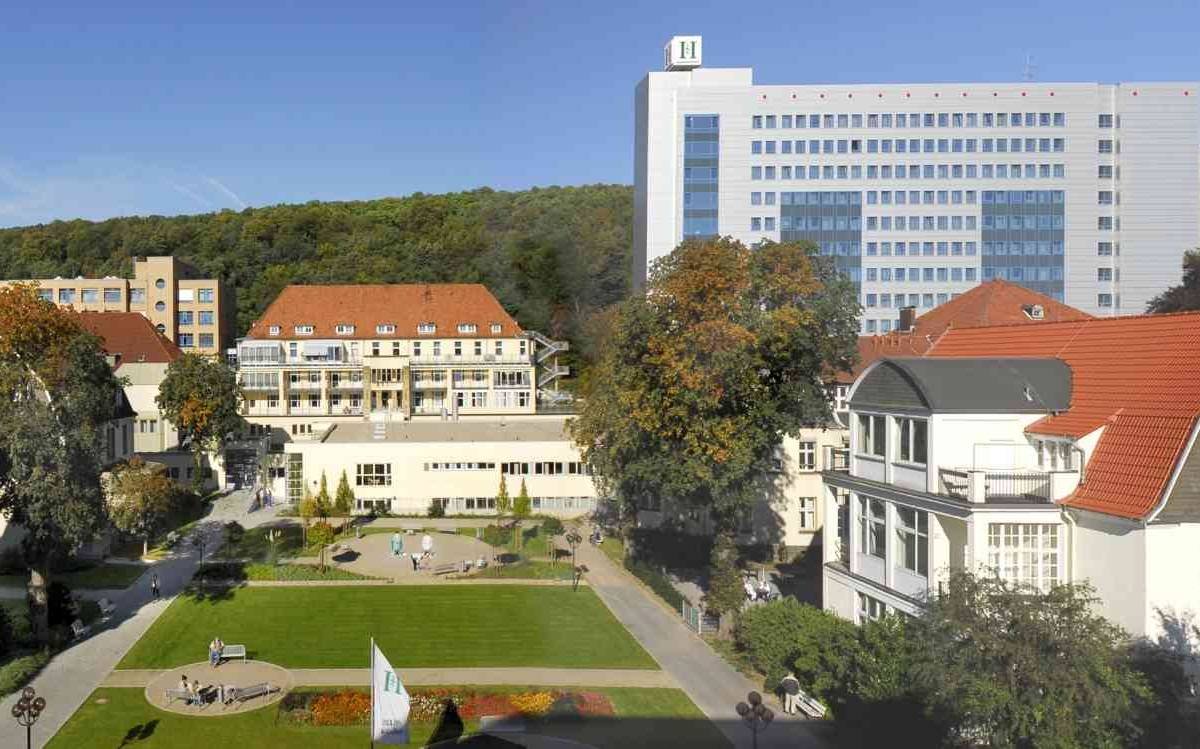




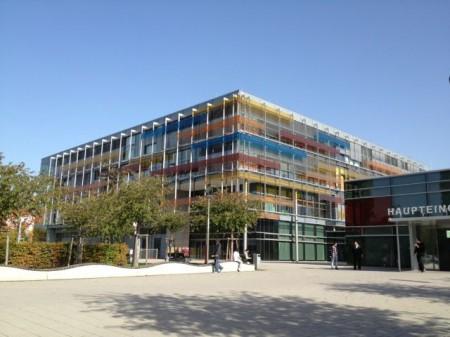
University Hospital in Haydelberge

Hospital in the Pfeiffer`s foundations

Leopoldina Hospital Schweinfurt



احصلوا على تقييم طبي لـ مرض تكيس الكلى في ألمانيا: استشيروا أطباء ذوي خبرة الآن
عرض جميع الأطباء
Sebastian Melchior
البروفيسور سيباستيان ميلكيور هو طبيب مسالك بولية رائد في ألمانيا، ومعترف به من قبل مجلة Focus. وهو متخصص في الجراحة الروبوتية لأورام الجهاز البولي التناسلي.
- أكثر من 30 سنة من الخبرة في جراحة الأورام
- رئيس قسم المسالك البولية وأمراض الكلى في عيادة بريمن-ميتي
- تدرب في جامعة هارفارد وجامعة واشنطن
- مؤلف 10 منشورات علمية في طب المسالك البولية
مشاركة المحتوى
قصص فيديو من مرضى Bookimed
 Anna Leonova
أسئلة متكررة حول علاج مرض تكيس الكلى في ألمانيا
ما هي أفضل المستشفيات في ألمانيا لعلاج مرض الكلى المتعدد الكيسات (PKD)؟
تشمل أفضل المستشفيات لعلاج مرض الكلى المتعدد الكيسات (PKD) في ألمانيا مستشفى شاريتيه برلين، ومستشفى جامعة هايدلبرغ، ومستشفى أسكليبيوس بارمبيك. تتخصص هذه المراكز في أمراض الكلى، وتقدم علاج تولفابتان (Tolvaptan) وإزالة الكيسات بالمنظار. العديد منها حاصل على شهادات JCI أو ISO. وهي توفر أبحاثاً متكاملة وعيادات متخصصة لحالات الكلى النادرة.
- التميز الجامعي: يضم مستشفى شاريتيه برلين مركز أمراض الكلى النادرة للتشخيص المتخصص.
- الأبحاث المتقدمة: يحتفظ مستشفى جامعة كولونيا بمختبر مخصص يركز على أمراض الكلى الكيسية.
- الخبرة الجراحية: يستخدم مستشفى أسكليبيوس بارمبيك أنظمة روبوتية مثل "دا فينشي" للتدخلات الدقيقة.
- الجودة المعتمدة: تُصنف عيادات مثل نوردويست وسولينغن كأفضل العيادات من قبل مجلة "فوكوس" في مجال أمراض الكلى.
رؤية خبير Bookimed: تُظهر البيانات أنه بينما تجذب برلين وميونخ أكبر عدد من المرضى، فإن المراكز الأكاديمية مثل مستشفى جامعة كارل غوستاف كاروس في دريسدن تخدم أكثر من 330,000 مريض سنوياً. غالباً ما توفر هذه العيادات الجامعية ذات الحجم الكبير وصولاً أسرع إلى تجارب العلاج الجيني الناشئة. توفر المؤسسات الأكاديمية الأصغر مثل المركز الطبي في سولينغن خبرة مماثلة مع 400 طبيب متخصص. وغالباً ما تكون فترات الانتظار للاستشارات الأولية فيها أقصر مقارنة بالمراكز الحضرية الكبرى.
إجماع المرضى: يؤكد المرضى على أهمية الانضمام إلى سجل مرضى PKD الألماني في وقت مبكر للوصول إلى التجارب السريرية الجديدة. يلاحظ الكثيرون أنه على الرغم من شيوع
هل يتوفر دواء تولفابتان (Tolvaptan) لمرض الكلى المتعدد الكيسات في ألمانيا؟
يتوفر دواء تولفابتان في ألمانيا تحت الاسم التجاري جينارك (Jinarc). تمت الموافقة على الدواء في عام 2016 لعلاج مرض الكلى المتعدد الكيسات السائد (ADPKD). يوصف الدواء حصرياً للبالغين الذين يعانون من تطور سريع للمرض ويتطلب مراقبة شهرية لوظائف الكبد لضمان السلامة.
- تاريخ الموافقة: يتم تسويقه في ألمانيا باسم جينارك منذ أغسطس 2016.
- معايير الأهلية: البالغون المصابون بمرض الكلى المزمن (CKD) من المرحلة 1 إلى 4.
- المراقبة الإلزامية: إجراء اختبارات وظائف الكبد شهرياً خلال الأشهر الثمانية عشر الأولى.
- التركيز العلاجي: إبطاء القصور الكلوي وتطور الكيسات لدى الحالات التي تتطور بسرعة.
رؤية خبير Bookimed: على الرغم من وجود 85 عيادة متاحة في ألمانيا عبر Bookimed، يجب على المرضى الذين يبحثون عن تولفابتان استهداف المراكز التابعة للجامعات. توفر مرافق مثل مستشفى جامعة كارل غوستاف كاروس في دريسدن أو مستشفى جامعة هايدلبرغ تشخيصات متقدمة مثل الذكاء الاصطناعي والتصوير الرقمي. هذه التقنيات ضرورية لإثبات التطور السريع للمرض لشركات التأمين الصحي.
إجماع المرضى: يشير المرضى إلى أن الحصول على موافقة التأمين قد يستغرق 3 أشهر ويتطلب تأكيداً جينياً وفحوصات بالرنين المغناطيسي. كما يلاحظون أن الإقامة في مركز معتمد أمر إلزامي بسبب متطلبات تتبع السجل المتخصصة.
هل تتوفر علاجات مبتكرة أو تجريبية لمرض الكلى المتعدد الكيسات (PKD) في ألمانيا؟
تعد ألمانيا مركزاً رئيسياً للعلاجات المبتكرة لمرض الكلى المتعدد الكيسات (PKD). يمكن للمرضى الوصول إلى علاجات تجريبية من خلال تجارب سريرية مثل STOP-PKD وEMPA-PKD. بالإضافة إلى دواء تولفابتان القياسي، يستخدم الباحثون في مستشفى شاريتيه برلين تقنية تعديل القواعد (base editing) لإصلاح طفرات PKD. تهدف هذه العلاجات إلى إبطاء نمو الكيسات بفعالية.
- التجارب السريرية: تقيم دراسات نشطة مثل STOP-PKD مثبطات SGLT2 لإبطاء تطور المرض.
- تعديل الجينات: يستكشف مركز ماكس ديلبروك تقنية تعديل القواعد القائمة على كريسبر (CRISPR) للحصول على إمكانات علاجية.
- الأهداف الأيضية: تبحث التجارب في الميتفورمين والأجسام المضادة وحيدة النسيلة لتثبيط إشارات الكيسات.
- المراكز المتخصصة: يقود مستشفى جامعة كولونيا وشاريتيه برلين أبحاث طب الكلى الانتقالي.
رؤية خبير Bookimed: بينما يبحث الكثيرون عن أحدث التجارب، يتميز مجمع عيادات شمال الراين-وستفاليا بدمج الرعاية الطبية المبتكرة مع جراحة الروبوت دافنشي عالية الكثافة. هذه الخبرة حيوية للمرضى الذين يحتاجون إلى إدارة جراحية دقيقة للكيسات عندما لا تستطيع الأدوية وحدها منع المضاعفات. تضمن الخبرة العملية في أكثر من 145,000 حالة سنوياً السلامة الجراحية أثناء الانتقال إلى الأدوية التجريبية.
إجماع المرضى: يؤكد المرضى أنه على الرغم من أن تولفابتان يبطئ نمو الكيسات، إلا أن الآثار الجانبية مثل العطش المفرط تمثل تحدياً. يشير الكثيرون إلى أن الاختبار الجيني المبكر ضروري للتأهل لأكثر التجارب السريرية تقدماً المتاحة في المرا
ما هي الخيارات طفيفة التوغل التي تقدمها العيادات الألمانية لإدارة الكيسات في الكلى المتعددة الكيسات؟
توفر العيادات الألمانية علاجات متقدمة طفيفة التوغل مثل تصليب الكيسات (cyst sclerotherapy) واستئصال القشرة بالمنظار (laparoscopic decortication) لإدارة أعراض مرض الكلى المتعدد الكيسات. تستهدف هذه الإجراءات الكيسات ذات الحجم الكبير لتخفيف الألم المزمن ومنع المضاعفات. تستخدم المراكز المتخصصة جراحة دافنشي الروبوتية لإزالة الكيسات بدقة مع الحفاظ على العضو في الحالات المعقدة.
- تصليب الكيسات: تصريف الكيسات عبر إبر موجهة بالموجات فوق الصوتية وحقن مواد لمنع إعادة امتلاء الكيس.
- استئصال القشرة بالمنظار: يقوم الجراحون بإزالة جدران الكيس من خلال ثلاثة شقوق صغيرة لضمان التصريف.
- الجراحة بمساعدة الروبوت: يستخدم مجمع عيادات شمال الراين-وستفاليا أنظمة دافنشي للتدخلات عالية الدقة.
- العلاج الدوائي: تقدم عيادات مثل مستشفى جامعة ريغنسبورغ عقار تولفابتان (Tolvaptan) لإبطاء تطور المرض بشكل عام.
رؤية خبير Bookimed: تظهر بياناتنا أن المراكز الألمانية الرائدة مثل مجمع عيادات شمال الراين-وستفاليا ومستشفى جامعة دريسدن تركز على رعاية المرضى الداخليين ذات الحجم الكبير، حيث تخدم أكثر من 145,000 و334,000 مريض سنوياً. بالنسبة للمرضى، يرتبط هذا العدد الكبير من الحالات غالباً بالوصول إلى أحدث التقنيات الروبوتية والفرق متعددة التخصصات. اختيار مستشفى جامعي يضمن لك تلقي العلاج من قبل متخصصين مثل البروفيسور الدكتور سيباستيان ميلكيور، الذي لديه تدريب دولي في جامعة هارفارد.
إجماع المرضى: يشير المرضى إلى أنه على الرغم من أن التصليب هو خيار شائع للمرضى الخار
ما هي خدمات الدعم المتاحة لمرضى تكيس الكلى (PKD) الدوليين أثناء العلاج في ألمانيا؟
توفر ألمانيا دعماً متكاملاً للمرضى الدوليين من خلال أقسام مستشفيات مخصصة وتنسيق لوجستي. تقدم العيادات المتخصصة المساعدة في الحصول على التأشيرات، وتوفير مترجمين طبيين، وتقديم فواتير مخصصة. تعمل البرامج على سد فجوات التواصل مع إدارة لوجستيات السفر لعلاجات مرض تكيس الكلى المعقدة في المراكز الأكاديمية الكبرى.
- المساعدة في التأشيرة: توفر العيادات خطابات دعوة رسمية مطلوبة لطلبات التأشيرة الطبية.
- الدعم اللغوي: يدير مترجمون محترفون الاستشارات ويترجمون الوثائق الطبية المعقدة.
- التنسيق اللوجستي: تنظم الأقسام المتخصصة عمليات النقل من المطار وتوفير السكن للعائلات.
- الاستشارات الطبية: يقدم خبراء مثل البروفيسور الدكتور سيباستيان ميلكيور آراء طبية ثانية عن بُعد.
- شفافية الفواتير: تتعامل المكاتب الدولية مع تقديرات التكلفة ومعالجة مطالبات التأمين.
رؤية خبير Bookimed: تدير العيادات الألمانية مثل مستشفى أسكليبيوس بارمبيك ومستشفى جامعة دريسدن أكثر من 300,000 مريض سنوياً. يسمح هذا الحجم الكبير لهم بالحفاظ على أقسام دولية كبيرة. يجب على المرضى إعطاء الأولوية للعيادات الحاصلة على شهادات تحالف جودة السفر الطبي (Medical Travel Quality Alliance). غالباً ما توفر هذه المرافق انتقالات أكثر سلاسة للعودة إلى رعاية الوطن مقارنة بالمراكز الأصغر.
إجماع المرضى: يشير المرضى إلى أنه من المهم استئجار خدمات ترجمة خاصة قبل الوصول. ويوصون بالانضمام إلى مجموعات مرضى الكلى المحلية للحصول على نصائح غير رسمية ودعم الأقران.
ما هي المستشفيات في ألمانيا التي تحظى بأعلى التقييمات في جراحة الأعصاب؟
تضم ألمانيا بعضًا من أرقى أقسام جراحة الأعصاب في العالم، بقيادة مستشفى شاريتيه الجامعي في برلين ومستشفى جامعة هايدلبرغ. وتتميز هذه المراكز بخبرتها الواسعة في علاج أورام الدماغ المعقدة وأمراض الأوعية الدموية الدماغية. ولتحقيق أقصى قدر من الفعالية في عملياتها، تستخدم هذه المراكز أحدث التقنيات، مثل التصوير بالرنين المغناطيسي أثناء الجراحة والتوجيه العصبي بمساعدة الحاسوب.
- مستشفى شاريتيه برلين: يُجري أكثر من 5000 عملية جراحية سنوياً. ويرأس العيادة جراح الأعصاب الشهير الدكتور بيتر فايكوتشي.
- المركز الطبي في سولينجن: أجرى الدكتور رالف بوهل أكثر من 4000 عملية جراحية، بما في ذلك جراحات العمود الفقري طفيفة التوغل.
- عيادة أسكليبيوس نورد: مجهزة بنظام التصوير بالرنين المغناطيسي الثنائي الوحيد في ألمانيا أثناء الجراحة لضمان الدقة الجراحية في الوقت الحقيقي أثناء إزالة الورم.
- عيادة نوردويست: تم الاعتراف بها من قبل مجلة نيوزويك كمستشفى رائد في مجال الابتكار في تكنولوجيا الموجات فوق الصوتية ثلاثية الأبعاد.
رأي خبراء بوكيمد: تشير البيانات إلى أن اختيار المراكز ذات الحجم الجراحي الكبير غالبًا ما يؤدي إلى توصيات علاجية أكثر تحفظًا. ففي مركز سولينجن الطبي، الذي يعالج أكثر من 60,000 مريض
ما هي نسب نجاح العمليات الجراحية العصبية المعقدة في ألمانيا؟
في ألمانيا، تتميز العمليات الجراحية العصبية بالغة التعقيد بمستوى أمان استثنائي. تصل نسبة نجاح عمليات دمج الفقرات إلى 99%، بينما تبلغ نسبة النجاة بعد استئصال أورام الدماغ الأولية 97%. كما يتمتع المرضى بقدرة عالية على الاعتماد على أنفسهم في أداء وظائفهم اليومية، حيث يغادر أكثر من 82% منهم المستشفى مباشرةً بعد العلاج. وتولي المراكز الألمانية اهتماماً بالغاً بالحفاظ على الوظائف العصبية باستخدام أحدث تقنيات التخطيط العصبي.
- استئصال الورم: يحقق الجراحون استئصالًا كاملاً للورم في 87.2% من حالات النقائل الدماغية.
- النجاح في علاج أمراض الأوعية الدموية: أفادت المستشفيات الألمانية بنسبة نجاة بلغت 98.7% لحالات تمدد الأوعية الدموية غير الممزقة.
- تحسن الحالة العصبية: يشهد ما يقرب من 43% من المرضى تحسناً في المعايير الوظيفية بعد عمليات الاستئصال المعقدة.
- سلامة التدخلات الجراحية: في المراكز الجراحية الكبيرة، تتراوح معدلات بقاء المرضى على قيد الحياة بعد جراحة العمود الفقري بين 98-99%.
رأي خبراء بوكيمد: يُجري جراحون ذوو خبرة، مثل الدكتور أوفه كولر من عيادة أسكليبيوس ألتونا، أكثر من 2000 عملية جراحية سنويًا. تُشير البيانات إلى أن هؤلاء المتخصصين يحافظون على معدلات نجاح تصل إلى 90%، حتى
ما هي التقنيات المتقدمة المتوفرة عادةً في عيادات جراحة الأعصاب الألمانية؟
تُدخل عيادات جراحة الأعصاب الألمانية بانتظام أدوات رقمية عالية الدقة وتقنيات تصوير فوري في الممارسة الجراحية. تشمل التقنيات الرئيسية الملاحة العصبية الحاسوبية لجراحات الدماغ والحبل الشوكي. تستخدم مؤسسات مثل عيادة أسكليبيوس نورد التصوير بالرنين المغناطيسي أثناء الجراحة للتحقق من استئصال الورم في الوقت الفعلي. توفر هذه الأنظمة للجراحين نظام ملاحة ثلاثي الأبعاد.
- الملاحة العصبية: توفر تصورًا ثلاثي الأبعاد وتتبعًا فوريًا للأدوات لتحقيق دقة جراحية تصل إلى مستوى أقل من المليمتر.
- التصوير أثناء العملية: تسمح أنظمة مثل التصوير بالرنين المغناطيسي أثناء العملية (iMRI) والتصوير المقطعي المحوسب ذي الذراع O (O-arm CT) بالتأكيد الفوري على نجاح عملية الاستئصال.
- المراقبة العصبية: تراقب الوظائف الحركية والحسية أثناء الجراحة لحماية الجهاز العصبي.
- التشخيص الفلوري: يتم استخدام صبغة 5-ALA لتسليط الضوء على حدود الورم من أجل إزالته بشكل أكثر اكتمالاً.
- المساعدة الروبوتية: تعمل أنظمة مثل نظام دافنشي على تحسين الدقة في الإجراءات المعقدة ذات التدخل الجراحي البسيط.
رأي خبراء بوكيمد: تُجري مراكز طبية كبيرة، مثل مستشفى شاريتيه الج
ما هي التدريبات المتخصصة التي يتلقاها جراحو الأعصاب الممارسون في ألمانيا؟
في ألمانيا، يتعين على جراحي الأعصاب إكمال برنامج إقامة تخصصي لمدة ست سنوات بعد التخرج من كلية الطب. يشمل هذا البرنامج المنظم العناية المركزة، والتدريب السريري، وكتابة مقالات في مجلة جراحية إلزامية. بعد ذلك، يجتاز المرشحون امتحانًا حكوميًا للحصول على لقب طبيب مقيم (Facharzt für Neurochirurgie).
- الإقامة السريرية: تتطلب من 48 إلى 72 شهرًا من الممارسة المتخصصة في جراحة الأعصاب.
- العناية المركزة: تتضمن فترة تدريب إلزامية لمدة 6 أشهر في وحدة العناية المركزة لجراحة الأعصاب.
- المجلة الجراحية: يوثق الجراحون مئات العمليات الجراحية، بما في ذلك عمليات فتح الجمجمة وجراحات العمود الفقري.
- امتحان الترخيص: يجب على المتقدمين اجتياز امتحان طبي شفوي وعملي تديره الدولة.
رأي خبراء بوكيميد: يركز التدريب الألماني في جراحة الأعصاب على الخبرة الجراحية الواسعة. فعلى سبيل المثال، أجرى الدكتور رالف بول من المركز الطبي في سولينجن أكثر من 4000 عملية جراحية. ويتمتع الدكتور يورغن كيويت من مستشفى ميوكلينيك بخبرة تزيد عن 25 عامًا. يضمن هذا النظام الدقيق أن يتعامل المتخصصون في المراكز الكبرى مع الحالات المعقدة بدقة مثبتة.
آراء المرضى: يشع
ما هي متطلبات اللغة والترخيص المطلوبة للجراحين الأجانب الراغبين في التدرب أو مراقبة العمليات الجراحية العصبية في ألمانيا؟
يجب على جراحي الأعصاب الأجانب استيفاء متطلبات لغوية وترخيصية صارمة للالتحاق بالتدريب أو فترة التدريب العملي في ألمانيا. يتطلب التدريب رخصة طبية سارية أو تصريحًا مؤقتًا. أما المتدربون، فيجب عليهم الحصول على إذن من مستشفى محدد. ويتطلب كلا الخيارين إتقانًا عاليًا للغة الألمانية للمشاركة في المناقشات السريرية وإجراء العمليات الجراحية المعقدة بأمان.
- المهارات اللغوية: مطلوب مستوى عام في اللغة الألمانية B2 ومستوى في اللغة الطبية C1 (Fachsprachprüfung) للتدريب السريري.
- الترخيص السريري: يحتاج الجراحون إلى تصريح لممارسة دائمة (Approbation) أو تصريح مهني (Berufserlaubnis) للتدريب الداخلي المؤقت الخاضع للإشراف.
- حالة المراقبة: يسمح دخول المستشفى بمراقبة العمليات الجراحية دون تحمل المسؤولية الطبية أو الحصول على ترخيص رسمي.
- تقييم المؤهلات: غالباً ما يتعين على خريجي الطب من خارج الاتحاد الأوروبي الخضوع لعملية التحقق من صحة الشهادة في غضون 3-6 أشهر.
رأي خبراء بوكيمد: غالبًا ما تُعطي العيادات الألمانية ذات الأعداد الكبيرة من المرضى، مثل عيادة نوردويست أو أسكليبيوس نورد، الأولوية للمرشحين الذين خضعوا بالفعل لتقييم أولي للوثائق. تُظهر بياناتنا أن أساتذة مثل الدكتور أوفه كولر والدكتور