وفر حتى
85%
مقارنة بمتوسط الأسعار في المملكة المتحدة أو الولايات المتحدة
تمت مراجعة المقالة طبيا من قبل
فهد مولودإخلاء مسؤولية طبية: تم التحقق من البيانات بواسطة Bookimed اعتباراً من أبريل 2026، استناداً إلى طلبات المرضى والعروض الرسمية من 144 عيادات حول العالم. التكاليف المتوسطة مستندة إلى فواتير حقيقية (2024–2026) ويتم تحديثها شهريًا. قد تختلف الأسعار الفعلية.

تتفوق تركيا في علاج سرطان عنق الرحم، حيث يقدم مركز أناضولو الطبي ومستشفى ميموريال شيشلي ومستشفى ميموريال أنقرة إجراءات متقدمة. حصل مركز أناضولو الطبي ومستشفى ميموريال شيشلي التذكاري على اعتماد اللجنة الدولية المشتركة. يقدم مركز أناضولو الطبي، التابع لمستشفى جونز هوبكنز للطب، الجراحة بمساعدة الروبوت والعلاج الموجه والعلاج الإشعاعي المتقدم. يقدم مستشفى ميموريال شيشلي التذكاري، وهو أول مستشفى في تركيا يحصل على اعتماد اللجنة الدولية المشتركة، الجراحة بالمنظار والعلاج الإشعاعي الداخلي والعلاج المناعي.
إن نجاح علاج سرطان عنق الرحم في تركيا ملحوظ، حيث تصل معدلات النجاة في المراحل المبكرة إلى 90%. ويرجع ذلك إلى التشخيصات والعلاجات المتقدمة مثل الجراحة بمساعدة الروبوت والعلاج الموجه والعلاج الإشعاعي الموضعي، بالإضافة إلى المهنيين الطبيين المهرة لتقديم الرعاية الشاملة.
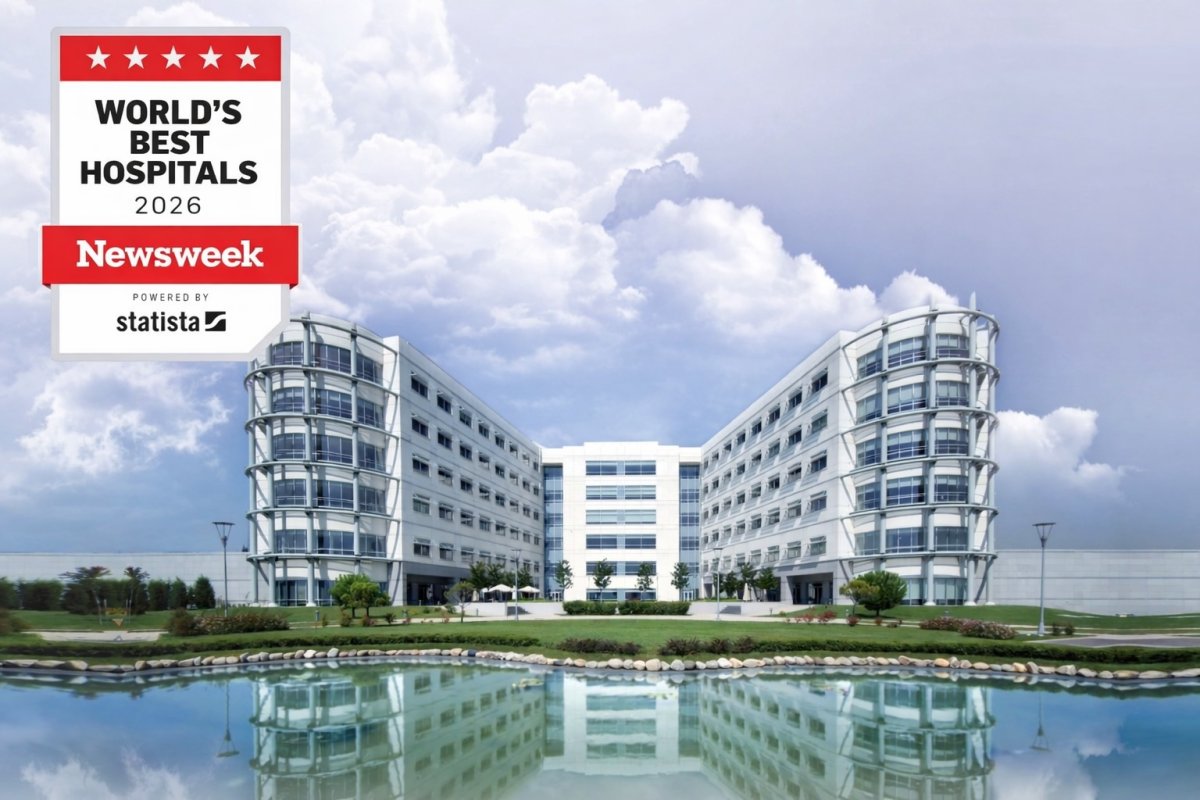
تتفوق ألمانيا في علاج سرطان عنق الرحم من خلال أفضل العيادات مثل عيادة نوردويست ومستشفى أسكليبيوس بارمبيك والمركز الطبي في سولينجن، المعتمدة من الجمعية الألمانية للسرطان (DKG). يُعتبر معدل النجاة من سرطان عنق الرحم في ألمانيا ملحوظاً، حيث تصل نسبة نجاح العلاج في المراحل المبكرة إلى نسب عالية بفضل التشخيصات المتقدمة وخطط العلاج الشخصية.
تستخدم عيادة نوردويست، المعتمدة من شركة TUV AG، تقنيات مثل الموجات فوق الصوتية ثلاثية الأبعاد واللقاحات المضادة للسرطان. يعالج مستشفى أسكليبيوس بارمبيك، وهو جزء من أكبر شبكة في ألمانيا، 80,000 مريض سنوياً. يعالج المركز الطبي في سولينجن، التابع لجامعة كولونيا، أكثر من 60,000 مريض سنوياً. تشمل الابتكارات الجراحة بمساعدة الروبوت والعلاج الموجه والعلاج المناعي والعلاج الإشعاعي الموضعي والعلاج الضوئي الديناميكي، مما يعزز نجاح ألمانيا في علاج السرطان.
تتفوق إسبانيا في علاج سرطان عنق الرحم من خلال عيادات مثل سنترو ميديكو تكنون وكيرونسالود مدريد ومستشفى كويرون برشلونة. وهي معتمدة من اللجنة الدولية المشتركة، وتوفر الجراحة بمساعدة الروبوت والعلاج الموجه والعلاج الإشعاعي الموضعي.
ويصل معدل النجاة من سرطان عنق الرحم في إسبانيا إلى 85% في علاجات المراحل المبكرة. يُفضّل مركز Centro Médico Teknon للرعاية الشاملة. يقدم مركز كويرونسالود مدريد تجارب سريرية، ويستخدم مستشفى كويرون برشلونة التصوير المقطعي بالإصدار البوزيتروني والتصوير المقطعي المحوسب والتصوير بالرنين المغناطيسي للعلاجات الدقيقة.
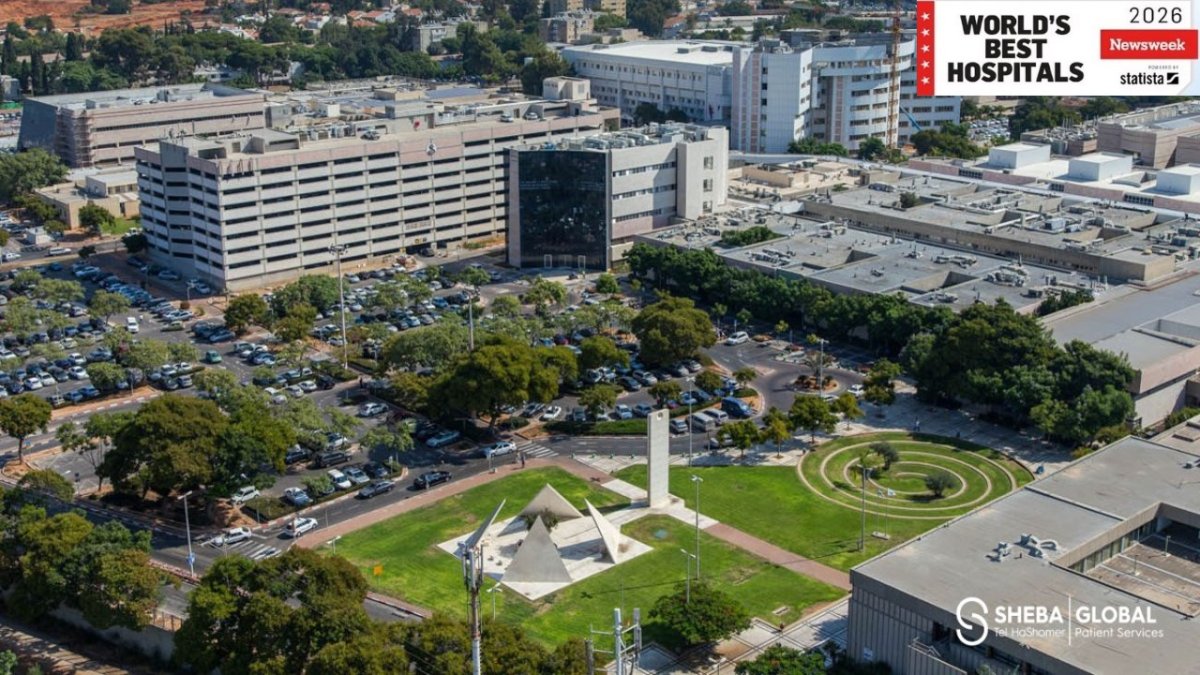
تتفوق إسرائيل في علاج سرطان عنق الرحم، حيث تتفوق مؤسساتها الطبية الكبرى مثل مركز سوراسكي الطبي (إيخيلوف) ومركز أسوتا الطبي ومركز هداسا الطبي. صنف مركز سوراسكي الطبي، الذي صنفته مجلة نيوزويك من بين المراكز العشرة الأولى في مجال السياحة العلاجية، بنسبة نجاح 90% في علاج الأورام. يشتهر مركز أسوتا الطبي، المعتمد من قبل اللجنة الدولية المشتركة، برعايته الطبية للأورام التي تركز على المريض.
وتصل نسبة نجاح علاج سرطان عنق الرحم في إسرائيل إلى نسب مئوية كبيرة، مع إجراءات متقدمة مثل الجراحة بمساعدة الروبوت والعلاج الموجه والعلاج الإشعاعي الموضعي والعلاج المناعي. يشتهر مركز سوراسكي الطبي بريادته في الأساليب الطبية الجديدة وحصوله على جوائز لإنجازاته العلمية.
اختيار دولة لعلاج سرطان عنق الرحم في الخارج لا ينبغي أن يكون عشوائيًا. بعد أن ساعدنا أكثر من 900,000 مريض، نعرف الدول التي تجمع أفضل الأخصائيين، وأأمن المستشفيات، والأسعار المناسبة. نحن هنا لمساعدتك في العثور على الخيار المناسب لك.
Major cervical cancer surgery in Israel requires a hospital stay of 2 to 7 days. Full rehabilitation typically takes 4 to 8 weeks for baseline activities. Minimally invasive approaches like robotic surgery allow patients to return to daily routines in 2 to 3 weeks.
Bookimed Expert Insight: Data from top Israeli centers shows a clear trend toward specialized gynecologic oncology departments. For instance, Prof. Tamar Sapra at Sourasky Medical Center brings 30+ years of experience to these complex cases. This deep expertise often translates to more precise lymph node dissections, which are critical because patients note that lymph-related swelling can extend recovery by 1 to 2 months.
Patient Consensus: Patients emphasize that while basic mobility returns within a month, it often takes 4 months to feel normal again. Many recommend starting pelvic floor therapy by day 3 to manage post-operative bowel and bladder changes effectively.
Cervical cancer treatment in Israel utilizes a multidisciplinary approach focused on organ preservation and precision. Leading centers like Sourasky Medical Center and Sheba Medical Center offer robotic surgery, advanced brachytherapy, and targeted immunotherapy. These facilities maintain high success rates while prioritizing fertility for younger patients.
Bookimed Expert Insight: While many patients focus on surgery, the integration of 3D-guided brachytherapy at centers like Sheba Medical Center is a critical differentiator. Data shows these centers handle massive volumes, with over 1.8 million patients annually. This high flux ensures surgeons and radiotherapists maintain elite proficiency in complex, nerve-sparing protocols that preserve pelvic function.
Patient Consensus: Patients emphasize the importance of discussing fertility preservation, like egg freezing, immediately upon diagnosis. Many note that preparing for the physical fatigue of combined chemoradiation helps manage the treatment journey more effectively.
Israeli oncology centers preserve fertility through specialized oncofertility protocols combining organ-sparing surgery and advanced reproductive technologies. Early-stage patients may undergo trachelectomy or conization to keep the uterus intact. Modern clinics also offer egg freezing or embryo cryopreservation before starting radiation or chemotherapy.
Bookimed Expert Insight: Data shows a high integration of robotic technology in Israeli oncofertility. Prof. Dan Grisaro at Sourasky Medical Center utilizes endoscopic and robotic platforms for complex cervical surgeries. These minimally invasive approaches often lead to better pelvic health preservation compared to traditional open surgeries. Patients should prioritize centers with JCI accreditation and Newsweek rankings to ensure access to these specific surgical precision tools.
Patient Consensus: Patients emphasize that egg freezing must happen immediately after diagnosis to avoid treatment delays. They note that while trachelectomy allows for future pregnancy, it often requires specialized prenatal care and cesarean delivery due to cervical scarring.
Israel is a global leader in cervical cancer care with JCI-accredited centers like Sourasky Medical Center and Sheba Medical Center. These facilities offer 90% oncology success rates. Patients access advanced treatments like DaVinci robotic surgery, MRI-guided brachytherapy, and fertility-preserving radical trachelectomies from board-certified specialists.
Bookimed Expert Insight: While many focus on surgery, the integration of MRI-guided brachytherapy at Sheba and Sourasky is a major differentiator. Data shows clinics like Sourasky manage over 400,000 patients annually. This high volume allows doctors like Dr. Tamar Sapra to maintain expertise across 30+ years of practice. For international patients, choosing a hospital with an established brachytherapy service is essential for treating advanced or recurrent cervical cases effectively.
Patient Consensus: Patients note it is important to bring original pathology slides for a second opinion. They also emphasize that while costs are higher for non-citizens, the access to multilingual staff and robotic hysterectomies at Hadassah is highly valued.
International patients typically complete a cervical cancer diagnostic work-up in Israel within 5 to 10 business days. Initial treatment often begins within 1 to 2 weeks after arrival. Integrated centers like Sourasky and Sheba use multidisciplinary tumor boards to accelerate planning for complex oncology cases.
Bookimed Expert Insight: Data from Sourasky Medical Center shows a clear efficiency advantage for international patients through VIP fast-track services. While local systems may take longer, these dedicated departments handle up to 400,000 patients annually. They often coordinate pathology revisions and oncologist consultations like Dr. Tamar Sapra's in a single 5-day block. This coordination is critical because it bypasses the standard 2 to 3 week wait times for imaging slots found in smaller regional facilities.
Patient Consensus: Patients note that arriving with existing medical records can shorten the diagnostic phase by nearly a week. They emphasize that while paperwork is fast, you should pre-book radiation slots to avoid local scheduling bottlenecks.
Israel is a primary destination for cervical cancer due to high 5-year survival rates and early access to advanced technology. Research centers like Sheba Medical Center report 95% remission rates. Facilities utilize MRI-guided brachytherapy and robotic surgery to preserve fertility while ensuring precise tumor destruction.
Bookimed Expert Insight: Data shows a high concentration of expertise at Sourasky Medical Center where Dr. Tamar Sapra and Dr. Dan Grisaro collaborate. This facility serves over 400,000 patients annually and maintains JCI accreditation. Patients seeking specific experience should note that senior specialists here often have over 30 years of practice. This volume of cases translates into refined surgical techniques for complex organ-preserving procedures.
Patient Consensus: Patients note that Israeli teams use specialized AI planning to define tumor margins more accurately than some Western trials. They emphasize that the focus on fertility preservation leads to fewer long-term side effects compared to other destinations.
Cervical cancer treatment in Germany utilizes a multidisciplinary approach focused on organ preservation and precision. Specialized centers provide radical trachelectomy for fertility sparing alongside advanced robotic hysterectomies. Standard protocols integrate high-dose brachytherapy and targeted immunotherapy with cisplatin-based chemotherapy to maximize long-term survival rates.
Bookimed Expert Insight: German university hospitals like those in the Asklepios network often house over 20 specialized departments under one roof. This high concentration of expertise allows for rapid tumor board reviews where oncologists and surgeons collaborate. For example, Nordwest Clinic integrates 5 research institutes, providing patients faster access to innovative vaccines and targeted therapies.
Patient Consensus: Patients note that German facilities offer significantly faster access to advanced technology like proton therapy compared to other countries. They often emphasize how municipal hospitals prioritize emotional support through integrated psycho-oncology services alongside medical treatment.
Germany hosts over 85 certified oncology centers specialized in cervical cancer care. Leading facilities include Asklepios Hospital Barmbek, Nordwest Clinic, and the Medical Center in Solingen. These hospitals utilize JCI and German Cancer Society (DKG) certifications to ensure high standards for complex surgeries and robotic interventions.
Bookimed Expert Insight: Data shows that choosing DKG-certified centers like Medical Center Solingen often ensures better multidisciplinary care. These centers require surgeons like Dr. Séverine Iborra to maintain high annual procedure volumes. Clinics with over 60,000 yearly patients typically offer more robust diagnostic infrastructure like PET-CT.
Patient Consensus: Patients note that DKG-certified centers often provide better outcomes than general hospitals. They recommend confirming the surgeon performs at least 50 cervical procedures annually.
Fertility preservation is possible during cervical cancer treatment in Germany through advanced surgical and reproductive techniques. Options like trachelectomy allow for the removal of the cervix while sparing the uterus. Early-stage patients often retain high fertility potential via these specialized protocols.
Bookimed Expert Insight: German university hospitals like Asklepios Altona or Nordwest Clinic offer high-volume surgery where experts perform hundreds of oncological procedures. Doctors like Professor Jörg B. Engel specialize in targeted therapies that may better preserve reproductive health. Data shows that for tumors under 2cm, approximately 80% to 90% of patients successfully retain their fertility.
Patient Consensus: Patients emphasize requesting a fertility consultation on day one of diagnosis. Most note that while pregnancy is possible, they wish they had known about the higher risks of preterm birth following trachelectomy.
The average 5-year survival rate for cervical cancer in Germany is approximately 65%. Outcomes depend heavily on the stage at diagnosis. Localized cases show survival rates over 90%. Patients diagnosed at an early stage account for 40% of all cases in Germany.
Bookimed Expert Insight: German clinics like Nordwest use specific targeted therapies that improve outcomes for complex cases. Prof. Dr. Elke Jaeger has over 35 years of experience in this field. Facilities with specialized oncology departments often report higher survival than general hospitals. Choosing an Academic Hospital like Solingen ensures access to University of Cologne research protocols.
Patient Consensus: Patients emphasize that stopping smoking before treatment significantly improves your outlook. Many recommend asking about fertility-sparing surgery like trachelectomy early in the process.
German clinics treat cervical cancer using advanced robotic systems, high-precision radiation, and molecular diagnostics. Facilities integrate the da Vinci robotic system for nerve-sparing hysterectomies. Patients also access MR-guided brachytherapy and proton beam therapy. These technologies improve surgical accuracy and protect surrounding healthy organs.
Bookimed Expert Insight: German oncology centers like Nordwest Clinic emphasize integration over single tools. They often combine 3D ultrasound with anticancer vaccines in targeted therapy. This structural approach at centers serving 60,000+ patients yearly ensures that high-tech diagnostics directly inform specialized treatment plans.
Patient Consensus: Patients note the relief of having diagnostics and robotic surgery in one location. Many emphasize that the clear, data-driven treatment plans provided by German specialists reduced their anxiety.