علاج تمدد الأوعية الدموية في الشريان الدماغي في تركيا — احصل على 3 عيادات مختارة خصيصاً لك


تمت مراجعة المقالة طبيا من قبل
فهد مولود
كيف نعمل؟
ما هي تكلفة تمدد الأوعية الدموية في الشريان الدماغي إجراءات التشخيص والعلاج في تركيا؟ اعرف الآن
تختلف التكلفة الإجمالية لعلاج تمدد شرايين الدماغ في تركيا بناءً على خطة العلاج الخاصة بك. يتم تسعير تصوير الأوعية الدماغية الانتقائي بمبلغ $2,600، بينما يبلغ سعر العلاج داخل الأوعية الدموية لتمدد الأوعية الدماغية حوالي $20,000. بالإضافة إلى ذلك، تبلغ تكلفة وضع التحويلة مع التصوير بالرنين المغناطيسي والرعاية بعد الجراحة حوالي $9,000. يتم تحديد برنامج العلاج بعد تقييم فردي من قبل الطبيب لكل مريض.
| تركيا | إسبانيا | ألمانيا | |
|---|---|---|---|
| جراحة ورم في المخ | من $15,500 | من $23,000 | من $22,000 |
اكتشف أفضل تمدد الأوعية الدموية في الشريان الدماغي العيادات في تركيا: 48 خيارات معتمدة والأسعار



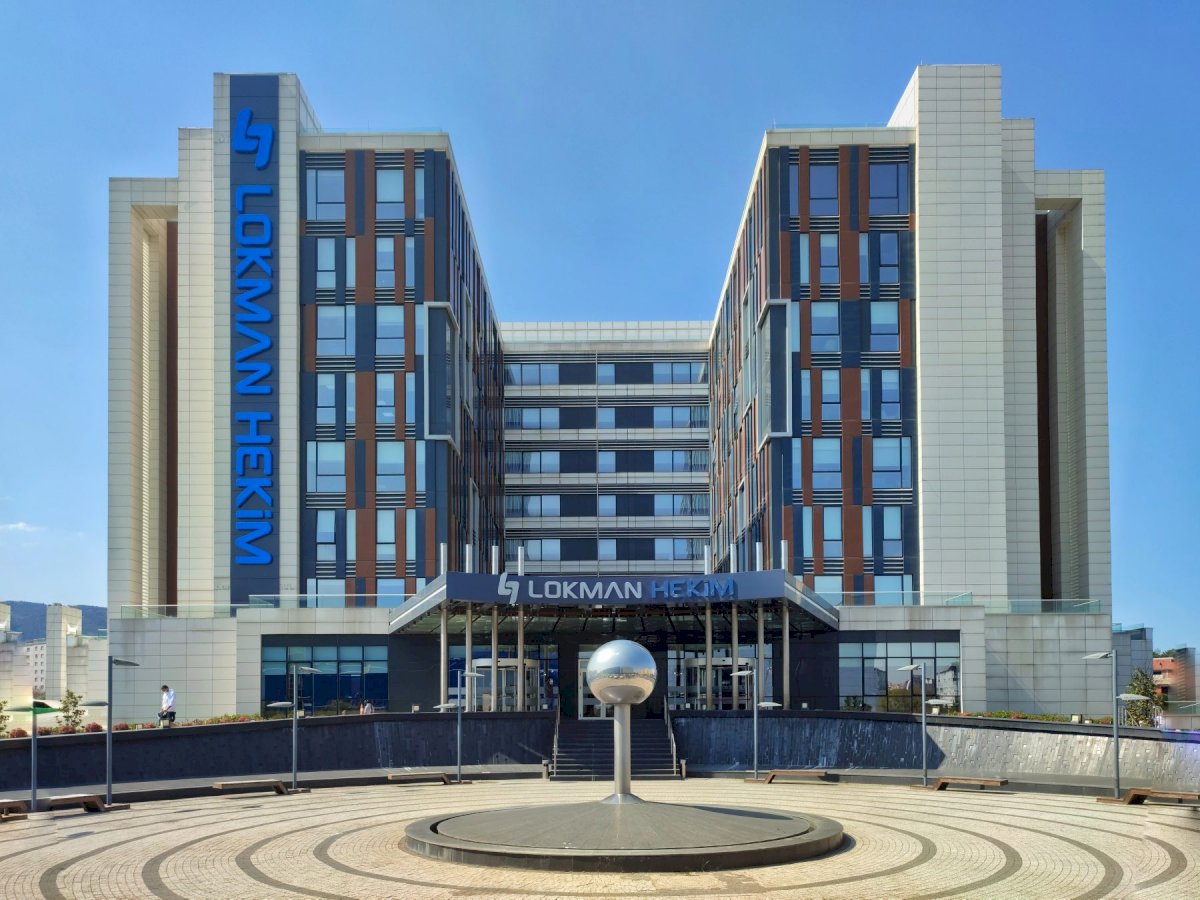


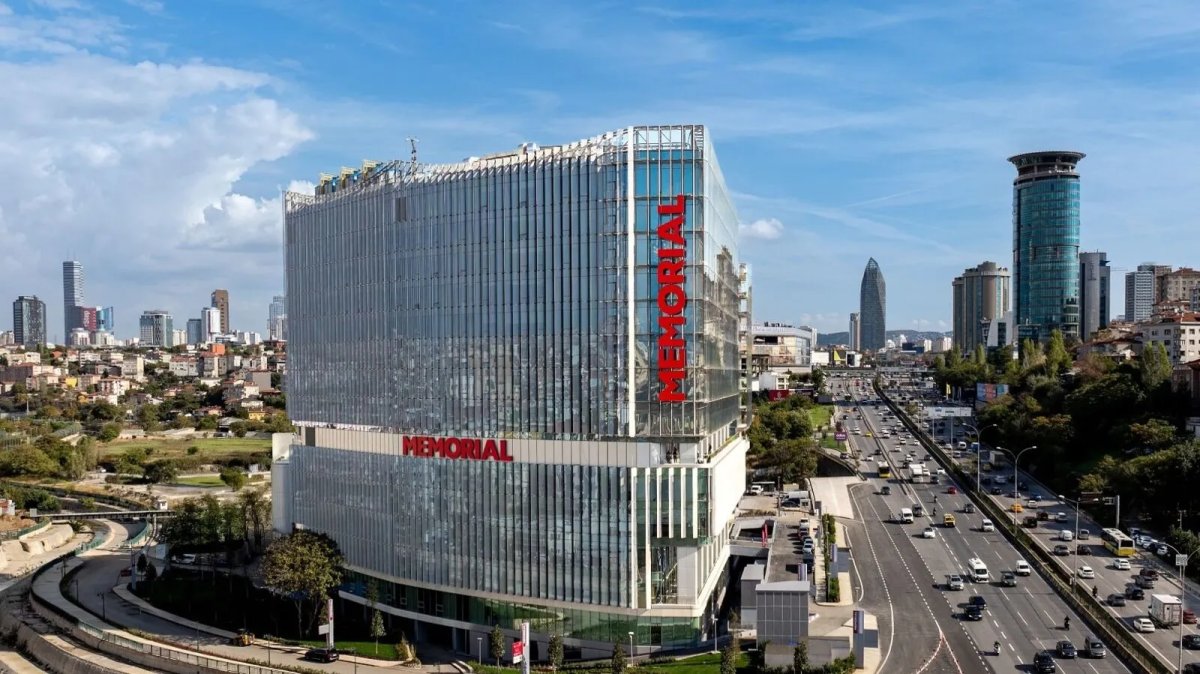
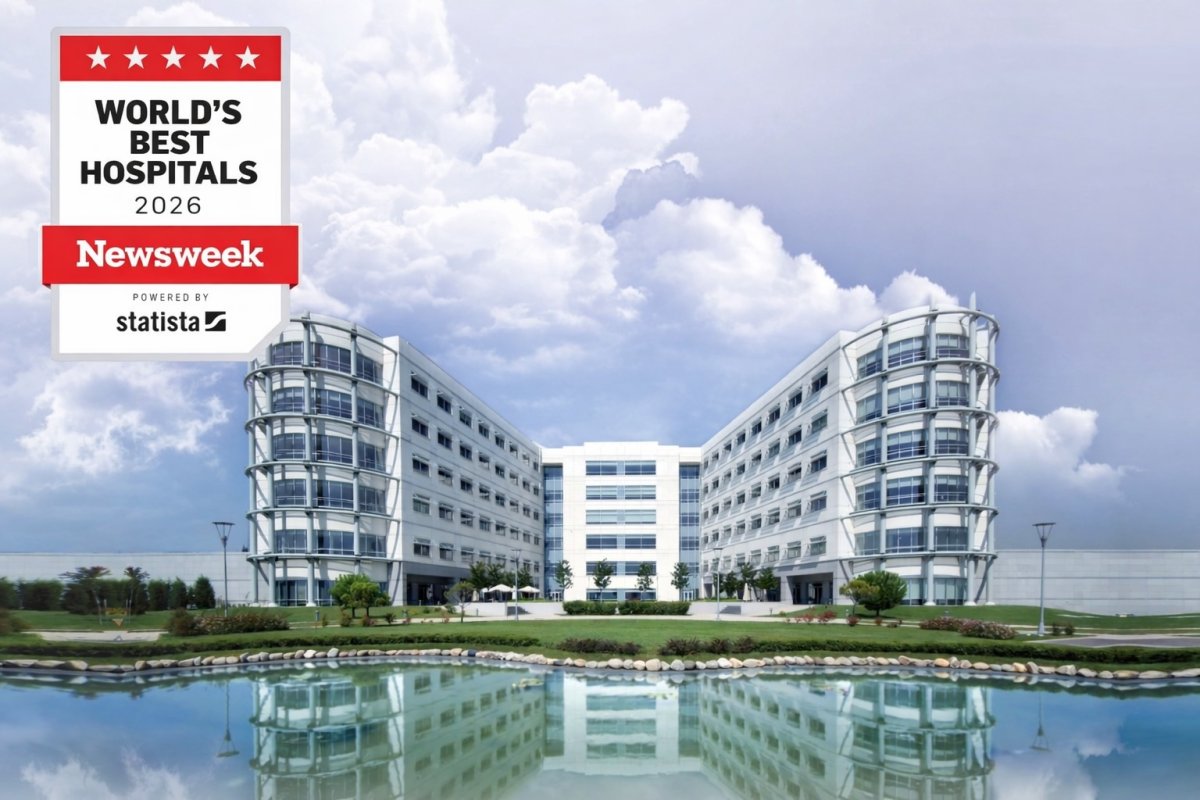
Memorial Göztepe Hospital





احصل على تقييم طبي لـ في تركيا. استشر الآن 48 أطباء ذوي الخبرة.
عرض جميع الأطباء
Murat Dokdok
الطبيب هو أخصائي أشعة ذو خبرة عالية وأخصائي أشعة تداخلية مرتبط بمركز الأناضول الطبي منذ عام 2005. مع زمالة في الأشعة العصبية التداخلية من مستشفى جامعة زيورخ وزمالة قصيرة الأجل من كلية الطب بجامعة هارفارد، يمتلك الطبيب خبرة واسعة في الأشعة العصبية وتقنيات التصوير المتقدمة.<\/p>
معتمد من الجمعية الأوروبية للأشعة العصبية والجمعية الأوروبية للأشعة القلبية الوعائية والتداخلية، يحمل الطبيب دبلومات في العلاج العصبي الأقل توغلاً والأشعة العصبية. كونه مساهمًا غزير الإنتاج في هذا المجال، يم
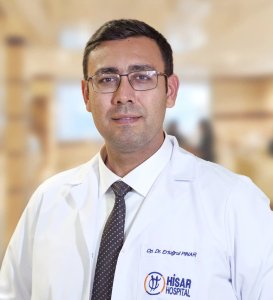
Ertugrul Pinar
تم إجراء أكثر من 900 عملية جراحية – الدكتور إرتوغرول بينار متخصص في جراحة الأعصاب في مستشفى هيسار إنتركونتيننتال.
- _doctor_9704_سنوات_ من الخبرة في جراحة أعصاب البالغين والأطفال
- يركز على أورام المخ، ونزيف المخ، وتمدد الأوعية الدموية
- تدرب في جراحة الأعصاب في جامعة مرمرة
- تقييم 4.5 من قبل المرضى

Hasan Ozgur Ozdemir
يتخصص الأستاذ الدكتور حسن أوزغور أوزدمير في جراحات أوعية الدماغ، بما في ذلك علاجات تمدد الأوعية الدموية، في مجمع مستشفيات ميديكال بارك أنطاليا.
- أكثر من 24 سنة من الخبرة في جراحة الأعصاب
- خبير في تقنيات جراحة الدماغ بالمنظار
- المركز الأول في امتحان الكفاءة للجمعية التركية لجراحة الأعصاب
- عضو في الجمعية التركية لجراحة الأعصاب

Erhan Arslan
يتخصص الأستاذ الدكتور أرسلان في إصلاح تمدد الأوعية الدموية في الشرايين الدماغية، ويتمتع بعقود من الخبرة في جراحة الأعصاب من كبرى المستشفيات التركية.
- أستاذ في جامعة كارادينيز التقنية – واحدة من أفضل مراكز تدريب جراحة الأعصاب في البلاد
- حاصل على زمالة من مستشفى جامعة هلسنكي المركزي – الرائد الأوروبي في جراحة الأعصاب
- باحث منشور في مجال نقص تروية الدماغ وتقنيات جراحة الأعصاب المبتكرة
- يجري عمليات طفيفة التوغل للحالات الوعائية الدماغية المعقدة
مشاركة المحتوى
قصص فيديو من مرضى Bookimed
 Anna Leonova
أسئلة متكررة حول علاج تمدد الأوعية الدموية في الشريان الدماغي في تركيا
ما هي نسبة نجاح علاج تمدد الأوعية الدموية في المخ في تركيا؟
يحافظ علاج تمدد الأوعية الدموية في المخ في تركيا على نسبة نجاح تبلغ 95% للحالات غير الممزقة و85% للحالات الممزقة. تستخدم المراكز المتخصصة في إسطنبول تقنية التثبيت الجراحي المجهري واللف داخل الأوعية. تحقق هذه الأساليب متانة طويلة الأمد بنسبة 99%. تضمن الفحوصات الاستباقية والمرافق المعتمدة من اللجنة الدولية المشتركة (JCI) معايير السلامة الدولية ومعدلات انسداد عالية.
- متانة الإجراء: تظهر تقنيات مثل التثبيت الجراحي نجاحًا طويل الأمد بنسبة 99% ضد تكرار التمدد.
- معايير النجاح: تبلغ وحدات جراحة الأعصاب التركية عن نسبة انسداد وعائي كامل أو شبه كامل تبلغ 92%.
- سجلات السلامة: تحافظ المراقبة المتقدمة على انخفاض المضاعفات مع معدل بقاء على قيد الحياة بعد الإجراء بنسبة 99%.
- حجم الخبراء: أجرى جراحون رائدون مثل الدكتور أحمد حلمي كايا أكثر من 900 إجراء معقد.
رؤية خبير Bookimed: معدلات النجاح للحالات المعقدة هي الأعلى في المراكز ذات الانتماءات الدولية. مركز الأناضول الطبي تابع لمستشفى جونز هوبكنز وهو من بين أفضل 10 مستشفيات عالمية. تشمل حزمهم العصبية الوعائية 13 يومًا من الاستشفاء للجراحة المجهرية. تسمح هذه الإقامة الممتدة بالمراقبة الفسيولوجية العصبية على مدار الساعة طوال أيام الأسبوع. يفسر هذا الإشراف السريري العميق المتانة العالية التي لوحظت في مراكز الدرجة الثالثة التركية.
إجماع المرضى: يؤكد المرضى أن النجاح يعتمد على الفريق الجراحي أكثر من اعتماده على التكنولوجيا فقط. ويشيرون إلى أن تقنية اللف توفر تعافيًا أسرع، لكن الحالات غير
ما هي طرق العلاج الرئيسية المستخدمة لإصلاح تمدد الأوعية الدموية في الدماغ في تركيا؟
تقوم مراكز جراحة الأعصاب التركية بإصلاح تمدد الأوعية الدموية في الدماغ باستخدام تقنيات متقدمة للقسطرة الوعائية (Coiling) والمشبك الجراحي المجهري. غالباً ما تعطي المرافق المعتمدة من JCI في إسطنبول الأولوية للقسطرة طفيفة التوغل لتعافي أسرع. كما تستخدم الفرق المتخصصة محولات التدفق (Flow diverters) والتقنيات المدعومة بالدعامات للحالات المعقدة لضمان إعادة البناء الوعائي.
- القسطرة الوعائية (Coiling): إجراء طفيف التوغل يستخدم القسطرة لملء تمدد الأوعية الدموية بلفائف البلاتين.
- المشبك الجراحي المجهري: جراحة مفتوحة تتضمن فتح الجمجمة لوضع مشابك تيتانيوم دائمة عبر عنق التمدد.
- تحويل التدفق: دعامات شبكية متقدمة تُستخدم لإعادة توجيه تدفق الدم بعيداً عن التمددات المعقدة.
- القسطرة المدعومة بالدعامة: شبكة دعم تُستخدم لتمدد الأوعية الدموية واسعة العنق للحفاظ على اللفائف في مكانها بشكل آمن.
رؤية خبير Bookimed: تقدم المستشفيات التركية مثل ميديبول وأناضولو باقات متخصصة توضح الجدول الزمني من التشخيص إلى الجراحة. في حين أن باقات القسطرة غالباً ما تشمل ليلة واحدة فقط في المستشفى، توفر باقات المشبك الجراحي المجهري مثل تلك الموجودة في مركز أناضولو الطبي 13 يوماً من الإقامة. يعكس هذا فترات المراقبة المختلفة بشكل كبير المطلوبة للجراحة المفتوحة مقارنة بالطرق الوعائية.
إجماع المرضى: يشير المرضى إلى أهمية اختيار فريق متعدد التخصصات يقوم بكل من المشبك الجراحي والقسطرة. ويؤكدون على أهمية السؤال عن حجم الحالات السنوي للجراح والحاجة المحددة لمميعات ا
هل يعتبر التوليد اللفّي (Coiling) داخل الأوعية أفضل من الكليبينج (Clipping) الجراحي المفتوح؟
لا يوجد إجراء متفوق عالمياً، حيث يعتمد الاختيار على تشريح تمدد الأوعية الدموية. يوفر التوليد اللفّي داخل الأوعية تعافياً أسرع وهو طفيف التوغل. يوفر الكليبينج الجراحي المجهري متانة أفضل على المدى الطويل لتمدد الأوعية الدموية المعقدة ذات العنق الواسع. تستخدم مراكز جراحة الأعصاب التركية فحوصات التصوير المقطعي ثلاثي الأبعاد والملاحة لكلتا الطريقتين.
- وقت التعافي: تستمر الإقامة في المستشفى للتوليد اللفّي عادةً يوماً واحداً. يستغرق التعافي أسبوعاً واحداً.
- الفعالية على المدى الطويل: الكليبينج لديه معدلات تكرار أقل. وهو نهائي للحالات المعقدة.
- مناسبة المريض: التوليد اللفّي مناسب للمرضى الأكبر سناً. غالباً ما يُفضل الكليبينج للأفراد الأصغر سناً.
- أدوات متطورة: يستخدم المتخصصون المراقبة الفسيولوجية العصبية. هذا يحمي وظائف المخ أثناء الكليبينج الجراحي.
رؤية خبير بوكيميد: غالباً ما تفضل مراكز جراحة الأعصاب التركية مثل مركز الأناضول الطبي أو ميديبول متخصصين مختلفين بناءً على النهج. يركز الدكتور أحمد حلمي كايا على الكليبينج الجراحي المجهري المعقد باستخدام الملاحة العصبية. في الوقت نفسه، يتخصص أخصائيو الأشعة العصبية التداخلية مثل الدكتور مراد دوكدوك في التقنيات داخل الأوعية الدموية. يجب عليك اختيار عيادة تقدم كلاهما لضمان توصية غير متحيزة.
إجماع المرضى: يلاحظ المرضى أنه على الرغم من أن التوليد اللفّي يبدو أسهل، إلا أن شرط التصوير المتكرر للمتابعة يعد عاملاً رئيسياً. غالباً ما يضع أولئك الذين يختارون الكليبينج الأولوية لراحة البال
ما هي مخاطر ومضاعفات علاج تمدد الأوعية الدموية؟
تعتمد مخاطر علاج تمدد الأوعية الدموية على ما إذا كان الوعاء الدموي قد تمزق أم لا. الإجراءات القياسية مثل التثبيت المجهري الجراحي أو القسطرة التداخلية (Coiling) آمنة. تحمل هذه العلاجات مخاطر محددة مثل السكتة الدماغية، أو جلطات الدم، أو النزيف. يحافظ جراحو الأعصاب الخبراء في المرافق التركية المعتمدة من اللجنة الدولية المشتركة (JCI) على معدل بقاء على قيد الحياة يتراوح بين 95% إلى 98%.
- المخاطر العصبية: قد تحدث سكتات دماغية في 5% إلى 15% من الحالات المعقدة.
- مضاعفات الإجراء: يظل تمزق الوعاء أثناء الجراحة أو النزيف الثانوي مخاطر جراحية محتملة.
- إصابة الأوعية الدموية: تحمل الأساليب التداخلية مخاطر نادرة لتلف الشرايين أو الجلطات.
- آثار جانبية للتعافي: قد يعاني المرضى من صداع مؤقت أو تورم أو ارتباك بعد الجراحة.
رؤية خبير Bookimed: يقدم مركز الأناضول الطبي التثبيت المجهري الجراحي مع المراقبة الفسيولوجية العصبية مقابل 35,500 دولار. هذه التكنولوجيا تتبع وظائف المخ في الوقت الفعلي. وهي تقلل بشكل كبير من خطر تلف الأعصاب أثناء إجراءات المخ العميقة. تركز العديد من الباقات المتوسطة في إسطنبول فقط على التصوير القياسي.
إجماع المرضى: يؤكد المرضى على أهمية إيجاد عيادة تتضمن فحوصات الأشعة المقطعية ثلاثية الأبعاد الشاملة قبل الجراحة. ويشيرون إلى أن الحصول على تصوير تشخيصي واضح مسبقاً يجعلهم يشعرون بأمان أكبر بكثير تجاه النتائج الجراحية.
كم يستغرق التعافي بعد علاج تمدد الأوعية الدموية في تركيا؟
عادةً ما يستغرق التعافي بعد علاج تمدد الأوعية الدموية في تركيا من أسبوع إلى 6 أسابيع. غالباً ما تسمح القسطرة التداخلية (Coiling) للمرضى بالعودة إلى الأنشطة اليومية في غضون 7 أيام. التثبيت الجراحي (Clipping) أكثر توغلاً وعادة ما يتطلب من 3 إلى 6 أسابيع للتعافي الكامل في المنزل.
- التعافي من القسطرة: يعود معظم المرضى إلى الأنشطة الطبيعية بعد حوالي أسبوع واحد من إجراء القسطرة.
- التثبيت الجراحي: يستغرق التعافي في المنزل عادةً ما بين 3 إلى 6 أسابيع.
- الإقامة في المستشفى: تتطلب القسطرة 1–2 يوم، بينما يستغرق التثبيت في المتوسط 3–13 يوماً.
- جدول السفر: يقترح الأطباء البقاء في تركيا لمدة 7–10 أيام للمتابعة.
رؤية خبير Bookimed: يقدم مركز الأناضول الطبي باقة مدتها 13 يوماً للتثبيت المجهري الجراحي. تضمن هذه الإقامة الطويلة المراقبة المباشرة من قبل خبراء مثل الدكتور أحمد حلمي كايا. غالباً ما تناسب الباقات الأقصر مرضى القسطرة الذين يحتاجون فقط إلى ليلة واحدة في المستشفى. اختر التثبيت إذا كنت تفضل المراقبة طويلة الأمد بدلاً من الخروج السريع.
إجماع المرضى: يشير المرضى إلى أن التعافي الجسدي غالباً ما يحدث بشكل أسرع من التعافي الذهني. ويؤكدون أن التعامل مع التعب والقلق من رحلة العودة هما أكبر عقبتين بعد الجراحة.
ماذا يحدث إذا تُرِك تمدد الأوعية الدموية الدماغي دون علاج؟
إن ترك تمدد الأوعية الدموية الدماغي دون علاج قد يؤدي إلى تمزق يهدد الحياة. وهذا يسبب نزيفاً تحت العنكبوتية أو سكتة دماغية نزفية. وبينما تتطلب بعض حالات التمدد الصغيرة مراقبة تصويرية دورية فقط، فإن التمزق يؤدي إلى معدل وفيات يصل إلى 50% وتلف عصبي دائم للعديد من الناجين.
- مخاطر النزيف: تؤدي التمزقات إلى تسرب الدم إلى المساحة المحيطة بالدماغ.
- الأثر العصبي: يعاني حوالي 66% من الناجين من التمزق من عجز معرفي أو جسدي طويل الأمد.
- المضاعفات الثانوية: يمكن أن يؤدي تسرب الدم إلى إثارة تشنجات وعائية، مما يقيد تدفق الأكسجين الحيوي إلى أنسجة المخ.
- خيارات التدخل: يستخدم المتخصصون التثبيت المجهري الجراحي أو القسطرة التداخلية (Coiling) لمنع احتمالات التمزق.
رؤية خبير Bookimed: تستخدم مراكز جراحة الأعصاب التركية مثل مستشفى إسطنبول فلورنس نايتينجيل الملاحة العصبية المتقدمة والمراقبة الفسيولوجية العصبية أثناء العلاج. يجمع أساتذة مثل الدكتور إلهان إلماجي والدكتور صالح مراد إيمير غالباً بين عقود من الخبرة وهذه التقنيات لتعزيز السلامة. إن اختيار جراح خبير قام بإجراء مئات الإجراءات الوعائية العصبية يعزز بشكل كبير معدلات النجاح أثناء عمليات التثبيت المعقدة.
إجماع المرضى: يجد المرضى القلق من انتظار نتائج التصوير أمراً صعباً خلال فترات المراقبة. ويؤكدون أن إشراك العائلة في التعرف على أعراض الصداع المفاجئ والشديد (thunderclap) يمكن أن ينقذ الأرواح في حال حدوث تمزق.