علاج تمدد الأوعية الدموية في الشريان الدماغي في ألمانيا — احصل على 3 عيادات مختارة خصيصاً لك


تمت مراجعة المقالة طبيا من قبل
فهد مولود
كيف نعمل؟
ما هي تكلفة تمدد الأوعية الدموية في الشريان الدماغي إجراءات التشخيص والعلاج في ألمانيا؟ اعرف الآن
تختلف تكلفة علاج تمدد الأوعية الدموية في الشريان الدماغي في ألمانيا بناءً على خطة العلاج. تتراوح تكلفة إجراء اللف داخل الأوعية، وهو إجراء طفيف التوغل، بين 12,000$ و15,000$. أما بالنسبة لنهج جراحي أكثر شمولاً، والذي يشمل التشخيصات وإجراءات مثل فتح الجمجمة، وتوجيه الأعصاب، والمراقبة العصبية أثناء العملية، فتتراوح التكلفة بين 22,000$ و27,000$. يتم تحديد خطة العلاج النهائية والتكاليف المرتبطة بها بعد تقييم مفصل من قبل المتخصصين الطبيين.
| تركيا | إسبانيا | ألمانيا | |
|---|---|---|---|
| جراحة ورم في المخ | من $15,500 | من $23,000 | من $22,000 |
اكتشف أفضل تمدد الأوعية الدموية في الشريان الدماغي العيادات في ألمانيا: 16 خيارات معتمدة والأسعار
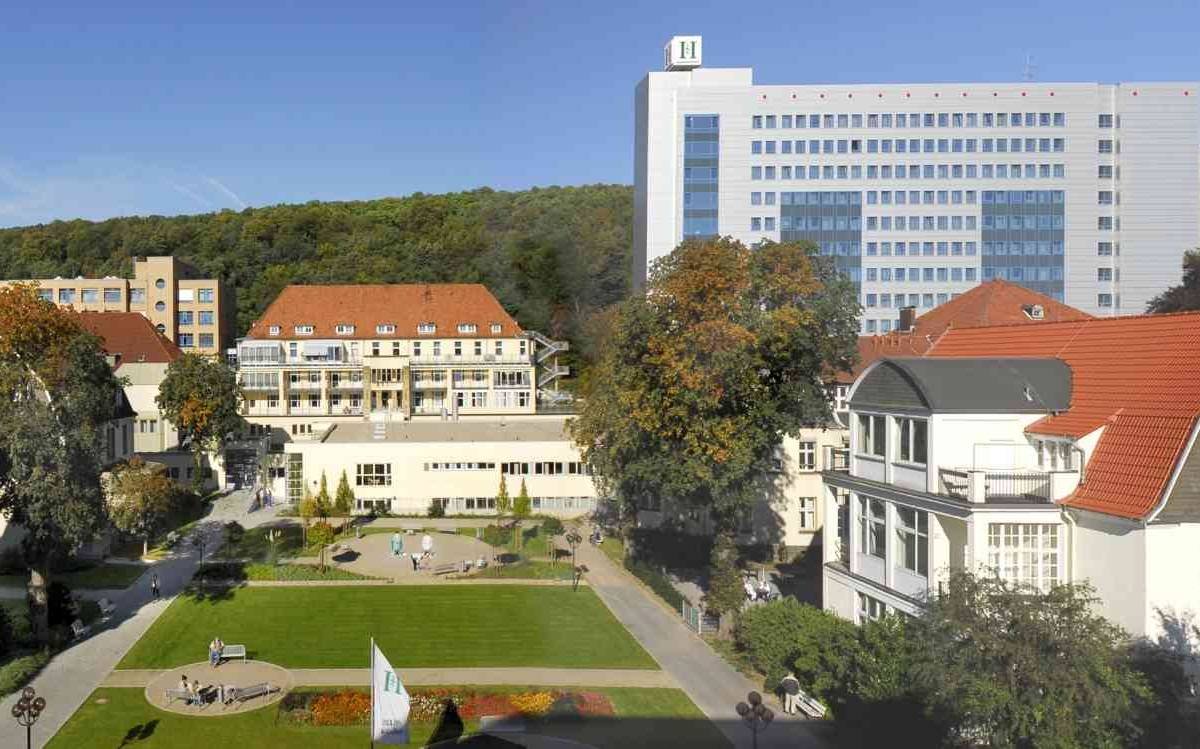








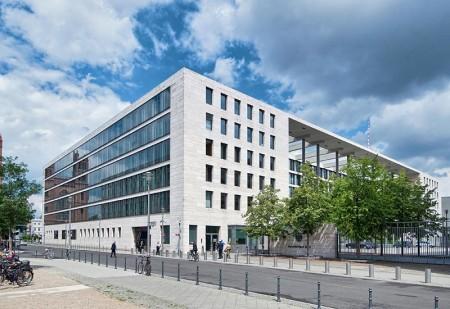
University Hospital Magdeburg

Elbland Clinic
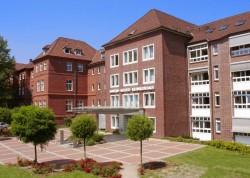
Martin Luther Hospital

Leopoldina Hospital Schweinfurt
احصلوا على تقييم طبي لـ تمدد الأوعية الدموية في الشريان الدماغي في ألمانيا: استشيروا أطباء ذوي خبرة الآن
عرض جميع الأطباء
Max Zegelman
البروفيسور ماكس زيجلمان، أخصائي أمراض الأوردة وجراح الصدر المتميز، يرأس قسم جراحة الصدر والأوعية الدموية في عيادة نوردويست.
- متخصص في تقنيات الليزر لجراحة الصدر والأوعية الدموية
- متحدث دائم في المؤتمرات الدولية لجراحة الصدر
- مؤلف للعديد من المنشورات العلمية في المجلات المتخصصة

Peter Vajkoczy
بصفته رئيساً لقسم جراحة الأعصاب في أكبر مستشفى جامعي في أوروبا، يقوم فريقه بإجراء أكثر من 4000 عملية جراحية عصبية سنوياً، بما في ذلك حالات الأوعية الدموية الدماغية المعقدة.
- متخصص في تشخيص وعلاج اضطرابات الأوعية الدموية الدماغية مثل تمدد الأوعية الدموية
- حاصل على جائزة جراح الأعصاب الشاب المرموقة من الاتحاد العالمي لجمعيات جراحة الأعصاب
- شغل منصب قيادي رفيع في جراحة الأعصاب في مستشفى شاريتيه منذ عام 2008
- تلقى تدريبه الطبي في جامعة لودفيغ ماكسيميليان المرموقة في ميونيخ
- حصل أيضاً على جائزة هيرمان راين لأبحاثه في بيولوجيا الأوعية الدموية
مشاركة المحتوى
قصص فيديو من مرضى Bookimed
 Anna Leonova
أسئلة متكررة حول علاج تمدد الأوعية الدموية في الشريان الدماغي في ألمانيا
ما هي خيارات العلاج المتاحة في ألمانيا لتمدد الأوعية الدموية الشريانية الدماغية المعقدة؟
تعالج مراكز الأعصاب الوعائية الألمانية تمدد الأوعية الدموية الشريانية الدماغية المعقدة باستخدام تدخلات داخل الأوعية الدموية متقدمة وتقنيات الجراحة المجهرية. يستخدم المتخصصون دعامات تحويل التدفق، والتعطيل داخل الكيس، والقص المجهري. تجري المستشفيات الأكاديمية ذات الحجم الكبير مثل شاريتيه برلين والمركز الطبي في سولينغن آلاف الإجراءات العصبية الوعائية سنويًا باستخدام التصوير أثناء الجراحة في الوقت الفعلي.
- التدخلات داخل الأوعية الدموية: تعمل دعامات تحويل التدفق على إعادة توجيه تدفق الدم للسماح بشفاء جدار الوعاء الدموي.
- اللف المتخصص: يعمل اللف بمساعدة البالون أو الدعامة على تأمين تمدد الأوعية الدموية ذات العنق العريض.
- القص المجهري: يستخدم الجراحون مشابك التيتانيوم لاستبعاد تمدد الأوعية الدموية بشكل دائم.
- إعادة بناء الأوعية الدموية: قد تتطلب الحالات المعقدة تحويلة خارج الجمجمة إلى داخل الجمجمة (EC-IC) لإعادة توجيه الدم.
- التشخيص المتقدم: تستخدم المرافق التصوير بالرنين المغناطيسي مع التباين والأشعة المقطعية للأوعية الدموية لرسم خرائط دقيقة.
رؤية خبير Bookimed: يعد حجم المرضى مؤشرًا أساسيًا للسلامة في حالات الأعصاب الوعائية المعقدة في ألمانيا. تعالج شاريتيه برلين أكثر من 845,000 مريض سنويًا وتجري أكثر من 4,000 جراحة أعصاب. يتخصص البروفيسور الدكتور بيتر فاجكوتشي في شاريتيه في الحالات عالية الخطورة. يخدم المركز الطبي في سولينغن 60,000 مريض سنويًا كمستشفى أكاديمي. يضمن اختيار هذه المراكز ذات السعة العالية الوصول إلى فرق متع
كيف تقارن معدلات السلامة والنجاح في ألمانيا بالمعايير العالمية؟
تتفوق ألمانيا على المعايير العالمية بمعدل وفيات يمكن الوقاية منه يبلغ 129 لكل 100,000 نسمة، متجاوزة متوسط منظمة التعاون الاقتصادي والتنمية. بالنسبة لعلاج تمدد الأوعية الدموية في الشرايين الدماغية، يعتمد النجاح على المراكز الأكاديمية ذات الحجم الكبير وفرق جراحة الأعصاب متعددة التخصصات. يستفيد المرضى من الوصول السريع إلى التصوير الوعائي المتقدم وتصوير الأوعية.
- معدلات النجاح: تسجل ألمانيا 66 حالة وفاة قابلة للعلاج لكل 100,000 نسمة، متفوقة على المتوسط العالمي البالغ 77.
- حجم العمليات الجراحية: يقود البروفيسور الدكتور بيتر فاجكوتشي فرقاً تجري أكثر من 4,000 عملية جراحية عصبية سنوياً.
- سلامة البنية التحتية: توفر ألمانيا 7.8 سرير مستشفى لكل 1,000 شخص لهوامش أمان الأزمات.
- معايير الجودة: تحافظ مرافق مثل مجمع عيادات شمال الراين-وستفاليا على شهادات تخصصية صارمة بما في ذلك KTQ.
رؤية خبراء Bookimed: بينما يبحث الكثيرون عن الدولة الأكثر أماناً، تظهر بياناتنا أن حجم العيادة هو المؤشر الحقيقي للنجاح. على سبيل المثال، يخدم مجمع عيادات شمال الراين-وستفاليا أكثر من 145,000 مريض سنوياً. اختيار المستشفيات الجامعية ذات القدرة العالية مثل شاريتيه أو دوسلدورف يضمن الوصول إلى فرق متعددة التخصصات تتعامل مع الحالات الوعائية المعقدة يومياً.
إجماع المرضى: يشير المرضى إلى أن اختيار فريق ذو حجم عمل كبير أكثر أهمية من الدولة نفسها. يفضل معظمهم القسطرة الوعائية (coiling) للتعافي بشكل أسرع ولكنهم يؤكدون على ضرورة التأكد من متانة الإجراء على المدى ال
أيهما أفضل لي: المشبك الجراحي أم اللفائف الوعائية؟
يعتمد الاختيار بين المشبك الجراحي واللفائف الوعائية على شكل وموقع تمدد الأوعية الدموية وحالتك الصحية. يوفر المشبك متانة عالية على المدى الطويل لتمدد الأوعية الدموية واسعة العنق. اللفائف هي بديل طفيف التوغل يسمح عادةً بالعودة السريعة إلى الأنشطة اليومية.
- التوغل: تستخدم اللفائف قسطرة؛ بينما يتطلب المشبك بضع القحف للوصول إلى الدماغ.
- وقت التعافي: يتعافى مرضى اللفائف في غضون أسابيع، بينما يتطلب المشبك شهوراً للشفاء التام.
- المتانة على المدى الطويل: يتمتع المشبك بمعدل نجاح يزيد عن 95% في منع التكرار على مدى عقود.
- احتياجات المتابعة: تتطلب اللفائف فحوصات تصوير منتظمة لمراقبة أي إزاحة محتملة للملفات.
رؤية خبير Bookimed: تدير المستشفيات الجامعية الألمانية مثل شاريتيه أو دوسلدورف أعداداً كبيرة جداً من المرضى، حيث تستقبل شاريتيه أكثر من 840,000 مريض سنوياً. هذا الحجم هو مؤشر جودة حاسم لجراحات الأعصاب المعقدة. على سبيل المثال، يقود البروفيسور الدكتور بيتر فاجكوتشي في شاريتيه فريقاً يجري أكثر من 4,000 عملية جراحية سنوياً. يجب على المرضى إعطاء الأولوية للمراكز ذات الانتماءات الأكاديمية ذات الحجم الكبير لأن جراحيها يتعاملون مع تشكيلات متنوعة من تمدد الأوعية الدموية كل يوم، مما يثبت النتائج الجراحية بشكل كبير.
إجماع المرضى: يشير المرضى إلى أن اللفائف أسهل جسدياً في البداية، لكنهم فوجئوا بالحاجة إلى مراقبة طويلة الأمد. يشعر الكثيرون بمزيد من الطمأنينة تجاه طبيعة المشبك الجراحي التي تنهي المشكلة في إجراء واحد على الرغم من صعوبة التع
كيف تبدو رحلة العلاج للمريض الدولي؟
تبدأ رحلة المريض لعلاج تمدد الأوعية الدموية في الشريان الدماغي في ألمانيا بتقييم السجلات الطبية عن بُعد ومراجعة صور DICOM. يقوم جراحو الأعصاب المتخصصون في المراكز الجامعية بتحديد أولويات الحالات حسب درجة الاستعجال. تتطلب الرحلة عادةً أسبوعين للخدمات اللوجستية تليها إجراءات متخصصة للمرضى الداخليين مثل القسطرة التداخلية (coiling) أو الجراحة المفتوحة (clipping).
- التقييم الطبي: يراجع المتخصصون صور DICOM الكاملة لتحديد مدى استعجال العلاج.
- تخطيط العلاج: يختار جراحو الأعصاب بين القسطرة، أو محولات التدفق، أو الجراحة المفتوحة.
- الإقامة في المستشفى: تشمل فترة التعافي مراقبة على مدار الساعة طوال أيام الأسبوع واحتمالية الملاحظة في العناية المركزة.
- المتابعة بعد العملية: تراجع اللجان متعددة التخصصات نتائج التصوير بعد ثلاثة أشهر من الإجراء.
رؤية خبير Bookimed: تتعامل مراكز الأعصاب والأوعية الدموية الرائدة في ألمانيا مثل Charite وNordwest مع أكثر من 60,000 مريض سنويًا. تُظهر بياناتنا أن المراكز ذات الحجم الكبير غالبًا ما تستخدم استشارات متكررة. قد تحتاج إلى تصوير الأوعية الدموية شخصيًا قبل التوصل إلى إجماع جراحي نهائي. يضمن هذا النهج الدقيق ملاءمة التقنية لتشريح الأوعية الدموية الخاص بك.
إجماع المرضى: يشير المرضى إلى أن مستويات الاستعجال تملي الجدولة أكثر من موقعهم في قائمة الانتظار. يوصون بإحضار شخص ثنائي اللغة لتدوين الملاحظات والتخطيط لإدارة الأدوية بعد الإجراء في الخارج.
كم تستغرق فترة التعافي ومتى يمكنني السفر جواً إلى المنزل؟
يسافر المرضى عادةً إلى منازلهم جواً بعد 7 إلى 14 يوماً من إجراء القسطرة (coiling). يتطلب الجراحة المفتوحة (clipping) من 4 إلى 8 أسابيع قبل أن يصبح السفر جواً آمناً. يجب على جراحي الأعصاب الألمان تأكيد عدم وجود تورم في الدماغ. كما يقومون بالتحقق من استقرار الضغط داخل الجمجمة قبل إصدار شهادات اللياقة للطيران.
- الإقامة في المستشفى: توقع من 2 إلى 5 أيام للقسطرة أو 10 إلى 14 يوماً للجراحة المفتوحة.
- النشاط البدني: غالباً ما يبدأ المشي في غضون 24 ساعة بعد إجراءات القسطرة.
- إدارة الأعراض: عادة ما يستمر التعب والصداع لعدة أسابيع أثناء التعافي.
- المراقبة العصبية: تضمن فحوصات التصوير بالرنين المغناطيسي أو الأشعة المقطعية بعد العملية استبعاد تمدد الأوعية الدموية بنجاح.
رؤية خبير Bookimed: توفر المستشفيات الجامعية الألمانية مثل شاريتيه أو عيادة نوردويست ميزة أمان للمرضى الدوليين. يجري فريق البروفيسور الدكتور بيتر فاجكوتزي أكثر من 4000 عملية جراحية سنوياً. يضمن هذا الحجم الكبير أن الجراحين خبراء في إدارة مخاطر ضغط المقصورة المحددة لمرضى الدماغ بعد الجراحة.
إجماع المرضى: يشير المرضى إلى أنه على الرغم من أن التعافي الجسدي من القسطرة سريع، إلا أن التعب الذهني كبير. يوصون بالبقاء في فندق محلي لبضعة أيام بعد الخروج من المستشفى للتأكد من أنك مستقر حقاً قبل رحلة طيران طويلة.
ما هي المستشفيات أو الأطباء الذين يجب أن أفكر فيهم في ألمانيا لعلاج تمدد الأوعية الدموية؟
توفر ألمانيا مراكز جراحة أعصاب رائدة لعلاج تمدد الأوعية الدموية الدماغي. تشمل الخيارات الأفضل مستشفى شاريتيه الجامعي في برلين ومستشفى نوردويست. تتخصص هذه المرافق في جراحة المشبك المجهرية واللف الوعائي. البروفيسور الدكتور بيتر فاجكوتشي في شاريتيه هو خبير معترف به عالميًا ويجري آلاف جراحات الأعصاب سنويًا.
- مراكز متخصصة: يدير شاريتيه برلين 4000 حالة وعائية عصبية سنويًا.
- جراحون خبراء: يتخصص البروفيسور الدكتور بيتر فاجكوتشي في اضطرابات الأوعية الدموية الدماغية المعقدة.
- تشخيص متقدم: تستخدم العيادات التصوير بالرنين المغناطيسي مع التباين والأشعة المقطعية لرسم خرائط دقيقة.
- رعاية متعددة التخصصات: توفر المستشفيات الجامعية الكبيرة جراحة الأعصاب والأشعة العصبية التداخلية.
رؤية خبير Bookimed: حجم المرضى هو مؤشر جودة رئيسي في ألمانيا. يخدم شاريتيه برلين أكثر من 800,000 مريض سنويًا. يرتبط هذا التردد العالي بنتائج أفضل للإجراءات الوعائية العصبية المعقدة. اختيار المراكز ذات أحجام المرضى الكبيرة يضمن عادةً الوصول إلى تقنيات جراحية أكثر دقة.
إجماع المرضى: يلاحظ المرضى أن المراكز الجامعية الكبيرة توفر ثقة أكبر من المستشفيات المحلية. ويؤكدون على أهمية السؤال عن حجم الحالات السنوي المحدد للطبيب قبل الحجز.
ما هي المستشفيات في ألمانيا التي تحظى بأعلى التقييمات في جراحة الأعصاب؟
تضم ألمانيا بعضًا من أرقى أقسام جراحة الأعصاب في العالم، بقيادة مستشفى شاريتيه الجامعي في برلين ومستشفى جامعة هايدلبرغ. وتتميز هذه المراكز بخبرتها الواسعة في علاج أورام الدماغ المعقدة وأمراض الأوعية الدموية الدماغية. ولتحقيق أقصى قدر من الفعالية في عملياتها، تستخدم هذه المراكز أحدث التقنيات، مثل التصوير بالرنين المغناطيسي أثناء الجراحة والتوجيه العصبي بمساعدة الحاسوب.
- مستشفى شاريتيه برلين: يُجري أكثر من 5000 عملية جراحية سنوياً. ويرأس العيادة جراح الأعصاب الشهير الدكتور بيتر فايكوتشي.
- المركز الطبي في سولينجن: أجرى الدكتور رالف بوهل أكثر من 4000 عملية جراحية، بما في ذلك جراحات العمود الفقري طفيفة التوغل.
- عيادة أسكليبيوس نورد: مجهزة بنظام التصوير بالرنين المغناطيسي الثنائي الوحيد في ألمانيا أثناء الجراحة لضمان الدقة الجراحية في الوقت الحقيقي أثناء إزالة الورم.
- عيادة نوردويست: تم الاعتراف بها من قبل مجلة نيوزويك كمستشفى رائد في مجال الابتكار في تكنولوجيا الموجات فوق الصوتية ثلاثية الأبعاد.
رأي خبراء بوكيمد: تشير البيانات إلى أن اختيار المراكز ذات الحجم الجراحي الكبير غالبًا ما يؤدي إلى توصيات علاجية أكثر تحفظًا. ففي مركز سولينجن الطبي، الذي يعالج أكثر من 60,000 مريض
ما هي نسب نجاح العمليات الجراحية العصبية المعقدة في ألمانيا؟
في ألمانيا، تتميز العمليات الجراحية العصبية بالغة التعقيد بمستوى أمان استثنائي. تصل نسبة نجاح عمليات دمج الفقرات إلى 99%، بينما تبلغ نسبة النجاة بعد استئصال أورام الدماغ الأولية 97%. كما يتمتع المرضى بقدرة عالية على الاعتماد على أنفسهم في أداء وظائفهم اليومية، حيث يغادر أكثر من 82% منهم المستشفى مباشرةً بعد العلاج. وتولي المراكز الألمانية اهتماماً بالغاً بالحفاظ على الوظائف العصبية باستخدام أحدث تقنيات التخطيط العصبي.
- استئصال الورم: يحقق الجراحون استئصالًا كاملاً للورم في 87.2% من حالات النقائل الدماغية.
- النجاح في علاج أمراض الأوعية الدموية: أفادت المستشفيات الألمانية بنسبة نجاة بلغت 98.7% لحالات تمدد الأوعية الدموية غير الممزقة.
- تحسن الحالة العصبية: يشهد ما يقرب من 43% من المرضى تحسناً في المعايير الوظيفية بعد عمليات الاستئصال المعقدة.
- سلامة التدخلات الجراحية: في المراكز الجراحية الكبيرة، تتراوح معدلات بقاء المرضى على قيد الحياة بعد جراحة العمود الفقري بين 98-99%.
رأي خبراء بوكيمد: يُجري جراحون ذوو خبرة، مثل الدكتور أوفه كولر من عيادة أسكليبيوس ألتونا، أكثر من 2000 عملية جراحية سنويًا. تُشير البيانات إلى أن هؤلاء المتخصصين يحافظون على معدلات نجاح تصل إلى 90%، حتى
ما هي التقنيات المتقدمة المتوفرة عادةً في عيادات جراحة الأعصاب الألمانية؟
تُدخل عيادات جراحة الأعصاب الألمانية بانتظام أدوات رقمية عالية الدقة وتقنيات تصوير فوري في الممارسة الجراحية. تشمل التقنيات الرئيسية الملاحة العصبية الحاسوبية لجراحات الدماغ والحبل الشوكي. تستخدم مؤسسات مثل عيادة أسكليبيوس نورد التصوير بالرنين المغناطيسي أثناء الجراحة للتحقق من استئصال الورم في الوقت الفعلي. توفر هذه الأنظمة للجراحين نظام ملاحة ثلاثي الأبعاد.
- الملاحة العصبية: توفر تصورًا ثلاثي الأبعاد وتتبعًا فوريًا للأدوات لتحقيق دقة جراحية تصل إلى مستوى أقل من المليمتر.
- التصوير أثناء العملية: تسمح أنظمة مثل التصوير بالرنين المغناطيسي أثناء العملية (iMRI) والتصوير المقطعي المحوسب ذي الذراع O (O-arm CT) بالتأكيد الفوري على نجاح عملية الاستئصال.
- المراقبة العصبية: تراقب الوظائف الحركية والحسية أثناء الجراحة لحماية الجهاز العصبي.
- التشخيص الفلوري: يتم استخدام صبغة 5-ALA لتسليط الضوء على حدود الورم من أجل إزالته بشكل أكثر اكتمالاً.
- المساعدة الروبوتية: تعمل أنظمة مثل نظام دافنشي على تحسين الدقة في الإجراءات المعقدة ذات التدخل الجراحي البسيط.
رأي خبراء بوكيمد: تُجري مراكز طبية كبيرة، مثل مستشفى شاريتيه الج
ما هي التدريبات المتخصصة التي يتلقاها جراحو الأعصاب الممارسون في ألمانيا؟
في ألمانيا، يتعين على جراحي الأعصاب إكمال برنامج إقامة تخصصي لمدة ست سنوات بعد التخرج من كلية الطب. يشمل هذا البرنامج المنظم العناية المركزة، والتدريب السريري، وكتابة مقالات في مجلة جراحية إلزامية. بعد ذلك، يجتاز المرشحون امتحانًا حكوميًا للحصول على لقب طبيب مقيم (Facharzt für Neurochirurgie).
- الإقامة السريرية: تتطلب من 48 إلى 72 شهرًا من الممارسة المتخصصة في جراحة الأعصاب.
- العناية المركزة: تتضمن فترة تدريب إلزامية لمدة 6 أشهر في وحدة العناية المركزة لجراحة الأعصاب.
- المجلة الجراحية: يوثق الجراحون مئات العمليات الجراحية، بما في ذلك عمليات فتح الجمجمة وجراحات العمود الفقري.
- امتحان الترخيص: يجب على المتقدمين اجتياز امتحان طبي شفوي وعملي تديره الدولة.
رأي خبراء بوكيميد: يركز التدريب الألماني في جراحة الأعصاب على الخبرة الجراحية الواسعة. فعلى سبيل المثال، أجرى الدكتور رالف بول من المركز الطبي في سولينجن أكثر من 4000 عملية جراحية. ويتمتع الدكتور يورغن كيويت من مستشفى ميوكلينيك بخبرة تزيد عن 25 عامًا. يضمن هذا النظام الدقيق أن يتعامل المتخصصون في المراكز الكبرى مع الحالات المعقدة بدقة مثبتة.
آراء المرضى: يشع