بضع الثقبة في تركيا — احصل على 3 عيادات مطابقة مع التكاليف


تمت مراجعة المقالة طبيا من قبل
فهد مولود
ما هي تكلفة بضع الثقبة في تركيا؟ اكتشف الآن
من $5,000. يعتمد السعر النهائي على التقنية الجراحية، ومستوى العيادة، وتعقيد عملية تخفيف ضغط العمود الفقري. تشمل معظم الباقات تصوير الرنين المغناطيسي قبل العمليات، وأجور الجراح، وفترة الإقامة في المستشفى، وخدمات النقل لكبار الشخصيات.
- جراحة رأب الفقرات: من $9,500 لعلاج كسور الفقرات الانضغاطية.
- الأسلوب طفيف التوغل: غالباً ما يتطلب تكلفة إضافية للمعدات المتخصصة لكنه يقلص مدة البقاء في المستشفى.
- تنوع المدن: تشمل المراكز الطبية الكبرى إسطنبول، وأنقرة، وأنطاليا، وبورصة، وسيواس.
- مدة الاستشفاء: تغطي الباقات القياسية عادةً ليلتين إلى أربع ليالٍ من الرعاية الداخلية.
رأي خبراء Bookimed: يضمن اختيار المرافق الحاصلة على اعتماد JCI في إسطنبول الحصول على رعاية فائقة بأسعار منافسة. كان مستشفى ميموريال شيشلي أول من نال هذا الاعتماد في تركيا. بالنسبة لحالات العمود الفقري المعقدة، يقدم أطباء مثل جودت غوكتشيك خبرة تمتد لـ 34 عاماً وتدريباً تخصصياً في جراحة الأعصاب المجهرية. تدمج بعض العيادات، مثل مستشفى حصار إنتركونتيننتال، 15 جلسة علاج طبيعي ضمن باقاتها بسعر 2,000 $. يضيف هذا قيمة طويلة الأمد لتعافي المريض بعد الجراحة.
| تركيا | إسبانيا | ألمانيا | |
|---|---|---|---|
| بضع الثقبة | من $5,000 | من $12,700 | ≈ $6,500 |
| Kyphoplasty | من $9,500 | من $33,700 | ≈ $5,200 |
مزاياك وضماناتك مع Bookimed
أسعار مباشرة
Bookimed لا يضيف رسوماً إضافية على أسعار بضع الثقبة. الأسعار مأخوذة من قوائم الأسعار الرسمية للعيادات. تدفع مباشرة في العيادة مقابل بضع الثقبة عند وصولك.
عيادات وأطباء معتمدون فقط
Bookimed ملتزم بسلامتك. نحن نعمل فقط مع المؤسسات الطبية التي تحافظ على معايير دولية عالية في بضع الثقبة ولديها التراخيص اللازمة لخدمة المرضى الدوليين في جميع أنحاء العالم.
مساعدة مجانية على مدار الساعة
Bookimed يقدم مساعدة خبراء مجانية. منسق طبي شخصي يدعمك قبل وأثناء وبعد العلاج، ويحل أي مشاكل. لن تكون وحيداً أبداً في رحلة بضع الثقبة.

منسقك الطبي الشخصي في Bookimed
- يدعمك في كل مرحلة
- المساعدة في اختيار العيادة الطبية المناسبة والطبيب المناسب
- يضمن الوصول السريع والمريح إلى المعلومات
اكتشف أفضل بضع الثقبة العيادات في تركيا: 3 خيارات معتمدة والأسعار







مستشفى Central Hospital



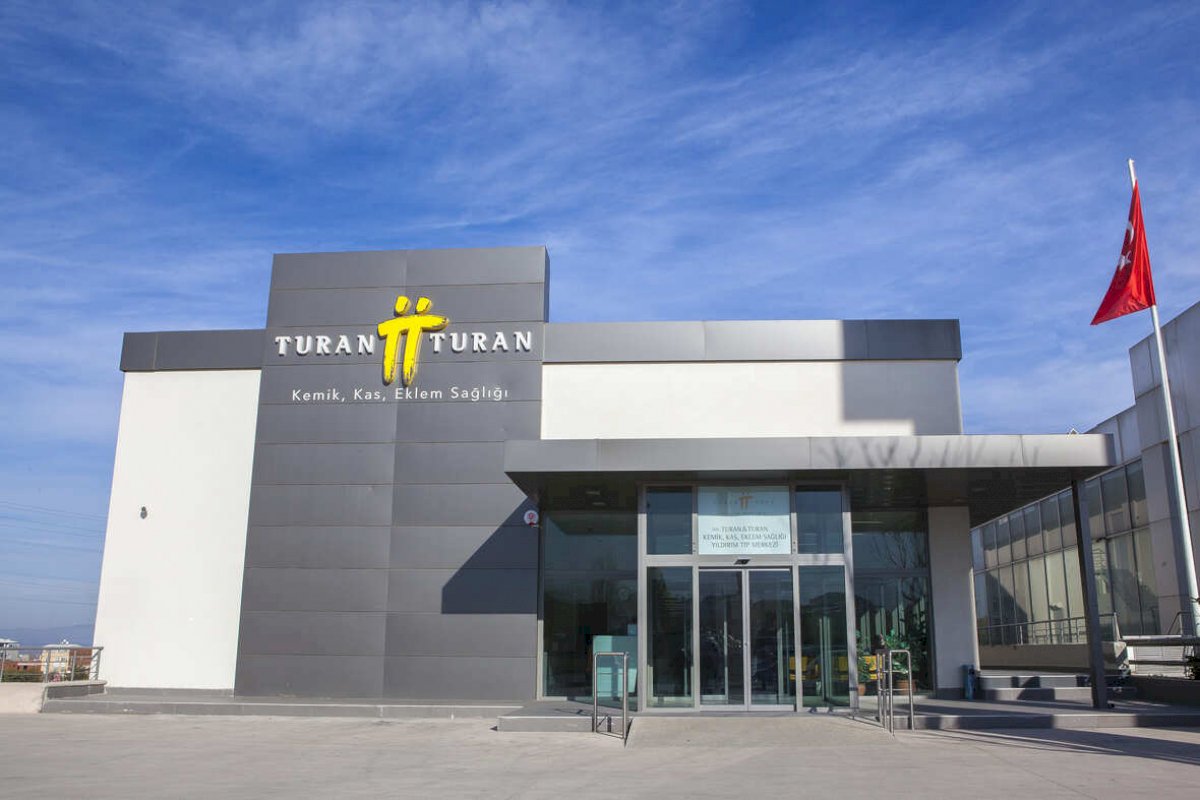
Turan Turan Health Group
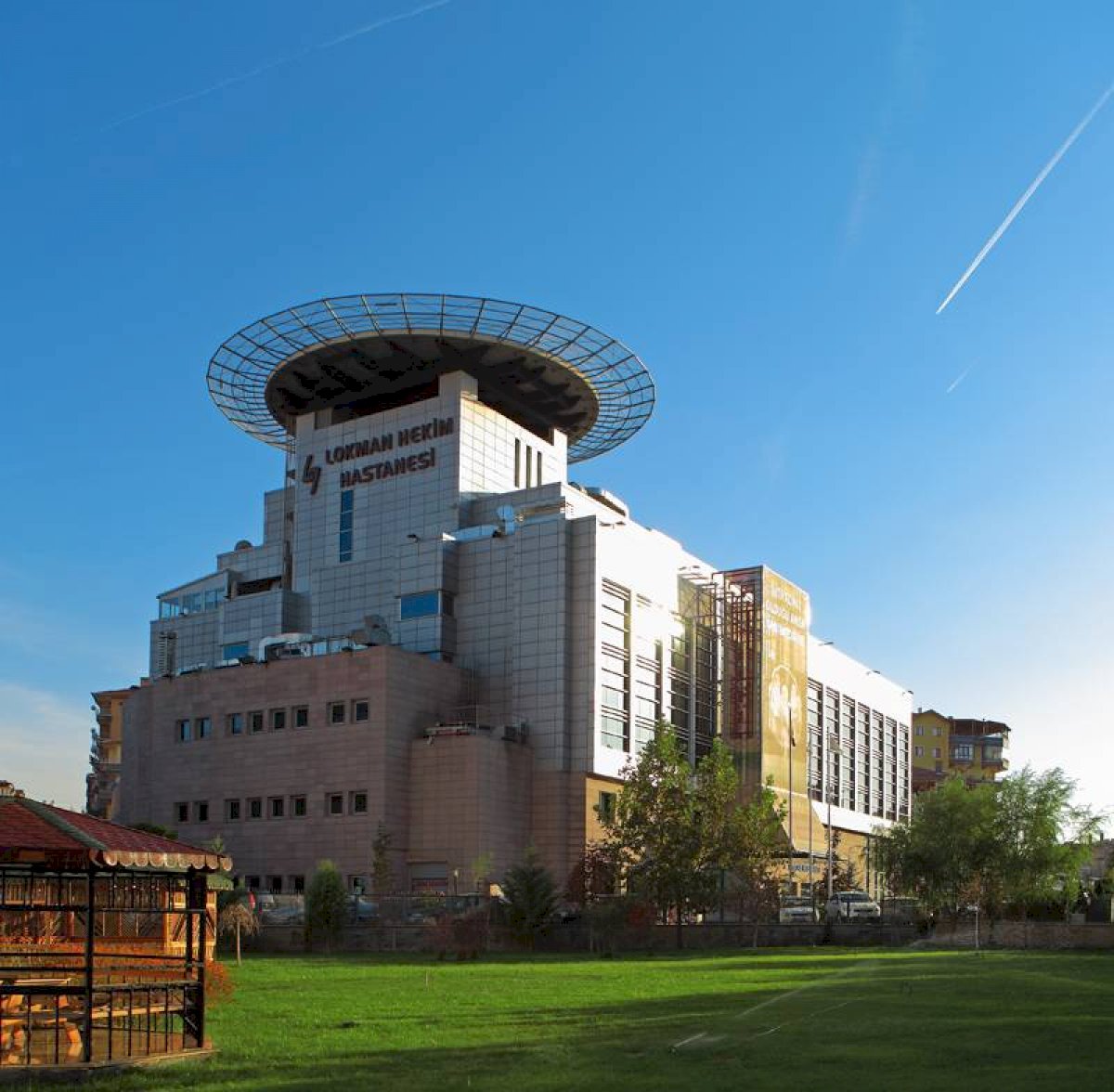


نظرة عامة على بضع الثقبة في تركيا
- Kyphoplasty - من $9,500
تعمل العملية على إصلاح الفقرات المكسورة وتخفيف الألم واستعادة الوضع باستخدام تقنية طفيفة التوغل بمساعدة البالون.
- بضع الثقبة - من $5,000
هذا الإجراء يزيل الضغط عن الأعصاب في العمود الفقري ، ويخفف الألم عن طريق شقوق صغيرة ، مما يوفر تعافيًا أسرع.
اليوم الأول: الوصول
- وصل إلى البلد واستقر في مكان إقامتك.
- الراحة والتأقلم مع البيئة الجديدة.
اليوم 2-3: ما قبل العملية
- الخضوع لتقييم طبي شامل.
- استشر طبيب أعصاب وجراح عظام.
- استكمال فحوصات الدم اللازمة والدراسات التصويرية.
- تلقي تعليمات التحضير للجراحة.
اليوم الرابع: الجراحة
- تستغرق العملية 2-3 ساعات ، تحت التخدير العام.
- يتم عمل شق صغير في منطقة العمود الفقري.
- يتم توسيع الثقبة لتخفيف ضغط جذر العصب.
- يتم إغلاق الجرح وتضميده.
اليوم 5-7: ما بعد العملية
- البقاء في المستشفى للمراقبة وإدارة الألم.
- ابدأ تمارين علاج طبيعي لطيفة تحت إشراف.
- قابل الجراح لفحص ما بعد الجراحة.
الأسبوع 1-4: إعادة التأهيل
- استمر في تمارين العلاج الطبيعي لاستعادة القوة.
- زيادة مستويات النشاط تدريجيًا حسب نصيحة الطبيب.
- العودة إلى العمل بعد أسبوعين لوظائف غير جسدية.
الأسبوع 4-8: استمرار إعادة التأهيل
- استأنف الأنشطة المعتادة ، باستثناء رفع الأشياء الثقيلة.
- العودة إلى الأنشطة الرياضية تدريجياً بعد ستة أسابيع.
- توقع رؤية النتيجة النهائية بعد شهرين.
يرجى ملاحظة أن هذا هو جدول زمني عام وقد تختلف التجارب الفردية.
- إيداع Bookimed: 200 دولار أو 200 يورو.
- وديعة العيادة: ادفع نسبة محددة مقدمًا.
احصل على تقييم طبي لـ بضع الثقبة في تركيا. استشر الآن 23 أطباء ذوي الخبرة.
عرض جميع الأطباء
Hasan Ozgur Ozdemir
يتخصص الأستاذ الدكتور حسن أوزغور أوزدمير في جراحة القرص القطني بالمنظار وإجراءات العمود الفقري المتقدمة في مجمع مستشفيات ميديكال بارك أنطاليا.
- أكثر من _doctor_9311_عاماً_ من الخبرة في جراحة الأعصاب
- خبير في جراحات العمود الفقري طفيفة التوغل
- المركز الأول في امتحان الكفاءة للجمعية التركية لجراحة الأعصاب
- عضو في الجمعية التركية لجراحة الأعصاب والجمعية الطبية التركية
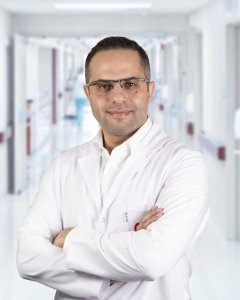
Emad Abdallah
يتخصص الدكتور عبد الله في تقنيات العمود الفقري طفيفة التوغل، وقد تدرب على يد الدكتور محمد زيليلي — وهو رائد في جراحة العمود الفقري المتقدمة.
- فترة الإقامة في قسم جراحة الأعصاب بمستشفى جامعة باليكسير
- أبحاث منشورة حول علاجات جديدة لإصابات الحبل الشوكي
- أكمل تدريباً متخصصاً في جراحة أعصاب الأطفال
- شارك في تأليف دراسة حول المؤشرات الحيوية لانزلاق غضروف الفقرات القطنية

Ramazan Sari
أستاذ مشارك في جراحة الأعصاب مع خبرة _doctor_8454_ سنوات، يمارس حالياً في مستشفى إسطنبول فلورنس نايتينجيل.
- تدرب في مستشفى S.B. Göztepe للتدريب والبحوث
- متخصص في جراحة الأعصاب مع خبرة في إجراءات العمود الفقري
- محاضر سابق في جامعتي ميديبول وأوراسيا
- ساهم في تأسيس أقسام جراحة الأعصاب في جامعة ميديبول

Azmi Hamzaoglu
مؤسس أول مركز لجراحة العمود الفقري في تركيا – يقود الدكتور حمزة أوغلو مركز إسطنبول للجنف والعمود الفقري بتقنيات مبتكرة.
- متخصص في جراحة العظام والكسور منذ عام 1983
- رئيس مركز الجنف والعمود الفقري منذ عام 2013
- تدرب في مركز مينيسوتا للعمود الفقري وجامعة هوكايدو
- أستاذ في جامعة إسطنبول – واحدة من أفضل كليات الطب في تركيا
قصص فيديو من مرضى Bookimed
المراجعات
جميع المراجعات



مشاركة المحتوى
 Anna Leonova
أسئلة متكررة حول بضع الثقبة في تركيا
ما هي التقنية الجراحية المستخدمة - مفتوحة أم طفيفة التوغل؟
يستخدم الجراحون في تركيا في المقام الأول تقنيات طفيفة التوغل لعملية بضع الثقبة، بما في ذلك الأساليب التنظيرية والأنظمة الأنبوبية. تستخدم هذه الطرق شقوقاً صغيرة أقل من 2 سم لتخفيف ضغط العصب. تظل الجراحة المفتوحة التقليدية خياراً فقط للحالات المعقدة متعددة المستويات أو إعادة بناء العظام الشديدة.
- النهج التنظيري: يستخدم الجراحون شقوقاً صغيرة بحجم 1-2 سم وكاميرات عالية الدقة لتخفيف ضغط العصب.
- المباعدات الأنبوبية: يحمي نظام METRx العضلات عن طريق توسيعها بدلاً من قطعها.
- الإقامة في المستشفى: تتطلب الإجراءات طفيفة التوغل عادةً يوماً واحداً مقارنة بـ 2-3 أيام في الجراحة المفتوحة.
- وقت التعافي: غالباً ما يعود المرضى إلى العمل المكتبي في غضون أسبوع واحد بعد جراحة التنظير.
رؤية خبير Bookimed: بينما تقدم العديد من العيادات خيارات طفيفة التوغل، ابحث عن جراحين مثل البروفيسور الدكتور مصطفى بوزبوغا الذي يتمتع بخبرة تزيد عن 30 عاماً. غالباً ما تعطي المراكز ذات الحجم الكبير في إسطنبول مثل ميموريال شيشلي الأولوية للطريقة التنظيرية عبر الجلد. تقلل هذه التقنية المحددة بشكل كبير من صدمة العضلات مقارنة بالنهج الأنبوبي القياسي المستخدم في العيادات الأصغر.
إجماع المرضى: يقدر المرضى الخروج في نفس اليوم والندبات الأصغر بشكل ملحوظ المرتبطة بالتقنيات التنظيرية. أفاد الكثيرون أن اختيار الجراحة طفيفة التوغل سمح لهم باستئناف الأنشطة الخفيفة في غضون أيام بدلاً من أسابيع.
كم من الوقت يجب أن أخطط للبقاء في تركيا وما هي العوامل المتعلقة بالسفر التي يجب أن آخذها في الاعتبار؟
لإجراء عملية بضع الثقبة (foraminotomy) في تركيا، خطط لإقامة تتراوح بين 10 إلى 14 يوماً لضمان سفر آمن. يغطي هذا الجدول الزمني الاستشارات قبل الجراحة، وإجراءات العمود الفقري، والإقامة في المستشفى لمدة ليلة إلى 3 ليالٍ، وفترة التعافي الأساسية قبل استيفاء حد الأمان البالغ 7 أيام دون طيران لمرضى الجراحة.
- الإقامة السريرية: توقع البقاء في المستشفى لمدة 1-3 ليالٍ بعد الجراحة للمراقبة والعلاج الطبيعي الأولي.
- سلامة الطيران: تجنب الطيران لمدة 7 أيام بعد العملية لمنع حدوث تجلط الأوردة العميقة (DVT).
- متطلبات التأشيرة: احصل على تأشيرة إلكترونية (e-Visa) عبر الإنترنت للإقامات التي تصل إلى 90 يوماً؛ تأكد من صلاحية جواز سفرك.
- الخدمات اللوجستية الأرضية: استخدم خدمات نقل المطار التي توفرها العيادة للتنقل في حركة المرور في إسطنبول وضمان سهولة الوصول إلى المركبات.
رؤية خبير Bookimed: على الرغم من أن العديد من العيادات مثل Memorial Şişli أو Hisar Hospital تقدم باقات تعافي لمدة 7 أيام، إلا أن البيانات تظهر أن المرضى غالباً ما يواجهون رسوماً باهظة لتغيير الرحلات في اللحظة الأخيرة. حجز تذكرة مرنة لإقامة لمدة 12 يوماً أكثر فعالية من حيث التكلفة من تمديد رحلة لمدة 7 أيام بعد الجراحة إذا كان تعافيك يتطلب راحة إضافية.
إجماع المرضى: يوصي المسافرون الناجحون بترتيب فنادق ذات وصول للكراسي المتحركة بالقرب من العيادة. ويؤكدون أن الحركة بعد الجراحة تتحسن يومياً، لكن بطاقات SIM المحلية ضرورية للبقاء على اتصال مع المنسقين أثناء التعافي.
ما هي بضع الثقبة (Foraminotomy) ولماذا يتم إجراؤها؟
بضع الثقبة هو جراحة في العمود الفقري تعمل على توسيع الفتحات العظمية الضيقة، أو الثقبة، حيث تخرج جذور الأعصاب من العمود الفقري. يقوم الجراحون بإجراء هذا الإجراء لتخفيف الضغط عن الأعصاب المضغوطة، مما يؤدي بفعالية إلى تخفيف الألم المشع، والخدر، وضعف العضلات الناجم عن حالات مثل تضيق العمود الفقري أو الانزلاق الغضروفي.
- الهدف الأساسي: تخفيف الضغط على جذور الأعصاب الشوكية لحل أعراض اعتلال الجذور المزمن.
- دواعي الاستعمال الشائعة: تضيق الثقبة، النتوءات العظمية، الانزلاق الغضروفي، أو سماكة الأربطة التي تضيق مسارات الأعصاب.
- التقنيات الجراحية: تشمل الأساليب المتاحة الطرق طفيفة التوغل، أو التنظيرية، أو الجراحة المجهرية لإزالة الضغط المستهدف.
- وقت التعافي: تسمح التقنيات التنظيرية بالعودة إلى النشاط في غضون أسبوع إلى أسبوعين مقارنة بأشهر في حالة جراحة الدمج.
رؤية خبير Bookimed: بينما ينظر العديد من المرضى إلى بضع الثقبة كحل مستقل، تشير البيانات من المراكز ذات الحجم الكبير مثل مستشفى ميموريال شيشلي إلى أنها تكون أكثر فعالية عند دمجها مع العلاج الطبيعي المستهدف. اختيار نهج تنظيري بدلاً من الجراحة المفتوحة التقليدية يمكن أن يقلل من فترة تعافيك من أشهر إلى 14 يوماً فقط. تأكد دائماً من أن جراحك قد أجرى ما لا يقل عن 100 عملية إزالة ضغط ناجحة لضمان أفضل نتيجة على المدى الطويل.
إجماع المرضى: يبلغ المرضى عن معدلات نجاح عالية في تخفيف الألم الحاد، على الرغم من أن البعض يشير إلى أن إدارة التوقعات أمر حيوي للمشاكل متعددة المستويات. يؤكد معظم
ما هي خطوات التعافي وإعادة التأهيل النموذجية؟
يبدأ المرضى عادةً بالمشي في يوم الجراحة لمنع تجلط الدم والتيبس. تتضمن عملية بضع الثقبة (Foraminotomy) في تركيا إقامة في المستشفى لمدة يوم واحد مع استئناف الأنشطة الخفيفة في غضون أسبوع إلى 4 أسابيع. تضمن التقنيات طفيفة التوغل التي تستخدمها العيادات المعتمدة من JCI عودة أسرع إلى الحياة اليومية.
- الحركة الأولية: ابدأ بالمشي اللطيف في اليوم الأول لتجنب تيبس الكتف والظهر.
- إدارة الألم: يحدث أقصى قدر من الانزعاج بين اليومين الثاني والخامس، ويتم إدارته بواسطة مضادات الالتهاب غير الستيروئيدية الموصوفة.
- العلاج الطبيعي: يبدأ التأهيل الرسمي بعد 7 إلى 10 أيام من العملية، مع التركيز على انزلاق الأعصاب.
- الجدول الزمني للنشاط: العودة إلى العمل المكتبي خلال أسبوع إلى أسبوعين؛ تجنب رفع الأثقال لمدة 3 أشهر.
رؤية خبير Bookimed: بينما تقترح معظم العيادات إقامة لمدة يوم واحد، تركز مراكز جراحة الأعصاب التركية الأعلى تقييمًا مثل Memorial Sisli على التحريك الفوري بعد العملية. هذا يمنع تيبس `الكتف الزومبي`. غالبًا ما يجد المرضى أن بدء جلسات العلاج الطبيعي محليًا في إسطنبول—والتي تكلف فقط 50-100 يورو—يسرع بشكل كبير من تعافيهم قبل العودة إلى الوطن.
إجماع المرضى: يوصي العديد من المرضى باستخدام وسادة الرقبة لرحلة العودة ويؤكدون على تتبع ألم الذراع بعد الأسبوع الثاني. الحركة المبكرة هي النصيحة الأكثر شيوعًا لرحلة تعافي ناجحة.
ما مدى أمان عملية بضع الثقبة (Foraminotomy) في تركيا ومن هم الجراحون الذين يجرونها؟
تعتبر عملية بضع الثقبة في تركيا آمنة للغاية مع معدلات نجاح تتراوح بين 85% و95% في المرافق المعتمدة من قبل اللجنة الدولية المشتركة (JCI). يستخدم جراحو الأعصاب الخبراء مثل البروفيسور الدكتور إلهان إلماجي والأستاذ المساعد جودت جوكتشيك تقنيات طفيفة التوغل لضمان انخفاض معدلات المضاعفات وسرعة حركة المريض في غضون 48 ساعة.
- خبرة الجراح: البروفيسور الدكتور إلهان إلماجي في مستشفى فلورنس نايتنجيل مارس مهنته في جامعة جونز هوبكنز.
- المعايير السريرية: كان مستشفى ميموريال شيشلي أول مستشفى في تركيا يحصل على اعتماد JCI.
- التكنولوجيا المتقدمة: تستخدم المراكز الرائدة أنظمة Mazor-X المساعدة بالروبوت وتصوير O-arm لحماية الأعصاب.
- الجدول الزمني للتعافي: يعود المرضى عادةً إلى منازلهم في غضون يومين ويكونون قادرين على الحركة في غضون 48 ساعة.
رؤية خبير Bookimed: تظهر البيانات أن اختيار المستشفيات التابعة للجامعات مثل ميديبول ميجا أو ميديبول بنديك يوفر ميزة أمان إضافية. تخدم هذه المؤسسات أكثر من 1,000,000 مريض سنويًا وتضم أكثر من 400 متخصص. هذا الحجم الكبير يعني أن جراحين مثل الأستاذ المساعد جودت جوكتشيك لديهم خبرة واسعة في حالات تخفيف الضغط المعقدة.
إجماع المرضى: أفاد معظم المرضى أن آلام الأعصاب تختفي في غضون أسابيع من الإجراء. يوصون بالتأكد من أن منسقك يتحدث الإنجليزية بطلاقة لإدارة رعاية المتابعة ومراجعات التصوير الجراحي بفعالية.
كم من الوقت يجب أن أخطط للبقاء في تركيا لإجراء العملية والمتابعة؟
يجب على المرضى التخطيط للبقاء في تركيا لمدة 10 إلى 14 يوماً لإجراء عملية استئصال الثقبة (foraminotomy). تغطي هذه الفترة الزمنية التصوير قبل الجراحة، والإجراء الجراحي، وفترة تعافي حرجة. يطلب معظم الجراحين متابعة نهائية شخصية لتأكيد لياقتك للطيران قبل مغادرتك.
- نافذة الوصول: الوصول قبل يومين إلى 3 أيام لإجراء التصوير التشخيصي والاستشارات اللازمة.
- الإقامة في المستشفى: توقع قضاء ليلة إلى ليلتين تحت الملاحظة بعد إجراء جراحة العمود الفقري.
- فترة التعافي: البقاء في تركيا لمدة 5 إلى 7 أيام بعد الخروج من المستشفى لمراقبة الجرح.
- سلامة الطيران: الانتظار من 10 إلى 14 يوماً قبل القيام برحلات جوية طويلة لتقليل مخاطر حدوث مضاعفات.
في حين أن معدلات النجاح السريري لتخفيف ضغط العمود الفقري تصل إلى 90-95%، فإن النتائج الأكثر نجاحاً ترتبط بالبقاء لمدة 14 يوماً كاملة. وهذا يسمح بإجراء تصوير ما بعد الجراحة الذي قد تتجاهله العديد من العيادات الصغيرة ولكنه يعد معياراً في المستشفيات الجامعية المعتمدة من JCI.
إجماع المرضى: يؤكد المرضى على حجز 12 يوماً على الأقل لتجنب التسرع في التعافي. ويوصون بشدة بالإقامة في مكان قريب جداً من العيادة لتجنب استخدام وسائل النقل العام خلال الأسبوع الأول من الشفاء.
ما هي النتائج والنتائج طويلة المدى التي يمكن للمرضى توقعها؟
عادةً ما يعاني المرضى الذين يخضعون لعملية استئصال الثقبة في تركيا من راحة فورية من الألم الجذري بنسبة 70% إلى 90%. يتضمن النجاح على المدى الطويل استعادة الحركة والوظيفة بشكل مستدام. يتم تحسين النتائج من خلال تقنيات التنظير طفيفة التوغل التي يجريها جراحو أعصاب معتمدون في مرافق معتمدة من JCI في إسطنبول وأنقرة.
- تقليل الألم: يبلغ معظم المرضى عن راحة كبيرة من آلام الذراع أو الساق في غضون أسابيع.
- الجدول الزمني للتعافي: تسمح إجراءات التنظير للعديد من المرضى بالعودة إلى العمل في غضون 14 يومًا.
- الاستقرار على المدى الطويل: يحافظ ما بين 60% إلى 80% من المرضى على نتائج ناجحة بعد 5 سنوات.
- مؤشرات النجاح: تبلغ عيادات مثل لقمان حكيم عن نجاح بنسبة 99.9% لعمليات تخفيف ضغط العمود الفقري المماثلة.
رؤية خبير Bookimed: تظهر البيانات ارتباطًا قويًا بين النجاح وحجم حالات الجراح. يتمتع كل من البروفيسور الدكتور مصطفى بوزبوغا والأستاذ المساعد جودت غوكشيك بخبرة تزيد عن 30 عامًا. غالبًا ما يترجم اختيار الجراحين الذين لديهم أكثر من 1000 حالة معقدة في العمود الفقري إلى معدلات أقل من تنكس القطاع المجاور.
إجماع المرضى: يصف الكثيرون تقليل آلام الأعصاب بأنه تغيير في حياتهم بعد فترة وجيزة من الجراحة. يؤكد المرضى أن بدء العلاج الطبيعي المكثف في غضون 4 إلى 6 أسابيع أمر حيوي للحفاظ على هذه النتائج على المدى الطويل.
ما هي المخاطر أو المضاعفات المحتملة التي يجب أن يكون المرضى على دراية بها؟
تعتبر عملية بضع الثقبة (Foraminotomy) في تركيا آمنة بشكل عام، على الرغم من أن المخاطر تشمل العدوى أو تهيج الأعصاب أو تسرب السائل النخاعي (CSF). تعمل التقنيات طفيفة التوغل المستخدمة في المستشفيات المعتمدة من قبل اللجنة الدولية المشتركة (JCI) مثل مستشفى ميموريال شيشلي على تقليل فقدان الدم بشكل كبير. يجب على المرضى مراقبة احتمالية استمرار التنميل أو الاعتلال الجذري بنسبة 10-20% بعد الجراحة.
- مكافحة العدوى: قد تتطلب عدوى موقع الجراحة مضادات حيوية؛ اختر العيادات التي لديها بروتوكولات تعقيم معتمدة من ISO.
- المخاطر العصبية: يحدث تلف الأعصاب أو تمزق الأم الجافية في 5-15% من عمليات تخفيف ضغط العمود الفقري المعقدة.
- الوقاية من التجلط: تزداد مخاطر الإصابة بتجلط الأوردة العميقة (DVT) بسبب الرحلات الجوية الطويلة جنبًا إلى جنب مع عدم الحركة بعد الجراحة.
- مراقبة التعافي: قد يعود ألم الذراع أو الساق في غضون 3 أشهر إذا كان تخفيف الضغط غير مكتمل.
رؤية خبير Bookimed: تُظهر البيانات المستمدة من أكثر من 3880 طلبًا اتجاهًا حيث يعطي المرضى الأولوية لجراحي الأعصاب ذوي الخبرة العالية مثل البروفيسور الدكتور مصطفى بوزبوغا. الخبرة مهمة لأن تخفيف الضغط الدقيق يمنع الحاجة إلى مراجعات مستقبلية. نوصي بتخصيص ميزانية لإقامة محلية لمدة أسبوعين. وهذا يسمح للمتخصصين الأتراك بإجراء تصوير بالرنين المغناطيسي بعد الجراحة قبل رحلة عودتك إلى الوطن.
إجماع المرضى: يجد العديد من المرضى أنه على الرغم من أن العيادات المحلية تقدم رعاية أولية ممتازة، فإن وجود طبيب ا
ما الذي تتضمنه باقات السياحة العلاجية الشائعة لجراحة توسيع الثقبة (Foraminotomy) في تركيا؟
عادةً ما تجمع باقات جراحة توسيع الثقبة في تركيا بين جراحة تخفيف الضغط على العمود الفقري بالمنظار أو الجراحة المجهرية وبين الخدمات اللوجستية الشاملة لدعم المرضى الدوليين. تغطي هذه الترتيبات الشاملة أتعاب الجراح المتخصص، والتخدير، و3-5 ليالٍ من الإقامة في مستشفى خاص مع رعاية تمريضية على مدار الساعة طوال أيام الأسبوع ووجبات طبية متخصصة.
- الأساسيات الطبية: تشمل أتعاب الجراح، والتخدير، والأدوية الأولية بعد العملية للاستخدام المنزلي.
- الإقامة في المستشفى: توفر 3-5 ليالٍ في غرفة خاصة مع مساعدة تمريضية مخصصة.
- الخدمات اللوجستية: تشمل انتقالات VIP من المطار إلى الفندق وإقامة في فندق محلي لمدة 7-14 يوماً.
- الدعم: توفر خدمات منسق شخصي على مدار الساعة طوال أيام الأسبوع ومتابعة لمدة 3 أشهر عبر واتساب.
رؤية خبير Bookimed: تشير البيانات إلى اختيار عيادات مثل مستشفى ميموريال شيشلي، الذي كان أول منشأة معتمدة من اللجنة الدولية المشتركة (JCI) في تركيا. على الرغم من أن الباقات تبدو كاملة، إلا أن كبار الجراحين مثل البروفيسور الدكتور مصطفى بوزبوغا غالباً ما يوصون بتخصيص ميزانية إضافية بنسبة 20% للتصوير التشخيصي غير المدرج، مثل فحوصات الرنين المغناطيسي المتخصصة.
إجماع المرضى: يقدر العديد من المرضى خدمات النقل VIP، لكنهم ينصحون بالحصول على قائمة مفصلة بالخدمات المشمولة للتأكد مما إذا كانت الفحوصات قبل العملية مغطاة بالكامل قبل السفر.
ما هو الجدول الزمني النموذجي للتعافي؟
يسمح التعافي من بضع الثقبة في تركيا عادةً بالعودة إلى الأنشطة الخفيفة في غضون 2-6 أسابيع. يحقق المرضى عمومًا تعافيًا كاملاً بين 4-12 أسبوعًا، بينما قد يستغرق التئام الأعصاب بالكامل 3-6 أشهر. يستأنف معظم الأفراد العمل المكتبي بعد 1-2 أسبوع من الراحة.
- النشاط الخفيف: العودة إلى المشي والحركات الخفيفة في غضون 2-6 أسابيع.
- التعافي الكامل: يستأنف معظم المرضى روتينهم اليومي الطبيعي في غضون 4-12 أسبوعًا.
- التئام الأعصاب: يتطلب الحل الكامل للتنميل أو الوخز 3-6 أشهر.
- الجدول الزمني للعمل: توقع إجازة لمدة 1-2 أسبوع للأدوار المكتبية و 4-6 أسابيع للوظائف البدنية.
رؤية خبراء Bookimed: تستخدم عيادات مثل مستشفى NP Istanbul Brain تقنيات تنظيرية تسمح غالبًا بالمشي في نفس اليوم. يركز جراحو الأعصاب في تركيا، بما في ذلك البروفيسور مصطفى بوزبوغا الذي يتمتع بخبرة 30 عامًا، على الوصول طفيف التوغل. يقلل هذا النهج عادةً من المرحلة الالتهابية الأولية ويعزز الحركة المبكرة مقارنة بالجراحة المفتوحة التقليدية.
إجماع المرضى: يبلغ العديد من المرضى عن راحة فورية من الألم الحاد ولكنهم يلاحظون أن توتر الكتف يستمر. يعتمد النجاح على تجنب الإفراط في النشاط خلال الأسبوع الثاني لمنع حدوث انتكاسات مؤقتة في الشفاء.