علاج ورم كهفي في تركيا — احصل على 3 عيادات مختارة خصيصاً لك


تمت مراجعة المقالة طبيا من قبل
فهد مولود
كيف نعمل؟
ما هي تكلفة ورم كهفي إجراءات التشخيص والعلاج في تركيا؟ اعرف الآن
تختلف تكلفة علاج الكهف في تركيا حسب الإجراء وتفاصيل كل حالة. يمكن أن تصل تكلفة الإزالة الجراحية باستخدام طرق الجراحة المجهرية بمساعدة التوجيه العصبي إلى $22,000. بالنسبة للخيارات غير الجراحية، تبلغ تكلفة الجراحة الإشعاعية التجسيمية حوالي $3,000، وإجراء سكين جاما حوالي $7,000. يتم تخصيص كل خطة علاجية بعد تقييم شامل من قبل الفريق الطبي، لضمان النهج الأكثر فعالية لحالة المريض.
| تركيا | إسبانيا | ألمانيا | |
|---|---|---|---|
| Gamma Knife جاما نايف | من $5,500 | من $24,900 | من $4,500 |
اكتشف أفضل ورم كهفي العيادات في تركيا: 36 خيارات معتمدة والأسعار
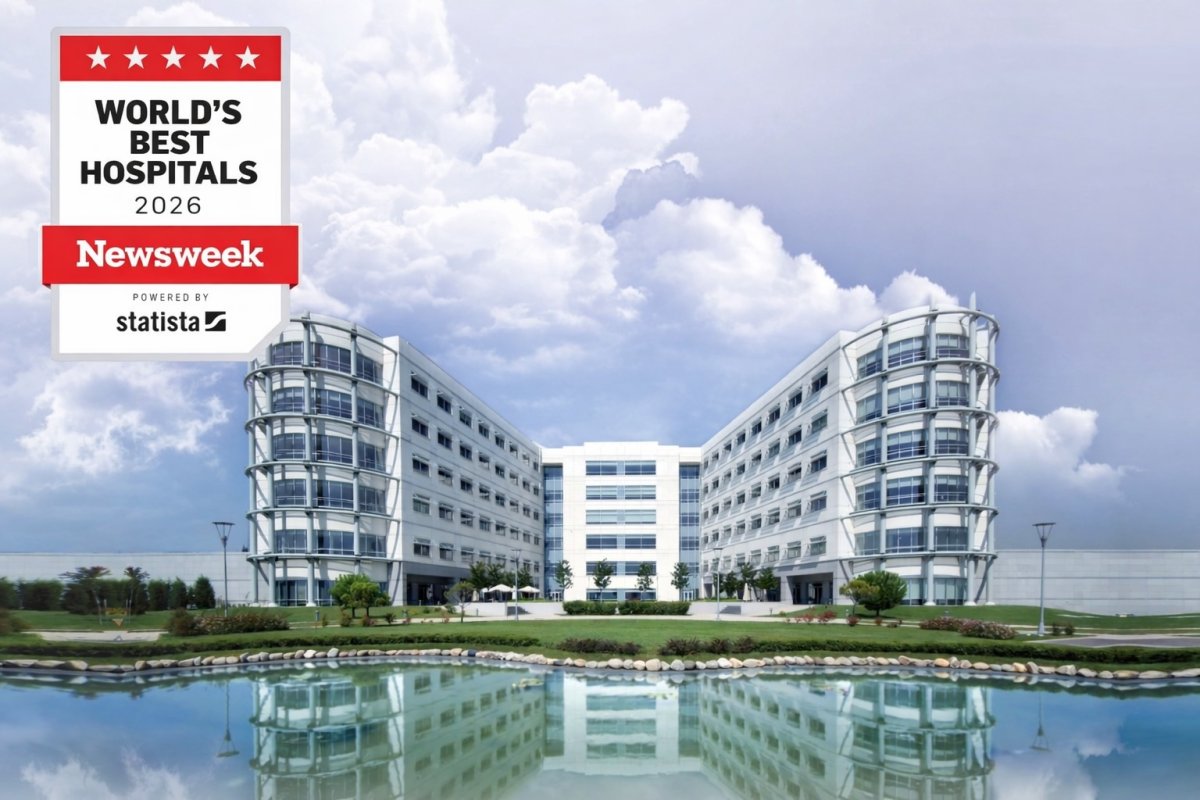









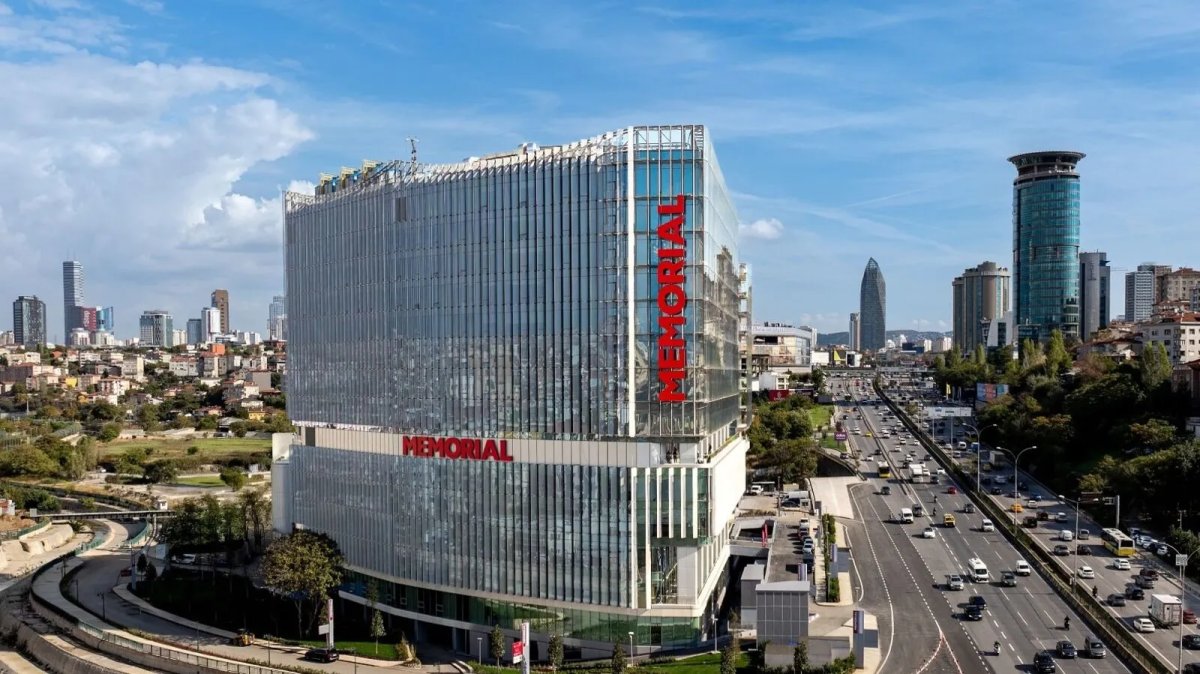
Memorial Göztepe Hospital




احصل على تقييم طبي لـ في تركيا. استشر الآن 44 أطباء ذوي الخبرة.
عرض جميع الأطباء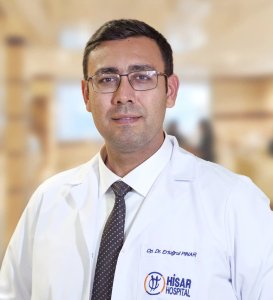
Ertugrul Pinar
يعالج الدكتور إرتوغرول بينار مختلف أمراض الدماغ والعمود الفقري، مع تركيز خاص على الورم الكهفي. وتشمل خبرته حالات جراحة الأعصاب لدى البالغين والأطفال على حد سواء.
- التدرب في جامعة مرمرة، وهي مؤسسة طبية رائدة
- التخصص في حالات الدماغ المعقدة بما في ذلك التشوهات الوعائية
- العمل في مستشفى هيسار إنتركونتيننتال، وهو مركز متخصص في جراحة الأعصاب
- علاج أورام الدماغ والحالات الوعائية مثل الورم الكهفي
- امتلاك خبرة تشمل حالات جراحة الأعصاب للأطفال والبالغين
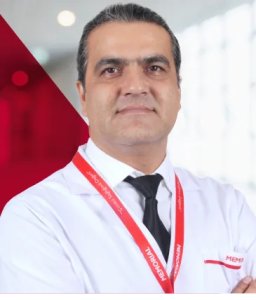
Mustafa Sakar
الدكتور مصطفى ساكار اختصاصي جراحة أعصاب في مستشفى ميموريال غوزتيبه بإسطنبول (2025–حتى الآن). عمل سابقًا في مستشفى جامعة مرمرة بنديك للتدريب والبحوث (2013–2025) وفي مستشفى ألبستان الحكومي في قهرمان مرعش (2011–2012).
حصل على شهادة الطب من كلية الطب بجامعة حاجت تبه في أنقرة (1997–2003). وأكمل هناك إقامته التخصصية في جراحة الأعصاب (2004–2010).
العضويات المهنية: الجمعية التركية لجراحة الأعصاب؛ مجموعة التعليم والتدريب في جراحة الأعصاب لدى الأطفال التابعة للجمعية التركية لجراحة الأعصاب
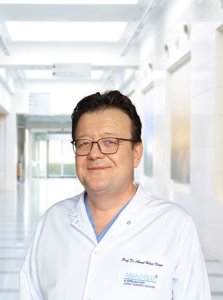
Ahmet Hilmi Kaya
البروفيسور الدكتور أحمد حلمي كايا أستاذ جراحة الأعصاب في مركز الأناضول الطبي في غبزة، تركيا. حصل على شهادة الطب من جامعة إسطنبول - جراح باشا (البرنامج الإنجليزي)، وأكمل فيها اختصاص جراحة الأعصاب بين 1996 و2003. نال لقب أستاذ عام 2015، وأتم فترتي ملاحظة في جامعة ماسترخت عامي 2007 و2009.
يركز عمله السريري على جراحة الأعصاب الوظيفية والتوضيعية (التجسيمية)، بما في ذلك التحفيز العميق للدماغ لعلاج مرض باركنسون والرعاش الأساسي. كما يعالج أورام العمود الفقري وتضيق القناة الشوكية ويجري تثبيتات

Hasan Ozgur Ozdemir
يتخصص البروفيسور الدكتور حسن أوزغور أوزدمير في جراحة المخ بالمنظار وعمليات الأوعية الدموية في مجمع مستشفيات ميديكال بارك أنطاليا.
- أكثر من _doctor_9311_عاماً_ من الخبرة في جراحة الأعصاب
- خبير في التقنيات طفيفة التوغل لحالات الدماغ والعمود الفقري
- حاصل على المركز الأول في امتحان الكفاءة للجمعية التركية لجراحة الأعصاب
- عضو في الجمعية التركية لجراحة الأعصاب والجمعية الطبية التركية
مشاركة المحتوى
قصص فيديو من مرضى Bookimed
 Anna Leonova
أسئلة متكررة حول علاج ورم كهفي في تركيا
ما هو أفضل خيار علاجي للورم الكهفي (Cavernoma) الخاص بي؟
الاستئصال المجهري هو العلاج الأساسي للأورام الكهفية المصحوبة بأعراض والتي تسبب نزيفاً أو نوبات صرع، حيث يوفر شفاءً نهائياً عن طريق إزالة الآفة الوعائية. الحالات التي لا تظهر عليها أعراض تتطلب عادةً المراقبة عبر الرنين المغناطيسي (MRI). توفر تركيا مراكز متخصصة تستخدم جراحة «غاما نايف» الإشعاعية للآفات العميقة التي يصعب الوصول إليها جراحياً.
- الاستئصال الجراحي: يُنصح بالإزالة عبر بضع القحف للآفات التي تسبب نزيفاً متكرراً أو نوبات.
- بروتوكول المراقبة: تتطلب الأورام الكهفية المستقرة والمكتشفة صدفةً إجراء فحوصات رنين مغناطيسي منتظمة للكشف عن أي تغيرات في الحجم.
- غاما نايف (Gamma Knife): تستهدف هذه الجراحة الإشعاعية الدقيقة الآفات العميقة في مناطق الدماغ الحساسة دون الحاجة إلى جراحة مفتوحة.
- العلاج الدوائي: يصف أطباء الأعصاب أدوية مضادة للصرع عندما لا تكون الجراحة ضرورية أو آمنة بشكل فوري.
رؤية خبير بوكيميد (Bookimed): تبلغ المراكز التركية ذات الحجم الكبير مثل مستشفى إسطنبول فلورنس نايتينجيل عن ميزة خبرة واضحة في علاج الأورام الكهفية المعقدة. يتمتع كل من البروفيسور دكتور إلهان إلماسي والبروفيسور دكتور صالح مراد إيمير بخبرة تزيد عن 30 عاماً. تعتبر هذه الخبرة الطويلة أمراً حيوياً لأن الأورام الكهفية غالباً ما تقع بالقرب من مسارات عصبية حساسة. إن اختيار جراح لديه خبرة تزيد عن 25 عاماً في جراحة الأعصاب الوعائية يقلل بشكل كبير من المخاطر أثناء النهج الجراحي المجهري.
إجماع المرضى: يؤكد المرضى على أهمية إيجاد جراح لديه حجم كبير م
كيف أختار أفضل جراح أعصاب في تركيا؟
لاختيار أفضل جراح أعصاب في تركيا لعلاج الورم الكهفي، أعطِ الأولوية للمتخصصين الحاصلين على شهادات وزمالات من مؤسسات أمريكية أو أوروبية. ابحث عن خبراء في مراكز معتمدة من قبل JCI في إسطنبول يستخدمون الجراحة المجهرية وتقنية "جاما نايف". تحقق من خبرتهم تحديدًا في إجراءات الأوعية العصبية وقاعدة الجمجمة.
- مؤهلات الجراح: أعطِ الأولوية للأساتذة الحاصلين على زمالات دولية من مؤسسات مثل Yale أو جامعة فلوريدا.
- اعتماد المستشفى: اختر المرافق الحاصلة على شهادات JCI و ISO لضمان معايير السلامة.
- التكنولوجيا المتخصصة: تأكد من الوصول إلى "جاما نايف"، والتصوير بالرنين المغناطيسي 3 تسلا المدعوم بالذكاء الاصطناعي، والأدوات الجراحية المجهرية.
- الخبرة السريرية: اختر جراحين لديهم خبرة تزيد عن 20 عامًا في أمراض الأوعية العصبية والدماغية.
رؤية خبير Bookimed: تم تصميم أقسام جراحة الأعصاب التركية في مراكز كبرى مثل Memorial Şişli أو Anadolu لتناسب التعقيدات العالية. يتمتع الدكتور جودت غوكشيك في Medipol بخبرة تزيد عن 30 عامًا تشمل تحديدًا الأورام الكهفية. اختيار متخصص في مركز تابع لـ Johns Hopkins يضمن أن البروتوكولات تلبي المعايير السريرية الدولية.
إجماع المرضى: يؤكد المرضى على أهمية العثور على جراح يشرح بوضوح مخاطر النزيف وأوقات التعافي. من الضروري التأكد من أنه يمكنك التحدث مع الفريق الطبي مباشرة بدلاً من مجرد موظفي المبيعات.
هل يعتبر "جاما نايف"/"سايبر نايف" أفضل من الجراحة؟
يعتبر "جاما نايف" و"سايبر نايف" بدائل غير جراحية للأورام الكهفية العميقة أو عالية المخاطر. غالبًا ما يتم تفضيل الجراحة التقليدية للآفات التي يسهل الوصول إليها لضمان الإزالة الفورية. تستخدم مراكز جراحة الأعصاب التركية كلا النهجين بناءً على موقع الآفة وحجمها وشدة الأعراض لزيادة سلامة المريض.
- النهج غير الجراحي: لا تتطلب الجراحة الإشعاعية أي شقوق، مما يقلل من مخاطر مثل العدوى أو مضاعفات التخدير.
- دقة العلاج: تحافظ جرعات الإشعاع الموجهة على أنسجة المخ السليمة باستخدام إحداثيات مجسمة دقيقة.
- التفضيل الجراحي: تظل الجراحة المفتوحة هي المعيار الذهبي للآفات الكبيرة التي تسبب ضغطًا.
- سرعة التعافي: يعود مرضى الجراحة الإشعاعية عادةً إلى أنشطتهم الطبيعية في غضون 24 إلى 48 ساعة.
رؤية خبير Bookimed: تقدم المراكز التركية مثل Medipol Mega و Gayrettepe Florence Nightingale كلتا التقنيتين. ومن الملاحظات البارزة التوفر العالي لجراحي الأعصاب المتخصصين مثل الدكتور جودت غوكشيك، الذي يتمتع بخبرة تزيد عن 30 عامًا. تتيح هذه الخبرة للعيادات تقديم باقات "جاما نايف" بحوالي 7000 دولار، بما في ذلك خدمة النقل لكبار الشخصيات وأخصائيين ذوي خبرة 19 عامًا.
إجماع المرضى: غالبًا ما ينظر المرضى إلى الجراحة الإشعاعية كحل وسط للآفات التي يصعب الوصول إليها بدلاً من أن تكون بديلاً كليًا للجراحة. يلاحظ الكثيرون أنه من المهم الانتظار ومراقبة الأعراض الخفيفة إذا ظل الورم الكهفي مستقرًا في الفحوصات.
ما هي فترة التعافي بعد جراحة الورم الكهفي؟
يستغرق التعافي الأولي بعد جراحة الورم الكهفي عادةً 6 أسابيع. غالبًا ما يبقى المرضى في المستشفى لمدة تتراوح بين 3 إلى 7 أيام. يعود معظم الأفراد إلى أنشطتهم اليومية في غضون 2 إلى 3 أشهر. قد تتطلب مستويات الطاقة الكاملة والاستقرار العصبي وقتًا إضافيًا اعتمادًا على موقع الآفة.
- الإقامة في المستشفى: عادةً ما يتم حجز المرضى لمدة 3 إلى 7 أيام للمراقبة العصبية الدقيقة.
- الفترة الحرجة: غالبًا ما تتضمن أول أسبوعين التعامل مع الألم والتورم والتعب الكبير.
- قيود النشاط: عادةً ما يقيد الجراحون القيادة وحمل الأشياء الثقيلة لمدة 6 أسابيع على الأقل.
- الشفاء على المدى الطويل: قد يستغرق التعافي الكامل 3 أشهر إذا حدثت نوبات صرع أو ضعف قبل الجراحة.
رؤية خبير Bookimed: يمكن أن يؤدي اختيار "جاما نايف" للآفات التي يمكن الوصول إليها إلى تقليل الإقامة في المستشفى إلى 0 يوم. تُظهر بيانات الباقات من Gayrettepe Florence Nightingale أن المرضى غالبًا ما يقيمون في فندق لمدة 4 أيام بدلاً من ذلك. هذا يقصر بشكل كبير من فترة التعافي السريري المكثف مقارنة بالجراحة المجهرية التقليدية.
إجماع المرضى: يشير المرضى إلى أن التعب الدماغي غالبًا ما يتم التقليل من شأنه ويتطلب الحد من النشاط الذهني لعدة أسابيع. يؤكد أولئك الذين يسافرون إلى تركيا على البقاء محليًا لفترة كافية لإجراء فحوصات التعافي المبكرة قبل السفر إلى الوطن.
ما هي المدة التي يجب أن أخطط للبقاء فيها في تركيا؟
يحتاج معظم المرضى إلى فترة تتراوح بين 7 إلى 14 يومًا في تركيا لعلاج الورم الكهفي. يتيح ذلك وقتًا لإجراء فحوصات التصوير بالرنين المغناطيسي قبل الجراحة، والإجراء الجراحي، والمراقبة بعد الجراحة. غالبًا ما تتطلب الجراحة الإشعاعية الدقيقة مثل "جاما نايف" 4 أيام فقط للاستشارة والجلسة العلاجية الخارجية.
- التحضير قبل الجراحة: الوصول قبل يوم أو يومين لإجراء التصوير بالرنين المغناطيسي بالصبغة واستشارات جراح الأعصاب.
- الإقامة في المستشفى: تتضمن الحالات الجراحية عادةً 2-3 ليالٍ من المراقبة والرعاية داخل المستشفى.
- توقيت جاما نايف: تسمح الجراحة الإشعاعية غير الجراحية بالخروج مباشرة بعد جلسة العلاج الدقيق.
- فترة التعافي: البقاء في إسطنبول لمدة 3-5 أيام بعد الخروج قبل ركوب الرحلات الجوية الدولية.
رؤية خبير Bookimed: على الرغم من أن "جاما نايف" إجراء خارجي، إلا أن بياناتنا تظهر أن عيادات مثل Gayrettepe Florence Nightingale تتضمن توصية بالإقامة في الفندق لمدة 4 أيام. هذا ليس من أجل العلاج نفسه، بل لضمان استقرار المراقبة العصبية. حتى لو انتهى الإجراء في غضون ساعات، فإن البقاء لتلك الأيام الإضافية يمنع المخاطر أثناء تغيرات الارتفاع المفاجئة في الرحلات الجوية.
إجماع المرضى: ينصح المرضى بعدم حجز رحلات عودة صارمة. ويقترحون البقاء محليًا لإجراء فحوصات المتابعة الأولية بدلاً من محاولة تنسيق تصوير عصبي معقد بعد الوصول إلى المنزل.
هل يوفر المستشفى خدمات دعم (مترجم، نقل)؟
توفر المستشفيات التركية المعتمدة من قبل اللجنة الدولية المشتركة (JCI) خدمات دعم شاملة لمرضى الأورام الكهفية. تقدم الأقسام الدولية المخصصة دعمًا للمترجمين الفوريين بلغات متعددة وخدمات نقل كبار الشخصيات من وإلى المطار. تقوم العديد من المرافق بتجميع هذه الخدمات اللوجستية في حزم جاما نايف أو جراحة الأعصاب. تدير Bookimed جميع المواعيد واحتياجات الترجمة.
- المساعدة اللغوية: تقدم المستشفيات خدمات الترجمة الفورية على مدار الساعة طوال أيام الأسبوع عبر موظفين حاضرين أو روابط فيديو.
- لوجستيات النقل: غالبًا ما تغطي خدمات نقل كبار الشخصيات جميع الرحلات بين المطارات والفنادق والعيادات.
- التنسيق الدولي: تساعد الأقسام المتخصصة في السجلات الطبية وتوقيت التصوير ولوجستيات التعافي.
- تقدير المرضى: حصل مستشفى هيسار إنتركونتيننتال (Hisar Hospital Intercontinental) على أعلى التصنيفات لخدمات مساعدة المرضى الدوليين.
رؤية خبير Bookimed: غالبًا ما تركز حزم جراحة الأعصاب التركية على لوجستيات التنقل المكثفة للتعافي. في مستشفى غايريتيبه فلورنس نايتنجيل، تتضمن حزمة جاما نايف التي تبلغ قيمتها 7000 دولار خدمات نقل بمركبات متميزة خصيصًا. يعد هذا أمرًا بالغ الأهمية لمرضى جراحة الدماغ الذين لا يمكنهم القيادة بعد الإجراء. اختيار المستشفيات التي تستقبل حجمًا كبيرًا من المرضى الدوليين، مثل تلك التي تخدم أكثر من 500,000 سنويًا، يضمن تنسيقًا أكثر سلاسة.
إجماع المرضى: يؤكد المرضى أن وجود منسق لإدارة الأوراق والتصوير أكثر فائدة من الترجمة وحدها. كما يشيرون إلى
كم مرة سأحتاج إلى مواعيد متابعة؟
تتضمن متابعة الورم الكهفي في تركيا فحصًا أوليًا للجرح في غضون أسبوعين بعد الجراحة أو علاج جاما نايف (Gamma Knife). عادة ما تتم فحوصات الرنين المغناطيسي للدماغ اللاحقة في الأشهر 3 و6 و12. تتحول المراقبة طويلة الأمد إلى تصوير سنوي لضمان الاستقرار الوعائي وإدارة الأعراض العصبية المحتملة.
- المراجعة الأولية: يقوم الجراحون عادةً بإجراء تقييمات للجرح في غضون 14 يومًا بعد الخروج من المستشفى.
- تكرار التصوير: غالبًا ما يتم تكرار فحوصات الرنين المغناطيسي للدماغ المتباينة كل 6 إلى 12 شهرًا.
- مراقبة الأعراض: يجب إجراء استشارات فورية في حالة حدوث نوبات أو صداع جديد.
- جدولة السفر: عادةً ما يبقى المرضى الدوليون 4 أيام للتعافي والفحوصات الأولية.
رؤية خبير Bookimed: يستفيد المرضى الذين يختارون علاج جاما نايف في مستشفى غايريتيبه فلورنس نايتنجيل من بروتوكول إقامة متخصص مدته 4 أيام. يسمح هذا الإطار الزمني للفرق المحلية بمراقبة أي تورم فوري بعد الجراحة الإشعاعية قبل أن يسافر المريض إلى المنزل. بينما يشرف جراحو الأعصاب مثل الدكتور محمد عثمان أقجاكايا على الإجراء، وجدنا أن تجميع أول تصوير بالرنين المغناطيسي بعد الجراحة في رحلة عودة في الشهر السادس هو الطريقة الأكثر فعالية للحفاظ على استمرارية الرعاية مع الفريق الجراحي الأصلي.
إجماع المرضى: يشير المرضى إلى أنه من الضروري الحصول على جدول زمني مكتوب للرنين المغناطيسي وقائمة بأعراض التحذير قبل السفر إلى المنزل. يجد معظمهم أنه من المفيد تنسيق أول فحص كبير لهم في تركيا لضمان مراجعة الجراح المعالج