علاج تمدد الأوعية الدموية في الشريان الدماغي في كوريا الجنوبية: 14 مستشفيات


تمت مراجعة المقالة طبيا من قبل
فهد مولود
كيف نعمل؟
ما هي تكلفة تمدد الأوعية الدموية في الشريان الدماغي إجراءات التشخيص والعلاج في كوريا الجنوبية؟ اعرف الآن
من $500
تكاليف علاج تمدد الأوعية الدموية الشريانية الدماغية النموذجية في جمهورية كوريا
- استشارة جراح أعصاب: من $53
- تصوير الدماغ بالرنين المغناطيسي مع التباين: من $500
- تصوير الأوعية بالرنين المغناطيسي مع التباين: $550 – $950
- استشارة طبيب أعصاب: من $55
- تحليل دم موسع: من $200
- تحليل كيمياء الدم: $60 – $130
- تحليل تخثر الدم: $40 – $100
- تخطيط كهربائية القلب (ECG): من $30
- تصوير مقطعي للجيوب الأنفية: السعر عند الطلب
- جراحة أورام الدماغ: من $22,500
رؤية خبراء Bookimed: بالنسبة للحالات الوعائية المعقدة، توفر المراكز متعددة التخصصات في سيول أعلى معايير السلامة. يُعد مركز أسان الطبي (Asan Medical Center) مثالياً للمرضى ذوي المخاطر العالية، حيث يجري أكثر من 65,000 عملية جراحية سنوياً باستخدام تقنيات الذكاء الاصطناعي المتقدمة. يمكن للمرضى الذين يبحثون عن جودة معترف بها دولياً اختيار مستشفى سيفيرانس (Severance Hospital)، الحاصل على اعتماد اللجنة الدولية المشتركة (JCI). أما بالنسبة لأولئك الذين يعطون الأولوية للوقاية الرقمية من الأخطاء، فإن مستشفى جامعة سيول الوطنية في بوندانغ (Seoul National University Bundang Hospital) يستخدم نظام BESTcare لضمان سلامة المرضى.
| كوريا الجنوبية | تركيا | إسبانيا | |
|---|---|---|---|
| جراحة ورم في المخ | من $22,500 | من $15,500 | من $23,000 |
اكتشف أفضل تمدد الأوعية الدموية في الشريان الدماغي العيادات في كوريا الجنوبية: 14 خيارات معتمدة والأسعار
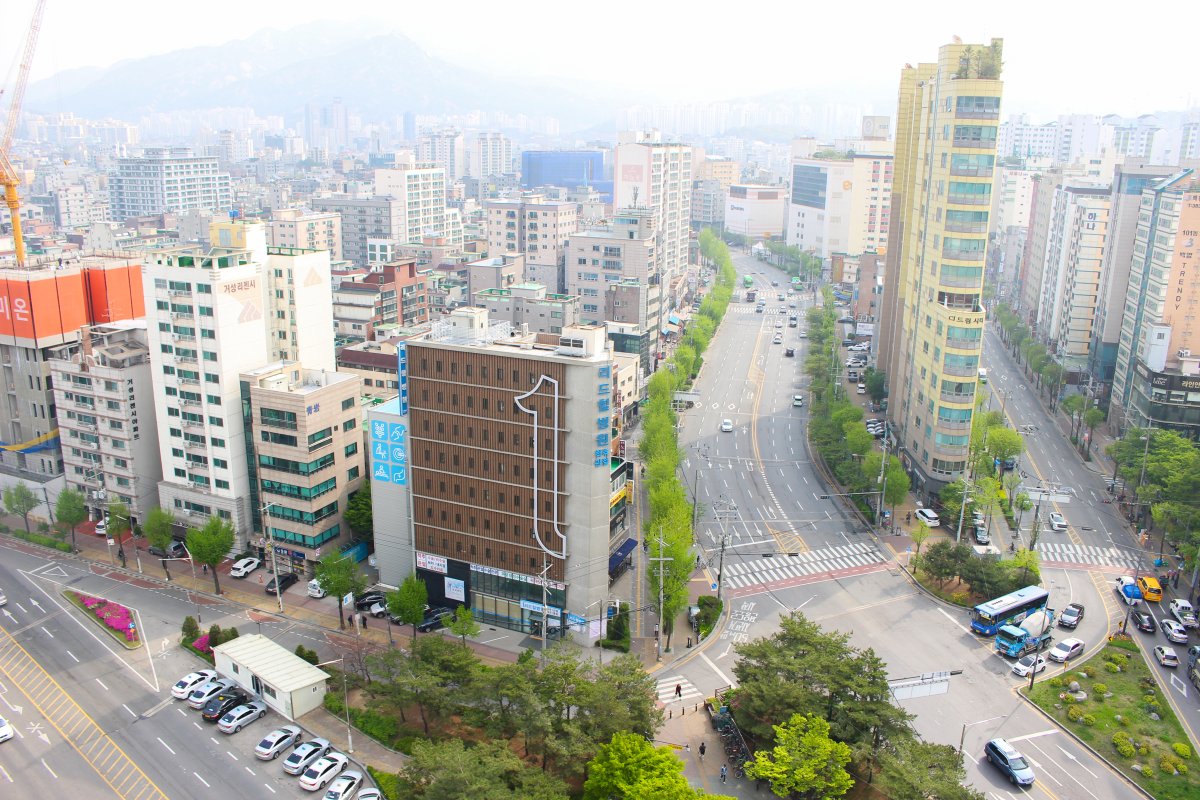
عيادة العمود الفقري والمفاصل Leadheal











Bumin Hospital Seoul
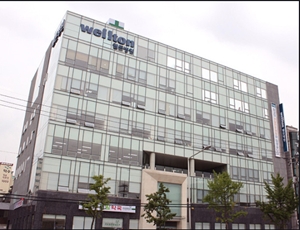
Wellton Hospital
احصلوا على تقييم طبي لـ تمدد الأوعية الدموية في الشريان الدماغي في كوريا الجنوبية: استشيروا أطباء ذوي خبرة الآن
عرض جميع الأطباء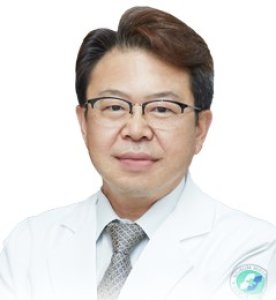
Han Yeongmin
الدكتور هان يونغمين جرّاح أعصاب (MD، PhD). يشغل منصب المدير الطبي ومدير مركز جراحة الأعصاب في مستشفى سانت ماري في إنتشيون. يعالج أمراض الأوعية الدموية الدماغية واضطرابات الأعصاب الطرفية، ويختص أيضًا بأورام الدماغ وجراحة قاعدة الجمجمة. تشمل الحالات السكتة الدماغية والنزف الدماغي والاحتشاء الدماغي ومرض مويا مويا. يجري إجراءات PEN وPNP وSNB. ويقدّم أيضًا الاستئصال المجهري والتنظيري للقرص، واستبدال القرص الصناعي، واندماج العمود الفقري طفيف التوغل/MIS-TLIF، ورأب الفقرة.
نال درجتي الطب والدك

An Song-yeol
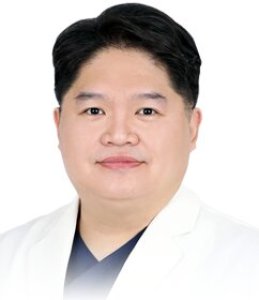
Yang Se Yeon
الدكتور يانغ سي-يون جرّاح أعصاب ورئيس قسم جراحة الأعصاب في مستشفى نايون. يختص في الاحتشاء الدماغي، والنزف الدماغي، وتمدد الأوعية الدموية الدماغية، ومرض مويا مويا، وتضيّق الشريان السباتي، والدوار الوعائي، وإصابات الرأس.
تخرّج في كلية الطب بجامعة الكاثوليكية في كوريا، وحصل فيها أيضًا على درجة الماجستير في الطب. أكمل برنامج الامتياز وإقامة جراحة الأعصاب في المركز الطبي الكاثوليكي، ثم أنهى زمالة سريرية وعمل أستاذًا مساعدًا سريريًا في مستشفى القديسة مريم في أويجونجبو.
شغل منصب جرّاح

Byung-hee Lee
الدكتور بيونغ-هي لي، عضو مؤسس في الجمعية الكورية لطب الأعصاب التداخلي، هو رائد في جراحة الأعصاب الوعائية.
- 24 ورقة بحثية منشورة في مجلات SCI حول مواضيع الأوعية الدموية الدماغية
- قدم عروضاً في أكثر من 50 مؤتمراً دولياً
- عضو في الجمعية الأمريكية للسكتة الدماغية والجمعية العالمية للسكتة الدماغية
- متخصص في إجراءات التدخل العصبي طفيفة التوغل
مشاركة المحتوى
قصص فيديو من مرضى Bookimed
 Anna Leonova
أسئلة متكررة حول علاج تمدد الأوعية الدموية في الشريان الدماغي في كوريا الجنوبية
ما هو معدل نجاح علاج تمدد الأوعية الدموية الدماغي في كوريا الجنوبية؟
يحافظ علاج تمدد الأوعية الدموية الدماغي في كوريا الجنوبية على معدل نجاح يصل إلى 95% للإجراءات الاختيارية. وتُبلغ المراكز الكبرى عن معدل بقاء على قيد الحياة يزيد عن 88% للحالات المعقدة. تستخدم فرق جراحة الأعصاب المتخصصة تقنيات متقدمة مثل اللف الوعائي (endovascular coiling) والقص المجهري (microsurgical clipping). وتساهم العيادات المعتمدة التي تضمن سلامة المرضى في تحقيق هذه النتائج العالية.
- نجاح الإجراء: تحقق الفرق المتخصصة فعالية بنسبة 95% تقريبًا في إصلاح تمدد الأوعية الدموية في الدماغ.
- طرق العلاج: يمثل اللف الوعائي 50% من الحالات منذ عام 2017.
- اتجاهات الجراحة: لا يزال استخدام القص المجهري مهمًا للحالات المعقدة بنسبة 24.4%.
- شهادات السلامة: تمتلك أفضل المستشفيات اعتمادات JCI وKOIHA الوطنية للجودة.
رؤية خبير Bookimed: تدعم معدلات النجاح العالية في كوريا الجنوبية أحجام كبيرة من المرضى في المستشفيات التي تعتمد على التكنولوجيا الرقمية. يخدم مستشفى جامعة سيول الوطنية في بوندانغ 1.5 مليون مريض سنويًا. يسمح هذا النطاق للجراحين بالتخصص في أشكال تمدد الأوعية الدموية النادرة. ويستخدمون نظام BESTcare لتقليل الأخطاء الطبية أثناء جراحات الأعصاب المعقدة.
إجماع المرضى: يشير المرضى إلى أن تمدد الأوعية الدموية غير المتمزق الذي يتم علاجه في كوريا له نتائج مطمئنة وتعافٍ سريع. يؤكد الكثيرون أن اختيار جراح يقوم بكل من اللف والقص أمر حيوي للحصول على رأي ثانٍ متوازن.
ما هي أفضل المستشفيات لعلاج تمدد الأوعية الدموية في الدماغ في كوريا الجنوبية؟
تشمل أفضل المستشفيات الكورية الجنوبية لعلاج تمدد الأوعية الدموية في الدماغ مركز أسون الطبي (Asan Medical Center) ومستشفى سيفيرانس (Severance Hospital). تتخصص هذه المرافق في الجراحة بالمشبك (surgical clipping) والقسطرة التداخلية (endovascular coiling). وهي حاصلة على اعتمادات JCI أو KOIHA. غالبًا ما يبلغ الجراحون عن معدلات بقاء على قيد الحياة تصل إلى 99% للإجراءات الاختيارية في هذه المراكز العصبية الكبرى.
- مركز أسون الطبي: أجرى أكثر من 10,000 جراحة لتمدد الأوعية الدموية مع توفر 2,700 سرير.
- مستشفى سيفيرانس: مرفق معتمد من JCI يعالج أكثر من 1.6 مليون مريض خارجي سنويًا.
- جامعة سيول الوطنية: مستشفى رائد رقميًا يجري أكثر من 32,500 عملية كل عام.
- التكنولوجيا المتخصصة: تستخدم المراكز أنظمة جاما نايف (Gamma Knife) ومنصات جراحية روبوتية متقدمة.
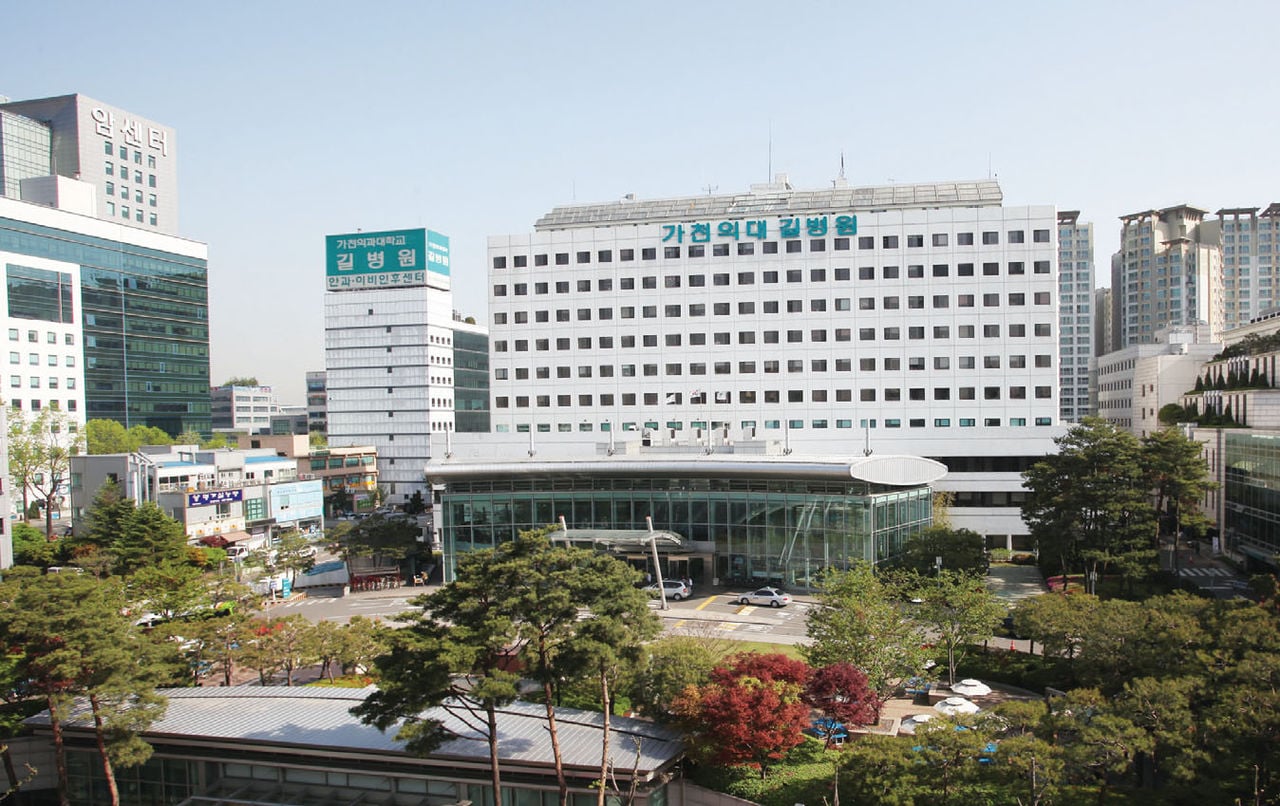
رؤية خبير Bookimed: بينما يركز معظم الباحثين على سيول، يوفر مركز جاشون الجامعي (Gachon University Gil Medical Center) في إنتشون ومستشفى سيجونغ (Sejong Hospital) معايير سلامة مماثلة. يعالج مستشفى سيجونغ وحده أكثر من 402,000 مريض سنويًا. غالبًا ما توفر هذه المؤسسات وصولاً أسرع إلى فرق متعددة التخصصات مقارنة بمراكز سيول المزدحمة للغاية. يمكن أن يكون هذا حاسمًا للمرضى الدوليين الذين يحتاجون إلى تقييمات عصبية وعائية عاجلة.
إجماع المرضى: يشير المرضى إلى أن مستشفيات سيول الكبرى توفر تقييمات أسرع لأنها معتادة على الإحالات الدولية. يؤكد الكثيرون على اختيار مرفق يحتوي على جراحة الأعصاب الوعائية وا
ما هي طرق العلاج الشائعة لتمدد الأوعية الدموية الدماغية في كوريا الجنوبية؟
يعالج جراحو الأعصاب في كوريا الجنوبية تمدد الأوعية الدموية الدماغية بشكل أساسي من خلال القسطرة التداخلية (Coiling) والمشبك الجراحي المجهري. تستخدم المراكز الرائدة مثل مركز أسان الطبي ومستشفى سيفيرانس غرف عمليات هجينة لهذه الإجراءات. تعطي هذه المرافق الأولوية للتقنيات طفيفة التوغل لضمان تعافي أسرع ومعدلات مضاعفات أقل للمرضى.
- القسطرة التداخلية (Coiling): إجراء يعتمد على القسطرة لإدخال لفائف البلاتين لسد تدفق الدم دون فتح الجمجمة.
- المشبك الجراحي المجهري: جراحة مفتوحة حيث يضع جراحو الأعصاب مشابك معدنية لإغلاق عنق تمدد الأوعية الدموية بشكل دائم.
- تحويل مسار التدفق (Flow diversion): دعامة داخل الأوعية الدموية متقدمة تستخدم لتمدد الأوعية الدموية المعقدة وواسعة العنق لإعادة توجيه تدفق الدم الشرياني.
- الإجراءات الهجينة: تقنيات جراحية وتداخلية مجمعة يتم إجراؤها في أجنحة متخصصة لتحقيق أقصى قدر من الدقة.
رؤية خبير Bookimed: تظهر البيانات تركيزاً عالياً لخبرات جراحة الأعصاب في سيول. يجري مركز أسان الطبي أكثر من 65,000 عملية سنوياً، بينما يدير مستشفى سيفيرانس 1.6 مليون مريض خارجي. يسمح هذا الحجم الهائل للجراحين الكوريين بإتقان دعامات تحويل مسار التدفق المعقدة. يختار العديد من المرضى هذه المراكز ذات الحجم الكبير خصيصاً لمعدلات نجاحها التي تصل إلى 90% في الإجراءات الوعائية.
إجماع المرضى: يشير المرضى إلى أن الأطباء الكوريين ينتقلون بسرعة من التشخيص إلى التدخل بمجرد أن تظهر الفحوصات ميزات عالية الخطورة. يوصون غالباً باختيار المراكز
ما مدى سرعة توقع خروجي من المستشفى بعد إجراء تمدد الأوعية الدموية في الدماغ في كوريا؟
يتم الخروج من المستشفيات الكورية عادةً بعد يوم أو يومين من إجراء القسطرة التداخلية طفيفة التوغل. يتطلب المشبك الجراحي لتمدد الأوعية الدموية غير المتمزق عمومًا إقامة من 2 إلى 5 أيام. تتطلب الحالات المتمزقة فترات أطول للمراقبة المكثفة. ينتقل المرضى من المراقبة في وحدة العناية المركزة لمدة 24 ساعة إلى الأجنحة العادية قبل الخروج.
- القسطرة التداخلية: يسمح الإجراء بالخروج في غضون 24 إلى 48 ساعة للحالات غير المتمزقة.
- المشبك الجراحي: تتطلب فترة التعافي من الجراحة المفتوحة عادةً من 2 إلى 7 أيام في المستشفى.
- المراقبة في وحدة العناية المركزة: يقضي معظم المرضى يومًا واحدًا على الأقل تحت العناية المركزة لفحوصات الاستقرار.
- اعتماد السلامة: تحافظ المراكز الرائدة على معايير معهد كوريا لاعتماد الرعاية الصحية (KOIHA) للرعاية بعد الجراحة.
رؤية خبير Bookimed: بينما يختار الكثيرون سيول لسهولة الوصول إليها، تدير مستشفيات إنتشون مثل مستشفى سيجونغ أكثر من 400,000 مريض سنويًا بأقسام عصبية متخصصة. تظهر بياناتنا أن المستشفيات الرقمية مثل مستشفى جامعة سيول الوطنية بوندانغ (SNUBH) تستخدم أنظمة BESTcare المتقدمة. تمنع هذه التكنولوجيا على وجه التحديد الأخطاء الطبية خلال مرحلة المراقبة الحرجة بعد الجراحة.
إجماع المرضى: يشير المرضى إلى أن التعافي السلس وفحوصات المتابعة المطمئنة أمران حيويان للخروج المبكر. يقترحون الاستعداد لنشاط بدني محدود وإدارة ضغط الدم في المنزل بعد المغادرة.
هل يتوفر دعم باللغة الإنجليزية لتجنب حاجز اللغة في المستشفيات الكورية؟
يعد الدعم باللغة الإنجليزية معياراً في المستشفيات الكورية الجنوبية الكبرى من خلال عيادات دولية مخصصة ومنسقين. توظف المراكز الكبيرة في سيول وإنتشون غالباً متخصصين يتحدثون الإنجليزية. يتواصل العديد من جراحي الأعصاب الذين هم أعضاء في جمعية السكتة الدماغية الأمريكية بفعالية. تتولى Bookimed إدارة التواصل لسد أي فجوات لغوية متبقية أثناء العلاج.
- المراكز الدولية: تدير المستشفيات الجامعية في سيول أجنحة مخصصة للمرضى الأجانب مع طاقم يتحدث الإنجليزية.
- كفاءة المتخصصين: غالباً ما يكمل كبار جراحي الأعصاب تدريبهم في الخارج ويشاركون في الجمعيات الطبية الدولية.
- معايير الاعتماد: يضمن اعتماد الرعاية الصحية العالمي (GHA) في مرافق مثل مستشفى جامعة سيول الوطنية بوندانغ خدمات لغوية محددة.
- الوثائق المكتوبة: يتم توفير التسجيل ونماذج الموافقة وأوراق الفواتير عادةً باللغة الإنجليزية في المراكز الكبرى.
رؤية خبير Bookimed: بينما تخدم مستشفيات مثل مركز أسان الطبي آلاف المرضى الخارجيين يومياً، غالباً ما تكون الكفاءة في اللغة الإنجليزية أقوى بين كبار المتخصصين. تظهر البيانات أن المستشفيات الحاصلة على اعتماد اللجنة الدولية المشتركة (JCI) توفر باستمرار بنية تحتية أفضل للغة الإنجليزية. نوصي باستهداف هذه المرافق المعتمدة في سيول أو إنتشون لضمان تواصل واضح أثناء استشارات جراحة الأعصاب المعقدة.
إجماع المرضى: يشير المرضى إلى أنه من المهم إحضار أسئلة مكتوبة للمواضيع المعقدة مثل مخاطر تمدد الأوعية الدموية. يجدون أن المكاتب الدولية هي الطريقة الأكثر موثوق