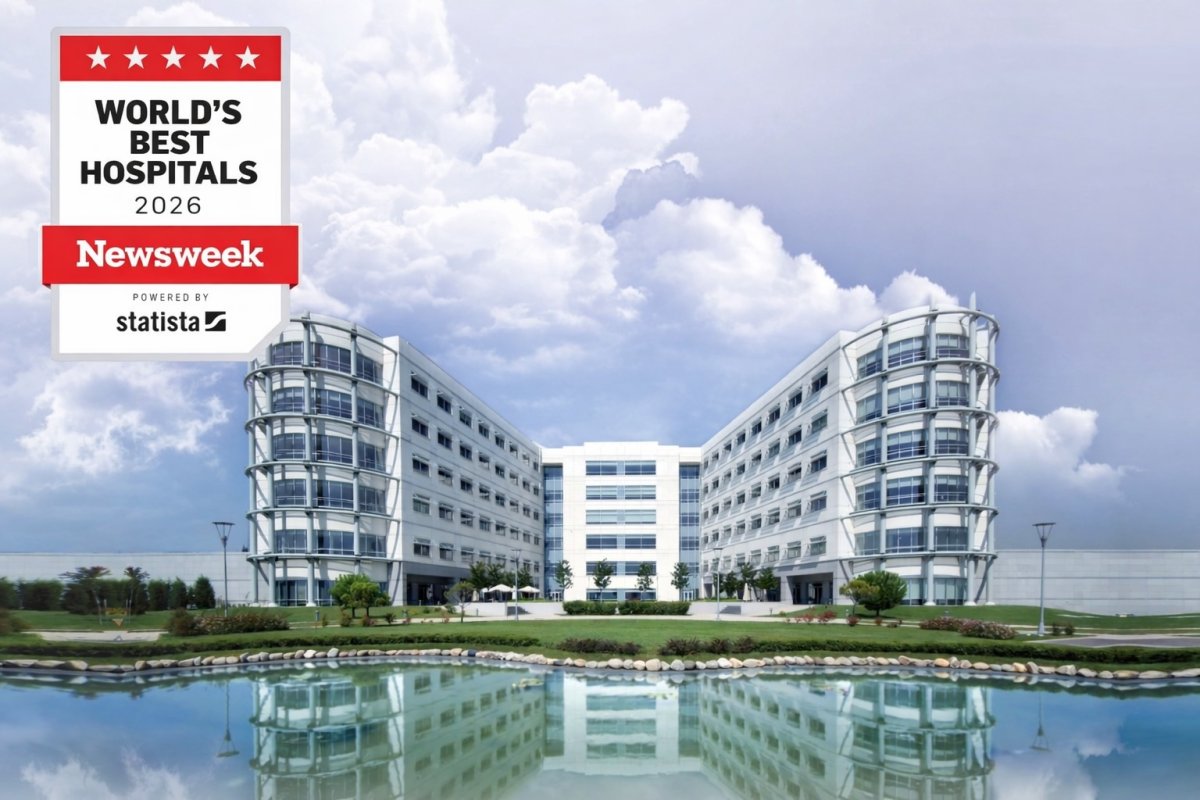
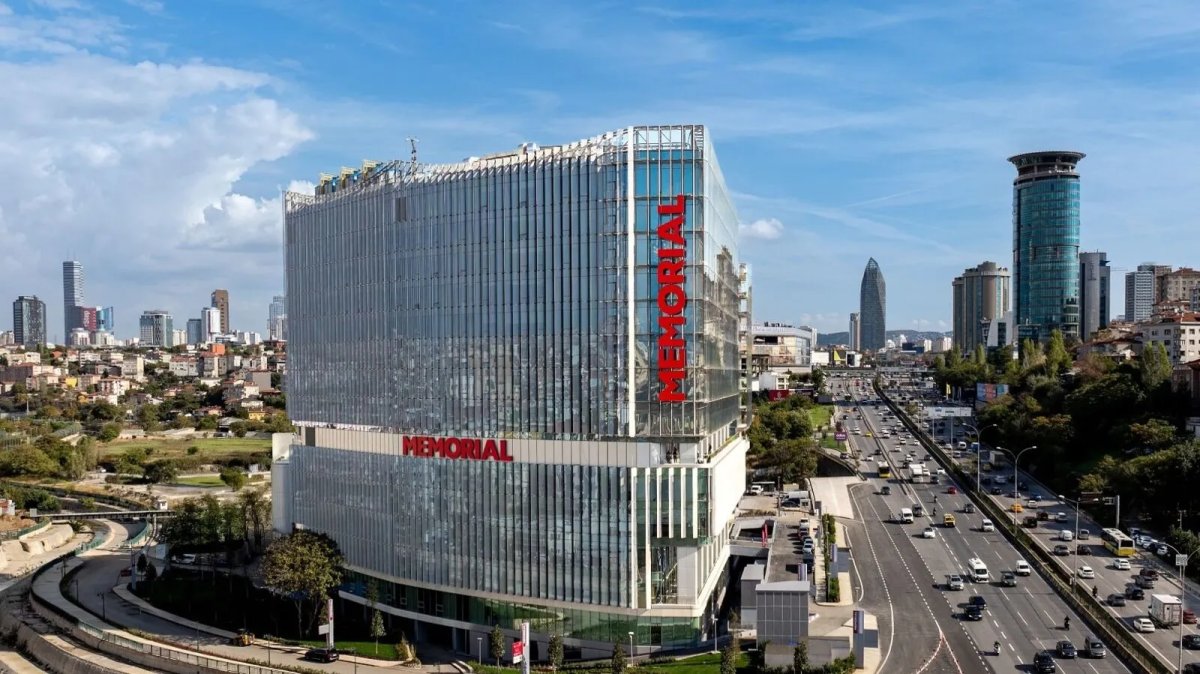
Hisar Intercontinental Hospital
تركيا, إسطنبول
Basri Cakiroglu
32سنة خبره ١٦ سنة

العيادة معتمدة من قبل : 



تمت مراجعة المقالة طبيا من قبل
فهد مولود
تختلف تكلفة علاج انعدام الحيوانات المنوية في تركيا اعتمادًا على الإجراءات المحددة المطلوبة. تتراوح تكلفة الاستشارات الأولية مع الأخصائيين بين $110 و $200، بينما يمكن أن تتراوح تكلفة الفحوصات الهرمونية والاختبارات الجينية بين $270 و $740. تتراوح تكلفة إجراء microTESE، أو استخراج الحيوانات المنوية، بين $1,000 و $1,800. يمكن أن تصل تكلفة الإجراءات الإضافية مثل حزم التلقيح الصناعي إلى $4,000، باستثناء الأدوية التي تتراوح بين $800 و $1,400. يتم تخصيص خطة العلاج بناءً على التاريخ الطبي واحتياجات المريض.
| تركيا | إسبانيا | ألمانيا | |
|---|---|---|---|
| علاج انعدام النطاف بالخلايا الجذعية | ≈ $3,500 | ≈ $4,500 | ≈ $6,500 |
| إعادة وصل القناة الدافقة | من $4,800 | ≈ $3,800 | ≈ $4,300 |


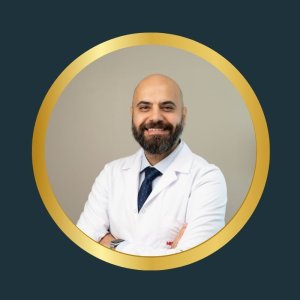


أكثر من 900 عملية لعلاج العقم – الأستاذ المشارك تشاكير أوغلو متخصص في طب الذكورة في مستشفى هيسار إنتركونتيننتال.
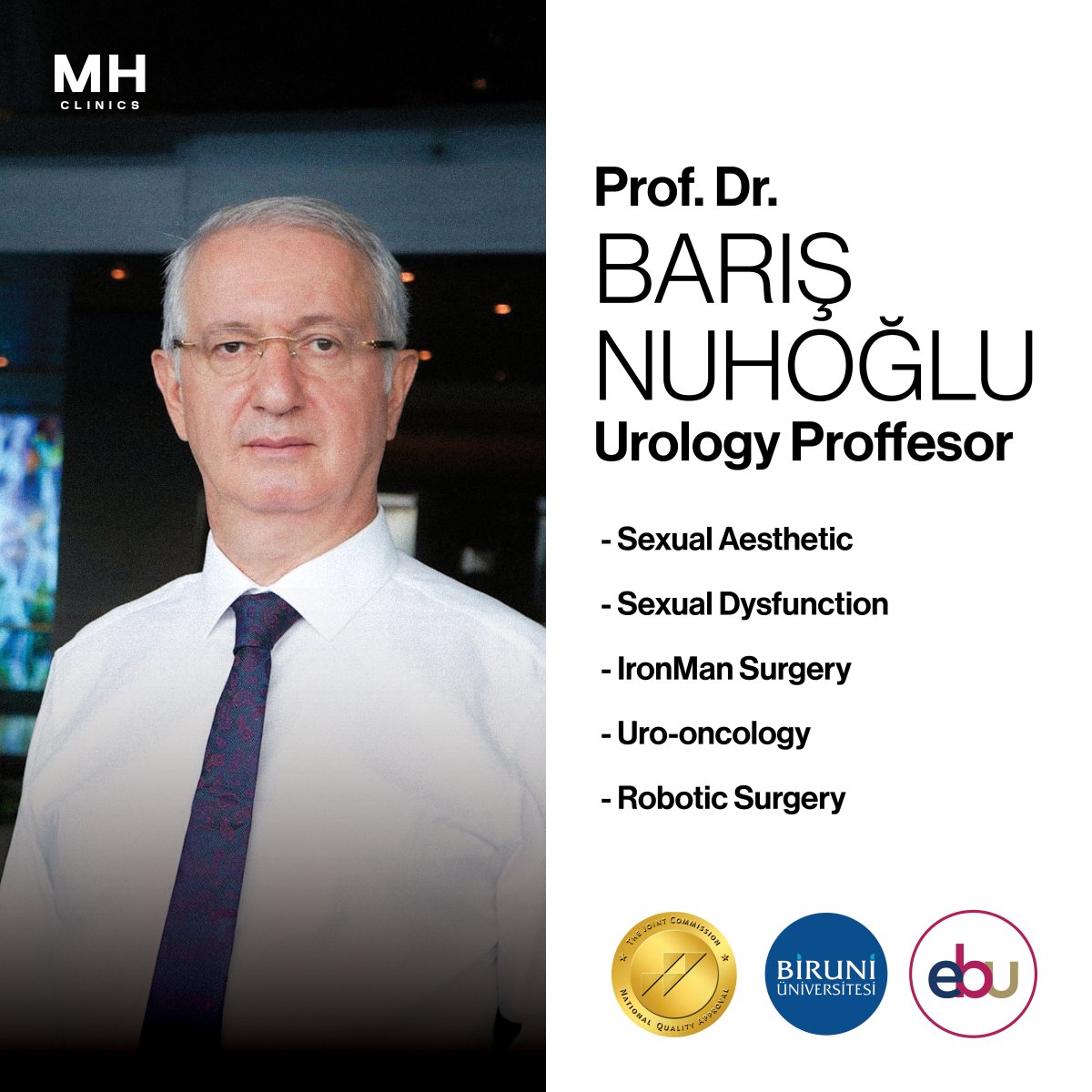
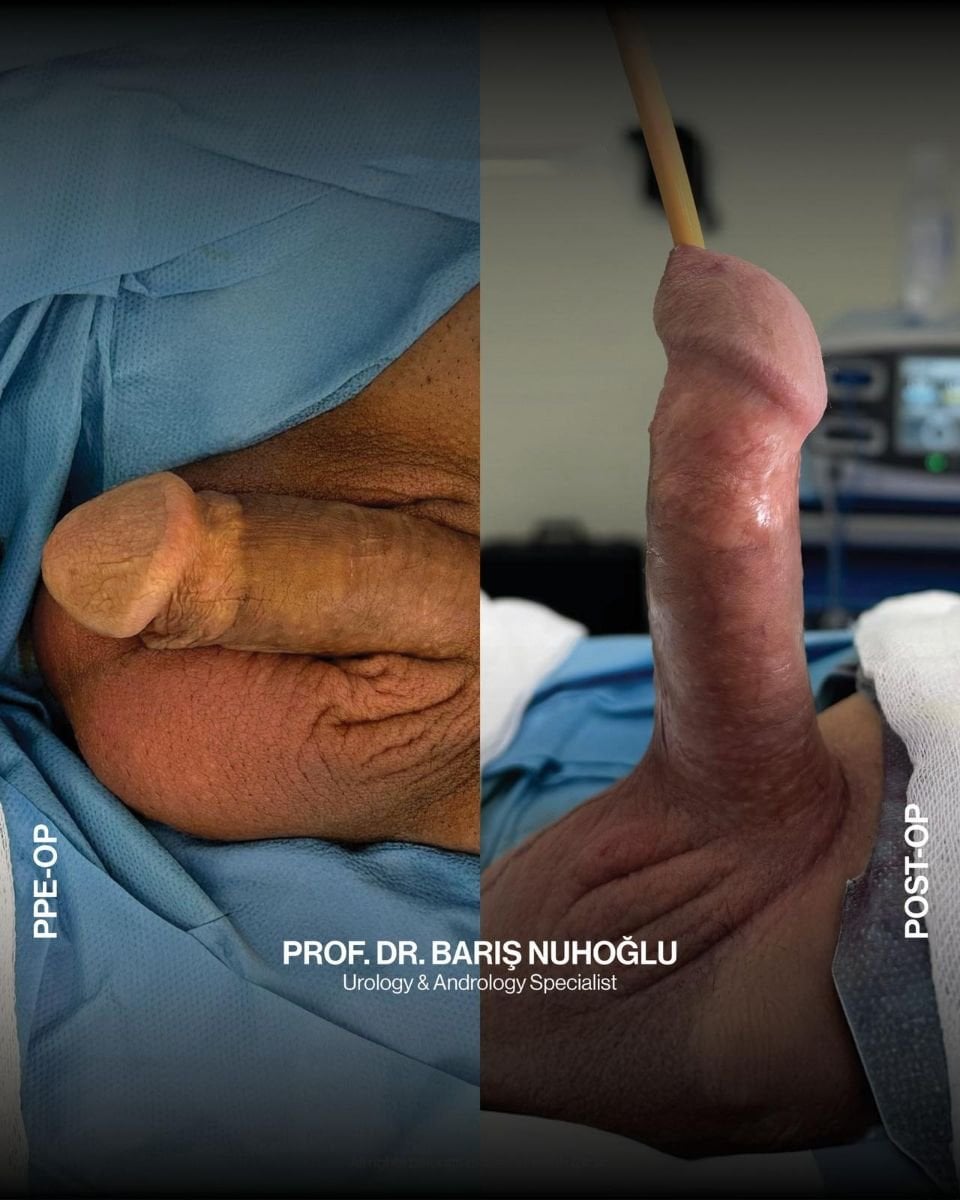
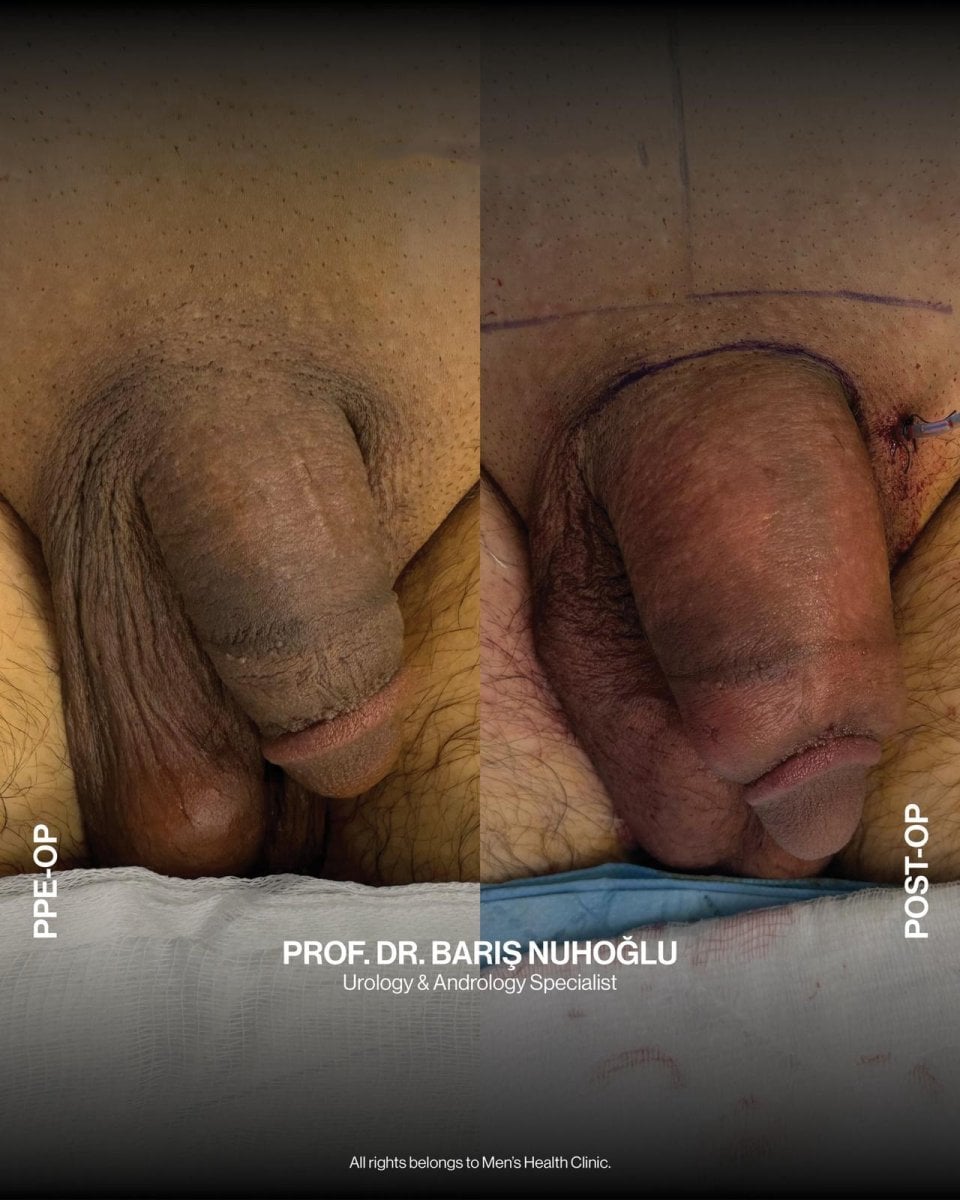
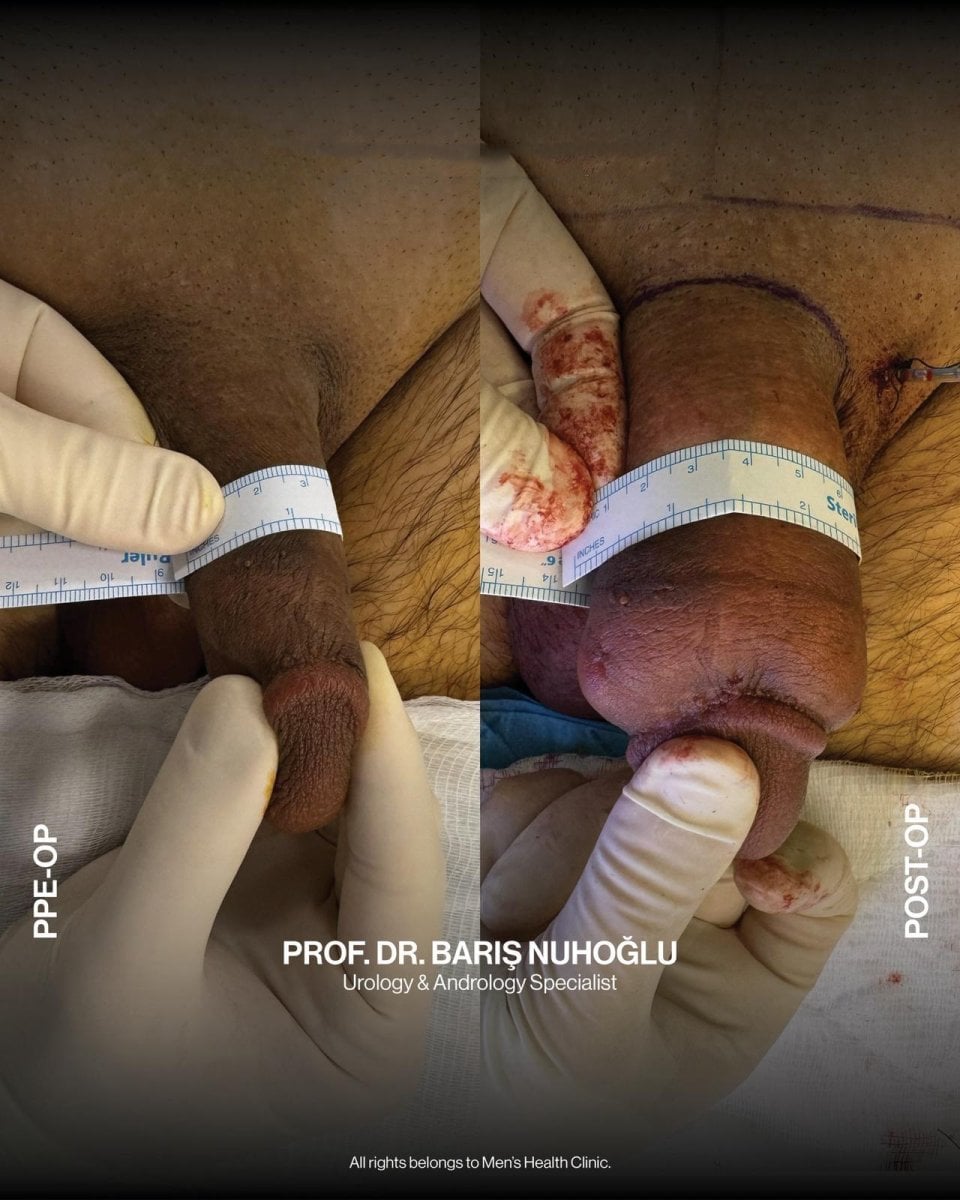
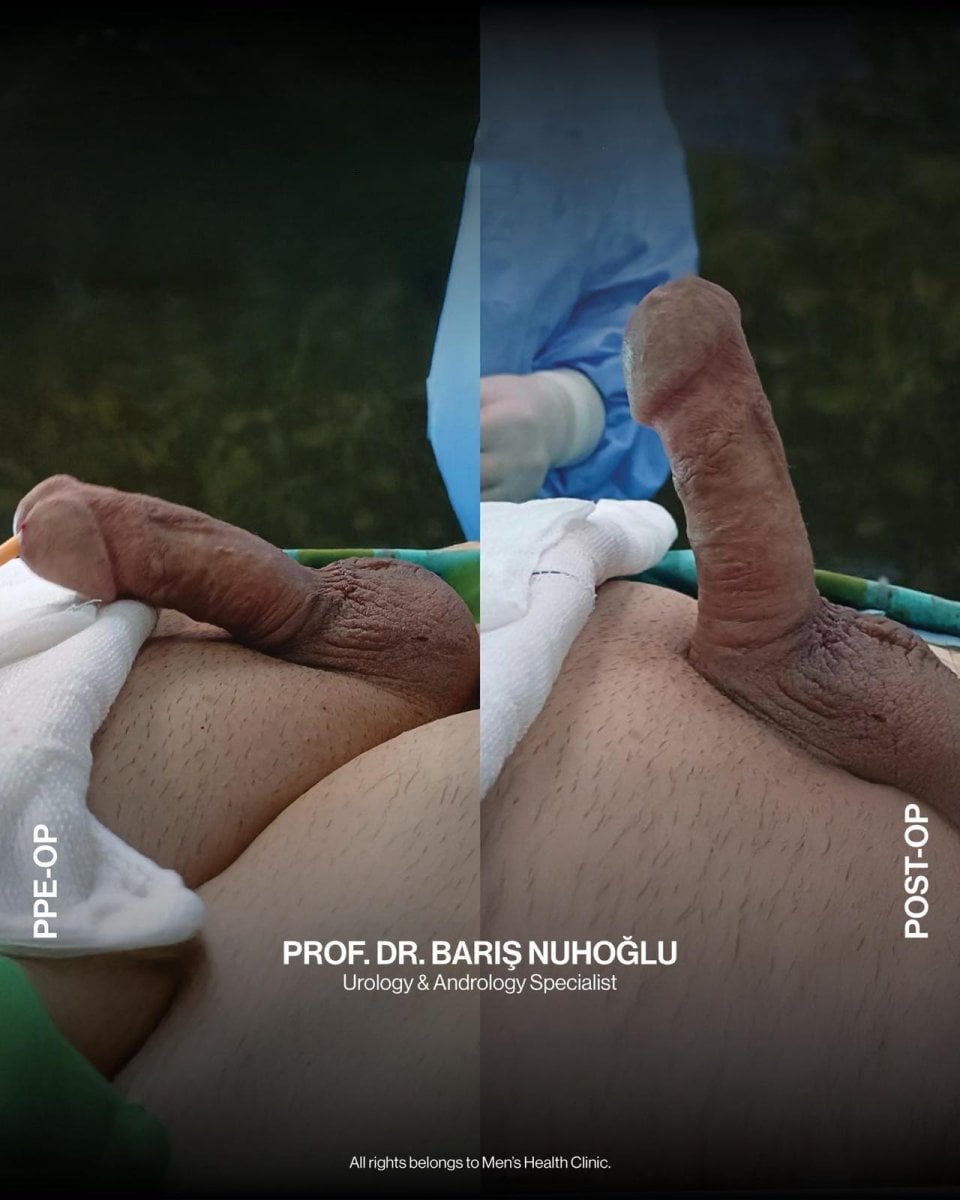
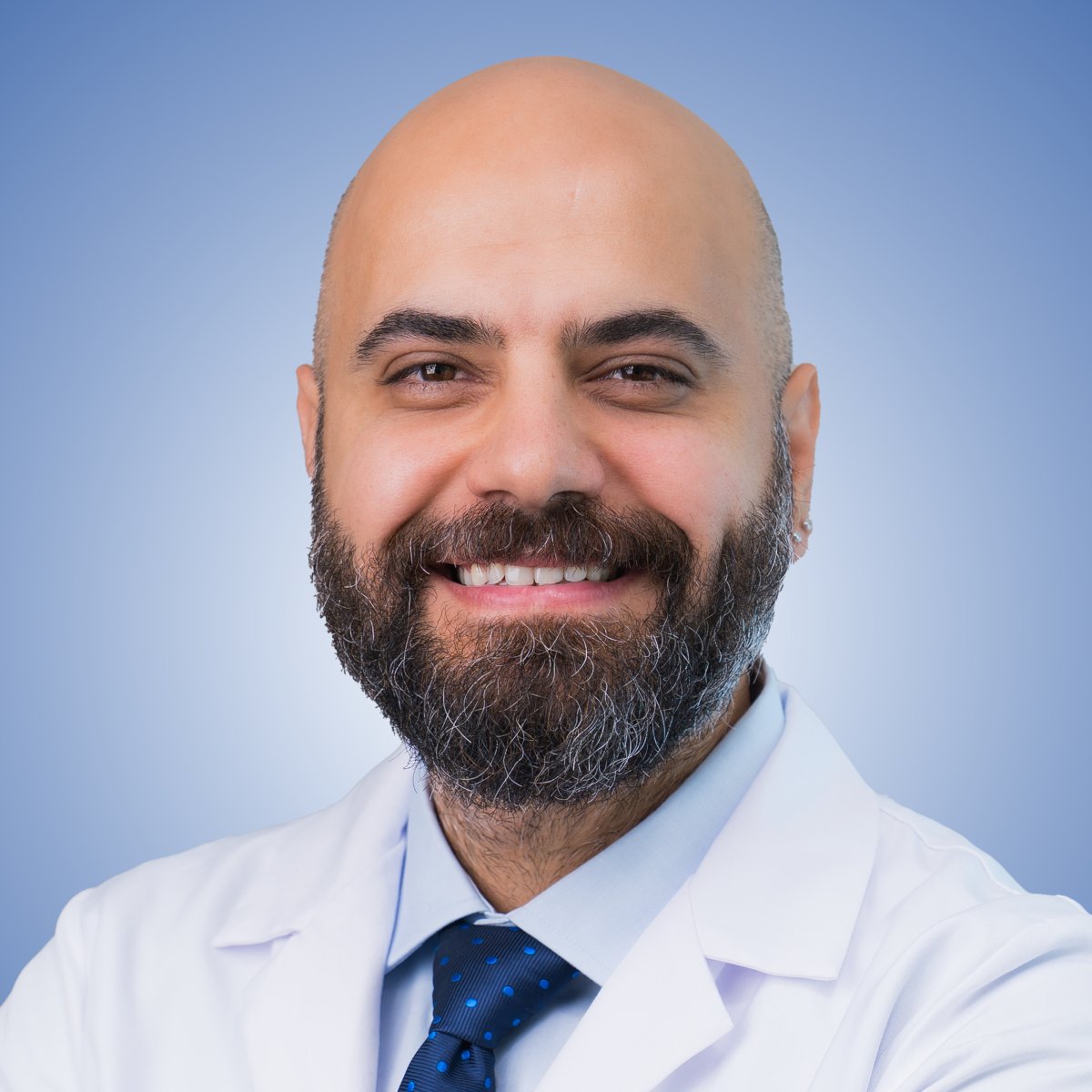
أجرى البروفيسور الدكتور باريش نوهوغلو أكثر من 900 علاج لمشاكل الصحة الإنجابية للذكور في عيادات صحة الرجال (Men's Health Clinics).

يتخصص الأستاذ المشارك الدكتور جنك أكار في جراحات المسالك البولية، حيث أجرى أكثر من 500 جراحة لسرطان المسالك البولية و250 عملية استئصال البروستاتا بالليزر (HOLEP).
يتخصص الدكتور بوجرا سيتين في العلاجات الخلوية للحالات المسالك البولية، ويقدم علاجات مبتكرة لمرض فقد النطاف (آزوسبيرميا).
 Anna Leonova
يتم إجراء علاج فقد النطاف في تركيا بواسطة أطباء مسالك بولية وأمراض ذكورة مؤهلين تأهيلاً عالياً، وغالباً ما يحملون شهادة المجلس الأوروبي للمسالك البولية (FEBU). يعمل كبار المتخصصين في مرافق معتمدة من قبل اللجنة الدولية المشتركة (JCI). يستخدمون تقنيات الجراحة المجهرية مثل Micro-TESE والعلاجات التجديدية لمعالجة حالات العقم المعقدة لدى الرجال.
رؤية خبير Bookimed: بينما يقدم العديد من أطباء المسالك البولية خدمات العقم، تظهر بياناتنا أن متخصصين مثل الدكتور بوجرا سيتين والدكتور تونكاي تاس يقدمون مستوى أعلى من الرعاية من خلال دمج الطب التجديدي والبحث الجزيئي في ممارساتهم. اختيار طبيب لديه آلاف الإجراءات وتركيز مخصص على أمراض الذكورة، بدلاً من طبيب مسالك بولية عام، هو المسار الأكثر ثباتاً للنجاح في الحالات المعقدة.
إجماع المرضى: يؤكد المرضى على أهمية العثور على طبيب لديه تدريب متخصص في أمراض الذكورة بدلاً من طبيب مسالك بولية عام. ويشيرون إلى أن أفضل النتائج تأتي من المتخصصين الذين يوضحون التشخيص بوضوح ويشرفون شخصياً على كل خطوة من خطوات عملي
تشمل الخيارات الجراحية لعلاج فقد النطاف في تركيا استخراج الحيوانات المنوية من الخصية بالمجهر (Micro-TESE) وTESE النسيجي (hTESE). كما تقوم العيادات المعتمدة من JCI في إسطنبول بإجراء شفط الحيوانات المنوية عن طريق الجلد ومن البربخ (PESA/TESA). تعالج هذه الإجراءات الحالات الانسدادية وغير الانسدادية لتمكين النجاح في بروتوكولات التلقيح الصناعي (IVF) أو الحقن المجهري (ICSI).
رؤية خبير Bookimed: يرتبط النجاح في تركيا غالبًا بحجم العمليات الجراحية وليس فقط بالتكنولوجيا. يخدم مركز الأناضول الطبي أكثر من 65,000 مريض سنويًا ويحافظ على شراكة نخبوية مع جونز هوبكنز ميديسن. يعد اختيار المراكز ذات المختبرات عالية السعة أمرًا حيويًا لأن الفريق الجراحي يمكنه التنسيق فورًا مع علماء الأجنة لإجراء الحقن المجهري في نفس اليوم.
إجماع المرضى: يؤكد المرضى على ضرورة إجراء اختبارات هرمونية متعددة قبل السفر لتأكيد نوع فقد النطاف. يلاحظ الكثيرون أن اختيار العيادات التي لديها منسقون ذوو خبرة وأقسام دولية مخصصة يجعل فترة التعافي التي تستغرق 1
تتطلب جراحة انعدام النطاف في تركيا إقامة تتراوح من 7 إلى 10 أيام للتحضير للإجراء والتعافي الأولي. على الرغم من أن الجراحة عادة ما تكون إجراءً خارجياً، إلا أن الراحة التامة لمدة لا تقل عن 48 إلى 72 ساعة إلزامية. يجب على المرضى تجنب الرحلات الجوية الطويلة لمدة أسبوعين.
رؤية خبير Bookimed: تُظهر البيانات الواردة من مراكز النخبة في إسطنبول مثل مستشفى ميموريال شيشلي ومستشفى هيسار إنتركونتيننتال تفضيلاً لإجراء علاجات الخلايا الجذعية أو عكس قطع القناة الدافقة جنباً إلى جنب مع استخراج الحيوانات المنوية القياسي. بينما تقترح العيادات إقامة لمدة 7 أيام، غالباً ما يحصل المرضى الذين يبقون لمدة 10 أيام على نتائج أفضل. يسمح هذا الوقت الإضافي بإجراء فحوصات حاسمة للغرز في اليوم الخامس والحصول على نتائج علم الأمراض قبل العودة إلى الوطن.
إجماع المرضى: يشير المرضى إلى أنه من المهم حجز رحلات عودة مرنة لأن المغادرة قبل 7 أيام قد تسبب ألماً مرتبطاً بالسفر. يقترح الكثيرون حزم ملابس داخلية داعمة ويؤكدون أن وجود تواصل عبر واتساب للمتابعة في اليوم الثالث يوفر راحة بال كبيرة أثناء التعافي.
تُبلغ العيادات التركية عن معدلات نجاح في استرجاع الحيوانات المنوية تتراوح بين 25% و70%. تظل تقنية Micro-TESE هي المعيار الذهبي الأساسي لحالات فقد النطاف غير الانسدادي. عادةً ما تحقق الإجراءات للمرة الأولى نجاحًا بنسبة 50% إلى 60%. وتكون معدلات أعلى تتراوح بين 80% إلى 90% ممكنة في المحاولات المتكررة إذا كانت عمليات الاسترجاع السابقة ناجحة.
رؤية خبير Bookimed: النجاح في تركيا مدفوع بالتخصص الجراحي الدقيق. يركز أطباء مثل الدكتور بصري شاكير أوغلو في مستشفى هيسار بشكل خاص على طب الذكورة والعقم. هذا التخصص الضيق حيوي لأن نجاح الاسترجاع في الحالات مجهولة السبب غالبًا ما يكون 31.1% فقط. اختيار المراكز ذات الحجم الكبير التي تستقبل أكثر من 500,000 مريض سنويًا يحسن الوصول إلى التشخيصات المتقدمة مثل الموجات فوق الصوتية دوبلر الملون.
إجماع المرضى: يشير المرضى إلى أهمية إجراء اختبارات الهرمونات وفحوصات حذف الكروموسوم Y قبل السفر. يوصي الكثيرون بتخصيص ميزانية لمحاولة ثانية أو تلقيح صناعي حتى لو كان الاسترجاع الأولي ناجحًا.
الندوب المرئية بعد إجراء micro-TESE أو الجراحة المجهرية الترميمية غير محسوسة تقريبًا لأن الجراحين يستخدمون مجاهر ذات تكبير عالٍ. عادة ما تقاس الشقوق من 1.5 إلى 3 سم فقط. تتبع هذه العلامات الصغيرة ثنايا الجلد الطبيعية. يذكر معظم المرضى أن الندوب تتلاشى لتصبح خطوطًا دقيقة في غضون أشهر.
رؤية خبير Bookimed: تعطي المراكز ذات الحجم الكبير مثل مستشفى ميموريال شيشلي الأولوية للنتائج الجمالية إلى جانب معدل نجاح التلقيح الصناعي لديهم البالغ 65%. تظهر البيانات أن الأساتذة ذوي الخبرة مثل الدكتور إحسان كارامان في مستشفى ميديستيت غالبًا ما يستخدمون تقنيات داخلية أقل من سنتيمتر واحد. يضمن هذا المستوى من الدقة المجهرية أن فحوصات الموجات فوق الصوتية في غضون 6 أشهر لا تظهر عادةً أي ندوب داخلية.
إجماع المرضى: يلاحظ المرضى أنه على الرغم من أن الموقع يبدو خشنًا في الشهر الأول، إلا أنه يصبح خطًا دقيقًا عند 6 أشهر. شارك أحد المرضى أن العلامة الموجودة في منتصف كيس الصفن مسطحة جدًا لدرجة أن شريكه لا يستطيع رؤيتها.
تتطلب العيادات التركية فحوصات هرمونية وجينية شاملة قبل السفر لعلاج فقد النطاف (azoospermia). تشمل التقييمات الحيوية تحليل السائل المنوي، ومستويات هرمون التستوستيرون، والموجات فوق الصوتية عبر المستقيم. تؤكد هذه الاختبارات نوع الانسداد. كما يفرض الجراحون تقييمات لسلامة التخدير وعوامل خطر السفر الدولي.
رؤية خبير Bookimed: تظهر بيانات Bookimed أن 30% من المرضى يحتاجون إلى إعادة الاختبار في الموقع في إسطنبول لمستويات الهرمونات أو عوامل التخثر. لتجنب تأخير العلاج، أرسل نتائجك المحلية قبل 14 يومًا على الأقل من المغادرة. هذا يسمح للمتخصصين مثل الدكتور مراد بينباي بمراجعة حالتك وتعديل توقيت الجراحة قبل سفرك.
إجماع المرضى: يؤكد المرضى على أهمية إكمال قائمة تشخيصية كاملة محليًا لتجنب رفض الجراحة عند الوصول. يوصون بالحصول على نتائج الاختبارات الأصلية مختومة والتحقق مع العيادة بشأن متطلبات كوفيد-19 أو التطعيم القديمة قبل حجز الرحلات.
يتطلب الجمع بين جراحة علاج فقد النطاف وعطلة عائلية في إسطنبول حذرًا شديدًا. السفر آمن فقط إذا أعطيت الأولوية لفترة تعافي محلية تتراوح بين 10 إلى 14 يومًا. يجب على المرضى تجنب مشاهدة المعالم السياحية، والمشي لمسافات طويلة، ورفع الأشياء الثقيلة في الفترة الأولى. تحافظ المراكز الطبية في إسطنبول على معايير سلامة عالية مع اعتماد اللجنة الدولية المشتركة (JCI).
رؤية خبير Bookimed: بينما يخطط الكثيرون لمشاهدة المعالم السياحية، تعتمد النتائج الناجحة على الراحة التامة. تظهر بيانات Bookimed أن العيادات المتخصصة مثل Uroaesthetic أو Men's Health Clinics تخدم عددًا كبيرًا من المرضى الدوليين. للموازنة بين الجراحة ووقت العائلة، فكر في الإقامة في منطقة بشكتاش المركزية. يتيح ذلك لأفراد العائلة سهولة الوصول إلى المعالم السياحية بينما يتعافى المريض براحة. قد تكلف باقات علاج الخلايا الجذعية حوالي 6,000 إلى 9,000 دولار، بينما تكلف عملية عكس قطع القناة الدافقة حوالي 3,200 إلى 6,200 دولار.
إجماع المرضى: يحذر المر