علاج فقد النطاف في إسبانيا: 4 مستشفيات


تمت مراجعة المقالة طبيا من قبل
فهد مولود
كيف نعمل؟
ما هي تكلفة فقد النطاف إجراءات التشخيص والعلاج في إسبانيا؟ اعرف الآن
من $170. تعتمد النفقات الإجمالية على السبب الكامن وراء الحالة، وتقنيات استخراج الحيوانات المنوية المطلوبة، واحتياجات التلقيح الصناعي (IVF) اللاحقة. يمكن للمرضى توقع توفير ما بين 60-75% من التكاليف مقارنة بالولايات المتحدة. تشمل أفضل المدن لهذه العلاجات برشلونة ومدريد وماربيا.
تكاليف علاج فقدان النطاف النموذجية في إسبانيا
- تحليل السائل المنوي: من $170
- استشارة طبيب مسالك بولية: $250 – $270
- تحليل دم للهرمونات: من $170
- تصوير دوبلر ملون لكيس الصفن: من $250
- تصوير بالموجات فوق الصوتية عبر المستقيم (TRUS): $100 – $200
- تحليل دم موسع: من $200
- علاج فقدان النطاف بالخلايا الجذعية: $4,500 – $8,000
رؤية خبراء Bookimed: يجب على المرضى الذين يعانون من فقدان النطاف غير الانسدادي والباحثين عن علاجات متطورة إعطاء الأولوية للمراكز الحاصلة على اعتماد اللجنة الدولية المشتركة (JCI) مثل Centro Médico Teknon. فهي توفر علاجاً متقدماً بالخلايا الجذعية وأقساماً متخصصة في طب الذكورة. وبالنسبة لأولئك الذين يحتاجون إلى جراحة مسالك بولية معقدة، يوفر مستشفى Hospital Universitario HM Sanchinarro خبرة واسعة تحت إشراف الدكتور خافيير روميرو أوتيرو. وعادة ما توفر عيادات برشلونة أعلى تركيز لمختبرات الإنجاب المساعد المتخصصة للحصول على رعاية متكاملة.
| تركيا | إسبانيا | ألمانيا | |
|---|---|---|---|
| علاج انعدام النطاف بالخلايا الجذعية | ≈ $3,500 | ≈ $4,500 | ≈ $6,500 |
| إعادة وصل القناة الدافقة | من $4,800 | ≈ $3,800 | ≈ $4,300 |
اكتشف أفضل فقد النطاف العيادات في إسبانيا: 4 خيارات معتمدة والأسعار








احصلوا على تقييم طبي لـ فقد النطاف في إسبانيا: استشيروا أطباء ذوي خبرة الآن
عرض جميع الأطباء
Josep Torremade Barreda
رئيس قسم طب الذكورة في مركز تكنون الطبي ومستشفى كلينيك في برشلونة - الدكتور توريماد متخصص حصرياً في الصحة الإنجابية للرجال.
- 18 سنة من التركيز على طب الذكورة والطب الإنجابي
- تدرب في مركز ميموريال سلون كيترينج للسرطان في نيويورك
- محرر المجلة الدولية لطب الذكورة
- عضو اللجنة الأوروبية للطب الجنسي

Navarro Vilches
رئيس قسم المسالك البولية في Quirónsalud Marbella – الدكتور فيلتشيس متخصص في طب المسالك البولية للذكور وحالات الجهاز التناسلي.
- تدريب مكثف في الولايات المتحدة في مركز ميموريال سلون كيترينج للسرطان
- شارك في تأسيس معهد جراحة المسالك البولية في ملقة
- عضو وحدة زراعة الكلى في مستشفى كارلوس هايا
- مؤلف العديد من المقالات حول أمراض المسالك البولية
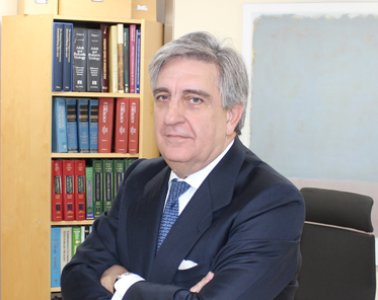
Antonio Allona
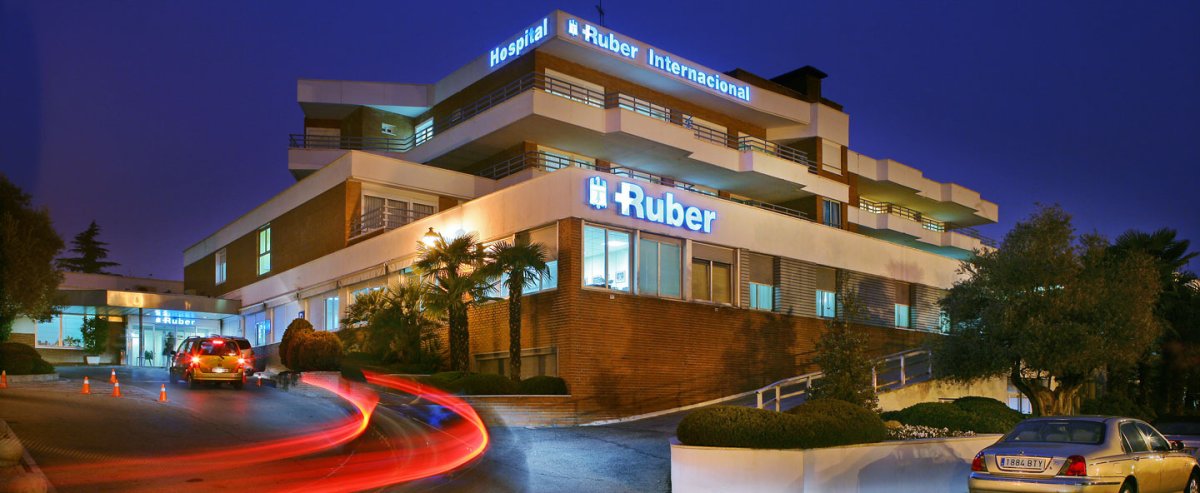
الدكتور أنطونيو ألّونا مدير وحدة المسالك البولية في مستشفى روبر إنترناسيونال (مدريد) منذ عام 1993. لديه أكثر من 40 عامًا من الخبرة في سرطان البروستاتا وجراحة المسالك البولية الترميمية وعلم الذكورة. اشتهر بالجراحات البولية المعقدة والعلاجات المتقدمة للسرطان.
المسيرة: رئيس قسم المسالك البولية وعلم الذكورة في روبر إنترناسيونال. استشاري أول للمسالك البولية في مستشفى رامون إي كاخال الجامعي (1981–2010). اختصاصي في مركز تيكنون الطبي.
المؤهلات: بكالوريوس طب وجراحة من جامعة غرناطة (1977)
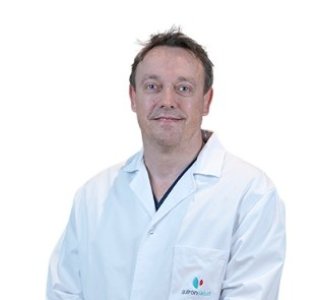
Sven Jorg Petry
الطبيب هو أخصائي مسالك بولية ذو خبرة عالية، ويشغل منصب رئيس قسم المسالك البولية في مستشفى كيرونسالود توريفاييجا منذ عام 2017. بفضل حصوله على شهادة الطب والتخصص من جامعة يوهانس جوتنبرج في ألمانيا، يتمتع الطبيب بخبرة سريرية واسعة تعود إلى عام 2007. تشمل خبرة الطبيب طب المسالك البولية الأورامي، وأمراض البروستاتا، وحالات المسالك البولية المعقدة.
ينصب تركيز رئيسي في ممارسة الطبيب على جراحة المسالك البولية الروبوتية، وتحديداً استخدام نظام دافنشي الجراحي لإجراءات سرطان البروستاتا. وقد ساهم الط
مشاركة المحتوى
قصص فيديو من مرضى Bookimed
 Anna Leonova
أسئلة متكررة حول علاج فقد النطاف في إسبانيا
هل يمكنني استخدام حيوانات منوية من متبرع في إسبانيا إذا لم يتم العثور على حيوانات منوية؟
يمكنك استخدام حيوانات منوية من متبرع في إسبانيا إذا أكد تحليل السائل المنوي أو خزعة الخصية وجود فقدان للنطاف (azoospermia). يسمح القانون الإسباني بالتبرع بالحيوانات المنوية لجميع الأفراد من خلال نظام مجهول الهوية تماماً. تختار العيادات مثل مستشفى كيرون برشلونة (Hospital Quiron Barcelona) المتبرعين بناءً على التوافق الجسدي والجيني مع الوالد غير البيولوجي.
- قانون السرية: ينص القانون الإسباني 14/2006 على أن تظل هوية المتبرع سرية ومجهولة تماماً.
- مطابقة المتبرعين: تختار الفرق الطبية المتبرعين الذين يتطابقون بشكل وثيق مع النمط الظاهري الجسدي للمتلقي.
- بروتوكولات الفحص: يخضع كل متبرع لاختبارات جسدية ونفسية وجينية مكثفة لضمان السلامة.
- خيارات العلاج: تشمل الخيارات التلقيح الاصطناعي بمتبرع (IUI) أو التلقيح الصناعي (IVF) باستخدام متبرع.
رؤية خبير Bookimed: بينما يبحث الكثيرون عن حيوانات منوية من متبرع على الفور، تقدم المراكز الإسبانية مثل Centro Médico Teknon أو Hospital Universitario HM Sanchinarro خبرة مسالك بولية متخصصة للحالات المعقدة. يركز أطباء مثل الدكتور جوزيب توريماد باريدا والدكتور خافيير روميرو أوتيرو على طب الذكورة والجراحة الترميمية. وغالباً ما يستخدمون تشخيصات متقدمة، مثل تصوير دوبلر الملون لكيس الصفن، لاستنفاد جميع الخيارات لاستخدام حيواناتك المنوية قبل التوصية بمتبرع.
إجماع المرضى: يشير المرضى إلى أن العيادات توفر انتقالاً سلساً إلى استخدام حيوانات منوية من متبرع في حال فشل الاستخراج الجراحي. يقدر الكثيرون أن
ما الفرق بين علاج فقد النطاف الانسدادي وغير الانسدادي؟
ينطوي فقد النطاف الانسدادي (OA) على انسداد مادي يمنع خروج الحيوانات المنوية. وغالباً ما يحل الجراحون هذا من خلال إعادة البناء المجهري. أما فقد النطاف غير الانسدادي (NOA) فينتج عن فشل الإنتاج في الخصيتين. يركز علاج NOA على تحديد واستخراج جيوب الحيوانات المنوية النادرة باستخدام مجاهر عالية الطاقة.
- هدف العلاج: يهدف OA إلى استعادة التدفق الطبيعي أو استرجاع حيوانات منوية عالية الجودة.
- النهج الجراحي: يتطلب NOA تقنية micro-TESE المتخصصة للعثور على الأنابيب المنتجة للحيوانات المنوية المعزولة.
- معدلات النجاح: تبلغ نسبة استرجاع الحيوانات المنوية في حالات OA حوالي 100% عن طريق الشفط البسيط.
- الإدارة الطبية: قد يعمل العلاج الهرموني على تحسين الإنتاج في حالات NOA قبل المحاولات الجراحية.
رؤية خبير Bookimed: تقدم المراكز الإسبانية مثل Centro Médico Teknon و Hospital Quiron Barcelona خيارات متقدمة تتجاوز تقنية micro-TESE القياسية. تظهر بياناتنا اتجاهاً نحو دمج العلاج المتقدم بالخلايا الجذعية للحالات الإنجابية المعقدة. غالباً ما يقود هذا النهج المتخصص أخصائيون بارزون مثل الدكتور جوزيب توريماد باريدا. هذا ذو قيمة خاصة للمرضى الذين لم تنجح معهم عمليات الاسترجاع التقليدية بعد.
إجماع المرضى: يؤكد المرضى على أهمية إجراء فحص هرموني كامل وموجات فوق صوتية قبل الجراحة للتمييز بين الانسداد وفشل الإنتاج. يشير الكثيرون إلى أن تجميد الحيوانات المنوية المسترجعة فوراً أمر حيوي لأن الاسترجاع في الحالات غير الانسدادية قد يكون غير متسق.
ما مدى نجاح علاجات فقد النطاف (azoospermia) في العيادات الإسبانية؟
تحقق العيادات الإسبانية معدلات نجاح في استرجاع الحيوانات المنوية تتراوح بين 70% إلى 95% لحالات فقد النطاف الانسدادي. أما بالنسبة للحالات غير الانسدادية، فإن التقنيات الجراحية المجهرية مثل Micro-TESE تحقق نجاحاً بنسبة 56% تقريباً. تستخدم المراكز الرائدة بروتوكولات متقدمة للخلايا الجذعية وأدوات جراحية روبوتية لتحسين التعافي والنتائج.
- تقنيات الاسترجاع: تقدم العيادات تقنيات TESE و Micro-TESE لتعظيم نتائج استخراج الحيوانات المنوية.
- مؤهلات الخبراء: يتمتع جراحون مثل الدكتور أنطونيو ألونا بخبرة تزيد عن 40 عاماً.
- التشخيص المتقدم: تشمل الإجراءات تصوير كيس الصفن بالدوبلر الملون وتحليل الملف الهرموني.
- معايير الاعتماد: تحمل المرافق الكبرى شهادات الجودة من اللجنة الدولية المشتركة (JCI) وشهادات الأيزو (ISO).
رؤية خبير Bookimed: تحتل إسبانيا المرتبة الخامسة عالمياً في الطلبات الطبية، مما يعكس زيادة هائلة في الثقة الدولية. تدير مراكز مثل Centro Médico Teknon 10,000 مريض سنوياً مع الحفاظ على معايير JCI. غالباً ما تدمج المستشفيات ذات الحجم الكبير الطب التجديدي، حيث تطبق بعض العيادات علاجات متخصصة بالخلايا الجذعية تُستخدم للرياضيين المحترفين.
إجماع المرضى: يؤكد المرضى على ضرورة إجراء فحوصات هرمونية قبل السفر للتمييز بين الأنواع الانسدادية وغير الانسدادية. يشير الكثيرون إلى أن وجود خطة احتياطية بمتبرع يساعد في إدارة التوقعات أثناء عملية التلقيح الصناعي (IVF).