فقد النطاف العلاج في بولندا - التكاليف 2026


تمت مراجعة المقالة طبيا من قبل
فهد مولود
ما هي تكلفة فقد النطاف إجراءات التشخيص والعلاج في بولندا؟ اعرف الآن
من $56. تعتمد النفقات الإجمالية على طريقة استخراج الحيوانات المنوية، وتقنيات العيادة، ورسوم المختبر. وغالباً ما يوفر المرضى ما بين 50 إلى 70% مقارنة بالأسعار في الولايات المتحدة أو المملكة المتحدة. تشمل أفضل المدن لهذا العلاج كاتوفيتسه، ووارسو، وغدانسك.
تكاليف علاج فقدان النطاف النموذجية في بولندا
- تحليل السائل المنوي: من $56
- استشارة طبيب مسالك بولية: من $90
- تحليل دم للملف الهرموني: من $55
- تحليل دم موسع: من $650
- العلاج بالخلايا الجذعية لفقدان النطاف: $4,500 – $7,800
رؤية خبراء Bookimed: بالنسبة للمرضى الذين يبحثون عن معدلات نجاح عالية، تُسجل عيادات INVICTA أفضل نتائج التلقيح الصناعي (IVF) في أوروبا. وتُعد عيادة Gyncentrum للخصوبة رائدة من حيث التكلفة المناسبة للحالات المعقدة، حيث توفر إمكانية الوصول إلى بنك حيوانات منوية دولي وتقنية Anevivo المتقدمة. يجب على المرضى الذين يحتاجون إلى خبرة جراحية متخصصة التفكير في المتخصصين في وارسو مثل دانيال ليشينسكي، وهو زميل المجلس الأوروبي للمسالك البولية (EBU).
| بولندا | تركيا | إسبانيا | |
|---|---|---|---|
| علاج انعدام النطاف بالخلايا الجذعية | ≈ $4,500 | ≈ $3,500 | ≈ $4,500 |
| إعادة وصل القناة الدافقة | ≈ $2,600 | من $4,800 | ≈ $3,800 |
مزاياك وضماناتك مع Bookimed
أسعار مباشرة
Bookimed لا يضيف رسوماً إضافية على أسعار علاج فقد النطاف. الأسعار مأخوذة من قوائم الأسعار الرسمية للعيادات. تدفع مباشرة في العيادة مقابل علاجك عند وصولك إلى البلد.
عيادات وأطباء معتمدون فقط
Bookimed ملتزم بسلامتك. نحن نعمل فقط مع المؤسسات الطبية التي تحافظ على معايير دولية عالية في علاج فقد النطاف ولديها التراخيص اللازمة لخدمة المرضى الدوليين في جميع أنحاء العالم.
مساعدة مجانية على مدار الساعة
Bookimed يقدم مساعدة خبراء مجانية. منسق طبي شخصي يدعمك قبل وأثناء وبعد العلاج، ويحل أي مشاكل. لن تكون وحيداً أبداً في رحلة علاج فقد النطاف.

منسقك الطبي الشخصي في Bookimed
- يدعمك في كل مرحلة
- المساعدة في اختيار العيادة الطبية المناسبة والطبيب المناسب
- يضمن الوصول السريع والمريح إلى المعلومات
اكتشف أفضل فقد النطاف العيادات في بولندا: 4 خيارات معتمدة والأسعار




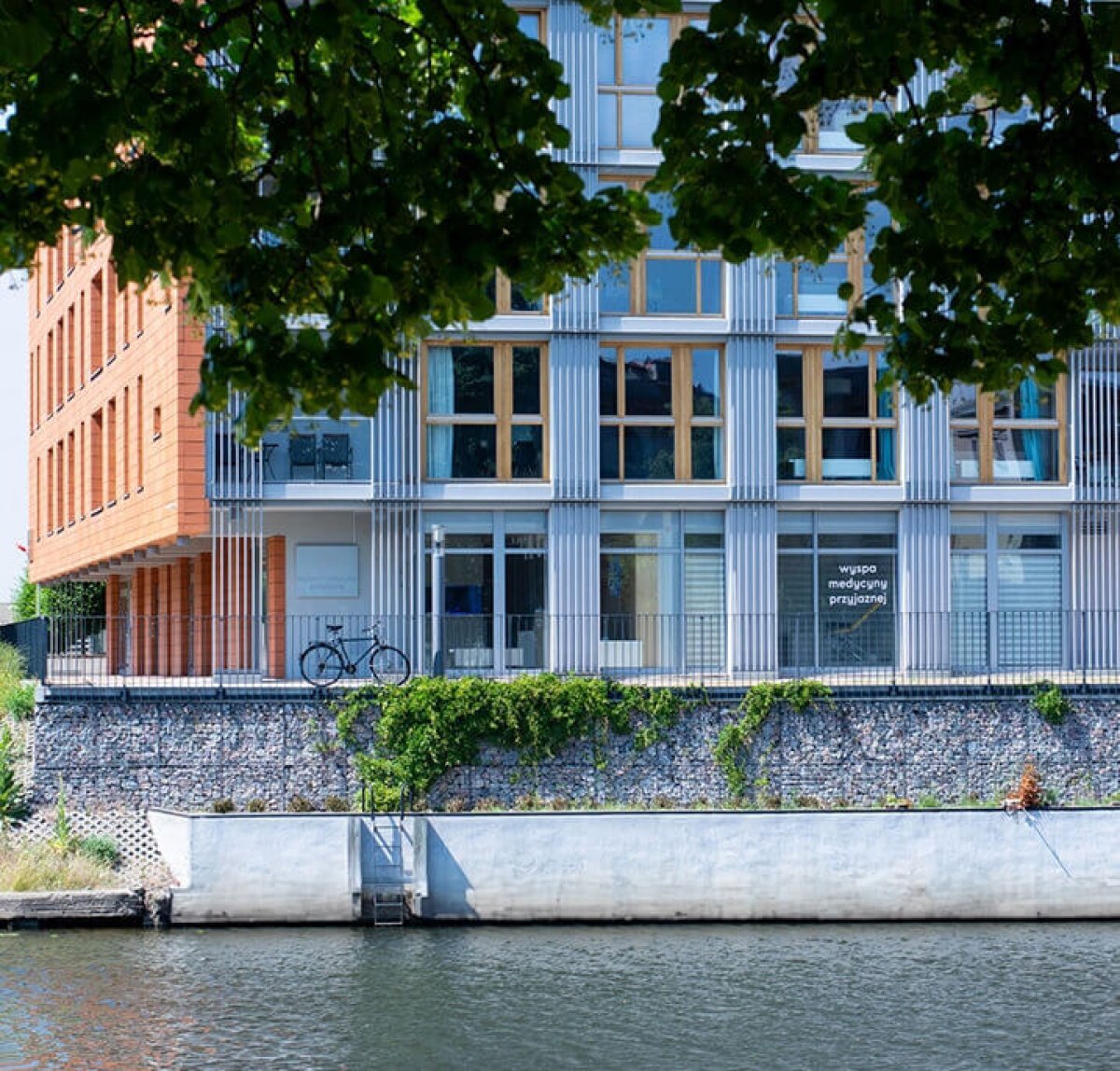
Wyspa Medycyny Przyjaznej Clinic


INVICTA Clinics
احصلوا على تقييم طبي لـ فقد النطاف في بولندا: استشيروا أطباء ذوي خبرة الآن
عرض جميع الأطباء
Daniel Leszczynski
يتخصص الدكتور دانيال ليشينسكي في طب المسالك البولية مع التركيز على صحة الجهاز التناسلي الذكري، مدعومًا بعقود من الخبرة في جامعة وارسو الطبية.
- حاصل على زمالة المجلس الأوروبي للمسالك البولية
- خبرة واسعة في جراحات المسالك البولية بالمنظار
- عضو في الجمعية البولندية المرموقة للمسالك البولية
- يجري إجراءات معقدة مثل جراحة دوالي الخصية
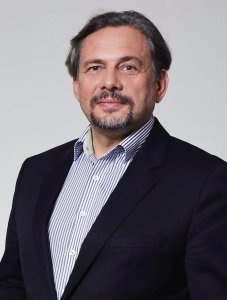
Artur Antoniewicz
الدكتور Artur A. Antoniewicz، MD، PhD، أخصائي مسالك بولية بخبرة تزيد على 20 عامًا. ترأس قسم المسالك البولية في مستشفى مييندزيليسكي التخصصي في وارسو لمدة 7 سنوات. ويعمل في المستشفى منذ أكثر من 20 عامًا. ومنذ 2018 يجري عمليات بمساعدة الروبوت في مركز علاج سرطان البروستاتا.
تخرّج في كلية الطب الأولى بجامعة وارسو الطبية. وهو اختصاصي في المسالك البولية والجراحة العامة (1992). عمل في المستشفى السريري الحكومي رقم 1 في وارسو، وقسم المسالك البولية بجامعة وارسو الطبية، ومستشفى السكك الحديدية في و
المراجعات
جميع المراجعاتمشاركة المحتوى
قصص فيديو من مرضى Bookimed
 Anna Leonova
أسئلة متكررة حول علاج فقد النطاف في بولندا
ما هي خيارات العلاج الأساسية لمرض فقد النطاف (azoospermia) المتاحة في العيادات البولندية؟
تقدم العيادات البولندية علاجات متخصصة لفقد النطاف بما في ذلك استرجاع الحيوانات المنوية بالجراحة المجهرية والتحفيز الهرموني. تعد الخيارات الجراحية مثل micro-TESE و TESA معيارية للحالات الانسدادية وغير الانسدادية. كما توفر مراكز مثل Gyncentrum حلولاً مبتكرة مثل العلاج بالخلايا الجذعية وتخصيب Anevivo لتحسين معدلات النجاح.
- الاسترجاع الجراحي: تستخدم micro-TESE المجاهر للعثور على الحيوانات المنوية في الحالات غير الانسدادية.
- التخصيب المتقدم: يستخدم Gyncentrum تقنية Anevivo للتخصيب داخل البيئة الطبيعية.
- تقنيات متخصصة: تقوم PESA و MESA باسترجاع الحيوانات المنوية مباشرة من البربخ.
- خيارات بديلة: توفر العيادات إمكانية الوصول إلى بنوك الحيوانات المنوية الدولية في حال فشل الاسترجاع.
رؤية خبير Bookimed: بينما تتعامل عيادات INVICTA مع حوالي 10,000 مريض سنوياً، تركز المراكز الأصغر مثل Gyncentrum على التميز المتخصص. كانت هذه العيادة الأولى في بولندا التي تطبق تقنية Anevivo. يعكس هذا توجهاً حيث تعطي المراكز البولندية الأولوية للابتكارات التكنولوجية المحددة على حساب الحجم الهائل.
إجماع المرضى: يؤكد المرضى على أهمية إجراء الفحوصات الجينية والهرمونية قبل السفر إلى بولندا. ويشيرون إلى أن المهارة الجراحية لـ micro-TESE غالباً ما تضاهي معايير أوروبا الغربية بقيمة أفضل.
ما هي العيادات في بولندا المعترف بها لرعاية حالات فقد النطاف (azoospermia) المتخصصة؟
تعد عيادة Gyncentrum للخصوبة وعيادات INVICTA مراكز بولندية رائدة في رعاية حالات فقد النطاف المتخصصة. وهي توفر جراحات micro-TESE المتقدمة والتشخيص الجيني. تحمل هذه المرافق شهادات الأيزو (ISO). يقوم أطباء مسالك بولية خبراء مثل الدكتور دانيال ليشينسكي بإجراءات متخصصة لاستخراج الحيوانات المنوية للحالات المعقدة.
- التقنيات المتاحة: تستخدم Gyncentrum تقنية Anevivo للإخصاب في بيئات طبيعية.
- طرق التشخيص: تقدم العيادات الموجات فوق الصوتية عبر المستقيم (TRUS)، وتحديد النمط النووي، واختبارات الجينات CFTR للتشخيص.
- عدد المرضى: تدير عيادات INVICTA حوالي 10,000 مريض سنويًا عبر العديد من المدن البولندية.
- الدقة الجراحية: يقوم المتخصصون بإجراء micro-TESE و TESA للحالات الانسدادية وغير الانسدادية.
رؤية خبراء Bookimed: تكشف البيانات أن Gyncentrum هو مركز عالي الأداء للعقم المعقد. يخدم 1,200 مريض سنويًا مع 20 طبيبًا متخصصًا. في حين تقدم العديد من العيادات التلقيح الصناعي القياسي، تتميز Gyncentrum بدمج تقنية Anevivo. يسمح هذا النهج بحدوث الإخصاب داخل البيئة الطبيعية بدلاً من طبق المختبر.
إجماع المرضى: غالبًا ما يوصي المرضى بالبدء بالعيادات الخاصة لتجنب قوائم الانتظار العامة التي تصل إلى 6 أشهر. يشير الكثيرون إلى أن التنسيق المتخصص ضروري لنجاح استخراج الحيوانات المنوية في الحالات المعقدة غير الانسدادية.
ما هي النقاط الرئيسية التي يجب أن أوضحها خلال استشارتي الأولى؟
وضح تشخيصك المحدد، وطرق استخراج الحيوانات المنوية جراحياً، وبروتوكولات المختبر الشاملة خلال استشارتك الأولى لعلاج فقدان النطاف (azoospermia) في بولندا. تحقق من خبرة العيادة في تقنية microTESE. تأكد مما إذا كان الجراحون مثل الدكتور دانييل ليشينسكي يحملون مؤهلات زميل المجلس الأوروبي للمسالك البولية (FEBU). اطلب تفصيلاً كاملاً لتكاليف جميع التشخيصات ورعاية المتابعة.
- طرق التشخيص: تأكد مما إذا كنت بحاجة إلى تصوير بالموجات فوق الصوتية عبر المستقيم أو تصوير دوبلر بالموجات فوق الصوتية لكيس الصفن.
- تقنيات الاستخراج: اسأل الجراح عما إذا كان يجري تقنية microTESE أو TESE التقليدية.
- لوجستيات الحيوانات المنوية: استفسر عن تكاليف تجميد الحيوانات المنوية ومستويات خبرة أخصائيي الأجنة في المختبر.
- معدلات النجاح: اطلب معدلات الولادة الحية الخاصة بالعيادة لدورات الحقن المجهري (ICSI) بعد الاستخراج الجراحي.
رؤية خبير Bookimed: تقدم بولندا خيارات خلوية متقدمة مثل العلاج بالخلايا الجذعية لعلاج فقدان النطاف، والتي قد تتراوح تكلفتها بين 8500 دولار و13000 دولار. بينما تركز العديد من المراكز الأوروبية فقط على الاستخراج الجراحي، تتخصص عيادات مثل عيادة Gyncentrum للخصوبة في تقنيات فريدة مثل Anevivo. يسمح هذا بالإخصاب في بيئة طبيعية بدلاً من طبق المختبر. غالباً ما يضمن اختيار عيادة تضم أكثر من 1200 مريض سنوياً الوصول إلى علاجات متخصصة أكثر تنوعاً تتجاوز التلقيح الصناعي القياسي.
إجماع المرضى: يؤكد المرضى على ضرورة مناقشة خطة بديلة، مثل استخدام حيو
لماذا يختار المرضى الدوليون بولندا لعلاج فقد النطاف (azoospermia)؟
يختار المرضى الدوليون بولندا لعلاج فقد النطاف بسبب معدلات النجاح العالية وتقنيات استرجاع الحيوانات المنوية المجهرية المتقدمة. تستخدم العيادات الرائدة تقنية التلقيح الطبيعي Anevivo وإجراءات micro-TESE. يتبع الأخصائيون البولنديون إرشادات الجمعية الأوروبية لجراحة المسالك البولية (EAU) الصارمة داخل مرافق معتمدة من ISO وخاضعة لتفتيش TÜV.
- تقنيات متخصصة: تقدم العيادات إجراءات micro-TESE وتلقيح Anevivo لتحسين فرص نجاح الحمل.
- شهادات الخبراء: جراحون مثل الدكتور دانييل ليشينسكي هم أعضاء في المجلس الأوروبي لجراحة المسالك البولية.
- معايير الجودة: تحافظ المرافق على شهادات ISO وTÜV مما يضمن بروتوكولات سلامة ونظافة فائقة.
- حجم العلاج: تخدم شبكات كبيرة مثل INVICTA أكثر من 10,000 مريض سنوياً بنجاح كبير.
رؤية خبير Bookimed: بينما تتخصص العديد من البلدان في التلقيح الصناعي (IVF) بشكل عام، تركز العيادات البولندية مثل Gyncentrum Fertility Clinic على العوامل الذكورية المعقدة. فهي تدمج بنكاً دولياً للحيوانات المنوية والبويضات مباشرة في الموقع. وهذا يقلل بشكل كبير من أوقات الانتظار للمرضى الذين ينتقلون من استرجاع الحيوانات المنوية إلى خيارات الدعم بالمتبرعين خلال زيارة واحدة.
إجماع المرضى: يشير المرضى إلى أن معايير المختبرات في الاتحاد الأوروبي موثوقة للغاية مقارنة بالمناطق الأخرى. يؤكد الكثيرون على أهمية الحصول على استشارة افتراضية أولاً لتأكيد نوع فقد النطاف المحدد قبل السفر.
ما مدى جودة جراحة الأعصاب في بولندا؟
تُقدم جراحة الأعصاب في بولندا رعاية عالية الجودة في مرافق معتمدة من قبل اللجنة الدولية المشتركة (JCI) والمنظمة الدولية للمعايير (ISO). يلتزم جراحو الأعصاب البولنديون بمعايير تدريب صارمة معتمدة من قبل الاتحاد الأوروبي. وقد أكمل العديد منهم زمالات في الولايات المتحدة أو ألمانيا. وتتوفر التقنيات المتقدمة، مثل جهاز سايبر نايف وجهاز جاما نايف والأنظمة الروبوتية، على نطاق واسع في المراكز الخاصة.
- المؤهلات التخصصية: غالباً ما يكون الأطباء أعضاء في الرابطة الأوروبية لجمعيات جراحة الأعصاب.
- التقنيات المتقدمة: تستخدم العيادات أنظمة CyberKnife والموجات فوق الصوتية المركزة الموجهة بالرنين المغناطيسي لعلاج الدماغ غير الجراحي.
- الحجم السريري: تعالج المراكز الرائدة مثل مستشفى الجامعة في كراكوف أكثر من 455000 مريض سنوياً.
- جراحون ذوو خبرة: أجرى الدكتور ماسيج بوجكو من مستشفى كارولينا أكثر من 2500 عملية جراحية بمفرده.
رأي خبراء بوكيمد: تُظهر البيانات وجود علاقة وثيقة بين تخصص العيادة وأصول مرضاها. تعالج عيادة KCM أكثر من 700 مريض دولي سنويًا، وهي متخصصة في جراحة العمود الفقري طفيفة التوغل. يُمكّنها هذا الحجم من العمل من تقديم باقات خدمات متخصصة، تشمل غالبًا حواجز تشخيصية وزرعات محددة،
ما هي مؤهلات جراحي الأعصاب البولنديين؟
يُعدّ جراحو الأعصاب البولنديون متخصصين ذوي كفاءة عالية، إذ أتموا ما لا يقل عن 13 عامًا من التدريب الطبي المكثف. يشمل ذلك ست سنوات من الدراسة في كلية الطب، و13 شهرًا من التدريب العملي، وست سنوات من الإقامة. ويجب عليهم اجتياز امتحان التخصص الحكومي (PES)، وغالبًا ما يحصلون على شهادة من الجمعية الأوروبية لجمعيات جراحة الأعصاب (EANS).
- التعليم: يتلقى الأطباء تعليمهم الطبي (الطب) بعد 6 سنوات من الدراسة في الجامعة.
- التخصص: تشمل الإقامة 6 سنوات من التدريب المعياري في جراحة الأعصاب السريرية وعلم الأشعة العصبية.
- حجم العمليات الجراحية: غالبًا ما يقوم الأطباء المقيمون بإجراء أكثر من 1000 عملية جراحية، وهو ما يتجاوز متوسط حجم التدريب في المناطق الأخرى.
- الشهادات: العديد من المتخصصين أعضاء في منظمة AO Spine أو الجمعية البولندية لجراحة العمود الفقري.
رأي خبراء بوكيميد: تشير البيانات إلى أن جراحي الأعصاب البولنديين غالبًا ما يتخصصون في تقنيات بالغة التخصص، مثل نظام ApiFix أو نظام SED-YESS لتنظير الفقرات القطنية. ويجمع أخصائيون مثل الدكتور ستانيسواف كويك من عيادة KCM بين أبحاث ما بعد الدكتوراه والممارسة الجراحية النشطة. هذا المزيج من المعرفة الأكاديمية المتعمقة والخبرة الجراحية الوا
ما هي أفضل عيادات جراحة الأعصاب في بولندا؟
من بين أفضل عيادات جراحة الأعصاب في بولندا مستشفى كارولينا، وعيادة KCM، ومراكز أكاديمية رائدة مثل مستشفى جامعة كراكوف. تقدم هذه المؤسسات علاجات متطورة لأمراض العمود الفقري والدماغ، مطابقة لمعايير الجودة ISO، وتضم أخصائيين أعضاء في منظمات دولية مثل AO Spine.
- مستشفى كارولينا: مركز التميز الطبي التابع للفيفا، والمتخصص في جراحات العمود الفقري المعقدة ذات التدخل الجراحي المحدود.
- عيادة KCM: معترف بها دوليًا لجودة إجراءات تنظير العمود الفقري، وتخدم أكثر من 700 مريض دولي سنويًا.
- مستشفى جامعة كراكوف: مركز متعدد التخصصات كبير يقوم بإجراء أكثر من 800 عملية جراحية عصبية سنوياً منذ عام 1788.
- لوكسميد: مركز طبي خاص مرموق في وارسو متخصص في جراحة العمود الفقري المتقدمة للمرضى الدوليين.
رأي خبراء بوكيمد: بينما يتجه الكثيرون إلى أكبر المستشفيات، تُظهر البيانات أن عيادات مثل مستشفى كارولينا تُقدم كفاءة أعلى في العمليات الجراحية الاختيارية. فمع وجود أكثر من 40 طبيباً متخصصاً في هذه المنشأة التي تضم 30 سريراً، تكون نسبة الأطباء إلى المرضى أعلى بكثير مما هي عليه في المراكز الجامعية الحكومية. وهذا يعني رعاية ما بعد الجراحة أكثر عناية، وجدولة أسرع بكثير لإجراءات مثل علاج الانزلاق الغضروفي
ما هي أكثر العمليات الجراحية العصبية شيوعاً في بولندا؟
في بولندا، يركز طب جراحة الأعصاب بشكل أساسي على جراحات العمود الفقري واستئصال أورام الدماغ. وتُجري المستشفيات بشكل متكرر عمليات استئصال القرص المجهرية، ودمج الفقرات، وتحفيز الدماغ العميق. وتستخدم مراكز مثل مستشفى كارولينا وعيادة كي سي إم تقنيات طفيفة التوغل لعلاج الانزلاق الغضروفي، وإصابات العمود الفقري، والاضطرابات العصبية المعقدة.
- جراحة العمود الفقري: يعتبر استئصال القرص واستئصال الصفيحة الفقرية من العلاجات الشائعة لانزلاق القرص.
- علم الأورام العصبية: يقوم الأخصائيون بإجراء عمليات جراحية لإزالة أورام الدماغ باستخدام معدات حديثة مثل تقنية سايبر نايف.
- جراحة الأعصاب الوظيفية: يستخدم التحفيز العميق للدماغ (DBS) على نطاق واسع لعلاج اضطرابات الحركة.
- التقنيات طفيفة التوغل: يستخدم الجراحون تقنيات التنظير الداخلي لتخفيف الضغط عن العمود الفقري وعلاج أورام الغدة النخامية.
رأي خبراء بوكيميد: أصبحت بولندا مركزًا متخصصًا في تثبيت العمود الفقري. تتعاون عيادات مثل مستشفى كارولينا مع الفرق الرياضية الوطنية، مما يعكس خبرتها العالية في علاج إصابات العمود الفقري المعقدة. تُظهر بياناتنا أن هذه المؤسسات غالبًا ما تُدمج إعادة التأهيل مباشرةً في العلاج الجراحي. هذا الدمج يقلل من خطر الم
هل تتوفر خدمات إعادة التأهيل العصبي؟
تتوفر خدمات إعادة التأهيل العصبي على نطاق واسع في بولندا من خلال مراكز متخصصة ومستشفيات متعددة التخصصات. وتشمل هذه البرامج التعافي بعد السكتة الدماغية، وإصابات الحبل الشوكي، والأمراض التنكسية. وتقدم مؤسسات مثل مستشفى كارولينا في وارسو وعيادة KCM علاجًا تحت إشراف طبي. وتتضمن معظم برامج جراحة الأعصاب تقييمًا أوليًا لإعادة التأهيل بعد العملية.
- العلاجات المتاحة: تشمل البرامج العلاج الطبيعي العصبي، والعلاج الوظيفي، وعلاج النطق.
- المؤسسات الرائدة: يقدم مستشفى كارولينا والمركز الطبي ENEL-MED في وارسو خدمات إعادة التأهيل.
- طاقم مؤهل: يعمل أخصائيو العلاج الطبيعي العصبي المتخصصون مع جراحي الأعصاب لوضع خطط علاج فردية.
- النطاق: تهدف إعادة التأهيل إلى استعادة الحركة والتوازن والوظائف الإدراكية بعد التدخلات الجراحية المعقدة.
رأي خبراء بوكيمد: تشير البيانات إلى أن العيادات التي تستقبل أعدادًا كبيرة من المرضى الدوليين، مثل عيادة KCM، غالبًا ما تُدرج إعادة التأهيل الأساسية ضمن برامجها الجراحية. تُعد هذه ميزة هامة، إذ قد يكون تنسيق إعادة التأهيل العصبي بشكل مستقل في بولندا أمرًا صعبًا. يضمن اختيار عيادة تضم أخصائي إعادة تأهيل متواجدًا فيها بدء التعافي في غضون 24 ساعة بعد الجراحة، وهو
من هم أفضل جراحي الأعصاب في بولندا؟
من أبرز جراحي الأعصاب البولنديين الدكتور يوري كسينيوك والدكتور ماتشي بويكو من مستشفى كارولينسكا في وارسو. يتخصص هذان الطبيبان في جراحة العمود الفقري طفيفة التوغل وتقنيات التنظير الداخلي. وهما حاصلان على شهادات دولية وعضوان في الجمعية البولندية لجراحة العمود الفقري ومنظمة يوروسباين.
- الدكتور يوري كسينيوك: خبير في جراحة العمود الفقري بالمنظار في مستشفى كارولينا. حائز على جائزة مسابقة فيكسيم الدولية مرتين.
- الدكتور ماتشي بوجكو: مدرب دولي في مجال التنظير الداخلي في مستشفى كارولينا. وقد أجرى أكثر من 2500 عملية جراحية، بما في ذلك استئصال أورام الدماغ.
- الأستاذ ستانيسلاف كفيك: أخصائي في عيادة KCM. يتمتع بخبرة تزيد عن 30 عامًا في مجال تخفيف الضغط بالليزر الحديث.
- الدكتور رادوسلاف ميشاليك: أخصائي في زراعة الأقراص الاصطناعية وأورام العمود الفقري في مستشفى كارولينا.
رأي خبراء بوكيمد: تُظهر البيانات وجود تركيز عالٍ من الأخصائيين ذوي الكفاءة العالية في وارسو. فمستشفى كارولينا وحده يوظف أكثر من 40 أخصائيًا حاصلين على شهادات مزدوجة في جراحة الأعصاب وجراحة العظام. هذا النهج متعدد التخصصات نادر، ويتيح علاجًا أكثر دقة للحالات المعقدة التي تشمل الأعصاب والعظام معًا.