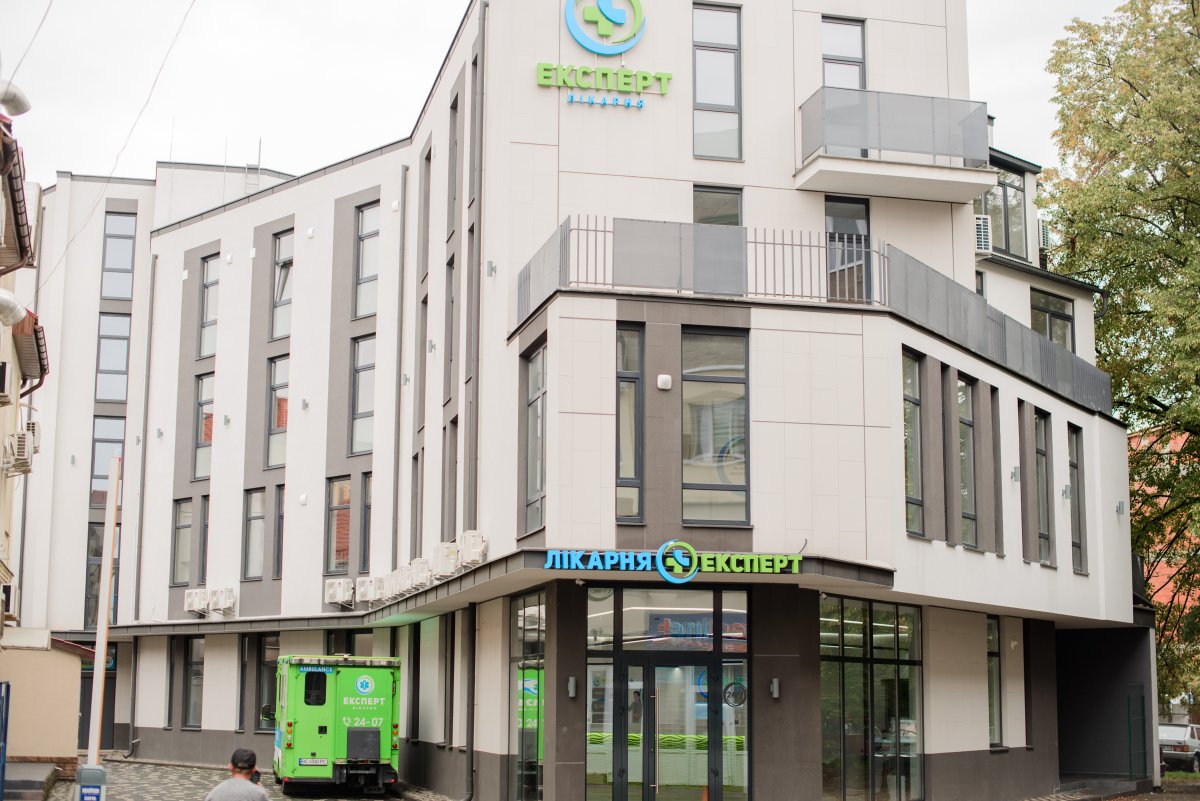
Expert Clinic
أوكرانيا, أوجهورود


تمت مراجعة المقالة طبيا من قبل
فهد مولود
تبدأ تكلفة علاج فقدان النطاف (Azoospermia) في أوكرانيا عادةً بالتشخيصات الأساسية مثل فحص الدم للملف الهرموني، والذي يتراوح سعره من $60 إلى $120. أما الاستخراج الجراحي أو الخيارات التجديدية مثل العلاج بالخلايا الجذعية لفقدان النطاف فتتراوح تكلفتها من $4,500 إلى $8,500. تعتمد النفقات على السبب المحدد للعقم، والإجراءات المطلوبة، وبروتوكولات الأدوية. وغالباً ما يحقق المرضى وفورات تتراوح بين 50-70% مقارنة بالولايات المتحدة. وتعد كييف وأوزهورود المراكز الرئيسية لهذه العلاجات.
تكاليف علاج فقدان النطاف النموذجية في أوكرانيا
رؤية خبراء Bookimed: بالنسبة للحالات غير الانسدادية، توفر مراكز متعددة التخصصات مثل Expert Clinic في أوزهورود بروتوكولات مبتكرة للخلايا الجذعية. يجب على المرضى الذين يحتاجون إلى فحص جيني متقدم التفكير في المرافق ذات الكثافة العالية في كييف مثل مركز ADONIS للخصوبة. تدمج هذه المراكز مختبرات خلوية وراثية داخلية للحصول على نتائج أسرع. يقدم كبار أطباء المسالك البولية مثل الدكتور ألكسندر ستاخوفسكي رعاية متخصصة ضمن شبكات طبية كبيرة مثل Dobrobut. إن اختيار المراكز ذات الأعداد الكبيرة من المرضى يضمن وصولاً أفضل إلى تقنيات استرجاع الحيوانات المنوية الحديثة.
| أوكرانيا | تركيا | إسبانيا | |
|---|---|---|---|
| علاج انعدام النطاف بالخلايا الجذعية | ≈ $4,500 | ≈ $3,500 | ≈ $4,500 |
| إعادة وصل القناة الدافقة | ≈ $1,500 | من $4,800 | ≈ $3,800 |
Bookimed لا يضيف رسوماً إضافية على أسعار علاج فقد النطاف. الأسعار مأخوذة من قوائم الأسعار الرسمية للعيادات. تدفع مباشرة في العيادة مقابل علاجك عند وصولك إلى البلد.
Bookimed ملتزم بسلامتك. نحن نعمل فقط مع المؤسسات الطبية التي تحافظ على معايير دولية عالية في علاج فقد النطاف ولديها التراخيص اللازمة لخدمة المرضى الدوليين في جميع أنحاء العالم.
Bookimed يقدم مساعدة خبراء مجانية. منسق طبي شخصي يدعمك قبل وأثناء وبعد العلاج، ويحل أي مشاكل. لن تكون وحيداً أبداً في رحلة علاج فقد النطاف.


يتخصص الدكتور بوجدان في العمليات الجراحية المسالك البولية المتقدمة، بما في ذلك علاجات الليزر لحالات البروستاتا والمثانة في مركز ديفو للجراحة.

باحث أول في المعهد الوطني للسرطان في أوكرانيا – الدكتور ستاخوفسكي متخصص في طب الأورام المسالك البولية مع التركيز على الإجراءات الترميمية.
 Anna Leonova
يميز المتخصصون الأوكرانيون بين فقد النطاف الانسدادي وغير الانسدادي من خلال لوحات الهرمونات، والموجات فوق الصوتية للصفن، والفحوصات البدنية. غالبًا ما تشير المستويات العالية للهرمون المنشط للحوصلة (FSH) إلى فشل في الإنتاج. تشير الهرمونات الطبيعية مع وجود انسدادات جسدية إلى وجود انسداد. تستخدم العيادات المتخصصة في كييف وأوزهورود هذه المؤشرات لتحديد ما إذا كان استخراج الحيوانات المنوية جراحيًا ضروريًا.
رؤية خبير Bookimed: تُظهر البيانات من المراكز الأوكرانية الرائدة مثل ADONIS وExpert Clinic حجمًا كبيرًا من مرضى المسالك البولية، يتجاوز 15000 سنويًا في بعض المواقع. أحد الاتجاهات الرئيسية هو توفر العلاج بالخلايا الجذعية لفقد النطاف، وهو خيار نادرًا ما يوجد في البروتوكولات القياسية. يشير هذا إلى أن هذه العيادات تتعامل مع حالات معقدة حيث قد يفشل استخراج الحيوانات المنوية التقليدي.
إجماع المرضى: يشير المرضى إلى أن الح
تعد تقنيات Micro-TESE و MESA التقنيات المجهرية الأساسية المستخدمة لاسترجاع الحيوانات المنوية من الجهاز التناسلي. للحصول على خيارات أقل توغلاً، يقوم الأطباء بإجراءات الشفط مثل TESA أو PESA أو NAB. تسمح هذه الطرق للمتخصصين بجمع حيوانات منوية قابلة للحياة خصيصاً لبروتوكولات الحقن المجهري (ICSI) عندما لا يحتوي السائل المنوي على حيوانات منوية.
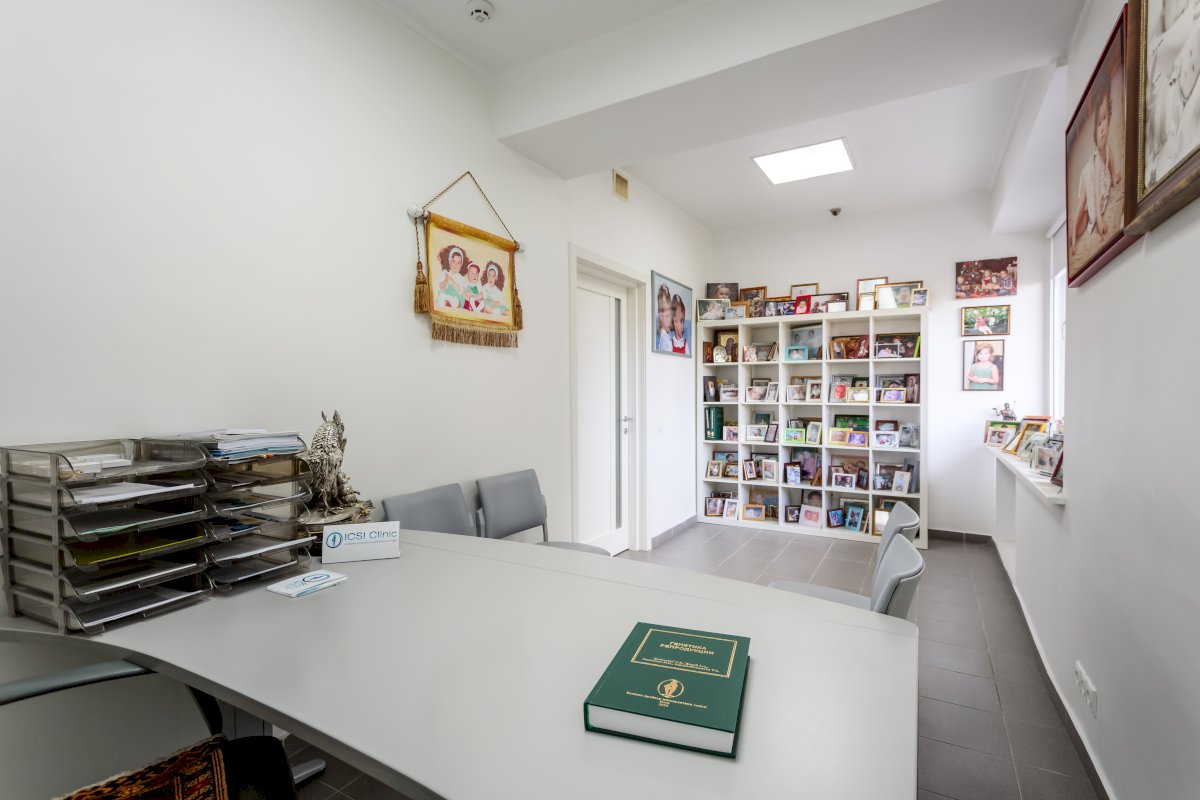
رؤية خبير Bookimed: تمتلك مراكز الخصوبة الأوكرانية مثل ICSI Clinic و ADONIS شهادات ISO، وهي حيوية لاسترجاع الحيوانات المنوية. تظهر بياناتنا أن نجاح الاسترجاع يعتمد على مختبر الأجنة بقدر ما يعتمد على الجراح. في كييف، تدمج العيادات المتخصصة أطباء المسالك البولية وعلماء الأجنة في فريق واحد لضمان المعالجة الفورية للعينات المسترجعة. هذا التنسيق أمر بالغ الأهمية لأن الحيوانات المنوية المسترجعة عبر TESA أو Micro-TESE غالباً ما تتطلب تعاملاً خبيراً لنجاح إخصاب الحقن المجهري.
إجماع المرضى: يشير المرضى إلى أن TESA هي نقطة البداية الأقل توغلاً. يؤكد الكثيرون أن العثور على متخصص في الخصوبة أكثر أهمية من اختيار طبيب مسالك
تصل معدلات نجاح استرجاع الحيوانات المنوية في أوكرانيا إلى ما يقرب من 100% لحالات فقد النطاف الانسدادي. بالنسبة لمشاكل الإنتاج غير الانسدادية، توفر تقنية Micro-TESE نجاحاً بنسبة 40% إلى 60%. تفيد معظم العيادات الأوكرانية أن تقنية TESE التقليدية تجد حيوانات منوية قابلة للاستخدام لدى 20% إلى 45% من المرضى. تعتمد النتائج بشكل كبير على عوامل وراثية محددة.
رؤية خبير Bookimed: بينما يبحث الكثيرون عن أعلى معدل استرجاع، غالباً ما يحدد الحجم النجاح المختبري الفعلي. يخدم مركز ADONIS للخصوبة وعيادة ICSI ما يقرب من 10,000 مريض مجتمعين سنوياً. يسمح هذا الحجم الكبير لمختبراتهم الوراثية الخلوية بتحسين عمليات الاختيار. تُظهر البيانات أن العيادات التي تمتلك مختبرات داخلية، مثل مجموعة ADONIS الطبية، توفر تنسيقاً أفضل لدورات الحقن المجهري (ICSI) الطازجة.
إجماع المرضى: يؤكد المرضى أن النجاح لا يتعلق فقط بالعثور على حيوانات منوية، بل بالعثور على عينات قابلة للحياة تكفي لإجراء الحقن المجهري الطازج في نفس اليوم. يلاحظ الكثيرون أن التجميد يمكن أن يؤثر بشكل كبير عل
يمكن للعلاج الطبي علاج فقد النطاف بدون جراحة في الحالات التي تسبب فيها الاختلالات الهرمونية أو الالتهابات الكامنة هذه الحالة. تعمل البروتوكولات المتخصصة التي تستخدم حقن موجهة الغدد التناسلية المشيمية البشرية (hCG) أو الهرمون المنشط للحوصلة (FSH) على استعادة إنتاج الحيوانات المنوية بفعالية. هذا النهج هو الأكثر نجاحاً في حالات قصور الغدد التناسلية الناتج عن قصور الغدد التناسلية.
رؤية خبير Bookimed: تتميز أوكرانيا بتركيز عالٍ من خبراء الخصوبة المتخصصين ضمن شبكات متعددة التخصصات. على سبيل المثال، تخدم شبكة Dobrobut الطبية 330,000 مريض سنوياً عبر 75 فرعاً. يسمح هذا الحجم السريري الكبير لأطباء المسالك البولية مثل الدكتور بويكو سيرجي في Expert Clinic بتحسين البروتوكولات غير الجراحية. غالباً ما يجمع هؤلاء المتخصصون بين العلاج الهرموني القياسي ونهج الخلايا الجذعية التجديدية لتحسين النتائج.
إجماع المرضى: يشير المرضى إلى أن تحديد ما إذا كان فقد النطاف انسدادياً أو غير انسدادي عبر اختبارات FSH و LH
تسمح أوكرانيا قانونيًا بالتلقيح الصناعي باستخدام حيوانات منوية من متبرع أو مستخرجة جراحيًا بموجب قانون الأسرة وأمر وزارة الصحة رقم 787. تتمتع النساء البالغات بحق إنجابي في هذه الإجراءات بغض النظر عن الحالة الاجتماعية. تضمن القوانين سرية هوية المتبرع. يمكن للرجال الوصول قانونيًا إلى استخراج الحيوانات المنوية جراحيًا لعلاج فقد النطاف (azoospermia).
رؤية خبراء Bookimed: تظل أوكرانيا وجهة عالمية رائدة لعلاج فقد النطاف لأن الإصلاحات القانونية في عام 2021 عززت حقوق النساء العازبات. في حين تخدم شبكات كبيرة مثل Dobrobut Medical Network وADONIS آلاف المرضى، غالبًا ما تحمل المراكز المتخصصة الأصغر مثل ICSI Clinic شهادات ISO خصيصًا لمعايير السلامة الإنجابية. يسمح هذا الاستقرار القانوني للعيادات بالحفاظ على بنوك التجميد حتى خلال فترات عدم الاستقرار الإقليمي.
إجماع المرضى: يقدر المرضى كيف يسمح القانون الأوكراني للنساء العازبات بالوصول إلى الحيوانات المنوية للمتبرعين بشكل قانوني. يوصي الكثيرون باختبار خيارات استخراج الحيوانات المنوية جراحيًا أولاً مع الاحتفاظ
يتطلب علاج فقدان النطاف (azoospermia) في أوكرانيا عادةً إقامة تتراوح من 7 إلى 14 يوماً لاستخراج الحيوانات المنوية جراحياً. يعود المرضى عادةً إلى ممارسة الأنشطة اليومية الخفيفة في غضون أسبوع إلى 3 أسابيع. يستغرق التعافي الكامل للتمارين الشاقة أو رفع الأثقال عموماً من 4 إلى 6 أسابيع بعد الإجراءات الجراحية المجهرية.
رؤية خبير Bookimed: تتميز أوكرانيا بمراكز متخصصة للغاية مثل عيادة ICSI التي تركز حصرياً على الحقن المجهري للحيوانات المنوية. في حين تدير شبكات متعددة التخصصات مثل Dobrobut أكثر من 330,000 مريض سنوياً، توفر عيادات الخصوبة المتخصصة تنسيقاً أكثر مباشرة بين جراحي المسالك البولية وعلماء الأجنة. يعد هذا التعاون الوثيق أمراً حيوياً للمعالجة الفورية للحيوانات المنوية، مما يحسن بشكل كبير من فرص نجاح الإخصاب بعد الاستخراج.
إجماع المرضى: يؤكد المرضى على ضرورة التخطيط لفترة راحة تتراوح من أسبوع إلى أسبوعين بعد الجراحة للتعافي. ويشيرون إلى أن تتبع مستويات الهرمونات بعد شهر من الإجر
تحافظ مراكز الخصوبة الأوكرانية على سلامة العلاج من خلال بنية تحتية معززة وبروتوكولات متخصصة لعلاجات فقد النطاف (azoospermia). تدمج العيادات الرائدة في كييف وأوزهورود مولدات طاقة مقاومة لانقطاع التيار الكهربائي ومرافق تحت الأرض مؤمنة. تضمن هذه التدابير بقاء الإجراءات المعقدة وأنظمة التجميد تعمل بكامل طاقتها دون انقطاع في الخدمة.
رؤية خبير Bookimed: تظهر البيانات تحولاً استراتيجياً نحو المناطق الغربية، حيث تخدم عيادة Expert Clinic في أوزهورود 15,000 مريض سنوياً بسبب موقعها. بينما تظل كييف مركزاً رئيسياً، توفر العديد من المراكز الآن استمرارية عبر الحدود. ويشمل ذلك الخدمات اللوجستية لشحن العينات البيولوجية إلى مختبرات شريكة في بولندا أو ألمانيا في حالة حدوث تصعيد في مكان قريب. تضمن هذه الاتصالية أنه حتى لو كانت السفر المحلي مقيداً، تظل موادك الإنجابية ودورة علاجك محمية.
إجماع المرضى: يشير المرضى إلى أن إجراءات مثل استخراج الحيوانات المنوية من الخصية (TESE) يمكن إيقافها مؤقتاً بأمان واستئنافها في