الأمراض المعدية في تايلاند — التكاليف 2026


تمت مراجعة المقالة طبيا من قبل
فهد مولود
ما هي تكلفة الأمراض المعدية في تايلاند؟ اكتشف الآن
تتراوح تكلفة رعاية الأمراض المعدية في تايلاند عادةً ما بين _price_from_ و _price_to_. تعتمد النفقات الإجمالية على ما إذا كنت تختار منشأة عامة أو خاصة، وشدة المرض، وطول فترة الإقامة في المستشفى المطلوبة. غالبًا ما يجد المرضى توفيرًا بنسبة 45-70% مقارنة بالأسعار في الولايات المتحدة.
تكاليف الأمراض المعدية النموذجية في تايلاند
- تشخيص فيروس نقص المناعة البشرية (HIV): من $110 / 3,700฿
- اختبارات فيروس نقص المناعة البشرية المخبرية الموسعة: من $16 / 540฿
تشمل المراكز الطبية الرئيسية لعلاج الأمراض المعدية بانكوك، وفوكيت، وتشيانغ ماي. عادة ما تمتلك مراكز بانكوك مرافق العزل الأكثر تخصصًا، في حين قد تكون تكاليف الرعاية في المستشفيات الإقليمية أقل بكثير. استشر أخصائيًا للحصول على تسعير دقيق لاحتياجاتك الطبية المحددة.
جميع أمراض الأمراض المعدية
مزاياك وضماناتك مع Bookimed
أسعار مباشرة
Bookimed لا يضيف رسوماً إضافية على أسعار علاج الأمراض المعدية. الأسعار مأخوذة من قوائم الأسعار الرسمية للعيادات. تدفع مباشرة في العيادة مقابل علاجك عند وصولك إلى البلد.
عيادات وأطباء معتمدون فقط
Bookimed ملتزم بسلامتك. نحن نعمل فقط مع المؤسسات الطبية التي تحافظ على معايير دولية عالية في علاج الأمراض المعدية ولديها التراخيص اللازمة لخدمة المرضى الدوليين في جميع أنحاء العالم.
مساعدة مجانية على مدار الساعة
Bookimed يقدم مساعدة خبراء مجانية. منسق طبي شخصي يدعمك قبل وأثناء وبعد العلاج، ويحل أي مشاكل. لن تكون وحيداً أبداً في رحلة علاج الأمراض المعدية.

منسقك الطبي الشخصي في Bookimed
- يدعمك في كل مرحلة
- المساعدة في اختيار العيادة الطبية المناسبة والطبيب المناسب
- يضمن الوصول السريع والمريح إلى المعلومات
اكتشف أفضل عيادات الأمراض المعدية: 18 خيارات معتمدة والأسعار



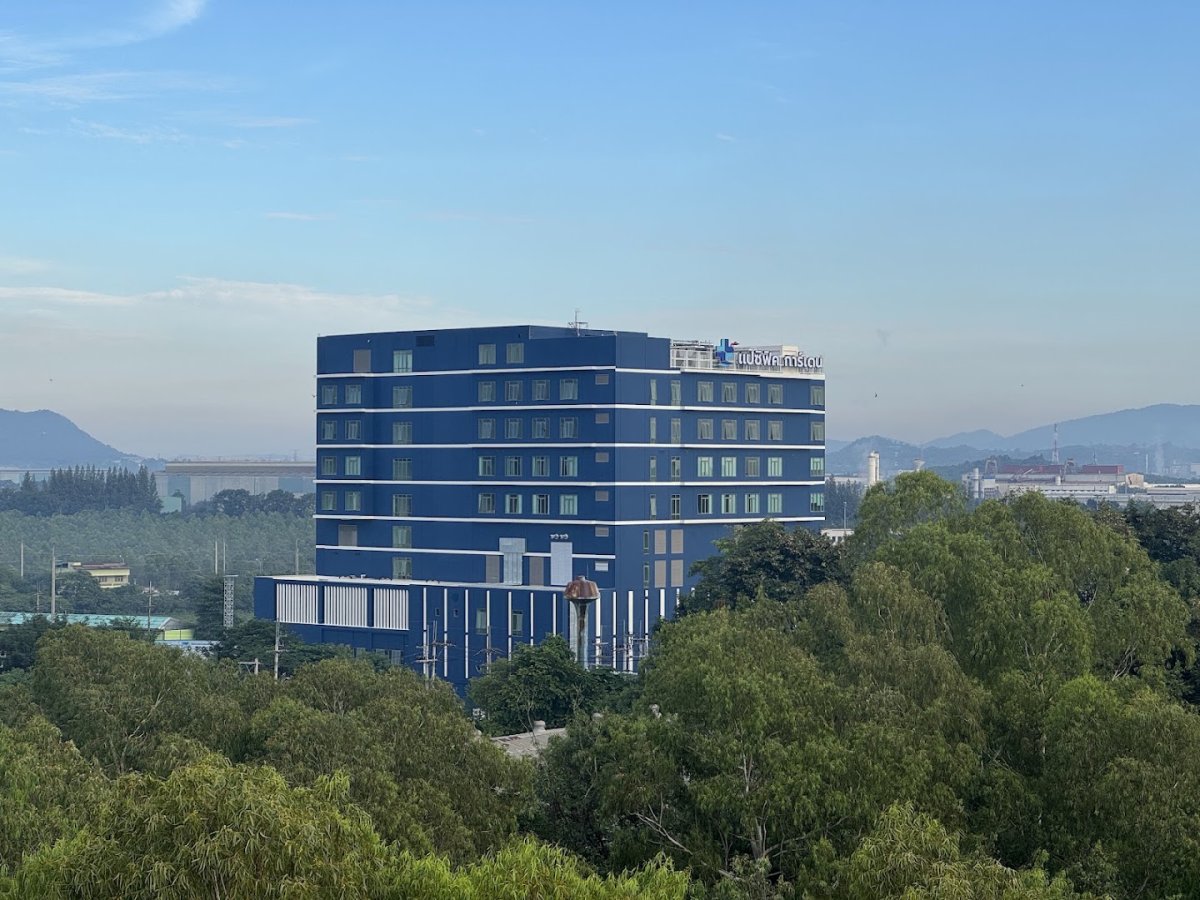
Pacific Garden Hospital

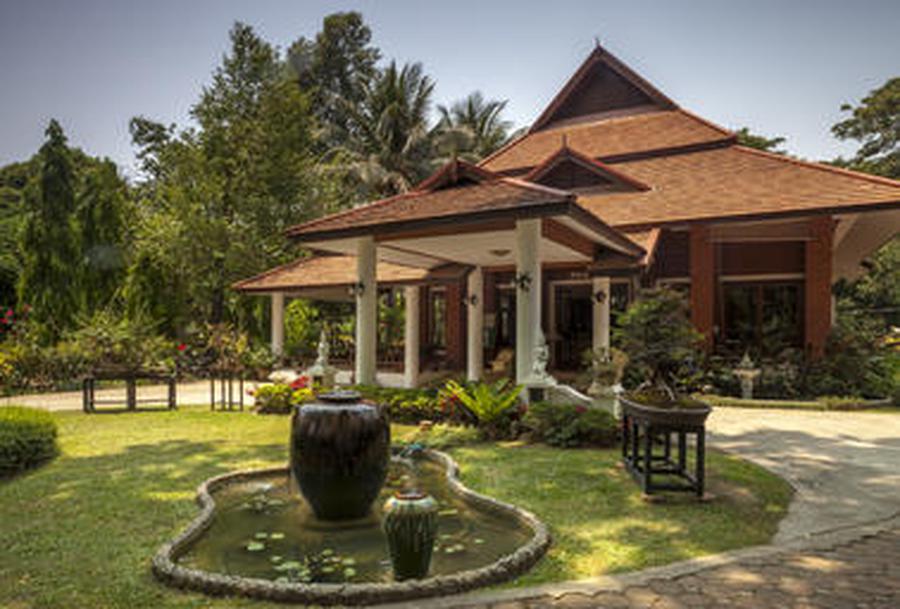
Mantak Chia | Universal Healing Tao | Tao Garden (Tao Garden Health Spa & Resort)

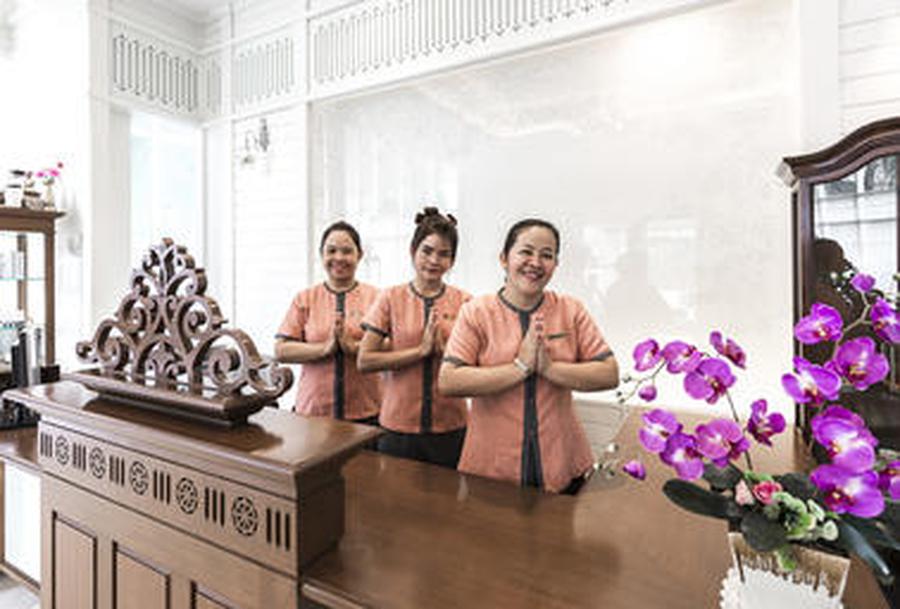


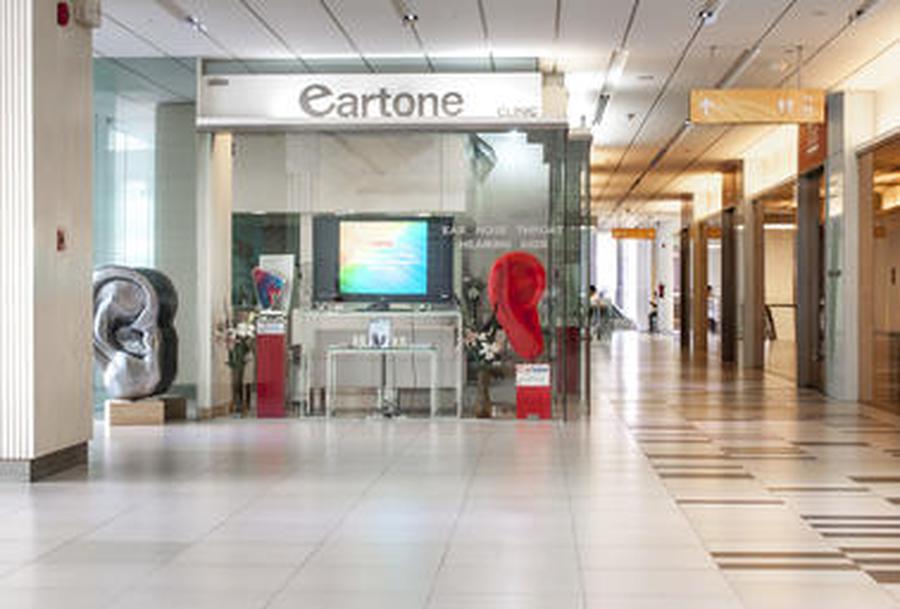
Eartone
أفضل مراكز الأمراض المعدية في تايلاند
- Intrarat Hospital, تايلاند
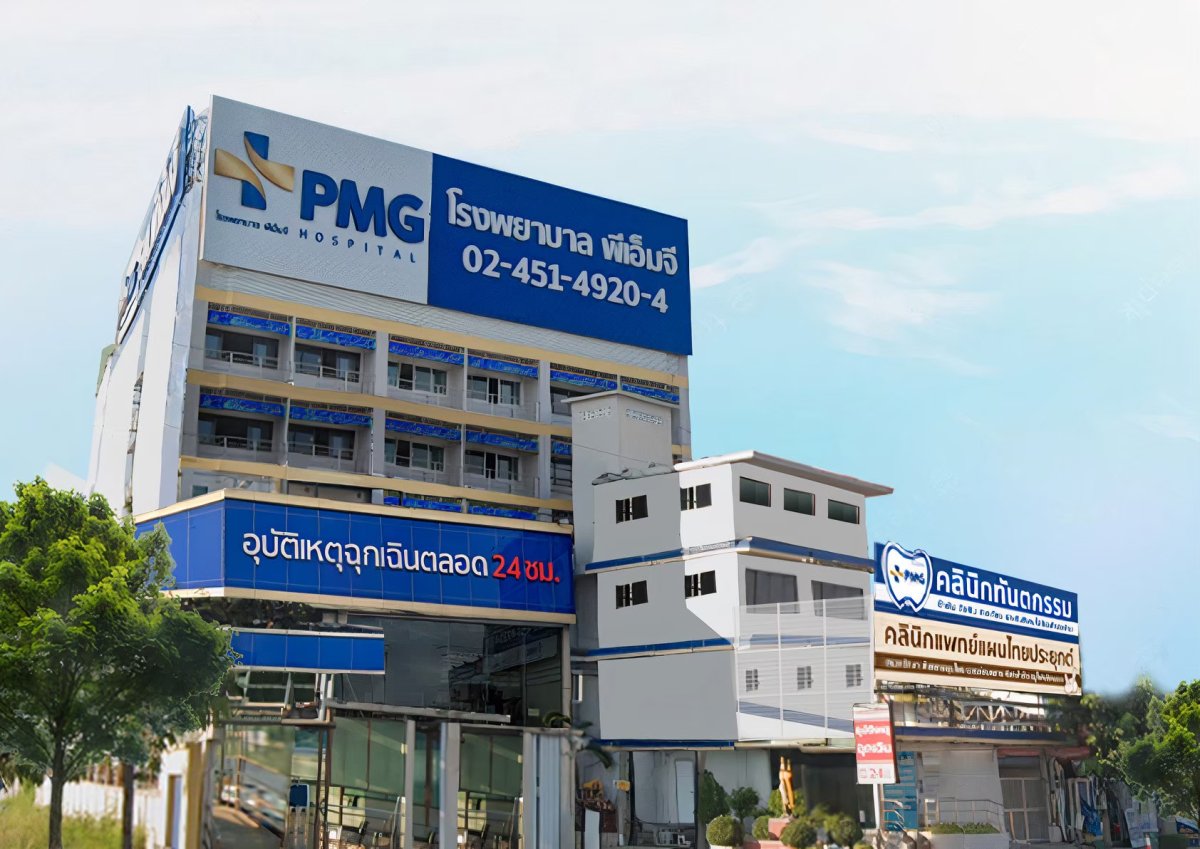
- PMG Hospital, تايلاند
- Pacific Garden Hospital, تايلاند
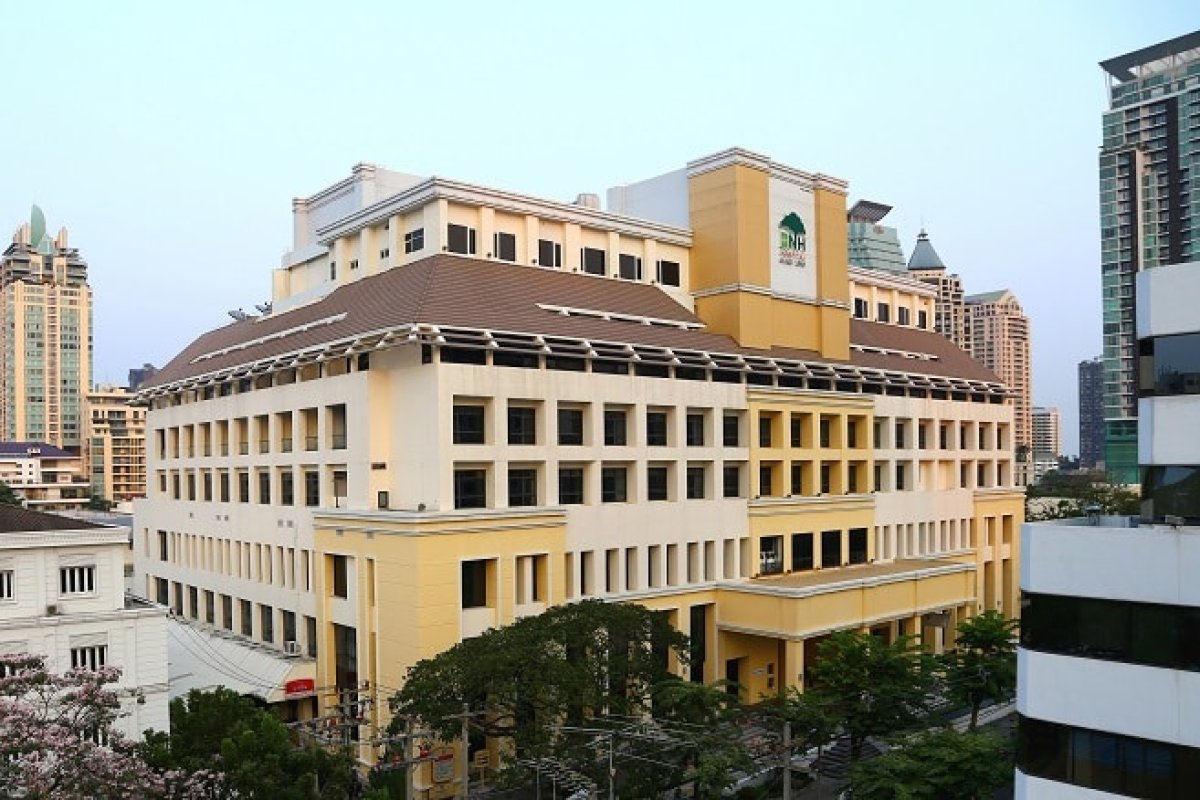
- BNH Hospital, تايلاند
- Sikarin Hospital, تايلاند
- Mantak Chia | Universal Healing Tao | Tao Garden (Tao Garden Health Spa & Resort), تايلاند
- B. Care Spa, تايلاند
- Chiangmai Ram Hospital, تايلاند
- Thanyapura Health & Sports Resort, تايلاند
- Eartone, تايلاند
احصل على تقييم طبي لـ الأمراض المعدية في تايلاند. استشر الآن 17 أطباء ذوي الخبرة.
عرض جميع الأطباء
Thanaphat Pomyukon
الدكتور ثانافات بوميكون جرّاح عام (ศัลยแพทย์ทั่วไป). رقم الترخيص الطبي التايلاندي: ว.50550. حصل على درجة دكتور في الطب (MD) من كلية الطب بجامعة شولالونغكورن. كما يحمل دبلوم البورد التايلاندي في الجراحة العامة من مستشفى روي إت، وزارة الصحة.
يركّز عمله السريري على الفتوق والبواسير. كما يعالج كتل الثدي وحصوات المرارة. ويعالج أمراض الجهاز الهضمي. ويُجري تنظير الجهاز الهضمي، بما في ذلك تنظير المعدة وتنظير القولون.
اللغات: التايلاندية (الرئيسية) والإنجليزية (مستوى مهني سريري).

Natthaphon Srithurawanit
الدكتور ناتافون سريثوراوانيت هو أخصائي في الطب التجديدي في مستشفى مالي متعدد التخصصات في بانكوك. يدمج بين الطب التقليدي والطب الدقيق لعلاج الأمراض المزمنة غير المعدية. يركز الدكتور سريثوراوانيت على تقليل أوقات الشفاء من خلال تقنيات ترميمية في منشأة معتمدة من GHA.
- يجري علاج الخلايا الجذعية لإصلاح الأنسجة وتجديد الشباب ومكافحة الشيخوخة.
- يجري إجراءات تجميلية بما في ذلك علاج البلازما الغنية بالصفائح الدموية (PRP)، والبوتوكس، وعلاجات الليزر.
- يوفر فحوصات طبية دقيقة بما في
Dr Koravee Wirojskoolchai
حصل الدكتور كورافي ويروجسكولشاي على درجة دكتور في الطب (MD) من جامعة رانجسيت في تايلاند. وهو حاصل على البورد في الجراحة العامة من مستشفى سومديتش فرا بينكلاو، إدارة الخدمات الطبية بالبحرية الملكية التايلاندية. كما يحمل شهادة بورد في الطب المضاد للشيخوخة أو طب التغذية (المؤسسة غير مذكورة).
يشمل تدريبه معايير خدمات الرعاية الصحية الدولية وإدارة المستشفيات (معايير اللجنة المشتركة الدولية JCI للمستشفيات) بكلية الدراسات العليا في جامعة رانجسيت. كما حضر ندوة العلاج بالاستخلاب التي نظمتها الجم
مواد ذات صلة

عقار جديد يقضي على التهاب الكبد سي في غضون أسابيع قليلة
كتب بواسطة Veronika Kazina

ما هي أنواع التهاب الكبد الفيروسي؟
كتب بواسطة Veronika Kazina
مشاركة المحتوى
قصص فيديو من مرضى Bookimed
 Anna Leonova
أسئلة متكررة حول الأمراض المعدية في تايلاند
ما هي الأمراض المعدية الأكثر شيوعاً في تايلاند؟
تشمل الأمراض المعدية الشائعة في تايلاند الفيروسات المنقولة عبر البعوض مثل حمى الضنك، والعدوى المزمنة مثل السل، والأمراض المنقولة عبر المياه. تزداد عوامل الخطر خلال موسم الأمطار من مايو إلى أكتوبر. تقدم مرافق مثل مستشفى يانهي الدولي ومستشفى سيكارين تشخيصات معتمدة من JCI لهذه الحالات.
- المخاطر المنقولة عبر البعوض: ارتفعت حالات حمى الضنك بنسبة 200% في عام 2023. يتطلب الحماية استخدام طارد الحشرات DEET.
- العدوى المزمنة: تظل تايلاند من بين البلدان المثقلة بعبء كبير من مرض السل، حيث تبلغ الحالات السنوية 104,000 حالة.
- الأمراض المنقولة عبر المياه: تسبب الأغذية أو المياه الملوثة حوالي مليون حالة إسهال سنوياً.
- الأمراض المنقولة جنسياً وفيروس نقص المناعة البشرية: تضاعفت مؤخراً حالات الزهري بين الشباب. يظل انتشار فيروس نقص المناعة البشرية هو الأعلى في جنوب شرق آسيا.
رأي خبير من Bookimed: تعد سرعة التشخيص عاملاً مميزًا رئيسيًا في بانكوك. تركز المستشفيات مثل مستشفى إنترا دولاتي على الدقة السريعة عبر 26 قسمًا. هذا أمر بالغ الأهمية لأن أعراض حمى الضنك والشيكونغونيا غالباً ما تشبه أعراض الإنفلونزا. يمنع الفحص المبكر في المراكز المتخصصة حدوث مضاعفات خطيرة مثل الحمى النزفية.
إجماع المرضى: غالبًا ما يخطئ المسافرون في تشخيص الأعراض الأولية لحمى الضنك على أنها إنفلونزا عادية. ينصح الكثيرون بحمل أملاح الترطيب والسعي للحصول على رعاية طبية فورية في العيادات في حال تعرضهم لعضات الحيوانات لبدء بروتوكولات داء الكلب.
ما هي اللقاحات الموصى بها للمسافرين إلى تايلاند؟
يجب على المسافرين إلى تايلاند إعطاء الأولوية للتطعيمات ضد التهاب الكبد A والتيفوئيد للوقاية من الأمراض المنقولة عبر الأغذية. يجب أن تكون التحصينات الروتينية بما في ذلك التيتانوس، والدفتيريا، والسعال الديكي (Tdap) حديثة. قد يحتاج الزوار لفترات طويلة أو أولئك الذين يزورون المناطق الريفية إلى لقاحات التهاب الدماغ الياباني وداء الكلب لضمان حماية كاملة.
- التطعيمات الأساسية: يحمي التهاب الكبد A والتيفوئيد من التلوث في طعام الشوارع والأسواق المحلية.
- المعززات الروتينية: معززات Tdap وشلل الأطفال ضرورية، خاصة للمسافرين الذين يخططون لاستئجار الدراجات النارية.
- الحماية الريفية: يوصى بالتطعيم ضد التهاب الدماغ الياباني للإقامات التي تتجاوز 30 يومًا بالقرب من حقول الأرز.
- متطلبات الدخول: إثبات التطعيم ضد الحمى الصفراء إلزامي عند الوصول من بلد موبوء.
رؤية خبيرة من Bookimed: تظهر البيانات من المرافق المعتمدة من JCI مثل مستشفى سيكارين ومستشفى يانهي الدولي وجود عدد كبير من المرضى الدوليين. تقدم هذه المراكز استشارات متخصصة في الأمراض المعدية. حجز جلسة مع خبراء مثل الدكتور شالاتكورن فيرافان في مستشفى إنترات يساعد في توضيح المخاطر الخاصة بالسفر عبر الحدود الإقليمية.
إجماع المرضى: يؤكد المرضى على الحصول على التطعيمات قبل 4-6 أسابيع من السفر. يشير العديد إلى أن التهاب الكبد A ضروري حتى بالنسبة للرحلات داخل المدن بسبب المخاطر من الثلج والمنتجات النيئة.
كيف يجب التعامل مع إسهال المسافر (`ألم البطن في بانكوك`)?
السيطرة على إسهال المسافرين في تايلاند من خلال إعطاء الأولوية للترطيب والتحكم بالأعراض. تتلاشى معظم الحالات خلال بضعة أيام باستخدام أملاح الإماهة الفموية ونظام غذائي لطيف. اطلب المساعدة الطبية في حالة الحمى الشديدة أو وجود دم في البراز. عادة ما تتراوح تكلفة الاستشارات الخاصة في بانكوك بين $80 و $130.
- التركيز على الإماهة: استخدم أملاح الإماهة الفموية من الصيدليات لتعويض المعادن الأساسية بفعالية.
- تعديلات النظام الغذائي: اتبع نظام BRAT الغذائي الذي يتكون من الموز والأرز وصلصة التفاح والخبز المحمص.
- استخدام الأدوية: يبطئ لوبراميد حركة الأمعاء للحالات الخفيفة بدون حمى أو دم.
- العلاج بالمضادات الحيوية: قد يصف الأطباء أزيثروميسين للعدوى المتوسطة إلى الشديدة في تايلاند.
رؤية خبراء Bookimed: غالبًا ما توفر مستشفيات بانكوك ذات الحجم الكبير من المرضى رعاية متخصصة للمسافرين الدوليين. على سبيل المثال، يعالج مستشفى Yanhee International 450,000 مريض سنويًا ويحمل اعتماد JCI. الأطباء الخبراء مثل الدكتورة دونا روبنسون في MedConsult بانكوك لديهم أكثر من 35 عامًا من الخبرة. يساعدون المرضى على التنقل بكفاءة في أنماط العدوى المحلية. اختيار العيادات ذات الخدمات الدولية الراسخة يضمن الوصول الأسرع إلى السوائل عبر الوريد إذا أصبح الجفاف شديدًا.
إجماع المرضى: غالبًا ما يجد المسافرون أن الحصول على عبوات الإلكتروليت من المتاجر المتوفرة محليًا ينقذ حياتهم. يُلاحظ العديد منهم أن تجنب الخضر النيئة والثلج هو أفضل ط
ما الذي يجب علي فعله بعد تعرضي لعضة كلب أو قرد في تايلاند؟
بعد عض كلب أو قرد في تايلاند، اغسل الجرح بالصابون والماء الجاري لمدة 15 دقيقة. اطلب الرعاية الطبية الفورية في المرافق المعتمدة من المجلس الدولي المشترك لاعتماد المنظمات الصحية مثل مستشفى سيكارين أو مستشفى يانهي الدولي. يجب على الأطباء تقديم الوقاية ما بعد التعرض لداء الكلب وربما جرعة معززة من التيتانوس لمنع العدوى القاتلة.
- تنظيف الجرح: اغسل بقوة باستخدام الصابون تحت الماء الجاري لمدة لا تقل عن 15 دقيقة.
- استشارة طبية: استشر أخصائي الأمراض المعدية مثل الدكتورة دونا روبنسون لوضع خطة علاج.
- بروتوكول التطعيم: ابدأ سلسلة لقاحات داء الكلب على الفور لضمان البقاء بنسبة 100%.
- حماية إضافية: غالباً ما يوفر الأطباء جرعات التيتانوس والمضادات الحيوية للإصابات العميقة في الأنسجة.
رأي خبير Bookimed: تحتفظ مستشفيات بانكوك مثل مستشفى إنترا رات ومستشفى سيكارين بتوافر عالٍ للوقاية ما بعد التعرض بسبب الطلب المحلي المرتفع. بينما يتجه العديد من السياح إلى العيادات الصغيرة، تتعامل المراكز المعتمدة من المجلس الدولي المشترك لاعتماد المنظمات الصحية مع أكثر من 250,000 مريض سنوياً وتوفر تخزيناً أكثر موثوقية للقاحات. يضمن هذا أن اللقاحات التي تتلقاها فعالة وقوية ضد السلالات الفيروسية المحلية.
إجماع المرضى: يشير المرضى إلى أن لدغات القرود في مواقع المعابد تتطلب تحركاً أسرع مما هو متوقع. يؤكد معظم الناجين أن بدء الحقن في غضون ساعات يوفر راحة البال ويجنب المخاطر الصحية الشديدة.
أين يمكن للسياح الطبيين الحصول على علاج متخصص للأمراض المعدية في تايلاند؟
يمكن للسياح الطبيين الحصول على علاج متخصص للأمراض المعدية في تايلاند في المستشفيات المعتمدة من JCI في بانكوك وشيانغ ماي. توفر هذه المرافق رعاية شاملة لفيروس نقص المناعة البشرية (HIV) والتهاب الكبد الوبائي C والعدوى المدارية. يستفيد المرضى من المتخصصين المدربين في المملكة المتحدة والتشخيصات المتقدمة مثل اختبار مستضد p24 والبزل القطني.
- الاستشارات المتخصصة: الوصول إلى استشارات خبراء في الأمراض المعدية والكبد لخطط علاج شخصية.
- التشخيصات المتقدمة: الاستفادة من اختبارات مستضد فيروس نقص المناعة البشرية P24 السريعة ومراجعة نتائج التصوير بالرنين المغناطيسي.
- الأطباء المتخصصون: التشاور مع الدكتورة دونا روبنسون الحاصلة على تراخيص في كل من تايلاند والمملكة المتحدة.
- المرافق المعتمدة: تلقي الرعاية في مراكز معتمدة من JCI مثل مستشفى يانهي الدولي ومستشفى سيكارين.
بصيرة الخبراء من Bookimed: تُظهر البيانات أن المستشفيات الكبرى في بانكوك مثل مستشفى يانهي الدولي ومستشفى سيكارين تدير أعداداً ضخمة من المرضى، يتجاوز عدد الحالات 250,000 سنوياً. يتيح هذا التكرار العالي للأطباء تشخيص الأمراض المدارية النادرة بسرعة أكبر مقارنةً بالعديد من الدول الغربية. للحصول على تجربة فعالة، اختر المرافق المعتمدة من JCI التي تحافظ على مختبرات تشخيص معتمدة من ISO داخل المنشأة.
إجماع المرضى: يلاحظ المرضى أنه من المفيد تقديم تاريخ سفر مفصل ونتائج مختبرية حديثة لتسريع عملية التشخيص. كما يجري التأكيد على أن المستشفيات الخاصة توفر دعمًا أفضل بكثير باللغة الإنجليز