العودة إلى الصفحة الرئيسية
820К+ مريضًا حصلوا على المساعدة منذ عام 2014
50 دول
1,500 عيادات
6K+ تقييمات
3K+ طبيب مؤهل

ما هي تكلفة الأمراض المعدية في جمهورية التشيك؟ اكتشف الآن

Infectious diseases treatment in the Czech Republic typically costs from _price_from_ to _price_to_. These costs vary based on the specific condition, hospital stay duration, and whether care is sought through private or public facilities. Patients often find 50-70% savings compared to prices in the US.

Typical Infectious diseases Costs in Czech Republic

  • Consultation with creation of treatment plan: $40 – $200
  • Revision of MRI results: $100 – $300

Specialized medical centers for infectious diseases are primarily located in Prague and Brno. While Prague is the main hub for private clinics, Brno often provides slightly more competitive rates. Consult with a specialist to get accurate pricing for your specific diagnosis.

مزاياك وضماناتك مع Bookimed

أسعار مباشرة

Bookimed لا يضيف رسوماً إضافية على أسعار علاج الأمراض المعدية. الأسعار مأخوذة من قوائم الأسعار الرسمية للعيادات. تدفع مباشرة في العيادة مقابل علاجك عند وصولك إلى البلد.

عيادات وأطباء معتمدون فقط

Bookimed ملتزم بسلامتك. نحن نعمل فقط مع المؤسسات الطبية التي تحافظ على معايير دولية عالية في علاج الأمراض المعدية ولديها التراخيص اللازمة لخدمة المرضى الدوليين في جميع أنحاء العالم.

مساعدة مجانية على مدار الساعة

Bookimed يقدم مساعدة خبراء مجانية. منسق طبي شخصي يدعمك قبل وأثناء وبعد العلاج، ويحل أي مشاكل. لن تكون وحيداً أبداً في رحلة علاج الأمراض المعدية.

لماذا نحن؟

منسقك الطبي الشخصي في Bookimed

  • يدعمك في كل مرحلة
  • المساعدة في اختيار العيادة الطبية المناسبة والطبيب المناسب
  • يضمن الوصول السريع والمريح إلى المعلومات

اكتشف أفضل عيادات الأمراض المعدية: 4 خيارات معتمدة والأسعار

تم تصنيف العيادات بواسطة نظام Bookimed الذكي، باستخدام تحليل علوم البيانات عبر 5 معايير رئيسية.
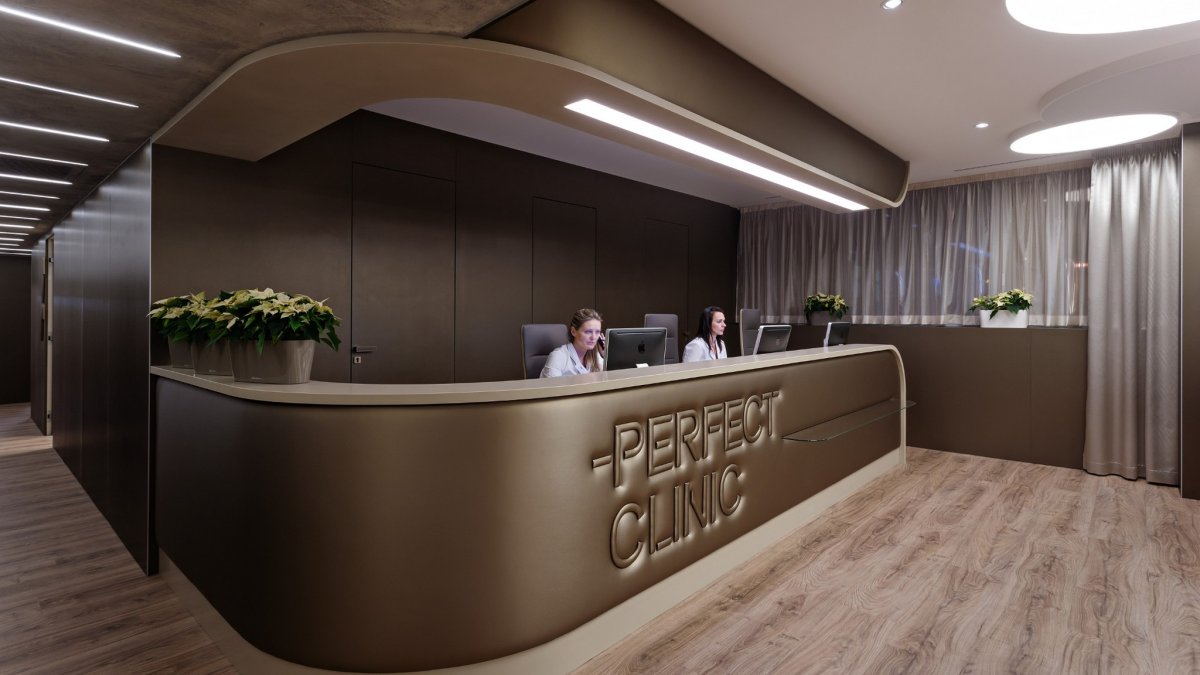
Perfect Clinic

Perfect Clinic

جمهورية التشيك, Prag

في بيرفكت كلينيك، نحن ملتزمون بتقديم خدمات الجراحة التجميلية التجميلية عالية الجودة. يتمتع فريقنا من جراحي التجميل ذوي الخبرة، بما في ذلك MD Zdeněk Pros، بسنوات من الخبرة ويسعى إليهم كل من العملاء التشيكيين والدوليين. نحن نقدم مجموعة من الإجراءات لتحسين مظهرك وتحسين ثقتك بنفسك.

تشمل خدماتنا تكبير الثدي باستخدام غرسات عالية الجودة، وتصحيح الندبات وإزالة الوحمات وغيرها من النتوءات الجلدية من خلال الاستئصال الجراحي أو العلاج بالليزر، وتجديد المهبل لتحسين مظهر ووظيفة الأعضاء التناسلية، وملء الدهون باستخدام الدهون الخاصة بك لملء التجاعيد. وتعزيز ملامح الوجه.

بالإضافة إلى إجراءاتنا الجراحية، نقدم أيضًا علاجات غير جراحية مثل إزالة الندبات بالليزر. هذا الإجراء آمن، ولا يترك أي جروح مفتوحة، ويمكن أن يسطح الندبات ويخففها ويخففها بشكل كبير.

في Perfect Clinic، نعطي الأولوية لرفاهية مرضانا ورضاهم. فريقنا المتخصص موجود لإرشادك خلال كل خطوة من رحلتك، بدءًا من الاستشارة وحتى رعاية ما بعد الجراحة. نحن نسعى جاهدين لتقديم نتائج استثنائية والتأكد من شعورك بالراحة والثقة طوال تجربتك معنا.

MEDICAL TRAVEL CZECH REPUBLIC

MEDICAL TRAVEL CZECH REPUBLIC

جمهورية التشيك, Prag

نقدم في عيادتنا مجموعة من إجراءات الجراحة التجميلية التي تهدف إلى الحصول على مظهر أكثر شبابًا في الوجه والرقبة. تم تصميم عملية شد الوجه، أو استئصال التجاعيد، لتقليل ترهل الجلد والتجاعيد من خلال إزالة الجلد الزائد وشد الأنسجة تحت الجلد. نحن نقدم العديد من خيارات شد الوجه، بما في ذلك SMAS، وMACS، وSilhouette Lift، وشد الرقبة. تقدم عيادتنا أيضًا علاجًا تكميليًا لتعزيز الشفاه.

بالإضافة إلى إجراءات شد الوجه، نحن متخصصون في نظام إغلاق VenaSeal™ المبتكر لعلاج الدوالي. تستخدم هذه التقنية طفيفة التوغل بوليمر سيانو أكريلات خاص، أو "الصمغ الفائق"، لإغلاق الدوالي بشكل فعال وإعادة توجيه تدفق الدم إلى الأوردة الصحية.

يتمتع شركاؤنا في الجراحة التجميلية بمهارات وخبرة عالية، ونحن نشجعك على قراءة ملفاتهم الشخصية لمعرفة كيف يمكنهم مساعدتك على أفضل وجه في تحقيق النتائج المرجوة. كما نقدم أيضًا صورًا قبل وبعد تحت كل وصف إجراء لإعطائك فكرة واضحة عما يمكن توقعه.

الجراحة التجميلية هي تخصص طبي يهدف إلى ترميم الجسم أو إعادة بنائه أو تعديله لتحقيق النتائج المرجوة. ويشمل كلا من الجراحة الترميمية والتجميلية. شفط الدهون، أو "ليبو"، هو إجراء آخر نقدمه، والذي يتضمن إزالة الدهون الموضعية من الجسم.

عيادتنا مكرسة لتقديم خدمات طبية عالية الجودة، ونحن فخورون بالمعايير العالية للطب التشيكي. لدينا فريق من المنسقين الذين هم على استعداد لمساعدتك في أي أسئلة أو مخاوف قد تكون لديكم. لا تتردد في الاتصال بنا للحصول على مزيد من المعلومات أو لتحديد موعد للتشاور.

Dental Care Center Black Swan
PERLAN DENTAL CLINIC

أفضل مراكز الأمراض المعدية في جمهورية التشيك

  • Perfect Clinic, جمهورية التشيك
  • MEDICAL TRAVEL CZECH REPUBLIC, جمهورية التشيك
  • Dental Care Center Black Swan, جمهورية التشيك
  • PERLAN DENTAL CLINIC, جمهورية التشيك

مشاركة المحتوى

Twitter XLinkedinFacebookWhatsAppEmail
أحصل على الرابط

قصص فيديو من مرضى Bookimed

Dayana
جمعت بين إجازتي في أنطاليا والفحص الطبي.
إجراء: فحص صحة الإناث (انظر فحص النساء)
Igor
كان رائعاً! التنقلات والإقامة والعلاج - كل شيء مشمول.
إجراء: زرع الأسنان
مستشفى: WestDent Clinic
Marina
قام Bookimed بكل شيء من أجلي. لم أضطر للقلق بشأن أي شيء.
إجراء: فحص صحة الإناث (انظر فحص النساء)
مستشفى: Severance Hospital
محدث: 10/05/2023
تأليف
Anna Leonova
Anna Leonova
رئيس فريق تسويق المحتوى
محررة طبية معتمدة لديها خبرة تزيد عن 10 سنوات، طوّرت محتوى Bookimed الموثوق، مدعومة بماجستير في علم اللغة ومقابلات مع خبراء طبيين من جميع أنحاء العالم.
تمت المراجعة من قبل المستشار الطبي في Bookimed
فهد مولود
محرر طبي وعالم بيانات
طبيب عام. حاصل على 4 جوائز علمية. خدم في غرب آسيا. رئيس الفريق الطبي الناطق بالعربية سابقا ومسؤول عن معالجة البيانات ودقة المحتوى الطبي حاليا.
فهد مولود Linkedin
قد تحتوي هذه الصفحة على معلومات تتعلق بمختلف الحالات الطبية والعلاجات وخدمات الرعاية الصحية المتوفرة في بلدان مختلفة. يرجى العلم أن المحتوى مقدم لأغراض إعلامية فقط ولا ينبغي تفسيره على أنه نصيحة أو إرشادات طبية. يرجى استشارة طبيبك أو أخصائي طبي مؤهل قبل البدء أو تغيير العلاج الطبي.

أسئلة متكررة حول الأمراض المعدية في جمهورية التشيك

هذه الأسئلة الشائعة مأخوذة من مرضى حقيقيين يبحثون عن رعاية طبية عبر Bookimed. يتم تقديم الإجابات من قبل منسقين طبيين ذوي خبرة وممثلين موثوقين من العيادات.

Are hospitals in the Czech Republic equipped to handle serious infectious disease cases and multi-drug-resistant pathogens?

Czech hospitals are fully prepared to treat serious infectious diseases and multi-drug-resistant pathogens. Major university centers feature specialized isolation wards and intensive care units. These facilities utilize advanced diagnostic laboratories and national surveillance systems to monitor antibiotic resistance. Dedicated departments provide comprehensive care for complex infections.

  • Specialized centers: Major university hospitals in Prague and Brno operate dedicated infectious units.
  • Advanced diagnostics: Facilities use PCR and rapid pathogen identification for quick treatment planning.
  • MDR management: A national network of antibiotic centers has operated since the 1970s.
  • Isolation capacity: High-level centers include isolation wards with dedicated operating and delivery rooms.

Bookimed Expert Insight: Patient data shows a clear divide between major cities and regional areas. Hospitals in Prague, like those specializing in complex cases, offer faster access to infectious disease consultants. If you require specialized care for resistant pathogens, focusing on large university centers ensures access to the latest microbiology labs and antibiotic stewardship protocols.

Patient Consensus: Patients note that major teaching hospitals handle complex resistant cases well. They suggest that while staff in large cities generally speak English, minor delays in specialist communication can occur in smaller regional facilities.

What international certifications and credentials do infectious-disease specialists in the Czech Republic hold?

Infectious disease specialists in the Czech Republic hold national certifications from the Ministry of Health and international credentials from European regulatory bodies. Key qualifications include the European Specialist Certificate in Infectious Diseases and the EUCIC Infection Prevention and Control (IPC) Certificate. Experts typically complete 5 years of specialized training.

  • National certification: Specialists must obtain the Atestace certificate issued by the Czech Ministry of Health.
  • Medical registration: Practitioners must register with the Czech Medical Chamber (CMC) for practice.
  • European credentials: Doctors often hold certifications from the European Society of Clinical Microbiology and Infectious Diseases (ESCMID).
  • Academic affiliation: Many specialists serve at Charles University, engaging in international research and teaching.

Bookimed Expert Insight: While many patients look for international board certifications, the strongest quality signal in the Czech Republic is a specialist’s involvement in European Union Horizon projects. Our data indicates that top performers in Prague often hold fellowships from the World Health Organization (WHO), which ensures their clinical protocols meet global standards.

Patient Consensus: Patients note that while American board certifications are rare, Czech doctors have highly respected EU-equivalent training. Many emphasize that verifying a doctor through the Czech Medical Chamber portal provides the most reliable proof of their expertise.

What generic and brand antibiotics/antivirals are typically used in Czech hospitals and are modern agents available?

Czech hospitals provide EU-standard antimicrobial care using both generic mainstays and modern brand agents. Infectious disease protocols utilize generic amoxicillin-clavulanate, ciprofloxacin, and azithromycin. Modern treatments like linezolid, remdesivir, and specialized combinations like ceftazidime-avibactam are strictly reserved for severe or resistant cases.

  • Antibiotic mainstays: Generic cefuroxime and ciprofloxacin are common for pneumonia and urinary infections.
  • Modern antivirals: Hospitals utilize oseltamivir and remdesivir for serious viral respiratory illnesses.
  • Advanced therapies: Specialized drugs like linezolid or meropenem are standard in primary Prague hospitals.
  • Standard brands: Common brand names include Augmentin for bacterial infections and Tamiflu for influenza.

Bookimed Expert Insight: Czech healthcare prioritizes cultural-guided therapy to prevent broad-spectrum overuse. Clinics in Prague often deploy generic meropenem as a first-line option for post-operative infections. This approach provides faster recovery compared to older treatments found in other regions. Patients should request targeted lab testing early to ensure the most effective drug selection.

Patient Consensus: Patients note that doctors usually prescribe effective generics by default to manage costs. Most travelers emphasize that major city hospitals have clear English-speaking staff who explain the switch from intravenous to oral medications.

What does post-discharge follow-up look like for infectious disease travelers and will my home physician receive reports in English?

Post-discharge follow-up for infectious diseases in the Czech Republic involves a coordinated transition to your home physician. Patients must be fever-free for 48 hours before leaving. Clinics provide English discharge summaries upon request. These reports include diagnoses, treatment plans, and pending lab results.

  • Stability criteria: Patients must tolerate oral medications and remain fever-free for 48 hours.
  • Clinical monitoring: Staff often perform reinforcement calls within 72 hours to monitor symptoms.
  • English reports: Most major facilities translate discharge summaries if requested during the admission process.
  • Follow-up duration: Monitoring for conditions like malaria may continue for 1 to 4 weeks.

Bookimed Expert Insight: While many Czech clinics provide high-standard care, English documentation is not always automatic. Patients should provide their home doctor's email at admission to prompt early translation. This proactive step ensures seamless continuity of care and avoids potential delays in post-travel recovery monitoring.

Patient Consensus: Patients note that while paperwork often starts in Czech, hospitals provide English versions for foreigners who ask. They recommend confirming your home doctor's contact details early to ensure reports are sent within days of discharge.

What isolation and infection-control protocols are in place in Czech hospitals, and how do they apply to international patients?

Czech hospitals follow strict infection-control protocols governed by national legislation and European Union standards. These measures include standard precautions for all patients and transmission-based isolation for specific pathogens. International patients must legally report infectious symptoms to local doctors. Medical authorities can order mandatory isolation if necessary.

  • Universal precautions: Staff use alcohol-based hand rubs and personal protective equipment (PPE).
  • Transmission-based isolation: Specialized protocols like contact or droplet precautions manage MRSA or respiratory infections.
  • Mandatory reporting: Foreign nationals must notify doctors of infectious symptoms by law.
  • Specialized facilities: Facilities like Bulovka University Hospital manage high-risk cases with advanced bioboxes.

Bookimed Expert Insight: Patient volume data suggests that private clinics in Prague, such as Medical Travel Czech Republic, often provide more personalized coordination. These centers frequently offer better separation for international patients compared to high-traffic public hospitals. This distinction is vital during peak flu seasons to minimize exposure risks.

Patient Consensus: Patients note it is helpful to bring personal N95 masks and sanitizer during hospital stays. Many recommend requesting a private room to ensure better separation from other patients.

Which regions/states offer the strongest English-speaking infectious disease programme networks for medical tourists?

Prague serves as the primary hub for English-speaking infectious disease networks in the Czech Republic. Top facilities like Na Bulovce Hospital and Motol University Hospital offer specialized care for Lyme disease and tropical infections. These centers provide 24/7 access to English-speaking specialists for international patients.

  • Specialized diagnostics: Prague clinics use advanced PCR testing networks linked with major German laboratories.
  • Language accessibility: Major university hospitals in Prague maintain dedicated staff for English-speaking international patients.
  • Treatment range: Networks handle complex cases including HIV diagnostics and specialized hepatitis C care.
  • Geographic focus: Prague dominates the national network, offering more fluent specialists than smaller regional cities.

Bookimed Expert Insight: While many travelers focus on Western Europe, Prague-based infectious disease networks are often better prepared for Eastern European specific cases like tick-borne babesiosis. Facilities in the capital often bridge the gap between Western technology and regional expertise. Choosing a center in Prague ensures immediate access to English-speaking staff that may be less common in provincial clinics.

Patient Consensus: Patients note that Prague is the most reliable choice for English communication during complex ID treatments. They suggest verifying specific doctor fluency through reviews or teleconsultations before traveling to avoid any language barriers in rural areas.

What health requirements and vaccinations must be completed before traveling for infectious disease treatment in the Czech Republic?

The Czech Republic does not mandate specific vaccinations for entry. Travelers for infectious disease treatment must provide written appointment confirmation for visa purposes. Comprehensive medical insurance is required for all stays. Foreigners showing signs of serious infectious diseases must notify local health authorities upon arrival.

  • Visa requirement: Written confirmation of your hospital appointment is mandatory for medical visas.
  • Insurance mandate: You must hold comprehensive travel insurance covering emergency and essential care.
  • Routine vaccines: International authorities recommend staying current on MMR, Polio, and Chickenpox shots.
  • Specific boosters: Consultants suggest Hepatitis A and B for patients undergoing medical procedures.
  • Tick-borne Encephalitis: This vaccine is highly recommended for those visiting rural or forested areas.

Bookimed Expert Insight: While not legally mandated for entry, Prague clinics often require fresh on-site screens. Patients seeking HIV or Hepatitis C care should expect repeat p24 antigen or PCR tests. Medical teams use these to confirm current viral loads before starting 3-month treatment protocols. This ensures your treatment plan is based on the most recent diagnostic data.

Patient Consensus: Travelers note that arriving with recent laboratory results helps avoid extra diagnostic fees. Many emphasize the importance of checking if home medications are locally recognized to prevent treatment delays.

What is the quality of healthcare for infectious diseases in the Czech Republic?

Healthcare for infectious diseases in the Czech Republic meets Western European standards. The system features high vaccination rates and sophisticated surveillance networks. Specialised clinics in Prague and regional hubs provide expert care for complex cases. These include hepatitis, HIV, and tick-borne illnesses.

  • Vaccination coverage: Mandatory childhood programmes achieve 97–99% coverage for measles, mumps, and rubella.
  • Digital surveillance: The ISID network provides real-time digital tracking of pathogens across the country.
  • Diagnostics: Nine National Reference Laboratories manage whole genome sequencing to identify viral mutations quickly.
  • Specialised centres: Large university hospitals operate dedicated isolation wards and intensive care for infectious pathology.

Bookimed Expert Insight: Public hospitals handle most acute cases. However, patients often seek private specialists in Prague for initial diagnostics. Our data shows a wide range of available screening options. For example, comprehensive hepatitis C diagnostics include a three-month medication supply. This rapid testing combined with immediate pharmaceutical access improves recovery timelines.

Patient Consensus: Patients find it helpful to compare public hospitals with private specialist clinics. In major cities, travellers note that accessing English-speaking specialists is straightforward. This is especially true for conditions like Lyme borreliosis or viral hepatitis.

Is tick-borne encephalitis common in the Czech Republic and should Australians be concerned?

Tick-borne encephalitis (TBE) is very common in the Czech Republic. The country reports some of Europe's highest infection rates. Australians should take care if hiking or camping in rural areas below 1,500 metres. This is especially important during the peak season from April to November.

  • High-risk regions: Southern Bohemia, Central Bohemia, Pilsen, and Olomouc report the most cases.
  • Clinical diagnostics: Specialists use lumbar punctures and MRI result revisions to diagnose neurological infections.
  • Vaccination timeline: Standard protection requires 3 doses. However, accelerated schedules finish in 3 weeks.
  • Prevention methods: Australians should use DEET repellents and wear light-coloured clothing to spot ticks.
  • Food safety: Avoid unpasteurised dairy like raw goat cheese to prevent oral viral transmission.

Bookimed Expert Insight: City tourists in Prague face negligible risk. However, diagnostic costs for infectious diseases vary significantly. A specialist infectionist consultation in Prague typically costs $100 to $200. This is a cost-effective way to get professional advice before entering rural forests.

Patient Consensus: Travellers in the Czech Republic note that basic precautions provide peace of mind. These include tucking trousers into socks and performing thorough body checks after walks. Many suggest buying local repellents formulated specifically for European tick species.

What are the main infectious diseases Australian travellers should be aware of in the Czech Republic?

Australian travellers visiting the Czech Republic should prepare for Hepatitis A, Tick-borne Encephalitis (TBE), and Measles. TBE rates are among the highest in Europe. Ticks are active in forests and long grass from April to October.

  • Hepatitis A: This spreads through contaminated food or water in crowded tourist hubs.
  • Tick-borne Encephalitis: Ticks in rural areas carry TBE and Lyme disease.
  • Routine vaccines: Staying current with Measles-Mumps-Rubella (MMR) is vital before international flights.
  • Rabies risk: This is present in wildlife, though urban tourist risk remains low.

Bookimed Expert Insight: Czech medical facilities match Australian standards, but patients often pay upfront. Specialist diagnostics for infectious diseases remain accessible in Prague. Hepatologist consultations start from $100 for travellers needing screening after potential exposure.

Patient Consensus: Travellers in the Czech Republic suggest using insect repellent and covered clothing during hikes. They note that hand hygiene and food safety prevent common gastrointestinal issues.

Are there recent Hepatitis A outbreaks for patients to be aware of in the Czech Republic?

The Czech Republic is managing its most significant Hepatitis A outbreak since 1989. Centred in Prague, the country recorded over 2,300 cases recently. This accounts for 40% of national infections. Local health authorities report an 80% hospitalisation rate for recent cases.

  • Primary epicentre: Prague remains the most affected city for new infections.
  • Secondary clusters: Central Bohemia and the Moravian-Silesian region report rising cases.
  • Transmission route: The virus spreads person-to-person rather than through contaminated food.
  • Prevention steps: Vaccination is effective, though some local supply shortages occur.

Bookimed Expert Insight: Many associate Hepatitis A with food, but this outbreak stems from person-to-person contact. Clinics in Prague, including MEDICAL TRAVEL CZECH REPUBLIC, provide specialist consultations with hepatologists. These cost from $100 to $200. These specialists help patients navigate diagnostic plans and preventative care.

Patient Consensus: Patients note the importance of handwashing with soap as gels are less effective. Many recommend checking vaccination status well before arrival due to high demand.

How can travellers protect themselves from Lyme disease while in the Czech Republic?

Travellers can protect themselves from Lyme disease in the Czech Republic by preventing tick bites and checking their bodies daily. Ticks here are active from March to November. Because no Lyme vaccine exists, repellent with DEET or picaridin is the primary defence.

  • Protective clothing: Wear long-sleeved shirts and tuck long trousers into socks to block skin access.
  • Smart navigation: Stick to cleared paths and avoid tall grass or heavy leaf litter outdoors.
  • Body inspections: Check the scalp, armpits, and groin every evening to find unattached ticks early.
  • Safe removal: Use fine-tipped tweezers to pull ticks straight out without twisting or squeezing the body.

Bookimed Expert Insight: Czech Republic centres specialise in infectious disease diagnostics. They offer lumbar punctures from $200 to $500 for suspected neurological cases. While many focus on rural hiking, peri-urban parks in Prague also carry risks. Confirming a diagnosis early with a specialist consultation, typically $100 to $200, helps prevent long-term complications.

Patient Consensus: Travellers in the Czech Republic note that even city parks carry risks. They say applying repellent daily is essential. They suggest showering within two hours of hiking to wash off unattached ticks. They also advise watching for expanding rashes or flu symptoms.

What should Australian travellers bring in a medical kit if visiting the Czech Republic for infectious disease concerns?

Australian travellers should pack a medical kit for the Czech Republic. Focus on tick-borne diseases and food-borne illnesses. Essential items include DEET or Picaridin repellent and fine-tipped tweezers for tick removal. Also include oral rehydration salts and loperamide. These address risks like Lyme disease and Hepatitis A outbreaks.

  • Tick defence: Pack DEET repellent and tweezers to prevent tick-borne encephalitis and Lyme disease.
  • Gastrointestinal support: Include loperamide and oral rehydration salts to manage acute traveller's diarrhoea symptoms.
  • Sanitisation tools: Carry 60% alcohol hand sanitiser and antiseptic wipes for strict hand hygiene.
  • Wound management: Add waterproof plasters to prevent bacteria from causing secondary skin infections.

Bookimed Expert Insight: Many focus on rural hiking risks, but Prague clinics often require infectious disease screenings. Booking an infectionist consultation through Bookimed costs between $100 and $200. Specialists in Prague provide care, including lumbar punctures and HIV diagnostics, for patients needing immediate help.

Patient Consensus: Patients in the Czech Republic suggest keeping all medicines in original packaging. Carry a letter from your GP. They also recommend keeping supplies in carry-on bags to avoid delays with prescriptions.

احصل على استشارة مجانية

حدد أفضل طريقة للاتصال بك