العودة إلى الصفحة الرئيسية
820К+ مريضًا حصلوا على المساعدة منذ عام 2014
50 دول
1,500 عيادات
6K+ تقييمات
3K+ طبيب مؤهل

ما هي تكلفة الأمراض المعدية في الصين؟ اكتشف الآن

السعر يقدم بعد الطلب

مزاياك وضماناتك مع Bookimed

أسعار مباشرة

Bookimed لا يضيف رسوماً إضافية على أسعار علاج الأمراض المعدية. الأسعار مأخوذة من قوائم الأسعار الرسمية للعيادات. تدفع مباشرة في العيادة مقابل علاجك عند وصولك إلى البلد.

عيادات وأطباء معتمدون فقط

Bookimed ملتزم بسلامتك. نحن نعمل فقط مع المؤسسات الطبية التي تحافظ على معايير دولية عالية في علاج الأمراض المعدية ولديها التراخيص اللازمة لخدمة المرضى الدوليين في جميع أنحاء العالم.

مساعدة مجانية على مدار الساعة

Bookimed يقدم مساعدة خبراء مجانية. منسق طبي شخصي يدعمك قبل وأثناء وبعد العلاج، ويحل أي مشاكل. لن تكون وحيداً أبداً في رحلة علاج الأمراض المعدية.


لماذا نحن؟

منسقك الطبي الشخصي في Bookimed

  • يدعمك في كل مرحلة
  • المساعدة في اختيار العيادة الطبية المناسبة والطبيب المناسب
  • يضمن الوصول السريع والمريح إلى المعلومات

احصل على تقييم طبي لـ في الصين: اختر أخصائيك من بين الأفضل في هذا المجال

عرض جميع الأطباء
يؤكد

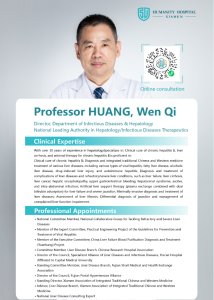
Huang Wen Qi

30سنة خبره ١٦ سنة

الأستاذ هوانغ وينتشي اختصاصي أمراض الكبد بخبرة تزيد على 30 عامًا. يركز على الشفاء السريري والعلاج المضاد للفيروسات لالتهاب الكبد B المزمن، وعلى تدبير تليّف الكبد. يعتمد نهجًا تكامليًا يجمع بين الطب الصيني التقليدي والطب الغربي. يوفّر دعمًا كبديًا اصطناعيًا، بما في ذلك تبادل البلازما والامتصاص المزدوج للبيليروبين. كما يقدّم تشخيصًا وعلاجًا طفيفي التوغل، وتقييم تليّف الكبد، والتشخيص التفريقي لليرقان واضطراب وظائف الكبد غير المفسَّر.

عضو اللجنة الوطنية للمجموعة الوطنية التعاونية لأمراض الكبد المستعصية والشديدة. عضو اللجنة التنفيذية لمشروع الصين لتنقية الدم في فشل الكبد (يوانهانغ). مدير مجلس التحالف التخصصي لأمراض الكبد والأمراض المعدية في مستشفى يوآن التابع لجامعة العاصمة الطبية. خبير استشاري وطني في أمراض الكبد.

مشاركة المحتوى

Twitter XLinkedinFacebookWhatsAppEmail
أحصل على الرابط

قصص فيديو من مرضى Bookimed

Dayana
جمعت بين إجازتي في أنطاليا والفحص الطبي.
إجراء: فحص صحة الإناث (انظر فحص النساء)
Igor
كان رائعاً! التنقلات والإقامة والعلاج - كل شيء مشمول.
إجراء: زرع الأسنان
مستشفى: WestDent Clinic
Marina
قام Bookimed بكل شيء من أجلي. لم أضطر للقلق بشأن أي شيء.
إجراء: فحص صحة الإناث (انظر فحص النساء)
مستشفى: Severance Hospital
محدث: 11/10/2025
تأليف
Anna Leonova
Anna Leonova
رئيس فريق تسويق المحتوى
محررة طبية معتمدة لديها خبرة تزيد عن 10 سنوات، طوّرت محتوى Bookimed الموثوق، مدعومة بماجستير في علم اللغة ومقابلات مع خبراء طبيين من جميع أنحاء العالم.
تمت المراجعة من قبل المستشار الطبي في Bookimed
فهد مولود
محرر طبي وعالم بيانات
طبيب عام. حاصل على 4 جوائز علمية. خدم في غرب آسيا. رئيس الفريق الطبي الناطق بالعربية سابقا ومسؤول عن معالجة البيانات ودقة المحتوى الطبي حاليا.
فهد مولود Linkedin
قد تحتوي هذه الصفحة على معلومات تتعلق بمختلف الحالات الطبية والعلاجات وخدمات الرعاية الصحية المتوفرة في بلدان مختلفة. يرجى العلم أن المحتوى مقدم لأغراض إعلامية فقط ولا ينبغي تفسيره على أنه نصيحة أو إرشادات طبية. يرجى استشارة طبيبك أو أخصائي طبي مؤهل قبل البدء أو تغيير العلاج الطبي.

أسئلة متكررة حول الأمراض المعدية في الصين

هذه الأسئلة الشائعة مأخوذة من مرضى حقيقيين يبحثون عن رعاية طبية عبر Bookimed. يتم تقديم الإجابات من قبل منسقين طبيين ذوي خبرة وممثلين موثوقين من العيادات.

How is the safety of infectious-disease care ensured for international patients in China?

China ensures infectious-disease safety through JCI-accredited facilities and a real-time national surveillance system. High-tier hospitals utilize separate international departments with dedicated elevators and English-speaking staff. Patients access advanced treatments like artificial liver support therapy in facilities monitored by the China Information System for Disease Control and Prevention.

  • Hospital accreditation: Leading centers maintain JCI certification to meet global infection control standards.
  • Specialized infrastructure: International wards often feature negative-pressure rooms and HEPA-filtered air systems.
  • Surveillance protocol: Hospitals must report notifiable diseases immediately through an internet-based national system.
  • Expert oversight: Specialists like Dr. Huang Wen Qi provide advanced care for complex liver infections.

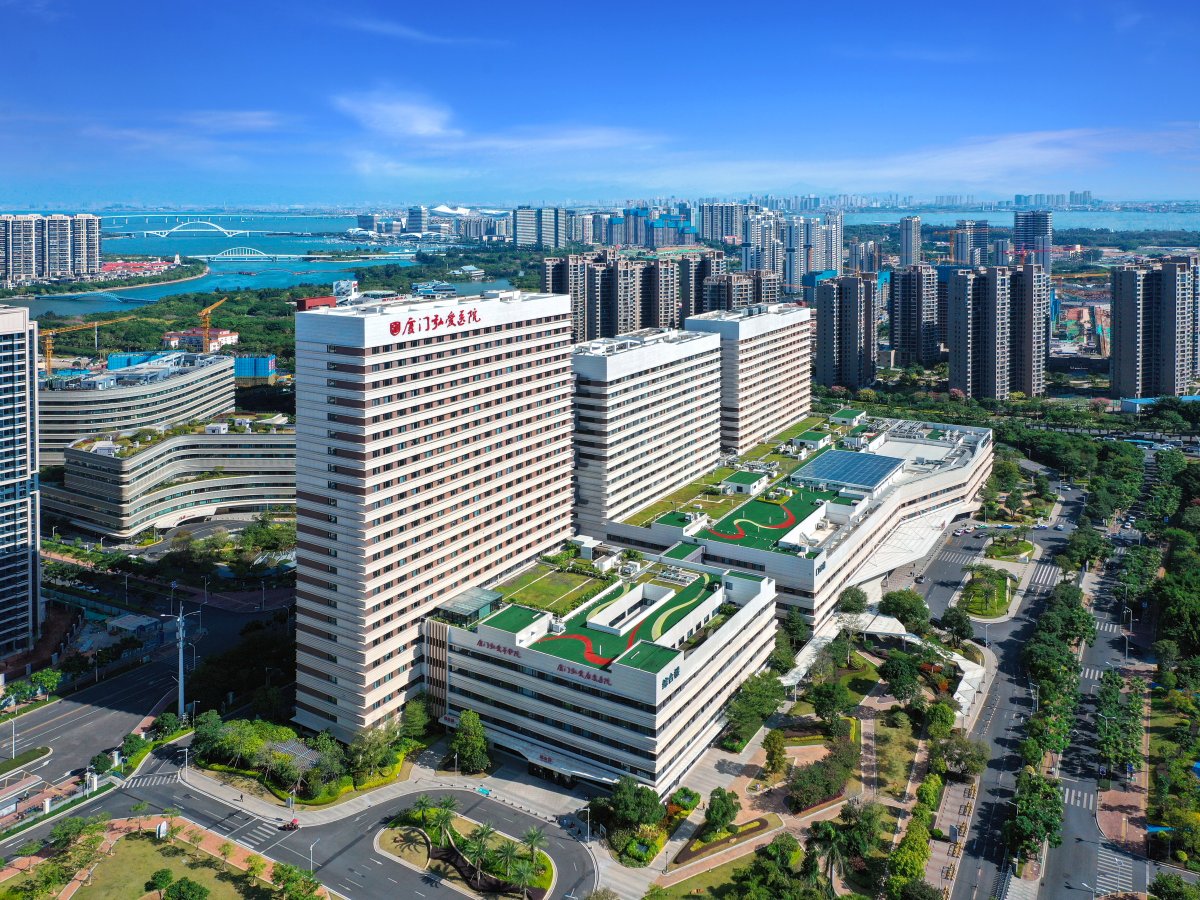
Bookimed Expert Insight: Data from major centers like Xiamen Humanity Hospital shows that tertiary, not-for-profit hospitals often manage higher patient volumes, exceeding 1,000,000 annually. This high frequency allows medical teams to refine safety protocols more rapidly than smaller clinics. Patients should prioritize these Tier 3 institutions in cities like Beijing for the most consistent hygiene standards.

Patient Consensus: Patients note that international wings offer a higher degree of isolation and private rooms. They recommend using health tracking apps locally to stay updated on real-time safety alerts and protocols.

Which hospitals in China are internationally recognized centres for infectious diseases?

Leading Chinese hospitals for infectious diseases include Huashan Hospital in Shanghai and Peking Union Medical College Hospital in Beijing. These institutions serve as primary hubs for treating complex viral cases. They collaborate with international organizations like the WHO to manage emerging global health threats and outbreaks.

  • Specialized expertise: Huashan Hospital consistently ranks as China's top facility for infectious disease research.
  • Academic leadership: Peking Union Medical College Hospital specializes in diagnosing rare and unusual ailments.
  • Hepatology focus: Xiamen Humanity Hospital features experts like Dr. Huang Wen Qi for liver diseases.
  • Advanced therapies: Centers offer artificial liver support including plasma exchange and dual bilirubin adsorption.

Bookimed Expert Insight: Xiamen Humanity Hospital stands out by combining massive patient volume with academic rigor. It treats 1,000,000 patients annually and is authorized for Phase I-IV drug trials. This infrastructure allows clinicians to apply newer antiviral therapies faster than smaller regional clinics.

Patient Consensus: Patients note it is important to bring translated medical records to navigate language barriers at these major hubs. Many emphasize that Beijing-based hospitals often provide access to cutting-edge antivirals before they receive broader international approval.

What international or bilingual support is available regarding infection control, discharge, and follow-up?

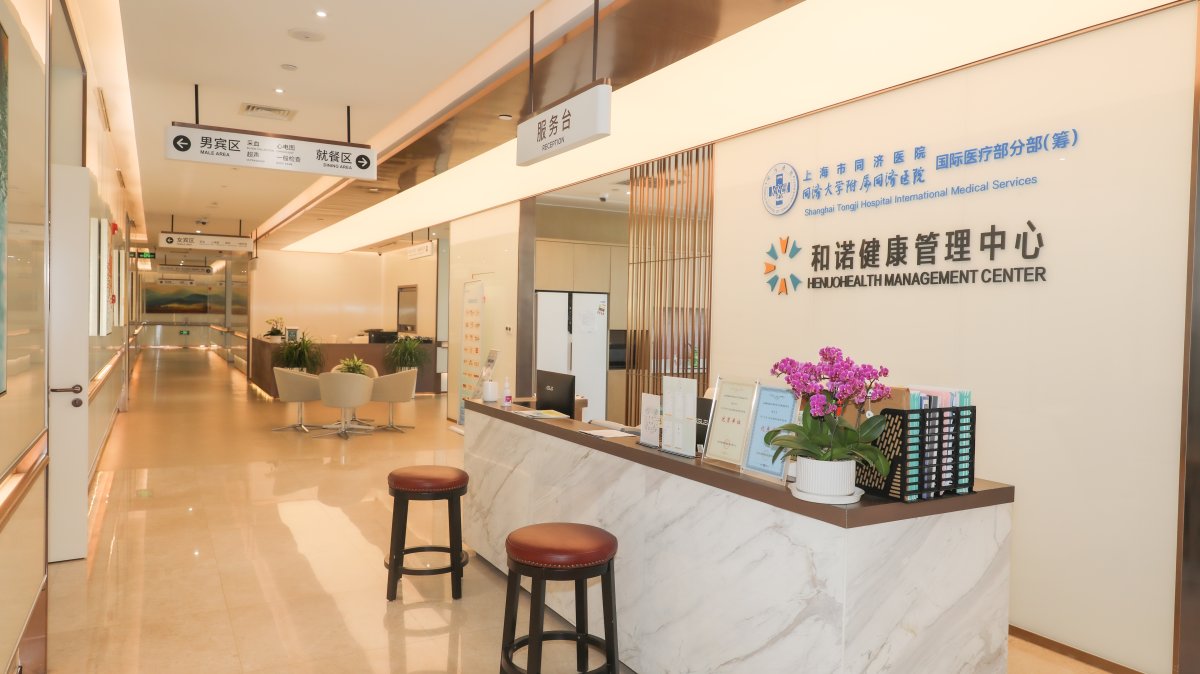
International patients in China access bilingual support through dedicated international departments at tertiary hospitals. Facilities like Xiamen Humanity Hospital in Beijing manage high patient volumes with specialized staff. They provide translated medical documentation, infection control education, and coordinated discharge planning to ensure patient safety.

  • International departments: Specialized units manage admissions, billing, and bilingual communication for foreign patients.
  • Expert consultations: Prof. Dr. Huang Wen Qi provides expert guidance on complex infectious diseases.
  • Language assistance: Hospitals often require advance requests for English-speaking liaisons during follow-up care.
  • Documentation support: Standardized translations for discharge protocols are available at major tier-1 medical centers.

Bookimed Expert Insight: Clinical data shows that hospitals with over 45 academic departments, like Xiamen Humanity Hospital, offer more robust infrastructure. These large centers often participate in global clinical trials for new medical devices. This research focus usually results in more standardized, internationally-aligned infection control protocols for all patients.

Patient Consensus: Patients note that while major hospitals have international teams, these staff often focus on billing. It is important to request written English instructions for wound care and infection signs during admission.

What pre-travel vaccinations and tests are required before arranging care for infectious diseases in China?

Travelers seeking infectious disease care in China must meet specific health screening and vaccination criteria. Requirements include blood tests for HIV, Syphilis, and Hepatitis B. A chest X-ray and ECG are mandatory for stays over 6 months. Yellow Fever vaccination is legally required if arriving from risk zones.

  • Mandatory screenings: Blood tests for HIV, Syphilis, and Hepatitis B are standard requirements.
  • Diagnostic imaging: Patients often undergo chest X-rays, ECGs, and ultrasounds for medical visas.
  • Yellow Fever: Vaccination is mandatory for travelers arriving from or transiting through risk countries.
  • Clinical vaccinations: Hepatitis B and Influenza vaccines are highly recommended for all clinical settings.

Bookimed Expert Insight: Clinical volume often dictates local protocol. Xiamen Humanity Hospital serves 1,000,000 patients annually and maintains 47 specialized departments. This high patient flow means on-site testing for TB or Hepatitis is frequently more efficient than bringing external records. Preparing digital copies of your immunization history can expedite admission to specialized infectious disease units.

Patient Consensus: Travelers suggest getting a TB IGRA test before departure to avoid hospital delays. Many note that having rabies and Japanese encephalitis shots is practical for those visiting facilities near rural areas.

How long should I plan to stay in China for diagnosis, treatment completion, and recovery monitoring?

Patients should plan to stay in China for 4 to 10 weeks for infectious disease care. This timeline covers rapid diagnostics and intensive therapy. It also includes mandatory recovery monitoring. Complex cases like chronic hepatitis B or liver cirrhosis often require longer observation periods. Buffer days are essential.

  • Diagnostic phase: PCR tests and liver imaging typically take 1 to 3 days.
  • Treatment duration: Intensive antiviral or artificial liver therapy requires 2 to 6 weeks.
  • Recovery monitoring: Weekly bloodwork and scans continue for 1 to 4 weeks post-treatment.
  • Isolation protocols: Suspected infectious cases may face 2 to 4 weeks of mandatory quarantine.

Bookimed Expert Insight: Xiamen Humanity Hospital serves over 1,000,000 patients annually and conducts Phase I-IV drug trials. This high volume allows doctors like Prof. Huang Wen Qi to manage complex liver disease cases efficiently. Clinics with such research capabilities often offer integrated Western and traditional Chinese medicine. This combination can accelerate recovery times for chronic infections compared to standard protocols.

Patient Consensus: Patients note that while diagnostics are fast, inpatient stays for IV treatments often last a month. Many suggest securing a medical visa to avoid the stricter quarantine rules sometimes applied to tourist travelers.

Where in China are the lowest infection recurrence and readmission rates for international patients?

China reports the lowest infection recurrence rates in specialized international departments in Beijing, Shanghai, and Guangzhou. These facilities follow strict WHO surgical safety protocols. Leading tertiary hospitals like West China Hospital report unplanned 30-day readmission rates as low as 0.9%. This matches global standards for patient safety.

  • Low readmission rates: Northern China hospitals demonstrate the lowest regional ICU readmission rates.
  • Clinical expertise: Dr. Huang Wen Qi at Xiamen Humanity Hospital has 30+ years experience.
  • Advanced therapies: Centers use artificial liver support and dual bilirubin adsorption for infections.
  • Accreditation standards: JCI-accredited networks in Beijing focus strictly on international patient safety.

Bookimed Expert Insight: High-volume centers like Xiamen Humanity Hospital manage 1,000,000 patients annually across 47 departments. This massive scale often leads to higher proficiency in complex infectious disease protocols. Hospitals with 1,000+ beds and focused liver disease alliances typically offer more stable long-term outcomes for international patients.

Patient Consensus: Patients note that private wings in the Guangdong region feel less chaotic than public systems. They emphasize securing a full course of medication upfront to prevent any recurrence from supply issues.

What are the travel-time and visa considerations for medical tourism focused on infectious-disease care?

Travel for infectious disease care in China requires 4 to 8 weeks for visa processing. Patients must navigate strict health protocols and potential mandatory screenings. Essential documents include a formal invitation from a certified facility and a detailed medical report from a home physician.

  • Visa approvals: Medical visas require embassy-verified negative test results and official hospital invitations.
  • Entry protocols: Travelers may face mandatory health declarations and fever screenings upon arrival.
  • Clinical specialty: Facilities like Xiamen Humanity Hospital specialize in advanced antiviral and liver therapies.
  • Expert oversight: Specialists like Dr. Huang Wen Qi provide integrated Western and Traditional Chinese medicine.

Bookimed Expert Insight: High-volume centers like Xiamen Humanity Hospital, which serves 1,000,000 patients annually, often offer teleconsultations. These video meetings allow international patients to receive expert guidance before starting the complex visa process. Using this digital route can help confirm if a 15-hour flight is necessary for your specific condition.

Patient Consensus: Patients note that arriving via Hong Kong or Macau can simplify entry. Many suggest packing extra testing kits and monitoring embassy updates to avoid sudden quarantine shifts.

احصل على استشارة مجانية

حدد أفضل طريقة للاتصال بك