الأمراض المعدية في ألمانيا — التكاليف 2026


تمت مراجعة المقالة طبيا من قبل
فهد مولود
ما هي تكلفة الأمراض المعدية في ألمانيا؟ اكتشف الآن
تتراوح تكلفة علاج الأمراض المعدية في ألمانيا عادةً ما بين _price_from_ و _price_to_. تعتمد النفقات الإجمالية على ما إذا كان المريض يحتاج إلى رعاية خارجية أو دخول المستشفى لتلقي رعاية متخصصة، ونوع الممرض المعني، وبروتوكول العلاج. لا توفر ألمانيا تكاليف أقل مقارنة بالولايات المتحدة، حيث أن التكاليف متقاربة للمرضى الدوليين.
تكاليف علاج الأمراض المعدية النموذجية في ألمانيا
- مراجعة نتائج التصوير بالرنين المغناطيسي: من $340
تقع المراكز الطبية الكبرى لعلاج الحالات المعدية في برلين وميونخ وهامبورغ. وتعتبر أسعار الخدمات التشخيصية والإقامة في المستشفيات موحدة نسبياً عبر هذه المراكز. يجب عليك استشارة أخصائي أمراض معدية للحصول على تسعير دقيق وخطة علاج مخصصة لحالتك المحددة.
جميع أمراض الأمراض المعدية
مزاياك وضماناتك مع Bookimed
أسعار مباشرة
Bookimed لا يضيف رسوماً إضافية على أسعار علاج الأمراض المعدية. الأسعار مأخوذة من قوائم الأسعار الرسمية للعيادات. تدفع مباشرة في العيادة مقابل علاجك عند وصولك إلى البلد.
عيادات وأطباء معتمدون فقط
Bookimed ملتزم بسلامتك. نحن نعمل فقط مع المؤسسات الطبية التي تحافظ على معايير دولية عالية في علاج الأمراض المعدية ولديها التراخيص اللازمة لخدمة المرضى الدوليين في جميع أنحاء العالم.
مساعدة مجانية على مدار الساعة
Bookimed يقدم مساعدة خبراء مجانية. منسق طبي شخصي يدعمك قبل وأثناء وبعد العلاج، ويحل أي مشاكل. لن تكون وحيداً أبداً في رحلة علاج الأمراض المعدية.

منسقك الطبي الشخصي في Bookimed
- يدعمك في كل مرحلة
- المساعدة في اختيار العيادة الطبية المناسبة والطبيب المناسب
- يضمن الوصول السريع والمريح إلى المعلومات
اكتشف أفضل عيادات الأمراض المعدية: 18 خيارات معتمدة والأسعار



Hospital Havelhoehe




Kerckhoff clinic


Heart Center Dresden University Hospital
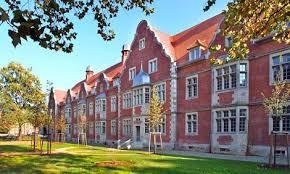
Evangelische Lunge Clinic

Ev.Clinic Hubertus

German Heart Centre Munich
أفضل مراكز الأمراض المعدية في ألمانيا
- Nordwest Clinic (Krankenhaus), ألمانيا
- Hospital Havelhoehe, ألمانيا
- Charité - Universitätsmedizin Berlin, ألمانيا
- University Hospital Carl Gustav Carus Dresden, ألمانيا
- Kerckhoff clinic, ألمانيا
- Medical Center Rechts der Isar , ألمانيا
- Heart Center Dresden University Hospital, ألمانيا
- Evangelische Lunge Clinic, ألمانيا
- Ev.Clinic Hubertus, ألمانيا
- German Heart Centre Munich, ألمانيا
احصل على تقييم طبي لـ في ألمانيا: اختر أخصائيك من بين الأفضل في هذا المجال
عرض جميع الأطباء
Viktor Alexander Krol
يقود الدكتور فيكتور ألكسندر كرول قسمًا معتمدًا لأمراض الجهاز الهضمي في مستشفى سانت مارتينوس في دوسلدورف، وهو متخصص في صحة الكبد والجهاز الهضمي.
- رئيس قسم أمراض الجهاز الهضمي والطب الباطني بخبرة واسعة
- مدير مركز معتمد لعلاج السمنة
- يستخدم تقنيات تنظيرية وتشخيصية متقدمة لأمراض الكبد
- يقدم رعاية شاملة للاضطرابات الهضمية والأيضية المعقدة

Siegbert Rossol
أكثر من 34 عامًا من التخصص في أمراض الكبد - يعالج الدكتور روسول التهاب الكبد الفيروسي بخبرة دولية من كينجز كوليدج لندن.
- عضو في جمعيات الكبد الرائدة (EASL، AASLD، GASL)
- حاصل على زمالة تدريبية من معهد دراسات الكبد، كينجز كوليدج
- يجري علاجات تنظيرية متقدمة لمضاعفات الكبد
- نُشرت أبحاثه في مجلات رائدة في طب الجهاز الهضمي
مواد ذات صلة

عقار جديد يقضي على التهاب الكبد سي في غضون أسابيع قليلة
كتب بواسطة Veronika Kazina

ما هي أنواع التهاب الكبد الفيروسي؟
كتب بواسطة Veronika Kazina
مشاركة المحتوى
قصص فيديو من مرضى Bookimed
 Anna Leonova
أسئلة متكررة حول الأمراض المعدية في ألمانيا
هل ألمانيا وجهة آمنة لعلاج الأمراض المعدية للسياح الطبيين؟
تعد ألمانيا وجهة رائدة لعلاج الأمراض المعدية بفضل تنظيمها الصارم مزدوج الطبقات. تخضع سلامة المرافق لقانون حماية العدوى. وقد أدى هذا الإطار القانوني إلى خفض معدلات العدوى السريرية بنسبة 20-30%. يستفيد المرضى من الحماية القانونية الشاملة وبروتوكولات النظافة المعتمدة من قبل JCI أو TÜV.
- السلامة المنظمة: تلتزم المرافق بقانون حماية العدوى للمراقبة الإلزامية للأمراض.
- الخبرة المتخصصة: يدير مستشفى شاريتيه – جامعة برلين للطب حالات معقدة بخبرة تزيد عن 300 عام.
- التشخيص المتقدم: تستخدم عيادات مثل نوردويست الموجات فوق الصوتية ثلاثية الأبعاد ولقاحات مضادة للسرطان مستهدفة للعدوى.
- التغطية القانونية: يحصل المرضى الدوليون على نفس حماية المسؤولية الطبية التي يتمتع بها المواطنون الألمان.
رؤية خبير Bookimed: تظهر البيانات السريرية أن المستشفيات الجامعية مثل شاريتيه وعيادة نوردويست تتعامل مع أحجام هائلة من المرضى، تتجاوز 60,000 حالة سنوياً. يسمح هذا التردد العالي لهذه المؤسسات بالحفاظ على معدلات أقل للعدوى المكتسبة في المستشفيات. تشير سجلاتنا إلى أن العيادات التي تضم معاهد بحثية متعددة توفر غالباً وصولاً أسرع إلى العلاجات التجريبية لمرض لايم سلبي المصل.
إجماع المرضى: يلاحظ المرضى أنه على الرغم من تطبيق بروتوكولات العزل للأمراض المعدية بصرامة، فإن المرافق تبدو كفنادق فاخرة أكثر من كونها مستشفيات نموذجية. يؤكد الكثيرون أن أولئك الذين يعانون من عدوى يصعب تشخيصها يختارون تحديداً ميونيخ أو هامبورغ لاختباراتهم المعملية المتفوقة ومعايير السلا
كيف يتم تأهيل أخصائيي الأمراض المعدية في ألمانيا للمرضى الدوليين؟
يتم تأهيل أخصائيي الأمراض المعدية في ألمانيا من خلال إقامة طبية مدتها 6 سنوات. يجب أن يحملوا ترخيصاً طبياً كاملاً يسمى Approbation. يكمل معظمهم تدريباً إضافياً في الطب الباطني. يحصل الكثيرون على لقب أخصائي الأمراض المعدية (DGI). تلبي هذه الشهادة المعايير الطبية الدولية الصارمة.
- الترخيص الطبي: يجب أن يحمل الأطباء Approbation سارياً لممارسة الطب.
- التدريب المتخصص: يكمل الأخصائيون 12 شهراً من التدريب الخاضع للإشراف في الأمراض المعدية.
- شهادة DGI: توفر الجمعية الألمانية للأمراض المعدية ألقاباً معترفاً بها دولياً.
- المهارات اللغوية: يجتاز الأطباء اختبارات مستوى C1 لضمان تواصل واضح مع المرضى.
رؤية خبير Bookimed: غالباً ما ترتبط الجودة بحجم المستشفى وحالة البحث العلمي. تخدم المراكز الأكاديمية مثل Charité - Universitätsmedizin Berlin أكثر من 845,000 مريض سنوياً. توفر هذه المستشفيات الجامعية ذات الحجم الكبير أعمق الخبرات للعدوى النادرة. وهي تدير بشكل متكرر حالات دولية بما في ذلك الأمراض الاستوائية المعقدة.
إجماع المرضى: يلاحظ المرضى أن الأخصائيين في المستشفيات الجامعية الكبرى يتحدثون الإنجليزية بطلاقة عادةً. من المفيد إحضار سجلات طبية مترجمة لتسهيل عملية التسجيل بكفاءة.
ما هي التشخيصات المتقدمة المتاحة للأمراض المعدية في ألمانيا؟
تشمل تشخيصات الأمراض المعدية المتقدمة في ألمانيا تسلسل الجيل التالي الميتاجينومي (mNGS) ولوحات تفاعل البوليميراز المتسلسل (PCR) المتعددة لتحديد مسببات الأمراض بسرعة. تستخدم مرافق مثل عيادة نوردويست هذه الأدوات الجزيئية للكشف عن البكتيريا والفيروسات والطفيليات النادرة. يحصل المرضى على إمكانية الوصول إلى تفاعل البوليميراز المتسلسل الرقمي عالي الحساسية والاختبارات المتلازمية للحصول على نتائج فورية.
- التسلسل الجزيئي: تحدد منصات mNGS مثل DISQVER أكثر من 1500 مسبب للأمراض من عينة واحدة.
- تفاعل البوليميراز المتسلسل المتعدد السريع: توفر أنظمة مثل QIAstat-Dx اختبارات متلازمية لعدوى الجهاز التنفسي والجهاز الهضمي.
- الاستخلاص فائق السرعة: تقوم مجموعات الاختبار الحاصلة على علامة CE مثل SwiftX باستخلاص الحمض النووي الفيروسي أو الحمض النووي الريبي في 6 دقائق.
- الأمصال المتخصصة: تكتشف اختبارات الأجسام المضادة المتقدمة الأمراض ذات الأولوية لمنظمة الصحة العالمية مثل زيكا وحمى لاسا.
رؤية خبير Bookimed: غالبًا ما توفر المستشفيات الجامعية الألمانية وصولاً أسرع إلى التسلسل الميتاجينومي مقارنة بالمختبرات الخاصة بسبب أقسام الأبحاث المتكاملة. تدير عيادات مثل شاريتيه - مستشفى برلين الجامعي أكثر من 845,000 مريض سنويًا وتحتفظ بروابط مباشرة مع المختبرات المرجعية. يسمح هذا الحجم الكبير لهم بتشغيل لوحات معقدة بشكل متكرر وتقليل أوقات انتظار المرضى.
إجماع المرضى: يشير المرضى إلى أن العيادات الجامعية الكبرى تقدم نتائج تفاعل البوليميراز المتسلسل في نف
ما هي المدة التي يجب أن يخطط لها السائح الطبي للإقامة من أجل علاج الأمراض المعدية في العيادات الخارجية في ألمانيا؟
يجب على السياح الطبيين التخطيط لإقامة تتراوح من أسبوع إلى 3 أسابيع لعلاج الأمراض المعدية في العيادات الخارجية في ألمانيا. تنتهي الاستشارات الأولية والتشخيصات مثل اختبارات فيروس نقص المناعة البشرية أو فحص فيروس الورم الحليمي البشري عادةً في غضون 3 أيام. غالبًا ما تتطلب البروتوكولات المضادة للفيروسات المعقدة أو دورات المضادات الحيوية الوريدية من 15 إلى 45 يومًا من المراقبة المحلية.
- مرحلة التشخيص: تستغرق الاختبارات المعملية القياسية واستشارات المتخصصين عادةً من يوم إلى 3 أيام.
- العلاج المكثف: عادةً ما يستمر العلاج بالمضادات الحيوية بالحقن في العيادات الخارجية (OPAT) حوالي 15 يومًا متتاليًا.
- الإدارة المزمنة: غالبًا ما تتطلب خطط علاج فيروس نقص المناعة البشرية أو التهاب الكبد الوبائي سي من 7 إلى 14 يومًا إضافية كفترة احتياطية.
- الوقت الإداري: يمكن أن تضيف نتائج المزارع المتخصصة أو اختبارات PCR من 3 إلى 5 أيام.
رؤية خبير Bookimed: تخدم المراكز الجامعية ذات الحجم الكبير مثل مستشفى شاريتيه - جامعة برلين الطبية أكثر من 845,000 مريض سنويًا. تُظهر بياناتنا أن هذه المؤسسات الكبيرة غالبًا ما تستخدم الطب عن بُعد المتكامل للتعامل مع المتابعات. وهذا يسمح للمرضى بالعودة إلى ديارهم مبكرًا ومراقبة الأعراض عن بُعد بعد فترة الاستقرار الأولية التي تبلغ 7 أيام.
إجماع المرضى: يقترح المرضى حجز نافذة أولية مدتها 10 أيام لتغطية أي تأخيرات غير متوقعة في الاختبارات. يشير الكثيرون إلى أن السفر إلى مراكز رئيسية مثل برلين أو ميونيخ يضمن وصولاً أسر
ما هي اللغات المدعومة في التواصل الطبي للمرضى الدوليين المصابين بأمراض معدية؟
يتم دعم التواصل الطبي لمرضى الأمراض المعدية في ألمانيا باللغتين الإنجليزية والألمانية كمعيار أساسي. توفر المستشفيات الكبرى مثل عيادة نوردويست (Krankenhaus) والمركز الطبي Rechts der Isar خدمات ترجمة احترافية. كما يقدم العديد من المتخصصين استشارات باللغات العربية والروسية والفرنسية لاستيعاب المرضى الدوليين.
- استشارات متخصصة: يقدم الدكتور سيغبرت روسول في عيادة نوردويست رعاية متخصصة في أمراض الكبد والأمراض المعدية.
- خدمات الترجمة: تستخدم المراكز الكبيرة مثل المركز الطبي Rechts der Isar مترجمين طبيين محترفين.
- التنوع اللغوي: تدعم الخدمات المهنية غالبًا أكثر من 200 لغة عبر روابط الهاتف أو الفيديو.
- إتقان اللغة الإنجليزية: يتواصل الطاقم السريري في المستشفيات الحضرية مثل شاريتيه برلين عادةً بطلاقة باللغة الإنجليزية.
رؤية خبير Bookimed: على الرغم من أن المستشفيات الجامعية مثل شاريتيه تعالج أكثر من 840,000 مريض سنويًا، إلا أنها غالبًا ما تفتقر إلى خدمات استقبال دولية مخصصة. يجد المرضى دعمًا أفضل للتواصل في عيادات مثل عيادة نوردويست، التي تتعامل مع 61,000 مريض سنويًا وتقدم مسارات أكثر تخصيصًا للحالات الأجنبية.
إجماع المرضى: يلاحظ المرضى أنه على الرغم من أن الأطباء يتحدثون عادةً لغة إنجليزية ممتازة، إلا أن الموظفين الإداريين وطاقم التمريض قد يتحدثون الألمانية فقط. من المفيد طلب مترجم طبي محترف قبل موعدك بـ 2 إلى 3 أسابيع لضمان تواصل سلس.
هل يتم تضمين أو ترتيب الإقامة والنقل للمرضى الذين يخضعون لرعاية الأمراض المعدية؟
لا يتم تضمين الإقامة الطبية والنقل تلقائيًا لرعاية الأمراض المعدية في ألمانيا. تركز العيادات عالية المستوى مثل شاريتيه - مستشفى برلين الجامعي وعيادة نوردويست على الاحتواء الداخلي بدلاً من الخدمات اللوجستية الخارجية. عادةً ما يقوم المرضى بترتيب سفرهم وإقامتهم القريبة للمتابعة الخارجية.
- النقل الطبي: يتم تنظيم سيارات الإسعاف المتخصصة أو وحدات الاحتواء البيولوجي لعمليات النقل عالية المخاطر بين المرافق.
- السفر القياسي: عادةً ما يدير المرضى وصولهم بأنفسهم عبر القطار أو التاكسي أو الحافلات لمسافات طويلة.
- الإقامة السريرية: الإقامات الداخلية طبية، لكن العائلات غالبًا ما تستخدم مرافق رونالد ماكدونالد هاوس.
- السكن المرتب ذاتيًا: غالبًا ما يحجز مرضى العيادات الخارجية إيجارات خاصة أو بيوت شباب في مدن مثل فرانكفورت أو برلين.
رؤية خبير Bookimed: تُظهر البيانات الواردة من مراكز ذات حجم كبير مثل المركز الطبي ريختس دير إيزار أن أكثر من 320,000 مريض يتم إدارتهم سنويًا بدون باقات فندقية متكاملة. نظرًا لأن المستشفيات الجامعية الألمانية تعطي الأولوية للبحث السريري على الضيافة، يجب على المرضى وضع ميزانية منفصلة لتكاليف الإقامة. يمكن أن يؤدي اختيار عيادة في مدينة أصغر مثل باد ناوهايم إلى تقليل نفقات الإقامة اليومية مقارنة بميونخ.
إجماع المرضى: يشير المرضى إلى أنه بينما تتعامل المستشفيات مع العزل الصارم أثناء العلاج، فإن تكلفة سيارات الأجرة والفنادق القريبة تقع على عاتق الفرد. ينصح الكثيرون بتخصيص ميزانية تصل إلى 100 يورو في الليلة للإقامة
ما هي المستشفيات في ألمانيا التي تحظى بأعلى التقييمات في جراحة الأعصاب؟
تضم ألمانيا بعضًا من أرقى أقسام جراحة الأعصاب في العالم، بقيادة مستشفى شاريتيه الجامعي في برلين ومستشفى جامعة هايدلبرغ. وتتميز هذه المراكز بخبرتها الواسعة في علاج أورام الدماغ المعقدة وأمراض الأوعية الدموية الدماغية. ولتحقيق أقصى قدر من الفعالية في عملياتها، تستخدم هذه المراكز أحدث التقنيات، مثل التصوير بالرنين المغناطيسي أثناء الجراحة والتوجيه العصبي بمساعدة الحاسوب.
- مستشفى شاريتيه برلين: يُجري أكثر من 5000 عملية جراحية سنوياً. ويرأس العيادة جراح الأعصاب الشهير الدكتور بيتر فايكوتشي.
- المركز الطبي في سولينجن: أجرى الدكتور رالف بوهل أكثر من 4000 عملية جراحية، بما في ذلك جراحات العمود الفقري طفيفة التوغل.
- عيادة أسكليبيوس نورد: مجهزة بنظام التصوير بالرنين المغناطيسي الثنائي الوحيد في ألمانيا أثناء الجراحة لضمان الدقة الجراحية في الوقت الحقيقي أثناء إزالة الورم.
- عيادة نوردويست: تم الاعتراف بها من قبل مجلة نيوزويك كمستشفى رائد في مجال الابتكار في تكنولوجيا الموجات فوق الصوتية ثلاثية الأبعاد.
رأي خبراء بوكيمد: تشير البيانات إلى أن اختيار المراكز ذات الحجم الجراحي الكبير غالبًا ما يؤدي إلى توصيات علاجية أكثر تحفظًا. ففي مركز سولينجن الطبي، الذي يعالج أكثر من 60,000 مريض
ما هي نسب نجاح العمليات الجراحية العصبية المعقدة في ألمانيا؟
في ألمانيا، تتميز العمليات الجراحية العصبية بالغة التعقيد بمستوى أمان استثنائي. تصل نسبة نجاح عمليات دمج الفقرات إلى 99%، بينما تبلغ نسبة النجاة بعد استئصال أورام الدماغ الأولية 97%. كما يتمتع المرضى بقدرة عالية على الاعتماد على أنفسهم في أداء وظائفهم اليومية، حيث يغادر أكثر من 82% منهم المستشفى مباشرةً بعد العلاج. وتولي المراكز الألمانية اهتماماً بالغاً بالحفاظ على الوظائف العصبية باستخدام أحدث تقنيات التخطيط العصبي.
- استئصال الورم: يحقق الجراحون استئصالًا كاملاً للورم في 87.2% من حالات النقائل الدماغية.
- النجاح في علاج أمراض الأوعية الدموية: أفادت المستشفيات الألمانية بنسبة نجاة بلغت 98.7% لحالات تمدد الأوعية الدموية غير الممزقة.
- تحسن الحالة العصبية: يشهد ما يقرب من 43% من المرضى تحسناً في المعايير الوظيفية بعد عمليات الاستئصال المعقدة.
- سلامة التدخلات الجراحية: في المراكز الجراحية الكبيرة، تتراوح معدلات بقاء المرضى على قيد الحياة بعد جراحة العمود الفقري بين 98-99%.
رأي خبراء بوكيمد: يُجري جراحون ذوو خبرة، مثل الدكتور أوفه كولر من عيادة أسكليبيوس ألتونا، أكثر من 2000 عملية جراحية سنويًا. تُشير البيانات إلى أن هؤلاء المتخصصين يحافظون على معدلات نجاح تصل إلى 90%، حتى
ما هي التقنيات المتقدمة المتوفرة عادةً في عيادات جراحة الأعصاب الألمانية؟
تُدخل عيادات جراحة الأعصاب الألمانية بانتظام أدوات رقمية عالية الدقة وتقنيات تصوير فوري في الممارسة الجراحية. تشمل التقنيات الرئيسية الملاحة العصبية الحاسوبية لجراحات الدماغ والحبل الشوكي. تستخدم مؤسسات مثل عيادة أسكليبيوس نورد التصوير بالرنين المغناطيسي أثناء الجراحة للتحقق من استئصال الورم في الوقت الفعلي. توفر هذه الأنظمة للجراحين نظام ملاحة ثلاثي الأبعاد.
- الملاحة العصبية: توفر تصورًا ثلاثي الأبعاد وتتبعًا فوريًا للأدوات لتحقيق دقة جراحية تصل إلى مستوى أقل من المليمتر.
- التصوير أثناء العملية: تسمح أنظمة مثل التصوير بالرنين المغناطيسي أثناء العملية (iMRI) والتصوير المقطعي المحوسب ذي الذراع O (O-arm CT) بالتأكيد الفوري على نجاح عملية الاستئصال.
- المراقبة العصبية: تراقب الوظائف الحركية والحسية أثناء الجراحة لحماية الجهاز العصبي.
- التشخيص الفلوري: يتم استخدام صبغة 5-ALA لتسليط الضوء على حدود الورم من أجل إزالته بشكل أكثر اكتمالاً.
- المساعدة الروبوتية: تعمل أنظمة مثل نظام دافنشي على تحسين الدقة في الإجراءات المعقدة ذات التدخل الجراحي البسيط.
رأي خبراء بوكيمد: تُجري مراكز طبية كبيرة، مثل مستشفى شاريتيه الج
ما هي التدريبات المتخصصة التي يتلقاها جراحو الأعصاب الممارسون في ألمانيا؟
في ألمانيا، يتعين على جراحي الأعصاب إكمال برنامج إقامة تخصصي لمدة ست سنوات بعد التخرج من كلية الطب. يشمل هذا البرنامج المنظم العناية المركزة، والتدريب السريري، وكتابة مقالات في مجلة جراحية إلزامية. بعد ذلك، يجتاز المرشحون امتحانًا حكوميًا للحصول على لقب طبيب مقيم (Facharzt für Neurochirurgie).
- الإقامة السريرية: تتطلب من 48 إلى 72 شهرًا من الممارسة المتخصصة في جراحة الأعصاب.
- العناية المركزة: تتضمن فترة تدريب إلزامية لمدة 6 أشهر في وحدة العناية المركزة لجراحة الأعصاب.
- المجلة الجراحية: يوثق الجراحون مئات العمليات الجراحية، بما في ذلك عمليات فتح الجمجمة وجراحات العمود الفقري.
- امتحان الترخيص: يجب على المتقدمين اجتياز امتحان طبي شفوي وعملي تديره الدولة.
رأي خبراء بوكيميد: يركز التدريب الألماني في جراحة الأعصاب على الخبرة الجراحية الواسعة. فعلى سبيل المثال، أجرى الدكتور رالف بول من المركز الطبي في سولينجن أكثر من 4000 عملية جراحية. ويتمتع الدكتور يورغن كيويت من مستشفى ميوكلينيك بخبرة تزيد عن 25 عامًا. يضمن هذا النظام الدقيق أن يتعامل المتخصصون في المراكز الكبرى مع الحالات المعقدة بدقة مثبتة.
آراء المرضى: يشع