عيادات الأمراض المعدية في إسبانيا


تمت مراجعة المقالة طبيا من قبل
فهد مولود
ما هي تكلفة الأمراض المعدية في إسبانيا؟ اكتشف الآن
تتراوح تكلفة علاج الأمراض المعدية في إسبانيا عادةً ما بين _price_from_ و _price_to_. تعتمد النفقات النهائية على مسببات الأمراض المحددة، ومستوى الاستشفاء المطلوب، ومدة العلاج بمضادات الفيروسات أو المضادات الحيوية. وغالباً ما يجد المرضى وفورات تتراوح بين 50-70% مقارنة بالولايات المتحدة في العلاجات المعقدة مثل السل أو إدارة الفيروسات.
تكاليف الأمراض المعدية النموذجية في إسبانيا
- استشارة مع وضع خطة علاجية: من $400
- بزل قطني: من $700
- استشارة مع أخصائي كبد: من $250
- مراجعة نتائج التصوير بالرنين المغناطيسي: من $160
تقع المراكز الطبية الرئيسية لإدارة الأمراض المعدية في مدريد وبرشلونة. وفي حين أن الأسعار موحدة بشكل عام، قد تكون لدى بعض العيادات المتخصصة في مدريد أسعار أعلى لخدمات العناية المركزة. استشر أخصائياً للحصول على تسعير دقيق لتشخيصك المحدد.
جميع أمراض الأمراض المعدية
مزاياك وضماناتك مع Bookimed
أسعار مباشرة
Bookimed لا يضيف رسوماً إضافية على أسعار علاج الأمراض المعدية. الأسعار مأخوذة من قوائم الأسعار الرسمية للعيادات. تدفع مباشرة في العيادة مقابل علاجك عند وصولك إلى البلد.
عيادات وأطباء معتمدون فقط
Bookimed ملتزم بسلامتك. نحن نعمل فقط مع المؤسسات الطبية التي تحافظ على معايير دولية عالية في علاج الأمراض المعدية ولديها التراخيص اللازمة لخدمة المرضى الدوليين في جميع أنحاء العالم.
مساعدة مجانية على مدار الساعة
Bookimed يقدم مساعدة خبراء مجانية. منسق طبي شخصي يدعمك قبل وأثناء وبعد العلاج، ويحل أي مشاكل. لن تكون وحيداً أبداً في رحلة علاج الأمراض المعدية.

منسقك الطبي الشخصي في Bookimed
- يدعمك في كل مرحلة
- المساعدة في اختيار العيادة الطبية المناسبة والطبيب المناسب
- يضمن الوصول السريع والمريح إلى المعلومات
اكتشف أفضل عيادات الأمراض المعدية: 7 خيارات معتمدة والأسعار





ANDSURGEONS Clinic




أفضل مراكز الأمراض المعدية في إسبانيا
- Centro Médico Teknon, إسبانيا
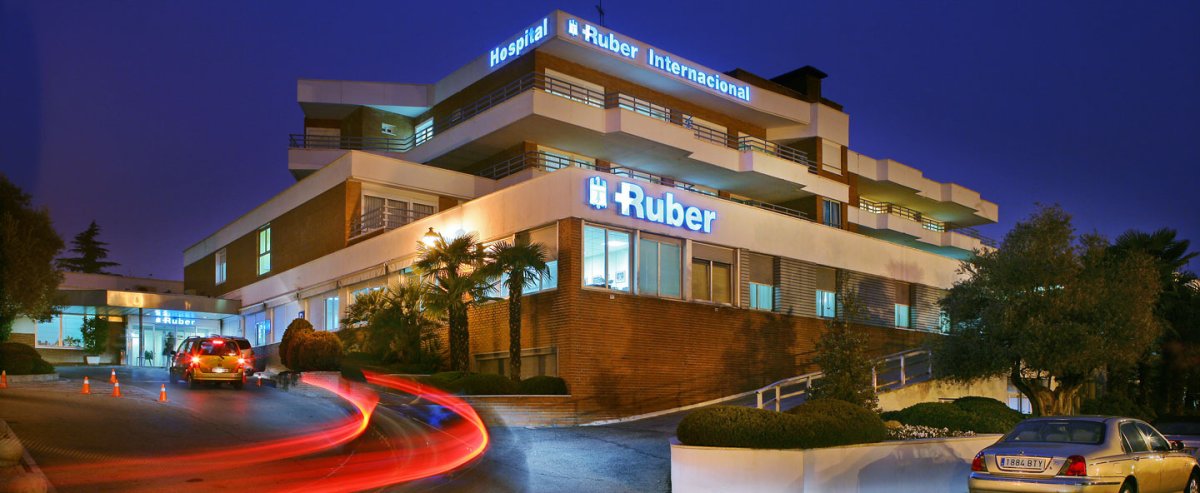
- مستشفى Ruber Internacional, إسبانيا
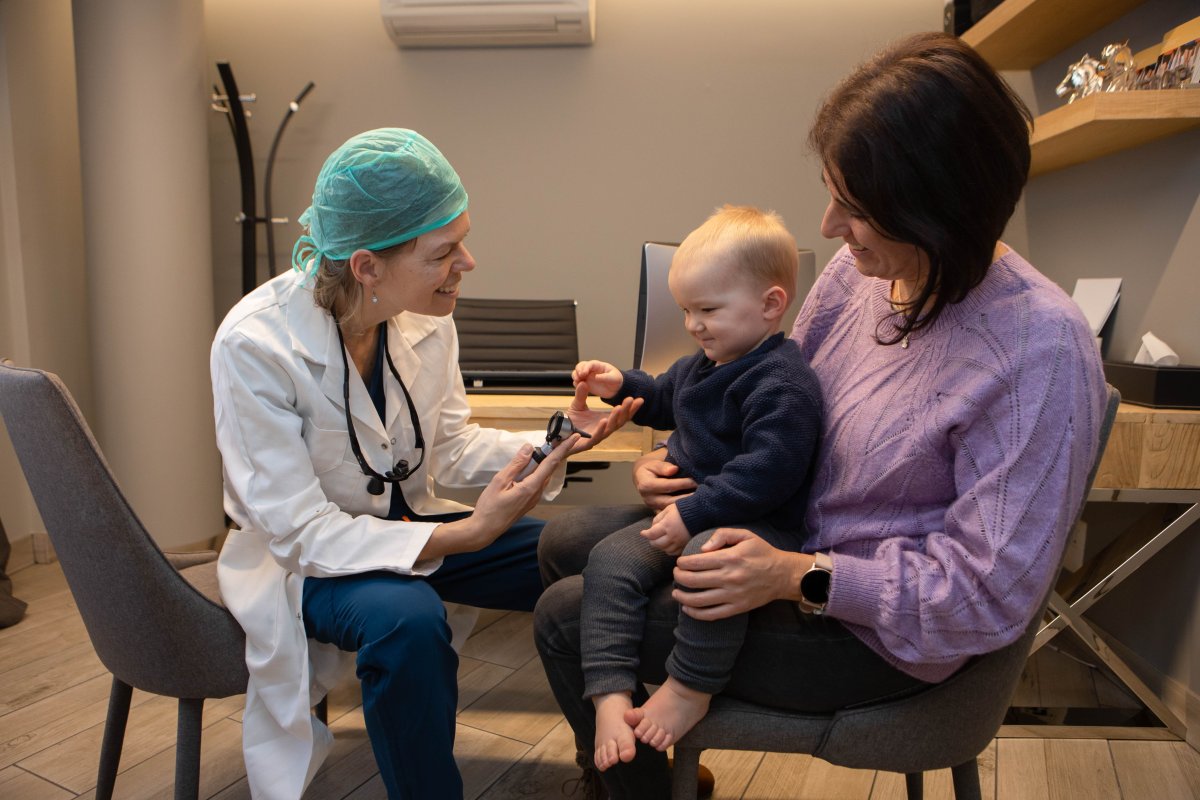
- ANDSURGEONS Clinic, إسبانيا
- Hospital HM Nou Delfos, إسبانيا
- Hospital HM Sanchinarro, إسبانيا
- Hospital HM Puerta del Sur, إسبانيا
- Hospital HM Monteprincipe, إسبانيا
احصل على تقييم طبي لـ الأمراض المعدية في إسبانيا. استشر الآن 14 أطباء ذوي الخبرة.
عرض جميع الأطباء
Javier Moreno Izarra
خبير في المقاومة الميكروبية وتحسين مضادات الميكروبات، يقود الدكتور مورينو إيثارا وحدة الأمراض المعدية في كيرونسالود ماربيا.
- رئيس قسم الأمراض الباطنة في العديد من المستشفيات المرموقة
- مشارك نشط في الفعاليات العلمية الوطنية والدولية
- عضو في الجمعية الإسبانية للأمراض المعدية والأحياء الدقيقة السريرية
- متخصص في الأمراض المعدية مع التركيز على مقاومة مضادات الميكروبات

Javier Ramos Lazaro
يتخصص الدكتور خافيير راموس لازارو في الأمراض المعدية، مع التركيز على العدوى المقاومة للمضادات الحيوية والسل.
- مدير قسم الطب الباطني في مستشفى HM Nou Delfos
- حاصل على ماجستير متخصص في الأمراض المعدية والعلاج بالمضادات الميكروبية
- عضو في الجمعية الإسبانية للأمراض المعدية والميكروبيولوجيا السريرية
- متعاون تدريسي في جامعة برشلونة والجامعة الدولية في كاتالونيا
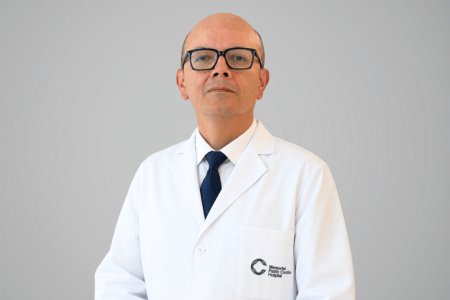
Abelardo Fernández Chávez
الدكتور أبيلاردو فرنانديز تشافيز اختصاصي في أمراض الحساسية في مستشفى بوبليو كوردون التذكاري في مدريد. يعالج الأمراض المعدية واضطرابات الجهاز المناعي المعقدة. كما يجري الدكتور تشافيز فحوصات طبية تشخيصية للرعاية الوقائية.
يمارس عمله في منشأة حاصلة على اعتماد اللجنة الدولية المشتركة (JCI). كما تحظى المستشفى باعتراف الجمعية الأوروبية للتكاثر البشري وعلم الأجنة.
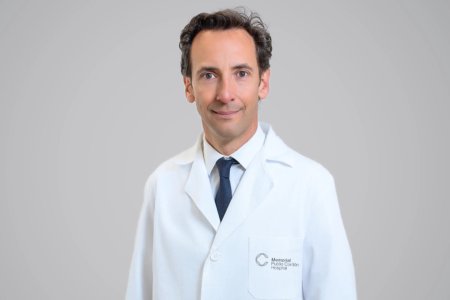
Antonio Lalueza Blanco
الدكتور أنطونيو لاليوزا بلانكو هو أخصائي في الطب الباطني بمستشفى بوبليو كوردون التذكاري في مدريد. يعالج الأمراض المعدية، وأمراض القلب، وطب الأوردة، بما في ذلك حالات مثل الدوالي. كما يشرف على الفحوصات الطبية للمرضى الدوليين. المستشفى الذي يعمل به حاصل على اعتماد اللجنة الدولية المشتركة (JCI) ومعترف به من قبل الجمعية الأوروبية للتناسل البشري وعلم الأجنة.
مواد ذات صلة

عقار جديد يقضي على التهاب الكبد سي في غضون أسابيع قليلة
كتب بواسطة Veronika Kazina

ما هي أنواع التهاب الكبد الفيروسي؟
كتب بواسطة Veronika Kazina
مشاركة المحتوى
قصص فيديو من مرضى Bookimed
 Anna Leonova
أسئلة متكررة حول الأمراض المعدية في إسبانيا
ما الذي يجب علي فعله إذا شعرت بالمرض أثناء وجودي في إسبانيا؟
إذا شعرت بالمرض في إسبانيا، اطلب الرعاية بناءً على شدة الأعراض. بالنسبة للمشكلات البسيطة، قم بزيارة صيدلية محلية للحصول على المشورة والأدوية التي لا تستلزم وصفة طبية. بالنسبة للعدوى، حدد موعدًا لاستشارة طبيب أمراض معدية للحصول على تشخيص احترافي وخطط علاج متخصصة.
- خدمات الطوارئ: اتصل بالرقم 112 للحصول على مساعدة طبية عاجلة أو في حالة وجود أعراض تهدد الحياة.
- الوصول إلى الصيدليات: ابحث عن الصلبان الخضراء النيون للصيدليات المناوبة (Farmacias de Guardia) التي تعمل على مدار 24 ساعة.
- استشارة طبيب الأمراض المعدية: تتراوح تكلفة الاستشارات المتخصصة للأمراض المعدية بين $130 و $200.
- خيارات التشخيص: تتراوح تكلفة تشخيص فيروس نقص المناعة البشرية المفصل في إسبانيا بين $20 و $100.
رؤية خبير Bookimed: إسبانيا هي مركز لإدارة الأمراض المعدية. تتوفر الاستشارات المتخصصة على نطاق واسع بأقل من $200 في المراكز الخاصة. غالبًا ما يجد المرضى الذين يبحثون عن رعاية متخصصة للحالات المزمنة أن التشخيصات سريعة. يمكنك الحصول على خطة علاج ونتائج أولية في غضون أيام قليلة فقط.
إجماع المرضى: يذكر المرضى أن الصيادلة مفيدون للغاية في حالات نزلات البرد الشائعة أو مشاكل المعدة. بالنسبة للمخاوف الأكثر خطورة، يلاحظون أن العيادات الخاصة تقدم مواعيد أسرع بكثير من المستشفيات العامة.
كيف يتم تشخيص الأمراض المعدية في المستشفيات الإسبانية؟
تقوم المستشفيات الإسبانية بتشخيص الأمراض المعدية من خلال التقييمات السريرية التي تقودها أقسام الطب الباطني والاختبارات الميكروبيولوجية المتقدمة. تستخدم بروتوكولات التشخيص اختبارات PCR الجزيئية، والأمصال، ومزارع الدم. يدير متخصصون مثل الدكتور خافيير راموس لازارو في مستشفى HM Nou Delfos حالات معقدة تشمل السل والأمراض المكتسبة من المجتمع.
- استشارات المتخصصين: تتراوح تكلفة التقييمات الأولية بين $130 و $200 مع خبراء الطب الباطني.
- التشخيص الجزيئي: اختبارات PCR السريعة هي المعيار للفيروسات التنفسية وتحديد مسببات الأمراض في نفس اليوم.
- الفحوصات التفصيلية: تجري العيادات تشخيصات مستهدفة لفيروس نقص المناعة البشرية أو لوحات التهاب الكبد الوبائي C باستخدام اختبار Western Blot.
- الإجراءات المتقدمة: يستخدم المتخصصون البزل القطني أو مراجعات نتائج التصوير بالرنين المغناطيسي لحالات العدوى العصبية.
رؤية خبير Bookimed: تخدم المستشفيات الإسبانية مثل مستشفى HM Sanchinarro ومستشفى HM Nou Delfos أكثر من 400,000 مريض سنوياً. يسمح هذا الحجم الكبير لهذه المراكز بدمج معايير الترميز الدولية مع سير عمل المختبرات السريع. غالباً ما يتلقى المرضى رعاية طبية باطنية متخصصة بشكل أسرع في المرافق الخاصة. تنسق هذه العيادات بشكل متكرر مع وحدات بحثية مخصصة لتحسين استخدام مضادات الميكروبات أثناء التشخيص.
إجماع المرضى: يؤكد المرضى على أهمية إحضار سجل مفصل للسفر والأعراض إلى الموعد الأول لتسريع الاختبارات. يوصي الكثيرون باستخدام
ما هو الوضع الحالي لجدري القردة (Mpox) في إسبانيا؟
تعد إسبانيا حاليًا الدولة الأكثر تضررًا من جدري القردة (Mpox) في الاتحاد الأوروبي. أكدت السلطات 84 حالة في أوائل عام 2026. وتعد سلالة Clade Ib الأكثر قابلية للانتقال هي المحرك لهذا الارتفاع. الانتقال المجتمعي المحلي نشط في المراكز الحضرية مثل مدريد. تحدث معظم الحالات داخل الشبكات الجنسية.
- السلالة المهيمنة: تمثل سلالة Clade Ib نسبة 43% من الحالات المؤكدة في عام 2026.
- نوع الانتقال: تؤكد منظمة الصحة العالمية وجود انتشار مجتمعي محلي دون تاريخ سفر دولي.
- البؤرة الإقليمية: تظل مدريد المنطقة الرئيسية لعدوى Clade Ib المحلية.
- حالة التطعيم: حوالي 66% من المرضى في المجموعات المبلغ عنها لم يتلقوا اللقاح.
رؤية خبراء Bookimed: في حين أن مدريد هي البؤرة الحالية، فإن البنية التحتية للأمراض المعدية في إسبانيا مركزية للغاية في المراكز الأكاديمية. تخدم مرافق مثل مستشفى HM Nou Delfos في برشلونة وRuber Internacional في مدريد أكثر من 400,000 مريض سنويًا. تستخدم هذه الشبكات التسلسل الجينومي لمراقبة تطور الفيروس عبر أكثر من 40 قسمًا متخصصًا.
إجماع المرضى: يشير المرضى إلى أن الخطر لا يزال منخفضًا بالنسبة للمسافرين بشكل عام، لكنهم يؤكدون على أهمية التحقق من حالة التطعيم قبل الفعاليات الكبرى. غالبًا ما يكون التطعيم متاحًا مجانًا في عيادات مدريد وبرشلونة للمجموعات المؤهلة.
هل هناك أي تنبيهات حديثة بشأن أمراض الجهاز التنفسي في إسبانيا؟
تشير إسبانيا إلى استقرار في وضع الصحة التنفسية في أوائل عام 2026. راقبت السلطات مؤخرًا حالة بشرية واحدة من إنفلونزا الخنازير A(H1N1)v في كتالونيا. وتقيم إدارات الصحة الخطر العام بأنه منخفض للغاية. تظل الإنفلونزا الموسمية القياسية وكوفيد-19 هي التركيز الأساسي للمراكز الطبية المحلية.
- إنفلونزا الخنازير (H1N1v): حالة واحدة تعافت في كتالونيا ولم تظهر أي انتقال إضافي.
- الفيروسات الموسمية: تتوافق معدلات الإصابة بالإنفلونزا وكوفيد-19 مع أنماط الشتاء المعتادة.
- تدابير الحماية: تتطلب بعض المناطق ارتداء الكمامات في المستشفيات والصيدليات خلال مواسم الذروة.
- تنبيهات أخرى: يخضع جدري القردة (Mpox) من السلالة 1b وفيروس غرب النيل للمراقبة الصيفية الروتينية.
رؤية خبراء Bookimed: تدير شبكات المستشفيات الإسبانية مثل HM Hospitals وQuirónsalud أعدادًا كبيرة من المرضى بفعالية. يتخصص الدكتور خافيير راموس لازارو في مستشفى HM Nou Delfos في الوقاية من العدوى. تحافظ العيادات الحاصلة على اعتمادات ISO وJCI على بروتوكولات نظافة صارمة. تمنع هذه البنية التحتية تحول الطفرات الموسمية المحلية إلى حالات طوارئ صحية وطنية.
إجماع المرضى: يلاحظ المسافرون أنه على الرغم من شيوع أمراض الشتاء، لا توجد حالة طوارئ وطنية. يوصي معظمهم بالحصول على جرعات معززة قياسية ضد الإنفلونزا أو السعال الديكي قبل زيارة المناطق المزدحمة مثل برشلونة.
ما هي اللقاحات الموصى بها قبل السفر إلى إسبانيا؟
لا توجد لقاحات إلزامية مطلوبة لدخول إسبانيا اعتباراً من عام 2024. يجب على المسافرين التأكد من أن التحصينات الروتينية مثل الحصبة (MMR)، وشلل الأطفال، والكزاز (Tdap) محدثة. توصي السلطات الصحية بشكل خاص بلقاح التهاب الكبد A لأولئك الذين يزورون المناطق الريفية أو يركزون على التجارب الطهوية المحلية.
- الجرعات المنشطة الروتينية: قم بتحديث لقاحات MMR وTdap إذا كانت جرعتك الأخيرة منذ أكثر من 10 سنوات.
- التهاب الكبد A: يوصى به لمعظم المسافرين للوقاية من العدوى الناتجة عن الطعام أو الماء الملوث.
- التهاب الكبد B: مقترح لأولئك الذين يتوقعون إجراءات طبية أو تعرضاً محتملاً للدم أثناء السفر.
- اللقاحات المتخصصة: فكر في لقاح التهاب الدماغ المنقول بالقراد إذا كنت ستمارس رياضة المشي لمسافات طويلة في شمال إسبانيا خلال أشهر الصيف.
رؤية خبير Bookimed: نظام الرعاية الصحية في إسبانيا مركزي للغاية، حيث تعالج مراكز رئيسية مثل مستشفى HM Nou Delfos في برشلونة 400,000 مريض سنوياً. ونظراً لأن هذه المراكز تتعامل مع أحجام هائلة، فإنها تحتفظ بمخزونات كبيرة من أحدث العلاجات المضادة للميكروبات. إذا كنت بحاجة إلى رعاية متخصصة للأمراض المعدية، فإن اختيار منشأة ذات حجم كبير يضمن غالباً وصولاً أسرع إلى استشارات الخبراء مع متخصصين مثل الدكتور خافيير راموس لازارو.
إجماع المرضى: يشير المرضى إلى أنه على الرغم من أن البلاد آمنة جداً، إلا أن جرعة منشطة للكزاز تعد أولوية عملية للمسافرين النشطين. يجد معظم المسافرين أن اللقاحات الروتينية القياسية كافية دون الحاجة إ
كيف يتم علاج الأمراض المنقولة جنسياً مثل الكلاميديا أو السيلان في إسبانيا؟
تعالج إسبانيا الكلاميديا والسيلان باتباع بروتوكولات أوروبية صارمة باستخدام العلاج بالمضادات الحيوية الموجهة. يتطلب التشخيص وصفة طبية من أخصائي رعاية صحية لأن المضادات الحيوية لا تُصرف بدون وصفة طبية. توفر مرافق مثل مستشفى HM Nou Delfos ومستشفى Universitario HM Sanchinarro استشارات متخصصة في الأمراض المعدية وفحوصات تشخيصية.
- بروتوكولات العلاج: تتطلب الكلاميديا عادةً مضادات حيوية عن طريق الفم. وغالباً ما يحتاج السيلان إلى حقنة عضلية محددة.
- الوصول إلى الرعاية: يستخدم المرضى مراكز الأمراض المنقولة جنسياً العامة (Centros de ITS) أو المستشفيات الخاصة المعتمدة من قبل اللجنة الدولية المشتركة (JCI).
- استشارات الخبراء: تتراوح تكلفة استشارات الأمراض المعدية في إسبانيا بين $130 و $200.
- الوصفات الطبية الإلزامية: تتطلب جميع علاجات المضادات الحيوية تشخيصاً مؤكداً ووصفة طبية رسمية.
رؤية خبير Bookimed: تظهر بيانات شبكة HM Hospitales، التي تخدم أكثر من 400,000 مريض سنوياً، حجماً كبيراً من حالات الأمراض المعدية. يركز مديرون متخصصون مثل الدكتور خافيير راموس لازارو في مستشفى HM Nou Delfos على تحسين استخدام مضادات الميكروبات. هذه الخبرة حيوية لأنها تضمن اختيار المضاد الحيوي الأكثر فعالية، مما يقلل من خطر مقاومة العلاج.
إجماع المرضى: يشير المرضى إلى أنه من الأسرع بكثير زيارة مركز مخصص للأمراض المنقولة جنسياً بدلاً من طبيب عام. وغالباً ما يحصلون على الوصفات الطبية في نفس اليوم ويؤكدون على أهمية إبلاغ الشركا
كيف يمكنني تجنب الأمراض التي تنقلها الحشرات مثل داء لايم أو داء الليشمانيات في إسبانيا؟
تجنب الأمراض التي تنقلها الحشرات في إسبانيا عن طريق منع لدغات القراد وذباب الرمل. ارتدِ ملابس طويلة واستخدم طاردات الحشرات المسجلة لدى وكالة حماية البيئة (EPA) والتي تحتوي على 20% من مادة DEET. تكون هذه الآفات أكثر نشاطاً من أبريل إلى سبتمبر. قم بإجراء فحص كامل للجسم بحثاً عن القراد بعد التنزه في المناطق المشجرة الشمالية مثل غاليسيا.
- الملابس الواقية: أدخل البنطال الطويل داخل الجوارب. ارتدِ ألواناً فاتحة لاكتشاف القراد بسهولة.
- ذروة النشاط: تجنب الأنشطة الخارجية عند الفجر والغسق. يكون ذباب الرمل أكثر نشاطاً في تلك الأوقات.
- السلامة في الأماكن المغلقة: استخدم شبكات ذات مسام دقيقة وتكييف الهواء. ذباب الرمل أصغر من البعوض العادي.
- الاستشارة الطبية: ابحث عن متخصصين مثل الدكتور خافيير راموس لازارو في مستشفى HM Nou Delfos.
رؤية خبير Bookimed: تظهر البيانات الواردة من المراكز الإسبانية الرئيسية مثل مدريد وبرشلونة حجماً كبيراً من استشارات الأمراض المعدية. تدير مستشفيات مثل Centro Médico Teknon وHospital Universitario HM Sanchinarro ما بين 10,000 إلى أكثر من 400,000 مريض سنوياً. يضمن هذا المعدل المرتفع من المرضى أن الأطباء على دراية عميقة بالأمراض الإقليمية مثل داء الليشمانيات. سريرياً، غالباً ما تستخدم هذه المراكز تشخيصات متقدمة، بما في ذلك البزل القطني واختبارات معملية متخصصة، لاستبعاد المضاعفات بسرعة.
إجماع المرضى: يشير المرضى إلى أن ذباب الرمل في المناطق الساحلية للبحر الأبيض المتوسط يمكنه اللدغ عبر الأقمشة الرقيقة. يوصون