الأمراض المعدية في كوريا الجنوبية — التكاليف 2026


تمت مراجعة المقالة طبيا من قبل
فهد مولود
ما هي تكلفة الأمراض المعدية في كوريا الجنوبية؟ اكتشف الآن
تتراوح تكلفة علاج الأمراض المعدية في كوريا الجنوبية عادةً ما بين _price_from_ و _price_to_. تعتمد النفقات الإجمالية على مسببات الأمراض المحددة، وبروتوكولات العزل المطلوبة، وما إذا كانت الحالة حادة أو مزمنة. يمكن للمرضى القادمين من الولايات المتحدة توقع توفير ما بين 40-60% مقارنة بالتكاليف المحلية للتدخلات الطبية المماثلة.
تكاليف الأمراض المعدية النموذجية في كوريا الجنوبية
- استشارة طبيب كبد: من $45
- اختبار فيروس الورم الحليمي البشري (HPV): السعر عند الطلب
- مراجعة نتائج التصوير بالرنين المغناطيسي: من $50
تقع المراكز الطبية الرئيسية لعلاج الحالات المعدية في المقام الأول في سيول، وإنتشون، ودايغو. وفي حين تضم سيول أكبر مستشفيات الإحالة، فإن المرافق في المراكز الرئيسية الأخرى توفر رعاية تنافسية. استشر أخصائياً للحصول على تسعير دقيق لتشخيصك وخطة علاجك المحددة.
جميع أمراض الأمراض المعدية
مزاياك وضماناتك مع Bookimed
أسعار مباشرة
Bookimed لا يضيف رسوماً إضافية على أسعار علاج الأمراض المعدية. الأسعار مأخوذة من قوائم الأسعار الرسمية للعيادات. تدفع مباشرة في العيادة مقابل علاجك عند وصولك إلى البلد.
عيادات وأطباء معتمدون فقط
Bookimed ملتزم بسلامتك. نحن نعمل فقط مع المؤسسات الطبية التي تحافظ على معايير دولية عالية في علاج الأمراض المعدية ولديها التراخيص اللازمة لخدمة المرضى الدوليين في جميع أنحاء العالم.
مساعدة مجانية على مدار الساعة
Bookimed يقدم مساعدة خبراء مجانية. منسق طبي شخصي يدعمك قبل وأثناء وبعد العلاج، ويحل أي مشاكل. لن تكون وحيداً أبداً في رحلة علاج الأمراض المعدية.

منسقك الطبي الشخصي في Bookimed
- يدعمك في كل مرحلة
- المساعدة في اختيار العيادة الطبية المناسبة والطبيب المناسب
- يضمن الوصول السريع والمريح إلى المعلومات
اكتشف أفضل عيادات الأمراض المعدية: 12 خيارات معتمدة والأسعار




Wonjin Plastic Surgery Clinic








Chaum Medical Center

Bobath Memorial Hospital
أفضل مراكز الأمراض المعدية في كوريا الجنوبية
- Samsung Medical Center, كوريا الجنوبية
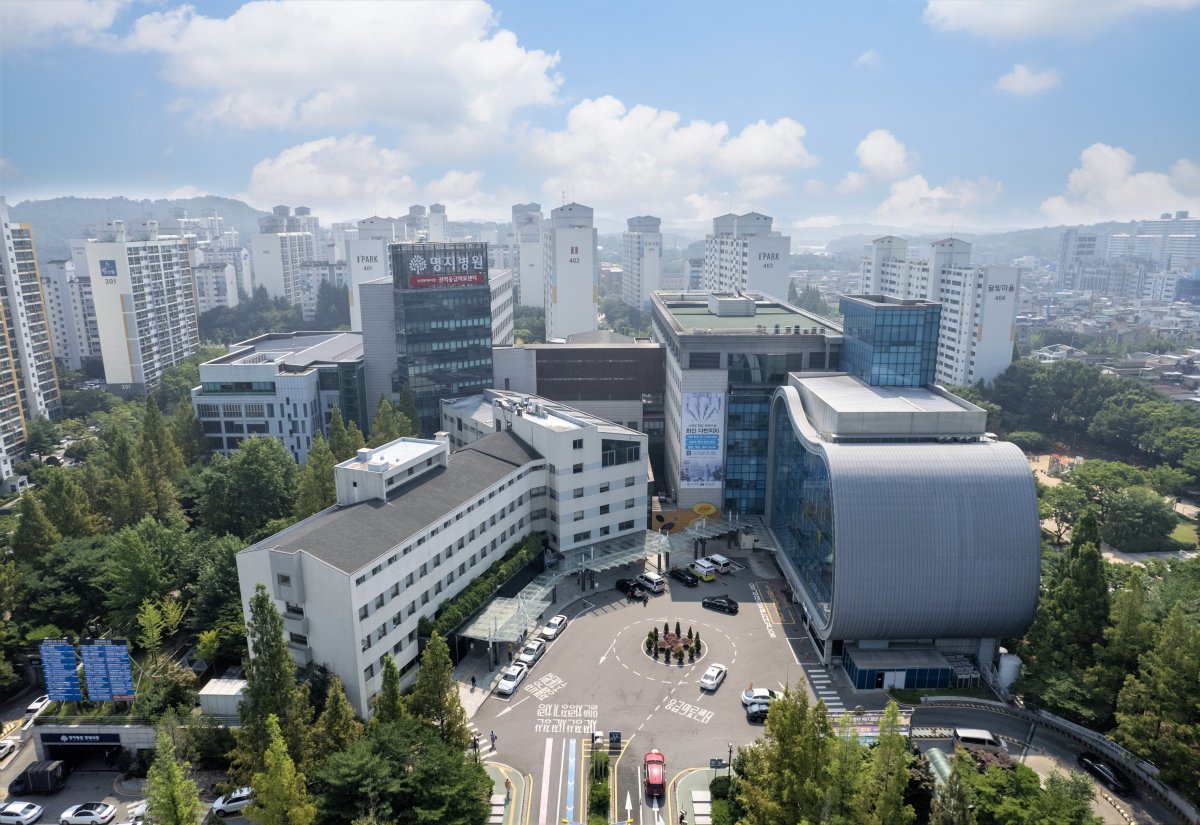
- Myongji Hospital, كوريا الجنوبية
- Wonjin Plastic Surgery Clinic, كوريا الجنوبية
- Asan Medical Center, كوريا الجنوبية
- Seoul National University Bundang Hospital (SNUBH), كوريا الجنوبية
- Severance Hospital, كوريا الجنوبية
- Gangnam Severance Hospital, كوريا الجنوبية
- Jaseng Hospital of Korean Medicine, كوريا الجنوبية
- Chaum Medical Center, كوريا الجنوبية
- Bobath Memorial Hospital, كوريا الجنوبية
مواد ذات صلة

عقار جديد يقضي على التهاب الكبد سي في غضون أسابيع قليلة
كتب بواسطة Veronika Kazina

ما هي أنواع التهاب الكبد الفيروسي؟
كتب بواسطة Veronika Kazina
مشاركة المحتوى
قصص فيديو من مرضى Bookimed
 Anna Leonova
أسئلة متكررة حول الأمراض المعدية في كوريا الجنوبية
هل أحتاج إلى وصفة طبية للحصول على المضادات الحيوية في كوريا الجنوبية؟
يجب أن تحصل على وصفة طبية لجميع المضادات الحيوية الفموية في كوريا الجنوبية. تطبق الصيدليات هذه اللوائح بشكل صارم لإدارة مقاومة البكتيريا. الوصفات الطبية الخارجية ليست صالحة. يجب عليك زيارة عيادة محلية للحصول على وصفة طبية كورية جنوبية صالحة من طبيب مرخص.
- عملية الاستشارة: قم بزيارة عيادة محلية أو مستشفى للحصول أولاً على استشارة من مختص بالأمراض المعدية.
- رسوم الطبيب: عادةً ما تتراوح تكلفة الاستشارة مع خطة العلاج من $150 إلى $350.
- تحديد الصيدلية: ابحث عن علامة الصليب الأخضر للعثور على صيدلية محلية معتمدة.
- تعبئة الدواء: غالباً ما يقوم الصيادلة بتوزيع الحبوب في أكياس يومية منفصلة ومصنفة بحسب وجبة الطعام.
معلومة خبراء Bookimed: تستخدم المؤسسات الكبرى مثل مستشفى جامعة سيول الوطنية بونداك (SNUBH) نظام BESTcare الرقمي. تتبع هذه التقنية الوصفات الطبية لمنع الأخطاء الطبية. اختيار مستشفى بسجلات رقمية متقدمة يضمن تسجيل تاريخ المضادات الحيوية الخاص بك بدقة للزيارات المستقبلية. غالباً ما تتعامل هذه العيادات مع أكثر من 1.5 مليون مريض سنوياً.
إجماع المرضى: يلاحظ المرضى أنه حتى في القضايا البسيطة مثل الإسهال لدى المسافرين، ترفض الصيدليات بشدة الطلبات بدون وصفة محلية. كثيرون يوصون باستخدام تطبيقات الترجمة خلال الزيارات إلى العيادات الصغيرة إذا لم يكن هناك طاقم يتحدث الإنجليزية.
أين يجب على المسافرين الذين يعانون من الحمى أو أعراض تنفسية في كوريا الجنوبية طلب الرعاية الطبية؟
يتوجب على المسافرين الذين يعانون من الحمى أو أعراض تنفسية في كوريا الجنوبية زيارة العيادات الدولية في المستشفيات المعتمدة من قبل اللجنة المشتركة الدولية مثل مستشفى "سيفرانس" أو مركز "سامسونغ" الطبي. تقدم هذه المرافق خدماتها بواسطة طاقم يتحدث اللغة الإنجليزية وأقسام متخصصة في الأمراض المعدية. بالنسبة للأعراض الخفيفة، توفر الصيدليات المحلية اختبارات سريعة وأدوية أساسية دون انتظار طويل.
- العيادات الدولية: يقدم مستشفى "سيفرانس" ومركز "سامسونغ" الطبي خدمات مخصصة للمسافرين الأجانب.
- استشارة الخبراء: يقدم أطباء متخصصون في الأمراض المعدية مثل الدكتور "أون سونغ سون" فحوصات تشخيصية تفصيلية.
- الاعتماد: تحصل المستشفيات الكبرى في سيول على شهادات الجودة من اللجنة المشتركة الدولية (JCI) أو جمعية الاعتماد الصحي في كوريا (KOIHA).
- تكاليف التشخيص: تتراوح تكلفة استشارة الأمراض المعدية عادة من $110 إلى $190.
Insight من خبير Bookimed: ترتبط المؤشرات جودة المرضى الدوليين في كوريا غالباً بتصنيفات "نيوزويك" ووضع اللجنة المشتركة الدولية. الأولوية في مراكز مثل مستشفى "سيفرانس"، الذي يخدم 1.6 مليون مريض خارجي سنويًا، تكون على السلامة من خلال هذه المعايير العالمية. اختيار مستشفى مع جناح دولي مخصص غالباً ما يتجاوز الحواجز اللغوية المعتادة في العيادات المحلية الأصغر.
إجماع المرضى: يلاحظ المرضى أنه من الذكي البدء في صيدلية لإجراء اختبارات سريعة لتجنب الرسوم العالية لغرف الطوارئ. وبالنسبة للقضايا الخطيرة، ينصحون بالت
هل توجد خيارات للرعاية الصحية في أوقات متأخرة من الليل أو خارج ساعات العمل في حالة المرض المفاجئ؟
الرعاية الصحية بعد ساعات العمل في كوريا الجنوبية للحالات المرضية المفاجئة مثل العدوى تشمل مراكز الطوارئ التي تعمل على مدار الساعة في المستشفيات الجامعية الكبرى وعيادات الليل المتخصصة المعروفة باسم ياجان جنريوسو. تعمل مرافق مثل مركز سامسونج الطبي ومستشفى سيفيرنس طوال اليوم مع معايير سلامة معتمدة من JCI للمرضى الدوليين.
- غرف الطوارئ: مفتوحة 24/7 في مراكز مثل مركز أسـان الطبي للأعراض المعدية الشديدة.
- عيادات الليل: المعروفة باسم ياجان جنريوسو، تقدم رعاية غير طارئة حتى منتصف الليل للعدوى البسيطة.
- الأدوات الرقمية: يستخدم المرضى تطبيقات مثل جودوك للعثور على ساعات العمل في العيادات والصيدليات المفتوحة في الوقت الفعلي.
- خدمات الإسعاف: يوفر الاتصال برقم 119 وسيلة نقل سريعة إلى مرافق الطوارئ حتى للحالات المرضية المتوسطة.
رأي خبير Bookimed: يستخدم مستشفى جامعة سيول الوطنية بوندانغ نظام (.B.E.S.T.care) الرقمي الأول لمنع الأخطاء الطبية خلال نوبات العمل الليلية ذات الكثافة العالية. تشير البيانات إلى أن المراكز المعتمدة من JCI مثل مستشفى سيفيرنس مجهزة بشكل أفضل للمرضى الدوليين، حيث تدير 1.6 مليون مريض خارجي سنويًا مع بروتوكولات دعم باللغة الإنجليزية المعمول بها.
إجماع المرضى: يشير المرضى إلى أن الصيدليات في سيول غالبًا ما تبقى مفتوحة حتى الساعة 11 مساءً للأدوية الأساسية. للمخاوف الأكثر جدية، يوصون باستخدام 119 للوصول الأسرع إلى المستشفيات بدلاً من أخذ سيارة أجرة.
هل يمكن للمسافرين الحصول على رعاية طبية في كوريا الجنوبية دون التحدث باللغة الكورية؟
يمكن للمسافرين الوصول بسهولة إلى العلاج الطبي في كوريا الجنوبية دون التحدث باللغة الكورية. تعمل المستشفيات الكبرى في سيول وإنشيون على تشغيل عيادات دولية مخصصة بأطباء يتحدثون الإنجليزية. توفر مرافق مثل مستشفى سيفيرانس ومركز سامسونج الطبي الدعم متعدد اللغات لإدارة الأمراض المعدية والتشخيصات والرعاية الطارئة للمرضى الدوليين.
- الأقسام الدولية: تتميز المستشفيات الجامعية الكبرى بطاقم يتحدث الإنجليزية والصينية والروسية بطلاقة.
- المرافق المعتمدة: تتبع المراكز المعتمدة من قبل JCI مثل مستشفى غانغنام سيفيرانس معايير التواصل والسلامة العالمية.
- الدعم الرقمي: يستخدم المرضى غالبًا تطبيقات الترجمة مثل Papago للتواصل في العيادات الصغيرة.
- مشاورات الخبراء: يقدم متخصصون مثل الدكتور أون سيونغ سيون تفسيرات مفصلة وسهلة الفهم باللغة الإنجليزية.
رؤية خبير من بوكيمد: تُظهر بياناتنا أن المستشفيات الحاصلة على اعتماد الرعاية الصحية العالمية (GHA)، مثل مستشفى جامعة سيول الوطني بوندانغ، تضع رحلة المريض الدولي كأولوية. غالبًا ما تدمج هذه المراكز أنظمة رقمية مثل BESTcare لتبسيط السجلات الطبية باللغة الإنجليزية. اختيار مرفق معتمد من GHA يضمن عادةً تجربة أكثر سلاسة لتشخيص الأمراض المعدية المعقدة.
اتفاق المرضى: يشير المرضى إلى أهمية حمل جواز السفر للتسجيل. ووجد الكثيرون أن استخدام خدمات الفندق للاتصال مسبقًا يساعد في تأكيد توافر الطاقم الناطق باللغة الإنجليزية في العيادات الحضرية.
ما هي اللقاحات المتعلقة بالسفر التي توصي بها كوريا الجنوبية قبل الوصول؟
لا توجد تطعيمات إلزامية لدخول كوريا الجنوبية اعتبارًا من عام 2026. ومع ذلك، توصي السلطات الصحية بشدة بلقاحات التهاب الكبد الوبائي أ والتيفوئيد والتهاب الدماغ الياباني لبعض المسافرين. ينبغي أن تكون التطعيمات الروتينية القياسية مثل MMR وTdap محدثة. تُطلب وثائق فقط إذا كان القادم من مناطق متوطنة بالحمى الصفراء.
- التهاب الكبد الوبائي أ: يُوصى به للمسافرين الذين يخططون لتناول الطعام من الشوارع أو زيارة المناطق الريفية.
- التهاب الدماغ الياباني: يُنصح به للإقامات الطويلة أو الأنشطة الخارجية مثل التسلق والتخييم.
- التيفوئيد: يُقترح لمن يزورون المدن الصغيرة حيث يختلف مستوى النظافة الغذائية.
- التعزيزات الروتينية: تأكد من تحديث لقاحات MMR والإنفلونزا وTdap قبل تاريخ المغادرة.
نظرة الخبير من Bookimed: على الرغم من أن خطر الأمراض المعدية في كوريا الجنوبية أقل من جنوب شرق آسيا، إلا أن البلاد تعد رائدة عالميًا في التشخيصات الوقائية. تقدم مرافق مثل مركز سامسونج الطبي خدمات لأكثر من 2,000,000 مريض سنويًا. إنها تُعطي الأولوية للفحوصات الصحية المتقدمة التي تشمل لوحات شاملة للأمراض المعدية. كثير من المسافرين يدمجون الآن زيارتهم بهذه الفحوصات التقنية العالية نظرًا لكفاءة الأنظمة الطبية الكورية التي يتم إدارتها من قبل خبراء مثل د. أون سونج سون.
اتفاق المرضى: يُشير المسافرون إلى أنه رغم عدم فرض اللقاحات عند الحدود، فإن أخذ لقاح التهاب الكبد الوبائي أ يعد عمليًا للاستمتاع بمشهد الطعام الشهير بأمان. ينصح العديد بالتحقق من موقع المركز الكوري ل
ما هي العلاجات المضادة للفيروسات المتاحة لـ COVID-19 في كوريا الجنوبية؟
توفر كوريا الجنوبية العلاجات المضادة للفيروسات مثل باكسلوفيد (نيرماترلفير/ريتونافير) ومولنوبيرافير لمرضى كوفيد-19 المعرضين لمخاطر عالية. تتوفر هذه الأدوية الفموية بشكل أساسي للأفراد الذين تزيد أعمارهم عن 50 عامًا أو الذين لديهم حالات صحية مزمنة. تنسق المرافق المعتمدة من JCI في سيول، مثل مستشفى سيفرانس، هذه العلاجات المتقدمة للأمراض المعدية.
- العلاجات المضادة للفيروسات المتاحة: يظل باكسلوفيد العلاج الفموي الأساسي للمرضى الذين يعانون من الأمراض المصاحبة.
- خيارات ثانوية: يُستخدم مولنوبيرافير كبديل عندما تكون مخزونات الأدوية الخط الأول منخفضة.
- العلاج للمرضى الداخليين: تتلقى الحالات الشديدة التي تتطلب دخول المستشفى عقار ريمديسيفير المقدم عبر الوريد في المراكز الطبية الكبرى.
- الاستشارات الخبيرة: تتراوح تكاليف استشارات أخصائيي الأمراض المعدية من $110 إلى $190 لوضع خطط العلاج.
رؤية خبير من Bookimed: تُظهر البيانات من المستشفيات الرائدة في سيول مثل مركز سامسونج الطبي ومركز آسان الطبي توجهًا نحو أنظمة الصحة الرقمية المتكاملة. تستخدم هذه المراكز تتبعًا متقدمًا لإدارة العلاج لملايين المرضى سنويًا. يجب على المرضى البحث عن المستشفيات الحائزة على اعتماد KOIHA لضمان تلبيتها المعايير الوطنية الصارمة للسلامة في إدارة الأدوية المضادة للفيروسات.
إجماع المرضى: يشير المرضى إلى أن إجراء الاختبارات بسرعة في المحطات العامة هو أسرع طريقة للوصول إلى العلاجات المضادة للفيروسات. يؤكد الكثيرون على أهمية توفر السجل